• Link to X
  • Link to Facebook
  • Link to Instagram
  • Link to TikTok
  • Link to Youtube
  • About
    • About Us
      • President
      • Board of Directors
      • Board of Advisors
      • Financials
      • Our Methodology
      • Success Tracker
      • Contact
  • Act Now
    • 30 Ways to Help
      • Email Congress
      • Call Congress
      • Volunteer
      • Courses & Certificates
      • Be a Donor
    • Internships
      • In-Office Internships
      • Remote Internships
    • Legislation
      • Politics 101
  • The Blog
  • The Podcast
  • Magazine
  • Donate
  • Click to open the search input field Click to open the search input field Search
  • Menu Menu

Archive for category: Women’s Empowerment

Global Poverty, Poverty Eradication, Women's Empowerment

Innovations in Poverty Eradication in Uganda

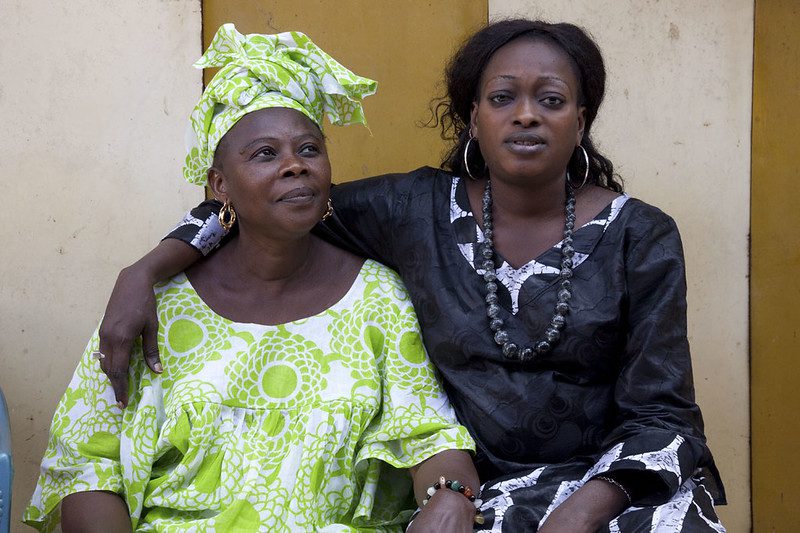
innovations in poverty eradication in ugandaWhen it comes to the fight against poverty, innovation is just as important as in any other field. Coming up with creative, sustainable solutions for such a massive problem is critical in any nation. However, it is more important in developing countries, where funds allocated for poverty reduction are often limited. By thinking outside the box, governments, private sector organizations and NGOs can effectively accomplish poverty reduction efforts across many sectors. Here are just a few innovations in poverty eradication in Uganda.
The Private Sector

In fact, the private sector is often where innovation originates and forward-thinking people thrive. Normally, many people think of poverty reduction as a job for governments and NGOs. However, by involving private corporations, the fight against poverty can work outside the bureaucracy that often impedes the work of governmental agencies.

Additionally, there is a large incentive for private businesses to get involved with poverty reduction. The world’s poor represents a largely untapped market of consumers. By lifting them out of poverty, businesses will create a larger client base and ultimately more profit. Today, 4 billion people are living on less than $8 a day. This segment of the population provides opportunities for expanded market development and human capital. Indeed, there is no shortage of entrepreneurs looking to work with this demographic.

Innovations in Poverty Eradication in Uganda

The private sector is where many innovations in poverty eradication in Uganda emerge. One particular business-focused innovation that has taken hold in Uganda is microfinancing. Microfinancing practices give small loans to fledgling entrepreneurs. Recipients use the loans to grow their businesses, create jobs and positively impact their communities. This opportunity for those traditionally excluded from the banking system to obtain credit has done lots of good, particularly in Uganda.

For example, The Hunger Project is taking its microfinancing efforts one step further. Not only is it promoting economic self-reliance, but it is ensuring the inclusion of women. Women even lead its microfinancing program, giving them an influential voice in their communities. Thus, microfinancing is one among many innovations in poverty eradication in Uganda.

Empowering Women

Another success story is the Women’s Microfinance Initiative (WMI). WMI’s mission is “to establish village-level loan hubs. Local women administrate the loan hubs to provide capital, training and support services for women in East Africa. This is to help them engage in income-producing activities.” Since 2008, WMI has issued over $7.2 million in loans to more than 17,500 women in East Africa. The organization estimates that each loan provides a positive economic outcome for at least 20 people. Overall, this means that this program has reached over 350,000 individuals in the past 12 years.

The anecdotal evidence above as well as the available data show that microfinancing initiatives are effective innovations in poverty eradication in Uganda. According to the World Bank, the percentage of those living below the poverty line in Uganda decreased by 11.4% from 2006 to 2013. The organization credits much of this progress to agricultural innovations, many of which use microfinancing. This goes to show that often, innovation and progress happen from the bottom up.

Moving Forward

However, if this progress is to continue, innovators looking to further innovations in poverty eradication in Uganda need to focus on malnutrition, education, sanitation and electricity. Without access to these services, innovation efforts will fall short. Therefore, a potential approach to poverty reduction in Uganda would be a blend of governmental, NGO and private sector efforts. Long-term, inclusive and sustainable solutions can go a long way toward reducing poverty in Uganda and elsewhere.

– Addison Collins
 Photo: Flickr

October 23, 2020
https://borgenproject.org/wp-content/uploads/borgen-project-logo.svg 0 0 Jennifer Philipp https://borgenproject.org/wp-content/uploads/borgen-project-logo.svg Jennifer Philipp2020-10-23 13:14:152020-10-23 13:15:05Innovations in Poverty Eradication in Uganda
Education, Gender Equality, Global Poverty, Women and Female Empowerment, Women's Empowerment

Women’s Education in The Gambia: Developing the Economy

women's education in the gambiaAcross the developing world, millions of women and girls in poverty receive little to no education. Women learn to cook, clean and care for children. Men, in contrast, often receive an education from a young age. With this advantage, men can work toward opportunities beyond the reach of their female counterparts. When girls have access to education, they can forward the benefits to their community. One educated girl can impact generations. This is why women’s education in The Gambia is important.
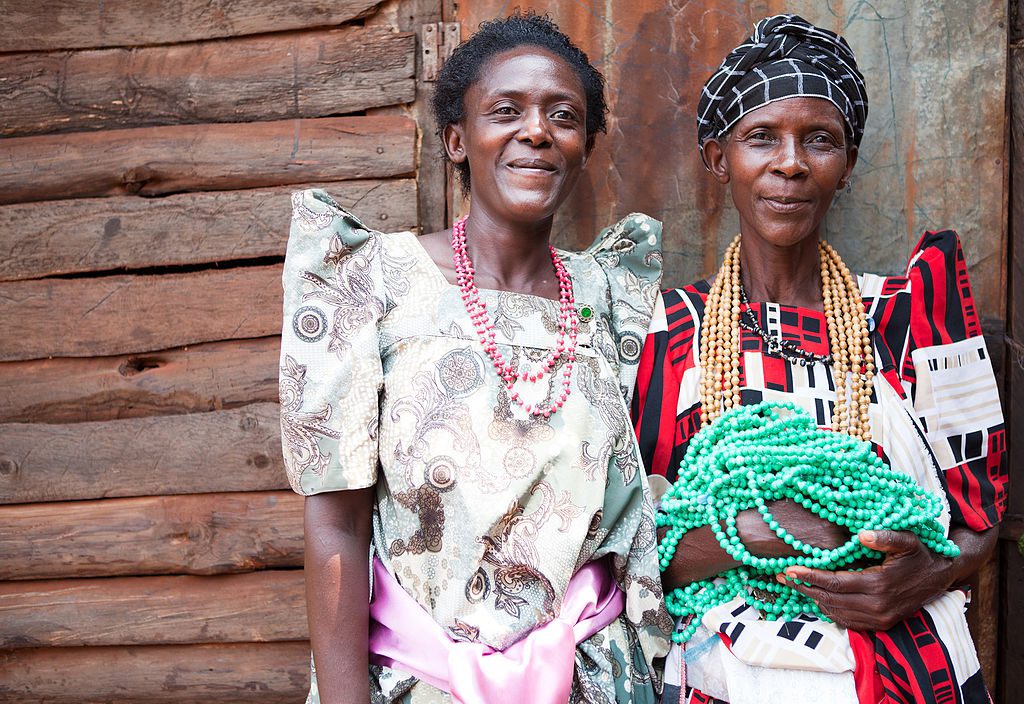
In The Gambia, a small West African country, girls face problems common in developing countries. The average family lives on a daily income of $1, but education after grade six costs $100 per year. Families frequently invest their small income in educating boys, whom they think will support them in adulthood. As a result, women struggle to find opportunities beyond domestic labor.

In addition to these limitations on women’s education in The Gambia, other barriers include cultural biases and teenage marriage. The culmination of these obstacles prevents nearly 50% of the Gambian population from accessing education and economic empowerment. Consequently, the lack of women’s education in Gambia hurts the country’s development.

Why Does Education Matter?

For women living in poverty, including those in The Gambia, very few opportunities wait for them. These girls face the expectation from a young age that they will grow up to become mothers and homemakers. Early on, girls learn about domestic skills and how to raise children. Men, on the other hand, have the opportunity to dive into their education and accelerate their careers.

The education of women in developing countries is absolutely critical to their personal growth. When young girls receive the same opportunities as boys, they learn essential skills that go far beyond the classroom. Health classes teach young women about the spread of illnesses and the importance of nutrition. Math lessons provide analytical skills that they can apply to household finances. Language courses allow them to communicate better with others and read the news.

For women in The Gambia, these skills would allow them to improve their own quality of life. In a nation that often undervalues gender equality, women’s education in The Gambia is a critical first step to leveling the playing field.

Women’s Education and Economic Development

The smallest country in mainland Africa, The Gambia faces limited economic development. The current regime has harmed business freedom and has contributed to the weakening labor force. With a population of around 2.1 million, the country has a limited workforce. Most jobs center on agriculture and crop exports. However, excluding women from the workforce cuts the number of potential workers in half.

Additionally, since the nation’s economy depends on crops, The Gambia’s GDP fluctuates with farmers’ production. This means that in dry seasons, when people struggle to water their crops, the economy struggles as well. In fact, the Gambian economy recently contracted by 10% as a result of erratic rainfall, according to The World Bank.

Including women in the workforce would increase the available amount of labor, which would help in cultivating crops. Additionally, more labor would allow other sectors of the economy to grow, creating a more diverse and stable economic system. If women received an education, making them more employable, more businesses would develop and the economy would grow exponentially.

Education Brings Hope

Over the past several years, efforts around the globe have worked toward improving women’s education in The Gambia. Women in The Gambia are now achieving higher levels of education, and experts predict this trend will continue. Many charities and NGOs are raising money and bringing awareness for this cause. Some are even increasing education through international programs. One of these NGOs is Janga Yakarr, which uses exchange programs in the United States to increase women’s education in The Gambia.

Janga Yakarr, which directly translates to “education, hope,” is a charitable organization founded by sisters Alexandra and Erica Chalmers in 2011. After learning about the lack of opportunities for women in The Gambia due to limited education, they decided to help. The sisters arranged a shipment of desks, chairs, whiteboards, chemistry equipment and educational materials to The Gambia. This effort meant to help children in The Gambia complete their education.

An Educational Exchange

The Chalmers became inspired by how their school supplies supported young girls and the relationships they formed with these students, who lived nearly 4000 miles away. From this point on, the Chalmers sisters wanted to enhance the relationship between students in the U.S. and in The Gambia. They now create an educational connection between the two countries.

To do so, they started the nonprofit Janga Yakurr in partnership with grassroots organization Starfish International. The organization’s aim is to raise money for women’s education in The Gambia. Additionally, it aims to foster relationships between U.S. high schoolers and students in The Gambia, as well as run exchange programs between the schools.

Alexandra Chalmers told The Borgen Project, “Looking at the struggle that many women go through in The Gambia in order to feel empowered, it opened our eyes to how much we take for granted in the United States. Our own education has provided us with so much opportunity to pursue, and we wanted to share that with these girls as well.”

The Future of Women’s Education in The Gambia

Over the past several years, many organizations like Janga Yakurr have helped make progress on women’s education in West Africa. This is important not just for women but for these countries as a whole. When young girls receive the same opportunities as young boys, they can get higher-paying jobs. From there, the labor force will continue to grow, which will improve economic stability.

Additionally, as women are more highly educated, they may help fight for women’s equality. They can use their education to fight for equal representation, for example, and to reduce female circumcision and domestic abuse. With a higher level of education, many women and girls may also gain respect and equality in other facets of life.

Education fuels empowerment. For women in poverty, they likely cannot feel empowered without education and financial support. However, women’s education in The Gambia will provide ample opportunity for them to thrive and for the whole economy to prosper.

– Daniela Canales
Photo: Flickr

October 22, 2020
https://borgenproject.org/wp-content/uploads/borgen-project-logo.svg 0 0 Kim Thelwell https://borgenproject.org/wp-content/uploads/borgen-project-logo.svg Kim Thelwell2020-10-22 19:24:172020-10-22 19:24:17Women’s Education in The Gambia: Developing the Economy
Global Poverty, Women's Empowerment

5 Benefits of Diva Taxi: Uganda’s Female-Run Rideshare

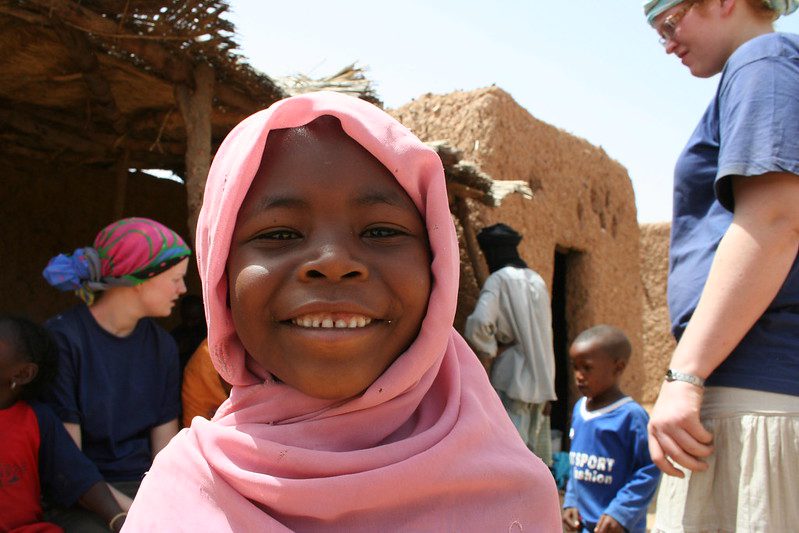
https://commons.wikimedia.org/wiki/File:Akola_women_in_Uganda.jpgDiva Taxi, an all-female transportation company, recently launched in Uganda. As Uganda’s female-run rideshare, it is distinct because of its strict rule of hiring only female drivers. Diva Taxi hopes to alleviate the demand for taxis in the Ugandan capital city, Kampala while providing women with a safe method of transportation. While the company expects to thrive in the rapidly developing capital, Diva Taxi also hopes to expand to other regions in Uganda. Its emphasis on female entrepreneurship, strict screening and affordability will positively affect the transportation sector in the Ugandan economy. Moreover, it will employ women struggling financially. Here are 5 ways in which Diva Taxi will positively influence Ugandan women.
5 Benefits of Diva Taxi: Uganda’s Female-Run Rideshare

  1. Hiring Women. Diva Taxi focuses on hiring women, a demographic typically overlooked on other driving applications. Gillian Kobusingye, one of the managing partners of Diva Taxi, observes that other companies are male-dominated. She estimates that men make up 80% of transportation companies in Uganda. Because of this, companies are less likely to hire women drivers, favoring the status quo. This gender disparity is not restricted to the transportation sector alone: 14.4% of working-age Ugandan women are unemployed. This, compared with 6.2% of men. Diva Taxi eliminates this selection bias as Uganda’s female-run rideshare.
  2. Affordability. Becoming an employee of Diva Taxi is completely affordable. For women struggling financially, the need to purchase technology or equipment often restricts access to desperately-needed jobs. Like Uber and Bolt, Diva Taxi is an application, which means office registration and other bureaucratic red tape is avoidable when joining. Employees only need a functioning car to join the team. Diva Taxi drivers note how the company’s flexibility provided them the opportunity to quickly make money for their families. This is critical during the economic downturn caused by COVID-19. Since the onset of the pandemic, jobs shrank in Uganda, enhancing the significance of jobs that remain open to female employees.
  3. Employee Safety. The application prioritizes safety for its employees. New hires are taught basic self-defense skills to guard themselves against potentially dangerous clients. One precautionary measure for drivers includes “Panic Alerts,” a protective in-app function that safeguards employees from potential thieves. Additionally, employees and customers receive a unique registration number when they create their profile. This enables their tracking if things go awry. Lastly, customers must book rides two hours in advance so no relative trip requests can occur that may endanger the driver.
  4. Client Safety. Diva Taxi offers a safe ride home for girls and women. Despite newly-passed laws and policies to protect victims and survivors of abuse, violence against women increased by 4% in Uganda. According to the Uganda Police Force’s annual report, as of 2016 — 22% of Ugandan women between the ages of 15–49 experienced some form of sexual violence. This percentage is equivalent to more than 1 million Ugandans. A safe, female-run company like Diva Taxi is an essential form of transportation for women. This group is among the vulnerable in the bustling streets of Kampala, especially at night.
  5. COVID-19 Precautions. Diva Taxi takes the necessary precautions against COVID-19. All drivers must clean their cars routinely, as well as wear a mask to maintain the safety of the customer and themselves. As of August 2020, Uganda has 2,362 confirmed cases of COVID-19, which means these precautions are still necessary.

By Women, For Women

Diva Taxi was created by women, is run by women and protects women. Although Diva Taxi was launched during the COVID-19 pandemic (an uncertain era for transportation companies) it is a positive influence on female Ugandans which will hopefully keep it afloat.

– Faven Woldetatyos
Photo: Wikimedia Commons

October 18, 2020
https://borgenproject.org/wp-content/uploads/borgen-project-logo.svg 0 0 Kim Thelwell https://borgenproject.org/wp-content/uploads/borgen-project-logo.svg Kim Thelwell2020-10-18 07:30:562020-10-14 08:57:295 Benefits of Diva Taxi: Uganda’s Female-Run Rideshare
Global Poverty, Women's Empowerment

How Agriculture Grants Are Empowering Women in Niger

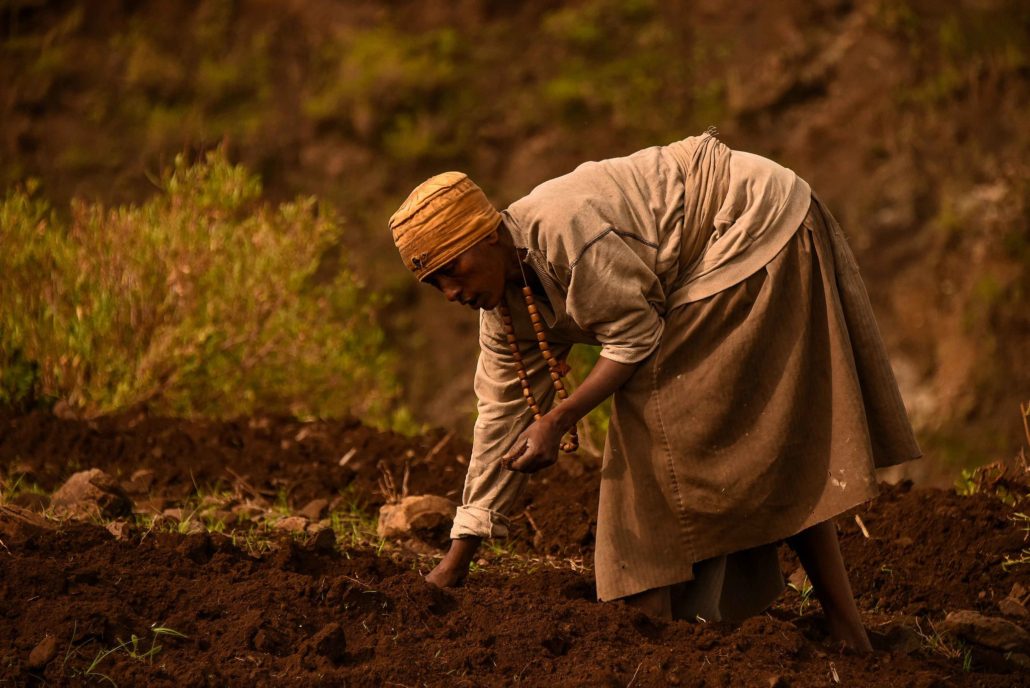
Empowering women in NigerIn Niger, the agricultural sector employs more than 80% of the nation’s population. Despite making up approximately 40% of Niger’s GDP, agriculture faces poor management of natural resources and lack of access to markets. This restricts economic growth in Niger. Importantly, women make up 49.75% of Niger’s population but face a lack of access to resources like quality seeds and soil. With poor education and gender inequality, women in Niger have a difficult time gaining financial independence. In this situation, the Millennium Challenge Corporation’s Niger Compact is key to empowering women in Niger and securing a stable economic future.
Challenges for Niger’s Agricultural Sector

Some of the main issues facing the county’s agricultural sector include a lack of reliable access to irrigation, water for crops and livestock as well as a lack of access to markets. The climate in Niger is hot and dry, but only 10% of crop fields have proper irrigation. As a result of frequent droughts, many people struggle to subsist on revenue from crop production and animal agriculture.

Further, the intense variability of the annual amount of rainfall causes drastic changes in crop yield each year. In addition to environmental factors, farmers in Niger are often unable to access quality seeds and fertilizers. Pests like locusts also often destroy crops. All of these factors work together to create challenges to achieving economic stability and food security in Niger.

Addressing These Challenges

The Millennium Challenge Corporation (MCC)  aims to address these challenges in Niger through agricultural grants. Its Niger Compact program focuses on encouraging sustainable use of Niger’s natural resources improving market access. To do so, MCC invests in irrigation systems, improved roads, resource management and climate-resilient crop production. As of June 30, 2020, MCC has given more than $74 million in grants to agricultural enterprises. The organization has also successfully helped fund the renovation of the Konni Irrigation System, Niger’s largest irrigation system. In the future, the improved irrigation system will help boost the economy and improve food security in the nation.

Empowering Women in Niger

As a part of the Niger Compact, MCC commits to empowering women and young people through its grants. Experts believe that if Niger could close its gender gap in the agricultural sector alone, more than 25,000 citizens would escape poverty. While men invest only 35% of their income in their families, women invest 90%. Thus, when women have greater income and spending power, a community’s health and education improves. For example, women who have higher incomes can provide their children with higher protein diets that include more meat and fish. Although the Niger Compact focuses on all entrepreneurs and small business owners, MCC believes that poverty reduction requires empowering women in Niger.

Between October 2018 and March 2020, MCC gave $2.3 million in grants to 25 different agricultural production groups. Women owned or ran 13 of those groups. Beyond financial support, the MCC is empowering women in Niger by providing them with educational opportunities. Along the perimeter of the Konni Irrigation System, the organization is offering free literacy courses for farmers. Of the more than 4000 participants in the course, 56% are women.

The MCC’s Niger Compact is an important step in raising the socioeconomic status of women in Niger. Investing in women allows them to become more active participants in their country’s economy. Accordingly, empowering women in Niger is an important step toward reducing poverty nationwide.

– Maddi Miller
Photo: Flickr

October 17, 2020
https://borgenproject.org/wp-content/uploads/borgen-project-logo.svg 0 0 Kim Thelwell https://borgenproject.org/wp-content/uploads/borgen-project-logo.svg Kim Thelwell2020-10-17 10:32:372020-10-17 10:32:37How Agriculture Grants Are Empowering Women in Niger
COVID-19, Global Poverty, Health, Women's Empowerment

Female Leaders in the Pandemic Find Success

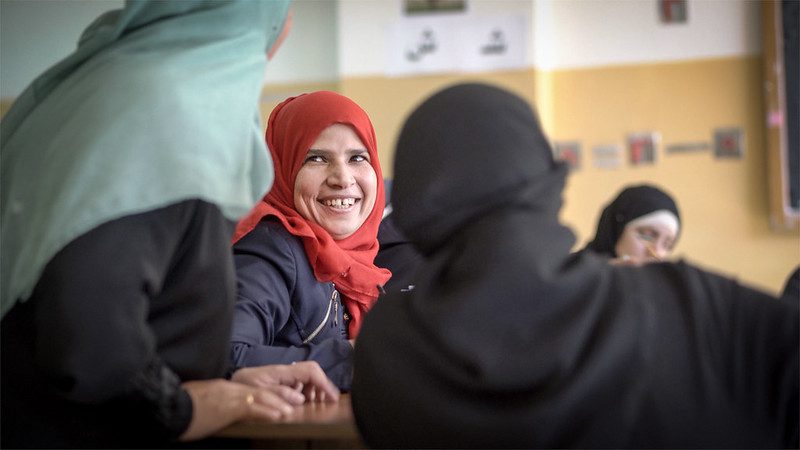
Female Leaders in the PandemicIn the months since COVID-19 first emerged in late 2019, the world has experienced many challenges that have led people across countries to experience economic, social and political instability. The pandemic has also exposed another issue: COVID-19 has displayed the strengths of female leaders while highlighting the need for more opportunities for women in the future.
Female-led Countries Perform Better

Around the world, female leaders in the pandemic have been praised for their response to the global crisis.

New Zealand’s prime minister, Jacinda Ardern, has become a stellar example of thoughtful and resourceful leadership in handling COVID-19. Her decision to implement strict lockdown procedures at the beginning of the pandemic saved thousands of lives and the country’s economy. On June 8, months before many other areas, Ardern declared there were no longer any cases of COVID-19 in the country.

Chancellor Angela Merkel has done a significantly better job at controlling the virus in Germany than many of her European neighbors. Even though the virus hit Germany hard, the country “had about a quarter as many deaths as France,” in April.

In Taiwan, Tsai Ing-Wen combated COVID-19 early. By beginning testing in late December, she prevented the virus from getting out of control in its early stages. Praised for her approach to containing the virus, the president now has a 61% approval rating.

Such successes of female leaders in the pandemic are not isolated events. The strength, compassion, thoughtfulness and collaboration that women have shown throughout the pandemic have benefited the health and safety of their countries. Across the world, female-led countries “have suffered six times fewer confirmed deaths from COVID-19 than countries with governments led by men.”

The Strengths of Female Leadership

Women bring specific strengths to the table when it comes to leadership. Women are naturally more inclined to act compassionately and work cooperatively. These characteristics are especially important in the midst of the pandemic. Focusing on collaboration instead of competition is the only way to effectively handle an international crisis. Contact tracing, self-isolation and simply wearing a mask are all altruistic actions that depend on a cooperative response from the public. Leaders must serve as role models by exemplifying those actions.

Humility has also been recognized as a characteristic closely associated with women and is vital to managing the pandemic. Leaders must acknowledge that they cannot eradicate the virus alone and recognize the value of insight from experts like the medical community.

Female Experience and Crisis Management

Female leaders are also, to some degree, free from the expectations grounded in toxic masculinity, including the standard to act aggressively and competitively. This appeal to hyper-masculinity has appeared in some male-led countries during the pandemic. In the United States, for example, by calling himself a wartime president, President Trump has framed the virus as an enemy requiring the same aggression and violence as war. His decision not to wear a mask is an attempt to appear strong and assertive over his enemy. However, this kind of militaristic charisma does intimidate a virus. In contrast, many female leaders have “emphasized compassion and patience, rather than war and victory,” thus taking a more humane approach that prioritizes the health and safety of human lives over a desire to appear ‘tough’.

Women’s life experiences also inform their response to a crisis. Comprising the majority of essential workers and the newly unemployed, women may have a more empathetic response to the pandemic. Women of color “may be more attuned to the disproportionate impact of the virus on marginalized communities than people who have never had to think about marginalization before.”

For female leaders in the pandemic, these experiences bring to light the severity of the situation while fostering compassionate and collaborative solutions to overcome the crisis.

The Girls LEAD Act

The success of female leaders in fighting the pandemic has made one thing clear: women should receive greater political and leadership opportunities. The Borgen Project supports the Girls LEAD Act, which seeks “to strengthen the participation of adolescents, particularly girls, in democracy, human rights, and governance.”

The Act aims to expand opportunities for girls by implementing “activities to increase adolescent girls’ civic and political knowledge and skills and address barriers to political participation.” It also offers “foreign assistance funding for democracy, human rights, and governance programs.”

Female leaders in the pandemic have highlighted the importance of opening opportunities for women through legislation such as the Girls LEAD Act. Women’s ability to participate in politics and access leadership roles is not only of pivotal importance for gender equality but also imperative to the health and safety of our world.

– Jessica Blatt
Photo: Wikimedia

October 12, 2020
https://borgenproject.org/wp-content/uploads/borgen-project-logo.svg 0 0 Kim Thelwell https://borgenproject.org/wp-content/uploads/borgen-project-logo.svg Kim Thelwell2020-10-12 10:00:352020-10-07 12:25:50Female Leaders in the Pandemic Find Success
Global Poverty, Women's Empowerment

Botswana Wives Granted Equal Land Ownership 

Equal Land Ownership
On September 17, 2020, Botswana President Mokgweetsi Masisi announced that wives will now be able to own land independently from their husbands. This is an amendment to the 2015 Land Policy that prevented women from owning land independently if their husband was already a landowner or even co-owning land equally along with their husbands. Botswana, a landlocked country located in Africa, had also prevented widowed women from inheriting their deceased husband’s property. Because people considered women to be their husband’s property, the deceased husband’s inheritance would then pass down to a male relative, leaving the widow without any land to live or work on. Now that Botswana gives women equal land ownership, wives can regain independence inside of marriage. Married women are able to choose their own plot of land, which includes both state-owned and tribal land.

Measures Toward Equal Land Ownership

Unmarried women could purchase land after the 2015 Land Policy passed, but married women and widows had always experienced exclusion from this right. Additionally, husbands had the power to sell a property without consulting their wives, preventing them from having access to land used to work. Because Botswana gives women equal land ownership, wives are now equal to their husbands.

As an extra measure, President Masisi encouraged non-governmental organizations to teach women about their rights. Women will also have access to legal support to assist them in securing their success as landowners. This additional project will ensure the enforcement of the amendment so that as many women as possible can benefit from it.

This amendment is especially important during the COVID-19 pandemic, as widows previously could not inherit their husband’s land. Widows face the threat of becoming social outcasts and typically have no choice but to marry male relatives to grant security. Now that Botswana gives women equal land ownership, widows are able to support themselves and remain independent.

Women in Agriculture in Botswana

Land ownership is especially important for women in order to make a living from farming. About 80% of Botswana’s population are farmers, the majority being single women who can own land. Married women now will have an equal opportunity to work and contribute to their family income. Less than one month after President Masisi’s announcement, 53% of the 620,660 people on a waitlist to purchase property were women according to Botswana’s land audits reports. Globally, only 15% of female farmers own land, despite women making up the majority of farmworkers. Because an agricultural-based country like Botswana gives women equal land ownership, it is certain to have an impact on inspiring global farmers.

When announcing the new amendment, President Masisi said “The Botswana Land Policy 2015 was discriminatory against married women and did not give them equal treatment with men, and I am happy to report that this discriminatory sub-section has since been repealed.”

Botswana certainly has a long way to go with securing women’s rights, but protecting widows and granting wives equality to their husbands is a huge step in the right direction. Botswana’s recognition of married women’s rights to own land promises further advancements in women’s rights.

– Karena Korbin
Photo: Flickr

October 10, 2020
https://borgenproject.org/wp-content/uploads/borgen-project-logo.svg 0 0 Jennifer Philipp https://borgenproject.org/wp-content/uploads/borgen-project-logo.svg Jennifer Philipp2020-10-10 13:02:522024-05-30 07:53:18Botswana Wives Granted Equal Land Ownership 
Advocacy, Women's Empowerment, Women's Rights

5 Organizations Supporting Women’s Empowerment in the Middle East

Women's Empowerment in the Middle EastWomen’s empowerment is a priority for many activists and advocacy groups around the world. In the Middle East, many women are not active participants in politics or in the workforce and experience domestic abuse and sexual assault. However, many non-governmental organizations have stepped up in recent years to promote women’s empowerment in the Middle East. Numerous NGOs support women’s economic, social and political growth in this part of the world. The following five charities are all taking meaningful steps toward women’s empowerment in the Middle East. Their tactics span economic empowerment, political activism and more.

Organizations Promoting Women’s Empowerment in the Middle East

  1.  The Center of Arab Women for Training and Research. Founded in 1993, this organization supports women’s empowerment in the Middle East through education and operates in multiple countries. The Center of Arab Women for Training and Research (CAWTAR) is dedicated to training Middle Eastern women in useful skills to enable them to find meaningful employment. In December 2019, CAWTAR launched the InnovAgroWoMed program to help women find jobs in agriculture and food production. It plans to run the program until 2022 in Italy, Spain, Tunisia and Palestine. CAWTAR also launched a program to empower Syrian refugees living in Lebanon by teaching them computer skills and accounting so that they can support themselves financially. Finally, CAWTAR conducts research on Arab women’s participation in the workforce. In doing so, it aims to break the stigma about women’s roles in the economy and the public sphere.
  2. Arab Women Organization in Jordan. For fifty years, this Jordan-based group has been dedicated to gender equality and ending violence against women. Founded in 1970, the Arab Women Organization in Jordan (AWO) works to advance women’s rights. It advocates for government policies that support women, encourages women to run for office, and engages in general activism. Additionally, AWO leads workshops to teach women leadership skills and provides free counseling and services to survivors of domestic or sexual violence. As of 2019, AWO owns and operates two women’s centers that provide aid to local women as well as to Syrian refugees. Counseling at these centers helps women identify signs of abuse and provides them with the training they need to become independent and self-sufficient. To commemorate AWO’s fiftieth anniversary this year, the organization’s leaders publicly reiterated their dedication to women’s empowerment in the Middle East and their goal to continue providing leadership programs to women in Jordan.
  3. Daughters for Life Foundation. Dr. Izzeldin Abuelaish created the Daughters for Life Foundation in 2009 after the tragic deaths of his three young daughters. Her mission is to promote peace and political stability through women’s empowerment in the Middle East. The foundation grants scholarships to Arab women in various countries throughout the Middle East so that these women can access higher education and pursue their dreams. Scholarships for graduate and undergraduate programs in the United States and Canada are available in a variety of subject areas. DFL also hosts an annual gala in Toronto to honor its scholars’ success and connect them with local leaders in business and media.
  4. Organization of Women’s Freedom in Iraq. Since 2003, the Organization of Women’s Freedom in Iraq (OWFI) has protected women’s rights and fought violence against women. The group also advocates for the victims of so-called “honor crimes,” widowed women and women in prison. OWFI operates six women’s shelters across Iraq to protect survivors of rape and abuse. All shelter locations are secret so that the survivors will not have to fear retaliation from their abusers. As of 2020, more than 500 women have passed through OWFI shelters. OWFI has braved pushback from the Iraqi government, even facing a lawsuit accusing the NGO of supporting revolution. Despite the government’s attempts to shut them down, OWFI leaders are adamant that they will continue to fight for women’s rights in Iraq.
  5. Women for Women International. Founded in 1993, this global organization provides support to women in eight countries in the Middle East, Africa and Europe, including Afghanistan and Iraq. Women for Women International not only offers a variety of economic and social programs for women, but it also offers men’s groups to teach men how to be better feminist allies. Since 2002, the charity has run a year-long women’s program that teaches local women skills, such as husbandry and beekeeping, to help them achieve financial independence. In the past eighteen years, more than 100,000 Afghani women have completed the program, which also teaches healthy decision-making, financial skills, and self-protection. Women for Women International has also been active in Iraq since 2003. There, it serves not only Iraqi women but also Syrian refugees living in the country and indigenous Yezidi women. The organization has opened “opportunity centers” where women can go to find economic resources, connect with their community and find political opportunities. Importantly, Women for Women International sponsors frequently keep in contact with the women who have gone through their various programs over the years.

With years of experience and extensive programming, these five organizations will continue to advocate for women’s empowerment in the Middle East. They all educate women to become confident, independent individuals with the necessary skills to support themselves. Hopefully, they will continue to touch women’s lives in meaningful ways for years to come.

– Jackie McMahon
Photo: Flickr

October 9, 2020
https://borgenproject.org/wp-content/uploads/borgen-project-logo.svg 0 0 Kim Thelwell https://borgenproject.org/wp-content/uploads/borgen-project-logo.svg Kim Thelwell2020-10-09 15:42:432024-05-30 07:52:175 Organizations Supporting Women’s Empowerment in the Middle East
Global Poverty, Women and Female Empowerment, Women's Empowerment

Innovations in Poverty Eradication in Zimbabwe

innovations in poverty eradication in zimbabweLocated in southern Africa, Zimbabwe is characterized by impressive landscapes and diverse wildlife. Currently, Zimbabwe is suffering from immense poverty. In 2019, extreme poverty was at 34% in Zimbabwe, an increase from 29% in 2018. Furthermore, this represents a change from 4.7 million to 5.7 million people living in poverty. The cause of this swift increase was an economic contraction of around 8%. The World Bank expects a continued increase in extreme poverty in Zimbabwe in 2020. Fortunately, many organizations are working on innovations in poverty eradication in Zimbabwe to combat this problem.

Hyperinflation and Drought

In addition to a general economic downturn, several droughts across Zimbabwe have caused the prices for food and other essential goods to rise. These same droughts slumped agricultural production, especially in rural communities, where people were hit the hardest by this downturn.

The African nation has also been struggling with hyperinflation for more than a decade. This problem results from economic mismanagement by the nation’s previous president, Robert Mugabe. The Zimbabwean dollar lost 85% of its value against the American dollar between February and December of 2019. According to Trading Economics, Zimbabwe’s inflation rate was 737.3% in June 2020, growing to 837.5% by July 2020. As such, Zimbabwe faces severe hyperinflation, which does not help with its fight against widespread poverty. Here are two innovations in poverty eradication in Zimbabwe that are aiming to solve this problem.

Children in the Wilderness

One of these innovations in poverty eradication in Zimbabwe is a project by Children in the Wilderness (CITW), which started in February 2020. The project’s goal is to generate income within rural regions by creating businesses for women to operate. In northern Matabeleland, poverty levels are high due to a lack of diverse income-generating fields. Previously, this land relied on farming to produce income; however, unreliable rainfall and poor soil have made this method ineffective. Families now rely on an average monthly income of $9. This makes it a challenge to survive and prohibits many families from sending their children to school, which could help lift them out of poverty.

In response, CITW hosted classes that educated women on business and budgeting. The women who participated learned how to apply their innovative ideas, make money from their crafting skills and sell their work. CITW’s teachings have also promoted sustainability and self-management amongst the community. For example, the project provided a way to recycle unwanted waste by having women use it in basket weaving. To help women sell these goods, CITW pitches the crafts to businesses around Hwange National Park and Victoria Falls. As these businesses grow, poverty in northern Matabeleland will decrease. Importantly, CITW’s project has not only worked to eradicate poverty but has also brought women together and built pride in their local culture.

The Shoe That Grows

In 2020, CITW arrived in Tsholotsho, an area heavily affected by poverty, to act on a donation made by Melissa Cabrera Wilson. Wilson aims to ease the effects of poverty on children by providing them with another of many innovations in poverty eradication in Zimbabwe. The Shoe That Grows brand has provided children in Tsholotsho with something that most of them will never receive: new shoes. Without this donation, children would have to use shoes that have been passed down to them or nothing at all. So far, CITW has donated more than 45 shoes. The shoes can adjust from sizes one to four, allowing them to be used as the children grow. This innovation has given children relief from the harsh terrain they must walk miles on to get to school every day.

Hit by poverty and hyperinflation, Zimbabwe’s citizens are struggling. With these innovations in poverty eradication in Zimbabwe, they are beginning to overcome poverty step by step. The income-generating groups in northern Matabeleland will have a lasting effect on citizens, as a reliable and creative source of income is game-changing. Additionally, the shoes given to children in Zimbabwe and all over the world have also softened the harsh results of poverty on kids. In all, these innovations in poverty eradication in Zimbabwe have made life more tolerable for many of those affected.

– Emma Green
Photo: Flickr

October 6, 2020
https://borgenproject.org/wp-content/uploads/borgen-project-logo.svg 0 0 Kim Thelwell https://borgenproject.org/wp-content/uploads/borgen-project-logo.svg Kim Thelwell2020-10-06 07:30:142020-10-02 09:13:50Innovations in Poverty Eradication in Zimbabwe
Global Poverty, Women, Women's Empowerment

Maternal Health and Husband Schools in Niger

Husband Schools in Niger
Maternal, reproductive and infant health is inaccessible to many in the world’s most impoverished countries, leaving mothers and their children without the care they need to live healthy and fruitful lives. This is no different in Niger, which ranks last on the Human Development Index (HDI)—one out of every 187 women in Niger dies as a result of childhood complications, and only one in four infants are breastfed during the first six months of their life. The majority of these women and children do not have access to the health facilities that would provide them with vital, potentially life-saving care. While child deaths have decreased significantly in recent years–from 326 children under five dying for every 1,000 born in 1990 to only 75 for every 1,000 in 2017—more work must occur to ensure that every woman and child in Niger has access to the health care they need. Luckily, husband schools in Niger have emerged to improve women’s access to maternal health care.

Gender Inequality

In addition to ranking last in development on the HDI, the report also listed Niger last in issues surrounding gender equality, meaning that it is men, not women, who primarily make decisions about pregnancy and childbirth, including how many children a woman has and whether or not she visits a health care center during pregnancy. Education and literary rates in the nation are low, and many of these men make these choices for their wives lacking essential prior knowledge about the importance of maternal and reproductive health.

Husband Schools in Niger

However, the United Nations Populations Fund (UNFPA), an international organization that focuses on maternal and reproductive health, has dedicated itself to changing that. Since 2004, it has started over 137 husband schools in Niger to educate and better equip these Nigerien men to make decisions about their wives’ health care access.

These schools lack official lessons and schoolwork; rather, they are safe and honest spaces for men to learn about maternal and reproductive health and discuss possible solutions to health care access issues. The men who attend these classes help each other understand the importance of access to medical treatments for the women in their lives, and together they brainstorm ways to encourage pregnant and breastfeeding women to attend an Integrated Health Center in the area. These men, all of whom are married, also bring this information back to their wives, encouraging not only knowledge about their own maternal health for the women in these relationships but also better communication between the couple. These husband schools in Niger have been incredibly successfulーthe use of maternal health resources has tripled in areas where these schools operate, and rates of prenatal doctor’s visits and safe births have increased since the schools’ founding in 2004. This program initially emerged in the Zinder region of Niger alone, but the program has since spread across the entire nation.

Husband schools in Niger are greatly improving health care access to childbearing women by providing their husbands with essential, life-saving education about maternal and reproductive health. However, more work must still occur to ensure that every woman in this country, as well as their children, is able to receive the health care—and the education about this health care—they need.

– Daryn Lenahan
Photo: Flickr

October 5, 2020
https://borgenproject.org/wp-content/uploads/borgen-project-logo.svg 0 0 Jennifer Philipp https://borgenproject.org/wp-content/uploads/borgen-project-logo.svg Jennifer Philipp2020-10-05 09:11:352024-06-10 03:29:18Maternal Health and Husband Schools in Niger
Activism, Developing Countries, Gender Equality, Women's Empowerment

Saudi Women Empowerment: Gender Progression

Saudi women empowermentThe Kingdom of Saudi Arabia has struggled with issues regarding women’s rights for a long time. Saudi Arabia ranked 146 out of 153 in the 2020 Global Gender Gap Index. The country also did not allow women to drive until the government lifted the driving ban in 2018. In 2017, the country allowed women to apply for passports and allowed women above the age of 21 to travel independently without permission from male guardians. Saudi women even gained the right to vote and run for public office in 2015. Saudi Arabian women celebrate women’s empowerment due to the country’s recent progress toward gender equality.

Challenges Women Still Face

While Saudi Arabia is making progress, the country is not without its issues. The country still requires male guardians, usually fathers or brothers, to make decisions for Saudi women. To this day, the government also limits women when it comes to choosing whom to marry or initiating a divorce. This caused some Saudi women, such as Rahaf Alqunun, to flee because of the strict male guardianship system.

Additionally, several women’s rights activists, such as Loujain al-Hathloul, have been arrested by Saudi officials for encouraging Saudi women empowerment. Al-Hathloul posted videos of herself driving during the driving ban with her hair uncovered. She also ran for office but her name was never added to the official ballot.  Al-Hathloul was arrested in 2018 with 11 other activists on charges of promoting women’s rights and collaborating with foreign organizations and media. However, her trial was indefinitely postponed due to the COVID-19 pandemic.

Loosening Restrictions: Women Moving Forward

Saudi Arabia made the largest improvement globally in women’s rights at work, according to The World Bank. The strides are credited to greater freedom of movement for women and reforms for women at work. The country criminalized sexual harassment and established work protection to prohibit employers from firing pregnant women. Saudi Arabia also equalized the retirement age for both men and women at 60, which allows for more financial freedom. Finally, the country outlawed gender-based discrimination in financial services to increase female entrepreneurship.

These reforms were a part of the Saudi government’s Vision 2030 plan, which aims to diversify the economy by promoting the private sector. The plan also includes increasing women’s labor force participation from 22% to 30%.

Street Style and Women’s Empowerment

Marriam Mossali, a Saudi entrepreneur, launched her second edition of “Under the Abaya: Street Style from Saudi Arabia” celebrating Saudi women empowerment on June 24. The book, a partnership with LUX Arabia and Niche Arabia, exposes the kingdom’s unknown fashion scene. The first edition introduced progressive Saudi women while this second edition exposed the challenges these women face.

All of the book’s proceeds go toward scholarships for women to pursue higher education. To Mossali, the book is a celebration of Saudi women empowerment because it allows women to share their own stories. The book has a forward by Princess Reema bint Bandar Al-Saud, the country’s first female ambassador to the U.S. Al-Saud told Arab News that the book tells stories and embodies the principle of women supporting women.

“Our participation in the #WomenSupportingWomen movement is much more than just a hashtag,” the book’s website says. “We believe in giving voice to these talented women in Saudi and the opportunity to pursue their aspirations.”

The first edition of the book fundraised enough to award five aspiring photographers a yearlong scholarship to Future Academy in Jeddah. The second edition aims to award women aspiring to pursue a Bachelor’s in fashion design.

Despite strides made in women’s empowerment, women in the kingdom still face many challenges. However, Saudi women continue to fight for change and equality. From filming videos to photographing street fashion, Saudi women are taking a stand for gender equality and celebrating women’s empowerment.

– Grethel Aguila
Photo: Flickr

October 5, 2020
https://borgenproject.org/wp-content/uploads/borgen-project-logo.svg 0 0 Kim Thelwell https://borgenproject.org/wp-content/uploads/borgen-project-logo.svg Kim Thelwell2020-10-05 01:30:592020-10-05 01:33:23Saudi Women Empowerment: Gender Progression
Page 29 of 54«‹2728293031›»

Get Smarter

  • Global Poverty 101
  • Global Poverty… The Good News
  • Global Poverty & U.S. Jobs
  • Global Poverty and National Security
  • Innovative Solutions to Poverty
  • Global Poverty & Aid FAQ’s
Search Search

Take Action

  • Call Congress
  • Email Congress
  • Donate
  • 30 Ways to Help
  • Volunteer Ops
  • Internships
  • Courses & Certificates
  • The Podcast
Borgen Project

“The Borgen Project is an incredible nonprofit organization that is addressing poverty and hunger and working towards ending them.”

-The Huffington Post

Inside The Borgen Project

  • Contact
  • About
  • Financials
  • President
  • Board of Directors
  • Board of Advisors

International Links

  • UK Email Parliament
  • UK Donate
  • Canada Email Parliament

Get Smarter

  • Global Poverty 101
  • Global Poverty… The Good News
  • Global Poverty & U.S. Jobs
  • Global Poverty and National Security
  • Innovative Solutions to Poverty
  • Global Poverty & Aid FAQ’s

Ways to Help

  • Call Congress
  • Email Congress
  • Donate
  • 30 Ways to Help
  • Volunteer Ops
  • Internships
  • Courses & Certificates
  • The Podcast
Scroll to top Scroll to top Scroll to top