• Link to X
  • Link to Facebook
  • Link to Instagram
  • Link to TikTok
  • Link to Youtube
  • About
    • About Us
      • President
      • Board of Directors
      • Board of Advisors
      • Financials
      • Our Methodology
      • Success Tracker
      • Contact
  • Act Now
    • 30 Ways to Help
      • Email Congress
      • Call Congress
      • Volunteer
      • Courses & Certificates
      • Be a Donor
    • Internships
      • In-Office Internships
      • Remote Internships
    • Legislation
      • Politics 101
  • The Blog
  • The Podcast
  • Magazine
  • Donate
  • Click to open the search input field Click to open the search input field Search
  • Menu Menu

Archive for category: Women’s Empowerment

Developing Countries, Gender Equality, Global Poverty, Women, Women's Empowerment, Women's Rights

Women in Developing Countries: The Impacts of International Trade

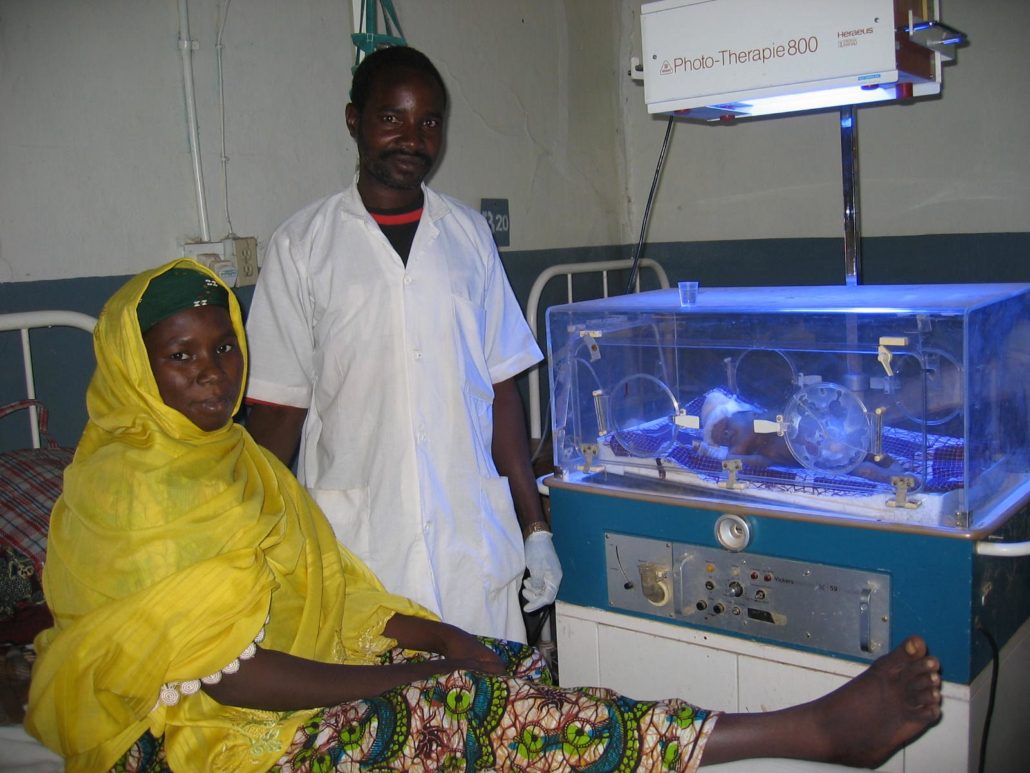
women in developing countriesInternational trade is arguably the most significant economic development of the last century. Its growth has been roughly exponential due to technological advancements and specialization, and exports today are more than 40 times the amount they were in 1913. Although this growth contributes to higher wealth and more stable economic systems for many countries, it simultaneously can exasperate already-existing inequalities, particularly those concerning women. International trade has contributed to the creation of new workforces containing more women. However, the employment opportunities in developing countries are typically low-paying positions with little prospects for skill development. Women in developing countries are limited to such positions due to social and cultural dynamics, policies and other country-specific contexts.
Employment of Women in Developing Countries

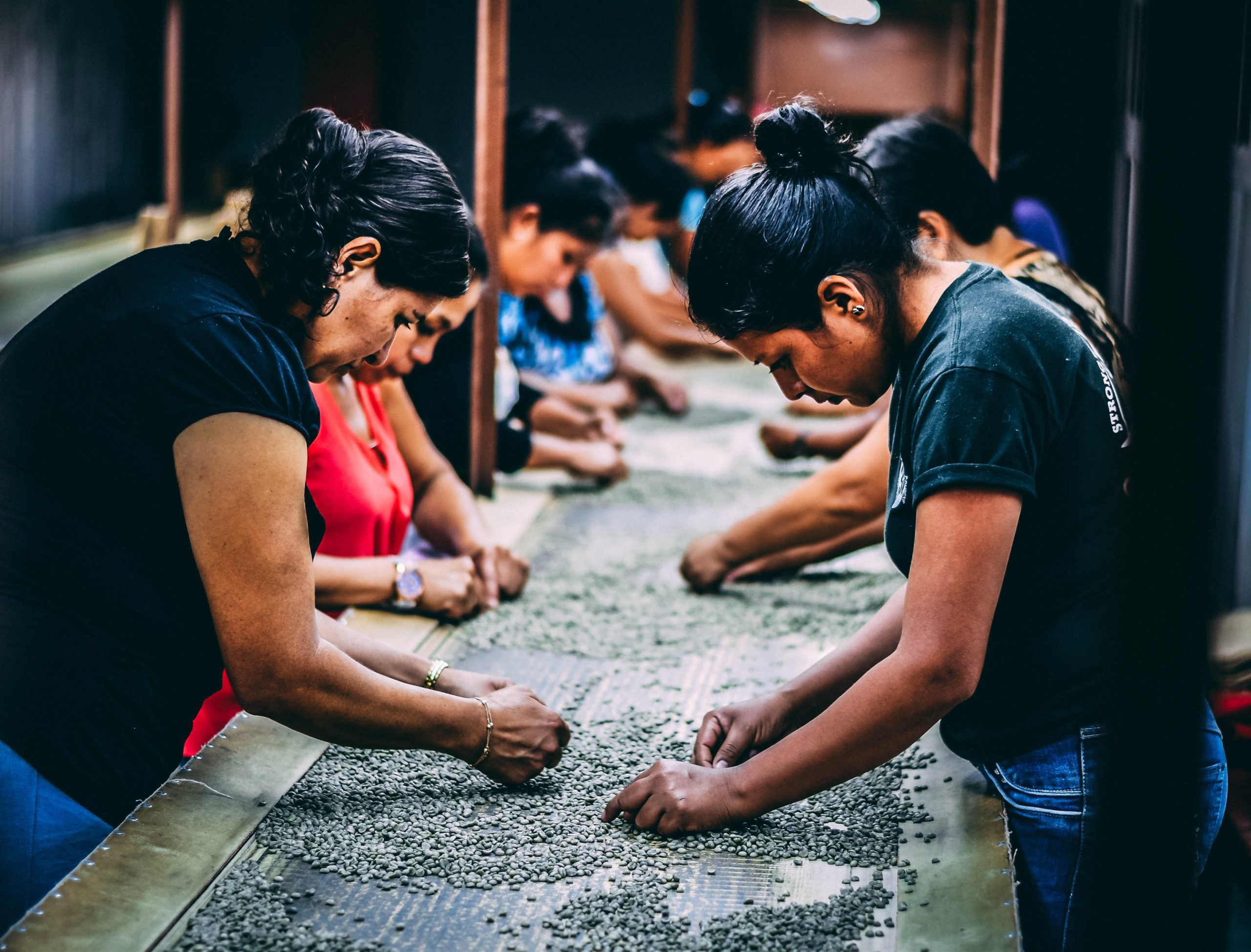
Women in developing countries oftent act as a cheap source of labor for firms. In manufacturing, women are mainly employed in jobs involving the production of goods, rather than higher-paying jobs involving management positions. If an economy is predominantly agricultural, women are often subsistence farmers or members of family businesses. In these situations, many women in developing countries do not get paid for their work. In service-based economies, women occupy low-skill positions such as street vendors. However, increasing the pay women receive for these jobs and successfully closing the gender gap could add about $28 trillion to global GDP.

The tendency of women to work in low-skilled jobs results from ingrained social norms designed to limit women’s economic mobility. Societies that expect women to assume the full responsibility of childcare often give them few opportunities to receive education or reduce the burden of their domestic labor. Consequently, these women are less likely to have the same access men do to land, credit and labor markets.

Little Access to Opportunities

Women in developing countries often also experience disproportionate rates of unemployment or remain in low-paying positions because they are unable to learn more about job opportunities in other locations. Robert Jensen, a former professor from the University of Texas at Austin, examined this phenomenon. He concluded that women living in rural areas in India who were contacted by recruitment campaigns providing information about job opportunities in urban areas ultimately participated more in the labor force. As a result, they experienced increased mobility.

Current Trade and Employment Policies

In 2016, the U.N. Conference on Trade and Development released a report stating that gender-blind trading policies exacerbate the inequalities women experience in developing countries. These gender-blind trading policies do not create equal opportunities. Instead, they allow men in the workforce to further benefit from existing economic advantages they enjoy.

However, the U.N. proposed two new global development frameworks to promote gender equality and women’s empowerment through trade. The 2030 Agenda for Sustainable Development focuses on combating gender issues. It links economic, social and environmental factors to address power structures and social dynamics that contribute to gender inequality. The Addis Ababa Agenda on Financing for Development requests equal gender inclusion into the formulation and implementation of financial, economic, environmental and social policies. It also aims to ensure women’s equal rights through access to economic activities that would combat gender-based violence and discrimination.

Together, these development plans are a holistic, firm course of action in the fight against women’s economic inequality. The U.S. Council on Foreign Relations recently reported on the progress nations have made in adopting plans, allocating funds and formulating policies. It found higher numbers of trade agreements with gender-related provisions in the last three decades. Although the global economic impact of COVID-19 may disrupt this progress, comprehensive plans and agendas will ensure that the pursuit of gender equality in trade continues.

– Isabel Serrano
Photo: Unsplash

October 2, 2020
https://borgenproject.org/wp-content/uploads/borgen-project-logo.svg 0 0 Kim Thelwell https://borgenproject.org/wp-content/uploads/borgen-project-logo.svg Kim Thelwell2020-10-02 11:46:522020-10-02 11:46:51Women in Developing Countries: The Impacts of International Trade
Developing Countries, Global Poverty, Women's Empowerment

How Microfinance Empowers Women

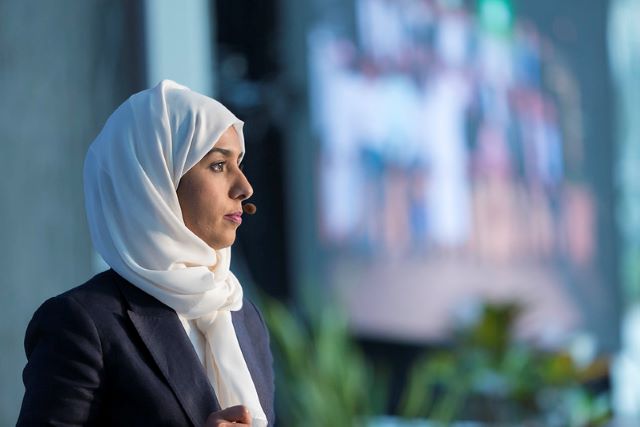
microfinance empowers womenGender inequality has a significant impact on poverty and income inequity. Income inequality based on gender is lower in countries with policies that support women and facilitate the employment of women. These policies include maternity leave, paid sick leave and unemployment benefits. In countries where women receive larger incomes, poverty rates tend to be lower overall. Microfinance or micro-lending combats poverty by helping individuals in low-income areas kickstart small businesses. Microfinance institutions provide micro-credits to people who are struggling financially with the goal of helping them reach financial security. Most of these institutions work in developing countries. As a result, microfinance empowers women to succeed and escape income inequality. 
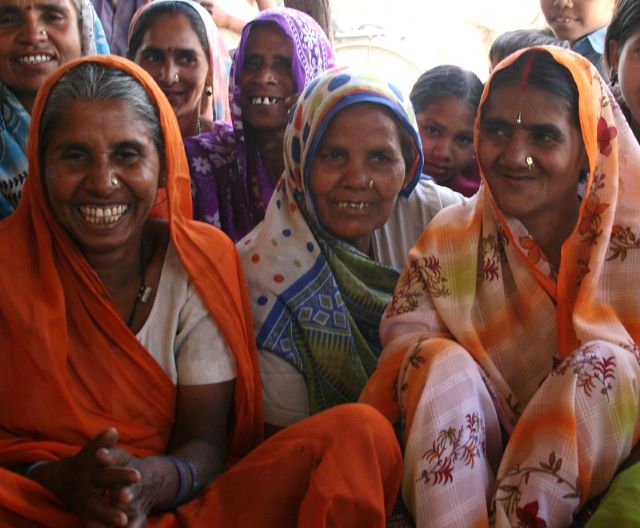
How Do Loans Help Women?

Women account for 74% of the clients of microfinance institutions, which provide credit to almost 20 million people around the world. These loans help women in developing countries gain autonomy while also positively impacting their children and the opportunities available to them. When women gain financial security, they are more likely to invest money in their children’s education or medical expenses. Microfinance for women can also have positive impacts on entire communities. For instance, through the prioritization of education and reduction of gender inequalities. 

Women’s Empowerment Benefits the Economy

Microfinance enables women around the world to start businesses and act on ideas that they would not be able to achieve without a loan. FINCA, a Microfinance institution, has stated that 72% of its female clients were able to provide for their families and send their children to school. Gender inequality has significant economic implications. According to Kiva, another Microfinance institution, there are 1 billion women around the world without access to a savings account and necessary credit. Women earn 63% less than men on average and over twice as many men are involved in the early stages of business planning. Kiva loans have helped 2.7 million women in 94 countries, and 83% of the institution’s loan recipients are women. Additionally, these loans impact communities by building confidence in young girls. Estimates have determined that by 2025 the global GDP would grow by $12 trillion if women equally contributed to the economy. 

Women’s Empowerment and Healthcare

Microfinance programs often require women to meet on a weekly or monthly basis to repay loans and deposit money. This allows women to come together and simultaneously provides financial security while building support systems. These meetings also create an opportunity to provide health education to women who lack insurance and access to health care. Specifically, HIV/AIDS prevention programs can increase the reproductive and sexual health of marginalized women. 

Therefore, in many different ways microfinance empowers women. It not only allows women to gain independence financially but it increases opportunities for children and positively affects entire communities. Enabling women to gain financial security and empowering young girls can help decrease gender inequality around the world and combat poverty. From this, it is clear that microfinance has a far greater impact on poverty and female empowerment than simply providing a loan.

– Maia Cullen
Photo: Flickr

September 28, 2020
https://borgenproject.org/wp-content/uploads/borgen-project-logo.svg 0 0 Kim Thelwell https://borgenproject.org/wp-content/uploads/borgen-project-logo.svg Kim Thelwell2020-09-28 08:39:252024-05-30 07:52:57How Microfinance Empowers Women
Education, Global Poverty, Nonprofit Organizations and NGOs, Women, Women and Female Empowerment, Women's Empowerment

Empowering Women in India Through Sewing

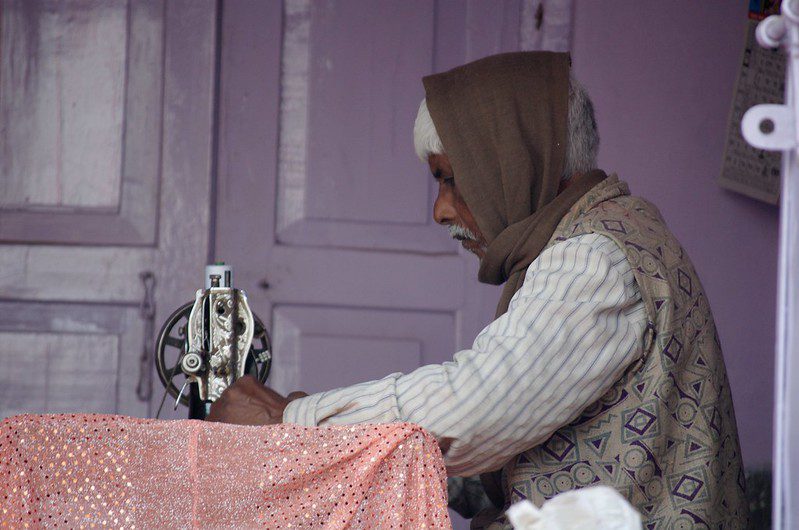
Empowering Women in India Through SewingOver the last decade, empowering women in poor communities has become a focal point in India. That is because about 50.7 million people live in extreme poverty in India, yet, as of 2019, only 20.7% of women in India are part of the labor force. Moreover, the country has recently seen a drop in its GDP from 6.1% to 5% and is attempting to recover from its uncertain economy. As a result, one solution that many nonprofit organizations and the government have recognized is investing in the population that is living under the poverty line. Specifically, many groups are empowering women in India through sewing.
Today, being able to sew can be an acclaimed vocational skill. Over the past decade or so, embroidery has become an empowering tool for women in India, and a traditional craft. With this understanding, nonprofits have implemented many initiatives in India to empower women and help their families out of poverty.

Sewing the Seeds & Samugam Trust

Sewing the Seeds is a nonprofit organization that partnered with the NGO Samugam Trust to begin a women’s sewing initiative. The plan supports women in impoverished communities by creating economic stability using creativity and the traditional craft of stitching. Bruno Savio and Gayle created Sewing the Seeds to use sewing to empower women in India living in poverty.

Savio’s father opened the Samugam Trust in 1991 to support the educational training of the underprivileged, the rehabilitation of leprosy patients and those who are physically challenged. Bruno Savio has continued his father’s legacy as director of Samugam and partner of Sewing the Seeds. Gayle backpacked across India about 40 years ago. During her journey, she saw an opportunity to empower women in the country through vocational training.

Savio and Gayle recognized that more than 50% of women in India are illiterate, and only 29% of women in India are actively employed. Additionally, those who are employed are paid 46% less than men holding the same positions. Sewing the Seeds and Samugam Trust realize that investing in women is smart economics and essential to reducing poverty. With this in mind, the initiative provides the training, financial assistance, materials and communal space to empower women while preserving local craft traditions.

Samugam Trust has supported the initiative since 2011, with the first collection of products introduced online in 2018. Sewing the Seeds and Samugam Trust have supplied training and machines for 130 women. The importance of this initiative is to empower women in India in a way that is holistic and long term in its support.

Shakti.ism

Shakti.ism also supported empowering women in India through sewing by launching a sustainable livelihood project. The starting goal is to reach out to 10 tribal and disabled Indian women to provide vocational training. To successfully supply these resources Shakti.ism is partnering with Samugam Trust and Sewing the Seeds to empower impoverished women. Recently, they chose 10 women from diverse backgrounds including disabled mothers.

Shakti.ism continuously raises money to cover instruction fees, supplies, daily stipends for trainees and administrative costs such as quality control. Most products are crafted from repurposed saris (a traditional Indian woman’s dress) and are to be sold online. Shakti.ism is empowering women in India as a way to support families living in underprivileged rural areas of India, as well as decrease the wage disparity while increasing the trainees’ self-confidence and skills.

Usha Silai School

Included in the community-based initiative is Usha Silai (sewing) School. This initiative has reportedly set up over 15,000 sewing schools across India with the support of the Digital Empowerment Foundation NGO and Sikana. To further their reach and enhance their programs, Usha and Sikana co-created a video program to train illiterate women. The enhanced program has increased the initiative’s outreach while providing skills to gain a livelihood to women in rural India.

The Digital Empowerment Foundation supplies technological information for rural citizens to use to their advantage. For example, they supply internet-dependent tools that can provide access to training and create socioeconomic equality. Specifically, they provide internet and digital tools in rural community centers that partner with Usha Silai School.

Community-based initiatives that provide sewing empowerment for women in poverty have been essential for the growth of rural India. Sewing has become a highly desired vocational skill and is a powerful tool for those living in poverty. Recognizing the long term impact of vocational training, NGOs provide this solution-based approach across India to bring self-confidence and skills to women.

– Sumeet Waraich
Photo: Flickr

September 25, 2020
https://borgenproject.org/wp-content/uploads/borgen-project-logo.svg 0 0 Kim Thelwell https://borgenproject.org/wp-content/uploads/borgen-project-logo.svg Kim Thelwell2020-09-25 14:47:402024-05-30 07:52:22Empowering Women in India Through Sewing
Women's Empowerment

Campaigns for Gender Equality in Rwanda

Gender Equality in Rwanda
Rwanda started the journey to women’s empowerment earlier than the introduction of the Sustainable Development Goal 5, which encourages gender equality. Rwanda started encouraging gender equality after the 1994 Genocide against the Tutsi and during its rebuilding. The country, therefore, developed a system that led to the appointment of more women in governmental leadership positions. This system also intensively invested in girl education. More women received encouragement to join the army and national security departments. After these interventions, the government started creating business opportunities and training for women. They were able to participate in activities that could provide them with an income. The following are some of the campaigns for gender equality that have been helping with achievements in Rwanda.

Isange One-Stop Center (IOSC)

IOSC is a national police-led center where victims of gender-based violence receive treatment and protection. Doing this helps to make sure that they can live healthy and developed lives. The program aims to provide psychosocial, medical, police and legal services. The Center provides these services to adult and child survivors of gender-based violence and child abuse occurring in the family or in the community at large. The U.N. office in Rwanda reports that there are currently 44 operating IOSCs in the country.

Parents’ Evenings (Utugoroba tw’Ababyeyi)

Parents’ Evenings are local evening gatherings that connect parents so they can discuss the community’s wellbeing. These evenings encourage conversations about fighting against gender-based violence in families. Additionally, these gatherings have discouraged different stereotypes about women and girls who faced discrimination in the local villages. These gatherings have also encouraged women to join together and invest in economic activities to generate income for them.

HeForShe Campaign

HeForShe is a U.N.-based campaign that aims to achieve global gender equality. The President of Rwanda, Paul Kagame, joined this campaign and committed to bridging the gender gap in Information and Communication Technology (ICT) access. This tripled the number of girls enrolled in Technical and Vocational Training and also eradicated gender-based violence. These fields are crucial for achieving gender equality in Rwanda since economic development depends on them. In 2018, HeForShe reported that the number of women with access to mobile phones increased from 35.1% in 2010 to 84% in 2016. Additionally, there was an encouragement to start different campaigns granting mentorship and career guidance to girls in technology. Examples of these campaigns include Smart Village, Girls in ICT and the Miss Geek competition. All these campaigns for gender equality supported the cause of the HeForShe campaign in Rwanda by empowering women and girls.

Rwanda is one of the few countries that is substantially improving gender equality. This is the result of intensive investments in women empowerment, girls’ education and the fight against gender-based violence. Rwanda is showing progress because its campaigns for gender equality support the nation as a whole.

– Renova Uwingabire
Photo: Flickr

September 21, 2020
https://borgenproject.org/wp-content/uploads/borgen-project-logo.svg 0 0 Kim Thelwell https://borgenproject.org/wp-content/uploads/borgen-project-logo.svg Kim Thelwell2020-09-21 07:30:172024-05-29 23:23:21Campaigns for Gender Equality in Rwanda
COVID-19, Global Poverty, Women's Empowerment

Solar-Powered Sewing Machines Mobilize Rural Tailors in India

solar-powered sewing machinesIn rural India, where many people lack sustainable energy sources, there has been a recent emphasis on clean energy. This means focusing on decentralized, renewable energy (DRE) over “brown” energy, provided through sources such as coal. Clean energy is especially important in India because it may not only produce more sustainable energy systems but also create more jobs and higher incomes. Solar-powered sewing machines are just one example of how sustainable energy can help lift people out of poverty.
Energy in India

India is the second-highest coal consumer in the world, consuming around 966,288,693 tons per year since 2016. This amount has decreased, however, due to COVID-19. In April 2020, Coal India Ltd.’s shipments decreased by 25.5% to 39.1 million tons. This drop in coal use greatly impacts rural areas, which lack reliable electricity.

More than four million rural micro-businesses struggle with this lack of sustainable energy sources. In rural areas, where 29% of people are below the poverty line, micro-enterprises make up a large portion of people’s incomes. These enterprises provide a service costing less than 10 lakh rupees. To combat their challenges with electricity, these businesses have begun to harness solar power on a smaller scale through sewing machines, printing machines and lighting. Many NGOs have also begun to help these businesses set up major infrastructure to do so.

A Solution in Solar-Powered Sewing Machines

Clean energy could not only produce sustainable energy, but it also has a higher potential for efficient outcomes, increasing average income and creating more jobs. The workforce could increase to at least 330,000 people using green energy, compared to the 300,000 employed with coal in India.

A concrete example of this phenomenon is solar-powered sewing machines. These machines, developed by Resham Sutra, use 90% less power than standard machines. In addition to creating more jobs, these sewing machines’ increased efficiency could also benefit rural areas by reducing the effects of pollution from coal. Rural women will especially benefit from solar-powered sewing machines. In the state of Maharashtra, around 21% of women with micro-enterprises are tailors.

Additionally, the Selco Foundation has looked to make small but sustainable improvements to pre-existing machines. By attaching a permanent magnet DC motor, the organization allows solar energy to power sewing machines. This mechanism increased efficiency by 25%. A study conducted by The Council on Energy, Environment and Water (CEEW) on the impacts of the Selco Foundation found that the annual income of tailors increased by 39% on average after adding solar power to sewing machines. Tailors’ income rose from a median value of INR 65,000 to INR 90,000.

Using Solar-Powered Sewing Machines to Combat COVID-19

As COVID-19 supplies have been scarce in many parts of India, some female tailors have stitched masks to disperse, supporting their businesses while fighting COVID-19. Smart Power India, powered by the Rockefeller Foundation, has shifted its mission to address COVID-19 in India. The NGO has placed 250 mini-grids across India to provide electricity to over 230,000 people. The foundation now supplies money to seamstresses to stitch face masks to various districts for protection from COVID-19. Each tailor uses solar-powered sewing machines powered by the mini-grids placed by the Rockefeller Foundation. Over a two-month period, the 25 women funded by Smart Power India have sewed over 125,000 masks, receiving $400 to $500 for their work.

For those in poverty, sustainable energy continues to be an obstacle to increasing wealth. Clean energy can both reduce efficiency and pollution as well as help people find a consistent source of income. Rural tailors in India, encouraged by solar-powered sewing machines, can thus climb out of poverty while helping their communities.

– Nitya Marimuthu
Photo: Flickr

September 19, 2020
https://borgenproject.org/wp-content/uploads/borgen-project-logo.svg 0 0 Kim Thelwell https://borgenproject.org/wp-content/uploads/borgen-project-logo.svg Kim Thelwell2020-09-19 08:58:312020-09-19 08:58:31Solar-Powered Sewing Machines Mobilize Rural Tailors in India
Global Poverty, Women's Empowerment

How the Ride-Hailing Industry Helps Close Gender Gaps

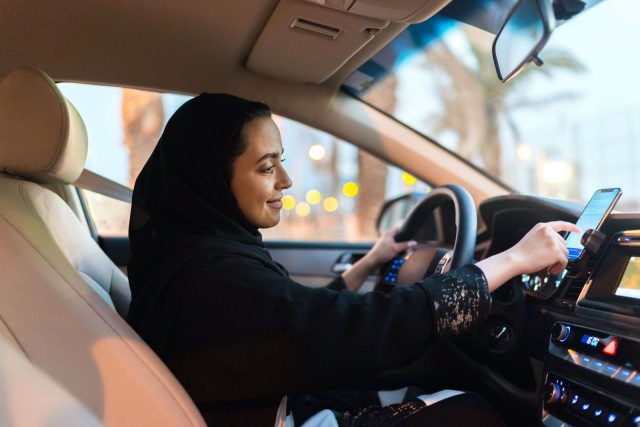
ride-hailing industryAccording to the International Finance Corporation (IFC), the ride-hailing industry is “an ideal industry in which to examine the opportunities and barriers that women face in the sharing economy.” Using data from Uber and consultations with global experts on gender, transportation and the future of work, IFC and Accenture decided to research the impact of gender parity on the global ride-hailing economy. Their final report analyzes data from Egypt, India, Indonesia, Mexico, South Africa and the United Kingdom to bring forth recommendations for ride-hailing stakeholders and companies across the sharing economy.

Women and the Ride-Hailing Industry

Among other findings, the IFC discovered that it is relatively easy for women to enter the ride-hailing industry compared to other sectors, and that working in the ride-hailing industry allows women to start new businesses and maintain those they currently have. Additionally, women who use ride-hailing services say that services like Uber help them accomplish household tasks such as grocery shopping, visiting relatives and dealing with healthcare needs. Women surveyed felt that using ride-share services increased their sense of independence and mobility.

Women in the Workforce

However positive these indications may seem, ride-share services must overcome certain barriers if they are to fully incorporate women into their workforce. For instance, to attract more women to both drive and use their services, ride-hailing providers must work to increase personal security. Women often cite security threats as one of their main concerns regarding the ride-hailing industry.

Additionally, gaps in digital and financial inclusion disproportionately affect women globally. This means it is more difficult for women to acquire resources needed to access the industry. These could include a smartphone or a car. Nonetheless, it was found that 40% of women would prefer a women driver when traveling alone or at night. The IFC reports that recruiting more women to become drivers in the ride-hailing industry could create a cycle that attracts more women riders. Thus, it would be in the interest of the ride-hailing industry to work to attract more women drivers. This is true not only to promote gender parity in the economy, but also to boost their own sales.

The Gender Pay Gap

A Washington Post article on Uber’s gender pay gap outlines similar barriers to women joining the ride-hailing industry. The article finds that Uber’s lopsided pay results from men’s more aggressive driving and greater experience in the industry. In addition, they also have a higher willingness to drive in unsafe, more lucrative locations. Uber drivers are paid based on time and distance. Therefore, they earn more making frequent, shorter trips, rather than fewer, longer ones. Assuming that aggressive and speedy drivers tend to be men, male drivers are positioned earn more than women. Changing payment structures in the ride-hailing industry might be necessary to reduce the discrepancy in gender pay for drivers.

Reducing the gender gap leads to national economic growth. That means it is in the interest of both private sectors and entire countries to incorporate women into their workforce. The World Bank promotes economic empowerment through the elimination of gender gaps in paid employment. Through diverse initiatives, they help ensure that economic growth is shared among men and women. The ride-hailing industry is just one example of how women’s employment benefits the entire economic circuit — from buyers and sellers to a country’s overall GDP.

– Giulia Silver
Photo: o.aolcdn.com

September 17, 2020
https://borgenproject.org/wp-content/uploads/borgen-project-logo.svg 0 0 Kim Thelwell https://borgenproject.org/wp-content/uploads/borgen-project-logo.svg Kim Thelwell2020-09-17 11:49:552020-09-17 11:49:55How the Ride-Hailing Industry Helps Close Gender Gaps
Global Poverty, Women and Female Empowerment, Women's Empowerment, Women's Rights

5 Facts About Women’s Rights in Sudan

Women’s Rights in Sudan
For decades, the subject of women’s rights has been at the forefront of media and politics. While progress has been made, women’s rights in Sudan still lag behind other countries. Women in Sudan are fighting for equal rights amid new legislation such as the Personal Status Law of 1991, which allows child marriages and states that women can only marry if they have consent from a father or male guardian. Here are five facts about the women’s rights movement in Sudan.

5 Facts About Women’s Rights in Sudan

  1. Women make up 70% of protesters. As women band together to protest against laws and government officials that want to limit women rights, Global Fund for Women estimates that women account for nearly 70% of protesters in Sudan. The women taking part in these protests have labeled their movement “the women’s revolution.” Although many women have been beaten or flogged, they stand strong and continue to protest.
  2. Many of the laws women are protesting stem from long-lasting traditions. Tradition is important in Sudan’s culture — but tradition does not justify oppressive laws. Laws in Sudan restrict women from wearing pants, enjoying equality and representation in government and escaping child marriage. Modern women demand equal rights; however, rights are difficult to attain when women have a limited voice within government and law.
  3. Women in Sudan have been fighting for their rights for over 30 years. Under the oppressive rule of dictator Omar al-Bashir, women in Sudan have had to fight for basic equal rights since 1989. While inequality did not start with Al-Bashir, he did support and enforce laws that limit women’s rights. Military and government officials beat, rape and murder women for speaking out against years of abuse and inequality.
  4. The women’s revolution movement helped overthrow Al-Bashir. In 2019, women refused to stay silent as Sudan began to rise up against Al-Bashir. Even though they had to deal with persecution from the military, women continued to rise up against their oppressors. According to Harvard International Review, protesters such as Alaa Salah and Lina Marwan stood strong to tell their stories of inequality, continuing to protest even after being harassed by Sudanese military officials.
  5. The “No to Women Oppression Initiative” promises a better future for women in Sudan. As of January 2020, West Kordofan started its first “No to Women Oppression Initiative.” Though currently the only initiative of its kind, this may spark further collaborations between women’s rights organizations across Sudan. These organizations are also continuing to discuss violence against women with Sudan’s government, in hopes of attaining equal rights.

These five facts about women’s rights in Sudan indicate that the country has a long way to go in achieving equal rights for women. But as protests continue and women persist in fighting for their rights, this country can hope for a stronger, more equitable future. Moving forward, it is essential that women in Sudan receive international support for their protests. By working together, conditions for women in Sudan can improve.

– Olivia Eaker
Photo: Flickr

September 16, 2020
https://borgenproject.org/wp-content/uploads/borgen-project-logo.svg 0 0 Kim Thelwell https://borgenproject.org/wp-content/uploads/borgen-project-logo.svg Kim Thelwell2020-09-16 17:36:012020-09-16 17:36:015 Facts About Women’s Rights in Sudan
Global Poverty, Women's Empowerment

Innovations in Poverty Eradication in Côte d’Ivoire

Innovations in Poverty Eradication in Côte d'Ivoire
Côte d’Ivoire, otherwise known as the Ivory Coast, is a country nestled in the western panhandle of the African continent. Though the country has been war-torn since 2010, Côte d’Ivoire is becoming a vital part of the world economy. Poverty in Côte d’Ivoire affects more than 46% of the population; however, the country is working to provide more jobs, funding and resources for its citizens. Here are five innovations in poverty eradication in Côte d’Ivoire.

Working with World Organizations

The government of Côte d’Ivoire is working with world organizations to help Ivorian citizens. With aid from the World Bank and the International Monetary Fund (IMF), Côte d’Ivoire is supporting economic growth and the eradication of poverty through Results-Based Management (RBM) and the implementation of Poverty Reduction Strategies (PRS).

Within the PRS document established in 2009, government officials outlined multiple poverty eradication goals. Among these goals are greater accessibility to food and healthcare as well as increased job opportunities for men and women.

Another notable organization working alongside the government to eradicate poverty in Côte d’Ivoire is the Sustainable Development Goals Fund (SDGF). This organization seeks to help vulnerable populations, such as women and children, achieve financial stability through training, counseling and education. Specifically, SDGF provides education for women who have dropped out of school or who are looking to generate their own income.

New Strategies for Ending Hunger

Among the innovations in poverty eradication in Côte d’Ivoire is adopting new strategies for ending hunger. In 2016, the Côte d’Ivoire government, with help from the World Food Programme (WFP), created a National Development Plan (NDP) to facilitate the country’s transition to becoming a middle-income economy by 2020. With help from WFP, the Ivorian government aims to increase access to food banks and work more closely with other organizations to end malnutrition.

Previously, in 2009, the Ivorian government worked with the IMF and World Bank to establish strategies for ending hunger throughout the country. To achieve this goal, Côte d’Ivoire vowed to modernize storage techniques of fresh produce, make food more widely accessible, increase the production of rice and update health standards for food supply.

Other Avenues for Helping Citizens

In Côte d’Ivoire, the mining sector is undervalued. While the mining industry previously focused on gold, there is an increased interest in nickel, iron and manganese. By expanding geographical data of the land, the mining industry could see vast profit and job increases.

Further, enhancing transportation — public and private — could help citizens escape poverty in Côte d’Ivoire, as well as better integrate the country into the international economy. Allocating more funds to road infrastructure, road maintenance and other modes of transport can facilitate domestic trading. Additionally, it could help individual citizens have better access to basic services and economic opportunities.

Becoming an Active Partner in the Global Market

The 2018-2022 Country Strategy Paper (CSP) suggests that to maintain favorable economic growth, Côte d’Ivoire should attract global investments, employ economic reforms and create more agriculture-industrial chains of supply. With support from the CSP and the World Bank, Côte d’Ivoire will receive loans to reach their economic development goals.

Côte d’Ivoire is further strengthening their economy through investments in the mining and electricity sectors, and by simplifying the start-up process and tax-paying procedure for small businesses.

Mending Gender Disparities Associated with Poverty

While gender inequalities still exist in Côte d’Ivoire, the government is working to make employment and educational opportunities more equal. More than 50% of women in Côte d’Ivoire are uneducated, and 73.7% of women are illiterate. In comparison, only 36% of men receive no education, and 46.7% of men are illiterate. To combat these disparities, funding is set aside for activities that specifically empower women. Further, more women are chosen to participate in important projects, thanks to the Affirmative Finance Action for Women in Africa (AFAWA).

With more concentrated funding in education and the job market, impoverished women can establish themselves in society and regain economic stability. According to the World Bank, it is in the country’s best interest financially to incorporate more women in the job market.

Conclusion

These innovations in poverty eradication in Côte d’Ivoire show the government’s focus on addressing this issue. It is imperative that the country continue to receive funding to incorporate itself into the international economy. By sticking to these strategies and working with world organizations, the government will hopefully be able to eradicate poverty in Côte d’Ivoire.

– Danielle Kuzel
Photo: Flickr

September 16, 2020
https://borgenproject.org/wp-content/uploads/borgen-project-logo.svg 0 0 Kim Thelwell https://borgenproject.org/wp-content/uploads/borgen-project-logo.svg Kim Thelwell2020-09-16 16:59:432020-09-16 16:59:43Innovations in Poverty Eradication in Côte d’Ivoire
Global Poverty, Women's Empowerment, Women's Rights

Improving Women’s Rights in Kenya

Women's Rights in Kenya
Kenya is a country located in Sub-Saharan Africa, along the Indian Ocean. For many decades, Kenyan women have been fighting for their rights and freedoms, but it has been an issue for centuries. Due to the patriarchal traditions of Kenya, the transition to more equal values has been daunting. Many organizations, individuals and groups have been working to ensure growth for women’s rights in Kenya.

The 2020 Global Gender Gap Index that the World Economic Forum released showed that Kenya’s score was 0.671, putting the nation in 109th place. As for economic participation and opportunity, Kenya’s score is currently 0.598. In 2019, the World Bank reported that women made up 49.04% of the workforce. Political empowerment is at 0.169, with reports determining that 31.3% of Kenyan senators and 21.8% of members of parliament were female in 2019. Educational attainment is 0.938. However, 60% of females aged 15+ were illiterate in 2018. Meanwhile, the health and survival category is at 0.980 and the mortality rate of women was 195 per 1,000 in 2018.

Property Ownership

Property ownership is a massive struggle that Kenyan women face. In rural areas, when a woman becomes a widow, her husband’s land does not become hers. This is despite the law against it, which rural locations do not enforce and, in some cases, urban areas do not enforce as well. Bringing this issue to the court system only results in ostracization and intense legal fees, which often force women to go without legal representation. The relevance of land ownership on someone’s quality of life and access to markets is undeniable.

The government has implemented many laws and acts to address discrimination. The Marriage Act requires the registry of marriages; therefore, providing women with legal support to defend their property claims. Securing women’s rights to property they garner through marriage is the goal of the Matrimonial Property Act. The Law of Succession Act equalizes the property inheritance of sons and daughters. Lastly, The Land Act prevents spouses from losing their land without their knowing.

Despite these attempts at easing attacks on women’s rights, the laws and acts have crucial gaps and Kenya is not implementing them well enough. The Matrimonial Property Act has not clarified what qualifies as evidence that a spouse has contributed to property gain or the country should decide the distribution of property. This results in many women not claiming property, or doing so and facing discrimination. On top of these errors, lies cultural and social issues that prevent women from exercising their property rights. The need for the government to be better about preventing discrimination against women is blatant. The call for these laws and acts to experience enforcement in rural areas is falling on deaf ears. In 2018, the Kenya Land Alliance reported that 86.5% of land title deed holders were men, while only 10.3% were women and 19.3% of deed holders were joint.

GROOTS Kenya

One organization targeting gender inequality is GROOTS Kenya, which emerged in 1995. It is a group dedicated to educating and preparing women to advocate for their rights. It is also pushing for county and sub-county courts to handle land succession cases, which would the physical strife of women walking miles to defend their rights. The group in Kakamega has called for the creation of mobile courts in sub-county areas. Without these mobile courts, most women would have to walk around 19 miles to a court. In total, this organization has empowered more than 3,500 women. 

Inua Kike (Women Rising)

To further improve upon inequalities, Susan Achieng founded Inua Kike (Women Rising) in 2013. Providing emotional, financial and social support for any woman wanting to acquire a secondary education certificate is what this organization does best. Susan understands that secondary education is paramount for ensuring that women have better job opportunities, so she spreads awareness to mothers and young women so that they have another chance to earn their certificate. With this, women will be able to better their financial and social independence through higher education.

Despite how small this organization is, it has completely changed many women’s lives by giving them another chance. Maureen Riziki, a recipient of aid, had to drop out of secondary school due to early pregnancy. Because of Inua Kike, she was able to return and pass her exams and even obtain a scholarship by her local Member of Parliament to study plant operation.

In Africa, this organization has empowered a total of 15,000 women. About 80% of the women aided have doubled their income and savings within a year. Additionally, 80% of women in agriculture have doubled their crop turnout.

The issue of women’s rights in Kenya is massive, but countless women and men are fighting for equality. With the progressions that sedulous individuals and groups have made, a better future for Kenyan women is near.

– Emma Green
Photo: Flickr

September 16, 2020
https://borgenproject.org/wp-content/uploads/borgen-project-logo.svg 0 0 Kim Thelwell https://borgenproject.org/wp-content/uploads/borgen-project-logo.svg Kim Thelwell2020-09-16 05:13:312020-11-28 05:13:47Improving Women’s Rights in Kenya
Global Poverty, Women's Empowerment, Women's Rights

Fighting for Women’s Rights in Poland

Fighting for Women’s Rights in PolandPoland’s government is abandoning its commitment to fighting for women’s rights in Poland by pursuing to withdraw from its violence against women treaty. Zbigniew Ziobro, Poland’s justice minister, introduced a petition in July 2020 calling for Poland’s withdrawal from the landmark treaty.

Abandoning the Violence Against Women Treaty

Known as the Istanbul Convention, the treaty aimed at protecting women and girls from violence. Populist and nationalist governments target the Istanbul Convention, arguing it threatens “traditional families” for violence against women embedded within cultural traditions.

The head of the Law and Order party, otherwise known as PiS, Jarosław Kaczyński, is the final judge of government policy and has publically stated that Poland must avoid Western values in order to maintain its traditional, Catholic culture.

Caroline Hickson, the Regional Director at International Planned Parenthood Europe, has mentioned women’s rights in Poland are “at stake as their support systems are taken apart through relentless attacks.” She adds that “women will be completely abandoned by the State with no safety net.”
Human rights activists and high-ranking politicians within Europe are fighting this proposition to abandon the treaty. Polish MEP Sylwia Spurek remarked last year that the new European Commission was “a year wasted both for human rights, for the rule of law and for the climate.”

Spurek has thus transferred to the Greens group in the European Parliament (the EU’s law-making branch), promoting the Greens’ progressive role within parliament. Spurek believes that all women in every European country must be guaranteed their rights regardless of conservative rules, “no matter how politicians […] talk about counteracting violence against women.”

Fighting for Women’s Rights

Poland has a history of fighting for democracy in the past decades. MEP Terry Reintke, speaking on behalf of the Greens group, notes that “now [the group] will have someone from Poland who can represent Polish citizens in the Green group.”

Polish Prime Minister Mateusz Morawiecki is resisting the ultra-conservative efforts that harm women’s rights in Poland. While the PiS government subverts women’s rights in Poland, Morawiecki instead looks to avoid further hurting ties with the European Union (EU), noting Poland must be more pragmatic about its relations within the EU in order to avoid pressure and loss of funds.

Actions to Protect Women’s Rights

The political discourse that attacks women’s rights in Poland leaves women helpless and vulnerable. Currently, constructive talks are being held by experts from Europe’s leading human rights body, a group of Council of Europe, aiming to keep the treaty in place to protect women’s rights in Poland.

The group argues the Istanbul Convention does not seek “to be traditional or modern.” Instead, the group states the treaty looks to protect women’s rights in Poland.

The European Commission is also urging Poland not to leave the Istanbul Convention. The commission is concerned with Poland’s “step backward in time,” as Dutch MEP Samira Rafaela remarks. Helena Dalli, the equality commissioner of the EU, deems the convention “is the gold standard in terms of policy” in relation to women’s rights in Poland and globally. By mid-2021, Dalli petitions to make violence against women a “eurocrime,” in which the EU would instate minimum penalties for member states.

While Poland’s government has not yet made the decision to abandon the accord, the consideration still remains. Poland’s government members, the EU and humanitarian organizations must continue to fight for women’s rights in Poland. By protecting women and girls from violence, the country can take one step closer in gender equality, security and justice.

– Danielle Lindenbaum
Photo: Flickr

September 15, 2020
https://borgenproject.org/wp-content/uploads/borgen-project-logo.svg 0 0 Jennifer Philipp https://borgenproject.org/wp-content/uploads/borgen-project-logo.svg Jennifer Philipp2020-09-15 07:30:122024-05-30 07:55:52Fighting for Women’s Rights in Poland
Page 30 of 54«‹2829303132›»

Get Smarter

  • Global Poverty 101
  • Global Poverty… The Good News
  • Global Poverty & U.S. Jobs
  • Global Poverty and National Security
  • Innovative Solutions to Poverty
  • Global Poverty & Aid FAQ’s
Search Search

Take Action

  • Call Congress
  • Email Congress
  • Donate
  • 30 Ways to Help
  • Volunteer Ops
  • Internships
  • Courses & Certificates
  • The Podcast
Borgen Project

“The Borgen Project is an incredible nonprofit organization that is addressing poverty and hunger and working towards ending them.”

-The Huffington Post

Inside The Borgen Project

  • Contact
  • About
  • Financials
  • President
  • Board of Directors
  • Board of Advisors

International Links

  • UK Email Parliament
  • UK Donate
  • Canada Email Parliament

Get Smarter

  • Global Poverty 101
  • Global Poverty… The Good News
  • Global Poverty & U.S. Jobs
  • Global Poverty and National Security
  • Innovative Solutions to Poverty
  • Global Poverty & Aid FAQ’s

Ways to Help

  • Call Congress
  • Email Congress
  • Donate
  • 30 Ways to Help
  • Volunteer Ops
  • Internships
  • Courses & Certificates
  • The Podcast
Scroll to top Scroll to top Scroll to top