• Link to X
  • Link to Facebook
  • Link to Instagram
  • Link to TikTok
  • Link to Youtube
  • About
    • About Us
      • President
      • Board of Directors
      • Board of Advisors
      • Financials
      • Our Methodology
      • Success Tracker
      • Contact
  • Act Now
    • 30 Ways to Help
      • Email Congress
      • Call Congress
      • Volunteer
      • Courses & Certificates
      • Be a Donor
    • Internships
      • In-Office Internships
      • Remote Internships
    • Legislation
      • Politics 101
  • The Blog
  • The Podcast
  • Magazine
  • Donate
  • Click to open the search input field Click to open the search input field Search
  • Menu Menu

Archive for category: Women’s Empowerment

Global Poverty, Women's Empowerment, Women's Rights

Exploring Land Rights for Women in Kenya

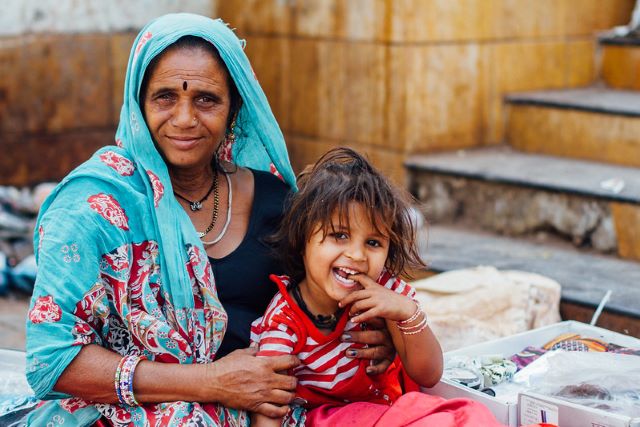
land rights for womenThe Kenyan Constitution states that men and women are equal under the law. Despite the new legislation, women in Kenya still face discrimination for exercising their rights to own land with their name on it rather than their husbands’ name.
Women’s Land Rights in Kenya

Property and land rights for women recently expanded in Kenya, particularly for married women, a group denied land ownership in the past. Passed in 2013, the Matrimonial Property Act states that marriage between a man and a woman rests on a foundation of equality. It recognizes spouses as equal property owners and protects women’s rights to land ownership during marriage, divorce and separation.

The Act follows the repeal of previous gender-discriminatory laws, anointing a new progressive path for the country. Before the Act’s enactment, Kenya’s government enforced the Married Women’s Property Act of 1882, a piece of legislation leftover from the era of British colonization, explained Chief Executive Officer of Kenya Land Alliance (KLA) Faith Alubbe in an interview with The Borgen Project. KLA is a non-governmental organization (NGO) that advocates for equal land access in Kenya.

“For women, land ownership is very important for them to be able to feed their families, for them to be able to access or use land and to control it,” said Alubbe. “As it is right now, most women only access and use land. They rarely control and own it.”

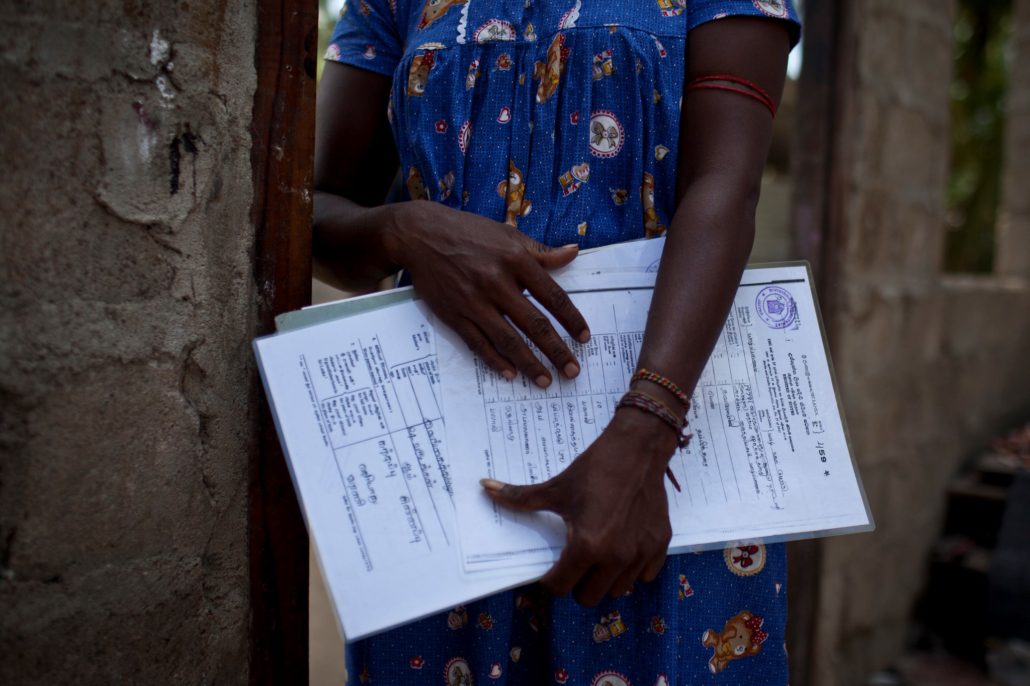
Today, nearly a decade after the Act’s passage, only 10.3% of Kenyan women own land title deeds, according to statistics from KLA. Even with the implementation of this new law, varied customs and traditions that bar women from land ownership exist throughout Kenya’s 47 counties. Without complete and clear access to land titles, the disproportionate impact of homelessness and poverty on Kenyan women could worsen.

Land Advocacy for Kenyan Women

“How come women work on land a lot, use the resources, but they never own or control it?” This was the question Alubbe asked herself that propelled her deeper into land advocacy. Alubbe’s work in human rights and land justice in Kenya stretches back to 2006 when she worked for the Kenya Human Rights Commission, an NGO that promotes democratic change, and for the Federation of Women Lawyers (FIDA-K), an NGO that extends free legal representation to women in Kenya.

From KLA’s efforts partnered with its network of 50 organizations, Alubbe informs Kenyan communities about their rights and helps individuals secure proper land title documentation to actualize land justice in Kenya and throughout East Africa. While Alubbe worked for FIDA-K, she was a member of the team that pushed for the passage of the 2013 Matrimonial Property Act.

Despite the Act’s intentions of creating greater land equality, as noted in a report by the Human Rights Watch in coordination with FIDA-K, it falls short of total enforcement. The Act does not recognize couples who are unofficially married although many Kenyan couples are not legally registered in their counties, disbarring them from protection under the law.

Justice System vs. Patriarchal Custom

Alubbe also believes the act has only been partly successful. Women rarely exit the court system empty-handed, but getting couples to trial, an expensive and often lengthy process, stands in the way of land justice for women. The financial hardships of covering court fees and paying lawyers can be enough to stop a woman from trying her case in the court system.

“With the precedents that are coming out of court, [the Matrimonial Property Act] has not been as successful as we had hoped it to be because [of] gray areas and a lot of discretion,” said Alubbe.

These “gray areas” could pertain to patriarchal traditions, customary laws and alternative justice systems found in countries that govern Kenyan communities, explained Alubbe. Customary laws, laws that oftentimes discriminate against land ownership for women, control more than 65% of the land in Kenya, according to HRW.

Rather than turning to the justice system, married couples in rural areas undergoing divorce will instead meet with community elders and chiefs for an efficient and affordable alternative. But, outside of court systems, customary laws that insist women have no entitlement to matrimonial property prevail, potentially leaving women with only their personal belongings and no roof over their heads.

“Those at the community level prefer [alternative justice systems] because it’s accessible and affordable. Though it can be very patriarchal, and since it’s not very regulated, it might also defeat justice,” said Alubbe.

According to customary laws in the Kilifi and Kakamega Kenyan counties, land titles are attributed solely to a woman’s husband or owned by his family. Any acquisitions or improvements to a couple’s property, regardless if they are made by the wife, do not belong to her. Although 96% of rural Kenyan women are responsible for farming, Oxfam reports, their contributions to the land are theirs only to sow not to reap for personal benefit.

If she can manage the costs, under the Matrimonial Property Act, she must also present proof of monetary or non-monetary contributions to her matrimonial property. But, what classifies as substantial evidence is not clearly outlined under the law, explained HRW. Unpaid care work, labor women are predominantly responsible for, can make or break a woman’s case, but it is also dependent on the judge’s interpretation of proof.

Consequences of Patriarchal Land Ownership

Due to ambiguities in legislation and customs that trump a woman’s ownership of land, less than 2% of land in Kenya is owned by women. These gaps in land title enforcement fail to protect women’s rights, intensifying the number of women who face the threat of eviction and poverty.

Separated, divorced and widowed women risk losing their homes to their husbands or their husbands’ families under customary laws. The Kilifi and Kakamega counties, where men are the majority landowners, also possess two of the highest divorce and separation rates in Kenya.

When women in Kenya are disbarred from owning land, which is a significant generator of income, they struggle to access other resources, including credit and agricultural crops. Alubbe adds that without disposable income or secure credit, education for women’s children falls through the cracks and malnutrition becomes a stark reality for families.

“Because land is the primary factor of production in Kenya, without land, then the level of poverty is quite high for women,” said Alubbe. Breaking down poverty by gender, Kenyan women are more likely to fall into poverty than men. For single, divorced and widowed women, this is especially true. Nearly 31% of divorced women fall into poverty while 38% of widowers fall into poverty, according to the World Bank.

Looking Ahead

Women in Kenya depend on land they can call their own. The law says women can finally own land — a crucial acknowledgment of Kenyan women’s contributions to their communities. This issue of land ownership extends beyond Kenya’s borders, though. According to the World Bank, only 30% of the world’s population has land titles today. Throughout rural sub-Saharan Africa, only 10% of the population has land titles.

Yet, Alubbe is personally working to expand access to land titles. This September, she personally drove herself to Kenya’s counties to train community members and assist with land registration and land rights for women in Kenya. After stopping in Laikipia, she noted that registration was going well and her key focus is for women to be part of the registration process.

“We are very hopeful because more women are gaining more knowledge,” said Alubbe. “Women themselves are being more sensitized and aware that to be involved, [they] should own land.”

– Grace Mayer
Photo: Flickr

December 9, 2020
https://borgenproject.org/wp-content/uploads/borgen-project-logo.svg 0 0 Kim Thelwell https://borgenproject.org/wp-content/uploads/borgen-project-logo.svg Kim Thelwell2020-12-09 01:30:252022-03-31 03:11:36Exploring Land Rights for Women in Kenya
Global Poverty, Women's Empowerment

How Tapestry Weaving Empowered Women in Chile

tapestry weavingIn Chile, from 1973 to 1990, systemic human rights violations swept the nation under General Augusto Pinochet, including acts of physical and sexual abuse as well as psychological damage. Consequently, many progressive young students and men “disappeared” at the hands of the regime because of their ideology. While a grim history, hope can be found in the subsequent actions of women. The Arpilleristas were able to overcome such hardships through tapestry weaving.
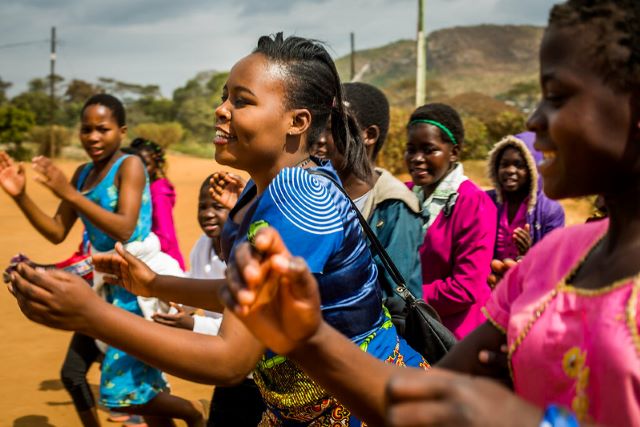
Chilean Women Unite

Mothers united and responded to the oppression and torture that was inflicted upon their loved ones with methods of protests that defied masculine logic, such as publicly banging pots and pans, singing and dancing to songs with political messages and weaving tapestries. These actions challenged the societal norms in Chile, which were embedded with machismo ideology and male superiority.

Tapestry Weaving as a Form of Resistance

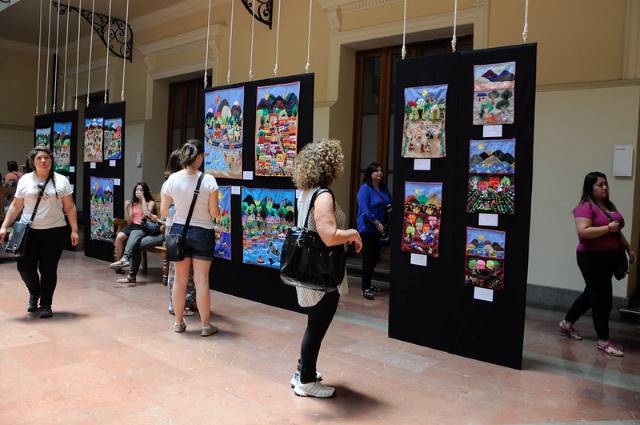
The weaving of tapestries was an especially impactful form of resistance that was founded in 1975. Once unified, the Arpilleristas began to construct patchwork tapestries, or arpilleras, that depicted scenes of hardship and violence that people experienced under Pinochet.

The hand-made arpilleras portrayed shantytown community kitchens, which were often families’ only means of feeding themselves, women’s laundry and bread-baking subsistence-level cooperatives, arrests and soldiers beating protesters. It was through the crafting of the arpilleras that women were granted a voice to tell their individual and collective stories.

Economic Empowerment

However, the crafting of the arpilleras was more than just an act of protest and storytelling, it was also a way to generate income. The women weaving arpilleras was a form of advocacy and also a livelihood. The Arpilleristas transformed conventional visions of secluded motherhood and domesticity, all the while eliminating submissive and passive associations regarding women.

With the return of democracy in the 1990s, the oppression f the Pinochet dictatorship has since been eradicated. All individuals are able to enjoy democracy. The women, “do so now, however, with a different consciousness. Women have not forgotten the empowerment they gained when they learned they could change things by taking to the streets and protesting the dictatorship.”

It is this confidence that continues to inspire women as they face problems in Chile, however, they do so in a different manner now.

A Return to Democracy

It was only through the opression of the dictatorship and conservative gender ideology promoted by the dictatorship, Chilean women mobilized as feminists to demand a return to democracy. Though they were not self-identified feminists, the collective act of women uniting in order to defeat oppression has altered and expanded women’s rights in Chile today and recharacterized the very definition of motherhood.

The Arpilleristas’ tapestry weaving has served as an inspiring example of fighting against injustice while empowering women through economic development. By employing an accepted tradition of weaving, the women were able to capitalize and in many cases negate extreme poverty and additional hardships.

– Marielle Marlys
Photo: Flickr

December 4, 2020
https://borgenproject.org/wp-content/uploads/borgen-project-logo.svg 0 0 Kim Thelwell https://borgenproject.org/wp-content/uploads/borgen-project-logo.svg Kim Thelwell2020-12-04 01:30:502021-02-04 04:42:22How Tapestry Weaving Empowered Women in Chile
Global Poverty, Women's Empowerment

The Fight Against Period Poverty in Sri Lanka

Period Poverty in Sri Lanka
Located off the southern coast of India, Sri Lanka is home to almost 22 million people, 52% of whom are female. Despite its small geographic size, the country ranks 73 on the Gender Inequality Index, but behind that figure stands a monthly challenge for the nearly 12 million women and girls – having their period. This article will explore period poverty in Sri Lanka as well as three initiatives aiming to combat it.

What is Period Poverty?

Period poverty refers to the lack of education on menstruation, as well as having little to no access to essential sanitation for basic hygiene during the menstruation period. These factors frequently result in social stigmas that exclude women from basic activities, such as attending school or work and can lead to physical health risks. Period poverty in Sri Lanka takes the form of association with the impurity of the body. The subject is taboo, creating a culture of fear and misinformation. In a survey from 2015, 66% of girls were unaware they were going to have a period until their first one occurred. When they did have their period, more than a third of the girls reported missing one or two days of school to avoid embarrassment and stigma. However, over the past decades, three initiatives to eliminate period poverty in Sri Lanka have emerged.

3 Initiatives to Eliminate Period Poverty in Sri Lanka

  1. Sinidu: A new, local and affordable pad has entered the market. Inspired by the Indian social entrepreneur Arunachalam Muruganantham’s low-cost pad-making machine and funded by the SAARC Chamber Women Entrepreneurs Council (SCWEC), Sinidu, an organic pad, sells in Sri Lanka at a third of the cost of competitors. A pack of 10 imported pads costs upwards of R.s, 200-250, and commercially-produced pads are not much better at R.s. 150-200. The national minimum wage of Sri Lanka is R.s. 10,000. Given that the average woman uses 20 pads per month, or spend about R.s. 400, they spend about 4% of their salary on the necessity. For comparison, the average household expenditure on meat is 4.8%. At R.s 60 per packet, Sinidu has decreased expenditures related to pads to 1.2%.
  2. Reduced Taxes on Sanitary Products: Taxes on sanitary napkins has significantly decreased. Until 2018, sanitary napkins received a tax of 101.2% of their sales price. For low-income Sri Lankans, the tax significantly impacted their ability to afford the napkins. Only 30% of Sri Lankan women could afford to use sanitary napkins, meaning 70% of women had to use cloth, which, when not sanitized properly, can lead to health risks such as reproductive and urinary tract infections. However, after the social media outrage in September 2018, the Minister of Finance repealed the 30% import tax.
  3. Free Sanitary Napkins: Awareness of women’s rights issues – including addressing period poverty – is increasing. During the 2019 presidential election, presidential candidate Sajith Premadasa attempted to win over women voters by promising free sanitary napkins to all women and girls. Though he faced criticism and the country ultimately did not elect him, he successfully called attention to the issue of period poverty in Sri Lanka.

Period poverty in Sri Lanka remains a challenge. However, through these three advancements, access to sanitary napkins in Sri Lanka has improved.

– Charlotte Ehlers
Photo: Flickr

November 28, 2020
https://borgenproject.org/wp-content/uploads/borgen-project-logo.svg 0 0 Jennifer Philipp https://borgenproject.org/wp-content/uploads/borgen-project-logo.svg Jennifer Philipp2020-11-28 07:30:172024-05-30 07:55:46The Fight Against Period Poverty in Sri Lanka
Developing Countries, Gender Equality, Global Poverty, Women, Women's Empowerment, Women's Rights

Preventing Harmful Practices in Malawi

Harmful Practices in MalawiDespite the enactment of the Gender Equality Act in 2013,  Malawi has much more to accomplish with respect to women’s rights. Traditional customs and harmful cultural practices are still deeply entrenched in Malawian society, leading to discrimination and marginalization of women and girls. These practices adversely affect their development, health, socioeconomic status and overall contributions to society. UNICEF defines harmful practices as discriminatory practices that transcend into communities and societies’ cultures and are viewed as acceptable. The most common harmful traditional and cultural practices include female genital mutilation (FGM), Gender-Based Violence (GBV) and child marriage. Such practices perpetuate gender inequalities, violate women’s rights and have detrimental physical and emotional effects on women. The Tilimbike Safe Community Space aims to reduce harmful practices in Malawi that affect women and girls.

Harmful Practices in Malawi

As a result of cultural practices, gender disparities remain pervasive across all aspects of society. Child marriage is a fundamental violation of human rights, with cascading consequences for young girls. For example, girls married as children are more likely to drop out of school, become teenage mothers and have higher rates of maternal mortality.

Malawi has one of the highest rates of child marriage in Africa, with the Human Rights Watch estimating that in 2020, one out of two girls will be married by the time they turn 18.

In addition to child marriage, Malawi remains a setting where gender-based violence is prevalent. One in five young women experiences sexual violence before they turn 18 and nearly 40% of married women have experienced intimate partner violence.

While adequate policies exist, the public and non-governmental sector responses have faced challenges in breaking down discriminatory cultural ideals and improving women’s rights. Harmful practices toward women continue unabated in Malawi due to the persistence of cultural attitudes. However, in rural communities, mentoring has proven to be efficacious in preventing harmful practices and empowering young girls and women.

Tilimbike Safe Community Space

The Tilimbike Safe Community Space is a mentorship program led by The Spotlight Initiative that serves at-risk girls and women in rural communities in Malawi by trying to eliminate harmful practices such as sexual and gender-based violence and child marriage. In mentorship sessions, mentors teach young girls about their basic human rights, sexual and reproductive health and other critical life skills. With this knowledge and interactions with their peers, girls are empowered to speak out and challenge harmful cultural practices.

Tilimbike Safe Community Space has 360 mentors, spanning across the high-risk districts of Dowa, Ntchisi, Mzimba, Nkatabay, Machinga and Nsanje. The program has educated and empowered more than 7,000 young women in these regions by equipping them with knowledge and skills to challenge the harmful practices that fuel GBV in their communities. The women and girls are now apt to speak out in their own communities, with crucial knowledge such as the importance of staying in school and the adverse effects of early marriage. Empowering girls and women is the first step toward change and fostering the foundation for solutions to these harmful practices.

Tilimbike During COVID-19

During COVID-19, women and girls are more confined to their homes due to school closures and travel restrictions. Therefore, they are at increased risk for GBV, teenage pregnancy and being coerced into childhood marriage. Despite the elevated risks, mentees of the Tilimbike Safe Community Space successfully prevented these harmful occurrences. Huge strides have been made to end the harmful cultural practices during COVID-19 restrictions, with no teenage pregnancies or child marriages among the mentees during the lockdown.

These women and girls have renewed hope for achieving their life goals and have enhanced their ability to make informed decisions about their lives and futures. The mentors in the Tilimbike Safe Community Space allow girls and women an opportunity to receive advice and support outside their home to reach their fullest potential. The Tilimbike Safe Community Space illuminates that mentorship programs are effective in breaking down cultural barriers and ending harmful practices.

Further Progression

Initiatives such as the Tilimbike Safe Community Space play a key role in eliminating dismantling gender disparities in society caused by cultural barriers. Mentoring and empowering women and girls will advance not just Malawi but the entire world.

– Samantha Johnson
Photo: Flickr

November 28, 2020
https://borgenproject.org/wp-content/uploads/borgen-project-logo.svg 0 0 Kim Thelwell https://borgenproject.org/wp-content/uploads/borgen-project-logo.svg Kim Thelwell2020-11-28 01:30:482021-01-12 04:45:13Preventing Harmful Practices in Malawi
Global Poverty, Women's Empowerment, Women's Rights

Women’s Rights in Mozambique: A Work in Progress 

Women's Rights in Mozambique
According to the 2019 United Nations Development Programme’s report, Mozambique ranks 180th out of 189 countries with a high Gender Inequality Index (GII) of 0.569. The Gender Inequality Index is a parameter that evaluates gender-based inequalities in three aspects including reproductive health, empowerment and economic activity. Over the years, the untiring efforts of the UN Committee on The Elimination of Discrimination Against Women have sparked a wave of non-governmental organizations that fight for women’s rights in Mozambique. These efforts have resulted in a noticeable change, although the country still has a long way to go.

Mozambique’s Success at Women’s Empowerment

Historically, Mozambique has been a male-dominated country with men holding the majority of official positions. Traditionally, women were absent from the country’s public affairs. However, Mozambican women were not completely powerless. Older women, for instance, gained respect as mothers-in-law and community advisers on marital issues. Nevertheless, the small portion of power that women held did not entirely cocoon them from inferior treatment by their male counterparts as women had no right to ownership of land and therefore comprised 80% of the country’s poor.

The lack of equal rights between men and women also forced women to seek protection from men. Consequently, practices such as polygamy received encouragement, and women accepted it without protest since it promised them their husbands’ protection.

What Sparked A Change?

The last two decades have been a period of progressive growth and transformation for Mozambique. The 1977 Civil War, which exposed women to physical violence and other forms of sexual violence such as gang rapes and abduction, led to the country’s increased focus on women’s rights in Mozambique. Despite the war’s atrocious effects on women, however, it created conditions that favored the rise and empowerment of women. As a matter of fact, during the war and the ensuing years, Mozambican women became the primary breadwinners of their families since a majority of men died, became disabled or entered the frontlines to fight to restore order to their troubled nation.

After the war in 1992, Mozambique’s government went the extra mile to promote women’s rights. Over the years, it has accomplished much in the areas of women’s parliamentary inclusion, land ownership and education among others. Here is a list of women’s organizations that the Mozambican government created to advocate for women’s rights.

  • The Ministry of Women and Social Action: The Ministry for Women and Social Action emerged in 2000. Among its major achievements is the development of Eduardo Mondlane University (UEM), which provides a course related to gender planning and budgeting every year. This course has consequently raised awareness and increased the number of trained decision-makers both at the provincial and district level on the topic of gender equality.
  • The Directorate-General for Women’s Affairs: This institute is responsible for the implementation of decisions and policies from the Ministry.
  • The National Council for Promoting Women: The National Council for Promoting Women pools official organizations, NGOs and their representatives, private sector participants and religious officials in a joint effort to promote women’s rights in Mozambique.

Female Parliamentarians

Over the years, the percentage of women in the Mozambican parliament has undergone a remarkable change from 25.2% in 1997 to 41.2% in 2019. The Electoral Institute for Sustainable Democracy in Africa (EISA), which opened in Mozambique in 2004, played a cornerstone role in the achievement of this milestone through a campaign it dispatched in 2009 to encourage Mozambique’s major political parties, FRELIMO and RENAMO, to nominate a higher number of women candidates.

Land Ownership Rights

In modern-day Mozambique, the reformed Land Law, which emerged in 1997, endorses that all Mozambicans of either gender have the right to land use. As a result of this Law, 25% of women have land title use rights. This is yet another milestone and a big win for women.

Although the Land Law has led to a significant rise in the number of female landowners, women’s rights to land still experience restriction in rural Mozambique. This is evidenced by the restricted territorial control of most women in the country’s north, as they only control 30% of land plots.

Education

A major transformation has also taken place in regard to girls’ education. The government has enhanced school access to all, which resulted in a consequential increase in the girls’ enrolment rate from 3 million in 2002 to 4.1 million in 2006. Moreover, the number of girls in school has been going up since.

Today, 94% of Mozambican girls enroll in primary schools, however, only 11% of them progress to a secondary level. Additionally, only 1% attends college. This engenders low literacy rates among Mozambican women whereby their illiteracy rate is almost double what is if for men.

Taking Action

The Government of Mozambique has recently approved the 2020 Annual Work Plan of the Spotlight Initiative to end violence against women. The Spotlight Initiative is a partnership between the European Union and the United Nations to eliminate all forms of violence against women and girls by 2030.

Through joint efforts with the Mozambican Government, The Spotlight Initiative plans to provide online training to service providers and promote existing hotlines to ease the process of reporting cases of domestic violence, which have surged during the COVID-19 pandemic. Minister of Gender, Child and Social Action, Nyeleti Mondlane, remarked that the Mozambican government has to strengthen women’s economic social empowerment efforts to contribute to an equal, fair and peaceful society.

Over the years, Mozambique has made outstanding achievements in promoting women’s rights, involving the implementation of women’s organizations and female parliamentarians and increased school attendance for girls. Although the present state of affairs is not one to complacently settle for,  past successes give a splinter of hope for a better future for Mozambican women.

– Divine Mbabazi
Photo: Flickr

November 26, 2020
https://borgenproject.org/wp-content/uploads/borgen-project-logo.svg 0 0 Jennifer Philipp https://borgenproject.org/wp-content/uploads/borgen-project-logo.svg Jennifer Philipp2020-11-26 12:43:142024-05-30 07:55:48Women’s Rights in Mozambique: A Work in Progress 
Developing Countries, Global Poverty, Health, Women's Empowerment

Empowering Women Improves Maternal Health

empowering women improvesIn recent years, great strides have been made in improving women’s and children’s health. Fertility rates in both low and middle-income countries have significantly declined and life expectancy has increased by more than 10 years. Despite this progress, the WHO reports that a vast majority of maternal deaths (94%) occur in low-resource settings and most could have been prevented through adequate maternal care and other factors. Political and societal efforts to mitigate these disparities as well as ground-level health interventions are key to guarantee enduring improvements in women’s and children’s health. Empowering women improves maternal and child health outcomes in several ways.
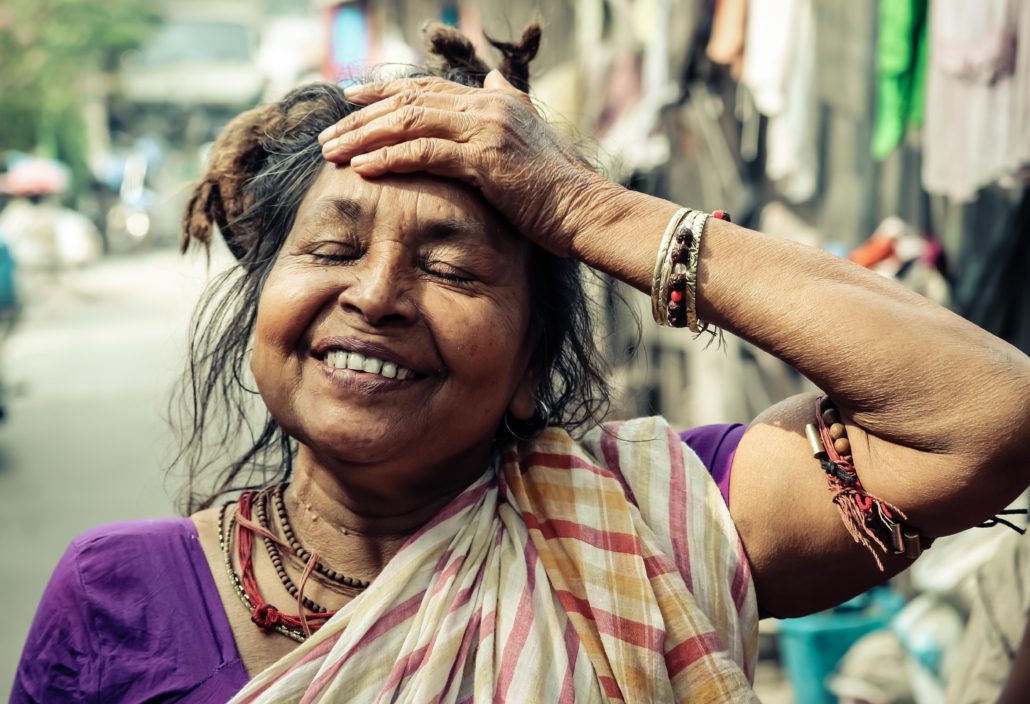
Empowering Women Improves Maternal Health

Although the role of women’s empowerment as a social determinant of maternal and child health outcomes has not been as widely acknowledged as other social determinants such as education, it is a leading opportunity to improve the well-being of women and children around the world. Women’s empowerment is positively associated with an array of positive maternal and child health outcomes,  such as improved antenatal care, contraceptive use, child mortality and nutrition levels.

Improved Maternal Health in Guinea and India

Another facet of maternal health that is linked with women’s empowerment is increased access to quality maternity care. The Republic of Guinea has committed to alleviating maternal and child health disparities by increasing women’s liberty. According to the 2018 Guinea Demographic Health Surveys, mothers who received higher quality antenatal care (ANC) also exhibited several aspects of women’s empowerment, such as having a proactive role in healthcare decisions and being employed.

In Varanasi, India, women’s autonomy and empowerment were also found to positively influence maternal health. A study of 300 women found that women with greater autonomy were more likely to deliver their baby in a clinic and employ higher levels of antenatal care.

Improved Maternal Health in Africa

Uniformly, a regional analysis of Africa revealed that dimensions of women’s empowerment impacted maternal health and utilization of health services. Researchers found that having greater control over money or household decisions correlated with higher Body Mass Index (BMI) in the Democratic Republic of Congo, Ghana, Uganda and Zambia. This is important because low maternal weight is a risk factor for low birth weight babies and adverse infant outcomes. Additionally, facility delivery was significantly associated with positive attitudes toward gender roles in Nigeria. Delivering in a clinic plays a large role in reducing maternal mortality as the majority of fatal pregnancy complications can be prevented if intervened by a skilled clinician.

Empowering Women Improves Child Health

In addition to improving maternal health, empowering women improves and enriches the health of their children. Studies have found a nexus between women’s empowerment and good child health outcomes, including higher utilization of health care services and immunizations, improved nutritional status and lower child mortality.

Women in Nepal who own land are significantly more likely to have authority over household decisions,and similarly, children of mothers who own land are significantly more likely to be a healthy weight. The connection between land ownership and feelings of empowerment mean women are more likely to use income to contribute to the well-being of the children and the family overall.

Organizations for Women’s Empowerment

Mending educational and economic inequalities and disadvantages that women and girls face are fundamental in empowering women and marking long-term and sustained improvements in women’s health. Offering scholarships, making schools a safe environment for girls and transforming beliefs and gender-biased social norms that perpetuate discrimination and inequality are avenues to create equal education opportunities. Additionally, governments and policymakers are pertinent to allocate resources necessary for gender equity and improving female health.

Self Help Groups (SHGs) are a great example of a simple yet effective solution to empower women who live in lower-income communities. Find Your Feet is an organization based in the U.K. that is working in Malawi and rural India to end rural poverty. The organization works with families in remote areas of Asia and Africa by helping them earn incomes and expand access to vital services. A key facet of its work is geared toward women’s empowerment and it has created SHGs throughout the poorest districts in India.

The Way Forward

Empowering women is a catalyst for not only better maternal and child health outcomes, but investing in a woman’s health and empowerment has a ripple effect, helping families, communities and countries to rise out of poverty.

– Samantha Johnson
Photo: Flickr

November 24, 2020
https://borgenproject.org/wp-content/uploads/borgen-project-logo.svg 0 0 Yuki https://borgenproject.org/wp-content/uploads/borgen-project-logo.svg Yuki2020-11-24 01:30:002021-01-12 06:01:29Empowering Women Improves Maternal Health
Global Poverty, Women's Empowerment, Women's Rights

Bani Mandir: Solving Problems in Rural India

Problems in Rural India
Despite the country’s soaring GDP, India is home to almost a quarter of the world’s poor population. Although India lifted 270 million people out of poverty between 2006 and 2016, 270 million more people continue to live below the global poverty line. The extreme poverty that India’s poor faces disproportionately affects rural populations and women, who receive fewer opportunities in education, healthcare and employment.

Named after the goddess of education, nonprofit Bani Mandir works to elevate people in India’s most vulnerable communities by solving problems in rural India. The organization, based in West Bengal, India, aims to address the root causes of poverty, particularly in rural areas and among women. By providing solutions to education inequality, access to healthcare and women’s opportunities, Bani Mandir empowers India’s rural poor.

Education

One of the root causes of poverty is a lack of education. Access to education is integral to lifting people out of poverty, as education reduces inequality and drastically improves the opportunities students obtain as they age. In India, where 45% of the poor population is illiterate, improving access to education in rural areas is vital.

Girls in India, particularly those living in poverty, face additional barriers when it comes to attending school. India gave girls the right to education in 2009. However, many girls are still unable to attend school due to housework responsibilities, stigma and health concerns. The lack of girls in school contributes to fewer women in the workforce. Women make up only 25% of the labor force in India.

To increase enrollment of girls and students from rural areas, Bani Mandir has provided education for more than 10,000 students, maintaining equal representation between girls and boys. Bani Mandir also helps children receive sufficient nutrition support and trains teachers in effective teaching practices. These advancements are improving the quality of education for a larger number of students.

Access to Healthcare

In India, rural communities receive significantly less access to healthcare. Due to the lack of health facilities and insufficient awareness about the benefits of healthcare, many workers in rural communities are unwilling to sacrifice a day’s wages to attend a healthcare visit. Additionally, women in India receive less access to healthcare than men. In a 2019 study, men and boys were two times as likely to visit a healthcare facility. The study also found that many women who should have seen a doctor did not.

To improve access to healthcare in India’s vulnerable communities, Bani Mandir offers comprehensive healthcare programs. Women make up 60% of those benefiting from Bani Mandir’s health services. Bani Mandir’s 23 health projects served more than 3,500 people living in rural villages and slums. The organization also arranged more than 100 health camps to address immediate medical needs. Finally, Bani Mandir partners with schools to provide health programs to students. Its work is encouraging students to seek healthcare and to grow up in a culture where going to the doctor is standard practice.

Women’s Empowerment

Since many women are often denied access to education and healthcare, their employment opportunities are limited. Furthermore, employment is not a guarantee of equal treatment. In fact, pay inequalities result in men making 65% more than women for the same labor. Although gender equality in India is a constitutional right, many women are unaware of their rights and of the ways they can support themselves financially.

Bani Mandir offers more than 375 self-help groups across 30 villages and supports more than 15,000 women and girls to help eliminate problems in rural India. These women’s empowerment groups educate women about their rights, organize finances and offer loans for small businesses, encouraging female entrepreneurs. Bani Mandir also aims to change societal perceptions and stigmas against women by educating broader communities. Bani Mandir’s programs are educating upwards of 10,000 community members about women’s rights issues.

By addressing the problems in rural India pertaining to poverty, such as education, healthcare and women’s opportunities, Bani Mandir is inciting change across entire communities and improving the lives of rural populations. The organization also offers services that improve sanitation, care for the elderly and support for abandoned children. With its wide scope, Bani Mandir is providing countless examples of concrete ways to create change. To build upon the positive change that Bani Mandir and other nonprofits have inspired, the Indian government should sharpen its laws around gender equality to ensure that women and girls obtain adequate access to employment, healthcare and education.

– Melina Stavropoulos
Photo: Unsplash

November 5, 2020
https://borgenproject.org/wp-content/uploads/borgen-project-logo.svg 0 0 Kim Thelwell https://borgenproject.org/wp-content/uploads/borgen-project-logo.svg Kim Thelwell2020-11-05 01:30:082020-11-03 08:21:24Bani Mandir: Solving Problems in Rural India
Global Poverty, Women and Female Empowerment, Women's Empowerment, Women's Rights

The Status of Women’s Rights in Morocco

Women’s Rights in Morocco
Since Morocco gained its independence from France in 1956, there have been many changes to women’s rights. Across the nation, women continue to fight for their rights in legal, social, political and economic contexts. Although work remains, local organizations have made great strides in improving the status of women’s rights in Morocco.

Women’s Rights On Paper

Morocco’s Constitution addresses the issue of women’s rights. Article 19 of the 2011 Constitution states, “The man and the woman enjoy, in equality, the rights and freedoms of civil, political, economic, social, cultural and environmental character.” This is a general guarantee of gender and matrimonial equality. Moreover, there have been numerous other ratifications in the Moroccan legislature that correlate to this statement.

Moroccan women now have protections against male guardian requirements, rape-marriage allowances and sexual harassment. The government passed all of these laws after 2004, with one as recent as 2018. Yet, there are still a few loopholes in the legal system. For example, the Family Law allows forced marriage if a judicial waiver is provided. Many believe that there is still progress to be made.

Status of Women’s Rights in Morocco (Social Contexts)

While the Moroccan Constitution is promising and shows progression, conservative ideals remain common in social institutions. This includes the hierarchy of power held by males and gender-based discrimination. Socially, the need is the greatest for reform and change, which law or legislation do not often achieve.

Women are fighting for equality in Morocco today by seizing opportunities, including education, economic and financial freedom and leadership positions. By holding higher positions in society, these conservative assumptions may begin to dissipate in family and cultural contexts.

Status of Women’s Rights in Morocco (Political Contexts)

Women gained both the right to vote and the right to stand in an election on the same date in May 1963. The assumption of leadership by women is historical and considered to be a great gain for Moroccan women. Bassima Hakkaoui, a veiled political leader, is now in charge of the Ministry of Solidarity, Women, Family and Social Development. She is the first veiled woman to hold this position.

Unfortunately, most women struggle to gain access to political leadership positions today. As of 2018, only 81 out of 395 parliamentary members were held by women. This begs the question of whether Moroccan women can be accurately and meaningfully represented by their government voices. Many activists call for more female representation in parliament and other positions of power.

Status of Women’s Rights in Morocco (Economic Contexts)

According to USAID Morocco, ranks 141 out of 149 countries in women’s economic participation and opportunity. Women make up 50% of Morocco’s population but only 26% of the labor force. Also, the female labor force participation rate in Morocco decreased by 6% between 1999 and 2010. Moroccan women remain a largely untapped resource within the very borders of the country.

One of the results of the 2011 Constitution includes positive advancements in girls’ education. Increasing access and encouraging girls to finish school has led to more women contributing to the labor market and the economy. The accumulation of generational wealth is an example of this influence.

Fighting for Women’s Rights

To continue improving the status of women’s rights in Morocco, the strengthening of the justice system is crucial. Addressing social and cultural barriers is also important, as many gender limitations stem from conservative or patriarchal views.

Two notable organizations are fighting to raise the status of women’s rights in Morocco and both reside in Rabat. The Democratic Association for Moroccan Women and the Mobilizing for Rights Associates (MRA) work within the community and advocate for legal reforms. These reforms promote women’s social, economic and political equality, monitor international human rights compliance and assist women’s rights campaigns.

MRA also tracks the implementation of the newly signed Elimination of Violence Against Women law, which was recently enacted in September 2018. This law has shown the world that Morocco is willing to make progress in gender equality. Furthermore, it exemplifies the importance of these women’s rights organizations in making progress.

Moving Forward

Although Morocco has made improvements in women’s rights, work remains. Women across the country are continuing to fight for equality in all contexts. Moving forward, women’s rights organizations continue to advocate for the safety and liberty of all Moroccan women.

– Savannah Gardner
Photo: Flickr

October 31, 2020
https://borgenproject.org/wp-content/uploads/borgen-project-logo.svg 0 0 Kim Thelwell https://borgenproject.org/wp-content/uploads/borgen-project-logo.svg Kim Thelwell2020-10-31 07:30:382020-10-30 19:23:59The Status of Women’s Rights in Morocco
Development, Education, Global Poverty, Women's Empowerment

Pineapples Against Poverty in Rwanda

Pineapples Against Poverty in Rwanda
Poverty plagues many residents in the East African country of Rwanda. As a result of the deadly 1994 genocide, many female-led households are struggling. To provide for their families, these women are using their small parcels of land for agricultural cultivation. However, it was not until a group of residents in the district of Kirehe founded the Tuzamurane Cooperative in Eastern Rwanda that things changed. Through these efforts, profitable gain could now occur. Tuzamurane has worked to boost incomes by cultivating pineapples, a practice that has supplemented the community and helped combat poverty. By using pineapples against poverty in Rwanda, there is potential for improved quality of life for thousands.

What is the Tuzamurane Cooperative?

Established more than 10 years ago, the Tuzamurane Cooperative emerged to educate women on horticulture and financial literacy. Workers identified pineapples, a locally grown and climate-suitable fruit, as an ideal agricultural crop for local cooperative members to cultivate.

After some members visited a Belgian export convention, inspiration struck to collect community pineapple harvests and market them for both local and foreign sale. After this collection process, the initiative sells these fresh pineapples to locals and exports the dried fruits. Unfortunately, however, local markets pay very little — just 6 cents for a single pineapple.

Community Success and Support

Oxfam, an Irish organization focused on mobilizing people against poverty, joined this cooperative’s efforts in 2015 and helped turn its pineapple production into profit. With Oxfam, Tuzamurane could attain proper facilities like processing equipment, a more thorough supplier base and adequate organic certification. Cooperative members now have access to a broader market with a higher profit margin, which can directly fight poverty in Rwanda.

Tuzamurane, meaning “lift up one another,” is a fitting name for the organization’s mission. For instance, the educational opportunities and market accessibility Tuzamurane provides its members are profound on their own. Yet, its support goes beyond these areas. If a co-op member needs monetary assistance to make ends meet, Tuzamurane readily provides financing. Members pay for this financing interest-free by supplying an equivalent amount of produce. Furthermore, Tuzamurane covers the cost of employees’ health insurance. In these ways, the cooperative protects the social well-being of its members and their families.

The positive impacts of Tuzamurane Cooperative within the community and region are profound. The pineapple farming income has provided members, particularly women, with funds to pay for their children’s schooling and household expenses. They can also invest in their futures by purchasing livestock and more land for cultivation. Additionally, they can hire more labor to help during busy times. Notably, members of the cooperative are no longer part of the lowest income groups. Tuzamurane has made incredible progress in using pineapples against poverty in Rwanda.

Social and Economic Impact

With Oxfam’s support, Tuzamurane finds great success in providing for Kirehe and Rwanda’s greater community. While pineapples may seem like a simple crop, their ability to grow on small land plots makes them easier for women to manage. In this way, the cooperative’s support empowers male and female heads of households alike. Facilitating their escape from poverty and the ability to adequately provide for their families.

With juicy pineapples in tow, the Tuzamurane Cooperative has addressed several needs of those facing poverty in Rwanda. By educating locals on introductory horticulture, providing essential equipment and offering more business opportunities, more than 300 people and their families have escaped dire poverty in Rwanda. With its lucrative business model, this co-op will undoubtedly continue to inspire thousands throughout the region to use pineapples against poverty in Rwanda.

– Eliza Cochran
Photo: Flickr

October 25, 2020
https://borgenproject.org/wp-content/uploads/borgen-project-logo.svg 0 0 Kim Thelwell https://borgenproject.org/wp-content/uploads/borgen-project-logo.svg Kim Thelwell2020-10-25 07:30:292020-10-22 20:02:38Pineapples Against Poverty in Rwanda
Education, Global Poverty, Health, Malnourishment, Women and Female Empowerment, Women's Empowerment

How Proper Education Will Help End Poverty

Education Will Help End Poverty
Education is a luxury many people take for granted, but it is something poverty-ridden families often sacrifice to have. Globally, over 250 million children and young adults are not in school. As a result, around 617 million young children and adolescents around the world are unable to read or do mathematics within the minimum proficient level. Poverty is one of the main reasons for this tragedy and it often comes from generations prior that also lacked schooling. By properly educating new generations, poverty rates could reduce significantly. Here are some ways that proper education will help end poverty.

Health

Estimates have determined that in developing countries, one-eighth of all children are born malnourished and that about 47% of those in low-income countries will continue to experience malnourishment until they reach the age of 5. Poor nutrition is a direct result of poverty and often linked to insufficient knowledge of proper nutritional diets. A study that occurred in 13 different countries found that the standard yearly gain production increased with those with basic education by 8.7%, which in turn increased food security and helped lower rates of malnourishment in children.

Education will help end poverty because, with basic education, parents learn more about how to care for themselves and their families, which in turn leads their children towards healthier lifestyles. Health education gives families have a higher chance of survival and even reduces rates of HIV and AIDS.

Mortality Rate

Education will help end poverty because it is particularly powerful for girls. Education has many effects on girls and women, but a primary impact is that if all women in poverty finished primary school, then the child mortality rate would reduce by almost 17%. This adds up to about 1 million newborns saved every year, but how does saving lives help lower poverty rates?

If more children survive, then families would not feel the need to have more children, thus the size of families would be smaller. If the families were smaller, then families would have more income and resources to go around, thus reducing poverty. For example, sub-Saharan African women with no education have 6.7 births on average, but with access to schools, these women only have 5.8 births. And finally, those studied who had finished secondary education have 3.9 births on average.

With schooling, women could more easily recognize danger signs in pregnancy and be able to seek care faster. Women with more knowledge about their body, pregnancy and childbirth have a better chance of giving birth safely. Records have determined that a child with a mother who had basic education is 50% more likely to surpass their fifth birthday.

Income and Economic Growth

Income is, of course, a huge factor in poverty. Records have stated that if someone has basic education (that is, reading, writing and mathematical skills), this not only has a positive impact on their own income but can also “increase the rate of return on the economy.” Those with education have a much higher chance of getting better jobs with higher wages. Just one year of education can result in a 10% raise in pay. More pay means better, more nutritious food, better access to sanitation, better access to healthcare and better housing.

For example, Vietnam was one of the poorest economic countries in the world due to its 20-year war. However, since 1990, Vietnam transformed its poor and war-torn country into a GDP that grew to 3,303%. Its economic growth rate was the second fastest and the main strategy for this success was the improvement and modernization of its education system. Vietnam is only second to China, which also implemented a new education system, causing it to have the number one fastest GDP growth.

With children attending schools and developing both important skills and abilities, they will one day get better jobs. The more income they have, the more goods and products they consume which benefits the companies. This in turn increases the demand for the production of more products, thus giving jobs to more people and helping the economy grow. These changes and more will be key in eradicating poverty around the world.

– Katelyn Mendez
Photo: Flickr

October 24, 2020
https://borgenproject.org/wp-content/uploads/borgen-project-logo.svg 0 0 Kim Thelwell https://borgenproject.org/wp-content/uploads/borgen-project-logo.svg Kim Thelwell2020-10-24 01:30:542020-10-22 12:52:38How Proper Education Will Help End Poverty
Page 28 of 54«‹2627282930›»

Get Smarter

  • Global Poverty 101
  • Global Poverty… The Good News
  • Global Poverty & U.S. Jobs
  • Global Poverty and National Security
  • Innovative Solutions to Poverty
  • Global Poverty & Aid FAQ’s
Search Search

Take Action

  • Call Congress
  • Email Congress
  • Donate
  • 30 Ways to Help
  • Volunteer Ops
  • Internships
  • Courses & Certificates
  • The Podcast
Borgen Project

“The Borgen Project is an incredible nonprofit organization that is addressing poverty and hunger and working towards ending them.”

-The Huffington Post

Inside The Borgen Project

  • Contact
  • About
  • Financials
  • President
  • Board of Directors
  • Board of Advisors

International Links

  • UK Email Parliament
  • UK Donate
  • Canada Email Parliament

Get Smarter

  • Global Poverty 101
  • Global Poverty… The Good News
  • Global Poverty & U.S. Jobs
  • Global Poverty and National Security
  • Innovative Solutions to Poverty
  • Global Poverty & Aid FAQ’s

Ways to Help

  • Call Congress
  • Email Congress
  • Donate
  • 30 Ways to Help
  • Volunteer Ops
  • Internships
  • Courses & Certificates
  • The Podcast
Scroll to top Scroll to top Scroll to top