• Link to X
  • Link to Facebook
  • Link to Instagram
  • Link to TikTok
  • Link to Youtube
  • About
    • About Us
      • President
      • Board of Directors
      • Board of Advisors
      • Financials
      • Our Methodology
      • Success Tracker
      • Contact
  • Act Now
    • 30 Ways to Help
      • Email Congress
      • Call Congress
      • Volunteer
      • Courses & Certificates
      • Be a Donor
    • Internships
      • In-Office Internships
      • Remote Internships
    • Legislation
      • Politics 101
  • The Blog
  • The Podcast
  • Magazine
  • Donate
  • Click to open the search input field Click to open the search input field Search
  • Menu Menu

Archive for category: Women’s Empowerment

Gender Equality, Global Poverty, Refugees, Women's Empowerment

Women’s Empowerment in Kakuma Refugee Camp

Women’s Empowerment in Kakuma Refugee CampThe Kakuma Refugee Camp, located in Kenya, was originally established for young children who escaped war in Sudan and Ethiopia. Today, the camp is home to about 200,000 people and facilitates access to education, health care and housing. The efforts of organizations enable and empower women in the camp to learn skills and secure income-generating activities. The women in the camp are pushing against stereotypical gender norms while working to support their families. Their stories and success are a reflection of the progress toward women’s empowerment in Kakuma Refugee Camp.

Breaking Stereotypes

CARE tells the story of Jackiline Amina who has lived in the Kakuma Refugee camp since she fled her home in Tanzania and sought refuge in Kenya in 2013. Amina now works as an auto mechanic in the camp. Before she became an auto mechanic, she would work small jobs, including providing laundry services to other refugees and fetching water for people in the camp, to make ends meet. After the father of her youngest child left the family, Amina had to find a sustainable and profitable job to enable her to care for her children. To achieve this, she knew she had to learn a new skill.

Prior to becoming an auto mechanic, Amina tried her hands at welding but did not make much progress as the men in the trade refused to train her, saying “the work was not appropriate for women,” according to the CARE website. Eventually, she got in touch with the owner of a small garage that agreed to train her as a mechanic.

In Amina’s current line of work, she regularly faces gender discrimination and many males undermine a female’s ability to be a competent mechanic. Her fellow male auto mechanics, however, have accepted her into the auto mechanic community and treat her “like one of the guys.” Amina has aspirations of enrolling in an official training program or mechanics school so she can secure higher-paying jobs in the future.

Entering a Male-Dominated Field

In another CARE story, Lucy Nyanga Joseph left Sudan in 2019 and joined her sister, nieces and nephews at Kakuma Refugee Camp in Kenya. In 2022, she learned of an opportunity to become a solar engineer in the camp. She was one of three women who enrolled in the program and the only woman to begin working after completion.

Despite many people saying her career path is ill-suited for women, she has gone on to inspire 20 of her friends in the camp to enroll in training for traditionally male-dominated fields. Before becoming a solar technician, Joseph relied on aid from the U.N. Refugee Agency, receiving a total of $11.75 per month. This was barely enough to afford the quality of care she desired for her children. Her new job, however, enables her to provide better for her children.

Stepping out of Gender Roles

In 2019, U.N. Women told the story of Nyamam Gai Gatluak. At the time, Gatluak was a student of the Angelina Jolie Primary School in Kakuma Refugee Camp and a member of the IT club that has participated in several events aiming to empower girl children. She is one of 60 girls who received a place in the boarding school out of nearly 500 who applied. Gatluak has aspirations of becoming a software engineer as a result of the school and IT club empowering women within the refugee community.

She and other young women still face great challenges in pursuing education and career paths. In some cases, these women are not even able to attend school. Even for those who are able to attend, gender-prescribed household duties often prevent girls from fully concentrating on their studies. Typically, household and caretaking responsibilities do not affect young men as society considers this a female role.

Despite the challenges, Gatluak aspires to develop an app that can teach young girls, including those in refugee camps around the world, how to code. She also dreams of developing another app that teaches parents and young women their rights in different local languages. Gatluak understands that many parents and young girls do not know their rights and, as a result, are taken advantage of — a problem that Gatluak aims to alleviate.

Women Empowerment in Kenya (WEIKE)

Women Empowerment in Kenya (WEIKE) is a nonprofit in Kenya that helps vulnerable young women access education and funding to secure a better future for their families. Founded in 2017, WEIKE runs several women’s empowerment initiatives, including a soap-making project, economic education for women and agriculture projects. About 20 women participate in the soap-making project, producing multi-purpose soap for their personal use and selling the rest to bring in an income.

Looking Ahead

Organizations like WEIKE contribute to women’s empowerment, education and economic security in Kenya. Women’s empowerment in the Kakuma Refugee Camp enables them to work toward educating themselves, learning new skills and obtaining high-paying, in-demand jobs to support themselves and their families. The efforts in the camp and results so far help to pave the path to a future of freedom, equity and equality for the next generation of women.

– Ronni Winter
Photo: Flickr
April 18, 2023
https://borgenproject.org/wp-content/uploads/borgen-project-logo.svg 0 0 Jennifer Philipp https://borgenproject.org/wp-content/uploads/borgen-project-logo.svg Jennifer Philipp2023-04-18 07:30:572024-05-30 22:30:57Women’s Empowerment in Kakuma Refugee Camp
Global Poverty, Women's Empowerment

How Tackling SDG1 and SDG5 Simultaneously Can Eradicate Poverty

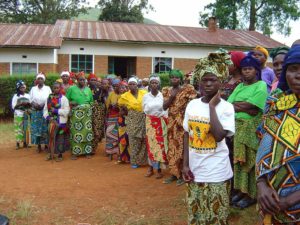
SDG1 and SDG5In 2015, the leaders of 191 United Nations (U.N.) member states came together to develop the Sustainable Development Goals (SDGs). The United Nations’ Sustainable Development Goals (SDGs) are a set of 17 global objectives that aim to end poverty, protect the planet and ensure peace and prosperity for all by 2030. Among these goals, SDG1 and SDG5 are particularly interrelated and mutually reinforcing. SDG1 focuses on eradicating extreme poverty and reducing inequality, while SDG5 promotes gender equality and women’s empowerment. According to the U.N., by tackling these two goals simultaneously, the world can achieve a more inclusive and sustainable development that benefits everyone, especially the most vulnerable and marginalized groups.
Patterns of Progress 

According to the U.N., global poverty has vastly decreased since the 1990s, with 44% of the population living below the poverty line in 1991 compared to 15% in 2016. However, the pandemic significantly reversed this progress, increasing global poverty by 9% between 2019 and 2020.

The progress of SDG5 mirrors this pattern. The U.N. reports that since 2000, there has also been a vast improvement globally regarding gender equality. For instance, women’s role and representation in parliament have increased from 9.1 % in 2000 to 20.9% in 2020. However, much like with SDG1, the pandemic significantly pushed progress backward. 

To achieve SDG1, U.N. Women emphasizes the importance of working toward a future free of gender inequalities and inequities. Ending poverty “in all its forms everywhere”, requires countries to make efforts towards reaching SDG1 and SDG5 simultaneously.

Country Insight: Bangladesh

According to the World Bank, Bangladesh is a developing country. One of the fastest-growing economies in the world, Bangladesh aims to become an upper-middle-income country by 2031. Regarding SDG1 and SDG5, Bangladesh has “significant challenges” along the way. Whilst encouraging progress has been made to eradicate poverty in the country, progress on achieving gender equality is slower. To achieve SDG1, Bangladesh must improve its score for SDG5. There were 1627 rapes reported throughout the country in 2020 alone, though it is widely known that many instances of assault go unreported.

Links Between SDGs in Bangladesh

Reports suggest that one of the ways that SDG1 and SDG5 can work hand in hand is through the introduction of women into an equitable and inclusive workplace. However, in the context of employment in Bangladesh, there are many instances of gender-based violence in the workplace. For instance, a report detailing the experiences of women working in the Ready-Made Garments sector in Bangladesh reveals that it is an industry rife with “sexual harassment, pay inequity and improper benefits”. Links between poverty reduction and equal opportunities for women are widespread in the literature, and women in Bangladesh have the opportunity to work. This highlights a need for the country to focus on women’s equality of voice and equality under the law.

Looking Ahead

In striving to achieve the Sustainable Development Goals (SDGs), the interlinkage between SDG1 and SDG5 is crucial, as emphasized by the United Nations. While progress has been made globally in reducing poverty and promoting gender equality, the COVID-19 pandemic has posed significant setbacks. Bangladesh, a developing country, faces challenges in achieving both goals, with the need to address issues of gender-based violence and empower women in the workplace. Overall, acknowledging how SDG1 and SDG5 synergize could open up the path to a more sustainable and inclusive future.

–        Eloïse Jones


Photo: flickr

April 7, 2023
https://borgenproject.org/wp-content/uploads/borgen-project-logo.svg 0 0 Jennifer Philipp https://borgenproject.org/wp-content/uploads/borgen-project-logo.svg Jennifer Philipp2023-04-07 04:49:282024-05-30 22:30:57How Tackling SDG1 and SDG5 Simultaneously Can Eradicate Poverty
Global Poverty, Women's Empowerment, Women's Rights

Women’s Rights in Kyrgyzstan 

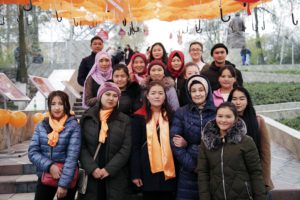
Women’s Rights in Kyrgyzstan Kyrgyzstan is often viewed as a country with vast gender inequality. Reports of “bride kidnapping,” such as in the famous 2011 Vice documentary, have painted a dispiriting picture of the place women have in Kyrgyz society. The state of women’s rights in Kyrgyzstan has seen a vast improvement over the last 15 years, however, and despite the continued prevalence of these and other instances of gender-based violations, the general picture is one of progress.
Legal Equality

As an independent nation, the Kyrgyz Republic holds a good record for promoting gender equality. The Central Asian country remains a party to the Convention on the Elimination of All Forms of Discrimination Against Women (CEDAW), which it has committed to since 1996, and like most post-Soviet countries, it has enshrined gender equality in the constitution.

Gaps in legislation and inconsistent legal interpretation have precluded greater progress in the area of sex discrimination, however. For example, until recently, many divorced women could not access child support. In 2018, the country reported 40,000 cases of alimony evasion. But in 2020, partly due to the work of activists, the government helped improve women’s rights in Kyrgyzstan by passing an amendment that made alimony evaders more accountable under family law. Whereas previously fathers who failed to pay child support could get away with just a fine, since 2020, fathers must pay alimony in full.

Child Marriages

The marrying of persons under the age of 18 is illegal in Kyrgyzstan yet 13% of Kyrgyz girls are married before their 18th birthday. Failures in law enforcement in conjunction with unemployment and rural poverty have meant the persistence of traditional non-consensual child marriages. Particularly in larger families that lack the income to support numerous children, parents seek to marry their daughters off to wealthier families to alleviate economic hardship. The problem is worse in rural areas, where the poverty rate is higher than the national poverty rate.

Child marriages in Kyrgyzstan are usually the result of “bride kidnapping” or “ala kachuu,” which literally translates to “pick up and run away.” Every year, 7,000 to 9,000 Kyrgyz girls fall prey to this practice, according to government figures. The bride’s parents are often responsible, along with the other family providing the “bride money.” Both parties arrange the marriage for the daughter typically without her consent in an unofficial religious ceremony. These illegal child marriages put young brides at risk of rape and domestic violence.

The United Nations Development Programme (UNDP) has worked to reduce child marriages in Kyrgyzstan since 2016. A key example of its work is the 2018-19 Project Addressing Early Marriages, which the British Embassy funded. This project was successful at encouraging the Kyrgyz Ministry of Labour and Social Development to implement the law prohibiting underage religious marriages in a “systematic way.” It also assisted the training of religious leaders in their understanding of marital law and improved the hotline services available to affected women and girls.

Domestic Violence

As part of the global Spotlight Initiative, a multi-year program that the Kyrgyz government and the European Union supported, U.N. has been implementing sex equality training to improve women’s rights in Kyrgyzstan. Two of the main aims of this program are to eliminate all forms of violence against women and girls and provide services to survivors.

Violence against women is a serious problem in Kyrgyzstan and cases have risen since the forced closures of crisis centers during the country’s COVID-19 lockdowns. The last decade has seen improvements though, both in legislation and the provision of survivor support services, such as Spotlight Initiative-funded safe spaces.

Yet despite these improvements, the majority of domestic violence survivors in Kyrgyzstan do not seek help. Family pressure, social stigma and a lack of economic opportunities compel up to 90% of women who have suffered violent treatment from their husbands to return to them, according to U.N. figures. Alternatively, many women escape to pursue unsafe employment opportunities, making them susceptible to trafficking.

Education

The state education system in Kyrgyzstan nominally treats all pupils equally regardless of sex. Girls and boys enjoy near educational parity in Kyrgyzstan at the primary level in terms of enrollment and attendance rates. At the secondary level, however, the net attendance of girls is 3% lower than boys (59% for boys compared with 56% for girls). A U.N. Working Group has found that the principal reasons for girls dropping out of school early are “forced marriage and adolescent pregnancy.” Nevertheless, the 100% adult female literacy rate in Kyrgyzstan as of 2019 should provide a solid basis for women’s future economic participation.

The government is also advancing women’s rights in Kyrgyzstan through efforts to remove negative stereotypes surrounding women in schools. In April 2022, the Kyrgyz government launched a review of all textbooks and teaching materials with the aim of removing any discriminatory content and pictures. Additionally, initiatives such as “Girls in Science,” which has already helped 3,000 girls, aim to increase the proportion of women in underrepresented sectors.

The Future

The Kyrgyz Republic has made impressive strides toward gender equality since earning its independence from the Soviet Union in 1991. It ranks 82nd out of 162 countries on the Gender Inequality Index in 2021. Today, the main impediments to women’s rights in Kyrgyzstan are intolerant patriarchal attitudes that perpetuate violence against women, notably the ancient practice of “bride kidnapping”, failures in law enforcement and a lack of economic opportunities for women. “Kyrgyzstan stands at a crossroads with an immense opportunity to harness the potential of women,” wrote a group of U.N. human rights experts in April 2022.

– Samuel Chambers
Photo: Flickr

March 28, 2023
https://borgenproject.org/wp-content/uploads/borgen-project-logo.svg 0 0 Jennifer Philipp https://borgenproject.org/wp-content/uploads/borgen-project-logo.svg Jennifer Philipp2023-03-28 01:30:212023-03-27 05:16:01Women’s Rights in Kyrgyzstan 
Gender Equality, Global Poverty, Women & Children, Women and Children, Women's Empowerment, Women's Rights

5 Organizations Empowering DRC Women

Empowering DRC Women
The Democratic Republic of the Congo (DRC) is a country in Central Africa that is rich in resources but still remains incredibly poor. A severe food crisis stems from government instability. In addition, violent armed groups often launch attacks and assaults on women and children. Luckily, there are several organizations empowering DRC women. This article takes a look at five of those organizations.

Severe Conditions for DRC Women

In 2018, more than 35% of women between the ages of 15-49 years reported being sexually or physically abused by an intimate partner. Further, almost 30% of girls under the age of 18 have been married or forced into a union. Finally, 70% of both women and men face food insecurity as well.

Here are five organizations that are combating these severe conditions and are actively empowering DRC women.

Kvinna till Kvinna Foundation

The Kvinna till Kvinna Foundation is an international organization that has been empowering DRC women since 2009. It calculates that 60% of women in the DRC live below the poverty line and have extremely low levels of political participation. The organization works to gain respect for women’s rights and end discriminatory gender practices. Kvinna till Kvinna helps women participate in learning exchanges that provide education and economic empowerment. It also helps finance certain activities of the Rien Sans les Femmes (Nothing Without Women) movement, a collaboration of Congolese women’s rights activists.

By supporting smaller partner organizations in the DRC, Kvinna till Kvinna has definitively lowered gender-based violence against women and has boosted political participation for DRC women. For example, the partner organization AFEM (Association des Femmes des Médias du Sud Kivu) is a collaboration of female journalists. It uses a radio station, Mama Radio, as its platform to empower DRC women.  Mama Radio caught on and AFEM was able to report reduced violence against women.

AFEM coordinator Julienne Baseke noted, “Thanks to Mama Radio, we have been able to break the silence on sexual violence, people are better informed and sexual and reproductive health issues are no longer taboo. The authorities are also held accountable on sexual violence issues and the media are mobilized on violence issues.”

Women for Women International

Women for Women International empowers DRC women in numerous ways. Since 2004 it has supported more than 106,000 Congolese women. Its most recent impact evaluation reports increased access to credit, savings and assets.  Second, it reports an increase in women’s ability to pursue entrepreneurship. Finally, it shares that women are benefitting from improved diets and mental health access. In 2022, 256 women received advocacy training in land titling. It also expanded upon its health insurance projects which were able to reduce fees for women and their families by around 50%.

Women’s Peace and Humanitarian Fund (WPHF)

WPHF is an international organization that helps empower grassroots organizations to help women become more involved in political affairs. In the DRC, it works with Spotlight Initiative, another women’s rights organization to fund 30 projects that 51 women’s organizations in the DRC spearheaded. These organizations seek to eliminate violence against women and encourage political mobility for women. For example, WPHF supports our GRACE, which seeks to promote gender-based equality and peace in North Kivu. It also supports CAUSE RURALE, which focuses on providing humanitarian aid to reinforce stronger institutions for women.  Finally, WPHF supports AFPDE, in South Kivu and promotes the strength of women’s organizations.

Women Concern (WOCO)

This Congolese nonprofit has been empowering women in the DRC by focusing on women and girls in rural areas. It focuses on helping women and girls see their own potential and provide them with development opportunities. Its unique approach is to utilize men and boys to be partners and co-agents to ensure change. It believes that promoting positive masculinity will in turn create a safe environment for women and girls to seek out opportunities. Its ultimate goal is to end the ongoing cycle of violence against women in the DRC.

Women, Cradle of Abundance

Women, Cradle of Abundance is a DRC organization. It has been empowering women in the DRC by attempting the eliminate systemic poverty for women. The organization provides physical safety, medical care, counseling and community services for women. It also helps improve education for women and girls by supporting schools for disadvantaged children. Women, Cradle of Abundance provides women with micro-savings and microloans. For example, it has provided 199 microloans to Kinshasha women. This helped them start or expand their businesses.

Moving Forward

Between international organizations such as Kvinna till Kvinna, Women for Women International and WPHF as well as DRC organizations such as WOCO and Women, Cradle of Abundance, a lot has been accomplished to empower DRC women. Past and current successes pave the way for more positive change.

– Anna Richardson
Photo: Flickr

March 6, 2023
https://borgenproject.org/wp-content/uploads/borgen-project-logo.svg 0 0 Naida Jahic https://borgenproject.org/wp-content/uploads/borgen-project-logo.svg Naida Jahic2023-03-06 01:30:332023-03-05 06:55:545 Organizations Empowering DRC Women
Global Poverty, Women's Empowerment

The Potential of Female Entrepreneurship

Female Entrepreneurship
Female entrepreneurship has great potential for poverty reduction in the developing world, helping women support themselves and their families. By becoming entrepreneurs, women can contribute to economies through “innovation, employment and the creation of wealth,” an OECD policy brief states. However, women are underrepresented in the entrepreneurial sector and often run “smaller and less dynamic businesses than men.” Women also tend to run businesses in “non-capital intensive sectors, including personal services,” which have “lower potential for generating a high and sustainable income,” according to the OECD. Women also face a multitude of challenges that hinder their full entrepreneurial potential.

Trends in Female Entrepreneurship

Female entrepreneurship rates are higher in developing nations compared to developed ones. This is because women face increased difficulties in entering “the formal labor market,” thus, many women turn to entrepreneurship as an opportunity to address both unemployment and poverty.

Interestingly, “Larger gender gaps in start-up activity are found in middle-income countries, whereas they tend to be narrower in lower-income countries probably because many women start businesses out of necessity,” an article by Maria Minniti and Wim Naudé explains. Furthermore, women in these lower-income countries tend to be more self-assured in their abilities to start such ventures and are less deterred by possible business failure than women in higher-income countries.

Remarkably, research has found that in developing regions, female entrepreneurship rates are the highest. In the developing world, there are as many as “10 million formal small and medium enterprises (SMEs)” with at least “one female owner,” the World Bank reports.

A 2021-22 report by Global Entrepreneurship Monitor (GEM) report stated that four out of five women in the Middle East and Africa recalled starting entrepreneurial ventures due to “job scarcity.” In particular, Sudan showed the highest rates of female entrepreneurship and Morocco showed the lowest.

Challenges That Female Entrepreneurs Face

Worldwide, in a developed or developing region, entrepreneurs face numerous challenges. However, these challenges and barriers are more significant for women.

  • The impact of culture and society. Negative stereotypes persist despite the substantial advancement of women within the labor market. The construction of entrepreneurship as a “masculine” undertaking has profound implications for women. One of the most important is that it lowers the level of legitimacy of female entrepreneurs’ work, thereby affecting the market position of their business along with their resource mobilization. Traditional gender expectations limit the “full realization of their entrepreneurial potential,” according to the OECD.
  • Entrepreneurship skills. Women tend to doubt their entrepreneurial skills and abilities more than men do. Furthermore, women find that entrepreneurship skills training programs are difficult to access. Although their education levels mirror or exceed those that men possessed, women often “lack experience in self-employment” and encounter “fewer opportunities” to hold management positions, which “acts as a barrier to gaining management experience and skills that can be used in entrepreneurship,” the OECD says.
  • Accessing finance. Women have greater difficulty accessing financial resources for their businesses compared to men. These barriers arise due to “lower levels of entrepreneurial experience, participation in more marginal female-dominated sectors, gender-biased credit scoring and gender stereotyping in the lending process,” the OECD explains. As such, female entrepreneurs usually start their ventures with less funding and are “more reliant on self-funding.”
  • Support networks. Unlike their male counterparts, female entrepreneurs “tend to have entrepreneurial networks that are smaller and less diverse.” Women entrepreneurs’ networks typically include family and friends “rather than business services providers or other entrepreneurs.” This can impede the expansion and development of ventures, restricting female entrepreneurs’ access to persons who can provide critical business advice and support.

Successful Female Changemakers in Developing Countries

Jamila Mayanja founded Smart Girls Uganda in 2012 to “tackle the female unemployment rate and train young women to grow their skillset[s],” according to Elle magazine. Her business supports women to become “innovators and solution solvers” and gain financial autonomy. She says “One of the biggest causes of gender-based violence is the power the men have over the women when it comes to money.” Annually, the organization trains and supports 150-200 females through economic initiatives.

As a university student, Zuhura Abdul Sakaya co-founded Youth For Change Tanzania in 2019 as a way to end gender-based violence. Growing up in poverty, Sakaya witnessed her mother’s abuse at the hands of her father. The goal of the organization is to provide women with opportunities for empowerment and economic independence. By engaging the power of traditional and digital media, action networks and coalitions, Youth for Change is able to effect transformation.

Encouraging Female Entrepreneurship

In 2022, the Jammu and Kashmir Rural Livelihoods Mission (UMEED) helped 400,000 women in 48,000 Self Help Groups access capital for entrepreneurship endeavors. The Jammu and Kashmir government is committed to assisting these women to re-skill or obtain new skills through mentorship opportunities in order to help the women entrepreneurs expand their markets.

The World Bank avidly supports female entrepreneurship in developing nations and sees it as a viable route to encourage economic expansion and reduce poverty. Policies that encourage ventures, such as credit access facilitation and business development programs, have the potential to close the gender pay gap for poor women. Supporting female entrepreneurship is one of the key ways to help women rise out of poverty. Despite the challenges, such initiatives ensure that women become empowered and independent.

– Harkiran Bharij
Photo: Flickr

January 1, 2023
https://borgenproject.org/wp-content/uploads/borgen-project-logo.svg 0 0 Naida Jahic https://borgenproject.org/wp-content/uploads/borgen-project-logo.svg Naida Jahic2023-01-01 01:30:422024-05-30 22:30:30The Potential of Female Entrepreneurship
Global Poverty, Women's Empowerment

Empowering Women in Bangladesh

Empowering Women in Bangladesh
Women are pushing for representation in many fields, including education, technology, architecture, fashion, health care, journalism and sports. Every year, an increasing number of female entrepreneurs enter the market and significantly contribute to the global economy. Women’s enterprises in Bangladesh are gradually developing to have a similar stream of development potential. However, women in entrepreneurship are not as prevalent in Bangladesh, where women own just 7.2% of all businesses.

Nevertheless, the situation is slowly evolving, and more Bangladeshi women are entering the corporate sphere as leaders, opening the path for thousands of others by motivating and mentoring them. One of the recent highlights of this development was the Women Entrepreneurship Training Program by BRAC University, called Venture Maestras. The initiative aims to promote gender equality and empower women entrepreneurs, in line with the U.N.’s fifth Sustainable Development Goal (SDG). The Venture Maestras Program gives theoretical underpinnings and techniques for tackling business challenges that women encounter and a practical understanding of the real-world market. Here are more details about how Venture Maestras is empowering women in Bangladesh.

The Program’s Mission

This program’s purpose is to make significant contributions to empowering women in Bangladesh. Additionally, the future vision is to achieve gender equality and sustainable, long-term prosperity for the nation and its global status. Venture Maestras has three core objectives. Firstly, it is empowering women entrepreneurs in Bangladesh by offering information, skills and training to enrich their competence. It also works on providing continuous support services for various projects that participants undertake and doing research to promote gender equality and the long-term well-being of all Bangladeshis. Moreover, the program focuses on creating awareness of opportunities in business fields and motivating women to engage in such activities.

A Vision Beyond the Program Itself

Bringing awareness and equality in a closed-door room does not help much when it concerns the entire nation. It takes tremendous effort to grow the network to a size where it is able to spread the word to every corner of the country. As a result, the program works on building an effective network between established women entrepreneurs, which helps the women share their knowledge and aid. Secondly, it includes significant research and case studies on economic and social issues that affect many women entrepreneurs in Bangladesh. These studies help innovate business ideas and bring solutions to decades-old problems. Finally, all the connections with public, private and non-government organizations help to reach a broader audience.

How the Program is Managed

The pilot program starts with an orientation where the participants can engage in discussions with successful female entrepreneurs. Subsequent sessions cover the business canvas model and entrepreneurial skills, including HR management, digital marketing and many legal aspects. The program also includes loan and financial management lessons. At the end of the program, participants present their business proposals to a panel of experts for evaluation. The program doe not include any special requirements other than a high school level education and the intention to start or manage one’s own enterprises. After the program ends, the top three finalists receive 100,000 BDT as an award, which is roughly $1,000 USD.

According to the BRAC Business School, the participants greatly benefited from the program’s offerings. According to the survey, entrepreneurs found some training sessions more effective than others, with training in the business canvas model, marketing and digital marketing being the top choices. Without entrepreneurial support, the country will fail to see any industrial breakthrough – even when there is technical progress. However, with these kinds of programs and training, Bangladesh can become a strong participant in the global market.

– Zahin Tasnin
Photo: Flickr

December 3, 2022
https://borgenproject.org/wp-content/uploads/borgen-project-logo.svg 0 0 Naida Jahic https://borgenproject.org/wp-content/uploads/borgen-project-logo.svg Naida Jahic2022-12-03 07:30:182022-11-30 00:40:03Empowering Women in Bangladesh
Global Poverty, Women's Empowerment

A Partnership for Women’s Economic Empowerment

Economic Empowerment
One of the goals of decreasing global poverty is tackling historical inequities that disadvantage certain groups in society. Local, national and international institutions work to empower women in the economic sphere to bring together a variety of groups in society. Four agencies within the United Nations began a partnership to focus on economic empowerment for women in rural regions.

A new phase of the Joint Program: Accelerating Progress Toward Rural Women’s Economic Empowerment (JP RWEE) launched in March 2022 at the 66th Session of the Commission on the Status of Women. This program is a collaboration between five agencies including the Food and Agriculture Organization of the U.N., the International Fund for Agricultural Development, U.N. Women, the U.N. Entity for Gender Equality and the World Food Program (WFP). As the breadth of involved agencies suggests, the program aims to build economic empowerment for rural women in the agricultural sector by increasing their ability to obtain resources and services enabling them to succeed in their own livelihoods. The intended result is a decrease in poverty in rural regions as women unify in communities and combat historically limiting social norms.

Phase 1

The first phase of the JW RWEE was launched in 2014 and ended in 2021. The focus regions were Ethiopia, Guatemala, Kyrgyzstan, Liberia, Nepal, Niger and Rwanda. Results indicate that economic empowerment goals succeeded in raising agricultural production by 82% and assisting about 80,000 women. The new phase of the program also seeks to improve the lives of rural women through sustainable development. 

The program is part of the larger 2030 Agenda to improve poverty in rural communities. Initiatives within the program include improving food security, increasing the income of rural women, strengthening skills in leadership and community and promoting gender inclusivity to complement the goal of economic empowerment. The Norwegian Ministry of Foreign Affairs and the Swedish International Cooperation Agency provide funding.

Phase 2

The second phase of the program will focus on Nepal, Niger, the Pacific Islands, Tanzania and Tunisia. Norway and Sweden donated $25 million toward the initiative. In October 2022, one component of the program began in Tanzania. Over the course of five years, the program will cost $5 million and will target the provinces of Singida, Dodoma and Zanzibar in Tanzania. In that nation, subsistence farming contributes 80% of women’s income. Thus, the five-year JP RWEE will deliver economic empowerment in the form of agricultural assistance to provide resources and skills to combat changes in climate and leadership.

In Africa, the first phase of the JP RWEE assisted Ethiopia, Liberia, Niger and Rwanda. The new phase of the program will continue to assist the country in gender equality and economic empowerment. In addition, all countries in Africa agreed to the Convention on the Elimination of All Forms of Discrimination Against Women, and many also agreed to the African Charter on Human and Women’s Rights. However, despite these efforts, women in Africa still continue to face discrimination on a regular basis. The African Union’s ten-year strategy for gender equality lasts until 2028, but leaders have expressed their commitment to reinforcing gender equality across the continent beyond that timeframe.

– Kaylee Messick
Photo: Flickr

November 17, 2022
https://borgenproject.org/wp-content/uploads/borgen-project-logo.svg 0 0 Jennifer Philipp https://borgenproject.org/wp-content/uploads/borgen-project-logo.svg Jennifer Philipp2022-11-17 07:30:252022-11-16 13:36:38A Partnership for Women’s Economic Empowerment
Education, Global Poverty, Women's Empowerment

The Milaan Foundation Educates and Empowers Girls in India

The Milaan Foundation
According to the World Bank, the latest official estimates from 2011 indicated that almost 22% of India’s population lived below the national poverty line. The demographic most vulnerable to poverty is the 120 million adolescent girls in India who are more likely to discontinue their education at a young age and face child marriages. The Milaan Foundation in India recognizes these hardships and helps young girls secure their futures in education and outside of child marriages.

Issues Young Indian Girls Face

Women suffer discrimination and gender-based violence at notable rates in India. According to the National Crime Records Bureau of India, “every hour, at least two women are sexually assaulted and every six hours, a young married woman is beaten to death, burnt or driven to suicide.”

The results of this discrimination have led to deteriorating mental health, high poverty rates and isolation. These gender-based issues start at a young age and are costly for a young girl’s education. According to UNICEF, about 43% of Indian girls have discontinued their secondary education early due to an array of reasons, with child marriage having a significant influence.

India has a significant number of child brides, with about 1.5 million Indian girls committing to marry before the age of 18. Of these girls, 7% are under the age of 15. These child brides lack the maturity and development to handle marital duties, yet their parents see no alternatives, often because marrying off daughters eases the economic burden on the family.

While child marriages appear to be the route toward security and stability, many girls end up enduring early pregnancies. Nearly 14% of adolescent Indian girls in both rural and urban areas have begun childbearing. These pregnant girls’ lives and health are at risk because young mothers are more susceptible to maternal mortality and complications during childbirth.

The Milaan Foundation in India

The Milaan Foundation in India originated in 2007 to aid impoverished girls between the ages of 12-18 regardless of religion, color or caste system. The organization prides itself on having a diverse team with 60% of its board members and 90% of its team members being women from all walks of life.

Partnering with more than 40 organizations and donors, the organization focuses on four goals: continuation of secondary education for girls, prevention of child marriages, prevention of gender-based violence and adolescent health. Overall, the Foundation has impacted more than 40,000 adolescents in four different Indian states.

The Milaan Foundation and Education

The Milaan Foundation consistently encourages girls to continue their secondary education through its Swarachna School. The school is purposely placed in the Sitapur district as 84% of the district’s population lives in poverty. The school currently educates 350 children, all with a passing rate of 100% in 12th-grade board examination classes. The 12th-grade board examinations, also known as the SSC, are crucial for students in India looking to reach higher education and apply to universities.

The Milaan Foundation’s Girl Icon Program

The largest program funded by the Milaan Foundation is its Girl Icon Program. Founded in 2015, the Girl Icon Program is a girl-led leadership program that encourages Indian girls to speak out, spread awareness of gender-based issues, diversify their skillsets and become independent. Indian girls who pass through the program are called Girl Icons with duties to inspire and evoke change.

For example, Kushboo Rasheed, a 2015 Girl Icon, went out into her neighborhood and coaxed parents who doubted the value of education to send their children to school. In the end, she recruited 20 kids to attend school and also tutored these children in her spare time to ensure that they did not fall behind. Rasheed shows the program’s domino effect: Girl Icons learn, they thrive, then, they recruit more Girl Icons who do the same.

So far, the program has implemented 953 social action projects and impacted more than 10,000 adolescent girls, 375 of whom have become Girl Icons. In 2021, all of the Girl Icons continued their secondary education and 80% looked to pursue higher education. As a result, 95% of girls delayed early marriage due to educational ambitions.

The Milaan Foundation and the Pandemic

Due to the coronavirus pandemic, 10 million Indian girls dropped out of secondary school. Despite the pandemic, The Milaan Foundation in India continued its Girl Icon Program, moving its classroom online from January 2021 to March 2021. The Girl Icon Program Virtual Leadership Training proved to be a great success as it reached 5,000 adolescent girls and awarded 201 education scholarships to its girl leaders to support their upcoming projects.

Outside of the Girl Icon Program, the Milaan Foundation has also provided medical resources across India. As the second deadly wave of the pandemic hit India in January 2021, the Milaan Foundation delivered more than 26,000 medicine kits and 39,000 medical consumables to those in need.

Future Visions

By 2030, the Milaan Foundation hopes to impact more than 10 million Indian girls and raise a new generation of girl leaders who leave the world better than they found it. The Foundation also plans on continuing to recruit more children for its Swarachna School and aims to host another Girl Icon Leadership Summit in late 2022.

– Blanly Rodriguez
Photo: Flickr

October 31, 2022
https://borgenproject.org/wp-content/uploads/borgen-project-logo.svg 0 0 Naida Jahic https://borgenproject.org/wp-content/uploads/borgen-project-logo.svg Naida Jahic2022-10-31 01:30:122024-05-30 22:30:23The Milaan Foundation Educates and Empowers Girls in India
Global Poverty, Women, Women's Empowerment

Support to Bangladeshi Women After Cyclone Amphan

Support to Bangladeshi Women
Poverty has been disproportionately affecting women in Bangladesh in the aftermath of natural disasters such as Cyclone Amphan. In commitment to the Generation Equality Compact on Women Peace and Security and Humanitarian Action (WPS-HA), U.N. Women has worked with local partners in Bangladesh to aid in economic recovery and provide support to Bangladeshi women, especially post-natural disasters, by issuing grants and providing vocational training to local women.

Gender and Economic Disparity in Bangladesh

In 2019, 20.5% of Bangladesh’s citizens fell under the national poverty line, according to the Asian Development Bank. Furthermore, the unemployment rate for Bangladeshi females in 2021 stood at almost 8% whereas the unemployment rate for males in Bangladesh stood at 4.1% in 2021, according to International Labour Organization (ILO) estimates. In 2019, the workforce participation rate for Bangladeshi males aged 15-64 stood at 84% but only 38% for females in the same age group. Furthermore, in 2022, the literacy rate among men stood at 76.56% whereas for women it stood at 72.82%.

When comparing the margin of difference between literacy rates and employment rates among Bangladeshi men and women, it is clear that women face inequalities that result in their exclusion and marginalization, pushing them deeper into poverty.

Story of Mahmuda Khatun

When Cyclone Amphan hit Bangladesh in 2020, many people lost their livelihoods and fell deeper into poverty, including Mahmuda Khatun’s household. Khatun wished to start a small business to help support her family but she faced barriers such as “a lack of banking history” and inadequate financial literacy. She reached out to the Prerona Foundation for help, “a local women’s organization supported by U.N. Women.”

The Prerona Foundation works with vulnerable women to improve their economic resilience, especially in crisis-prone areas. The Foundation helped Khatun establish a livelihood by providing training and a loan for her to start a poultry farm to generate income. Khatun now provides for her two daughters and husband by raising poultry. Since its beginnings, her business has flourished and Khatun now earns about 17,000 takas ($200 USD) per month.

Multi-Industry Glass Ceilings

Organizations like the Prerona Foundation and U.N. Women recognize the importance of involving and providing support to Bangladeshi women in the wake of humanitarian crises and natural disasters. Women are a key catalyst in a community’s response and recovery and are often end up out of the equation albeit being valuable agents.

Furthermore, when one woman receives uplifting, the benefits do not stop there. Khatun is now looking to help other women in her community by providing vocational training and championing women’s empowerment in Bangladesh. According to U.N. Women, in 2020, “less than 60% of Bangladeshi women have access to credit,” which stands as a significant barrier to their entrepreneurial potential. Moreover, about a third of the nation’s labor force consists of female employees and less than 5% of them hold formal positions. Bangladeshi women also “earn 21% less than their male counterparts.”

Rising Through Recovery

Given such statistics, it can seem daunting for women in Bangladesh to assume financial independence and see success, especially amid a natural disaster like Cyclone Amphan. However, U.N. Women continues to work with dozens of civil society and local women’s organizations on the ground to help address these systemic issues.

In 2022, U.N. Women has also partnered with the U.N. Development Programme (UNDP) to further “gender equality and women’s empowerment in Bangladesh.” Both institutions have “signed an inter-agency agreement” for 2022-2026 to establish “gender-responsive inclusive governance,” reduce discrimination against women, and advance “women’s economic empowerment and access to justice,” among other aims.

Going forward, the focus will be on starting a normative agenda, establishing gender-inclusive legislation, providing financing to advance gender equality and supporting women-led businesses. This partnership also stresses the importance of addressing gender-based violence in Cox’s Bazar, placing women in leadership roles and providing females with the skills training, services and resources to thrive.

Given the commitment, both at a local and international level, there is hope for more Bangladeshi women to rise out of poverty despite the impacts of Cyclone Amphan.

– Samyudha Rajesh
Photo: Flickr

October 24, 2022
https://borgenproject.org/wp-content/uploads/borgen-project-logo.svg 0 0 Kim Thelwell https://borgenproject.org/wp-content/uploads/borgen-project-logo.svg Kim Thelwell2022-10-24 07:30:482024-05-30 22:30:21Support to Bangladeshi Women After Cyclone Amphan
Global Poverty, Women's Empowerment

Women’s Empowerment Through Rural Delights in Lebanon

Rural Delights in Lebanon
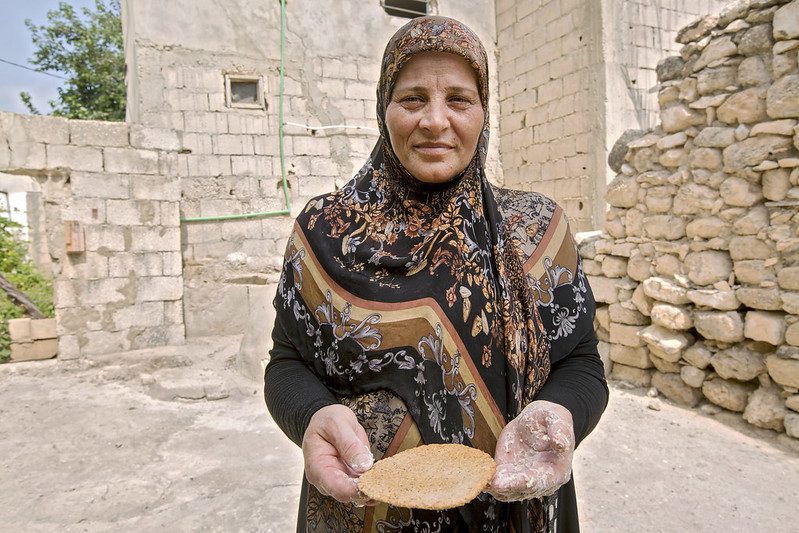
The Lebanese non-governmental organization (NGO) Atayeb-Al Rif or Rural Delights in English, is committed to rural development and economic opportunities for women in Lebanon. Since its founding with the funding of USAID, Rural Delights in Lebanon has partnered with worker cooperatives to employ women in processing traditional Lebanese treats and trinkets such as jams, syrups, dried fruits, honey, olive oil and molasses. The organization also offers business training to Lebanese women as part of its services.

About Rural Delights

In an interview with The Borgen Project, May Traboulsy, Chairperson at Rural Delights, commented on its mission of economically empowering Lebanese women; “Our mission focuses on empowering women socio-economically, but also touches on other players in the sector of food processing, such as farmers and refugees, through productive activities as food processing, while enhancing women’s role at the level of their communities as well as at the level of relevant value chains.”

Rural Delights in Lebanon and its emphasis on job opportunities for women could be a welcome step to alleviating national poverty especially as the country is experiencing negative economic growth. The country’s unemployment rate as of 2021 stands at 14.5%, while inflation skyrocketed to 154.8% in the same year.

The alarming economic situation in the country underscores the importance of organizations such as Rural Delights and how they can contribute to alleviating the economic situation in the country by creating economic opportunities for women, a largely untapped resource in the Lebanese economy. Lebanon’s female labor participation rate stands at only 24.5% as of 2021.

Rural Delights in Lebanon, therefore, plays an important role in the economic empowerment of women to reduce poverty through the creation of economic opportunities and entrepreneurial skills Rural Delights in Lebanon focuses on. Traboulsy commented on the importance of women’s economic participation in the same interview by stating that “AAR considers that when women are capacitated to become productive members within their society, this, in turn, provides them with empowered tools that could elevate their livelihood, improve resilience and therefore reduce poverty by translating women’s actions into income-generating activities.” Rural Delights in Lebanon has not only committed itself to reduce poverty through increased female labor participation but its current activities on the ground have achieved concrete results.

The Biocoop Program

Rural Delights in Lebanon has initiated a number of projects achieving concrete economic gains for women in business. The Biocoop program, which USAID funded, has focused on vocational training for women. This project aimed to increase labor skills for women in food processing, hygiene, general health practice, good manufacturing practice and marketing practice. Such a program can reduce poverty through the skills it offers women to succeed in business generating more income-earning opportunities and higher living standards over time.

The Stimulating Markets Program

Rural Delights in Lebanon also launched the Stimulating Markets program from 2002-2006 with funding from USAID. This project meant to create more food processing centers for women to work in and boost production, benefiting 2,500 rural Lebanese women and 36 rural communities. The project also achieved the establishment of 37 food processing centers and five production farms, expanding economic opportunities for women in the process to contribute to poverty reduction.

The Sustainable Opportunities for Fair Trade Project

Rural Delights in Lebanon has not only focused on the establishment of businesses that create opportunities for women but also implemented programs to ensure they remain competitive in the national and regional economy in the long term. The Sustainable Opportunities for Fair Trade project, with funding from the Middle East Partnership Initiative, worked with 22 female worker cooperatives in Lebanon to promote entrepreneurial skills and business acumen for women. The project featured training on managerial work, fair trade practices, international norms and standards, supply management, purchase of production equipment and participation in local and foreign food shows to prepare women to compete in the national and regional economies.

Traboulsy commented on the project and its aims by stating that “In that project, 14 food-processing cooperatives and 8 small-to-medium entrepreneurs were targeted. The project aimed to reduce the producers’ cost of production, expand their market linkages and enhance their know-how and practice in product/ business development.” Such a project shows how Rural Delights in Lebanon has committed itself to both creating opportunities for women itself and going beyond to ensure women possess the skills to succeed and grow their businesses in the long term with respect to the food processing industry being the most productive and contributing to poverty reduction.

The Promoting Sustainable Livelihoods Project

Rural Delights in Lebanon has two major projects currently underway that will conclude at a later date. The first is the Five Year Project (2020-2025), called Promoting Sustainable Livelihoods Project. Traboulsy commented on the project and its goals by stating; “This project is funded by USAID and aims to improve the livelihoods of residents of target municipalities across Lebanon by improving and/or upgrading existing assets through training, technical assistance, infrastructure rehabilitation, and access to markets. The project’s goal is to improve the livelihoods of 31,500 households across 105 municipalities in the North, Bekaa, South and Mount Lebanon areas.” Such a project underscores Rural Delights’ commitment to promoting the sustainability of women-led businesses and workers once opportunities are first created to ensure maximum productivity in the long term to reduce poverty.

The Women’s Economic Empowerment Project

The second project, which launched in 2019 and will last until 2022, is the Women’s Economic Empowerment Project. It received funding from Canada and in partnership with the Maowad Foundation. This project aims to further promote economic opportunities for women and raise awareness about the importance and value of female labor participation in economic development and poverty reduction.

Traboulsy commented on the goals of this project by stating that “The WEP project aims to (1) Increase local awareness and support to women’s rights, notably economic empowerment and right to decent work, (2) boost local recognition of women’s role in non-traditional economic development and (3) foster competences of local women, individuals and groups, to access the market based on competitiveness and innovation in selected value chains.” This project further shows Rural Delights’ goal of promoting the role of women in the economy and recognizing its importance for poverty reduction by achieving higher living standards and more economic development overall when half of a country’s population is part of the workforce.

Rural Delights since its creation in 2002 has launched a number of ambitious projects that have created economic opportunities for women previously unavailable in Lebanon. Given the economic problems Lebanon is experiencing, Rural Delights is providing opportunities at an important time and improving the quality of life for Lebanese on the ground who its activities impacted. As a nonprofit, it can serve as a testament to the importance of a vibrant civil society to have NGOs on the ground doing the work to reduce poverty and improve quality of life, and to have an environment where more NGOs can thrive and accomplish similar goals to reduce poverty.

– John Zak
Photo: Flickr

October 16, 2022
https://borgenproject.org/wp-content/uploads/borgen-project-logo.svg 0 0 Naida Jahic https://borgenproject.org/wp-content/uploads/borgen-project-logo.svg Naida Jahic2022-10-16 07:30:482024-12-13 18:02:45Women’s Empowerment Through Rural Delights in Lebanon
Page 16 of 54«‹1415161718›»

Get Smarter

  • Global Poverty 101
  • Global Poverty… The Good News
  • Global Poverty & U.S. Jobs
  • Global Poverty and National Security
  • Innovative Solutions to Poverty
  • Global Poverty & Aid FAQ’s
Search Search

Take Action

  • Call Congress
  • Email Congress
  • Donate
  • 30 Ways to Help
  • Volunteer Ops
  • Internships
  • Courses & Certificates
  • The Podcast
Borgen Project

“The Borgen Project is an incredible nonprofit organization that is addressing poverty and hunger and working towards ending them.”

-The Huffington Post

Inside The Borgen Project

  • Contact
  • About
  • Financials
  • President
  • Board of Directors
  • Board of Advisors

International Links

  • UK Email Parliament
  • UK Donate
  • Canada Email Parliament

Get Smarter

  • Global Poverty 101
  • Global Poverty… The Good News
  • Global Poverty & U.S. Jobs
  • Global Poverty and National Security
  • Innovative Solutions to Poverty
  • Global Poverty & Aid FAQ’s

Ways to Help

  • Call Congress
  • Email Congress
  • Donate
  • 30 Ways to Help
  • Volunteer Ops
  • Internships
  • Courses & Certificates
  • The Podcast
Scroll to top Scroll to top Scroll to top