• Link to X
  • Link to Facebook
  • Link to Instagram
  • Link to TikTok
  • Link to Youtube
  • About
    • About Us
      • President
      • Board of Directors
      • Board of Advisors
      • Financials
      • Our Methodology
      • Success Tracker
      • Contact
  • Act Now
    • 30 Ways to Help
      • Email Congress
      • Call Congress
      • Volunteer
      • Courses & Certificates
      • Be a Donor
    • Internships
      • In-Office Internships
      • Remote Internships
    • Legislation
      • Politics 101
  • The Blog
  • The Podcast
  • Magazine
  • Donate
  • Click to open the search input field Click to open the search input field Search
  • Menu Menu

Archive for category: Women

Information and news about woman issues

Global Poverty, Women

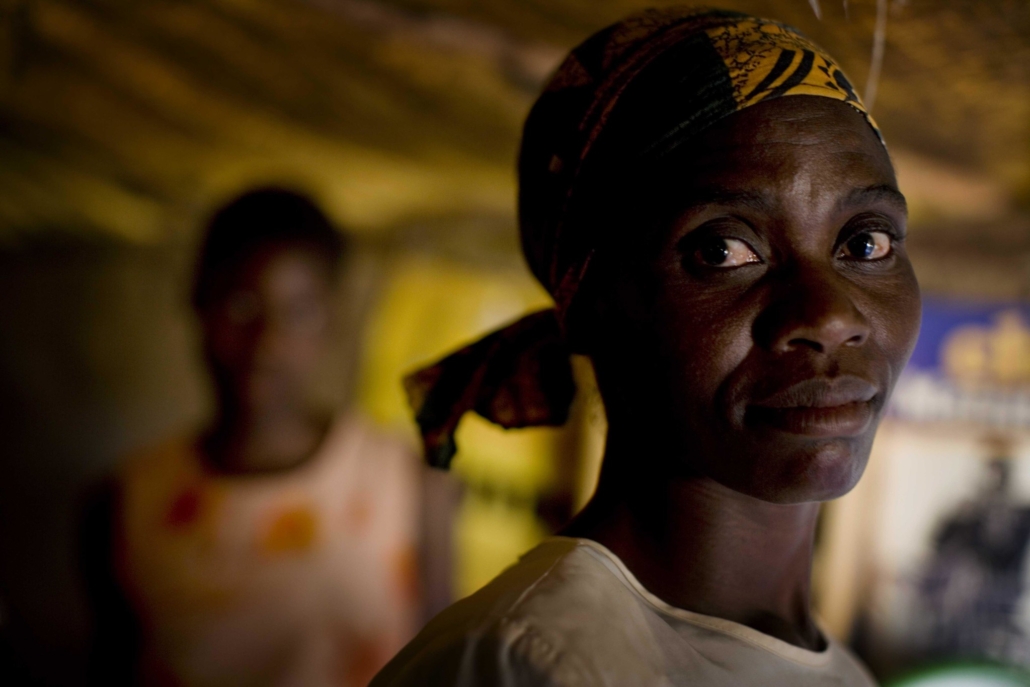
How Women in the Chivi District Are Reducing Poverty

Women in the Chivi District
Zimbabwe is a landlocked country in Southeast Africa. It is a member of the United Nations, the Southern African Development Community and the African Union. Many know it for its gold and agriculture-based economy as well as its status of being a tourist destination. The Chivi district, specifically, is a district located in the Masvingo province of Zimbabwe. This district is known for being quite arid and prone to drought. Natural disasters and changing weather patterns have exacerbated the arid climate and drought in the region.

While changing weather patterns and environmental disasters have been negatively affecting the area, women have been working to combat the more unfavorable effects, such as poverty. A 2012 study on the Chivi District shows that around 33.8% of people in the district suffer from chronic malnutrition. Malnutrition is one of the effects of extreme poverty that women in the district are aiming to combat. This article will focus on the role of women in the Chivi district in battling the effects of poverty and the challenges they face in their mission.

The Role of Women in Rural Economies

Overall, women play an important role in developing countries. A study by Hilda Jaka and Elvin Shava has explained that in more rural countries, such as Zimbabwe, women contribute greatly to the reduction of poverty. They help reduce poverty by making important improvements to rural economies. These improvements often come in the form of livelihoods as farm laborers or wage laborers. They also manage and operate complex households and families. Depending on the region, rural women often work in different sectors of agriculture. In the case of the Chivi district, women uphold the economy through their work in irrigation and pottery.

The Role of Women in Chivi

With a population of 90,170 women and 75,879 men in the district, women make up a larger portion of the population in Chivi. Women in this region often spend the majority of their time working on unpaid chores that are necessary for survival. During cropping season in Chivi, women often tend to contribute by working in irrigation. During the agricultural off-season times, many of the women in Chivi are focused on tasks such as pottery, crocheting, sewing and beer-brewing as means to earn extra income for their families. The work of women in this region contributes greatly to the overall economy as they play key roles in society by providing for their families and communities.

Challenges That Women in Chivi are Facing

Although women play an elemental role in the region’s economy, there are still a number of challenges that they face. One of the main challenges women face in this region is the lack of access to competitive markets. The local Chivi government does not provide ready markets, so women often have to travel to other areas in order to sell their goods (pottery, cloth, etc.). There is no direct transport to these areas so women oftentimes have to walk many miles each day. Changing climate patterns is another problem that women in the area are facing. Environmental disasters, in general, have made it harder for agriculture, which is one of the main means of livelihood for women in the region. These cause high temperatures that negatively impact crop production. Women in Chivi are also not very educated about this matter and have no tools to mitigate it.

Conclusion

Women play a large part in the Chivi district and its economy. Whether working as a laborer in agriculture or making pottery and other sellable goods, women are doing something to help their local economy year-round. While they do face challenges such as a lack of education about changing climate patterns and limited access to competitive markets, they still manage to contribute greatly to society. Their contributions to society not only aid their community and family but also helps in reducing global poverty.

– Timothy Ginter
Photo: Flickr

January 30, 2023
https://borgenproject.org/wp-content/uploads/borgen-project-logo.svg 0 0 Jennifer Philipp https://borgenproject.org/wp-content/uploads/borgen-project-logo.svg Jennifer Philipp2023-01-30 01:30:252024-05-30 22:30:43How Women in the Chivi District Are Reducing Poverty
Global Poverty, Women

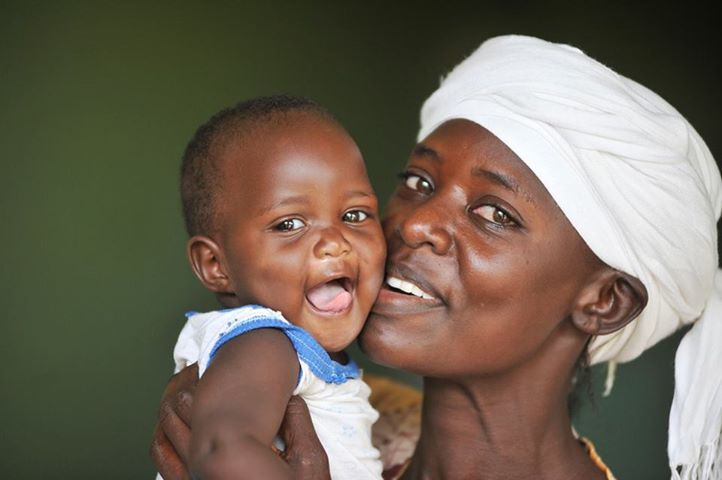
How The Neema Project is Empowering Women in Kenya

Empowering Women in Kenya
As of 2022, 52% of the overall population of Kenya is living in extreme poverty. The majority of the impoverished population lives in rural areas, where the primary source of income is agriculture. The Neema Project focuses on empowering women in Kenya who may suffer abuse and unemployment.

Women in Rural Kenya

According to data from 2020, only 29% of Kenyan women are empowered. While progressive reforms have improved women’s lives in Kenya, rural areas still have gender restrictions that impact women. As of 2022, 78% of individuals living in Kenya live in rural areas. This ultimately means that farming and agriculture are the main sources of income. In the agricultural process, women are limited in the resources they have access to. Men hold control over financial services and farming technology and exclude women in policy decisions.

According to a 2021 study that occurred in Kenya, 78.3% of adult women face severe food insecurity. With high poverty rates and little political voice, women in Kenya find it much harder to overcome hunger. The study also found that 22.8% of Kenyan women older than 15 years experience violence at some point in their lives. Women in rural sectors of Kenya face adverse living conditions that prohibit them from improving their lives. Whether it be through gender-based policy or violence, it is difficult for Kenyan women to obtain adequate employment. Empowering women in Kenya is crucial to overcoming these obstacles.

The Neema Project

Founded in 2014, The Neema Project emerged in an attempt to restore faith and hope to women in Kenya. Since its inception, The Neema Project has provided aid to 134 young women and more than 50 children.

One of the women Neema provided aid to is Maureen, who could not afford to attend high school due to living in extreme poverty following the death of her father. Living with her aunt, Maureen applied to Neema in 2018 and it granted her admission. Since her time in the program, Maureen was able to obtain the medical aid she needed for a severe bone infection she had since she was 10 years old. Maureen had undergone abuse and trauma prior to joining Neema; counseling allowed her to find peace within herself despite all the hardship she has endured. Now at the age of 28, Maureen is now in a healthy marriage, has a baby boy as well as her own business. Maureen’s story exemplifies how Neema’s foundation is not only empowering women in Kenya but also creating a lasting impact on women living in inadequate conditions.

Neema has now begun a campaign titled Securing Her Future. The purpose of the said campaign is to secure a permanent structure that would enable the organization to aid a greater number of women. The goal is to obtain the funding needed by 2024, Neema to create a more suitable facility that would house classrooms, a chapel, kitchens and even daycare.

– Micaela Carrillo
Photo: Flickr

January 27, 2023
https://borgenproject.org/wp-content/uploads/borgen-project-logo.svg 0 0 Jennifer Philipp https://borgenproject.org/wp-content/uploads/borgen-project-logo.svg Jennifer Philipp2023-01-27 01:30:442023-01-24 09:45:30How The Neema Project is Empowering Women in Kenya
Global Poverty, Technology, Women

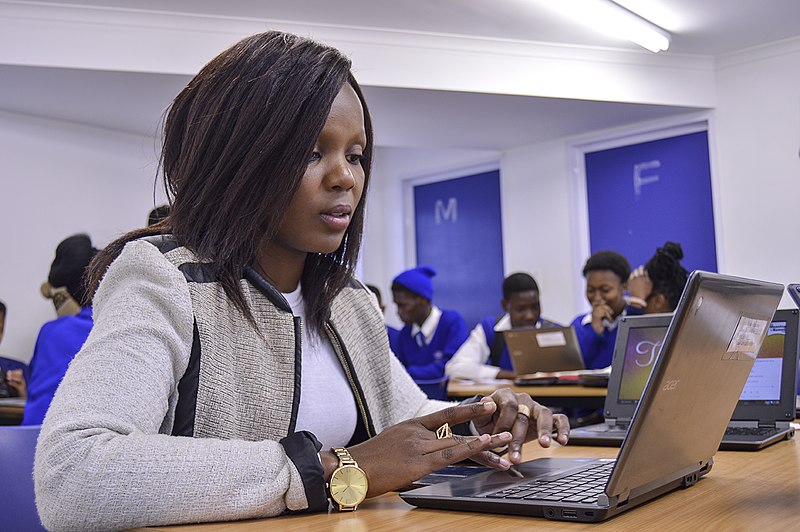
Mukuru and WeThinkCode Teach African Women How To Code

African Women
One area where the fight against poverty in Africa has had significant support is the continent’s tech industry. As more tech companies and startups move into Africa, the result is an increase in opportunities for Africans to enter the sector as developers and IT experts. In 2020, the number of professional software developers in Africa rose from 690,000 to 716,000, which is due in part to countries like Kenya making it mandatory to teach programming in school. The tech industry continues to provide many amazing opportunities for Africans and African women to rise out of poverty.

However, one group that has not experienced the full positive impact of Africa’s tech industry is women. Today, women make up less than 20% of the digital workforce. Despite making up about 60% of Africa’s workforce, women often find themselves in low-income and labor-intensive jobs such as farming that provide little opportunity for economic and career development. By not being as readily included in Africa’s tech industry, African women – especially those who are in deeper poverty – are at a strong disadvantage.

Thankfully, there are those who realize this discrepancy and are working to provide opportunities for women to enter Africa’s tech industry. Two of these organizations are Mukuru and WeThinkCode, a financial service company and an educational institution, respectively, that recently hosted a hackathon to help female developers show their skills and gain impactful career opportunities.

Opportunities Through Coding

Both institutions have great influence in the sphere of Africa’s digital economy. Mukuru is an innovative money transferral service located in South Africa, while WeThinkCode is an academy that provides top-class coding education to residents of Johannesburg in the Gauteng province. In September 2022, both organizations teamed up to host a woman-only hackathon, to which they invited female students of WeThinkCode and bursary recipients of the Mukuru Education Fund.

A “hackathon” is an event where multiple people get together and work on one or several coding projects over a specific period of time. The goal for this hackathon was for the selected female programmers to create either a financial education or management tool that Mukuru would then use to serve its customers. Designed to allow the attending women to put their coding skills on display, the event helped women win internships and important job shadowing opportunities.

Deidré Vrede, Mukuru’s CSI manager, cited the problem of women in Africa’s tech industry making up less than 20% of the workforce, and how she felt their hackathon was a great step forward in remedying this issue. “Judging by the innovation, skills and creativity on display [at this hackathon], the future of women in IT is bright,” she said. Nyari Sumashonga, the CEO of WeThinkCode, concurred, stating her belief that the young women that participated will be role models for future generations of women wishing to enter the tech industry.

Woman Leading Tech

Mukuru and WeThinkCode’s hackathon serves as a great example of the work occurring to provide African women with opportunities to gain meaningful careers in the tech industry, regardless of their economic status. Providing opportunities for impoverished women to prove their skills and climb the professional ladder will not only help raise them out of poverty but will also be a boon to Africa’s tech industry.

– Elijah Beglyakov
Photo: Wikipedia Commons

January 27, 2023
https://borgenproject.org/wp-content/uploads/borgen-project-logo.svg 0 0 Jennifer Philipp https://borgenproject.org/wp-content/uploads/borgen-project-logo.svg Jennifer Philipp2023-01-27 01:30:172023-01-24 08:48:25Mukuru and WeThinkCode Teach African Women How To Code
USAID, Women

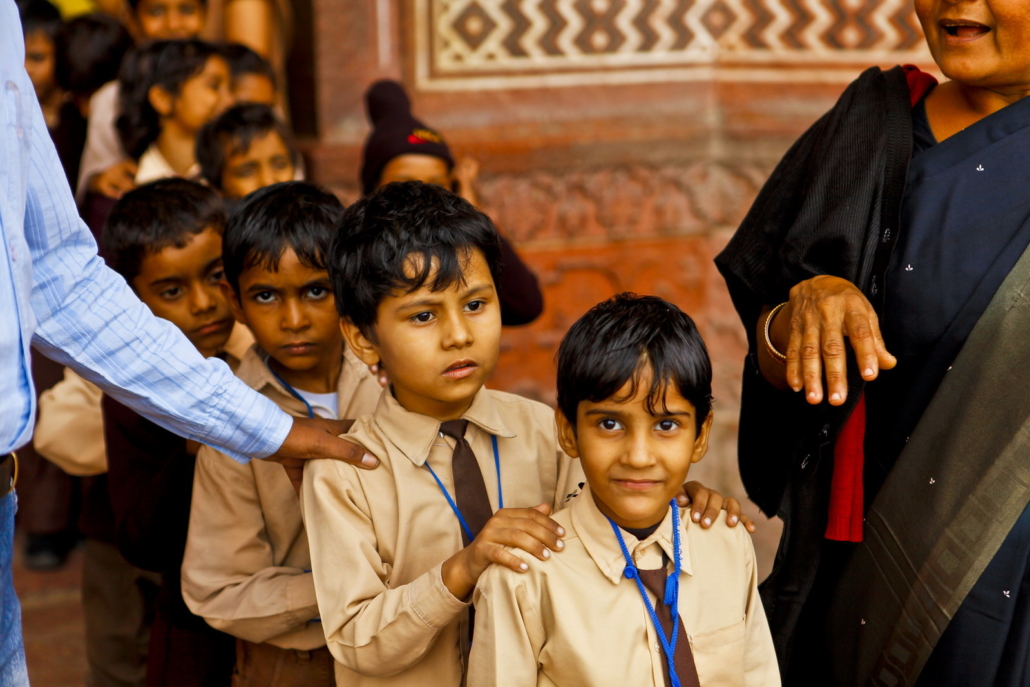
USAID Programs in India

USAID Programs in India
USAID programs in India began with the signing of the Emergency Food Assistance Act in 1951 and have since transitioned from emergency food aid to “infrastructure development, capacity building of key Indian institutions, support for the opening of the Indian economy and more,” according to the USAID website. USAID programs in India have helped the nation progress in several areas, including health care, economic development, gender equality and infrastructure building.

USAID-THALI Project

The USAID-THALI (Tuberculosis Health Action Learning Initiative) became a necessity because, in 2016, India held the highest burden of tuberculosis globally with 2.7 million cases. In 2017, India’s TB notification rate, defined as the diagnosis and reporting of TB, for new patients stood at about 2.15 million. To strengthen TB control efforts and facilitate the growth of the TB notification rate, USAID/India launched the USAID-THALI project in 2016.

USAID-THALI took “a holistic approach to TB control efforts,” initially beginning with three states — Karnataka, Telangana and West Bengal. The goal was to “identify, apply and scale up successful, innovative approaches to addressing TB and multi-drug resistant TB.”

The four-year USAID-THALI program eventually expanded its target to nine states across India. World Health Partners (WHP) led efforts in western and northern India and the Karnataka Health Promotion Trust (KHPT) led efforts in the south of India.

Positive Outcomes

WHP’s website reports positive program outcomes. During the four-year span of THALI, the program has raised awareness of TB “among 3 million rural, tribal, urban slum and vulnerable populations.” Furthermore, “more than 60,000 notified TB patients received support for contact tracing, treatment adherence and counseling across all project geographies.”

The Mitchell Group and its local partner New Concept Information Systems performed a 10-week-long assessment of THALI’s successes and shortcomings. In the first phase of THALI (2016-2017), the program succeeded in increasing “private sector notifications for presumptive TB cases in urban slums in the targeted cities of Bengaluru, Hyderabad and Kolkata.” During the second phase (2018-2019), THALI was able to provide more than 9,400 TB patients in Northern India and more than 12,400 patients in Southern India with “patient-centered services.” In 2019, TB notification rates in India rose by 16%.

Mariam Begum, a slum-dweller in Hyderabad, is one of USAID-THALI’s success stories. At the age of about 17, she began experiencing TB symptoms. She reached out to a THALI health worker named Subhadra, who took her to a hospital for diagnosis and treatment. Due to malnourishment, Begum struggled with the TB treatment but followed through and recovered. Now, she uses her personal story as motivation for others to seek treatment and follow through.

USAID POWER

In 2019, USAID founded the “Producer Owned Women Enterprises (POWER)” project. POWER’s purpose is to improve the livelihoods of women in India and facilitate gender equality and independence in India by allowing the growth of employment opportunities for marginalized women.

USAID’s collaboration with the Industree Crafts Foundation under the Women’s Global Development and Prosperity Initiative has positively impacted women across India through the POWER project. The project helps to establish female producer-owned enterprises to facilitate the economic independence of women.

By helping women to become micro-entrepreneurs, rural women are able to earn a steady income to rise out of poverty. “POWER also addresses restrictive social norms to increase support for women as entrepreneurs, working toward establishing their collective prosperity and dignity,” according to the Industree Crafts Foundation Facebook page.

The Times of India said that “the project is a great example of the U.S. government’s strong commitment [to the] economic empowerment of women in India…”

A child bride at the age of 14, Kavita is one of the many women benefiting from POWER. Greenkraft, a producer-owned company supported by POWER, initially employed Kavita as a production line worker. Greenkraft promoted Kavita to quality control just three months later because of her exceptional attention to detail and innovative ideas to help improve production.

USAID programs in India, like the POWER initiative, have transformed the lives of women like Kavita. She can now contribute financially “to rent farmland and pay for her children’s education,” the USAID website says.

Looking Forward

USAID programs in India such as USAID-THALI and USAID POWER are among a handful of programs that are helping India alleviate poverty and improve quality of life through a focus on health interventions and employment opportunities for the marginalized.

– Arijit Joshi
Photo: Flickr

December 18, 2022
https://borgenproject.org/wp-content/uploads/borgen-project-logo.svg 0 0 Jennifer Philipp https://borgenproject.org/wp-content/uploads/borgen-project-logo.svg Jennifer Philipp2022-12-18 01:30:102024-05-30 22:30:34USAID Programs in India
Global Poverty, Women

Our Spaces App Addresses Gender-Based Violence in Palestine

Gender-Based Violence in Palestine
The Palestinian Central Bureau of Statistics (PCBS) 2011 Violence Survey indicates that 37% of Palestinian women have experienced violence in some form. Within the Gaza Strip, gender-based violence rates rise to 51%. A 2005 U.N. Special Rapporteur’s report attributes the high rates of gender-based violence in Palestine to “traditional patriarchal norms and values” and the impacts of Israel’s occupation. The occupation has led to growing rates of poverty and diminished job prospects. The UNFPA explained that this has “contributed to a behavioral dynamic of men being more frustrated, unable to fulfill their expected role in this patriarchal society.” The struggle to “provide and protect” exacerbates domestic violence within households. However, three female Palestinian software developers set out to address both poverty and gender-based violence in Palestine through the creation of the Our Spaces app.

The Our Spaces App’s Origins

Local engineer Alaa Huthut spearheaded the creation of the Our Spaces (Masahatuna) app. The app aims to provide a discreet and confidential way for women to report domestic violence and seek assistance. The app leaves no trace of communication between the victim and social workers providing services through the Our Spaces app. Huthut recognized the importance of incorporating privacy into the app, acknowledging the dangers of exposing traceable interactions to abusive partners.

The Our Spaces app provides comprehensive assistance by linking victims and survivors of abuse to institutions that provide “psychological support, health services, legal services, economic empowerment services and shelter services,” Al-Monitor reports.

How Poverty and Abuse are Inextricably Linked

Providing access to services and resources for financial help is Our Spaces’ direct attempt to tackle the complicated intersectionality of poverty and abuse. Studies prove the existence of links between poverty and gender-based violence. Financial stress can contribute to the onset of domestic violence. Furthermore, impoverished women who are economically dependent on their abusive partners find it difficult to leave such situations.

In 2017, the Palestinian Central Bureau of Statistics reported that about 30% of Palestinians lived in poverty, however, the poverty rate in the Gaza Strip stood at about 53%. The link between poverty and abuse would suggest that these alarmingly high rates of poverty are in part responsible for the high level of domestic abuse within Palestine.

In order to tackle the issue of gender-based violence in Palestine from the ground up, the Our Spaces app seeks to address the root of the problem: poverty.

An Our Spaces Success Story

One woman’s story, which Al-Monitor originally covered, serves as a prime example of the ways Our Spaces’ services help mitigate the acuteness of abuse many women may experience. Reham, 23, told reporters at Al-Monitor that she had been affronting acute physical and verbal abuse by her spouse daily. She explained that her spouse had been taking his economic frustrations out on her through violence.

Reham reached out for assistance through the Our Spaces app to improve her family’s economic situation. The app connected her with a service that specializes in supporting families financially, and soon, Reham obtained a temporary job. She was able to ease her family’s economic difficulties and reduce the pressure driving her husband to unhealthy behavioral dynamics.

Addressing the Root Causes

Several global issues, ranging from gender-based violence to food insecurity and mortality, link back to the systemic issue of global poverty. The Our Spaces app provides a lesson about the importance of addressing not only the consequences of a systemic issue, in this case, gender-based violence, but also its root, poverty.

– Alisa Gulyansky
Photo: Flickr

December 7, 2022
https://borgenproject.org/wp-content/uploads/borgen-project-logo.svg 0 0 Kim Thelwell https://borgenproject.org/wp-content/uploads/borgen-project-logo.svg Kim Thelwell2022-12-07 07:30:562022-12-05 08:34:47Our Spaces App Addresses Gender-Based Violence in Palestine
Global Poverty, Health, Women

The Link Between Poverty and Women’s Health

Link Between Poverty and Women's Health
In February 2022, U.N. Women reported that an estimated 388 million women and girls will experience “extreme poverty” globally in 2022 — roughly 16,000 more compared to men and boys. Women make up the majority of the world’s impoverished and also face several health risks that men are less vulnerable to. Understanding the link between poverty and women’s health is important in eradicating the life-threatening conditions that many women in developing countries face over the course of their lifetimes.

3 Health Risks Associated with Poverty

  1. Malnutrition. Lack of access to nutrient-rich food is one of the most life-threatening consequences of poverty and it tends to have long-term effects on productivity in adults and development in young children. When families do not have enough food to go around, women are typically the last to eat, consuming smaller amounts in order to feed growing children or spouses. Although women may typically need less food to survive, their bodies require the same amount of nutrients as adult men, meaning that “they need to [consume] more nutrient-rich foods.” Unfortunately, these foods are often prohibitively expensive, resulting in nutrient deficiencies. Nutrition is especially important during pregnancy and micronutrient malnutrition can result in complications like anemia and hemorrhage, endangering the lives of both mothers and children.
  2. Infectious disease. Poverty-related diseases (PRDs) are communicable diseases arising from poor sanitation, indoor air pollution, malnutrition and other conditions of poverty. These include HIV/AIDS, malaria, tuberculosis and respiratory infections like pneumonia. The World Health Organization (WHO) reports that, in comparison to males, poor women and girls face greater risks of exposure to HIV. HIV weakens their immune systems and makes them more vulnerable to other communicable diseases. There are several contributing factors to this imbalance, according to U.N. Women: unequal power relations with men, which make it hard for a woman to advocate for herself sexually; sexual assault and violence and lack of education or resources for women to protect themselves from the spread of STDs. Poverty can also push women to engage in unsafe transactional sexual behaviors in order to survive.
  3. Untreated illness. According to a 2008 study, developing countries tend to have poor healthcare infrastructure, making diagnostic and treatment services harder to access, especially for those living in rural areas with limited or expensive transport options. Marginalized women in developing countries often have what an AXA article describes as “limited control over their own lives.” A lack of autonomy and financial independence can put health care out of reach because women must depend on spouses or other male family members for access to services. Lack of education can also lead women to choose not to seek help for health issues, simply because they cannot identify the warning signs of poor health.

Gender-based Health Risks

Women also have unique health risks linked to their anatomy. Cervical cancer, for example, is “the most common type of cancer in developing countries.” Although it is preventable with testing, these countries typically lack the resources to adequately conduct testing. WHO reported that in 2020, 90% of global cervical cancer deaths occurred in low- and middle-income countries because of underfunding for testing and treatment services. Maternal mortality is also a persistent problem in developing nations, where access to emergency care is limited and skilled attendants are often not present during childbirth. Preventable maternal deaths are common, with approximately 295,000 women dying “during and following pregnancy and childbirth in 2017” alone.

Working Toward Solutions

The link between poverty and women’s health is strong, but social and financial changes could be significant in solving the problem. Empowering women can go a long way toward improving health outcomes. U.N. Women’s Gender Action Learning System (GALS) training in Kyrgyzstan seeks to do this by changing restrictive social norms.

The methodology encourages households to consider the power dynamics between family members and to recognize the burden of domestic tasks placed upon working women in an effort to create a more equal playing field between women and men.

This, coupled with media training for journalists that encourages them to be more sensitive to gender differences and issues, will pave the way for women to be better able to advocate for themselves in other areas through broad societal change.

Every Mother Counts

Considering the link between poverty and women’s health, funding for essential services could be instrumental in improving health outcomes for women. For example, Every Mother Counts is a non-governmental organization (NGO) that aims to improve health outcomes for women in developing nations. In Tanzania, the organization “support[s] the training of health workers, provision of lifesaving resources and community outreach and health education for women in rural settings.” Every Mother Counts has partnered with the Maasai Women Development Organization since 2017 to fulfill the specific needs of marginalized groups, such as Maasai women, in Tanzania. Every Mother Counts has improved the lives of more than 185,000 people in Tanzania.

Empowering women to make their own choices and funding essential services is crucial in reducing the impacts of poverty on women’s health. Because poverty and illness disproportionately impact women due to gender inequities, efforts to alleviate poverty and strengthen equality are vital.

– Abbi Powell
Photo: Flickr

December 6, 2022
https://borgenproject.org/wp-content/uploads/borgen-project-logo.svg 0 0 Kim Thelwell https://borgenproject.org/wp-content/uploads/borgen-project-logo.svg Kim Thelwell2022-12-06 01:30:582022-12-02 11:48:34The Link Between Poverty and Women’s Health
Global Poverty, Women, Women's Empowerment

Support to Bangladeshi Women After Cyclone Amphan

Support to Bangladeshi Women
Poverty has been disproportionately affecting women in Bangladesh in the aftermath of natural disasters such as Cyclone Amphan. In commitment to the Generation Equality Compact on Women Peace and Security and Humanitarian Action (WPS-HA), U.N. Women has worked with local partners in Bangladesh to aid in economic recovery and provide support to Bangladeshi women, especially post-natural disasters, by issuing grants and providing vocational training to local women.

Gender and Economic Disparity in Bangladesh

In 2019, 20.5% of Bangladesh’s citizens fell under the national poverty line, according to the Asian Development Bank. Furthermore, the unemployment rate for Bangladeshi females in 2021 stood at almost 8% whereas the unemployment rate for males in Bangladesh stood at 4.1% in 2021, according to International Labour Organization (ILO) estimates. In 2019, the workforce participation rate for Bangladeshi males aged 15-64 stood at 84% but only 38% for females in the same age group. Furthermore, in 2022, the literacy rate among men stood at 76.56% whereas for women it stood at 72.82%.

When comparing the margin of difference between literacy rates and employment rates among Bangladeshi men and women, it is clear that women face inequalities that result in their exclusion and marginalization, pushing them deeper into poverty.

Story of Mahmuda Khatun

When Cyclone Amphan hit Bangladesh in 2020, many people lost their livelihoods and fell deeper into poverty, including Mahmuda Khatun’s household. Khatun wished to start a small business to help support her family but she faced barriers such as “a lack of banking history” and inadequate financial literacy. She reached out to the Prerona Foundation for help, “a local women’s organization supported by U.N. Women.”

The Prerona Foundation works with vulnerable women to improve their economic resilience, especially in crisis-prone areas. The Foundation helped Khatun establish a livelihood by providing training and a loan for her to start a poultry farm to generate income. Khatun now provides for her two daughters and husband by raising poultry. Since its beginnings, her business has flourished and Khatun now earns about 17,000 takas ($200 USD) per month.

Multi-Industry Glass Ceilings

Organizations like the Prerona Foundation and U.N. Women recognize the importance of involving and providing support to Bangladeshi women in the wake of humanitarian crises and natural disasters. Women are a key catalyst in a community’s response and recovery and are often end up out of the equation albeit being valuable agents.

Furthermore, when one woman receives uplifting, the benefits do not stop there. Khatun is now looking to help other women in her community by providing vocational training and championing women’s empowerment in Bangladesh. According to U.N. Women, in 2020, “less than 60% of Bangladeshi women have access to credit,” which stands as a significant barrier to their entrepreneurial potential. Moreover, about a third of the nation’s labor force consists of female employees and less than 5% of them hold formal positions. Bangladeshi women also “earn 21% less than their male counterparts.”

Rising Through Recovery

Given such statistics, it can seem daunting for women in Bangladesh to assume financial independence and see success, especially amid a natural disaster like Cyclone Amphan. However, U.N. Women continues to work with dozens of civil society and local women’s organizations on the ground to help address these systemic issues.

In 2022, U.N. Women has also partnered with the U.N. Development Programme (UNDP) to further “gender equality and women’s empowerment in Bangladesh.” Both institutions have “signed an inter-agency agreement” for 2022-2026 to establish “gender-responsive inclusive governance,” reduce discrimination against women, and advance “women’s economic empowerment and access to justice,” among other aims.

Going forward, the focus will be on starting a normative agenda, establishing gender-inclusive legislation, providing financing to advance gender equality and supporting women-led businesses. This partnership also stresses the importance of addressing gender-based violence in Cox’s Bazar, placing women in leadership roles and providing females with the skills training, services and resources to thrive.

Given the commitment, both at a local and international level, there is hope for more Bangladeshi women to rise out of poverty despite the impacts of Cyclone Amphan.

– Samyudha Rajesh
Photo: Flickr

October 24, 2022
https://borgenproject.org/wp-content/uploads/borgen-project-logo.svg 0 0 Kim Thelwell https://borgenproject.org/wp-content/uploads/borgen-project-logo.svg Kim Thelwell2022-10-24 07:30:482024-05-30 22:30:21Support to Bangladeshi Women After Cyclone Amphan
Global Poverty, Women

How Digital Wages Empower Women in South Asia’s Informal Economy

South Asia’s Informal Economy
For many workers in South Asia, employment in South Asia’s informal economy remains the only way to earn a living. Informal employment is a massive development concern for the region and has continued to grow in South Asian countries over the past few years. The World Bank estimated that in 2020, more than 80% of people under employment in the South Asian region were informal workers, and about 90% of businesses were informal. A significant portion of these workers are women; according to UN Women, 95% of the total informal employment consisted of women in 2016.

The lack of labor law protection and social benefits, combined with extremely low wages, results in women in South Asia suffering from financial exclusion. Wage digitization can help tackle this issue and encourage financial inclusion in the region.

Women in South Asia’s Informal Economy

In South Asia, women make up a disproportionate amount of informal workers and often do not have the protection of any laws or regulations. Many such female workers face issues like low or unpaid wages, unsafe working conditions and lack of social benefits.

Informal work for South Asian women ranges from self-employment in the form of subsistence farmers or street vendors to waged work such as domestic work. However, informal work, which people often refer to as the gray economy, falls outside of labor laws and thus workers do not receive protection. This means the majority of the women working under such conditions have no wage guarantees either. Many are either receiving low or irregular wages, with some not receiving wages at all.

According to World Bank, one of the biggest reasons women in South Asian countries only remain employed in the informal economy is due to the lack of infrastructure available to increase economic opportunities for women. Without educational opportunities and adequate technological training, women are unable to compete for jobs in the formal job market and end up dependent on the informal economy. Other reasons for women in these regions being unable to participate in the economy formally are cultural and societal norms, such as patriarchal social structures, that prevent women from fully participating in the job market. For example, in Pakistan, for a woman to register a business, she must provide a father or husband’s name in front of a witness.

The Benefits of Digital Wages

A way that women in South Asia’s informal economy experience empowerment is through digital wages. Global Findex’s 2021 report, which showed how digital wages have created new opportunities for female garment workers in Bangladesh, stated that although men were more likely to have bank accounts, there has been an increasing trend since 2017 toward financial inclusion for women in lower-income countries. This includes digital accounts and payments of wages digitally.

One of the countries that has benefitted from digital wages is Bangladesh. According to the 2021 Global Findex report, there was a 7% increase in women’s digital account ownership in Bangladesh, which cut the financial gender gap in the country by a third. Apart from allowing female workers to receive their wages, digital wages help companies as well by cutting down administrative costs and time.

Possibilities for the Future

The use of digital wages and the increased financial security that comes with it can help women in South Asia who rely on the informal economy to achieve greater financial freedom. Moreover, the financial awareness that comes with digital wages could particularly benefit the women of the region who traditionally have to give their cash earnings to their husbands or fathers. By having digital accounts and direct deposits, they can obtain a certain degree of autonomy.

The case of Bangladesh proves that financial inclusion through technology can help women’s empowerment; the International Labor Organization (ILO) is already moving to digitize garment worker wages in Cambodia as well. Digital wages can prove to be an efficient and inclusive way of empowering women in South Asia’s vast informal economy.

– Umaima Munir
Photo: Pixabay

September 21, 2022
https://borgenproject.org/wp-content/uploads/borgen-project-logo.svg 0 0 Naida Jahic https://borgenproject.org/wp-content/uploads/borgen-project-logo.svg Naida Jahic2022-09-21 07:30:292024-05-30 22:30:12How Digital Wages Empower Women in South Asia’s Informal Economy
COVID-19, Food Insecurity, Global Poverty, Women

Impact of COVID-19 on Poverty in Djibouti

Impact of COVID-19 on Poverty in Djibouti
Djibouti has not recorded any cases of COVID-19 since the end of June 2021, but the country is yet to overcome the social and economic impacts of the pandemic. The onset of the pandemic in March 2020 compounded poverty in Djibouti due to protective measures. Long-term consequences of these measures reflect in the increased vulnerability of all citizens, increased dependence on the government for basic needs and significantly reduced income levels and opportunities. Poor households are struggling the most to recover as some have slipped into extreme poverty. Poverty levels, in general, have risen, as the increase of underfed people from 43% of the population in January 2020 to 54% as of April 2022 illustrates. Here is some information about the impact of COVID-19 on poverty in Djibouti and some efforts to alleviate it.

Food Insecurity

Djibouti faces harsh climatic conditions including multiple concurrent droughts which make it difficult to conduct agricultural activities. The agricultural industry only accounts for approximately 3% to 4% of Djibouti’s GDP which is continually shrinking due to high rates of rural to urban migration. As a result, the state relies on imports for 90% of its food supply, according to a World Food Programme (WFP) report.

Food insecurity levels increased and 17% of the population lives below the extreme poverty line. The COVID-19 pandemic aggravated the impacts of pre-existing issues by limiting income activities, further increasing poverty in Djibouti. Reduced trade also increased food prices and reduced food supply.

Income and Unemployment

The informal sector economic backbone of Djibouti and accounted for 47% of employment before the pandemic. Trade and transportation accounted for approximately 20.2% and 25.6% of economic activity alone. However, during the pandemic, 89% of the population did not travel unless necessary and 77% reduced market visits, according to the World Bank report from September 2020.

The national lockdown affected services, construction, general trade and transportation too. Consequently, unemployment increased by 20% shortly after the beginning of the pandemic. As the poor survive as daily workers, they were the largest share of the increase.

Since the end of the lockdown, economic activity is gradually returning to normal. The number of people receiving partial wages has increased but the number of people receiving full wages has also decreased. Additionally, the poor are recovering slower than other income levels and are still more likely to receive no wages for their labor. According to the World Bank report from December 2020, 44% of households primarily depend on government assistance, with wages being a secondary source of income as a result of COVID-19.

Women

According to the World Bank report from September 2020, “Around 37% and 34% of male breadwinners are employees and employers respectively, compared with 26% and 27% among the female breadwinners.” Female unemployment rose from 36.4% in 2019 to 39.4% in 2021. Djibouti did not have gender-sensitive COVID-19 response measures. Men were more likely to receive full payment for their work as compared to women, however, men were also more like to receive no payment, according to the World Bank report from September 2020.

The Crisis Response Support Programme

The African Development Bank (AfDB) provided UA 30 million ($41 million, as of July 2020) for a COVID-19 response program in Somalia and Djibouti between 2020 and 2021. In Djibouti, the program was to cushion the impact of the pandemic on the economy, strengthen the existing health care system and build resilience that would outlast the pandemic. As a result, the program set up five centers at strategic locations including the capital’s airport, at state borders and at the two main refugee camps to manage the spread of COVID-19.

The funds also partially contributed to the creation of the Djibouti Social Fund which was responsible for the food security of vulnerable groups and protected economic activities that the pandemic affected. AfDB also provided 65,000 food kits for vulnerable households and set up the Djibouti Partial Credit Guarantee Fund to provide banking services to companies suffering cash flow problems due to the pandemic.

The Horn of Africa Initiative

The Horn of Africa Initiative gathers Djibouti, Ethiopia, Eritrea, Kenya, Somalia, Sudan and South Sudan as well as international partners, the AfDB, the World Bank and the European Union (EU). Its purpose is to promote peace, stability and sustainable development through regional economic integration. In 2022, the European Union (EU) will contribute €430 million from an initial €162 million to the Horn of Africa Initiative, so as to increase resilience and food security in the region. This is in light of the impact of COVID-19, changing weather patterns and the Russia-Ukraine war that has caused inflation of food and fuel prices.

As more people have become vulnerable to poverty in Djibouti after the pandemic, it is clear that the country needs much support to fully overcome the impact of COVID-19 on poverty in Djibouti. The efforts of the African Development Bank and the European Union could not be more timely. Due to their cooperation with the government, the impact of COVID-19 on poverty in Djibouti has been manageable and more importantly, reversible.

– Kena Irungu
Photo: Flickr

August 3, 2022
https://borgenproject.org/wp-content/uploads/borgen-project-logo.svg 0 0 Jennifer Philipp https://borgenproject.org/wp-content/uploads/borgen-project-logo.svg Jennifer Philipp2022-08-03 01:30:412024-12-13 18:02:43Impact of COVID-19 on Poverty in Djibouti
Global Poverty, Women

European Parliament Votes to Address Women’s Poverty in Europe

Women’s Poverty in Europe
On Tuesday, July 5, 2022, the European Parliament voted in favor of a report to address women’s poverty in Europe. This report comes in response to how the COVID-19 pandemic exacerbated women’s poverty in Europe as well as ongoing discriminatory practices that Europe has not addressed.

Women’s Poverty in Europe

In the European Union, women are at greater risk of experiencing poverty. The poverty rate among men averages 20.4%, whereas the poverty rate among women is 22.3%. This difference increases in older age groups. Since 2017, the gender poverty gap has increased in 21 EU member states.

U.N. Special Rapporteur on extreme poverty and human rights, Olivier De Schutter, has attributed much of this difference to varying expectations for men versus for women. He has found that households often divide labor in a way that makes it difficult for women to seek full-time employment, U.N. News reported. Because women often spend more time taking care of children, they often can only work a part-time job. He also noted that women head the majority of single-parent households and that up to 40% of them face poverty.

The COVID-19 pandemic has only increased these obstacles. In fact, De Schutter noted that the crisis has caused many women to have to give up full-time jobs. Additionally, school closures have an impact, as women take care of children more than men within the European Union.

Another form of poverty that disproportionately affects women is period poverty. Period poverty refers to the inability of one to access clean menstruation products. Across Europe, one in 10 menstruators experience period poverty. While some European countries, like Scotland and the Netherlands, have taken steps to alleviate period poverty and increase access to sanitary products, regulations vary greatly from country to country.

Vote on the Report

The report that the European Parliament put forth aims to take a gender-informed approach to alleviate women’s poverty in Europe. It received approval with a vote of 535 members of parliament in favor, 18 members against and 79 abstentions, the European parliament’s website reported.

The report sets forth three primary goals: to establish an anti-poverty strategy with a focus on women to reach completion by 2030, to prevent violence against women is essential to their participation in the labor market and to avoid discriminatory tax policies on women’s sanitary products.

Members of the European Parliament strongly encourage member states to provide support to women escaping violence. Without full independence and a life free from violence, it is difficult for many women to support themselves financially.

Members also call for use of cross-sector gender-neutral job evaluation tools to ensure women are receiving equal pay and fair assessments in their workplaces. They additionally recognize how increasing accessibility to basic childcare enables more women to earn an income, according to the European Parliament’s website.

Women’s poverty in Europe, which the pandemic has worsened, is the result of difficulties many women face in entering the labor market, compounded by a lack of accessible sanitary products. The European Parliament hopes to alleviate some of the pressures exacerbating poverty among women in its recent vote on this report.

– Eleanor Corbin
Photo: Flickr

July 27, 2022
https://borgenproject.org/wp-content/uploads/borgen-project-logo.svg 0 0 Jennifer Philipp https://borgenproject.org/wp-content/uploads/borgen-project-logo.svg Jennifer Philipp2022-07-27 07:30:032022-07-25 07:09:01European Parliament Votes to Address Women’s Poverty in Europe
Page 10 of 36«‹89101112›»

Get Smarter

  • Global Poverty 101
  • Global Poverty… The Good News
  • Global Poverty & U.S. Jobs
  • Global Poverty and National Security
  • Innovative Solutions to Poverty
  • Global Poverty & Aid FAQ’s
Search Search

Take Action

  • Call Congress
  • Email Congress
  • Donate
  • 30 Ways to Help
  • Volunteer Ops
  • Internships
  • Courses & Certificates
  • The Podcast
Borgen Project

“The Borgen Project is an incredible nonprofit organization that is addressing poverty and hunger and working towards ending them.”

-The Huffington Post

Inside The Borgen Project

  • Contact
  • About
  • Financials
  • President
  • Board of Directors
  • Board of Advisors

International Links

  • UK Email Parliament
  • UK Donate
  • Canada Email Parliament

Get Smarter

  • Global Poverty 101
  • Global Poverty… The Good News
  • Global Poverty & U.S. Jobs
  • Global Poverty and National Security
  • Innovative Solutions to Poverty
  • Global Poverty & Aid FAQ’s

Ways to Help

  • Call Congress
  • Email Congress
  • Donate
  • 30 Ways to Help
  • Volunteer Ops
  • Internships
  • Courses & Certificates
  • The Podcast
Scroll to top Scroll to top Scroll to top