• Link to X
  • Link to Facebook
  • Link to Instagram
  • Link to TikTok
  • Link to Youtube
  • About
    • About Us
      • President
      • Board of Directors
      • Board of Advisors
      • Financials
      • Our Methodology
      • Success Tracker
      • Contact
  • Act Now
    • 30 Ways to Help
      • Email Congress
      • Call Congress
      • Volunteer
      • Courses & Certificates
      • Be a Donor
    • Internships
      • In-Office Internships
      • Remote Internships
    • Legislation
      • Politics 101
  • The Blog
  • The Podcast
  • Magazine
  • Donate
  • Click to open the search input field Click to open the search input field Search
  • Menu Menu

Archive for category: Women

Information and news about woman issues

Global Poverty, Human Trafficking, Women

The Chaiim Foundation: A Hope for Women Survivors of Trafficking

Women Survivors
Human trafficking is a grave issue that affects millions of women worldwide. It involves the illegal trade of women for various purposes, including forced labor, sexual exploitation and slavery. This crime thrives on the vulnerability of women, often targeting those from marginalized backgrounds or communities. Trafficked women experience unimaginable abuse and violation of their basic human rights. In 2020, India’s government identified 5,156 trafficking victims. In 2022, the figures increased to 6,622, accounting for kidnapping and drugging.

The fight against trafficking requires a multi-faceted approach that includes raising awareness, strengthening laws and law enforcement, providing support to survivors and addressing the root causes of this crime.

Multiple organizations are working to save the victims from the harsh realities of trafficking and provide them with a safe and secure future. One such organization is the Chaiim Foundation, which focuses on helping survivors to reintegrate into society.

About The Chaiim Foundation

Chaiim is a non-governmental organization located in Mumbai, India that aims to improve the lives of women who have survived human trafficking. Founded in 2013, the organization has been supporting victims who have experienced exploitation due to gender, caste and religious differences. Chaiim provides education and training programs to help survivors join leadership roles within its organization.

Women who have been rescued from vulnerable situations such as prostitution and human trafficking receive the opportunity to improve their prospects through education, vocational training, housing, life skills and other means. Chaiim offers weekly life skills classes to monitor survivors’ progress in dealing with mental trauma, while vocational training courses in areas such as sewing and beauty care are tailored to individual interests and the needs of the local job market.

Living circumstances have deprived many girls of educational opportunities. The Chaiim Foundation steps in to change this, providing access to subjects like math, English and computer skills, paving the way for higher education in the future. Presently, the foundation’s life skills and education program benefits 132 women survivors.

The Chaiim Foundation’s Clothing Business

Humanitarian is a sustainable clothing business that the Chaiim Foundation established in July 2013. It aims to directly support women survivors by providing education, health care, vocational training and housing. The venture provides employment opportunities for women who have escaped human trafficking. Customers can submit their designs and inquiries to the team, who will then provide a production plan with cost and time estimates. Once the plan reaches finalization, the manufacturing team begins cutting and sewing the product before packaging it for shipping.

Other Initiatives to Help Women Survivors

The foundation hosts awareness programs, seminars and workshops to promote the work and efforts of volunteers and women survivors. It also facilitates victims’ reintegration into society, helping them start anew with fresh opportunities and goals. Additionally, it is working on a new venture called “Daag,” which aims to create reusable sanitary pads. This project seeks to promote job opportunities and improve the health of women living in rural areas.

Looking Ahead

In India, efforts to combat women’s trafficking focus on investigations. However, rural women continue to encounter difficulties in this area. Thankfully, organizations like the Chaiim Foundation exist to assist survivors by providing essential support in the form of education, health care, legal aid and housing. These resources help to create a brighter future for those affected by this heinous crime.

– Gurjot Kaur
Photo: Flickr

July 31, 2023
https://borgenproject.org/wp-content/uploads/borgen-project-logo.svg 0 0 Lynsey Alexander https://borgenproject.org/wp-content/uploads/borgen-project-logo.svg Lynsey Alexander2023-07-31 07:30:102023-07-28 01:26:18The Chaiim Foundation: A Hope for Women Survivors of Trafficking
Global Poverty, Women, Women and Female Empowerment

Supplying Women Mobile Phones in Africa

Mobile Phones in Africa
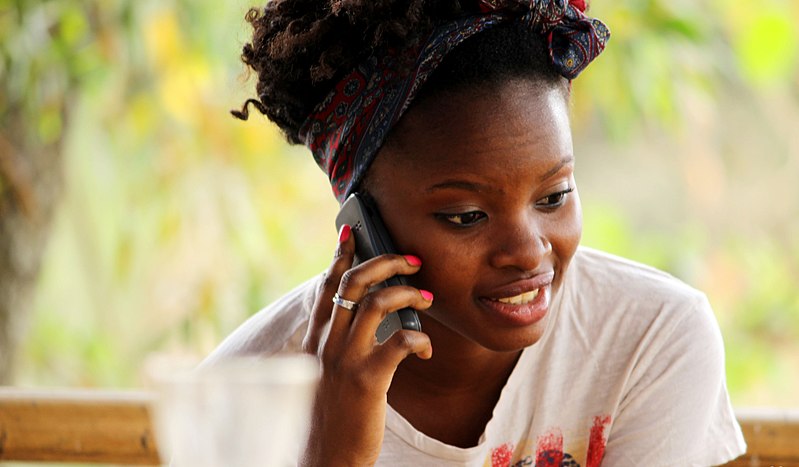
The number of people using mobile phones in Africa has been rapidly increasing in the past two decades, and this is mainly due to how vital phones have become to the daily lives of Africans. In addition to essential communication features such as phone calls or texts, mobile phones are also the current mainstream method for Africans to access the internet. However, there is a significant gender disparity in access to mobile phones and internet among Africans, and women are far more likely to lack access to mobile devices and mobile internet.

 The Explosive Growth of the African Mobile Phone Market

Just about two decades ago, mobile phones were an inaccessible novelty good to the overwhelming majority of Africans. In 2000, merely 2% of the population in sub-Saharan Africa had mobile phone subscriptions. However, over the past years, the mobile phone market in Africa underwent exponential growth. As of 2021, 84% of the same sub-Saharan population now have some form of mobile subscription.

In many African nations today, mobile phones have become more common than even basic resources like electricity. Mobile phones have also become the current mainstream method for Africans to access the internet with nearly 70% of African internet traffic coming from mobile devices alone.

The fast-growing usage of mobile phones in Africa is also due to the continent’s commercial profile, as mobile money and banking are immensely popular for consumer payments in Africa. In 2018, nearly two-thirds of all mobile money transactions were in African nations, and the total amount of transactions surpassed $25 billion.

The Gender Gap of Mobile Phones in Africa

However, despite the growing importance of mobile phones in the lives of Africans, there is also a huge gender disparity in access to mobile phone technology, and women are falling behind both in terms of mobile phone ownership and mobile internet access. As of 2021, there was a significant 37% gender gap in mobile internet use in sub-Saharan Africa.

This gender gap also extends to the type of mobile phone Africans own. African women are as much as 30% less likely than men to own a smartphone and are more likely to own older, basic mobile devices than men, according to the 2022 GSMA report. The smartphone gap shows how women are disadvantaged in accessing advanced technology and opportunities, as smartphones have greater utility and access to useful tools such as social media and mobile apps.

Smartphones4good Presents a Solution

Smartphones4good is a Finnish startup that collects used smartphones from developed nations through donations. The phones are refurbished and then leased to female African entrepreneurs at affordable prices. While many Africans do have access to basic cell phones, many have limited functionalities and cannot provide access to the internet. Moreover, purchasing a new smartphone is often too expensive to be a viable choice for underserved African women, according to the 2022 GSMA report. Smartphones4good focuses on closing the gender disparity of mobile phones in Africa by providing affordable internet access to African women and helping them access resources such as online sales platforms and social media networks.

 Looking Ahead

Since the early 2000s, mobile phones in Africa have rapidly become an essential item for most Africans. However, the persisting gender disparities in mobile ownership illustrate a clear picture of the additional challenges African women face in their lives. The efforts of Smartphones4good aim to close the gender gap in Africa’s mobile phone landscape and empower more women to break barriers by connecting with the rest of the world.

– Junoh Seo
Photo: Wikipedia Commons

June 19, 2023
https://borgenproject.org/wp-content/uploads/borgen-project-logo.svg 0 0 Naida Jahic https://borgenproject.org/wp-content/uploads/borgen-project-logo.svg Naida Jahic2023-06-19 07:30:082023-06-16 03:12:47Supplying Women Mobile Phones in Africa
Global Poverty, Women

5 Facts About the Feminization of Poverty

Feminization of Poverty
The “feminization of poverty” is the concept of social and economic factors that keep women disproportionately poor globally. It touches on how women experience poverty in more severe forms than men. It also looks into how poverty is on the rise among women.

Gender inequality is the most common form of inequality in the world, and as a result, it is one of the biggest barriers to alleviating poverty. The following are some important facts to know about the feminization of poverty in the world.

5 Facts About the Feminization of Poverty

  1. Millions of Women Live Below the Poverty Line: Estimates from U.N. Women reported that 388 million women and girls around the world would be living in poverty in 2022. For comparison, the study reported the number of men and boys in the same category as 372 million. It also stated the potential for the number to reach 446 million in a “high-damage” scenario.
  2. Women of Color are the Most Affected: Of the number of women living in poverty, 345 million are from Asia and Africa. This means the feminization of poverty spans across the axes of intersectionality such as race and ethnicity. But this does not stop at the global south, as women of nearly all races and ethnicities are more likely to face poverty than their white counterparts. In the U.S., 91.9% of women living in poverty are black, Asian, Hispanic, Alaska native or other races, while only 9% are white.
  3. Violence Keeps Women and Girls Poor: Women who have abusive partners or family members may be less likely to find work due to potential control issues. If they are able to find work, they may miss days and opportunities as a result of injury. For instance, in the MENA region, 35% of women experience domestic violence, resulting in Gender-Based Violence (GBV) accounting for a loss of 3.7% in the GDP, as women are also prevented from participating in labor. Women that are unable to work and earn a living have a harder time escaping their situation. Consequently, they continue to live below the poverty line.
  4. Women are More Likely to Get Low-Income Jobs: In the U.K. alone, a fifth of women are working jobs that are below the real living wage. This means that 2.9 million women are living below the living wage. In comparison, only 1.9 million men work low-paying jobs that place them below the living wage. Most recent estimates show that globally, women earn 16% less on average than their male counterparts. In Australia and New Zealand, the gender pay gap stands at 19.3%, and in India, it is 14.4%.
  5. Childbirth Impacts Career Progress: Less than one in five women in the U.K. return to full-time work within the first three years after childbirth, and 17% of women leave work completely after having children, compared to only 4% of men. This disparity in gender responsibilities results from various factors, such as poor maternal leave policies and the disproportionate burden of caretaking duties on mothers. This situation highlights how gender inequality affects a woman’s earning potential and ability to lift herself out of poverty.

Ongoing Efforts and Potential Solutions

Fighting gender inequality plays a significant role in ending poverty. U.N. Women, which emerged in July 2010, has a project dedicated to supporting women worldwide, training them to become entrepreneurs and start small businesses. UN Women has four strategic priorities that include helping women to participate in and benefit from governance systems, secure income and exercise economic autonomy. Its aim is to free women and girls from all forms of violence and enable them to contribute to building a sustainable world.

Other organizations like ActionAid and Forgotten Women are committed to delivering safe aid to help women out of poverty and crisis situations through training and awareness initiatives. In 2021, ActionAid spent £31.9 million on humanitarian and development programs globally.

There is still much work to do in the fight against female poverty. Nonetheless, several organizations are already working to provide women with the support and opportunities that they need to succeed. Supporting the ongoing efforts of active organizations, through awareness and community work, can potentially play a vital role in putting an end to the feminization of poverty.

– Safa Ali
Photo: Flickr

April 24, 2023
https://borgenproject.org/wp-content/uploads/borgen-project-logo.svg 0 0 Jennifer Philipp https://borgenproject.org/wp-content/uploads/borgen-project-logo.svg Jennifer Philipp2023-04-24 07:30:142024-05-30 22:30:585 Facts About the Feminization of Poverty
Children, Education, Global Poverty, Women

Beauty Brands Contributing to Poverty Reduction

Beauty Brands Contributing to Poverty ReductionBusinesses can positively impact their communities and play a significant role in the global fight against poverty. Fenty Beauty, Rare Beauty and Charlotte Tilbury are some of the beauty brands contributing to poverty reduction.
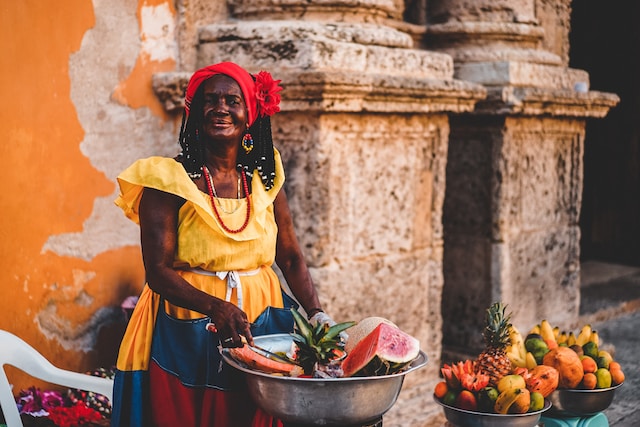
Fenty Beauty

The brand Fenty Beauty works alongside the Clara Lionel Foundation (CLF). This foundation supports and funds children’s education, health and emergency response programs worldwide. Fenty Beauty supports its work through donations and 100% of donations go directly to the foundation.

Rihanna, the creator of Fenty Beauty, details her motivation for ensuring that her brand gives back to those in need. “My grandmother always used to say if you’ve got a dollar, there’s plenty to share,” says Rihanna. The global superstar created the CLF in 2012 to honor her grandparents. The foundation focuses on assisting communities in preparing for and withstanding natural disasters. Notably, CLF aims to help the Caribbean become the world’s first climate-resilient zone.

By working to establish resilience among communities, the CLF helps prevent future poverty among residents due to natural disasters. Many of CLF’s projects take place in Barbados, Rihanna’s home country. Beneficiaries include the Westbury Primary School, which the CLF helped to upgrade to a Category 1 shelter to provide temporary emergency shelter to the community during natural disasters. The CLF also helped to renovate the school library and provide technology for research activities.

Fenty Beauty stands as one of the beauty brands contributing to poverty reduction by improving the lives of those in the Caribbean and preventing poverty from deepening through its climate resilience projects.

Rare Beauty

Rare Beauty,  founded by Selena Gomez, has committed to helping address mental health needs globally through its Rare Impact Fund (RIF). Gomez allocates 1% of all sales to the RIF. The beauty company also works with other philanthropic foundations to increase access to mental health services.

Gomez created the RIF because of her own struggles with mental health. The RIF “invests globally in the most innovative and promising organizations in the field of mental health.” The organization has given more than $1.7 million in grant support to organizations worldwide since launching the RIF in 2020. The RIF has worked in North America, the U.K., Europe and Brazil to help more than 150,000 people seeking support for their mental health needs.

A study by Lee Knifton and Greig Inglis says poverty can contribute to poor mental health through the invoked stress, stigma and trauma. Mental health issues can also deepen conditions of poverty. “Mental health problems can lead to impoverishment through loss of employment, underemployment or fragmentation of social relationships,” the study says.

Through its commitment to expanding mental health resources around the world, Rare Beauty established itself as one of the beauty brands contributing to poverty reduction.

Charlotte Tilbury

Charlotte Tilbury Beauty, the cosmetic brand named after its creator, the British beauty entrepreneur and makeup artist Charlotte Tilbury, partners with Women for Women International (WFWI) to establish itself as a brand contributing to poverty reduction.

WFWI invests in women who are survivors of war and conflict. By providing these women with social and economic skills, WFWI works to transform individual lives and those in the communities the women reenter. The organization works in 14 conflict-stricken countries, including Afghanistan, Iraq and the Democratic Republic of the Congo (DRC).

In 2016, Charlotte Tilbury Beauty launched a collection of 12 lipstick shades, and to commemorate the product launch, the company pledged to donate more than $1 million to WFWI. In 2018, Charlotte Tilbury Beauty also supported WFWI on Giving Tuesday by donating 15% of all sales to the organization.

Looking Ahead

Beauty brands that take a stand against global poverty can significantly alleviate the immediate and long-term effects of this global epidemic. By providing resources, education and support to those in need, such brands can help address the root causes of poverty and empower individuals and communities to improve their own economic situations.

Furthermore, these efforts can create a ripple effect, inspiring others to get involved and generating greater awareness and advocacy for this critical issue. Beauty brands contributing to poverty reduction provide hope for a brighter, more equitable future for all.

– Brooklynn Rich
Photo: Flickr

April 14, 2023
https://borgenproject.org/wp-content/uploads/borgen-project-logo.svg 0 0 Jennifer Philipp https://borgenproject.org/wp-content/uploads/borgen-project-logo.svg Jennifer Philipp2023-04-14 07:30:142023-04-13 02:17:21Beauty Brands Contributing to Poverty Reduction
Education, Global Poverty, Women, Women and Female Empowerment

Reducing Gendered Poverty by Empowering Women

gendered poverty
Statistics prove that poverty affects women more than men as women make up the majority of the world’s poor. The social structures and barriers in many, if not all, countries are the reasons for this accelerated rate of poverty among women. These barriers include gender wage gaps, the lack of access to decent working conditions and opportunities, the amount of unpaid work women do in their communities and households and the fact that their workdays are longer. Many organizations recognize these issues and are taking a stand against gendered poverty by empowering women.

The Importance of Empowering Women

It is important to include everyone’s needs in the fight against poverty. However, because poverty impacts women at an exacerbated rate, their empowerment and advancement in society create statistically higher rates of economic growth in countries where women are a priority. Across developing nations, women make up 40% of all farmers, yet they own as little as 1% of the land. When the narrative changes and women can own just as much land as men, crop yields have the potential to grow up to 10%.

Similarly, women and girls attend school at a much lower rate than men and boys. With just 10% more girls attending school, a nation can see its GDP expanding by about 3%. When women secure an economic opportunity that brings in an income, they tend to reinvest their earnings into their families and community. This means higher education rates, lower hunger rates, healthier family models (fewer child mortality, fewer unwanted pregnancies) and increased local economic growth.

U.N. Women Fights Gendered Poverty

The United Nations is currently making great progress by spearheading and promoting many projects around the world that focus on women first to eradicate poverty. U.N. Women recognizes that zero poverty is not achievable without dissolving gender inequality and placing women at the center of development efforts.

U.N. Women initiatives have benefited more than 100,000 impoverished and disadvantaged women in 29 districts in India. As the result of one particular project, “more than 30,000 marginalized rural women now manage worksites and are able to ensure wages are paid and demand their rights under pension, social protection and livelihood programs,” the U.N. Women website says.

Chars Livelihoods Program (CLP)

The chars of Northwestern Bangladesh, or riverine islands, are susceptible to destruction through flooding and erosion. Many people living on these chars suffer from poverty and are vulnerable to losses of assets and livelihoods due to floods and erosion.

One program that put women at the center of its efforts is the Chars Livelihood Program (CLP), which ran in various phases from 2004 to 2016 through funding from the United Kingdom’s Department for International Development (DFID). The program sought to help families rise out of poverty by giving women of households living in poverty investment capital, intellectual resources and economic courses and by educating communities on gender discrimination. These actions led to women investing in long-term, sustainable income-generating opportunities and familial betterment and saw women becoming more participatory in the community and taking control of their independence.

The first phase of the CLP (CLP-1) operated between 2004 and 2010 on the chars of the Jamuna River. CLP-1 aimed to assist 55,000 of the most impoverished families and is estimated to have positively benefited more than 900,000 individuals.

Moving Forward

When countries find solutions to address gendered poverty, leaders can then start to eradicate poverty at the source. By giving women economic opportunity, social space and personal autonomy and empowerment, countries open up the globe’s playing field to a marginalized group that plays a significant role in global economic growth.

– Alexandra Curry
Photo: Flickr

April 12, 2023
https://borgenproject.org/wp-content/uploads/borgen-project-logo.svg 0 0 Jennifer Philipp https://borgenproject.org/wp-content/uploads/borgen-project-logo.svg Jennifer Philipp2023-04-12 07:30:492023-04-10 07:51:10Reducing Gendered Poverty by Empowering Women
Global Poverty, Women

The Vulnerabilities of Afro-Colombian Women

Afro-Colombian WomenAs a marginalized group, Afro-Colombian women are more vulnerable to experiencing racism, discrimination, violence and poverty. For decades, these issues have led to the disempowerment and marginalization of these women. Afro-Colombian women are especially vulnerable to experiencing human rights violations, particularly sexual violence, due to multiple forms of discrimination based on their race, gender and low social ranking. Government estimates indicate that “72% of the Afro-Colombian population is in the country’s two lowest socio-economic strata.”
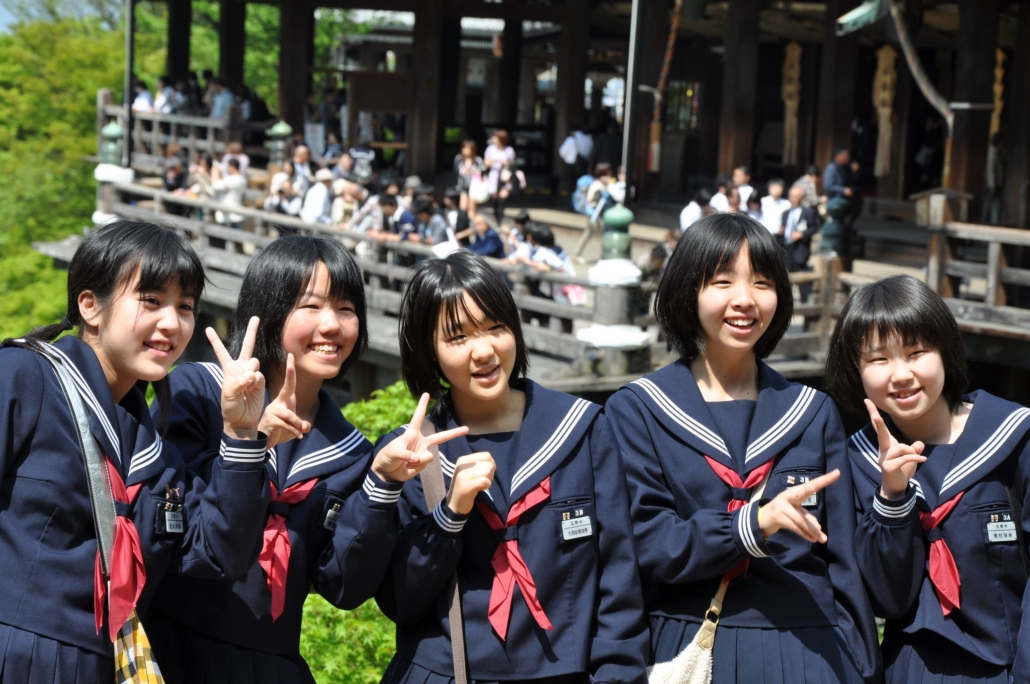
Poverty and Inequalities Impacting Afro-Colombian Women

According to a 2020 report issued by the Immigration and Refugee Board of Canada, Afro-Colombians, in general, inordinately lack access to food, health care, education, economic opportunities and other resources necessary to escape poverty and live an improved quality of life. Factors including civil armed conflict and gender inequality have compounded with racism to exacerbate the injustices that Afro-Colombian women, specifically, face.

Between 1958 and 2015, Colombia’s ongoing conflict internally displaced more than 5.8 million people, with women accounting for about 58% of these displacements. Women, in general, not only face higher risks of displacement and poverty but also of abuse and exploitation. These risks increase among Afro-Colombian women and women belonging to other marginalized groups.

Colombia is one of the most monetarily unequal countries in the world and 19.6 million people in Colombia (about 39% of the population) lived in poverty at $6.85 or less per day in 2021. While the overall rate of poverty in Colombia has fluctuated throughout the years and the country has noted poverty declines, marginalized groups did not experience this relief and some faced an increase in poverty. Rural populations, which consist of many Afro-Colombian and Indigenous communities, had an increase in poverty from 2020 to 2021 (42.9% to 44.6%) while an estimated 1.4 million people “working in urban services and commerce” rose out of poverty in 2021 due to Colombia’s economic recovery.

In 2015, approximately 41% of the Afro-Colombian population lived in poverty in comparison to 27% of non-Afro-Colombian or non-Indigenous Colombians.

Lack of Access to Resources and Services

Certain factors, such as gender and racial discrimination, contribute to a greater risk of poverty among Afro-Colombians and exacerbate existing conditions of poverty. The racism that Afro-Colombian women face impacts every aspect of their lives and keeps them from accessing resources that would place them in positions of economic and social advancement. Research shows that nations can raise their GDP by US$2.1 trillion annually by dissolving racial income gaps.

When speaking with the United Nations Rapporteur in 2001, groups of Afro-Colombian women stated that they had little access to many basic resources, such as work and income, as a result of racism.

“Groups of women in Quibdó, where 85% of the population is Afro-descendent, indicated that most of the population lives in extreme poverty. Quibdó is the locality with the least water supply coverage in the country, 81% of homes have no sewage, illiteracy is up to 19% and maternal mortality rates are high,” according to the Inter-American Commission on Human Rights.

This lack of accessibility that is caused by internal national racism leads to the perpetual disenfranchisement of this community and causes them to live in the most impoverished cities. For example, the Choco region of Colombia is the most impoverished area of the country and approximately 85% of its population is Afro-Colombian.

Indigenous Peoples and Afro-Colombian Empowerment Activity (IPACE)

Several organizations and activist movements work toward empowering and helping Afro-Colombian communities. Among these is the United States Agency for International Development through its most recent plan: Indigenous Peoples and Afro-Colombian Empowerment Activity (IPACE).

Beginning in 2011, USAID has worked closely with Colombia’s Afro-Colombian population to promote inclusion and empowerment. In December 2021, USAID implemented IPACE, which is a $60 million initiative that connects with locally-led organizations to further their goals and elevate their voices on the national scale. IPACE’s mission is to help implement and uphold the 2016 Peace Accord in Colombia, specifically focusing on peacebuilding and inclusivity.

IPACE also aims to sustainably help economic development by providing training and job placements, risk management through emergency preparedness and services and diversity and inclusion support through acknowledging ancestral practices and building awareness of cultural differences. What sets IPACE apart from other initiatives is the commitment to a locally-led approach through an alliance of 10 partner organizations, all of which are either indigenous or Afro-Colombian. These organizations help IPACE lead and make decisions that are in the best interest of these populations.

Looking Ahead

Afro-Colombian women face multiple vulnerabilities as a result of marginalization and discrimination, which keeps them stuck in the depths of impoverishment. The intersection of racism, poverty and violence creates a cycle of inequality that the government and organizations must address at the root. Fortunately, organizations such as USAID and other locally-led groups are committed to changing the narrative and upholding the rights of Afro-Colombian women.

– Kellyjohana Ahumada
Photo: Unsplash

April 9, 2023
https://borgenproject.org/wp-content/uploads/borgen-project-logo.svg 0 0 Jennifer Philipp https://borgenproject.org/wp-content/uploads/borgen-project-logo.svg Jennifer Philipp2023-04-09 05:21:052023-04-25 02:26:05The Vulnerabilities of Afro-Colombian Women
Global Poverty, Women

Tackling Period Poverty in Asia

Period Poverty in Asia
The World Bank estimates that at least 500 million women and girls across the world live in period poverty. They lack access to menstrual products and safe, hygienic spaces to use them due to financial restraints. This is certainly prevalent across Asia in high and low-income countries where cultural taboos and attitudes towards women and girls prevent many from accessing the help they need to manage their periods. However, more and more governments and organizations in Asia are beginning to acknowledge the issue of period poverty. They are taking the initiative to help erase the stigma surrounding periods and improve access to menstrual products. Below are four areas of Asia that are tackling period poverty in Asia.

Southeast Asia

In Southeast Asia, Plan International has collaborated with a sustainable period brand Modibodi to empower almost 5,000 women and girls to safely manage their periods with dignity. Over the course of three months, the NGO has provided 1,000 pairs of reusable menstrual underwear to 333 women and girls in Indonesia alone. While in Laos, 4,500 female students have received reusable period underwear packs. Plan International reports that this initiative has come about after access to menstrual products has become increasingly limited for low-income people across the globe due to widespread inflation as well as the lasting effects of the COVID-19 pandemic. Both have greatly exacerbated living costs.

Despite the increase in period poverty over the past few years, women and girls in Southeast Asia have always faced challenges when it comes to accessing menstrual products and education surrounding menstrual health. Indeed, a 2015 report for UNICEF Indonesia found that only two-thirds of school-aged girls from urban areas in Indonesia changed absorbent menstrual products every four to eight hours or when the material was dirty. This is usually due to the fact that they could not afford to change their menstrual products when necessary. This issue has only been amplified in rural areas, where the amount decreased to less than half of the girls surveyed.

China

Women in China are also working to end period poverty. Despite living in high-income countries, many women and girls across China face financial difficulties and stigmas when it comes to managing periods. The COVID-19 pandemic has only exacerbated this, which has led to a rise in poorer women such as students, cancer patients or women from rural areas having to buy low-cost period supplies that do not meet safety standards.

Period Pride, a Chinese NGO focused on menstrual health, has started a series of initiatives to combat period poverty and shame. This has included inviting university students to propose prototypes for products and services which address period poverty for experts and investors to review. In 2020, they also partnered with a range of women’s organizations to create a series of policy recommendations for the China State Council Women and Children Working Committee, which included ensuring that women have access to clean water and can dispose of menstrual waste in a safe and dignified manner.

Japan

In Japan, efforts have also occurred to reduce the cost of period products, making them more accessible to all. This is particularly important because despite being an affluent country, Plan International found that one in three women in Japan had hesitated or were unable to buy menstrual products due to financial reasons when surveying 2,000 Japanese women aged 15-24.

Like many of the campaigns tackling period poverty in Asia, grassroots groups, such as the student organization using the hashtag #EveryonesPeriod, which began a petition in 2019 to lessen taxes on menstrual products, led much of the drive to end period poverty in Japan. However, members of the legislature have also begun to acknowledge the problem, with Sayaka Sasaki and Renhō Saitō, two members of the House of Councillors Budget Committee, pushing Prime Minister Yoshihide Suga to agree to include sanitary products in Japan’s COVID-19 emergency relief plan in 2021. As a result, local governments have started to distribute free menstrual products across their constituencies in Japan.

South Korea

Similar to Japan and China, despite residing in a high-income country, many women in South Korea also struggle when it comes to managing their periods. This issue particularly came to light after a 2016 report found that one low-income South Korean girl could not afford menstrual products and had to use a shoe insole instead.

Stories like these pushed the Seoul Metropolitan Government to launch a pilot program to dispense free menstrual products across 10 public facilities across the city in 2018. These facilities include major attractions such as the Seoul Museum of Art as well as women’s spaces such as the Seoul Women’s Plaza. This program received support from 92% of the 1,475 Seoul residents surveyed about the pilot, indicating an overwhelmingly positive attitude from the public in regard to improving access to menstrual products. Using data collected from the pilot program, the Seoul Metropolitan Government has now expanded the drive to alleviate period poverty across the city, with around 300 institutions in Seoul now providing free menstrual products.

A Better Future Ahead

Whilst a lack of access to menstrual products continues to be a major issue facing women across the globe, these programs and campaigns that are tackling period poverty in Asia provide many a reason to be optimistic about eradicating period poverty. Grassroots, NGO and government-led initiatives to improve access to menstrual products have been instrumental in uplifting the lives of low-income women across Asia. It will continue to do so with further efforts to expand awareness of and end period poverty in Asia.

– Priya Thakkar
Photo: Flickr

March 21, 2023
https://borgenproject.org/wp-content/uploads/borgen-project-logo.svg 0 0 Naida Jahic https://borgenproject.org/wp-content/uploads/borgen-project-logo.svg Naida Jahic2023-03-21 07:30:532024-05-30 07:53:02Tackling Period Poverty in Asia
Global Poverty, Water, Women

The Walk for Water Campaign Increases Global Water Access

Walk for Water
Turning an everyday walk into vital support for the world’s most vulnerable is possible through the United Kingdom’s WaterAid campaign, Walk for Water. The campaign encourages the public to participate in a walking challenge that raises funds for pipe installations, well constructions, menstrual hygiene sessions and the building of school toilets in countries with a high count of people living in poverty. Clean water is vital for good health, thriving communities and flourishing economies. Challenging people to walk this month will contribute to improving the lives of women and girls who have to walk up to 12 kilometers every day to collect clean water.

Inequality in Access to Water

A 2019 report by UNICEF and World Health Organization reveals that “2.2 billion people around the world do not have safely managed drinking water services, 4.2 billion people do not have safely managed sanitation services and 3 billion lack basic handwashing facilities.”

These statistics make it clear that mobilization efforts need to pick up the pace in order to meet the U.N. drinking water, sanitation and hygiene targets by 2030. The U.N. asserts that the world’s progress in this area must increase fourfold in order to meet these goals.

Water and Poverty

Rapid population expansion, urbanization and growing water demands from the “agriculture, industry and energy sectors” have put a strain on global water resources. Access to safe and affordable water and sanitation plays a key part in poverty reduction and well-being. Meeting the U.N. Sustainable Development Goals (SDGs) in this area would safeguard the lives of 829,000 people per year, who would otherwise die from illnesses arising from contaminated water, improper sanitation and inadequate hygiene.

According to Healing Waters, about 84% of people who lack access to clean water live in rural areas, meaning they rely on agriculture to meet their nutritional needs and secure an income. In cases of water contamination, crops are detrimentally affected and communities end up consuming contaminated food, exposing them to a multitude of preventable diseases and illnesses.

The obvious way that clean water reduces poverty is by improving physical health and well-being. Proper water and sanitation access prevents the spread of water-borne illnesses — the cause of 80% of illnesses in poverty-stricken countries, Healing Waters says.

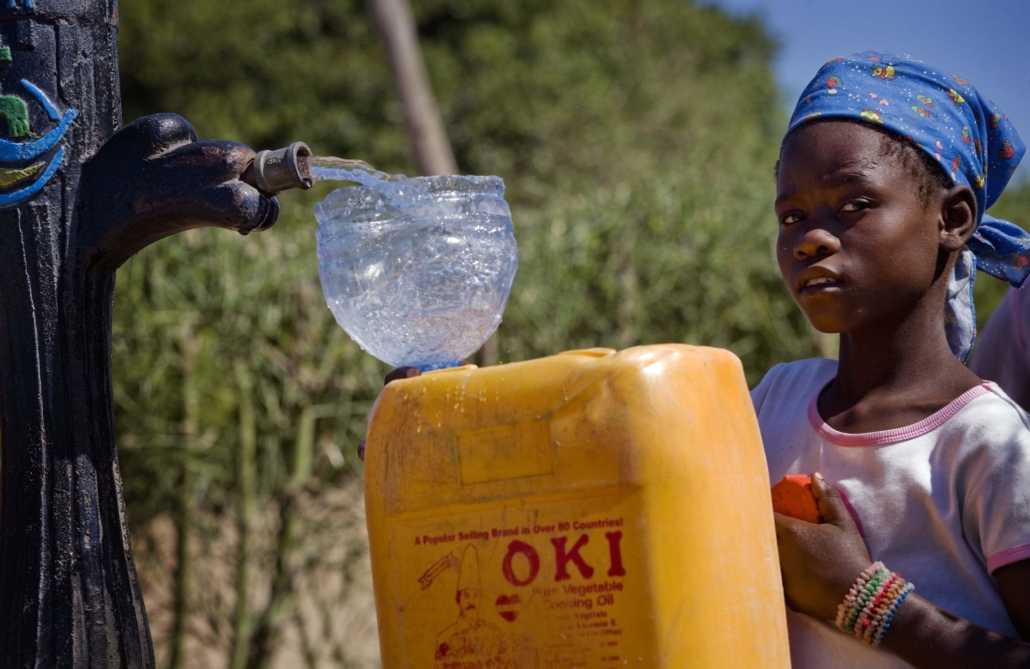
Access to clean water also reduces poverty by easing the physical burden placed on females of all ages as gender roles prescribe that girls and women bear the role of water collectors. Females must undertake strenuous journeys, sometimes of up to 12 kilometers, carrying heavy buckets of water back to their homes after collection. One of the goals of the Walk for Water initiative is to lift this burden off of females so that young girls can engage in education and women can rest or partake in other productive tasks rather than spending hours collecting water, thus improving the lives of women and girls.

Looking Ahead

It is becoming more and more obvious that properly managed clean drinking water, sanitation and hygiene services are essential to maintaining human health as the COVID-19 pandemic carries on. However, billions of people would still lack these basic amenities in 2030 unless progress accelerates significantly. Many other aspects of sustainable development depend on water, and in order for the current trend to change, immediate action is necessary.

– Ralitsa Pashkuleva
Photo: Flickr

March 20, 2023
https://borgenproject.org/wp-content/uploads/borgen-project-logo.svg 0 0 Kim Thelwell https://borgenproject.org/wp-content/uploads/borgen-project-logo.svg Kim Thelwell2023-03-20 01:30:492024-05-30 22:23:21The Walk for Water Campaign Increases Global Water Access
Children, Global Poverty, Women

5 Organizations Helping Women and Children in Mauritania

Children in Mauritania
Mauritania is a largely agricultural and pastoral country in the North-Western Saharan desert. As of 2020, only 47.3% of people had access to electricity. In 2021, around 15% of women were first married at 15, and in 2019, 156,142 children of primary school age were out of school. The country’s increasing poverty affects women and children in Mauritania. Here are five organizations seeking to aid women and children in Mauritania.

5 Organizations Helping Women and Children in Mauritania

  1. Association of Female Heads of Households (AFCF): This organization advances women’s and children’s rights in Mauritania by focusing on reform laws and preventive policies. Together with the Women’s Learning Partnership, it is able to help all people by passing effective legislation. AFCF focuses on campaigning for reform laws that prevent trafficking, violence, abuse and slavery, which predominantly affect women and children. AFCF had a huge success in its campaign to implement gender quotas in the Mauritanian parliament. AFCF’s programs directly supported the “election of 99 women including 6 women mayors, a female head of the Urban Community of Nouakchott and dozens of women ministers.” There is a growing amount of slavery prevention groups in West Africa that the organization has been able to support.
  2. United Nations Population Fund Mauritania (UNFPA): UNFPA helps women and children in Mauritania by increasing reproductive health access and initiatives. The programs UNFA supports promote gender equality and the organization has also aided in developing national plans for reproductive health and maternal mortality. UNFPA has been able to increase Mauritania’s ability to address health concerns such as HIV prevention. UNFPA protected 1,000 girls from genital mutilation. The organization trained 229 personnel in clinical rape treatments and created 16 obstetric facilities that have emergency care.
  3. Mauritanian Council for Business Women: This organization advances women’s economic mobility. It encourages participation in the business and finance sectors. It gives women business owners the opportunity to present themselves at regional and local exhibitions. Its goal is to promote further gender equality by encouraging female entrepreneurship. The organization also conducts campaigns for equality politically. By encouraging stronger relations for women in business and by giving women a platform to expand their businesses, women and children in Mauritania receive greater opportunities and are less likely to experience the inequalities both groups may face.
  4. MindLeaps: This is a unique organization that hosts dance classes in schools in Mauritania. It has trained psychologists to address students’ diverse set of needs. In 2017, MindLeaps ran a three-month program of dance classes for 117 street children and juvenile offenders in the capital city of Nouakchott. Since then, it has expanded to other towns and cities in Mauritania. It estimates that around 70% of its students end up being in the top 20% of their educational classes. The time spent in these dance classes builds social and emotional skills necessary for children to develop. The organization tracks each student individually and helps to foster stronger skills. MindLeaps has a 0% dropout rate and prides itself on the strong community building it promotes and its educational pursuits.
  5. Youth and Hope: Houleye Thiam founded Youth and Hope in 2011 in response to the lack of organization and funding in rural Mauritanian schools. It focuses primarily on populations of schools that include black Mauritanians, who are sometimes former refugees who have come back to their homeland. As of 2021, it serves repatriated villages. Its four target villages include Goural, Gawdal, Dolly and Houdalaye. Its goal is to make sure every student in the target villages has enough supplies to study five or more subjects. It has also committed to delivering supplies at least twice a year. The nonprofit acts largely on donations. Improving education efforts can largely improve the situation for the future women and children of Mauritania, as it promotes greater mobility in Mauritania.

Looking Ahead

Despite the challenges that women and children in Mauritania have faced, these five organizations are making a difference. As aid organizations continue their work in Mauritania, it is likely that quality of life will improve for all.

– Anna Richardson
Photo: Flickr

March 19, 2023
https://borgenproject.org/wp-content/uploads/borgen-project-logo.svg 0 0 Naida Jahic https://borgenproject.org/wp-content/uploads/borgen-project-logo.svg Naida Jahic2023-03-19 01:30:352023-03-19 10:42:485 Organizations Helping Women and Children in Mauritania
Education, Global Poverty, Women

Poverty Reduction in the Democratic Republic of Congo

Poverty Reduction in the Democratic Republic of Congo
The largest country in Africa, the Democratic Republic of Congo (DRC) is “among the five poorest nations in the world.” Political instability, humanitarian crises, and conflict have aided the fact that 64% of all Congolese lived under the poverty line in 2021. With the population growing, along with unemployment, the Democratic Republic of Congo’s government, joined with international aid, has been making efforts toward poverty reduction in the Democratic Republic of Congo.

Socioeconomic Issues

According to data from the Democratic Republic of Congo’s government and the International Monetary Fund’s country reports, unemployment impacts 30% of young citizens, which the COVID-19 crisis has only impacted more. Within the workforce, there is a gap between genders. In 2021, Congolese women only made up 23% of the government, 14% of the parliament and 24% of communal councils. Unemployment is higher among women, at 10.2% juxtaposed to 9% for men.

The country is one of the highest in sub-Saharan Africa in levels of morbidity and mortality, along with having a maternity mortality ratio of 378 deaths per 100,000 live births, according to the International Monetary Fund (IMF) Poverty Reduction and Growth Strategy for the Republic of Congo report. When it comes to education, the Democratic Republic of Congo has seen a shortage of qualified teachers, a high student-to-teacher ratio and poor school infrastructure.

Poverty is the main issue within the country, as estimates have stated that the poverty rate rose between the years 2019 and 2020 by 4%, according to IMF. This is in large part due to the outbreak of COVID-19, which aggravated an economic recession and made it hard for Congolese people to afford rent, electricity and water bills, food and health care.

National Development Plan

The IMF report outlines the country’s National Development Plan 2022-2026. The goal of the plan is to “build a strong, diversified and resilient economy.” To do so, the government plans on focusing on agriculture, industry, tourism, real estate, technology and economic zones. This plan to regrow the economy comes with the prospect of an agreement with the IMF that could provide monetary aid.

Agriculture is an essential employer within the DRC, making it the first priority in the plan. By focusing on it, the country believes it can “fight effectively against unemployment, poverty, uncontrolled urbanization, the disarticulation of the national territory, food insecurity, and the foreign aid deficit.” The development of industry could bring modernization to the country and create jobs. In a similar vein, developing economic zones can create a “new national economy” and open them up to globalization. Tourism is a potential new market for the country to open up to, along with digitalization.

Following a visit to the DRC on February 15, 2023, the IMF released a statement reviewing the country’s recent economic data, saying that the agency “looks forward to continuing engagement in support of the Democratic Republic of the Congo.”

The World Bank

In 2022, the World Bank endorsed a Country Partnership Framework for the DRC that “promotes the stabilization and development of DRC, supporting strategic priorities and critical reforms to improve governance and deepen stabilization efforts.” The World Bank focuses on supporting the country’s developments in education, health and social protection.

As of June 2022, the World Bank aided poverty reduction in the Democratic Republic of Congo with $7.27 billion that financially supported 21 national projects and four regional projects. One of these projects is the Emergency Equity and System Strengthening in Education, which supports the country’s free primary education and lessens the burden of education costs on Congolese families. This project saw 2.5 million additional students enroll in school within 2021-2022 and allowed for around 60,000 teachers to receive regular salaries, the World Bank reports. The World Bank Urban Drinking Water Supply Project saw the installation of more than 450 community waterpoints, and the STEP-KIN project, launched in March 2021, is targeted to help 250,000 in its next phase.

The Human Rights Council

Recently, the United Nations Human Rights Council has been holding hearings with the Presidents of nations such as the DRC regarding peace plans. The speakers at this panel said that “human rights were at the centre of all global issues the world confronted today” and that “international financial institutions needed to undertake special measures to support developing countries in protecting basic rights to food, livelihood and a decent living.”

Félix-Antione Tshisekedi Tshilombo, the president of the DRC, spoke about political and military conflict within the country, a factor that can worsen poverty. The Human Rights Council and the Assistant Secretary-General for Human Rights recently addressed this conflict, reiterating a call for peace in Africa, along with assuring that “the U.N. Human Rights Office stands ready to continue our work to support the country in its efforts to overcome the human rights challenges that remain.”

As poverty reduction in the Democratic Republic of Congo continues, it is important to keep in mind how valuable foreign aid is to the rebuilding and restructuring of communities and countries.

– Audrey Gaines
Photo: Flickr

March 18, 2023
https://borgenproject.org/wp-content/uploads/borgen-project-logo.svg 0 0 Jennifer Philipp https://borgenproject.org/wp-content/uploads/borgen-project-logo.svg Jennifer Philipp2023-03-18 07:30:492023-03-16 13:10:59Poverty Reduction in the Democratic Republic of Congo
Page 8 of 36«‹678910›»

Get Smarter

  • Global Poverty 101
  • Global Poverty… The Good News
  • Global Poverty & U.S. Jobs
  • Global Poverty and National Security
  • Innovative Solutions to Poverty
  • Global Poverty & Aid FAQ’s
Search Search

Take Action

  • Call Congress
  • Email Congress
  • Donate
  • 30 Ways to Help
  • Volunteer Ops
  • Internships
  • Courses & Certificates
  • The Podcast
Borgen Project

“The Borgen Project is an incredible nonprofit organization that is addressing poverty and hunger and working towards ending them.”

-The Huffington Post

Inside The Borgen Project

  • Contact
  • About
  • Financials
  • President
  • Board of Directors
  • Board of Advisors

International Links

  • UK Email Parliament
  • UK Donate
  • Canada Email Parliament

Get Smarter

  • Global Poverty 101
  • Global Poverty… The Good News
  • Global Poverty & U.S. Jobs
  • Global Poverty and National Security
  • Innovative Solutions to Poverty
  • Global Poverty & Aid FAQ’s

Ways to Help

  • Call Congress
  • Email Congress
  • Donate
  • 30 Ways to Help
  • Volunteer Ops
  • Internships
  • Courses & Certificates
  • The Podcast
Scroll to top Scroll to top Scroll to top