• Link to X
  • Link to Facebook
  • Link to Instagram
  • Link to TikTok
  • Link to Youtube
  • About
    • About Us
      • President
      • Board of Directors
      • Board of Advisors
      • Financials
      • Our Methodology
      • Success Tracker
      • Contact
  • Act Now
    • 30 Ways to Help
      • Email Congress
      • Call Congress
      • Volunteer
      • Courses & Certificates
      • Be a Donor
    • Internships
      • In-Office Internships
      • Remote Internships
    • Legislation
      • Politics 101
  • The Blog
  • The Podcast
  • Magazine
  • Donate
  • Click to open the search input field Click to open the search input field Search
  • Menu Menu

Archive for category: Women

Information and news about woman issues

Global Poverty, Water, Women

The Women Fighting for Water in India

Water in India
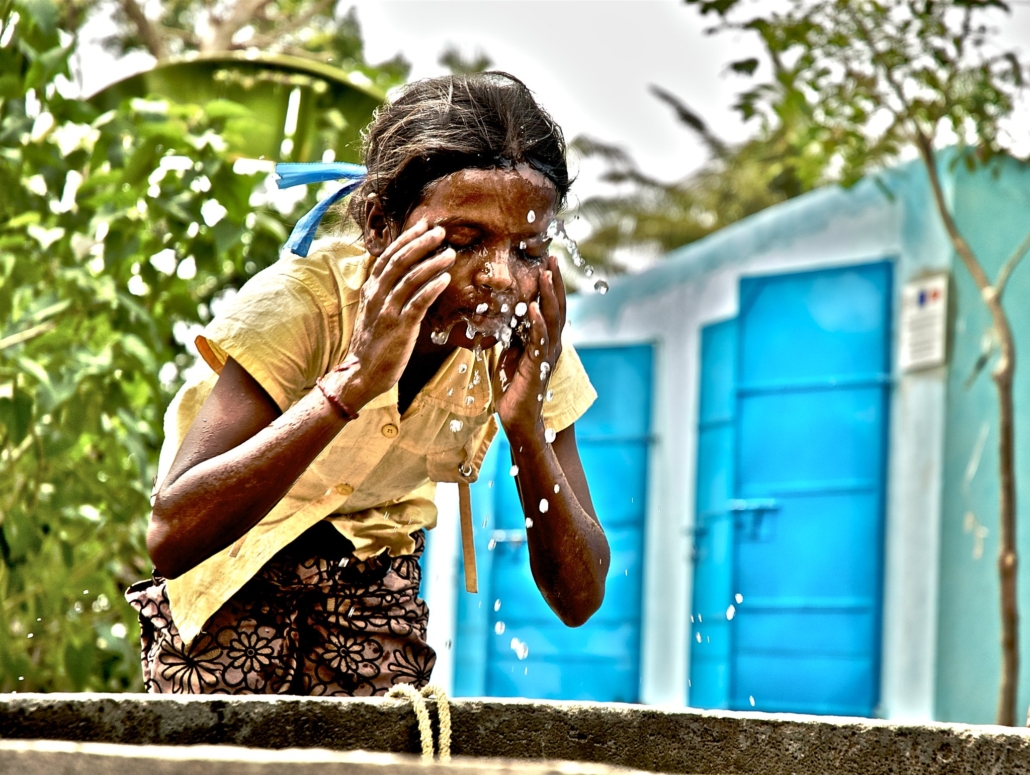
According to UNICEF “785 million people today do not have basic access to water.” To relieve this burden in India, Jal Sahelis, or women water warriors, are committed to reviving dried sources of water in Bundelkhand in what is now becoming a nationwide initiative to provide more access to clean water in India.

India’s Water Issues

In India, 91 million people lack access to clean water. Even though India has “18% of the world’s population, but only 4% of its water resources,” making it among the most water-stressed in the world.

Jah Salehi’s formed a volunteer network of more than 1,000 women to restore lost water sources throughout Bundelkhand. They can help with this by collecting rainwater during the June monsoon season and distributing it through dried-up water bodies around their village. As India’s water shortages increase, the women’s efforts provide.

The involvement of Jal Sahelis in many projects also highlights the importance of community-led efforts for sustainable development. The Jal Sahelis program empowers women to take leadership roles in managing and conserving water resources, which not only benefits the environment but also promotes gender equality and women’s empowerment in rural areas.

Improvements

Welthungerlife and Parmarth Samaj Sevi Sansthan helped these women with the organization and training necessary for “water resource planning, management and conservation.” There are currently close to 500 Jal Sahelis who completed the training and are now working. They are always available to help their communities with water issues and are identifiable by their blue saris.

As well as this, they have implemented “shramdan,” which are community donations to help restore ancient ponds and hand pumps, even using government funding to build check dams. The way in which they construct the ponds and dams is by moving boulders and then mixing concrete to form such structures, according to India Times. The Jal Shakti (Water Resources) Ministry of India has commended them for their successful efforts in resolving challenges pertaining to access to water in India.

Addressing Social Issues and Access to Water in India

Not only are Jal Sahelis helping with water issues, but many social changes as well, such as the promotion of human rights and the reduction of inequality. Jal Sahelis are also helping villages of India rediscover knowledge they lost decades earlier when water transformed from a community-managed resource to one administered by India’s government.

By working closely with communities, Jal Sahelis are helping to rediscover and revive traditional practices, which can be more sustainable and effective than modern systems. This can also contribute to the preservation of cultural heritage and identity. Overall, Jal Sahelis are playing a vital role in promoting sustainable water management and empowering communities, while also addressing social issues and reviving traditional knowledge.

– Lauryn Defreitas
Photo: Flickr

March 18, 2023
https://borgenproject.org/wp-content/uploads/borgen-project-logo.svg 0 0 Naida Jahic https://borgenproject.org/wp-content/uploads/borgen-project-logo.svg Naida Jahic2023-03-18 07:30:402024-05-30 22:30:52The Women Fighting for Water in India
Global Poverty, Women

African Social Enterprises Addressing Poverty

African Social Enterprises
All over sub-Saharan Africa, many initiatives are seeking to address poverty and improve people’s lives amid fears of escalating hunger and extreme poverty. The World Bank reported that sub-Saharan Africa would note a decrease in economic growth from 4.1% in 2021 to 3.3% in 2022 due to sluggish global economic growth, the war in Ukraine and extreme weather conditions. Social enterprises keep hope alive by stepping up to address the effects of poverty on the most vulnerable and disadvantaged people. A social enterprise is a business with social objectives. While these businesses do seek to make profits, the enterprises maximize benefits to society and the environment by bringing relief to the most vulnerable sections of the communities. In particular, several African social enterprises look to address poverty in the region.

Pad-Up Creations

Olivia Onyemaobi founded Pad-Up Creations in May 2016 in Minna in Niger State of Nigeria. This Nigerian social enterprise aims to address period poverty in Nigeria. Period poverty refers to girls’ and women’s lack of access to menstrual products and hygiene facilities to properly manage menstruation. Onyemaobi launched a campaign in 2015 to provide female victims of sexual abuse with counseling and rehabilitation. Onyemaobi also noted a link between period poverty and sexual abuse.

Out of the 1,500 girls who received counseling, 68% had infections from using unsanitary alternatives to manage their menstruation and 79% typically did not attend school when menstruating due to a lack of access to menstrual supplies. Furthermore, 70% regret being female due to their menstruation and 95% reported engaging in sexual encounters to enable them to buy menstrual products.

Pad-Up Creations manufactures affordable washable and reusable sanitary pads that last up to a year, saving females from the monthly costs of menstrual supplies and ensuring girls stay in school. According to Onyemaobi, Pad-Up Creations reached more than 100,000 girls in Nigeria by 2017 but now has outlets in 18 African countries reaching millions of women and girls. Aside from reducing poverty, the social enterprise is also empowering other women economically. More than 300 females work in the factory in Minna while others are distributors of the products earning minimal profits.

Solar Sister

Solar Sister is another one of the African social enterprises empowering and helping women across sub-Saharan Africa. It invests in women and “clean energy businesses in off-grid Africa.” It is a movement of women, men, allies and partners with a mission to eradicate energy poverty by “empowering women with economic opportunity.”

Solar Sister initially came about in 2010 through the efforts of two women, a Ugandan banker, Katherine Lucey, and an Indian energy economist, Neha Misra, whose visits to remote areas in their different localities inspired them to build social enterprises around women, focusing on affordable clean energy. Three other women, Evelyn Namara of Uganda, Fatma Muzo of Tanzania and Olasimbo Sojinrin of Nigeria, boosted these efforts by launching operations in their respective countries.

According to the World Bank, just 48% of people in sub-Saharan Africa had access to electricity in 2020. Furthermore, just 18% of people in this region had “access to clean fuels and technologies for cooking” in the same year. The detrimental effects of household air pollution led to about 500,000 premature deaths in sub-Saharan Africa in 2018.

Against this backdrop, Solar Sister produces and provides clean stoves for cooking and solar solutions for lighting and charging batteries. So far, across three African countries, Solar Sister has reached more than 3.5 million people and has sold more than 700,000 clean energy products. Furthermore, the enterprise has helped 8,500 people become entrepreneurs by selling its solar products, 87% of whom are women.

Farm On Wheels

Farm On Wheels is a Nigerian social enterprise whose vision is to help smallholder farmers in hard-to-reach locations in Niger State, Nigeria. Its mission is to take knowledge, skills, improved seeds and agrochemicals to farmers in remote locations in order to assist them in increasing their yields and accessing markets for their products, making them gainfully employed and financially empowered. Jocelyne Agbo founded the enterprise in 2017 as an alumnus of the Tony Elumelu Foundation.

Because smallholder farmers in Nigeria live and work in remote locations with little knowledge of or access to advancements, they tend to stick to traditional agricultural practices at the subsistence level. Farm On Wheels brings advancements to rural farmers in leaps by helping to increase their yields and giving them access to bigger markets, making their farming endeavors more economically viable.

Between May 2021 to April 2022, Farm On Wheels partnered with the Feed the Future Nigeria Agribusiness Investment Activity, a USAID-funded activity implemented by Cultivating New Frontiers in Agriculture (CNFA). To improve yields and production, Farm on Wheels distributed “input loans” totaling 24 million nairas ($58,151 USD) to 500 farmers, including 100 youth farmers in Niger State.

These three African social enterprises fill the gap between government action and the hard-to-reach, vulnerable people living in sub-Saharan Africa, thereby, lifting many out of poverty.

– Friday Okai
Photo: Flickr

March 17, 2023
https://borgenproject.org/wp-content/uploads/borgen-project-logo.svg 0 0 Kim Thelwell https://borgenproject.org/wp-content/uploads/borgen-project-logo.svg Kim Thelwell2023-03-17 07:30:382024-12-13 18:02:51African Social Enterprises Addressing Poverty
Global Poverty, Women

Raising Awareness of Gender-Based Violence in South Africa

  Gender-Based Violence in South Africa
Scattered across the country of South Africa, amongst a landscape of rich and vivid beauty, outside of diverse busy cities, are smaller, poorer cities, known as townships. Townships began as a means of racial segregation during Apartheid; these were places for black people and people of color to live and they remain racially segregated settlements, where people often live in extreme poverty. It is here that the intersections of poverty and gender collide. Gender-based violence is so prevalent that Diepsloot, one of the biggest townships in the country, witnesses murders of women in the streets. This happens within a country where femicide is five times higher than the global average. Within the lush landscape of South Africa, an ugly side lurks.

How Does Poverty in Townships Influence Gender-Based Violence?

Many studies conclude that poverty and gender-based violence are in a close relationship: a lack of economic stability means there are fewer opportunities to escape a dangerous situation and fewer resources to seek help. Similarly, the violence women and girls experience can feed into their poverty: traumas or even physical injuries endured can lead to a lack of work prospects. Yet, because of the history of townships as spaces of racial segregation, the gender-based violence within them is not just a matter of class or gender. It is also a matter of race. Naledi Joyi, writing for the Centre for the Study of Violence and Reconciliation (CSVR), argues that violence in townships against Black women’s bodies is unyielding and multifaceted. Social indicators of class, gender and race intertwine to make it harder for Black women living in poverty to have access to appropriate resources for help.

The Local: Green Door

Authorities need to tackle gender-based violence in South Africa in its poorest communities and they are making progress. According to CSVR, police response and medical assistance to violence against women and girls in townships are inadequate. However, local programs developed within township communities can offer help to women in vulnerable situations.Diepsloot, located on the peripheries of Johannesburg, is one of the densest townships in South Africa and is the home of Green Door, a local shelter for women and children. Originally beginning as a response to the high levels of violence against women and girls in the township, Green Door is a small building that offers victims temporary shelter, support, resources and legal advice. It is the only place of its kind in Diepsloot and a “lifeline” to many.

The National: Women for Change

Women for Change is a national nonprofit grassroots organization that aims to eradicate gender-based violence in South Africa. Since 2016, it has been advocating for women’s rights in the face of a government that fails to acknowledge the severity of the problem. Women for Change aims to eradicate gender-based violence and femicide within a country that reports 146 sexual offenses daily, with an estimated 95% of assaults unreported, according to its website. The organization utilizes its large social media presence to globalize the information and raise awareness in the world of the plight of many South African women and girls. Though Women for Change does not work strictly with women in townships, its dedication to ending the country’s epidemic of gender-based violence by raising voices means that others will hear the voices of all women and girls in South Africa.

Making the Fight Global

The work that is occurring to tackle gender-based violence in South Africa at large and give voice to the women living in townships is imperative. Organizations, such as Green Door and Women for Change, are paving a path toward a better future for all women. These organizations can ensure that these forgotten cities, where women and girls’ needs are often overlooked, do not hold forgotten women. They too have a voice.

– Eloïse Jones
Photo: Flickr

March 11, 2023
https://borgenproject.org/wp-content/uploads/borgen-project-logo.svg 0 0 Naida Jahic https://borgenproject.org/wp-content/uploads/borgen-project-logo.svg Naida Jahic2023-03-11 07:30:412023-03-09 07:19:09Raising Awareness of Gender-Based Violence in South Africa
Global Poverty, Women

The Impact of the Turkey-Syria Earthquakes on Women and Girls

Impact of the Turkey-Syria Earthquakes
As of February 27, 2023, the Turkey-Syria earthquakes, which struck Southern Turkey near the Syrian border on February 6, 2023, have directly affected 9.1 million people. As with all natural disasters, marginalized communities face the harshest impacts. The impact of the Turkey-Syria earthquakes on women and girls is detrimental, with ActionAid reporting that the situation has become “increasingly alarming” for women and girls in the aftermath of the 7.8 and 7.5 magnitude earthquakes.

Increased Vulnerability of Women and Girls

The United Nations Development Programme reports that in the event of a natural disaster, “women and children are 14 times more likely than men to die.” Pre-existing structural gender inequalities often make females more vulnerable when a disaster strikes, putting them at a far greater disadvantage than their male counterparts. Women and girls across the globe already face greater challenges when accessing health care. Additionally, females often take on primary caregiving responsibilities, which leave them unable to easily evacuate disaster zones, and are at greater risk of abuse and violence in situations of crisis.

Before the Turkey-Syria earthquakes struck, women and girls in the affected regions already lived in vulnerable circumstances. With countless women and girls internally displaced by the conflict in Syria and others living as refugees in Turkey, female victims of the disaster already struggled with crises brought on by 12 years of war. The impact of the Turkey-Syria earthquakes on women and girls has only increased the uncertainty already felt by many, pushing females further into hardship and poverty.

The Aftermath of the Turkey-Syria Earthquakes

The well-being of women and girls from low-income backgrounds in the aftermath of the Turkey-Syria earthquakes is of particular concern. The earthquakes, which have claimed the lives of more than 46,000 as of February 19, have left an unprecedented number of women homeless and without families to support them. Many displaced women and girls are at risk of sexual exploitation and child marriages as they struggle for survival.

Pregnant women are also particularly vulnerable, with the United Nations Population Fund stating that 356,000 pregnant women in earthquake-torn regions of Turkey and Syria need urgent help. The widespread destruction caused by the disaster has rendered more than 15 hospitals inoperative, according to the Turkish Ministry of Health, leaving pregnant women unable to access urgent medical services.

The U.K. has acknowledged the need for women and girls to receive particular support as Turkey and Syria grapple with the effects of the earthquakes. In a press release on February 15, 2023, the U.K. announced a £25 million ($30.2 million) additional aid package for the affected regions, with a “particular focus on protecting women and girls.” The U.K. included provisions to reduce the risk of gender-based violence within displaced communities along with medical support to aid in childbirth and midwifery.

Work of NGOs

Non-governmental organizations (NGOs) are stepping up to provide for women’s needs amid growing concerns about inadequate support for females who are menstruating, pregnant or breastfeeding. Vanessa Zammar, co-founder and project coordinator of Jeyetna, a Lebanese NGO dedicated to tackling period poverty, explained to Al Arabiya English that “gender-blind responses to emergencies and policymaking in general overlook menstruation because it is still considered something to be dealt with by women on an individual level in private.”

In response to the crisis, NGOs across the globe, such as the International Rescue Committee (IRC), are asking people to donate supplies to help vulnerable people impacted by the disaster, especially women and girls. The IRC is also providing “dignity kits” to those in need of feminine hygiene products and has set up a number of safe spaces to help women and children that the earthquakes affected.

The impact of the Turkey-Syria earthquakes on women and girls is devastating. While nations and NGOs have already taken some measures to ensure that women and girls receive protection and support, it is of utmost importance that they remain at the forefront of recovery efforts and humanitarian endeavors.

– Priya Thakkar
Photo: Flickr

March 9, 2023
https://borgenproject.org/wp-content/uploads/borgen-project-logo.svg 0 0 Naida Jahic https://borgenproject.org/wp-content/uploads/borgen-project-logo.svg Naida Jahic2023-03-09 07:30:002023-03-07 08:45:15The Impact of the Turkey-Syria Earthquakes on Women and Girls
Global Poverty, Philanthropy, Poverty Reduction, Women

Why Addressing Global Poverty is Good for American Business

Addressing Global Poverty
Poverty is a complex global issue that affects millions of people around the world. Despite ongoing efforts towards addressing global poverty, a large portion of the population could still be living in extreme poverty by 2030. The fact that inequality within countries has either increased or remained unchanged, leading to more global inequality, has compounded this situation.

Global Poverty Crisis

As of 2015, 736 million people still face poverty, with 10% of the world’s population living in extreme poverty and 1.3 billion people experiencing multidimensional poverty. The impact of poverty has been devastating on the health and education of the poorest individuals. It is essential to keep working towards reducing poverty and promoting equality globally to improve the lives of those affected.

The global poverty crisis is a daunting challenge that requires the collective effort of individuals, businesses and governments to solve. American businesses have a unique opportunity to make a real difference in the lives of millions of people around the world by taking practical steps to address global poverty. From providing job opportunities to donating resources and funds, there are many ways businesses can help fight poverty. American businesses can invest in companies and projects that promote sustainable economic growth and poverty reduction. This can include investing in startups and small businesses that are working to create jobs and lift people out of poverty.

Responsible Investments

Responsible investment is one-way businesses can contribute to addressing global poverty, such as through the impact investment fund Root Capital. Root Capital has invested more than $1 billion in more than 700 businesses, helping more than 1.5 million people. Its work has enabled agricultural businesses to create jobs, incomes and choices for more than 2.4 million rural families.

Another example of responsible investment is Coca-Cola’s 5by20 initiative, which aims to empower 5 million women entrepreneurs by 2020. The initiative has provided resources, financing and training to more than 6 million women around the world.

Poverty Reduction Efforts Through Philanthropy

Several American businesses have made significant contributions to poverty reduction efforts through philanthropy. One notable example is Microsoft, which has donated hundreds of millions of dollars to organizations such as The Global Fund to Fight AIDS, Tuberculosis and Malaria. The Global Fund is a partnership between governments, civil society and the private sector. It aims to accelerate the end of the three diseases by investing in prevention, treatment and care.

The Bill and Melinda Gates Foundation has partnered with the United Nations Foundation’s Shot@Life program, which provides access to life-saving vaccines for children in developing countries. The program has helped to vaccinate millions of children against preventable diseases such as measles, pneumonia and polio.

The foundation has also donated billions of dollars toward health, education and development initiatives. Its Global Health Division has helped reduce the burden of diseases such as malaria, tuberculosis and HIV/AIDS, saving millions of lives in the process.

Takeda Pharmaceutical is another company that partnered with the Shot@Life program to “expand children’s access to life-saving measles vaccines in approximately 40 countries across Africa, Asia and Latin America.” Through this support, Takeda Pharmaceutical aims to help vaccinate millions of children by 2026, making a major contribution to reducing the prevalence of preventable diseases.

The Walmart Foundation is taking significant steps to address global poverty through philanthropy, committing to strengthening farmer-producer organizations in Madhya Pradesh and West Bengal, India. This two-year project will provide farmers with training and capacity-building activities with a focus on improving their proficiency in sales, marketing and production techniques. This will help the farmers improve the quality and quantity of their output and ultimately increase their income.

Using Advocacy to Address Global Poverty

Advocacy is another important way that American businesses could contribute to addressing global poverty. By using their influence, businesses can call for systemic changes that address economic injustice and inequality, support initiatives that provide access to education and health care and lobby for government support for poverty-reduction initiatives.

One example of a business using advocacy to address poverty is Microsoft. The company has called on governments to invest in initiatives that provide access to technology to all citizens, regardless of socio-economic status.

Microsoft has also advocated for increased access to financial services for disadvantaged communities, recognizing that access to credit and financial resources are critical to economic growth and development. Through its advocacy efforts, Microsoft is promoting more equitable access to technology and finance, which can help to reduce poverty and promote economic development.

It has also promoted digital inclusion and access to technology through its Airband Initiative, which aims to expand internet access in underserved communities worldwide.

Bluetown, a company specializing in deploying last-mile technologies to expand rural access to high-speed internet and promote economic opportunities, has partnered with Microsoft’s Airband Initiative to accelerate connectivity projects in Ghana. The current internet penetration rate stands at only 32.5% in Ghana. To bridge this digital divide and promote economic development in these underserved communities, Bluetown and Microsoft are aiming to bring internet access to nearly 2 million people. This partnership demonstrates how innovative technology solutions and collaborative partnerships can make a meaningful and substantial difference.

Enhancing Customer Relations

Investing in addressing global poverty, not only promotes corporate social responsibility but also enhances customer relations. Companies that take steps towards reducing poverty can earn the support and loyalty of customers who appreciate their efforts. Furthermore, businesses can benefit from reduced costs and increased profits by investing in poverty reduction initiatives, leading to improved public opinion and financial gains.

Addressing global poverty also improves the quality of life for people in developing countries, including access to education, health care and other essential services, leading to better health and increased opportunities. This creates a more favorable business environment and attracts foreign investment.

In conclusion, addressing global poverty is a win-win situation for American businesses. By actively participating in poverty reduction efforts through responsible investment, philanthropy and advocacy, American businesses can create new markets, increase economic stability and improve the quality of life for people in developing countries. This leads to long-term sustainable economic growth for American businesses and a brighter future for all.

– Nkechi First
Photo: Flickr

March 8, 2023
https://borgenproject.org/wp-content/uploads/borgen-project-logo.svg 0 0 Jennifer Philipp https://borgenproject.org/wp-content/uploads/borgen-project-logo.svg Jennifer Philipp2023-03-08 01:30:192024-05-30 22:30:50Why Addressing Global Poverty is Good for American Business
Education, Global Poverty, Women

How Vocational Training Centers in Uganda are Helping Women and Girls

Vocational Training Centers in Uganda
Uganda is an east-African nation occupied by dozens of ethnic groups. Over the past few decades, the Ugandan government has made several efforts to improve the lives of its female citizens, who make up 50.71% of the population. In addition to government-level actions, the women’s movement in Uganda is also one of the most diverse and progressive across Africa. However, recent political developments in the country, such as the 2021 re-election of President Yoweri Museveni, have constricted human rights, especially the rights of women. Luckily, vocational training centers in Uganda are emerging to empower women and girls.

Women’s Rights in Uganda

International conventions act as the framework through which people understand women’s rights in Uganda. The Convention on the Elimination of All Forms of Discrimination Against Women (CEDAW) and the Protocol to the African Charter on Human and People’s Rights on the Rights of Women in Africa (Maputo Protocol) have both influenced the country’s 1995 constitution, the foundation of the country’s legislation.

Formally, the Ugandan government claims to oppose all laws and practices which violate women’s rights. In actuality, countless women and girls in Uganda, especially those in rural areas, do not have the same rights as their male counterparts.

Moreover, the lockdowns associated with the COVID-19 pandemic negatively impacted the rights of women and girls in Uganda because the government was unable to support women facing violence at home. As a result, about 90,000 girls under the age of 18 became pregnant.

Education for Girls in Uganda

Women and girls aged over 15 in Uganda spend 14.6% of their time on unpaid care and domestic work, compared to 8.8% of the time spent by men. In addition, girls often lack the educational rights of men. In primary and pre-primary education young girls and boys attend schools at similar rates. However, once children reach secondary school age – between 13 and 18 – lower numbers of girls attend school compared to boys. At the university age, the ratio is skewed in the favor of boys even more.

For many young girls early marriage and motherhood mean an end to their education. Women aged 15-49 – the typical reproductive age range – frequently face barriers to reproductive health care and often lack access to sexual health education. Female genital mutilation is also still a major challenge for women and girls in Uganda. ​​Vocational training centers in Uganda could offer young women a different future.

Enabling Women’s Empowerment in Uganda

According to the U.N., equipping young women and girls in Uganda with practical skills could be transformative in giving them greater financial autonomy. In Uganda, 38.5% of women are below the international poverty line compared to 33.9% of men. While it is clear that more needs to support all genders, the empowerment of women is an integral part of reducing poverty in the country.

Creating vocational training centers in Uganda will provide a brighter future for young women and girls. Grassroots and charity organizations such as Resilient Women Uganda are supporting women and girls by building these centers across Uganda.

Resilient Women Uganda

Resilient Women Uganda supports women and girls, who come from poor families and are between the ages of 10 and 20, through the provision of vocational training centers in Uganda. It works with those exposed to gender-based violence and at risk of school dropout. The projects conducted with Resilient Women Uganda aim to improve the socio-economic status of young women and girls by allowing them to develop marketable skills. These skills include tailoring and knitting, computer literacy, English lessons, hairdressing and more.

Resilient Women Uganda’s main priority is helping girls who have left education go back to school. The organization, which two women founded in 2016, relies on the commitment of a group of volunteers. So far the group has met 9,504 teenage girls and helped 359 women find jobs through vocational training centers.

A brighter future for young Ugandan women is within reach and could help alleviate poverty in the country by improving standards of living and increasing women’s rights.

– Florence Jones
Photo: Unsplash

February 27, 2023
https://borgenproject.org/wp-content/uploads/borgen-project-logo.svg 0 0 Naida Jahic https://borgenproject.org/wp-content/uploads/borgen-project-logo.svg Naida Jahic2023-02-27 07:30:562023-03-06 06:00:15How Vocational Training Centers in Uganda are Helping Women and Girls
Global Poverty, Women

Advances in Women’s Health Care in Niger

Women’s Health Care in Niger
According to the World Health Organization (WHO), excessive blood loss is one of the leading causes of pregnancy-related injury and death, especially in developing regions. Researchers working with Niger’s Ministry of Health announced in January 2023 that cases of blood loss-related maternal death in Niger’s health care facilities have reduced by more than 50% due to the introduction of a three-step process. The findings from their work have offered stark improvements to women’s health care in Niger and will be influential throughout the developing world.

Access to Women’s Health Care Reduces Poverty

Niger has the world’s highest fertility rate, standing at approximately seven births per female, partly due to gender inequality. This number has the potential to drop as women’s access to adequate health care and education increases.

Advances in accessibility and quality of women’s health care in Niger are crucial to the nation’s development. When mortality rates among women and children are lower, women tend to have fewer children and contribute more to their local economies. Higher household incomes lead to increased educational and economic opportunities for children, which can help them break the cycle of poverty. Equity for women in health care also leads to other positive outcomes for women’s rights.

According to findings published in the National Library of Medicine, national economic performance and overall societal health benefits when women have better health care. Niger, with its economy that has struggled to expand for years despite its rapidly growing population, welcomes these positive advancements in maternal health care.

In 2021, the government of Niger sought to address the inadequacies of its health care system. With financial backing from the World Bank, it created a 15-year plan to improve health care systems. One of the goals of the plan is to improve women’s health care equity by expanding access and services to more women and girls.

Life-Saving Maternal Treatment is Accessible and Affordable

The methods determined through the research of the NGO Health and Development Initiative (HDI) together with the Ministry of Health include “a cheap and easy-to-store” drug called misoprostol, according to the BBC. The first step involves administering the drug to decrease the bleeding.

After a 20-minute observation period, if the bleeding continues, a health care worker will insert “a condom attached to a catheter” into the woman’s uterus to inflate. As a last resort, the mother will receive a “non-inflatable anti-shock garment” to allow the woman time to move to surgery for critical blood transfusions. The three-step process has proven effective in preventing the deaths of 1,417 Nigerien women over the six-year research period.

This three-step process has led to more than a 50% reduction in deaths related to postpartum hemorrhaging and has helped to safeguard tens of thousands of women from excessive blood loss.

Looking Ahead

Scientists encourage developing and middle-income countries to introduce this process due to its striking success in Niger and the low cost and accessibility of the required materials. The findings from this research show that health care facilities can address one of the leading causes of pregnancy-related mortality through an easily replicable method.

The work that the HDI and the Nigerien Ministry of Health performed gives hopeful signs for the future trajectory of women’s health care in Niger and other developing nations. It also highlights the important work of NGOs, international organizations and governments around the globe and their efficacy in addressing the critical needs of impoverished people.

– Eric Kersten
Photo: Flickr

February 13, 2023
https://borgenproject.org/wp-content/uploads/borgen-project-logo.svg 0 0 Naida Jahic https://borgenproject.org/wp-content/uploads/borgen-project-logo.svg Naida Jahic2023-02-13 01:30:142023-02-10 07:04:56Advances in Women’s Health Care in Niger
Children, Global Poverty, Women

Saving Women and Children in Kenya Amid Drought

 Women And Children in Kenya
Millions of women and children in Kenya are at risk of death due to the most severe drought experienced in four decades, the United Nation reported in January 2023. The drought has forced families to migrate away from health facilities in search of food and water, which means the rate of skilled birth attendance has reduced, increasing the risk of maternal mortality. Kenya’s maternal rate is 342 mothers per 100,000 live births and could increase due to the drought’s impacts. The United Nations Population Fund for Population Activities (UNFPA) created an innovative motorbike emergency ambulance service to reduce maternal deaths in Kenya. Furthermore, the World Food Programme (WFP) partnered with the national government to provide various aid services to women and children in the most vulnerable regions, thus, minimizing the impact of Kenya’s drought on the population’s health.

The Long Drought

Before Kenya’s drought, health facilities in Kenya supported an average of 411 births per month, which amounts to a 70% skilled birth attendance rate. However, deliveries at these facilities drastically decreased to 100 per month by November 2022, equating to a 24.6% skilled birth attendance rate. A lack of skilled maternal care via trained professionals contributes to Kenya’s high maternal mortality rate.

Regardless of technological advances, Kenya consistently maintains a high maternal mortality rate. The government of Kenya has made efforts to train more health care professionals, but low-income people located in rural areas must still undertake arduous journeys to health centers due to the country’s complex geographical layout. Access to timely and routine health checkups at a closely located health facility is out of reach for many pregnant women in rural areas.

The drought has caused severe nutritional concerns for children and pregnant women due to food shortages. In particular, the drought has led to the deaths of 1.5 million livestock, which served as a primary source of food and income. By July 2022, more than 9,000 Kenyan children under 5 and 135,000 pregnant/nursing mothers suffered acute malnourishment.

The UNFPA and the WFP

The UNFPA created an emergency motorbike program, operational since November 2022, that transports pregnant women to health centers and significantly reduces the delivery time of emergency medical supplies. In the past, some pregnant women in rural Kenya delivered on the side of the road as they could not reach a health facility in time. The emergency motorbike ambulance program aims to help about 135,000 pregnant women/new mothers in Kenya who have difficulty accessing essential health care.

 The UNFPA provides reproductive health care services every two weeks to 15-20 pregnant women in the most rural parts of the country. Furthermore, the UNFPA also provides nutritional and immunization services to these communities. To continue its critical work amid Kenya’s drought, the UNFPA is appealing for $113.7 million to finance its Response Plan for the Horn of Africa Drought Crisis 2022-2023, with particular emphasis on supporting women and children in Kenya.

Amid the drought, in July 2022, the WFP partnered with Kenya’s government to transfer emergency cash and food to 19,000 families and implemented resilience programs to support more than 300,000 people. Moreover, the WFP also appealed for $130 million more to expand the aid to further families. The call for extra funding aimed to “cover food and cash for 960,000 and blanket supplementary feeding for 486,000 children and 122,000 pregnant and breastfeeding women in the worst affected counties.”

Kenya’s drought directly threatens the health of pregnant women and children in Kenya. However, by establishing programs and funding to increase access to health care and nutrition, the UNFPA and the WFP are providing life-saving services. The work of these intergovernmental organizations improves countries’ health, leading to more prosperity worldwide.

– Andres Valencia
Photo: Flickr

February 9, 2023
https://borgenproject.org/wp-content/uploads/borgen-project-logo.svg 0 0 Naida Jahic https://borgenproject.org/wp-content/uploads/borgen-project-logo.svg Naida Jahic2023-02-09 07:30:022023-02-08 06:19:38Saving Women and Children in Kenya Amid Drought
Global Poverty, Women

NGOs Resume Programs in Afghanistan

Programs in Afghanistan
Three NGOs resumed programs in Afghanistan after an order from Taliban authorities on December 24, 2022, prevented women from working in non-governmental organizations (NGOs). Organizations like Save the Children, the International Rescue Committee (IRC) and CARE have now restarted work across the country.

The order for both foreign and local NGOs to suspend female staff came after the Taliban claimed that female aid workers were not adhering to the strict dress code currently enforced in Afghanistan. As Taliban rules dictate that men must not deliver assistance to women, the ban has made it extremely difficult for NGOs to work, as they can only effectively support half the population. As a result, most NGOs have now suspended operations in Afghanistan.

Humanitarian Programs Resume

However, three weeks after the Taliban announced the orders, Save the Children, the IRC and CARE resumed their health and nutrition services after receiving assurances from the Ministry of Public Health that it would be safe for their female staff to return to work. Save the Children has also confirmed that it is restarting some education programs, while the IRC is working with provincial authorities to discuss the possibility of female staff returning to work in other sectors.

This week, the U.N.’s Under-Secretary-General for Humanitarian Affairs, Martin Griffiths, also confirmed that Taliban ministers were in the process of drawing up new guidelines to allow some humanitarian organizations to employ Afghani women. Mr. Griffiths told the BBC that he thought the Taliban were “listening” and had received “encouraging responses” after numerous meetings with Taliban leaders to discuss the ban on female NGO workers.

Restrictions on Women’s Rights and the Humanitarian Crisis

The Taliban’s ban on female NGO workers is just one of the numerous restrictions placed on women in the country since they came into power in 2021. Driven by an oppressive and patriarchal interpretation of Islam, the Jihadist group has undone much of the previous efforts to liberalize the country in years before their takeover. Women in Afghanistan are currently subject to strict dress codes, unable to attend schools or universities and cannot enter certain public spaces such as gyms or parks.

Women are witnessing the loss of their liberties and autonomy amid an unprecedented humanitarian emergency. With 18.9 million people experiencing food insecurity, an extraordinary amount of people are set to suffer from malnutrition, starvation and preventable diseases this year. In light of this, the need for NGOs to provide aid and address inequalities is more prevalent than ever.

NGOs Helping

As NGOs resume programs in Afghanistan, services from Save the Children, the IRC and CARE in Afghanistan will hopefully provide some relief during this humanitarian crisis. Since the Taliban’s takeover of Afghanistan, Save the Children has provided more than 3.3 million people (1.8 million of those being children) with nutritional, educational and mental health services, as well as essential aid such as blankets, materials to build shelters and hygiene products.

The IRC has also provided aid to thousands of villages across nine provinces in Afghanistan. It is currently supporting more than 100 health centers, helping locals with community development projects and improving access to education, particularly in rural areas. The organization is also leading the fight to protect and empower women and girls in the country by providing them with education opportunities, giving advice on women’s health and teaching them advocacy skills in its Afghan Women and Girls Program.

CARE runs three programs in Afghanistan. Its Resilience Program works to protect women’s social and political rights and seeks to promote female engagement in business, for instance through agricultural production. Its Education Program also provides children with access to education through a community-based approach, whilst its Health Equity and Rights Program provides health care to vulnerable adults and children.

While some of these services are still under suspension due to the ban, the resumption of programs in Afghanistan in the health and nutrition sector is bringing some hope and optimism to a struggling country. With continuing negotiations between the U.N. and the Taliban to try and reverse the decrees restricting women’s rights, it is vital that people continue to support NGOs in the hope that more humanitarian sectors will start to open up for women to work in.

– Priya Thakkar
Photo: Flickr

February 6, 2023
https://borgenproject.org/wp-content/uploads/borgen-project-logo.svg 0 0 Jennifer Philipp https://borgenproject.org/wp-content/uploads/borgen-project-logo.svg Jennifer Philipp2023-02-06 07:30:362023-02-06 06:51:10NGOs Resume Programs in Afghanistan
Global Poverty, Women

5 Organizations in India that Help Women Who Faced Violence 

Organizations in India
In India, 52% of women and 42% of men consider it acceptable for a husband to physically abuse his wife. Additionally, according to U.N. Women, one in three women globally encounter physical or sexual assault, in most cases from their partner. However, there are many nonprofit organizations in India that help women and girls who faced violence. Here are five of the organizations in India.

International Foundation for Crime Prevention and Victim Care (PCVC)

International Foundation for Crime Prevention and Victim Care (PCVC) began its journey in 2001 in Chennai, Tamil Nadu. It develops services to help female victims of assault. The organization offers emergency and long-term rehabilitation assistance. Additionally, it offers housing services for women and children, as well as counseling, financial assistance and opportunities for skill development and employment.

The organization has a Dhwani Crisis Hotline that works around the clock and provides instant help as well as follow-up and referral services that offer guidance at different phases of the healing and rehabilitation process. The number of calls to the Dhwani Hotline during the lockdown in March 2020 grew by three times. In 2020, the hotline got 1,275 crisis calls and 4,141 follow-up calls.

My Choices Foundation

Elca Grobler established the My Choices Foundation in Hyderabad, India, in 2012. The foundation strives to eliminate domestic abuse and stop sex trafficking in India. In the same year, it opened its first Operation PeaceMaker counseling center where local women offer support to domestic abuse victims. Now it operates in 10 states in more than 6,500 locations around India.

According to its 2021 report, in 2014, the foundation introduced its anti-sex trafficking wing – Operation Red Alert. Next year it created an anti-trafficking interference initiative – Safe Village Program which helps prevent trafficking from happening in villages and communities. Also, it opened India’s first national toll-free hotline to combat human trafficking. Other than that in 2018, it created Lotus Safe Home which offers protection to women and children who manage to flee from abuse. The following year it established a domestic violence helpline for women.

During the lockdown in 2020, the foundation delivered necessary supplies to more than 13,000 people which helped 5,169 families that the pandemic affected. By the end of 2022, the foundation trained 290 peacemakers, provided counseling to 14,971 families, educated 3,270,844 people on domestic abuse and 32,530,534 people on sex trafficking and got 71,548 calls through the sex trafficking helpline.

Sayodhya Home

A group of women activists who worked with at-risk children founded the nonprofit organization Sayodhya in Hyderabad in 2010. After seeing a rise in the number of incidents of abuse against women and children, activists decided to create this home. Sayodhya Home became a short-stay home (from one day to a month) for women and children who have faced physical abuse.

Since 2010 Sayodhya has given emergency shelter to more than 3,000 women and young girls. The organization also opened free family counseling centers in 10 urban slums in Hyderabad. Besides that Sayodhya enabled training in tailoring to 500 women, helped 600 students find jobs, provided legal and psychological counseling to 1,500 women and supported the education of 600 girls.

ActionAid Association India

Among other organizations in India that help women is ActionAid Association India which is a part of ActionAid International that operates in more than 40 countries worldwide. It focuses on issues like “Women’s and girls’ rights, Child Rights, Natural resources, Democracy and governance.” In India, it provides services across 25 states. Because of the organization’s work more than 1,180,500 families from underprivileged neighborhoods in 317 districts lead better lives.

According to its 2017-18 report, ActionAid Association India is running 22 one-stop crisis centers (OSCC) in cooperation with the government to address the abuse that women experience. These centers are working in four states: Madhya Pradesh, Tamil Nadu, Manipur and Uttar Pradesh. In Madhya Pradesh, OSCC got 39,000 calls and 11,000 of those were from women. The organization linked 214 women with the police, provided 94 women and children with support, gave a short-stay shelter to 108 women and linked 13 minor girls with education and 33 women with skill development training. In Uttar Pradesh, the organization rescued 171 women and 18 children, gave 100 women shelter and helped 249 women with legal support.

Majlis Law

The original members of Majlis were active in the early women’s movement in Mumbai. One of the founders is Flavia Agnes, a legal scholar on women’s rights. The organization got its registration as a Society and Public Trust in 1991.

It is an all-female team of attorneys and activists that offers legal and social help to victims (women and children) of domestic and sexual violence from underprivileged social groups. The team assists victims during investigation and trial and provides social support from counseling to shelter. Bombay High Crout approved the Maharashtra State Handbook on Domestic Violence that Majlis Law created. Its achievements include providing legal support to more than 80,000 victims, providing social support to more than 100,000 victims, conducting more than 150,000 training sessions and reaching more than 1,500 collaborations.

These five organizations in India are helping women survive and start their lives over. With more recognition and support, more women and girls should be able to lead better and happier lives in India.

– Elizaveta Medvedkina
Photo: Flickr

February 5, 2023
https://borgenproject.org/wp-content/uploads/borgen-project-logo.svg 0 0 Jennifer Philipp https://borgenproject.org/wp-content/uploads/borgen-project-logo.svg Jennifer Philipp2023-02-05 01:30:462024-06-07 05:08:185 Organizations in India that Help Women Who Faced Violence 
Page 9 of 36«‹7891011›»

Get Smarter

  • Global Poverty 101
  • Global Poverty… The Good News
  • Global Poverty & U.S. Jobs
  • Global Poverty and National Security
  • Innovative Solutions to Poverty
  • Global Poverty & Aid FAQ’s
Search Search

Take Action

  • Call Congress
  • Email Congress
  • Donate
  • 30 Ways to Help
  • Volunteer Ops
  • Internships
  • Courses & Certificates
  • The Podcast
Borgen Project

“The Borgen Project is an incredible nonprofit organization that is addressing poverty and hunger and working towards ending them.”

-The Huffington Post

Inside The Borgen Project

  • Contact
  • About
  • Financials
  • President
  • Board of Directors
  • Board of Advisors

International Links

  • UK Email Parliament
  • UK Donate
  • Canada Email Parliament

Get Smarter

  • Global Poverty 101
  • Global Poverty… The Good News
  • Global Poverty & U.S. Jobs
  • Global Poverty and National Security
  • Innovative Solutions to Poverty
  • Global Poverty & Aid FAQ’s

Ways to Help

  • Call Congress
  • Email Congress
  • Donate
  • 30 Ways to Help
  • Volunteer Ops
  • Internships
  • Courses & Certificates
  • The Podcast
Scroll to top Scroll to top Scroll to top