• Link to X
  • Link to Facebook
  • Link to Instagram
  • Link to TikTok
  • Link to Youtube
  • About
    • About Us
      • President
      • Board of Directors
      • Board of Advisors
      • Financials
      • Our Methodology
      • Success Tracker
      • Contact
  • Act Now
    • 30 Ways to Help
      • Email Congress
      • Call Congress
      • Volunteer
      • Courses & Certificates
      • Be a Donor
    • Internships
      • In-Office Internships
      • Remote Internships
    • Legislation
      • Politics 101
  • The Blog
  • The Podcast
  • Magazine
  • Donate
  • Click to open the search input field Click to open the search input field Search
  • Menu Menu

Archive for category: Women and Children

Global Poverty, Women and Children

The Pandemic’s Effects On Women: Period Poverty and Domestic Violence

Pandemic’s Effects On Women
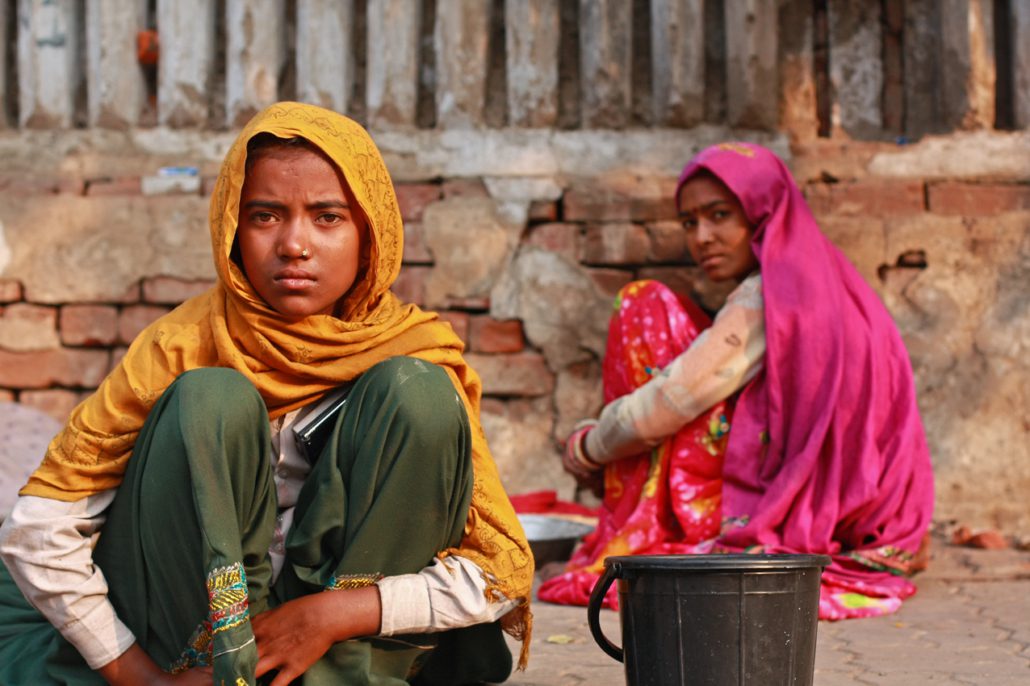
As COVID-19 forces the world into lockdown, people are scrambling to provide medical services and save toppling economies. The pandemic affects schools and workplaces and everyone is struggling to adjust to a new way of life. Amid all the chaos, the world is overlooking other issues. The pandemic’s effects on women, which are especially harsh, are buried underneath the plethora of other challenges. Two of the greatest issues women face are period poverty and domestic violence, both of which the pandemic exacerbates.

Period Poverty

Period poverty manifests in a lack of access to restrooms, sanitary products, education on menstrual hygiene and improper waste management. Now, with disrupted supply chains of period products, increased financial strain and lockdowns making it difficult to go out and purchase basic amenities, women are having a harder time than ever accessing these necessities. Forced to make do with what they have, women put themselves at risk of infections and diseases, including cervical cancer.

High costs and taxation are also major contributors to period poverty. In the United States, for instance, menstrual products are subject to tax in many states. Though just as important, menstrual products are taxed while other essentials, like food and medicine, are not. Only nine out of 50 states in the U.S. have policies against taxing menstrual products, a situation not unique to the U.S. Across the world, even without tax, the costs of products are too high for those living in poverty to afford. According to Days for Girls, more than 500 million females endure period poverty globally.

Fortunately, where legislation and policies fall short, nonprofit organizations and charities are stepping in. Groups distributing products to women in need include I Support the Girls and PERIOD. These organizations are also helping to raise awareness about the pandemic’s effects on women.

Domestic Violence

Increased domestic violence is another dire consequence of the pandemic. Due to stay-at-home orders, many women and children are stuck with their abusers. An estimation by the United Nations Population Fund predicts that six months of lockdowns will cause 31 million more cases of gender-based violence. According to the National Hotline on Combating Domestic Violence, calls increased by 25% during the first two weeks of quarantine. Lockdowns also make it difficult for survivors and victims of domestic abuse to receive the treatment and support necessary.

Fortunately, people have begun to take note of these issues. Actress Charlize Theron began a campaign, Together For Her, which is working to address the additional cases of gender-based violence resulting from the lockdowns around the globe. In an interview with Vogue in May 2020, Theron states that she is distributing funds from the Together For Her campaign to “shelters, psychosocial support and counseling, helplines, crisis intervention, sexual and reproductive health services, community-based prevention and advocacy work to address gender-based violence.”

More than 50 prominent female celebrities in the fields of film, sports, music and more have shown support for Theron’s campaign. Actress Mariska Hargitay has contributed to Together for Her and says about the movement, “As someone who has worked on gender-based violence issues for two decades, I am proud to join such a powerful group of women to shine a light on the challenges facing survivors of domestic violence — not just during this pandemic but every day.” Together for Her gives women a voice and unites them in the face of difficulty.

Moving Forward

COVID-19 affects lives around the world but has hit some groups harder than others, especially women. Global lockdowns have greatly amplified the issues of period poverty and domestic violence and women and children are more vulnerable than ever. Fortunately, organizations are working to address the pandemic’s effects on women, supplying menstrual products and giving support to those who need it. Moving forward, it is essential that these efforts continue. Though times are challenging, through the persistence and dedication of the people behind these movements, well-being can prevail.

– Alison Ding
Photo: Flickr
December 8, 2020
https://borgenproject.org/wp-content/uploads/borgen-project-logo.svg 0 0 Kim Thelwell https://borgenproject.org/wp-content/uploads/borgen-project-logo.svg Kim Thelwell2020-12-08 10:11:562022-03-30 06:40:35The Pandemic’s Effects On Women: Period Poverty and Domestic Violence
Global Poverty, Women and Children, Women and Female Empowerment, Women's Rights

5 Things to Know About Women’s Rights in Algeria

Women’s Rights in AlgeriaThe Algerian constitution states that all citizens are created equal, meaning there should not be discrimination based on “birth, race, sex, opinion or any other personal or social condition or circumstance.” This sounds ideal until one becomes aware that Algeria put a “family code” into place in the 1980s that would treat women as minors under the legal guardianship of their husbands and fathers. Algeria has made some changes to the code since its implementation. These changes are a result of years of activism and pressure on the government to allow women more rights, including the right to equality. Here are five facts about women’s rights in Algeria.
5 Facts About Women’s Rights in Algeria

  1. There is more equality for women in the job market. In February 2016, the government introduced an article that would prompt the state to work to attain equality in the job market. The article “encourages the promotion of women to positions of responsibility in public institutions and in business.” There are no legal restrictions on the professions women choose. However, according to the family code, the husband can revoke the wife’s career path if he does not agree with it. Some men would prefer women to choose more female-dominated career paths, such as health care and education.
  2. Some forms of domestic violence are criminalized. The government adopted amendments to the family code in December 2015 to protect women in the case of domestic violence. Assault on a spouse or former spouse can result in 20 years of imprisonment. Assaults resulting in death can have a consequence of life in prison. The amendment also criminalized sexual harassment in public spaces. This is a major win for women considering their violent and traumatic pasts. During Algeria’s civil war in the 1990s, known as the Black Decade, women became targets of extremists. Extremists especially targeted teachers, businesswomen, female drivers and women engaging in the public sphere. While some women would go missing, others would face rape or murder during that time. These amendments do not take away the brutal past, but it certainly is a step in the right direction.
  3. Women have more access to divorce and child custody. Despite new laws that would allow women increased access to divorce and child custody rights, women still find it difficult to divorce their husbands. Women need approval from the courts and have to meet certain criteria before initiating the divorce whereas men do not need justifications. On top of requiring the husband’s approval of the divorce, women also risk losing their property and assets if they decide to end the marriage.
  4. Many organizations are fighting for women’s rights in Algeria. There are 30 organizations in Algeria fighting women’s oppression. These organizations are a part of a network created by the Civil Society Collective for a Democratic Transition, which was a result of protests for women’s rights in 2019. Many of these organizations are led by women. One organization, in particular, Djazairouna, has been around since the mid-90s. This organization helped families affected by the Black Decade by providing moral, psychological and legal assistance to the victims. The organization’s members would also attend the funerals of victims. Traditionally, only men could attend funerals, but during the Black Decade, women began attending funerals as an act of protest. The women would state that it was not the victim’s fault for being caught in the crossfire but the extremists’ fault. Since the Black Decade, Djazairouna continued to pursue justice for the victims’ families.
  5. Women have an equal opportunity to hold public office. Many of the organizations fighting for women’s rights in Algeria have pushed for major legislation that would give women equality and greater political representation. In 2012, women held about 30% of seats in the government’s cabinet, and again, in 2014. Women also make up half of the judges, 44% of magistrates and 66% of justice professionals in lower courts.

Algeria has made significant progress in the realm of women’s rights. However, as the protests in 2019 prove, the nation must still progress toward increasing the representation and equality of women.

– Jackson Lebedun
Photo: Flickr

December 8, 2020
https://borgenproject.org/wp-content/uploads/borgen-project-logo.svg 0 0 Kim Thelwell https://borgenproject.org/wp-content/uploads/borgen-project-logo.svg Kim Thelwell2020-12-08 01:30:162022-03-30 05:15:455 Things to Know About Women’s Rights in Algeria
Global Poverty, Migration, Women and Children, Women and Female Empowerment

DouglaPrieta Works: A Self-Sufficiency Co-Op

DouglaPrieta Works
In many cases of migration, dangers from gangs and community violence force people to leave their homes. Migrants also tend to flee because of economic challenges and persecution. A few women in Mexico who were part of these forced removals did not want to move to a new country. It was important for these women to stay where their families, cultures and traditions existed despite difficulties like finding sustainable jobs in Mexico. As a result, they decided to move to Agua Prieta, Mexico and become a part of the family at DouglaPrieta Works.

The Beginning

DouglaPrieta Work is a self-help organization that women founded to help the poor. Specifically, the founders had the dream of procuring the means to stay in their home country through the creation of a self-sufficiency co-op. To fund this, the women sell handmade goods such as reusable bags, earrings, winter accessories, dolls and more. They sell these beautiful crafts throughout Agua Prieta, neighboring cities and even in the United States. Their efforts all center back to the main goal of promoting “a mutual-aid ethic among community members, with the goal of economic self-sufficiency.”

How it Works

The first step in economic security is education. The women at DouglaPrieta Works understand this and all self-teach. They work together to learn how to sew, knit, craft, cook and read. The women utilize these skills to then sustain themselves, their families and the co-op. To further support themselves, the group incorporated a farm next to their co-op. They use the fruits and vegetables they grow for cooking. The women encourage sustainable food security through culturally-appropriate foods based on the needs of the people in their community. The group also built a woodshop to craft furniture for the community to maximize the benefits of their surrounding resources. The co-op does not exclude the children in all of this work either. Oftentimes, their children learn the skills along with them and work with each other in school.

Actions

In 2019, they led an initiative where people in their town could donate canned goods and receive a handmade reusable bag in return. This program allowed the women of DouglaPrieta Works able to donate hundreds of canned goods to those in need. Additionally, they were able to provide reusable bags to the community in order to encourage limited plastic bag use to better the environment.

DouglaPrieta Works often provides migrants working at its co-op with funds to help them and their families survive the journey of migration. There is a nearby migrant shelter in Agua Prieta, C.A.M.E, to house the travelers. While at the co-op, many migrants work in the woodshop at AguaPrieta Works in exchange for meals, funds and friendship.

Students and groups interested in learning about the U.S./Mexico border are welcome to join the women at DouglaPrieta Works for a meal, as the women provide stories and information about the border. The power of education and inclusivity is a core value at DouglaPrieta Works.

Helping Out

Overall, incredible work is occurring in the town of Agua Prieta, Mexico. These women are sustaining themselves to stay in the country they call home and they are providing food, resources and work for migrants. Their children are able to learn and grow together, as well as eat healthy, organic meals from the garden. To learn more about the co-op, visit its website.

– Naomi Schmeck
Photo: Flickr

December 3, 2020
https://borgenproject.org/wp-content/uploads/borgen-project-logo.svg 0 0 Kim Thelwell https://borgenproject.org/wp-content/uploads/borgen-project-logo.svg Kim Thelwell2020-12-03 07:30:582024-05-30 07:52:44DouglaPrieta Works: A Self-Sufficiency Co-Op
Child Poverty, Global Poverty, Human Rights, Refugees, Refugees and Displaced Persons, Women and Children

How Militarism Drives Child Poverty in Eritrea

Child Poverty in Eritrea
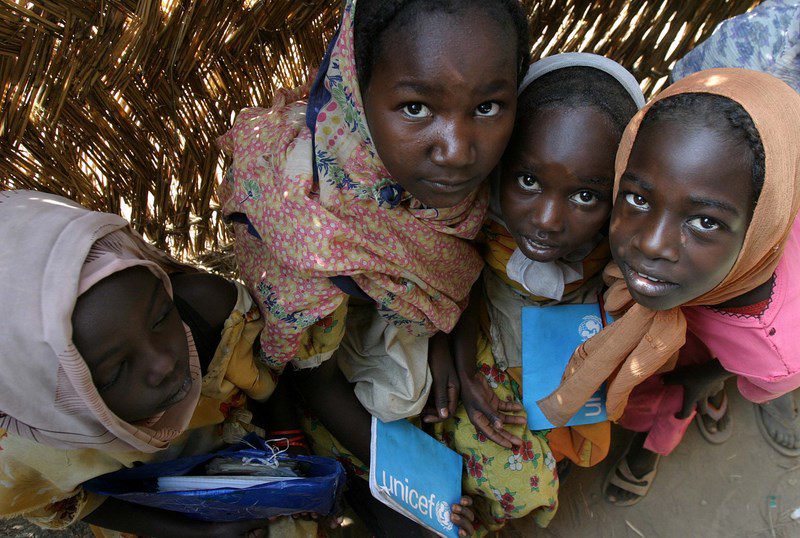
Militarism and instability are endemic to Eritrea. The degradation of civil society is a result of those two factors. Child poverty in Eritrea is rampant due to such foundations; however, the country is not without benefactors. UNICEF’s aid efforts are improving children’s health within Eritrea despite the current conditions.

A Brief History

Eritrea is one of the few countries that one can truly consider a fledgling state in the 21st century. After a decades-long secession war, the Eritrean government achieved full independence from Ethiopia in 1993. They solidified the totalitarian one-party dictatorship that has retained power since. A brief period of peace followed, during which promised democratic elections never materialized. Then, Eritrea’s unresolved border disputes with Ethiopia escalated into a war that lasted from 1998 to 2000. It killed tens of thousands and resulted in several minor border changes and only formally ended in 2018. In the wake of this war, the Eritrean government has sustained a track record of militarization, corruption and human rights violations that has continually degraded civil stability. As of 2004, around 50% of Eritreans live below the poverty line.

Eritrea’s Youth at a Glance

Housing around 6 million people, Eritrea’s youth make up a significant proportion of its population. Eritrea has the 35th highest total fertility rate globally, with a mean of 3.73 children born per woman. It also has the 42nd lowest life expectancy at birth at a mere 66.2 years, with significant variation between that of males (63.6 years) and females (68.8 years).

Forced Conscriptions of Children

Under the guise of national security against Ethiopia, Eritrea has maintained a system of universal, compulsory conscription since 2003. This policy requires all high school students to complete their final year of high school at Sawa, the country’s primary military training center. Many are 16 or 17 years of age when their conscription begins, which led the U.N. Commission of Inquiry to accuse Eritrea of mobilizing child soldiers.

The Human Rights Watch’s (HRW) report also blamed Eritrea’s conscription practices for a number of grievances. Its prolonged militarization has wide-reaching effects on the country. Many adults end up in service against their will for up to a decade, but it is particularly damaging to Eritrean youth. Students at Sawa face food shortages, forced labor and harsh punishment. Many female students have reportedly suffered sexual abuse. Besides fleeing, “Many girls and young women opt for early marriage and motherhood as a means of evading Sawa and conscription.”

Further, “The system of conscription has driven thousands of young Eritreans each year into exile,” HRW claimed. HRW estimated that around 507,300 Eritreans live elsewhere. Because of its conscription practices, Eritrea is both a top producer of refugees and unaccompanied refugee children in Europe, resulting in child poverty in Eritrea as well as other regions.

Education Access

HRW claims that Eritrea’s education system plays a central role in its high levels of militarization. It leads many students to drop out, intentionally fail classes or flee the country. This has severely undermined education access and inflated child poverty in Eritrea.

Eritrea currently has the lowest school life expectancy – “the total number of years of schooling (primary to tertiary) that a child can expect to receive” – of any country. Eritrea has reportedly made strides to raise enrollment over the last 20 years. However, 27.2% of school-aged children still do not receive schooling, and the country retains a literacy rate of only 76.6%. Illiteracy is much more prevalent among females than among males, with respective literacy rates of 68.9% and 84.4%. In general, girls and children in nomadic populations are the least likely to receive schooling.

Refugees and Asylum-Seekers

As mentioned earlier, more than half a million Eritreans have fled the country as refugees. Around one-third of them – about 170,000, according to the World Health Organization (WHO) – now live in Ethiopia. A majority reside in six different refugee camps. As of 2019, around 6,000 more cross the border each month. Reporting by the UNHCR shows that “children account for 44% of the total refugee population residing in the [Eritrean] Camps, of whom 27% arrive unaccompanied or separated from their families.” Far from being ameliorated by domestic education programs, child poverty in Eritrea is merely being outsourced to its neighbors.

Children’s Health as a Site for Progress

Adjacent to these issues, UNICEF’s programs have driven significant improvements in sanitation, malnutrition and medical access. Its Health and Nutrition programs, among other things, address malnutrition by administering supplements, preventing maternal transmission of HIV/AIDS during birth and administering vaccines. Teams in other departments improve sanitation and lobby against practices like child marriage and female genital mutilation.

In its 2015 Humanitarian Action for Children report on Eritrea, UNICEF wrote that Eritrea “has made spectacular progress on half the [Millennium Development Goals],” including “Goal 4 (child mortality), Goal 5 (maternal mortality), Goal 6 (HIV/AIDs, malaria and other diseases) and is on track to meet the target for access to safe drinking water (Goal 7).”

Figures illustrate this progress in child poverty in Eritrea. Since 1991, child immunization rates have jumped from 14% to 98%, safe water access rates are up at 60% from 7%, iodine deficiency has plummeted from 80% to 20% in children and the under-five mortality rate sits at 63 deaths per 1000 births, rather than at 148.

Child poverty in Eritrea is a far cry from reaching a resolution, but it is not a lost cause.

– Skye Jacobs
Photo: Flickr

December 3, 2020
https://borgenproject.org/wp-content/uploads/borgen-project-logo.svg 0 0 Lynsey Alexander https://borgenproject.org/wp-content/uploads/borgen-project-logo.svg Lynsey Alexander2020-12-03 01:30:332024-05-30 07:55:44How Militarism Drives Child Poverty in Eritrea
Global Poverty, Human Trafficking, Women and Children

Human Trafficking in the Dominican Republic

Human Trafficking in the Dominican Republic
Human trafficking is a crime that involves unfair labor practices and sexual misuse of adults and children. Human trafficking in the Dominican Republic is a big problem because of the popularity of the country as a tourist attraction. Some locals and foreign visitors look for the service of young women and children working in the area. A good number of women engaging in the activities are underage.

Female Victims of Human Trafficking

According to the 2019 Trafficking in Persons Report, the Dominican Republic is a Tier 2 country which means that the country does not fully comply with the requirements to end trafficking. For the Dominican Republic to go above and meet the standards that the U.S. Department of State has set, the country must be more aggressive in its efforts to convict more traffickers. Police need more training regarding how to deal with trafficking and work with children on the street.

In the illegal trafficking business, women make up more than half of the slave population globally. Human trafficking in the Dominican Republic involves women who are the victims of abuse and neglect while engaging in sexual exploitation. Women and young girls are the victims of corrupt traffickers and corrupt authority figures in the Dominican Republic who side with the illegal trade and business.

Human Trafficking in the Dominican Republic

Victims of trafficking frequently look for opportunities to become financially independent and make money for themselves or to support their families. Depending on the situation, some victims do not come from the best living environments and want to escape their families.

To combat this, the Dominican Republic has implemented a national anti-trafficking plan. The first one emerged in 2003 followed by a nationwide plan in 2006. The country has seen some success in its efforts to bring justice ever since. For example, the Dominican Republic’s first maximum sentence sent a trafficker to prison for 25 years.

The International Justice Mission

The International Justice Mission (IJM) is an organization that focuses on human rights and law. The mission of the organization is to eradicate forced labor. IJM has worked successfully with the Dominican authorities by bringing justice to the country. A sense of normalcy and stability has returned by removing the criminals in the communities where they were working. IJM provides lawyers to build a case against traffickers that uses testimonies from survivors.

IJM saves victims of trafficking by cracking down on crimes and reporting them to the Dominican police. Additionally, it offers to help survivors find safe living spaces. The victims of these crimes suffer physically and psychologically. The psychological effects of such harm manifest in the long term in the form of mental health issues. IJM has treatment plans in place for government agencies and local organizations that address health, counseling and personal development measures.

Looking Forward

The Dominican Republic has implemented solutions to combat human trafficking in the Dominican Republic. Organizations like IJM are necessary to improve life for survivors of trafficking while making the communities that the crime of trafficking most affects better. Victories are emerging and the good news is that some progress is better than none at all.

– Amanda Ortiz
Photo: Flickr
November 23, 2020
https://borgenproject.org/wp-content/uploads/borgen-project-logo.svg 0 0 Jennifer Philipp https://borgenproject.org/wp-content/uploads/borgen-project-logo.svg Jennifer Philipp2020-11-23 11:42:022020-11-24 11:42:16Human Trafficking in the Dominican Republic
COVID-19, Global Poverty, Women and Children

Women Fight COVID-19 in Rohingya Refugee Camps

Rohingya refugee campsLow-income areas with a high population density are at the highest risk of contracting the coronavirus. This threat is very prevalent in the Rohingya refugee camps, especially for women and girls.
The Issue

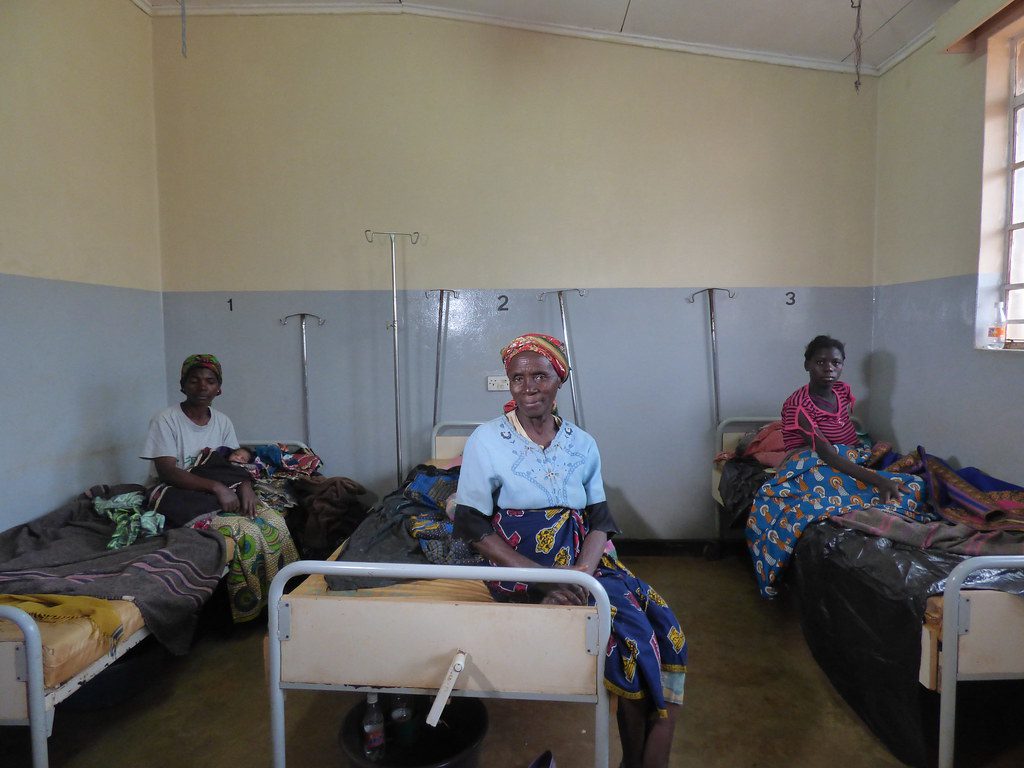
Currently in Bangladesh, there are over 860,000 Rohingya refugees living in camps. The Rohingya people, a minority ethnic group from Myanmar, are fleeing from genocidal violence, persecution, discrimination and human rights violations. The Rohingya face violence because they mainly practice Islam while the majority of Myanmar is Buddhist. The large mass of people fleeing into Bangladesh has caused the refugee camps to become immensely populated. The result is overcrowding, only temporary shelter, communal bathrooms and water facilities and limited food space.

Overcrowding and limited space in refugee camps result in the Rohingya having an especially high risk of contracting COVID-19. Currently, the best way to prevent the spread of this disease is to social distance, wear masks and increase testing. However, the Rohingya refugees do not have the space or resources to do this. As of June 2020, there were four deaths and 45 confirmed cases within the Rohingya refugee population. However, because there is a huge lack of testing, these numbers are most likely not accurate. The hospitals in city centers no longer have resources themselves to treat any more people. As such, many infected Rohingya aren’t being accepted.

How Women are Fighting Back

Oxfam, an NGO fighting poverty, traveled to the Rohingya refugee camps to help build better water, sanitation and hygiene stations. This includes systems like water taps and hand washing stations, which could be potential risk areas for disease spreading. When designing the new water and sanitation facilities, Oxfam interviewed many girls and women to hear their thoughts. The women and girls contributed to design aspects like how the stations should stand, where hooks should go, and even suggested a mirror. All of the expertise given by those Rohingya women and girls has spread to other camps. Now 300 hand-washing and water stations are implemented in three different refugee camps.

Women also have taken on the important role of spreading information and discounting myths surrounding COVID-19 in the refugee camps. One woman, Ashmida Begum, walks around the camp dispelling myths. Begum explained that she uses the Quran to help explain the virus and disease prevention. She mainly helps other women and children who are a large majority of Rohingya refugee camps. Misinformation has led Bangladesh to lift internet restrictions on the Rohingya refugees. The barriers were originally in place to quell panic and stop rumors. Instead, rumors and myths spread and local women like Begum worked to stop them.

Why Women

Women have been so effective in helping the refugee camps because the local people trust them. They have special access in reaching other women, who normally do not leave their homes often and do not have internet.

Women are traditionally the primary caregiver of the family, so they especially need to be healthy and informed to keep the rest of the family safe. This is also why women’s input is needed in the sanitation and water stations; women will be using them the most.

Impacts of this Work

The work that the women and girls of Rohingya refugee camps have impacts beyond fighting COVID-19. Oxfam reports that the design process helped girls take a more active role in their own lives. They were able to think and speak for themselves.

The rise in panic and social tensions in the camps resulted in a rise in domestic violence and violence against women. Rohingya women stepped into leadership roles and formed networks to help combat that panic around the virus to counter the gender-based attacks.

The work done by the women in Rohingya refugee camps to fight COVID-19 is helping to increase cleanliness and knowledge about the virus. They are slowing the spread of the virus and giving women and girls a way to be leaders in their communities.

– Claire Brady
Photo: Flickr

November 13, 2020
https://borgenproject.org/wp-content/uploads/borgen-project-logo.svg 0 0 Kim Thelwell https://borgenproject.org/wp-content/uploads/borgen-project-logo.svg Kim Thelwell2020-11-13 12:30:442020-11-10 10:25:06Women Fight COVID-19 in Rohingya Refugee Camps
Global Poverty, Health, Women and Children

Addressing Healthcare Worker Emigration

healthcare worker emigrationThe emigration of skilled healthcare workers from developing countries to higher-income nations has significantly impacted the healthcare systems of the countries these workers leave behind. The quantity and quality of healthcare services have declined as a result of healthcare worker shortages. While there is still incredible room for growth, recent governmental strategies have incentivized healthcare workers to work in their home countries.
Why Is Healthcare Worker Emigration a Problem?

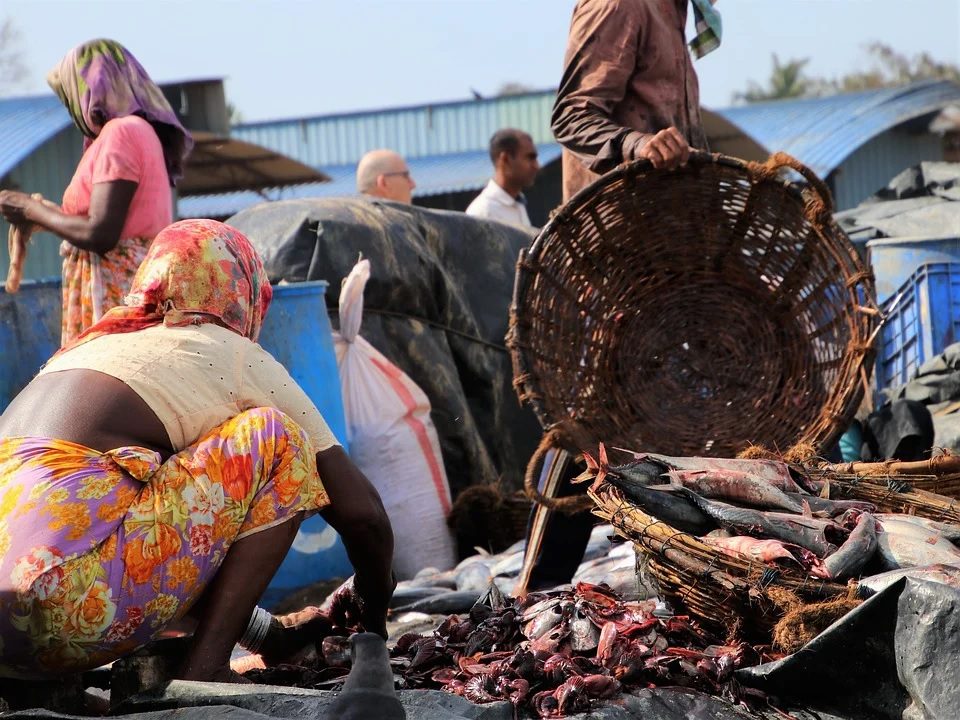
When healthcare workers emigrate, they leave hospitals in developing countries without enough skilled workers. Lower-income countries are likely to carry a greater amount of the global disease burden while having an extremely low healthcare staff to patient ratio. For example, sub-Saharan Africa only has 3% of all healthcare workers worldwide, while it carries 25% of the global disease burden. In many African countries with severe healthcare worker emigration, like Lesotho and Uganda, hospitals become overcrowded. Furthermore, hospitals cannot provide proper treatment for everyone due to the lack of skilled workers.

This directly affects the quality of care patients receive in countries with high healthcare worker emigration. Newborn, child and maternal health outcomes are worse when there are worker shortages. When fewer workers are available, fewer people receive healthcare services and the quality of care worsens for populations in need.

Why Do Healthcare Workers Emigrate?

The emigration of doctors, nurses, and other skilled healthcare workers from developing countries occurs for a number of reasons. The opportunity for higher wages elsewhere is often the most important factor in the decision to emigrate. Additionally, healthcare workers may migrate to higher-income nations to find political stability and achieve a better quality of life. The rate of highly skilled worker emigration, which has been on the rise since it was declared a major public health issue in the 1940s, has left fragile healthcare systems with a diminished workforce.

Moreover, the United States and the United Kingdom, two of the countries receiving the greatest numbers of healthcare worker immigrants, actively recruit healthcare workers from developing countries. These recruitment programs aim to combat the U.S. and U.K.’s own shortages of healthcare workers. Whether or not these programs factor into workers’ migration, both the U.S. and the U.K. are among the top five countries to which 90% of migrating physicians relocate.

Mitigating Healthcare Worker Emigration

The World Health Organization suggests that offering financial incentives, training and team-based opportunities can contribute to job satisfaction. This may motivate healthcare workers to remain in the healthcare system of their home country. Some developing countries have implemented these strategies to incentivize healthcare professionals to remain in their home countries.

For example, Malawi faced an extreme shortage of healthcare workers in the early 2000s. Following policy implementation addressing healthcare worker emigration, the nation has seen a decrease in the emigration rate. Malawi’s government launched the Emergency Human Resources Program (EHRP) in 2004. This program promoted worker retention through a 52% salary increase, additional training and the recruitment of volunteer nursing tutors and doctors. 

In only five years after the EHRP began, the proportion of healthcare workers to patients grew by 66% while emigration declined. Malawi expanded upon this program in 2011 with the Health Sector Strategic Plan. Following this plan, the number of nurses in Malawi grew from 4,500 in 2010 to 10,000 in 2015. Though the nation still faces some worker shortages, it hopes to continue to address this with further policy changes.

Trinidad is another a country that has mitigated the challenges faced by the emigration of healthcare workers. Trinidadian doctors who train in another country now get government scholarships to pay for their training. However, these scholarships rest on the condition that they return home to practice medicine for at least five years. Such a financial incentive creates a stronger foundation for healthcare professionals to practice in their home country.

A Turn Toward Collaboration

A recent study determined that the collaboration of nurses, doctors and midwives significantly decreased mortality for mothers and children in low-income countries. As developing countries work toward generating strategies to manage the emigration of healthcare workers, a team-based approach can improve the quality of healthcare. When there are shortages of certain kinds of health professionals in remote areas, family health teams composed of workers in varying health disciplines can collaborate to provide care. 

Improving working conditions and providing both financial and non-financial incentives to healthcare professionals in developing countries not only benefits workers and the patients, but the nation’s healthcare infrastructure as a whole. An increase in the number of skilled healthcare workers in developing countries gives people there the opportunity for a better life.

– Ilana Issula
Photo: Flickr

October 19, 2020
https://borgenproject.org/wp-content/uploads/borgen-project-logo.svg 0 0 Jennifer Philipp https://borgenproject.org/wp-content/uploads/borgen-project-logo.svg Jennifer Philipp2020-10-19 07:30:202024-05-30 07:52:14Addressing Healthcare Worker Emigration
Child Poverty, Children, Global Poverty, Hunger, Women and Children

Japanese Children in Poverty

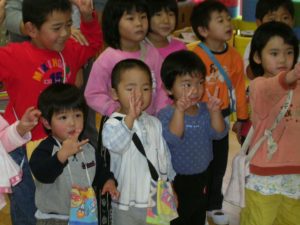
Japanese Children in PovertyThe children of Japan face a unique and difficult kind of poverty. Around 3.5 million children age six through 17 live below the poverty line in one of Asia’s wealthiest countries. Struggles arising from the 2008 financial crisis and rising inequality have put many parents in precarious situations where they struggle to feed their families. Only around 200,000 of the 3.5 million Japanese children in poverty receive necessary government assistance to help them get by. These issues have created a pressing issue in Japan that demands a greater government response and more opportunities for mothers.
Children’s Cafeterias

Japanese kids can get free or reduced-cost warm meals at children’s cafeterias. The cafeterias have become increasingly popular as childhood poverty continues to drastically increase in the country. While there were originally around 21 operating cafeterias in 2013, over 300 opened in the following four years.

Unfortunately, due to the COVID-19 outbreak, many of these cafeterias have been temporarily closed, leaving many children hungry. As both COVID-19 and child poverty have continued to worsen, even the Japanese Imperial Couple has been briefed on the issue, serving as a testament to its significance in modern Japanese culture. The Imperial Couple was told around 40% of programs that support providing meals to these children have been adjourned due to the COVID-19 outbreak.

Traditional Family Structure Hinders Single Mothers

Many of these children’s parents are single mothers. In general, Japan is unsupportive of single mothers and offers very little additional support to this demographic. Japan’s traditional family structure usually designates a father, or man of the house, as the breadwinner. Meanwhile, mothers stay at home to care for the children. As divorce rates have risen in recent years, many mothers are forced to return to a workforce that has changed a great deal since they had been in it. Others, never having been part of the Japanese workplace, have struggled further.

Traditional Japanese societal norms typically encourage single-income houses. For instance, the Japanese tax system favors single-income houses. Many Japanese businesses will provide bonuses to men whose wives stay at home. On top of that, a significant wage gap exists, with Japanese women earning roughly 30% less than men. There is also the practice of lifetime employment, by which many Japanese men are pulled straight out of college or university and brought into a company where they are expected to work until retirement. These factors hinder the opportunities available to single mothers and limit the progress that can be made in addressing child poverty.

A Slow Response from National and Local Government

Japan’s government has made slow strides towards helping its children in poverty. In 2019, the government amended a 2013 law focused on child poverty. The amendment was made to encourage local governments, not just the national government, to develop safety nets for children living in low-income situations. Local governments have a deeper an understanding of their citizens’ needs, so they can develop more targeted solutions in tackling poverty.

The deck is stacked against Japanese children in poverty. Many have struggling mothers who are busy trying to earn a living wage in a society where women are expected to stay home. Government support for Japanese children in poverty has been lackluster. Charity cafeterias are some of the only places these kids can get stable meals. The COVID-19 crisis seems to only be aggravating the desperate situation. In such a wealthy country, children in poverty face deeply entrenched struggles and their government is barely helping them.

– Tara Suter
Photo: Pixabay

September 9, 2020
https://borgenproject.org/wp-content/uploads/borgen-project-logo.svg 0 0 Kim Thelwell https://borgenproject.org/wp-content/uploads/borgen-project-logo.svg Kim Thelwell2020-09-09 12:03:192020-09-09 12:03:19Japanese Children in Poverty
Education, Global Poverty, Women and Children, Women's Empowerment

5 Ways to Improve Intergenerational Poverty

Ways to Improve Intergenerational Poverty
Intergenerational poverty is the relentless cycle in which poverty is passed down from one generation to the next, indicating that impoverished parents have impoverished children. This cycle occurs because of the lack of resources that poor citizens receive, such as inadequate healthcare and education. The most salient way to prevent the progression of intergenerational poverty is to invest in helping impoverished children around the world. Children who grow up in poverty are significantly more likely to have low incomes later in life compared to children who do not fall below the poverty line. However, providing support for impoverished children is not enough to improve intergenerational poverty. It is imperative to also invest in women’s rights as their parental contributions have a major impact on children and their future societal status. By providing resources and support to impoverished women and children, we can help stop the vicious cycle of intergenerational poverty and promote a more just, sustainable world.

5 Tangible Ways to Improve Intergenerational Poverty

  1. Provide more educational opportunities for poor women and children. Education is a major factor in improving intergenerational poverty as it enables greater social mobility. For instance, each year of college equals a 10% annual income increase compared to individuals who did not attend college, according to the American Enterprise Institute. Additionally, education and schooling teaches children to be independent but also encourages children to form important social connections. These connections would help provide impoverished individuals with more opportunities and resources to improve their social standing. Some educational interventions that would improve intergenerational poverty include investing in free and accessible preschool programs, providing free childhood interventions for low-income homes, and designing scholarships specifically for impoverished students.
  2. Encourage women to own assets. Another trigger for upward social mobility is owning assets. Asset ownership helps improve intergenerational poverty as it is an important investment that will provide future generations with an inheritance, automatically improving their social ranking and economic worth. The most valuable asset in low-income countries is land. However, “women hold only 1-2% of individually titled land,” which limits their agency and well-being. Therefore, it is important to support public policy interventions that enable poor populations to accumulate and preserve assets, as the transfer of assets to future generations will help to improve intergenerational poverty. Some specific policy interventions to promote female asset ownership include supporting the co-registration of land by both spouses, improving access to legal services, and reforming marriage laws so women receive a share of assets and inheritance.
  3. Support social protection for impoverished women and children. When an unexpected shock or crisis occurs, poor women and children are the most vulnerable in society as they do not have adequate resources to respond to the shock. For instance, when spouses get divorced, women often lose housing and other productive assets, and they are unable to provide for their children. As a result, it is very common for women who are experiencing downward mobility to withdraw their child from school which has lasting impacts on their career and societal status. Some examples of social protection measures for women and children include disability grants, access to healthcare, social pensions and child support grants.
  4. End discrimination and empower women. Many countries and cultures still consist of largely gendered and discriminatory societal norms. Fighting back against discrimination and promoting women’s empowerment has significant consequences for intergenerational poverty as it increases the number of resources and supports a mother provides for her child, and it improves the child’s well-being. Sexism is a deep-rooted societal issue that requires intense and drastic collaborative interventions to be resolved. Although they do not fix the issue, the following short-term solutions would empower women and improve intergenerational poverty by promoting equality. The solutions include organizing initiatives with men to promote equal parenting practices, providing more income-earning opportunities for women, and granting women access to financial services without having to receive permission from their husbands.
  5. Support programs and policies that promote good health, nutrition and sanitation practices. The health status of mothers has huge implications on the societal and health status of their children. This correlation needs to be addressed as children’s health is directly related to their social and cognitive development. For example, many impoverished children perform poorly in school due to their delayed development, which prevents them from receiving high-paying jobs, and as a result, continues the cycle of intergenerational poverty. Some specific policies that address global health issues and would improve intergenerational poverty include providing free healthcare for children under 5 years old, fee exemptions for low-income homes, supplementary nutrition for pregnant mothers, and providing free contraceptives and advice to women around the world. By promoting beneficial health practices, women are more likely to teach those practices to their children which will help to prevent illnesses, promote healthy development, and hopefully improve economic standing.

In order to address the intergenerational transmission of poverty, we must first acknowledge the societal norms that are contributing to the vicious cycle. By counteracting the suppressive standards with progressive policies, children are better able to escape poverty and contribute to the world economy.

– Ashley Bond
Photo: Pixabay

August 20, 2020
https://borgenproject.org/wp-content/uploads/borgen-project-logo.svg 0 0 Kim Thelwell https://borgenproject.org/wp-content/uploads/borgen-project-logo.svg Kim Thelwell2020-08-20 07:43:022020-08-20 21:17:475 Ways to Improve Intergenerational Poverty
Global Poverty, Women and Children, Women's Empowerment, Women's Rights

The Pangea Network: Supporting Women Entrepreneurs

The Pangea NetworkAround the world, women are disproportionately affected by poverty. Kenya is one place where gender issues and poverty go hand in hand. Over 35% of the Kenyan population lives below the poverty line, and women, children and the elderly are most at risk. However, as poverty and inequality increase, so does the movement to help change the tides in Kenya. Nicole Minor learned of Kenya’s struggles and set out to change the lives of women throughout the country. The Pangea Network, a non-profit organization focused on empowering women in Kenya, was born.

Poverty in Kenya

Kenya has a population of more than 50 million, with over 17 million currently living in poverty or extreme poverty — on less than $1.90 a day. However, poverty in the country is steadily decreasing, falling from 43% in 2003 to 36% in 2016. And although poverty in Kenya remains a significant problem, the country has a lower overall poverty rate than most sub-Saharan countries. Kenya’s GDP continues to rise by approximately 5% annually, which is an impressive feat. Despite these facts, however, Kenya is unlikely to reach the goal of eradicating poverty by 2030 without new poverty reduction policies and faster growth rates.

Women in Kenya

In Kenya, women and girls are most vulnerable to poverty. One notable gap between men and women is in education. Of those in Kenya that earn higher education, approximately 30% are women — despite government policies that ensure gender equality in education. One reason for this is that women in Kenya have traditionally been relegated to the domestic sphere and lack opportunities for attending university, which can limit job prospects.

Despite the hardships they face, women are fighting back against gender inequality and poverty through enterprise and entrepreneurship. That’s where the Pangea Network comes in.

What is the Pangea Network?

The Pangea Network is a nonprofit organization focused on “empowering motivated individuals” with “knowledge, skills and an ongoing network of support in order to achieve their dreams and make positive, life-changing contributions in the communities where they live.” The organization’s founder, Nicole Minor, began creating the framework for the Pangea Network in 2005 in an effort to dedicate herself to social service. Today, the Pangea Network is an international organization that operates in Kenya and the United States.

How it Works: The Kenyan Women’s Network

The Pangea Network operates a four-year course called the Kenyan Women’s Network, which teaches participants a variety of skills intended to guarantee their future success. Some practical skills that participating women may learn include bookkeeping, financial literacy and micro-financing; women can also learn about issues like human rights, wellness and personal development.

The ultimate goal of the Kenyan Women’s Network is to enable participants to develop and grow their own businesses, which will generate profit and allow them to become financial providers for their households. Women who participate receive loans from the Pangea Network, allowing them to fully develop and expand their enterprises.

Impact

The Pangea Network has had a huge impact throughout its years in action. For those participating in the Kenyan Women’s Network, the average weekly income rose by almost 40% between 2015 and 2018. Over 560 different businesses founded by participants have grown in size and revenue, 45 of which began only with help from the Pangea Network. Furthermore, almost 200 women have received animal husbandry and livestock training; nearly 400 women have received first aid training; and more than 60% of Kenyan women who participate in the program report that they are their family’s primary source of income.

Beyond the Women’s Network, the Pangea Network provides scholarships for school-aged children in Kenya. It also sponsors boys’ and girls’ retreats focused on empowering children and providing them with both skills and a love of learning.

The Pangea Network is an inspiring organization dedicated to empowering Kenyan women and equipping them to succeed. Participants in the Women’s Network are hardworking, driven and well-deserving of the tools they are given to start or grow their own businesses. The Pangea Network is not only providing these women with hope, but it is also helping to close the gender gap and fight poverty in Kenya.

– Paige Musgrave
Photo: Pixabay

August 19, 2020
https://borgenproject.org/wp-content/uploads/borgen-project-logo.svg 0 0 Kim Thelwell https://borgenproject.org/wp-content/uploads/borgen-project-logo.svg Kim Thelwell2020-08-19 15:00:222020-08-19 13:54:47The Pangea Network: Supporting Women Entrepreneurs
Page 5 of 7«‹34567›»

Get Smarter

  • Global Poverty 101
  • Global Poverty… The Good News
  • Global Poverty & U.S. Jobs
  • Global Poverty and National Security
  • Innovative Solutions to Poverty
  • Global Poverty & Aid FAQ’s
Search Search

Take Action

  • Call Congress
  • Email Congress
  • Donate
  • 30 Ways to Help
  • Volunteer Ops
  • Internships
  • Courses & Certificates
  • The Podcast
Borgen Project

“The Borgen Project is an incredible nonprofit organization that is addressing poverty and hunger and working towards ending them.”

-The Huffington Post

Inside The Borgen Project

  • Contact
  • About
  • Financials
  • President
  • Board of Directors
  • Board of Advisors

International Links

  • UK Email Parliament
  • UK Donate
  • Canada Email Parliament

Get Smarter

  • Global Poverty 101
  • Global Poverty… The Good News
  • Global Poverty & U.S. Jobs
  • Global Poverty and National Security
  • Innovative Solutions to Poverty
  • Global Poverty & Aid FAQ’s

Ways to Help

  • Call Congress
  • Email Congress
  • Donate
  • 30 Ways to Help
  • Volunteer Ops
  • Internships
  • Courses & Certificates
  • The Podcast
Scroll to top Scroll to top Scroll to top