• Link to X
  • Link to Facebook
  • Link to Instagram
  • Link to TikTok
  • Link to Youtube
  • About
    • About Us
      • President
      • Board of Directors
      • Board of Advisors
      • Financials
      • Our Methodology
      • Success Tracker
      • Contact
  • Act Now
    • 30 Ways to Help
      • Email Congress
      • Call Congress
      • Volunteer
      • Courses & Certificates
      • Be a Donor
    • Internships
      • In-Office Internships
      • Remote Internships
    • Legislation
      • Politics 101
  • The Blog
  • The Podcast
  • Magazine
  • Donate
  • Click to open the search input field Click to open the search input field Search
  • Menu Menu

Archive for category: Women and Children

Global Poverty, Human Rights, Women and Children

Child Human Rights Defenders in Brazil

Child Human Rights Defenders in BrazilFounded in 1991, the Committee on the Rights of the Child oversees the implementation of the Convention on the Rights of the Child. The Convention’s Preamble advocates for raising children in a spirit of peace, dignity, tolerance, freedom, equality and solidarity. Every two years in Geneva, the Committee conducts a Day of General Discussion (DGD) focusing on children’s issues related to the Convention on the Rights of the Child. Child Human Rights Defenders play a significant role in these discussions. The Defenders bring attention to the practical applications of the Convention in their lives and communities.

2018 Day of General Discussion Focus

In 2018, the Committee on the Rights of the Child’s Day of General Discussion (DGD) centered on protecting and empowering children as human rights defenders. This first global discussion in 2018 significantly raised awareness and understanding of the roles and activities of child human rights defenders. It established a clear definition of a child human rights defender and laid the groundwork for state obligations under the Convention on the Rights of the Child regarding these defenders. In addition, this 2018 initiative marked a phenomenal achievement: 60 children attended the DGD in person. It also featured the online participation of more than 800 individuals worldwide. The efforts of the DGD brought to light the experiences of children serving as human rights defenders.

Child Human Rights Defenders in Brazil

According to Child Human Rights Defenders (CHRDs), a child human rights defender is a child who takes action to promote, protect and fulfill human rights, including children’s rights.

  • Camila Moradia. A recipient of the Front Line Defenders Award for Human Rights Defenders at Risk in the Americas region in 2021, has been a child human rights defender in Brazil since she was 5 years old. Camila joined her mother in advocating for women’s rights and participated in social projects developed by the State Government of Rio de Janeiro. She also championed housing rights in the Alemão complex, advocating for 1,300 families. In 2015, she founded Women in Action in Alemão (MEAA). MEAA’s mission focuses on ending violence against women, empowering women and their families, strengthening their autonomy and ensuring basic rights. Additionally, the organization has successfully supported more than 400 women in Complexo do Alemão, a slum in Rio de Janeiro.
  • Gabriel. A 16-year-old child human rights defender emphasizes the absence of effective addressal of violence within schools. The pressure on children to sit, listen and remain silent diminishes the participation of children. This leads to the systematic absence of incorporating human rights education in the school curricula. 
  • Melissa. A 17-year-old child human rights defender highlights the importance of digital media for communicating useful information. Young individuals gather together to discuss matters concerning public policy-making. These discussions allowed these child human rights defenders in Brazil to highlight the need for new hospitals and to increase the employment of new teachers. This good practice provides feedback to the Government in Brazil from child human rights defenders in Brazil.
  • Mary Lawlor. The U.N. Special Rapporteur on the situation of human rights defenders, during her official country visit to Brazil, recognizes the gross violations against human rights defenders in Brazil. Human rights defenders in Brazil seeking dignity and pursuing justice are subject to denial and destruction. Mary Lawlor commends them on the level of resilience and solidarity that these human rights defenders show despite facing extreme violence and inequality.

Support for Child Human Rights Defenders in Brazil

Set up in 1983, Child Rights Connect has played an instrumental role in influencing child rights developments across the world. Some of its notable achievements include the participation of more than 200 children, child rights experts and practitioners, 74% being girls and women, to assess the obstacles faced by child rights movements and how to tackle these ongoing challenges. 

Child Rights Connect has empowered children worldwide to actively report to the U.N. Committee on the Rights of the Child. Additionally, 93% of civil society actors have reported that the technical assistance provided by Child Rights Connect has been extremely useful in connecting them with human rights mechanisms.

Contribution of the Alana Institute

The Alana Institute aims to create an equal, inclusive and plural world for children and established the Alana Center in 1994. Over the past 27 years, the center has actively engaged with local government and community stakeholders to focus on the development of children and families. This involvement, along with investments in socio-economic and geographic studies and collaborations with social actors such as residents and public agencies, has significantly improved the quality of life in the community.

Child Rights Connect and the Alana Institute have joined hands to improve the situation of child human rights defenders in Brazil. Empowering child human rights defenders in Brazil, engaging in a safe and sustainable promotion of human rights, engaging with the concerned authorities for effective recognition and providing support for the work of the child human rights defenders in Brazil is of principal focus.

Looking Ahead

The 2018 Day of General Discussion by the Committee on the Rights of the Child significantly raised awareness about child human rights defenders. Additionally, discussions defined their roles and the state’s obligations under the Convention on the Rights of the Child. Efforts by organizations like Child Rights Connect and the Alana Institute in Brazil highlight the ongoing commitment to empower these young defenders. Through initiatives that support education, digital communication and policy feedback, these organizations are helping children advocate for their rights and improve their communities.

– Caren Thomas

Caren is based in Dubai, UAE and focuses on Good News and Technology for The Borgen Project.

Photo: Flickr
July 15, 2024
https://borgenproject.org/wp-content/uploads/borgen-project-logo.svg 0 0 Precious Sheidu https://borgenproject.org/wp-content/uploads/borgen-project-logo.svg Precious Sheidu2024-07-15 01:30:422024-07-15 01:00:13Child Human Rights Defenders in Brazil
Global Poverty, Health, Women and Children

The Traditional Midwives of Ecuador

The Traditional Midwives of EcuadorIn the Amazonian regions of Ecuador, traditional midwives receive formal medical training and modern equipment to overcome the challenges posed by geographic isolation in rural communities. This integration of ancestral knowledge with contemporary medical practices enhances prenatal care, boosting the midwives’ abilities and encouraging rural residents to seek medical assistance when needed.

Geographical and Economic Challenges

The geographic isolation of rural areas in Ecuador often makes it difficult for residents to access hospitals. Approximately 36% of Ecuadorians, more than 6 million people, reside in these rural regions where 43% live below the poverty line. These areas are notably underserved, with 86% of public and 96% of private medical practices located in urban areas. Consequently, many pregnant women in these rural areas lack access to formal medical assistance during pregnancy.

The Role of Traditional Midwives in Prenatal Care

Traditional midwives in Ecuador, notably the Kichwa women in the Archidona region, are crucial for prenatal care and childbirth. Many inhabitants of the Ecuadorian Amazon lack formal education, with a 6% illiteracy rate among the rural population, which may limit their awareness of modern medical practices. By integrating traditional and modern medical approaches, this strategy can potentially alleviate skepticism about vital care and encourage more Ecuadorians to seek formal medical services, ultimately aiming to lower maternal and newborn mortality rates.

Empowering Midwives through AMUKAPIN

Despite the cultural significance of their services, Ecuador’s traditional midwives have observed a lack of recognition and inequality in the formal health care system. To address these ongoing challenges, these women established the Association of Kichwa Midwives of the Upper Napo (AMUKAPIN). Mamma Ofelia, the association’s president, has stated that they are often dismissed as “silly women” rather than acknowledged as legitimate caregivers. In the Archidona region of the Amazon, where 30% of deliveries occur at home, the necessity of these midwives is evident, as many women lack hospital access. The establishment of AMUKAPIN has started to garner recognition for its essential role in providing health care in rural Ecuadorian communities.

Training and Recognition by Health Organizations

Since 2021, the Pan American Health Organization (PAHO) has been enhancing the skills of Ecuador’s traditional midwives to boost prenatal care in the country’s most remote areas. Recognizing that midwives understand the risk factors for birth complications, PAHO has supplemented their traditional methods with medical knowledge and equipment. This initiative equips them with tools like stethoscopes and precise measuring tapes, enhancing their ability to monitor pregnancies while respecting cultural practices. Bremen De Mucio, PAHO’s Regional Advisor on Maternal Health, emphasizes the importance of trust and the integration of modern medical practices with traditional methods, which has proven successful in bridging the gap between traditional and modern health care in Ecuador.

Emergency Response and Cultural Integration

The women of AMUKAPIN, an organization of Amazonian midwives, have embraced cooperation with formal medical institutions. In cases of emergency or severe pregnancy complications, these midwives now organize ambulance services to transport mothers to hospitals. This improved response stems from their enhanced medical knowledge and a recognition of the importance of professional care in critical situations.

The integration of traditional and modern medical practices has brought numerous advantages to Ecuador’s rural communities. Previously, the contentious relationship between these two approaches often left patients confused and skeptical, sometimes deterring them from seeking necessary hospital care. The blending of these practices has lessened these issues, particularly for those in remote areas, fostering greater trust in the nation’s medical services. In Otovalo, traditional midwives can now accompany mothers into delivery rooms, enhancing their comfort and encouraging more hospital births, which could lead to lower maternal and infant mortality rates in Ecuador.

Looking Ahead

The integration of traditional and modern medical practices in Ecuador’s Amazonian regions has significantly improved prenatal care. This collaboration not only enhances the skills of traditional midwives but also fosters greater trust in formal medical services among rural residents. With continued support and training, these ongoing initiatives aim to reduce maternal and infant mortality rates, ensuring better health care outcomes for Ecuador’s remote communities.

– Ben Kane

Ben is based in London, UK and focuses on Global Health for The Borgen Project.

Photo: Flickr

July 6, 2024
https://borgenproject.org/wp-content/uploads/borgen-project-logo.svg 0 0 Precious Sheidu https://borgenproject.org/wp-content/uploads/borgen-project-logo.svg Precious Sheidu2024-07-06 01:30:332024-07-04 05:22:44The Traditional Midwives of Ecuador
Gender Equality, Global Poverty, Women & Children, Women and Children, Women's Empowerment, Women's Rights

5 Organizations Empowering DRC Women

Empowering DRC Women
The Democratic Republic of the Congo (DRC) is a country in Central Africa that is rich in resources but still remains incredibly poor. A severe food crisis stems from government instability. In addition, violent armed groups often launch attacks and assaults on women and children. Luckily, there are several organizations empowering DRC women. This article takes a look at five of those organizations.

Severe Conditions for DRC Women

In 2018, more than 35% of women between the ages of 15-49 years reported being sexually or physically abused by an intimate partner. Further, almost 30% of girls under the age of 18 have been married or forced into a union. Finally, 70% of both women and men face food insecurity as well.

Here are five organizations that are combating these severe conditions and are actively empowering DRC women.

Kvinna till Kvinna Foundation

The Kvinna till Kvinna Foundation is an international organization that has been empowering DRC women since 2009. It calculates that 60% of women in the DRC live below the poverty line and have extremely low levels of political participation. The organization works to gain respect for women’s rights and end discriminatory gender practices. Kvinna till Kvinna helps women participate in learning exchanges that provide education and economic empowerment. It also helps finance certain activities of the Rien Sans les Femmes (Nothing Without Women) movement, a collaboration of Congolese women’s rights activists.

By supporting smaller partner organizations in the DRC, Kvinna till Kvinna has definitively lowered gender-based violence against women and has boosted political participation for DRC women. For example, the partner organization AFEM (Association des Femmes des Médias du Sud Kivu) is a collaboration of female journalists. It uses a radio station, Mama Radio, as its platform to empower DRC women.  Mama Radio caught on and AFEM was able to report reduced violence against women.

AFEM coordinator Julienne Baseke noted, “Thanks to Mama Radio, we have been able to break the silence on sexual violence, people are better informed and sexual and reproductive health issues are no longer taboo. The authorities are also held accountable on sexual violence issues and the media are mobilized on violence issues.”

Women for Women International

Women for Women International empowers DRC women in numerous ways. Since 2004 it has supported more than 106,000 Congolese women. Its most recent impact evaluation reports increased access to credit, savings and assets.  Second, it reports an increase in women’s ability to pursue entrepreneurship. Finally, it shares that women are benefitting from improved diets and mental health access. In 2022, 256 women received advocacy training in land titling. It also expanded upon its health insurance projects which were able to reduce fees for women and their families by around 50%.

Women’s Peace and Humanitarian Fund (WPHF)

WPHF is an international organization that helps empower grassroots organizations to help women become more involved in political affairs. In the DRC, it works with Spotlight Initiative, another women’s rights organization to fund 30 projects that 51 women’s organizations in the DRC spearheaded. These organizations seek to eliminate violence against women and encourage political mobility for women. For example, WPHF supports our GRACE, which seeks to promote gender-based equality and peace in North Kivu. It also supports CAUSE RURALE, which focuses on providing humanitarian aid to reinforce stronger institutions for women.  Finally, WPHF supports AFPDE, in South Kivu and promotes the strength of women’s organizations.

Women Concern (WOCO)

This Congolese nonprofit has been empowering women in the DRC by focusing on women and girls in rural areas. It focuses on helping women and girls see their own potential and provide them with development opportunities. Its unique approach is to utilize men and boys to be partners and co-agents to ensure change. It believes that promoting positive masculinity will in turn create a safe environment for women and girls to seek out opportunities. Its ultimate goal is to end the ongoing cycle of violence against women in the DRC.

Women, Cradle of Abundance

Women, Cradle of Abundance is a DRC organization. It has been empowering women in the DRC by attempting the eliminate systemic poverty for women. The organization provides physical safety, medical care, counseling and community services for women. It also helps improve education for women and girls by supporting schools for disadvantaged children. Women, Cradle of Abundance provides women with micro-savings and microloans. For example, it has provided 199 microloans to Kinshasha women. This helped them start or expand their businesses.

Moving Forward

Between international organizations such as Kvinna till Kvinna, Women for Women International and WPHF as well as DRC organizations such as WOCO and Women, Cradle of Abundance, a lot has been accomplished to empower DRC women. Past and current successes pave the way for more positive change.

– Anna Richardson
Photo: Flickr

March 6, 2023
https://borgenproject.org/wp-content/uploads/borgen-project-logo.svg 0 0 Naida Jahic https://borgenproject.org/wp-content/uploads/borgen-project-logo.svg Naida Jahic2023-03-06 01:30:332023-03-05 06:55:545 Organizations Empowering DRC Women
Global Poverty, Women & Children, Women and Children

Why Most Families with Single Mothers in Japan are Living in Poverty 

Single mothers in Japan
In Japan, 56% of families headed by single mothers are living below the poverty line. This is the highest of all the OECD nations, with the U.S. coming in a faraway second at 33.5%. Single mothers in Japan struggle enormously, despite living in one of the wealthiest countries in the world. This is the result of a toxic confluence of social expectations, corporate stigma and government negligence.

The Cause of Poverty Among Single Mothers in Japan

The original cause of this high level of poverty has roots in expectations about family environments. The social structure in Japan is very specific and well-established. There is an assumption, especially from the government, that every household consists of two people raising their children. In addition, it is widely expected and common for women to give up their careers and stay home to raise children. About 70% of Japanese women do just that. 

However, as the divorce rate rises in Japan, this expectation is becoming a direct driver of poverty. There is no existence of the legal concept of joint custody in Japan and women are most commonly fully responsible for their children post-divorce. Less than half of the women receive any alimony or child support payments at all.

As a growing proportion of Japanese women become the sole provider for their families, they are taking on more economic responsibility. However, their economic rights and opportunity have not increased in tandem. This is what leads directly to poverty for single mothers in Japan. Women usually are only able to secure low-paying and part-time work, if they can get a job at all. Only 43% of Japanese mothers that want to return to the workforce are able to. Even if the mothers manage to snag a job, women earn 30% less than men for the same work in Japan. 

Government Response to Divorce-Related Public Benefits

The government’s response to the issue worsened this phenomenon. As divorce rates rose and more single women applied for public benefits, the government implemented reforms to cut back on these social safety nets. In 2003, the government reduced allowances and tacked income and time limits to benefits. Even when available to mothers, twin stigmas about being poor and being divorced disincentivize struggling mothers from even accepting public benefits. Activists maintain that this stigma has led to only 200,000 of the 3.5 million eligible children receiving the financial assistance they are entitled to.  

Left with extremely limited employment options and meager government support, single mothers in Japan and their children are vulnerable to falling below the poverty line. 

Little Ones

Luckily, a nonprofit operating in the Tokyo area known as Little Ones is directly assisting single mothers and children in the everyday struggles they face. Little Ones focuses on supporting impoverished children by providing employment, housing and networking services to single parents in the country. Kunihisa Koyama, a social activist in Japan, founded the organization in 2008. The organization has since been able to house upwards of 300 single mothers. 

Little Ones has identified isolation as a key factor in mothers’ poverty and the organization hosts regular gatherings and barbecues to allow single mothers to connect and create a supportive community amongst themselves. Further, the organization supports employment by helping single mothers secure and prepare for interviews, even assisting with such small details as makeup techniques. To support mothers in housing, Little Ones assists with the housing search, ensuring that mothers can be in a place that meets their needs.

Looking Ahead

Finally, on top of all this meaningful work to reduce poverty among single mothers in Japan, Little Ones also works to raise awareness about this little-known issue. As there is not much coverage of the hardships that single mothers in Japan face, this organization is doing important work by getting the word out. It is inspiring to know that someone is working to support these mothers who face so many social and economic roadblocks. With continued work and progress on this issue, poverty in Japan will be sure to decline.

– Grace Ramsey
Photo: Flickr

October 7, 2022
https://borgenproject.org/wp-content/uploads/borgen-project-logo.svg 0 0 Jennifer Philipp https://borgenproject.org/wp-content/uploads/borgen-project-logo.svg Jennifer Philipp2022-10-07 07:30:212022-10-06 13:46:26Why Most Families with Single Mothers in Japan are Living in Poverty 
Gender Equality, Global Poverty, Women, Women & Children, Women and Children, Women's Empowerment, Women's Rights

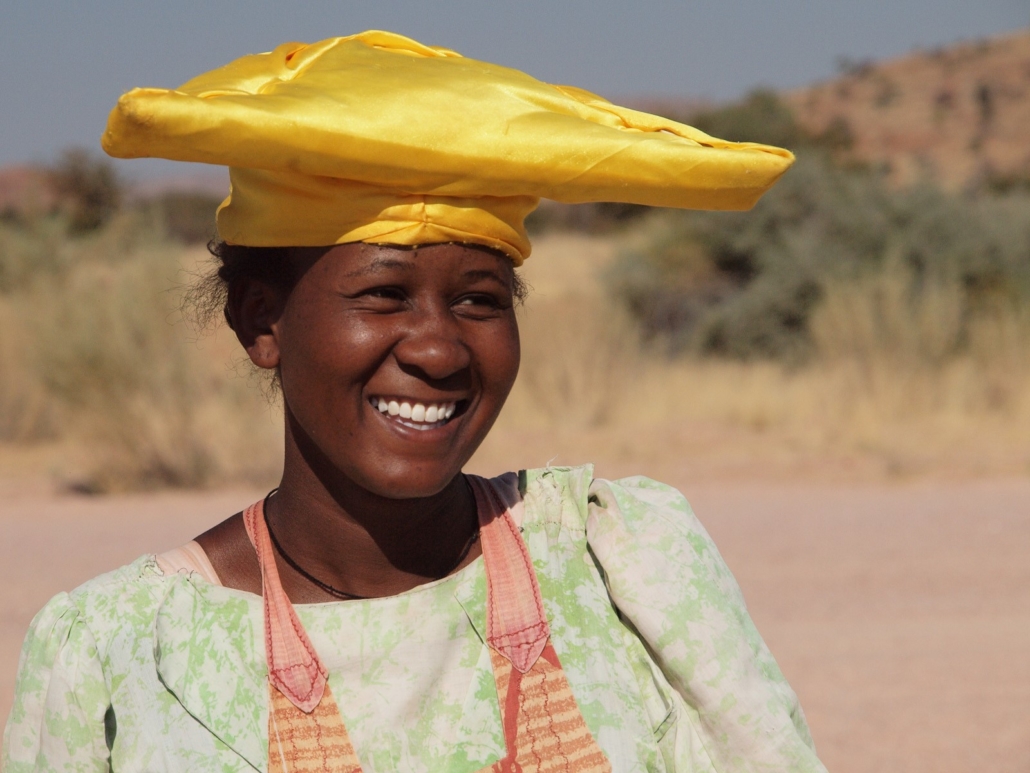
The Gender Wage Gap In Namibia

Gender Wage Gap In Namibia
Namibia ranks sixth in the Global Gender Gap Report of 2021, the highest-ranked African country for bridging the gap between women and men economic opportunity, educational attainment, health and political empowerment measure. In just nine years, Namibia has climbed 35 spots, excelling past Canada and the United States in the Global Gender Gap Report. A closer look at Namibia’s history provides insight into actions taken to bridge this gap and how the gender wage gap in Namibia still plays a role in society today.

Post-Independence Namibia Focuses on Gender Equality

Prior to Namibia gaining independence, many considered women the property of men. When Namibia gained full independence from South Africa in 1990, it implemented numerous changes aimed at improving gender equality, as well as equality for all, in the new constitution. Article 10 states that “[n]o persons shall be discriminated against on the grounds of sex, race, color, ethnic origin, religion, creed or social or economic status,” emphasizing Namibia’s commitment to equality.

Also, the Married Persons Equality Act became law in 1996. The act allows women to sign contracts, register a property in their name and act as directors of companies. Women in Namibia hold about 44% of the managerial professions.

In the year 2013, “Namibia’s ruling party, the South West Africa People’s Organisation (SWAPO),” implemented a 50/50 gender policy that requires “equal representation of men and women” in parliament. At the time of the policy creation, women filled only 25% of the positions in parliament. Currently, women occupy 44% of the seats in parliament, proving that the gender policy has been effective in adding more women to work in government roles. The government’s adoption of these policies aid in creating a more inclusive environment for women in Namibia, particularly in political and urban settings.

More Women Seek an Education

Women in Namibia are leading their male counterparts in post-secondary education with a tertiary education enrollment rate of 30% for women and 15% for men. At the largest university in Namibia, the University of Namibia (UNAM), 64% of the students are women while only 36% are men. Many women continue on to obtain their master’s degrees or doctoral degrees. Once out of school, the labor force participation rate for women drops below men at 57% and 64% respectively. Even though more women seek secondary education than men, women earn less than men in several industries.

While the gender wage gap in Namibia is less prominent than that of many other countries, the distribution of wealth is immensely unequal. According to the Gini index, which measures the degree of inequality in the distribution of family income, Namibia ranks second-highest in comparison to all other countries in the world. Namibia has one of the highest Gini index ratings because of its high unemployment rate, with women more likely to experience unemployment. About 64% of Namibians survive on less than $5.55 per person per day, which equates to slightly more than $2,000 a year. The average amount U.S. citizens spend on a summer vacation is roughly the same.

Namibians Continue to Reach for Gender Equality

Much like other patriarchal societies, when women and men reach for equality, there are often roadblocks along the way. While women in Namibia now occupy 44% of the positions in parliament, they are still shy of the 50% goal of the 50/50 gender policy. The gender wage gap in Namibia has narrowed significantly, but there is still massive inequality concerning family income distribution. There is also an underlying dialogue in Namibia that women are inferior to men. Sexual and gender-based violence is prevalent due to societal and cultural norms. In fact, among the age group of 15 to 49, 28% of women and 22% of men in Namibia believe a husband beating his wife as a form of discipline constitutes a justifiable act. These beliefs contribute to a culture of gender inequality, which often proliferates inequalities in the workplace and perpetuates traditional gender roles.

Fortunately, the government is continuing to implement policies beneficial to gender equality. Additionally, women are pursuing secondary education at astounding rates, which is crucial in combating gender-based disparities as well as decreasing the gender wage gap in Namibia.

– Amy Helmendach
Photo: Flickr

November 26, 2021
https://borgenproject.org/wp-content/uploads/borgen-project-logo.svg 0 0 Jennifer Philipp https://borgenproject.org/wp-content/uploads/borgen-project-logo.svg Jennifer Philipp2021-11-26 07:30:372024-06-06 01:05:43The Gender Wage Gap In Namibia
Children, Developing Countries, Development, Education, Global Poverty, Health, Women and Children, Women and Female Empowerment, Women's Empowerment, Women's Rights

The Evolution of Women’s Rights in Liberia

Women’s Rights in Liberia
Although there have been steps toward equal rights for women, some countries are struggling more than others. In Liberia, gender disparities and imbalances are common. To put it another way, there is little appreciation or recognition for the contributions of women to the Liberian community. However, progress has occurred in regard to improving women’s rights in Liberia and gender equality.

The Root of Inequality

In Liberia, traditional and religious insight impacts gender inequality and the neglect of women. This leaves women underrepresented, uneducated and undermined. Gender inequality plays a major role in the rights of women. They have no one to advocate for their rights but themselves. This would not be as unfortunate if women had a right to equal education. While contributing all of their time to family and working, women have less time to focus on education and social life. Furthermore, the stringent roles and responsibilities of women have prevented them from being able to partake in society and benefit development.

The Roles of Women

Women account for more than 50% of the labor in agriculture, cash production and food crop production, along with marketing and trading in Liberia. Despite their heavy role in the workforce, private and public sectors do not even honor the law of allowing pregnant women to go on maternity leave. They are also responsible for taking care of the household and doing additional work on the side, such as gathering wood and water. Despite their roles in agriculture, women own less property and have no other option than to be dependent on male relatives. The discrimination in land ownership is due to biases in the formal legal framework and customary law. Men are also more likely than women to inherit the land, control decision-making, allocation, management and the use of land.

Besides a woman’s role economically, they also experience a high risk of violent behavior against them in Liberia. These acts of violent behavior can include female genital mutilation, wife burning, dowry-related violence, rape, incest, wife battering, female femicide, female infanticide, trafficking, early marriage, teenage pregnancy, execution and prostitution. Any violence against women is a human rights violation according to the Geneva Conventions. The Geneva Conventions and their protocols provide protection against discrimination against women, allowing women to be equal to men under the Humanitarian Law, subsequently improving women’s rights in Liberia.

Aid and Hope

Another aid established is the 2009 National Gender Policy, which fights to abolish all gender issues. The main goal is to form a fair society where girls and boys along with women and men enjoy their human rights equally on a basis of non-discrimination. In other words, where the full potentials of all, regardless of sex, are harassed toward achieving unprejudiced rapid economic growth which includes equal access to social, financial and technological resources.

Inconsistency in the national legislature has delayed the implementation of the National Gender Policy. After President Ellen Johnson-Sirleaf became Africa’s first female president, men began to recognize the possibility of a woman in power. As the President of Liberia from 2006 to 2018, she secured millions of dollars in foreign investment. She also formed a Truth and Reconciliation Committee to investigate corruption and heal ethnic tensions.

The history and roles of women in Liberia are what drive the ongoing evolution of women’s rights. The more women who have representation, the better the chances are for their rights. Changes start as small policies and fill bigger shoes such as presidencies. Although improvements are still necessary, any is better than none at all.

– Destiny Jackson
Photo: Flickr

November 12, 2021
https://borgenproject.org/wp-content/uploads/borgen-project-logo.svg 0 0 Kim Thelwell https://borgenproject.org/wp-content/uploads/borgen-project-logo.svg Kim Thelwell2021-11-12 01:30:412021-11-08 14:49:29The Evolution of Women’s Rights in Liberia
Child Poverty, Children, Global Poverty, Women and Children, Women and Female Empowerment, Women's Empowerment

How Emotional Support Programs Save Lives

Emotional Support Programs Save Lives in Low-Income Communities
Emotional support programs for children and pregnant women in low-income communities can improve participants’ mental and physical health. Daily challenges of living below the poverty line often result in high-stress levels that can lead to a variety of health complications in children, pregnant women and babies. Emotional support programs save lives in low-income communities by reducing stress and resultant health issues.

The Benefits for Pregnant Women and Babies

Emotional support groups for pregnant women can make impactful differences in their lifestyles and health. A study by psychologist Greg Miller found that pregnant women who took part in a support group called Centering Pregnancy had less inflammation in their placentas than pregnant women who received standard prenatal care. Inflammation within the placenta can restrict the flow of nutrients, oxygen and blood from mother to child, potentially leading to health complications. Within Centering Pregnancy, pregnant women received guidance on nutrition, stress management and parenting. As a result, they had lower stress levels and less inflammation in their placentas, allowing them to have more relaxed and healthy pregnancies.

Groups like Centering Pregnancy can be particularly valuable in low-income communities where women experience high-stress levels from everyday challenges linked to poverty. For example, a study that a teaching hospital in Lahore, Pakistan conducted found that during their pregnancies, 25% of women in the antenatal clinic experienced depression and 34.5% experienced anxiety. In developing countries like Pakistan, emotional support programs save lives by improving pregnant women’s health and, in turn, the health of their babies.

The Benefits for Children

According to the National Scientific Council on the Developing Child, conditions with links to poverty, such as “‘overcrowding, noise, substandard housing, separation from parent(s), exposure to violence, [and] family turmoil’” can have toxic effects on the developing human brain, just like drug abuse and alcoholism. Cortisol, a hormone that helps manage stress, can be overly abundant in children who grow up in poverty, which can lead to stunted brain development over time. As a solution, mentorship programs for children in low-income communities can improve kids’ emotional and physical wellbeing. A study by Miller and fellow Psychologist Edith Chen found that a single supportive, high-quality relationship with someone like a teacher, friend or mentor can substantially minimize a child’s risk of cardiovascular disease in a low-income community. Mentorship programs help children relieve stress and resolve social conflicts, potentially leading to fewer long-term health concerns.

Organizations at Work

Mental health organizations work across the globe to help people of every age improve their mental, emotional and sometimes even physical health. For example, United for Global Mental Health is an international organization that began in 2017 to improve mental health around the world, including in Pakistan, Nigeria, France, Canada and Japan. The website provides an extensive list of international mental health resources, including organizations that specifically focus on supporting children. United for Global Mental Health’s goal is to improve mental health globally and make mental health resources accessible to everyone, despite socioeconomic status. The organization works alongside partners such as UNICEF and the World Health Organization (WHO) to advocate for rights, financing, systems and educational resources that improve mental health around the world.

Organizations like Mothers2Mothers (M2M) also work to help pregnant women and new mothers to achieve the best mental and physical health possible in developing countries. M2M began in 2001 when South Africa was facing a record number of HIV infections. The organization employs women with HIV in nine African countries, including Ghana, Kenya and South Africa, to work as Mentor Mothers. Mentor Mothers are community health workers who serve women and adolescents in 10 countries across Africa by providing support, education and medical services. M2M has created more than 11,000 jobs for women with HIV and has provided over 13.5 million people in sub-Saharan Africa with crucial health services. The organization models how emotional support programs save lives in developing countries.

Spread around the world with a variety of causes, emotional support programs save lives by relieving stress and the health complications that result from it. People experiencing poverty often experience heightened levels of stress, so emotional support programs can be particularly useful to people in low-income areas.

– Cleo Hudson
Photo: Pixabay

October 24, 2021
https://borgenproject.org/wp-content/uploads/borgen-project-logo.svg 0 0 Lynsey Alexander https://borgenproject.org/wp-content/uploads/borgen-project-logo.svg Lynsey Alexander2021-10-24 01:30:232021-10-21 09:05:35How Emotional Support Programs Save Lives
Global Poverty, Women and Children

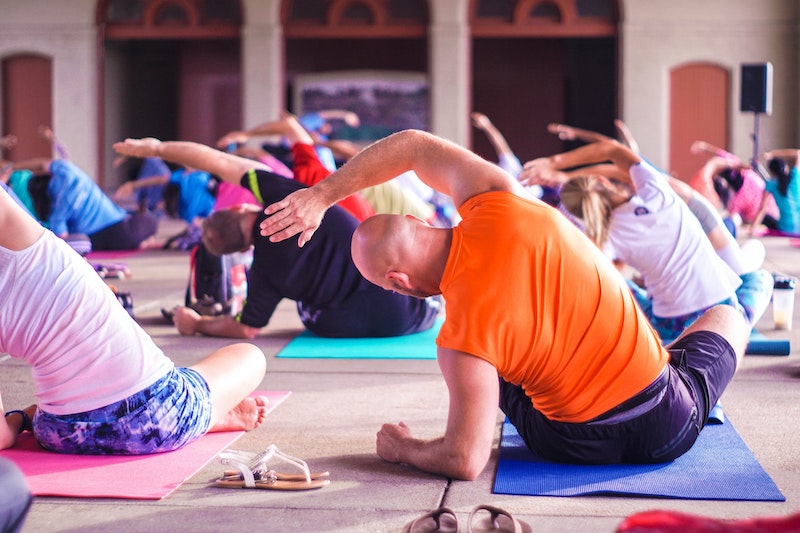
How Yoga Gives Back is fighting poverty in India

Yogis around the world fighting poverty in India
Yoga originated thousands of years ago in northern India. As a sacred, spiritual practice, the goal of this subtle science is to bring harmony between the body and the mind. According to Dr. Ishwar Basavaraddi, those who experience this oneness of existence are in yoga. However, unfortunately, in the motherland of yoga, people are living in extreme poverty, which is hindering them from reaping yoga’s divine benefits and connecting to their higher self. As a result, Kayoko Mitsumatsu founded a nonprofit organization called Yoga Gives Back in 2007 to fight poverty in India.

Mitsumatsu said that “We want to give back to the source of yoga. With over 150 ambassadors in 20 countries worldwide, YGB uses yoga to bring opportunity to impoverished women and children in India.”

Targeting Women and Children

India has one of the highest rates of violence against women in the world, and 60% to 90% of girls face sexual harassment or violence in public spaces. As a result, Yoga Gives Back is targeting women in the hopes of helping women and girls catalyze independence and a better life.

Plus, YGB has deemed women “the best poverty fighters” as they often use their success to uplift their family’s status and fund their children’s education. “To do this, they provide microloans to poor people who are unable to get traditional bank loans due to their lack of collateral,” Mitsumatsu said. The work of Nobel Peace Prize winner Dr. Muhammed Yunus inspired this microloan program called “Sister Aid.” Yoga Gives Back began with 50 microloans, and after 14 short years, it now provides 550 microloans.

Addressing Education Needs

Even though female illiteracy rates have dropped nearly 20% since 2000, Indian women are still less educated than men on average. The sooner that impoverished women and children in India receive help, the better. According to UNICEF, with the largest population in the world (including 253 million adolescents), India stands to gain socially, politically and economically if they succeed. Education is a way to promote this success.

The Scholarship for Higher Education (SHE) from Yoga Gives Back funds 400 students with a five-year scholarship. Without this assistance, impoverished women and children in India would have no other way to continue their education.

Yoga Gives Back Future Goals

 Eventually, YGB hopes to build a centrally-located digital center, bringing the internet, computers and opportunity to an otherwise rural village. Not only would this center increase learning overall, but it would also allow microloan recipients to participate in eCommerce. Plus, computer education has become standard, and this is a way to ensure that Indian children do not fall behind the rest of the world.

Poverty in India 

Poverty in India has long been on people’s radar. With yoga growing in popularity in the West, it is only right to honor and recognize the place where this practice came from. Yoga has a plethora of core values and morals to live by. Notably, it highlights the interconnectivity of all beings and things, how people are not separate and how people are one. Yoga Gives Back embodies this value by recognizing the suffocating poverty that plagues India and doing something about it. It is using the practice of yoga to give back to the source of yoga, which, in turn, is helping fellow humans in need.

– Cameryn Cass
Photo: Unsplash

October 22, 2021
https://borgenproject.org/wp-content/uploads/borgen-project-logo.svg 0 0 Lynsey Alexander https://borgenproject.org/wp-content/uploads/borgen-project-logo.svg Lynsey Alexander2021-10-22 07:30:582021-10-19 10:32:45How Yoga Gives Back is fighting poverty in India
Activism, Global Poverty, Women and Children, Women's Empowerment

Successes in Reducing Domestic Violence in Nicaragua

 domestic violence in NicaraguaDomestic violence is a global issue affecting one in three women worldwide. The United Nations defines domestic violence as “a pattern of behavior in any relationship that is used to gain or maintain power and control over an intimate partner.” Abuse can be sexual, emotional, physical, economic or psychological. In order to uphold women’s rights, it is important to combat domestic violence in Nicaragua.
Domestic Violence and Poverty

Data indicates that women living in poverty are at greater risk of abuse. Women who earn less than $10,000 a year experience domestic violence at a rate “five times greater” than women who earn more than $30,000 a year. This is because impoverished women are often financially dependent on their abusers and lack financial prospects, making them more vulnerable to abuse as perpetrators exploit this reliance knowing there are few options of escape.

In contrast, victims with enough resources to secure shelter and basic needs are more independent, and therefore, are significantly more likely to escape domestic violence circumstances. By this logic, a clear link exists between poverty and domestic violence. Although, even in wealthier countries such as the United States, domestic violence is prevalent, with almost a quarter of women in the U.S. experiencing domestic violence.

Since high poverty rates are usually associated with high rates of domestic violence, some would expect a domestic violence crisis in a low-income country such as Nicaragua. Nicaragua is the second-most impoverished country in the Americas, coming right after Haiti, with almost 30% of the Nicaraguan population living under the poverty line in 2014. Nicaragua’s domestic violence rate was 55% in 1995, but the country has made significant progress with domestic violence decreasing to 28% in 2016. Furthermore, “Nicaragua has the lowest rate of femicides in Central America (0.7/100,000) according to the United Nations Economic Commission for Latin America (ECLAC).”

Actions to Reduce Domestic Violence

In 2007, new legislation mandated “equal representation ensuring that at least 50% of public offices be held by women.” As a result, Nicaragua has the highest rate “of women in Ministerial positions in Latin America” at 56.25% and women represent 46% of the legislature.

In addition to this, Nicaragua’s ongoing drives and campaigns aim to address cultures of violence against women in the nation. These campaigns also involve promoting men’s involvement in home and domestic chores, reducing societal masochistic cultures and empowering women to end “economic and social dependence on men” and stop cycles of domestic violence.

The program Zero Usury aims to empower women by granting them financial independence. To do this, the Nicaraguan “government has given low-interest loans to” more than “900,000 women over the last 14 years to enable them to start small businesses in urban areas.”

In 2012, Nicaragua passed the Comprehensive Act against Violence towards Women. The act mandated the creation of “the national inter-institutional commission to combat violence against women, children and adolescents, composed of 17 state institutions, with departmental and municipal branches.”

The Comprehensive Care Model for Women, also created in 2012, ensures every victim of domestic violence will have access to proper care and justice by carrying out proper investigations for every case and compensating victims. The mechanism aims to uphold children and women’s rights “to live with dignity and free from violence.”

Looking to the Future

Nicaragua is also part of the U.N. Secretary-General’s UNiTE to End Violence against Women campaign, with the aim of eradicating “violence against women by 2030.” To align with this goal, Nicaragua commits to implementing a “series of political, legislative and administrative actions to eradicate violence against women and girls,” among other efforts.

Nicaragua is a phenomenal example to the world when it comes to domestic violence as it shows that a country can decrease its rates of violence by investing in women’s empowerment programs and legislation that fights for gender equality and the protection of women.

– Noya Stessel
Photo: Flickr

September 21, 2021
https://borgenproject.org/wp-content/uploads/borgen-project-logo.svg 0 0 Lynsey Alexander https://borgenproject.org/wp-content/uploads/borgen-project-logo.svg Lynsey Alexander2021-09-21 07:30:532021-09-21 00:54:58Successes in Reducing Domestic Violence in Nicaragua
Developing Countries, Global Poverty, Water, Women and Children

The Samburu Project

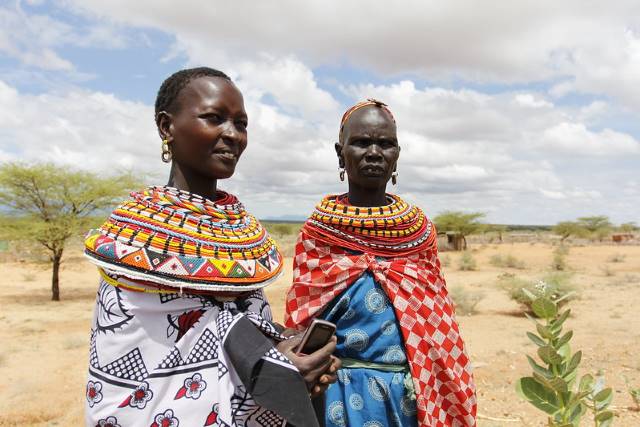
The Samburu ProjectThe Samburu are indigenous peoples located in Kenya and East Africa. The Samburu tribe is historically nomadic, traveling throughout the region to provide for its members. With close relations to the Maasai tribe, the Samburu tribe shares a similar language, both derived from the mother language Maa. The Samburu Project aims to provide clean water access to the Samburu people.

“Women’s Rights are Human Rights”

Kristen Kosinski founded The Samburu Project after a trip to Kenya in 2005. While meeting with female leaders in the region, Kosinski met Mariama Lekwale, known as “Mama Mussa,” a remarkable women’s rights activist and member of the Samburu tribe. Mama Mussa introduced Kosinski to many Samburu women, all of whom brought up the issue of water during shared conversations. Kosinski learned that water was the focal point of many of these women’s lives. It was the women’s responsibility to procure drinking water for the family, an extremely complicated task.

Safe drinking water was severely lacking in the region, with few available wells. The existing hand-dug wells faced contamination from waste products. Waterborne disease was rampant, causing illness and death across the region. As it is the women’s job to search for water, parents often pull daughters out of school to help with this arduous task, depriving young girls of their education. According to Water.org, globally, women and children “spend a collective 200 million hours collecting water.” This time could go toward more productive activities such as education and paid employment.

Impact in Numbers

Seeing how a lack of access to water disproportionately affects girls and women, Kosinski was inspired to work together with Mama Mussa to drill four new wells in the region before the year 2007. In 2007, Mama Mussa, unfortunately, passed away, however, her son Lucas Lekwale took over this incredible mission. Together, Lekwale and Kosinski committed to drilling an additional 75 wells in the region before the close of 2015. Since its start in 2005, The Samburu Project has built 126 wells in the region, providing more than 100,000 Kenyans with clean and safe drinking water. Over time, The Samburu Project gained many well-known partners such as Whole Foods, OPI, Chobani, Wells Fargo Advisors, Rotary International, Lyft and Forever 21, to name just a few.

The Far-reaching Impacts of Access to Water

According to the United Nations, water forms “the core of sustainable development and is critical for socio-economic development, healthy ecosystems and for human survival itself.” Furthermore, water is essential for eliminating diseases and “improving the health, welfare and productivity of populations.” As such, The Samburu Project’s mission is an important one.

The Samburu Project’s mission is “to provide access to clean water and continue to support well communities with initiatives that promote health, education, women’s empowerment and general well-being.” Safe water has also played a significant part in curbing the spread of COVID-19 in the area. Reducing contamination and increasing access to hygiene practices like handwashing through “tippy tap” handwashing stations has dramatically reduced potential instances of infection and transmission in the region.

Eliminating the search for water gives women time to earn an income, lifting many out of poverty. It also gives young Kenyan girls time to focus on their education, with more than double the number of girls enrolled in school as a result of acquiring access to clean water. With accessible clean drinking water, health, hygiene and wellness improve and young girls can attend school instead of shouldering the burden of collecting water with their mothers. Furthermore, women can focus their energy on activities that empower them to rise out of poverty.

The Samburu Project has done incredible work in Kenya, ensuring that the fundamental right to water is upheld for the most vulnerable and disadvantaged communities.

– Michelle M. Schwab
Photo: Flickr

September 13, 2021
https://borgenproject.org/wp-content/uploads/borgen-project-logo.svg 0 0 Lynsey Alexander https://borgenproject.org/wp-content/uploads/borgen-project-logo.svg Lynsey Alexander2021-09-13 07:30:442024-05-30 22:25:03The Samburu Project
Page 3 of 7‹12345›»

Get Smarter

  • Global Poverty 101
  • Global Poverty… The Good News
  • Global Poverty & U.S. Jobs
  • Global Poverty and National Security
  • Innovative Solutions to Poverty
  • Global Poverty & Aid FAQ’s
Search Search

Take Action

  • Call Congress
  • Email Congress
  • Donate
  • 30 Ways to Help
  • Volunteer Ops
  • Internships
  • Courses & Certificates
  • The Podcast
Borgen Project

“The Borgen Project is an incredible nonprofit organization that is addressing poverty and hunger and working towards ending them.”

-The Huffington Post

Inside The Borgen Project

  • Contact
  • About
  • Financials
  • President
  • Board of Directors
  • Board of Advisors

International Links

  • UK Email Parliament
  • UK Donate
  • Canada Email Parliament

Get Smarter

  • Global Poverty 101
  • Global Poverty… The Good News
  • Global Poverty & U.S. Jobs
  • Global Poverty and National Security
  • Innovative Solutions to Poverty
  • Global Poverty & Aid FAQ’s

Ways to Help

  • Call Congress
  • Email Congress
  • Donate
  • 30 Ways to Help
  • Volunteer Ops
  • Internships
  • Courses & Certificates
  • The Podcast
Scroll to top Scroll to top Scroll to top