• Link to X
  • Link to Facebook
  • Link to Instagram
  • Link to TikTok
  • Link to Youtube
  • About
    • About Us
      • President
      • Board of Directors
      • Board of Advisors
      • Financials
      • Our Methodology
      • Success Tracker
      • Contact
  • Act Now
    • 30 Ways to Help
      • Email Congress
      • Call Congress
      • Volunteer
      • Courses & Certificates
      • Be a Donor
    • Internships
      • In-Office Internships
      • Remote Internships
    • Legislation
      • Politics 101
  • The Blog
  • The Podcast
  • Magazine
  • Donate
  • Click to open the search input field Click to open the search input field Search
  • Menu Menu

Archive for category: Water

Activism, Advocacy, Water

Matt Damon Toilet Strike

Matt Damon Toilet Strike

Dear Toilet,

It’s not you. It’s us.

Sincerely,

Matt Damon

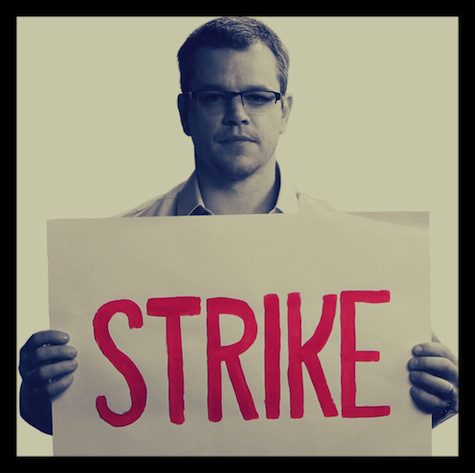
Matt Damon broke up with his toilet…well at least until everyone has access to clean water and sanitation. The Oscar-winning actor and co-founder of Water.org announced his toilet strike in a comedic video.

The video is a staged press conference with prominent comedians. It highlights society’s ignorance of the world water crisis and the underappreciation of toilets. 780 million people lack access to clean water.

Damon mentions how the toilet has saved more lives than any other invention, yet 2.5 billion people lack access to toilets or basic sanitation.  More people own cell phones than toilets. The “Matt Damon Toilet Strike” is designed to be less about him and more about people who lack the luxury of clean sanitation.

U.N. Deputy Secretary-General Jan Eliasson released a statement that the world water crisis is something people “don’t like to talk about.” The United Nations aims to double the number of people with toilets by 2015.

The organization’s long-term plan is to “eliminate the practice of open defecation” by 2025.  This practice makes unsanitary water the number one killer of people worldwide.  In fact, children under the age of five are most likely to die from diarrhea-related diseases.

Water.org traded the traditional public service announcement model in hopes of creating a viral frenzy.

“If Sarah Silverman and I can generate millions of views on YouTube for something ridiculous, then we should be able to do better for one of the most important and solvable issues of our time,” Damon said.

The nonprofit has “been toying with [the idea of comedic videos] for a couple of years.”  Damon and the rest of Water.org believe viral videos can “generate new levels of awareness and participation in the cause.”

The announcement video is the first of 12 videos. The strike campaign’s other videos include: Damon breaking up with his toilet, other celebrities joining the strike, and John Elerick fighting to outdo Damon.  The video was filmed for free at YouTube’s L.A. studios as YouTube works to educate nonprofits about best practices for video campaigns.

Jessica Mason, YouTube spokeswoman, understands that views should not be the main concern for non-profits. “We want to help nonprofits raise awareness and turn that awareness into action.”

Water.org will continue using social media to further awarness.  The website features extensive social media integration.  It asks visitors to “lend” their social media accounts and allow Water.org to publish automatically until World Toilet Day on November 9, 2013.

For more information, visit strikewithme.org or tweet questions with #strikewithme.

– Whitney M. Wyszynski

Source: Strike With Me
April 10, 2013
https://borgenproject.org/wp-content/uploads/borgen-project-logo.svg 0 0 Borgen Project https://borgenproject.org/wp-content/uploads/borgen-project-logo.svg Borgen Project2013-04-10 11:12:502024-12-13 17:53:43Matt Damon Toilet Strike
Water

Improving Water Access in Namibia

namibia
According to a recent Namibia Population and Housing Census Basic report, approximately 80 percent of all Namibian households have access to clean drinking water. However, a great disparity is seen when urban and rural areas of Namibia are separated. Access to clean drinking water in urban areas rises to about 98 percent whereas the percentage of households with such water access drops to about 59 percent in rural areas.

The government of Namibia is now working on bridging this disparity, spending 2.6 billion Namibian dollars, which is approximately 283 million USD, to improve rural water access and sanitation. This will be done by providing households in rural areas access to toilet facilities (like flush toilets), as well as building a second desalination plant along the coast. A desalination plant removes the salt from seawater making it a useable water source.

As of now, approximately 16 percent of rural households utilize unsafe water from local water supplies, such as streams and rivers, while another 13 percent utilize unsafe water from wells. Lowering or eliminating these percentages is the goal and primary subject of the $2.6 billion Namibian investment into improving rural sanitation and water supplies. Through improving access to safe water, improvements in health and the decrease in the spread of disease will also occur. Eliminating these conditions will lead to major improvements in health, even helping combat the prominence of diseases such as diarrhea and cholera.

– Angela Hooks

Source: AllAfrica
Photo: Guardian

April 7, 2013
https://borgenproject.org/wp-content/uploads/borgen-project-logo.svg 0 0 Borgen Project https://borgenproject.org/wp-content/uploads/borgen-project-logo.svg Borgen Project2013-04-07 09:04:102020-05-12 06:49:13Improving Water Access in Namibia
Water

Water: The Elixir of Life

waterforall
Water cooperation was the theme of this year’s World Water Day. There is a higher need to access of water and security of water resources especially with the estimated population increase which suggests that by 2050 there will be 9 billion people in the world. Thus, dependency on water will continue to be a major source of concern, especially when taking into account that each individual holds the power to affect others’ access to clean water because each individual can pollute and/or waste water.

Some concerns and challenges include that water is needed in every aspect of life; for example, the growth of the agricultural industry and service sectors depend on access and availability of water. However, in addition to maintaining the availability of water, there is also a need to decrease pressure on the excess disposal of water, especially for economic development. Water should be used in relation to its “biophysical limit.” Water also faces the threat of “commercialisation,” where water markets dictate that access to clean and safe water depends on the ability to pay for it. Thus, there should be a push for more water rights for poor communities.

Hence, water cooperation would lead to many benefits: “social harmony in water allocation and increasing human welfare.” Cooperation can prevent conflicts and competition over water access, can promote water use efficiency and better water management. Cooperation can occur between municipalities and private providers in order to “stimulate resource mobilisation.” Also, industry and government must cooperate to efficiently mobilise finances for water projects.

Water cooperation calls for an “inclusive and innovative approach.” The main goal is to sustain the growing population, preserve water availability and access, promote peace and security and mutual respect, and ultimately maintain economic growth. After all, water is truly the elixir of life.

–Leen Abdallah

Source: The Hindu
Photo: Google

April 5, 2013
https://borgenproject.org/wp-content/uploads/borgen-project-logo.svg 0 0 Borgen Project https://borgenproject.org/wp-content/uploads/borgen-project-logo.svg Borgen Project2013-04-05 20:36:392020-05-04 08:16:33Water: The Elixir of Life
Advocacy, Water

US Water Partnership Fights Water Challenges

US Water Partnership Fights Water Challenges

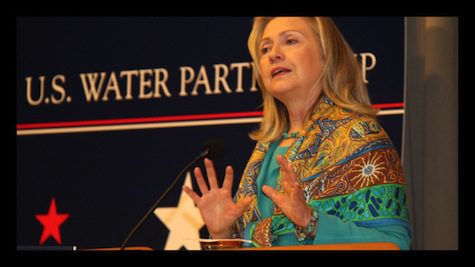
It’s been one year since former Secretary of State Hillary Clinton announced the start of the U.S. Water Partnership. The partnership consists of public and private sectors and “unites and mobilizes U.S. expertise, resources, and ingenuity to address water challenges around the globe.”

According to the fact sheet, “The USWP is an alliance of 18 U.S. government agencies and 29 U.S. private sector and civil society organizations.” However, the USWP has increased from 47 to 61 partnerships in the last year. They work together to improve water resources worldwide and focus primarily on developing countries.

The partners pledged $610 million dollars on June 20, 2012. Funded projects included: control or elimination of Neglected Tropical Diseases, increased solar power pump stations, and improved desalination projects.

The success of the USWP depends on collaboration and flexibility. Partners are able to work in groups or individually. For example, the Overseas Private Investment Corporation revitalized water purification systems throughout Ghana by providing funds for the Ghana National Water Infrastructure Modernization Project.  World Vision helped boost rural and semi-urban schools in India through the “Support My School” campaign, whereas multiple organizations joined forces to provide WASH technologies. These technologies decrease infection and increase public health.

Hattie Babbitt, Chair of the USWP Steering Committee, led the USWP first anniversary event at the National Academy of Sciences on Mar. 21, 2013.  She discussed the numerous projects that could not have occurred without the help of the partnership and congratulated the ten new partners. The USWP continues to grow and progress and strives to bring each person safe drinking water.

– Whitney M. Wyszynski

Source: U.S. Water Partnerships
Photo: US Water Alliance

April 3, 2013
https://borgenproject.org/wp-content/uploads/borgen-project-logo.svg 0 0 Borgen Project https://borgenproject.org/wp-content/uploads/borgen-project-logo.svg Borgen Project2013-04-03 11:23:242020-06-01 05:56:54US Water Partnership Fights Water Challenges
Technology, Water

Get Water: A Game That Tackles Global Problems

Get Water: A Game That Tackles Global ProblemsGet Water is a touch-screen game with the objective of helping Maya collect clean water for her family. On the surface, players are swiping their fingers across the screen, shooting boomerangs at peacocks, and dodging turtles. But the true spirit of the game lies in its ability to literally put the discussion on these issues in your hands.
The main character is Maya, a young girl who wants to go to school but can’t because the need for clean water for her family is more urgent. Players collect clean water and avoid touching the dirty one, running through a village until a peacock, turtle or football breaks their pot. Rather than trade in coins or cash, players trade in pencils symbolizing education for abilities such as Hyper Hydration, Fancy Filter, and Purification Tablets. The game is not just a testament to the need for access to clean water; it also compels us to ask questions concerning human rights and social justice issues, education and gender rights. Through our phones and devices, we get a glimpse into the life of those who are without access to clean water.

This is the first game made by Decode Global, a Montreal based startup founded last year by Angelique Manella. Manealla’s goal with it was to develop a fun and engaging game that would spread awareness on social issues and prompt global change.

– Rafael Panlilio
Source: Forbes

March 28, 2013
https://borgenproject.org/wp-content/uploads/borgen-project-logo.svg 0 0 Borgen Project https://borgenproject.org/wp-content/uploads/borgen-project-logo.svg Borgen Project2013-03-28 09:00:092021-12-14 02:49:29Get Water: A Game That Tackles Global Problems
Global Poverty, Water

Thankyou Water

Thankyou WaterAbout 900 million people around the world do not have access to clean water. Yet, here in the United States, safe and clean water costs between $2 to $3. Dan Flynn embarked on a journey where he put together two radicals and created Thankyou Water in 2008. Profits from Thankyou Water water bottle sales are directed to fund various safe water projects; a purchase equates to “one month’s worth of safe water to someone in need.”
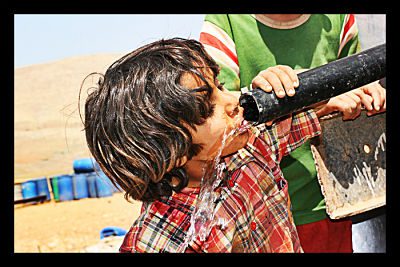
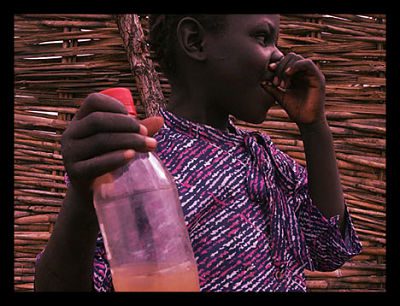
Flynn discovered that many people around the world not only lack access to water but also that water is usually unsafe and unsanitary to drink to the point that it may cause serious illness. Flynn also found that Australians are a part of a 600 million dollar bottled water industry. Flynn’s project to tackle the global Water Crisis gives all its profit to fund safe water projects all around the world.

For over three years, Flynn and four other college students, volunteered and managed part-time jobs to cover their costs of living. This year marks the enterprise’s fourth year and the project is showing expansive growth. In December of 2012, Thankyou Water sold its five millionth bottle. Australians are increasingly supporting this project and have switched to Thankyou Water making it their new bottled water brand of purchase. Australians can “track [their] impact” through a newly developed web app where they can see which specific project is being funded by their purchase.

For more information, check out Thankyou Water.

– Leen Abdallah

Source: The Global Poverty Walk
Photo: Google

March 27, 2013
https://borgenproject.org/wp-content/uploads/borgen-project-logo.svg 0 0 Borgen Project https://borgenproject.org/wp-content/uploads/borgen-project-logo.svg Borgen Project2013-03-27 10:09:012024-12-13 17:49:15Thankyou Water
Human Rights, Water

World Water Day: Palestine Edition

World Water Day: Palestine Edition

In honor of the World Water Day, March 22nd, the Thirsting for Justice Campaign has called for solidarity with the Palestinian people and children who lack sufficient clean and safe water. The campaign suggests to all supporters to organize “community teach-ins” to gain factual insight and spread awareness regarding the Palestinians’ challenges under Israeli occupation, specifically their challenges when trying to access clean water since water supply is controlled by the Israeli army. The teach-ins would also push for discussion on the courses of action that must be taken to achieve Palestinian water rights.

As a Thirsting for Justice initiative, along with the Jenin Freedom Theater, “hundreds of Palestinians and internationals in the West Bank” occupied the Jordan Valley and walked leaving their footmarks on this global Water Day; the West Bank demands to be heard and is taking action through its people’s “walk for water justice.”

To join the teach-in action, check out Thirsting For Justice

–Leen Abdallah

Source: Thirsting for Justice
Photo: Thirsting for Justice: Visualizing Palestine

March 27, 2013
https://borgenproject.org/wp-content/uploads/borgen-project-logo.svg 0 0 Borgen Project https://borgenproject.org/wp-content/uploads/borgen-project-logo.svg Borgen Project2013-03-27 09:00:142020-05-26 01:01:48World Water Day: Palestine Edition
Health, Water

Contaminated Water in China Enters Spotlight on World Water Day

China_World_Water_Day_Contamination
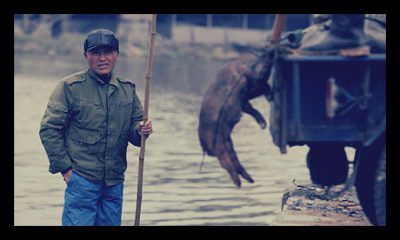
As the UN marks another annual World Water Day, all eyes were focused on Shanghai as the number of dead pigs dragged from rivers that supply the city with water was upped to nearly 16,000 within the last two weeks. Although Chinese officials claim that the incident is not related to water toxicity, the international community has become increasingly concerned as new reports claim that water contamination is the leading cause of illness in the country.

Last week, UNICEF released an alarming study that claims 90 percent of child deaths throughout China were related to bad hygiene and sanitation, and diarrheal disease through polluted water sources. An additional study done by Greenpeace East Asia corroborates these figures and also states that nearly 25 percent of the population has no source of safe drinking water, and an additional 190 million people who are forced to drink from contaminated sources.

Adding to concern is the annual water outlook study by OECD that states demand for water will rise by 55 percent within the next 37 years, while depletion of groundwater sources continues to occur, which the study says will become a major issue for certain regions within the next 10 to 20 years.

Although water access and contamination is slated to reach crisis levels throughout much of the developing world within the next few decades, governments have done relatively little to tackle this issue, with more focusing heavily on energy development and putting water sanitation to the side.

– Christina Kindlon

Source: Guardian

March 25, 2013
https://borgenproject.org/wp-content/uploads/borgen-project-logo.svg 0 0 Borgen Project https://borgenproject.org/wp-content/uploads/borgen-project-logo.svg Borgen Project2013-03-25 11:11:452020-04-27 06:09:24Contaminated Water in China Enters Spotlight on World Water Day
United Nations, Water, Water Crisis, Water Quality, Water Sanitation

5 Water Cooperation Facts for World Water Day

 International Year of Water Cooperation
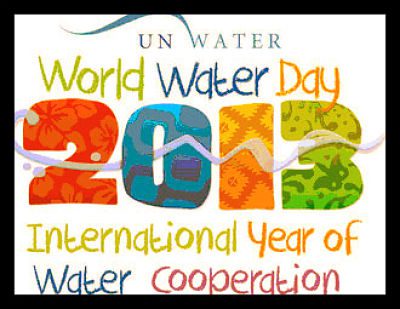
Friday, March 22, 2013 is World Water Day. This year’s World Water Day is especially important because the UN has designated 2013 the International Year of Water Cooperation. Those new to water rights issues may wonder: what is water cooperation? Why have a year dedicated to water cooperation? This post will address some of the most important points about international water cooperation.

According to UN-Water:

1. The International Year of Water Cooperation aims to: raise awareness of water cooperation, initiate innovative action toward water cooperation, foster dialogue about water as a top international priority, and address water-related development goals for beyond 2015, when the Millennium Development Goals expire.

2. Water cooperation is: cooperation between all parties involved in water management. If one party does not cooperate, efficiency of water management decreases, to the detriment of human lives. Water cooperation happens on local, national, and international levels. Vital water sources such as rivers and ground water extend across political boundaries; cooperation is needed to share these resources. Building a village well or pumping water for irrigation requires the cooperation of separate parties, often with conflicting interests.

3. Water cooperation is essential because: without water cooperation, progress is impossible in other areas of human development such as food security, gender equality, and poverty reduction. Improving water access is key to reducing poverty, especially for women and children. Water cooperation creates economic benefits, and is necessary for preserving and protecting the natural environment. Life on earth depends on water; we are responsible for managing it sustainably and effectively.

4. Challenges to water cooperation are: reaching across social, political, and economic boundaries. Those involved in water management and policy-making must work with a broad range of stakeholders, local residents, governments, and NGOs. In these situations, cooperation and cultural understanding are essential for effective communication and decision-making. Water cooperation is further complicated by the increasing water needs of a growing population. Urbanization, pollution and climate change continue to threaten water resources, placing them under even greater pressure.

5. There are endless ways you can get involved with water cooperation efforts: educate yourself and others about water rights, impediments to water access, and water cooperation efforts. Engage others in your community to advocate for sustainable water management. Click here for more about how to get involved in World Water Day and the International Year of Water Cooperation!

– Kat Henrichs
Source: UN-Water
Photo:Tree Hugger

March 21, 2013
https://borgenproject.org/wp-content/uploads/borgen-project-logo.svg 0 0 Borgen Project https://borgenproject.org/wp-content/uploads/borgen-project-logo.svg Borgen Project2013-03-21 09:25:542024-05-24 23:45:055 Water Cooperation Facts for World Water Day
United Nations, Water, Water Quality, Water Sanitation

March 22 is World Water Day

world-water-day-2013-water-cooperation_opt
Is water a commodity or a human right? Too many people, governments, and institutions see water as something merely to be bought and sold, and not as something every person on earth needs for survival. Like food, health care, educational and economic opportunities, and many of the other things we write about on the blog, safe water is a human right and necessity. Since 1993, the UN has designated March 22 as World Water Day. This serves to bring attention to, advocate for sustainable management of, and celebrate clean, fresh water.

2013 has also been designated the International Year of Water Cooperation, so this year’s World Water Day holds special significance. Events will be held across the globe to foster international cooperation around water. Because of the organization’s interdisciplinary approach to worldwide problems, the United Nations Educational, Scientific, and Cultural Organization (UNESCO) will coordinate the Day on behalf of UN-Water.

This day serves many purposes, including raising public awareness of water issues facing the globe and advocating for improvements in water management. Access to clean, safe drinking water is a major health concern among the world’s poorest populations. 88 percent of cases of diarrhea, the number one cause of death and illness in the world, are due to a lack of access to clean water and sanitation facilities. Almost a billion people do not have access to improved water sources, while 2.5 billion live without adequate sanitation facilities.

While the statistics are disturbing, we can do something to improve these conditions. World Water Day is an opportunity to learn about water issues and take action on behalf of those whose basic water needs are not being met. To learn more about World Water Day 2013 and the International Year of Water Cooperation, visit the UN’s World Water Day page.

– Kat Henrichs
Source: UN-Water
Photo:UN

March 21, 2013
https://borgenproject.org/wp-content/uploads/borgen-project-logo.svg 0 0 Borgen Project https://borgenproject.org/wp-content/uploads/borgen-project-logo.svg Borgen Project2013-03-21 09:18:102024-05-24 23:44:43March 22 is World Water Day
Page 56 of 57«‹54555657›

Get Smarter

  • Global Poverty 101
  • Global Poverty… The Good News
  • Global Poverty & U.S. Jobs
  • Global Poverty and National Security
  • Innovative Solutions to Poverty
  • Global Poverty & Aid FAQ’s
Search Search

Take Action

  • Call Congress
  • Email Congress
  • Donate
  • 30 Ways to Help
  • Volunteer Ops
  • Internships
  • Courses & Certificates
  • The Podcast
Borgen Project

“The Borgen Project is an incredible nonprofit organization that is addressing poverty and hunger and working towards ending them.”

-The Huffington Post

Inside The Borgen Project

  • Contact
  • About
  • Financials
  • President
  • Board of Directors
  • Board of Advisors

International Links

  • UK Email Parliament
  • UK Donate
  • Canada Email Parliament

Get Smarter

  • Global Poverty 101
  • Global Poverty… The Good News
  • Global Poverty & U.S. Jobs
  • Global Poverty and National Security
  • Innovative Solutions to Poverty
  • Global Poverty & Aid FAQ’s

Ways to Help

  • Call Congress
  • Email Congress
  • Donate
  • 30 Ways to Help
  • Volunteer Ops
  • Internships
  • Courses & Certificates
  • The Podcast
Scroll to top Scroll to top Scroll to top