• Link to X
  • Link to Facebook
  • Link to Instagram
  • Link to TikTok
  • Link to Youtube
  • About
    • About Us
      • President
      • Board of Directors
      • Board of Advisors
      • Financials
      • Our Methodology
      • Success Tracker
      • Contact
  • Act Now
    • 30 Ways to Help
      • Email Congress
      • Call Congress
      • Volunteer
      • Courses & Certificates
      • Be a Donor
    • Internships
      • In-Office Internships
      • Remote Internships
    • Legislation
      • Politics 101
  • The Blog
  • The Podcast
  • Magazine
  • Donate
  • Click to open the search input field Click to open the search input field Search
  • Menu Menu

Archive for category: USAID

Topics covering about USAID

Global Poverty, Humanitarian Aid, USAID

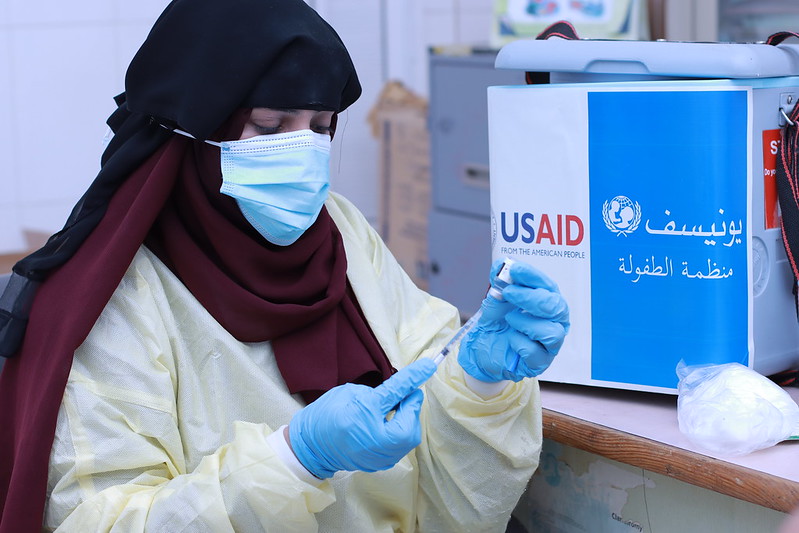
USAID Programs Push Yemen toward National Stability 

USAID ProgramsYemen has one of the world’s worst humanitarian crises due to prolonged instability after Houthi insurgents took control of Yemen’s capital and largest city in 2014. Now, out of the 35.2 million Yemeni citizens, at least 18.2 million live in severe poverty and rely on foreign aid. The United States government actively provides humanitarian aid to Yemen. In 2024, it announced nearly $220 million in funding to advance Yemen’s transition toward stability. USAID programs in Yemen target key areas that require development and support and are integral to the survival of the Yemeni population.

Food Security

In Yemen, 17.6 million people face high levels of food and nutrition insecurity. USAID funding supports the efforts of the World Food Programme (WFP) and seven NGOs to provide food assistance across Yemen. The funding provides communities with U.S. and locally sourced commodities and cash vouchers for individuals without enough money to shop at local markets, according to a 2024 USAID fact sheet.

In October 2023, USAID contributed $10.1 million for ready-to-use therapeutic food (RUTF) providing for 144,000 cases of treatment to severe and acute malnutrition.

Health

Years of conflict have left more than 30 million people in need of humanitarian assistance, yet 50%, of health facilities in Yemen are non-functioning or only partly functioning due to a lack of funds, medicines, supplies electricity, and equipment. USAID funding provides primary care and nutrition services to Yemen through static and mobile medical facilities. Additional funding equips health facilities with medical supplies and pharmaceuticals, according to a 2024 USAID fact sheet. USAID funding enabled the World Health Organization (WHO) to provide medical oxygen to more than 1 million patients at 25 hospitals in Yemen during 2021 and 2022.

Water Sanitation

Ongoing conflicts in Yemen increasingly destroy the country’s water and hygiene infrastructure. Now, Yemen faces one of the world’s worst water crises with 16 million people in urgent need of water sanitation and hygiene. With the help of USAID, an additional 1.8 million Yemenis have access to clean water and improved sanitation services in 2024. USAID funds the rehabilitation of water systems, improved sanitation services such as repaired sewage networks, and the installation of toilets and handwashing facilities in homes and health facilities.

Education

A lack of reliable school facilities and resources leaves millions of Yemeni children uneducated. USAID funding in Yemen reached 275,000 children across 676 formal and informal educational settings in 2024, according to the Yemen Country Profile. Aid funds teacher training, educational equipment, teaching materials, child protection, water sanitation and hygiene activities. Due to conflicts and natural disasters, USAID funds home learning programs to maintain education in communities battling school closures.

National Economy Support

USAID programs focus on strengthening the Yemeni economy hoping a stable national economy will increase overall stability in Yemen. USAID helped Yemen establish its first foreign exchange auctions, increasing transparency and stabilizing previously volatile exchange rates, while also supporting the implementation of 17 World Trade Organization (WTO) trade facilitation agreements. Additionally, USAID facilitated more than $2 million in export sales agreements. USAID works to strengthen economic institutions such as the Central Bank of Yemen.

Despite the severe humanitarian crisis and ongoing conflicts, the United States remains committed to providing crucial humanitarian support via USAID programs in Yemen. Through multi-faceted programs addressing food security, health, water and sanitation, education, and economic development, this assistance aims to alleviate suffering, build resilience, and support Yemen’s fragile transition towards stability. While challenges persist, this comprehensive approach demonstrates the international community’s dedication to helping Yemen overcome adversity and create a more promising future for its citizens.

– Lauren Thompson

Lauren is based in San Francisco, CA, USA and focuses on Good News and Global Health for The Borgen Project.

Photo: Flickr

June 24, 2024
https://borgenproject.org/wp-content/uploads/borgen-project-logo.svg 0 0 Jennifer Philipp https://borgenproject.org/wp-content/uploads/borgen-project-logo.svg Jennifer Philipp2024-06-24 01:30:322024-06-23 13:19:25USAID Programs Push Yemen toward National Stability 
Global Poverty, Technology, USAID

5 Ways Cell Phones Transform Fishing in the Pacific Islands

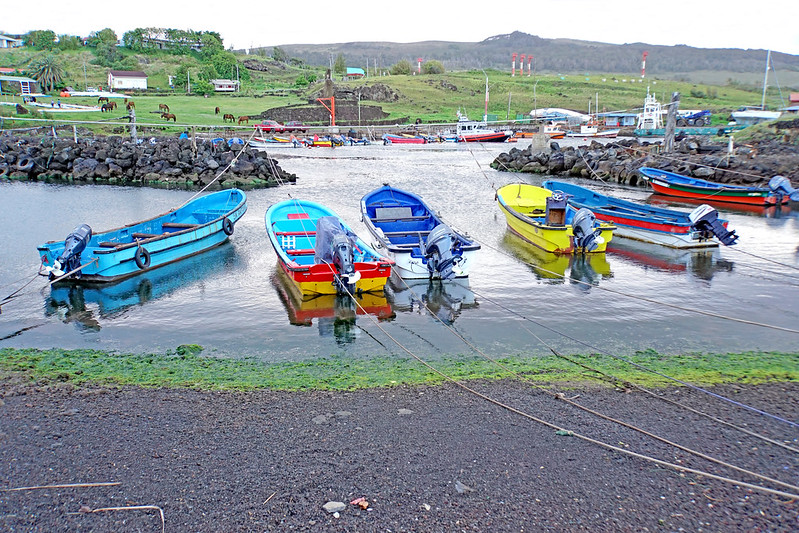
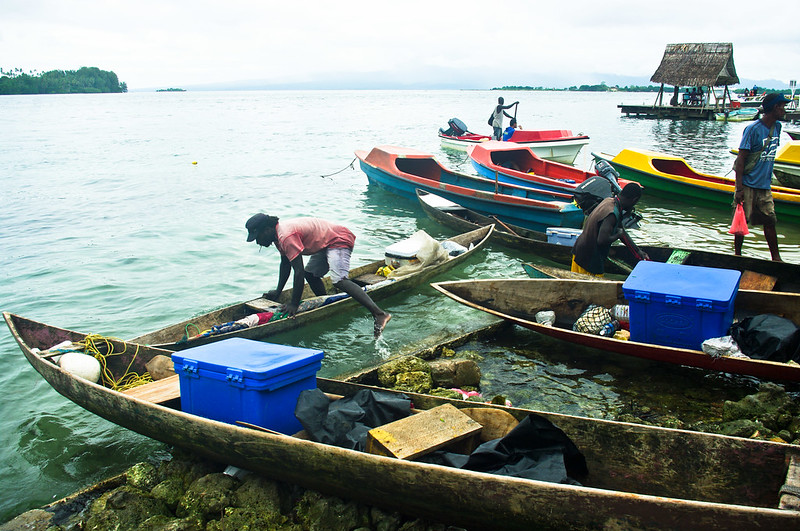
5 Ways Cell Phones Transform Fishing in the Pacific Islands Fish are a valuable commodity in the Pacific Islands, making up to 90% of animal protein consumption and a significant portion of income generation in coastal villages. In terms of income generation, the advent of widespread cell phone coverage presents a promising opportunity for the region’s efforts toward poverty alleviation and economic advancement through fishing activities. However, only 38% of Pacific Islanders have access to a mobile phone subscription, contributing to poverty rates as high as 52.2% in Papua New Guinea. The following is an outline of five key ways that increasing mobile phone subscriptions could aid poverty alleviation through fishing in the Pacific Islands.

Access to Market Information

Facilitating access to market information is one of the most pivotal avenues through which phone coverage enhances fishing in the Pacific Islands. This assertion is strongly supported by Robert Jensen’s seminal research paper “The Digital Provide.” Jensen’s study, conducted in the densely populated fishing region of Kerala, India, revealed that with the adoption of cell phones, approximately one-third of fishermen expanded their market reach beyond their local catchment area.

This expansion coincided with a significant reduction in fish wastage, plummeting from 8% to 0%. The change was caused by newfound access to real-time market data afforded by mobile phones, enabling fishermen to stay abreast of supply and demand dynamics in nearby markets. Consequently, Jensen’s study underscored a tangible increase in fishermen’s profits, catalyzed by expanding cell phone coverage.

These findings suggest that similar benefits could accrue in the Pacific Islands, where increased cell phone access could enhance food production, expand economic opportunities in fishing and reduce food poverty. By leveraging existing infrastructure, such as the Western Pacific Fisheries Information Network Data Portal, fishermen can explore new markets, augmenting overall productivity and mitigating financial poverty and food insecurity.

Communication with Buyers

The expansion of cell phone access equips fishermen with a direct and streamlined communication channel to engage with individual buyers. Multiple studies underscore the significance of digital marketing in fish sales, highlighting its cost-effectiveness in reaching a broader array of potential consumers. Moreover, fostering personal connections with clients significantly enhances customer satisfaction and drives referrals. Through regular communication via cell phone with consumers, fishermen can broaden their network, facilitating waste reduction and boosting income. Consequently, this enhanced financial capacity enables investment in modern fishing equipment, thereby further optimizing operations and catalyzing economic growth and poverty reduction.

Weather Monitoring

Fishing, particularly in economically disadvantaged nations, poses significant risks due to unpredictable weather patterns and tidal fluctuations, with an estimated 100,000 fishermen losing their lives annually at sea. The expansion of cell phone coverage presents an opportunity to substantially diminish this staggering toll, primarily by granting access to real-time weather updates. This access notably reduces the likelihood of fishermen encountering perilous sailing conditions. For instance, the National Disaster Management Office of Vanuatu has pioneered an emergency SMS system to notify fishermen about impending natural disasters – a cost-effective, low-tech solution that profoundly enhances safety at sea. Moreover, temperature directly influences fish behavior and productivity.

Cell phone coverage grants fishermen access to both long-term climate forecasts and short-term weather trends, empowering them to adapt by acquiring suitable equipment for changing conditions or relocating to other catchment areas with higher yields. As a result, fishing in the Pacific Islands transforms into a safer, more profitable industry, fostering increased food production and incomes.

Access to Financial Services

Fishermen in rural or remote islands frequently encounter challenges accessing banking services, which are crucial for obtaining loans to initiate or expand fishing operations. The expansion of cell phone coverage facilitates access to online banking and microfinance institutions, offering avenues for business expansion with minimal collateral requirements. Notably, in China, microfinance initiatives within the aquaculture sector have demonstrated efficacy in poverty alleviation while also proving profitable for the firms involved. Additionally, in Haiti, mobile phone expansion resulted in a 30% increase in people gaining access to financial institutions. Extrapolating from this data, it is reasonable to anticipate similar benefits for Pacific island communities with expanded mobile phone coverage.

Government Oversight and Compliance

Illegal fishing in the Pacific accounted for the illicit harvesting of nearly 200,000 tons of tuna, valued at more than $300 million, between 2017 and 2019. Such alarming trends transcend species boundaries, jeopardizing the survival of marine populations, intensifying food insecurity and undermining the efforts of licensed purveyors. However, with the advent of mobile internet connectivity, surveillance and communication with governmental authorities are streamlined, empowering fishermen to report suspicious activities effectively.

The tangible benefits of cell phone coverage in combatting illegal fishing have already been observed in the Solomon Islands. By curbing overfishing and unsustainable practices, cell phones play a consequential role in safeguarding fishing productivity for future generations, thereby ensuring the long-term sustainability of the industry. This proactive approach not only mitigates poverty and food insecurity concerns but also fosters a more resilient and prosperous fishing sector.

Ongoing Initiatives

Despite persistently low mobile subscriber penetration among Pacific Islanders, projections indicate a rapid increase, with an estimated 50% adoption by 2030. However, this rate still falls significantly below the global average of 73%. To improve penetration rates among fishermen in the region, concerted efforts from local policymakers and international investors could be crucial. Initiatives such as the Pacific Digital Connectivity and Cybersecurity Partnership (DCCP) by USAID aim to enhance internet connectivity throughout Oceania. USAID-funded mobile applications, such as Hapi Fis and Hapi Pipol! (Happy Fish, Happy People!) in the Solomon Islands, provide fishermen and communities with real-time fishery management information and solutions.

Looking Ahead

The potential for mobile technology to transform the fishing industry in the Pacific Islands is vast and promising. By increasing access to market information, enhancing safety with weather updates and improving financial services, mobile phones could significantly uplift the economic status of fishermen and their communities. As coverage expands, these technologies are poised to make a profound impact on reducing poverty and increasing food security across the region.

– Matthew Candau

Matthew is based in St. Andrews, Scotland and focuses on Technology and Politics for The Borgen Project.

Photo: Flickr
May 9, 2024
https://borgenproject.org/wp-content/uploads/borgen-project-logo.svg 0 0 Precious Sheidu https://borgenproject.org/wp-content/uploads/borgen-project-logo.svg Precious Sheidu2024-05-09 07:30:292024-05-09 01:33:575 Ways Cell Phones Transform Fishing in the Pacific Islands
Disease, Global Health, USAID

The Cure Tuberculosis Project In The Kyrgyz Republic

The Success Of The Cure Tuberculosis Project In The Kyrgyz RepublicIn the Kyrgyz Republic, a landlocked country in Central Asia, health officials diagnose 1,400 people with drug-resistant Tuberculosis (TB) annually. It ranks among the nations with the highest rates of drug-resistant TB. This prevalence underscores a significant health challenge across the country. To address this, the Cure Tuberculosis Project has dedicated its efforts to lowering the rates of drug-resistant TB infections and enhancing the treatment for affected patients.

The Struggle with Drug-Resistant TB

TB ranks among the most lethal infections, causing 1.3 million deaths in 2022 alone. It disproportionately affects those in lower-income households, exacerbating the cycle of poverty. Infected individuals often face reduced earning capacity, leading to diminished access to health care and increasing health issues.

In addition, people with TB often spend more time indoors, heightening the risk of spreading the illness among both adults and children. This transmission within households can perpetuate a cycle of poverty across generations. Moreover, drug-resistant TB poses a growing global concern as certain treatments lose effectiveness. In 2022, about 410,000 individuals contracted drug-resistant TB, but only 43% received treatment, highlighting the urgent need for more effective interventions.

The Kyrgyz Republic faces a significant challenge with drug-resistant TB, with 29% of new drug-resistant TB cases compared to the global average of 3.3%, according to the World Health Organization (WHO). In addition, several factors contribute to this high incidence, including ineffective health care services, a shortage of medical resources and widespread difficulties in accessing medication for drug-resistant TB.

Addressing Drug-Resistant TB

The U.S. Agency for International Development (USAID) supported the Kyrgyz people by funding the Cure Tuberculosis Project from 2019 to 2024. This initiative aimed to assist the Kyrgyz government in identifying and treating individuals diagnosed with drug-resistant TB. Additionally, the project focused on ensuring rapid diagnosis for drug-resistant TB patients and facilitating their access to treatment, collaborating closely with the Ministry of Health of the Kyrgyz Republic. Moreover, the Cure Tuberculosis Project focused on four key areas for improvement:

  1. Develop more effective strategies to improve drug-resistant TB detection.
  2. Treat more patients with drug-resistant TB.
  3. Reduce the number of drug-resistant TB infections.
  4. Enhance government legislation concerning drug-resistant TB.

Impacts of the Cure Tuberculosis Project

The Cure Tuberculosis Project achieved success in all four targeted areas.

  1. Develop more effective strategies to improve drug-resistant TB detection: In Batken, Chui and Naryn Oblasts, 12 hospitals successfully screened all patients for drug-resistant TB, ensuring treatment for those diagnosed.
  2. Treat more patients with drug-resistant TB: The project equipped all hospitals and 91 health care services with online medical record management. Furthermore, more than 2,100 patients with drug-resistant TB benefited from mental health assistance and financial support.
  3. Reduce the number of drug-resistant TB infections: The project enhanced infection control in hospitals in Naryn, Batken and Talas, successfully reducing the average hospital stay for patients by 12%. It also sought to change the behaviors and perceptions of patients with drug-resistant TB and their families. This included producing 28 educational films that share patients’ experiences to raise awareness about the infection.
  4. Enhance government legislation concerning drug-resistant TB: The project collaborated with the Mandatory Health Insurance Fund to develop financial strategies to enhance drug-resistant TB treatment. Among these advancements is the facilitation of sputum sample transfers to hospitals for drug-resistant TB testing.

Looking Ahead

The Cure Tuberculosis Project has laid a strong foundation for ongoing efforts to fight drug-resistant TB in the Kyrgyz Republic. This marks a significant stride toward health security and poverty reduction. Furthermore, sustained collaboration and innovation could be essential in consolidating these gains and ensuring a healthier future for the Kyrgyz people.

– James McAlinden

James is based in Rosehearty, Scotland and focuses on Global Health for The Borgen Project.

Photo: Flickr

April 9, 2024
https://borgenproject.org/wp-content/uploads/borgen-project-logo.svg 0 0 Precious Sheidu https://borgenproject.org/wp-content/uploads/borgen-project-logo.svg Precious Sheidu2024-04-09 07:30:252024-04-08 15:36:25The Cure Tuberculosis Project In The Kyrgyz Republic
Global Poverty, Innovations, USAID

Lake Malawi REFRESH Project

Lake Malawi Waters Undergo REFRESH Project Initiatives Malawi is a landlocked country that borders Tanzania, Mozambique and Zambia. It is also one of the poorest countries in the world with a population of 20.4 million and 70% living beneath the international poverty line. The nation relies on Lake Malawi and the support provided by the REFRESH project.

Lake Malawi is integral to the social, economic and environmental well-being of Malawi and its people. It proves to be an indispensable part of the country’s infrastructure, covering a total area of 22,490 square kilometers, employing more than 500,000 people and contributing 4% to the nation’s GDP.

The Lifeline of Malawi: Lake Malawi

Lake Malawi, Africa’s third-largest lake, is crucial for Malawi’s economy and ecology. As a landlocked country, local communities depend on the lake for drinking water, transportation, leisure, power generation, irrigation and notably, fishing.

The lake’s fish significantly contributes to the country’s nutrition and economy, supplying 70% of the animal protein intake. It supports the livelihoods of Malawi’s residents through both local consumption and exports to neighboring countries, making it a crucial economic resource.

Lake Malawi also serves as a vital trade route, facilitating the transportation of goods to neighboring countries. The trade activity positions Lake Malawi as a hub for expansive business networks, essential for the mass production and distribution of natural goods, benefiting not only Malawi but also its neighboring communities through robust trade partnerships.

Residents in the area benefit from job opportunities created by the businesses managing these goods, reinforcing a cycle of employment and food security. Lake Malawi’s wealth of natural resources not only sustains jobs but also underpins food security, laying a strong foundation for the local economy and community wellbeing. Its tributaries hold the key to renewable energy through hydroelectric power generation, diversifying the country’s energy sources. This sustainable energy supports the nation’s industries, homes and various sectors, further stabilizing the country’s economic and environmental landscape.  

Malawi Takes Advantage

Lake Malawi supports the livelihoods of 20.4 million Malawians, surrounding communities and more than 910,000 refugees from Mozambique. With a population growth rate of 3.3%, the lake’s resources are under strain and require restoration. While Lake Malawi is vital for the economy and job creation, Malawi’s low GDP per capita of $554.20 challenges the local population’s ability to sustain and enhance these benefits.

In addition, nationwide poverty significantly challenges individuals in making decisions crucial for the long-term sustainability of natural resources. This difficulty arises from their urgent short-term needs. In addition to the impact on local communities, large-scale commercial fishing operations also contribute to overfishing in Malawi.

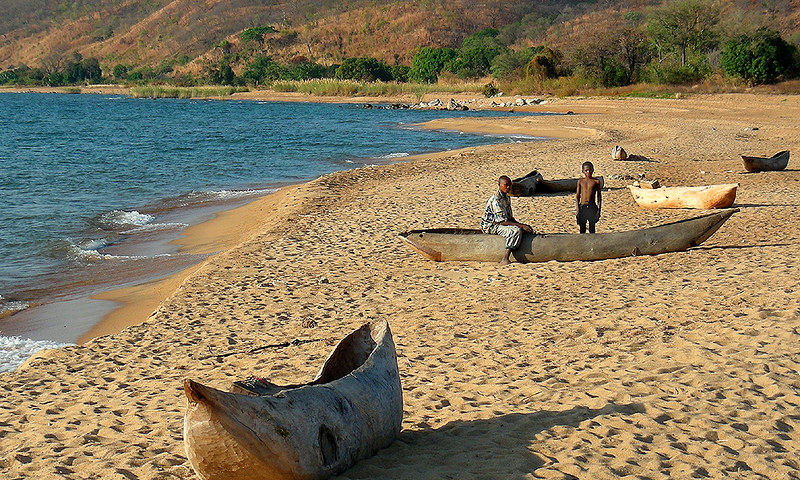
Moreover, local reliance on Lake Malawi for sustenance has led individuals to fish in shallow areas, away from large commercial operations. In addition, this practice threatens fish breeding grounds as small-scale fishermen navigate these regions in canoes designed for shallow waters. The impact of these activities presents significant economic and environmental challenges for Malawi and neighboring countries relying on the lake’s resources.

REFRESH Project

The U.S. Agency for International Development’s (USAID) REFRESH project, aimed at enhancing Lake Malawi’s fisheries management and conserving fish biodiversity, spans from October 2019 to September 2024. Recently, USAID provided the Malawian government with an advanced electronic catch assessment survey (eCAS) system and refurbished patrol boats, significantly boosting data collection and surveillance efforts.

The electronic catch system compromises smart tablets, desktop computers and servers which allows them to have an accurate analysis of catch data. This high technology gives Malawi the advantage of being able to estimate fisheries production and evaluate the sector’s economic and food security contributions. 

Additionally, USAID recently upgraded patrol boats for the Salima District Council with new engines to strengthen surveillance against overfishing, promoting adherence to fishing regulations and local laws. This effort aims to preserve the lake’s biodiversity. However, residents of fishing villages, who have depended on Lake Malawi for their livelihoods, sometimes struggle to see these restrictions as measures to sustain the lake’s benefits rather than to limit their use.

Furthermore, regular monitoring of Lake Malawi allows for the identification and education of those overfishing, aligning them with the goals of the REFRESH Project for the lake’s restoration. These efforts, supported by USAID through the provision of operational guidelines and scientific equipment, highlight a deep commitment to sustainable fishing practices and the protection of Malawi’s aquatic ecosystem.

Nurturing Sustainability

The USAID REFRESH project is pivotal for sustainable development in Malawi, particularly for Lake Malawi. It focuses on improving fisheries management, enhancing scientific knowledge and strengthening governance. Its approach not only preserves the lake’s natural environment but also supports the economic well-being of the people who depend on its resources.

The REFRESH project is actively engaging local stakeholders and promoting an ecosystem-based approach to fisheries management. This strategy is designed to ensure a brighter, more sustainable future, harmonizing the well-being of Malawi’s people with the sustainability of the iconic Lake Malawi.

– Tristen Jerkins

Tristen is based in Tampa, FL, USA and focuses on Technology and Solutions for The Borgen Project

Photo: Flickr

March 27, 2024
https://borgenproject.org/wp-content/uploads/borgen-project-logo.svg 0 0 Precious Sheidu https://borgenproject.org/wp-content/uploads/borgen-project-logo.svg Precious Sheidu2024-03-27 07:30:372024-03-26 05:05:48Lake Malawi REFRESH Project
Agriculture, Global Poverty, USAID

The Impacts of the USAID Complete Project in Palestine

The USAID Complete Project in PalestinePalestine is a region in the Eastern Mediterranean that encompasses parts of modern-day Israel, the West Bank and the Gaza Strip. It holds deep cultural, religious and historical significance for Jews, Christians and Muslims alike. Palestine, unfortunately, is in an economic tanking, with an estimated 45% increase in its poverty rate if things continue the way they have been. In 2000, the agricultural sector was the largest for the Palestinian economy, making up 22%. Today, it rests at 5-6% and slowly decreases as time goes on. However, with help from The United States Agency for International Development (USAID) and the Competitive Economy Program for Trade Enhancement (Compete) Project, Palestine has hope to turn things around.

Agriculture in Palestine

The agricultural sector in Palestine is facing significant challenges, with Israeli restrictions on land and water access exacerbating the situation. The agricultural sector in Palestine has been experiencing a decline in its contribution to the country’s GDP and a reduction in the number of people employed within the industry.

One of the main reasons for this trend is the absence of a clear government vision for the sector. Additionally, local farmers find it difficult to compete with Israeli products that are flooding the market. This competition often results in a lengthy inspection process, which can cause spoilage of produce and further losses for Palestinian farmers.

Additionally, fertile lands are being converted into industrial zones, displacing farmers and contributing to environmental degradation. As agriculture provides economic opportunities such as job and food security, income generation, land preservation and export potential, conserving its remaining effects on the country’s overall well-being and economic success is increasingly crucial.

The Complete Project

The USAID Complete project in Palestine aimed to strengthen the competitiveness of Palestinian enterprises and facilitate their access to domestic and international markets. It focused on various sectors, including agriculture, manufacturing and services, to promote economic growth and job creation in the Palestinian territories.

The project provided technical assistance to companies to enhance their product value. It facilitated connections between smaller businesses and larger producers/exporters for more efficient market access. By improving information flow, product quality and technology adoption, Compete empowered firms to seize opportunities. Ultimately, the project aided 1,797 firms, resulting in a $383 million sales increase and $254 million in exports, creating more than 6,900 jobs and leveraging $105 million in private investment.

The Strawberry King

Osama Abu-Al Rub is one of the 20 strawberry farmers left in the West Bank. He began receiving aid from USAID in 2013 and has grown his business exponentially since then by gaining the opportunity to invest in technological advances such as computerized irrigation and by experimenting with covered, hanging growth techniques.

Osama’s success in his strawberry farming has allowed him to send his daughter Hanin to university, where she studies agricultural engineering. Occasionally, her friends visit their farm to learn new tactics from her father, which they will carry into the future of Palestine to generate success for decades to come.

The Future of Palestine

USAID has targeted a main core issue for the Palestinian economy and has significantly invested in eradicating the problem at hand. Even with restriction and pushback from some of the American people and government, USAID has found ways to implement knowledge and a foundational base that can potentially send Palestine’s economy skyrocketing if built in the right ways. By implementing these strategies, the Compete Project can help transform the agricultural sector in Palestine into a vibrant and dynamic contributor to the economy, generating employment, increasing incomes and fostering sustainable economic development for years to come.

– Tristen Jerkins
Photo: Flickr

March 17, 2024
https://borgenproject.org/wp-content/uploads/borgen-project-logo.svg 0 0 Hemant Gupta https://borgenproject.org/wp-content/uploads/borgen-project-logo.svg Hemant Gupta2024-03-17 23:43:042026-04-16 10:06:03The Impacts of the USAID Complete Project in Palestine
Global Poverty, Poverty Reduction, USAID

Crime and Poverty in the Dominican Republic

Poverty in the Dominican RepublicThe Caribbean is visited by almost 28.3 million tourists. However, in the last four years, the Dominican Republic has faced an increase in crimes committed, with poverty increasing by more than 20% from 2019 to 2021. The most vulnerable populations are women and children, who do not have the economic income to create stability within the household.

The complex relationship between crime and poverty requires solutions that address the underlying issues. The Peace Corps, the United States Agency for International Development (USAID), Crime Stoppers and the Pact are groups working to reduce poverty in the Dominican Republic.

How Crime and Poverty Are Interlinked

The World Bank, in its report “Conflict and Poverty,” sheds light on four critical issues that underscore the cyclical nature of the relationship. Delving into the consequences of conflict, it becomes evident that a child’s schooling will be reduced by nearly one-third if they encounter conflict and subsequent health issues, including addiction, diabetes, depression and post-traumatic stress disorder (PTSD).

USAID Supports Education in the Dominican Republic

In the Dominican Republic, impoverished children will drop out of primary school to earn income for their families. Recognizing the need to break this cycle, USAID has partnered with the Ministry of Education of the Dominican Republic to ensure children receive proper education and opportunities to reduce the risk of criminal involvement. To address the multifaceted challenges faced by these vulnerable children, USAID has outlined three specific goals within its collaborative efforts with the Ministry of Education:

  • Assist children with disabilities and children staying in school or reintegrating those who dropped out.
  • Provide technical-vocational training for young people to increase employment opportunities.
  • Support health services for adolescents or help young people get identity documentation.

Crime Stoppers and Their Anonymous Services

Crimes committed in the Dominican Republic could go unreported to the authorities due to apathy or fear of repercussions. Estimates suggest that around 70% of observable crimes go unreported.

On September (2023). Crime Stoppers discussed opening an office within D.R. as an anonymous hotline to serve the people. The previous record from Crime Stoppers suggests a high success rate, with other offices already located within Latin America.

Peace Corps Projects Within the Dominican Republic

The Peace Corps is leading other nonprofit organizations in addressing the education gap within the Dominican Republic. The volunteers work with community leaders to provide a needed set of skills. In partnership with other nonprofits, the organization has established three projects in the Dominican Republic. The projects aim to help vulnerable children with low literacy.

  • The Spanish Primary Literacy Program allows volunteers to work within primary institutions to support children’s literacy and educate their families.
  • Volunteers working under the Youth Project produce a variety of skills essential to life and employability. Modeling healthy behaviors in front of children and adolescents encourages replicating these behaviors to reduce poverty in the Dominican Republic.
  • The Community Economic Development (CED) project assigns volunteers to work with people to secure employment. By providing strong leaders within the community, developmental changes are more attuned to the needs of the people.

The Pact’s Work Within the Dominican Republic

The Pact, an international nonprofit working for human development, recognizes the need for civil actors to seek change at a societal level. Using their research in human development, the Pact, in conjunction with USAID, set up the Civil Society Strengthening Activity program. The Dominican Republic’s poverty rate will drop because of this $12.5 million initiative that emphasizes the abilities of community leaders and how to use them to enact legal policies focused on women and children.

Conclusion

Crime and poverty in the Dominican Republic are interlinked. While this creates a complex phenomenon, the resolution to reducing crime is reducing poverty. International nonprofits, governments and programs aid developing nations to discover solutions that suit the country’s needs. As the World Bank states, “poverty alleviation in fragile states recognizes the need for organizations such as the U.N. and IMF to coordinate state capacity.”

– Luis Lujano-Garcia
Photo: Flickr

March 11, 2024
https://borgenproject.org/wp-content/uploads/borgen-project-logo.svg 0 0 Hemant Gupta https://borgenproject.org/wp-content/uploads/borgen-project-logo.svg Hemant Gupta2024-03-11 03:00:532024-03-11 01:32:11Crime and Poverty in the Dominican Republic
Africa, Global Poverty, USAID

USAID Programs in Chad

USAID Programs in ChadChad, “the fifth largest country in Africa,” is also “one of the world’s poorest countries.” Once a colony of the French Empire, Chad declared its independence in 1960, but troubles did not end there. Starting in 1966, Chad entered into a civil war that would prove to be one of Africa’s longest. Forward to the 21st century and political instability continues to manifest in rebel attacks and pre-election violence. Besides civil unrest, Chad has recently endured severe flooding in its Lac Province, where approximately 381,000 domestic refugees took shelter as of 2022. In 2024, an additional 54,000 people were displaced. Chad takes the most refugees per capita within the African continent, particularly those from Sudan due to ongoing conflict and economic factors further worsening Chad’s crises, according to the Norwegian Refugee Council (NRC).

The country’s primary export is oil, but other financial sectors have seen minimal development and coupled with high levels of debt, its economy struggles to cope with the crises it faces. Chad currently ranks 190th on the Human Development Index (HDI) out of the 191 countries listed, according to the German Federal Ministry for Economic Cooperation and Development (BMZ). As such, foreign aid is incremental to Chad’s development, and the rest of this article will demonstrate the role of the U.S. Agency for International Development, particularly USAID programs in Chad.

Reducing Poverty and Food Insecurity

According to the World Food Program (WFP), approximately 2.1 million people in Chad are acutely food insecure as of 2023, while 1.36 million of its children struggle with malnourishment and 42% of its population lives below the poverty line. The USAID recognizes this in its foreign aid commitments, seeking to address the immediate need for humanitarian aid. USAID’s 2022 Chad Assistance Overview highlights contributions of $54.9 million in funds for food assistance. This includes food vouchers, cash transfers for food, nutrition assistance and malnutrition treatments.

As of January 2024, Chad hosted more than 1.1 million refugees, of which 934,000 came from Sudan. USAID has supported the Chad Rapid Response Mechanism, supplying nearly 7,800 internally displaced people with hygiene and kitchen supplies and constructing nearly 70 emergency shelters for refugees, according to its 2024 Chad Assistance Overview. These commitments are but a symptom of USAID’s continued efforts to increase food and national security.

Success Stories in the Villages

Since 2008, USAID has partnered with Africare to provide villages with better-quality water and alleviate some of their hygiene and food security crises. Abdelmadjid Ali, member of Mourdaba’s water management committee and father of five notes that before USAID programs in Chad, there was no organization within the community to deal with water management, and as a result “villagers consumed dirty and unclean water and this exposed them to all kinds of diseases including diarrhea and cholera.” Since then, USAID helped construct 113 water wells, which now benefit nearly 35,000 people.

Another success story comes from USAID’s cultural efforts. Seeking to address the political instability that is the cause of so many of Chad’s other crises, USAID funds the Peace Through Development II program. The program supports radio shows that broadcast sensitive and educational topics through sketches and mini-dramas. In this way, USAID hopes to counter the extremism that has plagued Chad and contributed to its citizens’ poor living conditions. Besides this, the program provides community and creative expression to Chad’s impoverished populations.

Ending Note

The total emergency funding provided by USAID programs in Chad in the fiscal years 2022 to 2024 stands at $166,360,752, according to the 2024 Assistance Overview. This sum has contributed to some great success stories, including increased food security, refugee relief and aid and cleaner water sources. Chad, however, remains the 9th poorest country in the world, according to Global Finance, and its stretched resources, the ongoing refugee crisis and periodic flood devastation further worsen this situation. While USAID programs in Chad have made some good strides toward improving living conditions within the country, increased foreign aid continues to be an absolute necessity to address the continuing humanitarian crisis.

– Kayleigh O’Brien
Photo: Flickr

March 9, 2024
https://borgenproject.org/wp-content/uploads/borgen-project-logo.svg 0 0 Jennifer Philipp https://borgenproject.org/wp-content/uploads/borgen-project-logo.svg Jennifer Philipp2024-03-09 01:30:162024-03-08 02:11:56USAID Programs in Chad
Global Poverty, USAID

INTERPOL’s Illegal Timber Bust a Win Against Poverty

Illegal TimberIn April of 2022, the International Criminal Police Organization (INTERPOL) announced it had uncovered and shut down illegal timber trading schemes across 12 countries in Latin America and the Caribbean. The seized timber, taken from tropical forests in the region, amounted to more than $700,000. INTERPOL partnered with other organizations in this lengthy endeavor that led to the arrest of 69 individuals in this organized crime system.

INTERPOL partnered with the United States Agency for International Development (USAID) and organizations from the U.N., Norway and the region’s governments. USAID’s connection, in this case, to an international policing force may seem surprising at first, but not so when considering the organization’s longstanding commitment to biodiversity and sustainable development.

A Call for Sustainable Evaluation

USAID has striven to uphold the ideal of global development that aligns with environmental conservation for decades. For many years, funding projects have gone towards conservation efforts in areas of high biodiversity, focusing on tropical forests, home to most of the world’s biodiversity. Additionally, all projects require an environmental impact assessment before implementation to reduce the impacts of development on the environment.

In 2014, USAID developed a new Biodiversity Policy. The main features of this policy are:

  • Conserve highly biodiverse areas.
  • To look systematically at different aspects of humanitarian work through a lens of biodiversity and sustainability. 
  • Deforestation risks are a “reducing threat and driver” of biodiversity loss.

These efforts align with the U.N.’s Sustainable Development Goal 15, which aims to “protect, restore and promote sustainable use of terrestrial ecosystems,” including through preventing deforestation.

Unveiling the Co-Benefits of Biodiversity

All the efforts by USAID and the U.N. to highlight the importance of sustainability and conservation in global development reflect how vital biodiversity is to alleviating poverty. Biodiversity is not just important for its own sake. The services provided to local communities in highly biodiverse areas are essential.

To sustain their communities, many people rely on the following:

  • Healthy ecosystems that provide food and clean water 
  • Protection from disease and malnutrition.
  • Sustain local economies through products and employment.
  • Insect populations are vital for local agriculture.

Despite their importance in decreasing and preventing poverty, these services are nearly impossible to restore or reproduce through humanitarian relief. If there is any damage to these ecosystems, the consequences might be catastrophic, including starvation, sickness and the loss of a sustainable local economy.

Environmental Crime Across the World

Illegal threats to local ecosystems, like illegal timber or wildlife trading, can have adverse ripple effects in local communities beyond just a loss of biodiversity. These industries bring with them a level of crime and corruption. They can have vast impacts on local and even national safety and can exacerbate poverty.

The illegal timber trade is estimated to be worth as much as $51-152 billion annually, representing 15-30% of all timber traded globally. The illicit timber trade takes almost half the money in all environmental violations globally. This category also includes wildlife trafficking, overfishing and pollution crimes. Illegal industries like these leave communities with greater levels of crime and poverty.

INTERPOL’s ongoing efforts and arrests, with the support of USAID, are therefore not just a win for biodiversity but also in the fight against poverty.

– Lyle Seeligson
Photo: Pexels

March 3, 2024
https://borgenproject.org/wp-content/uploads/borgen-project-logo.svg 0 0 Hemant Gupta https://borgenproject.org/wp-content/uploads/borgen-project-logo.svg Hemant Gupta2024-03-03 01:30:042024-03-02 23:42:13INTERPOL’s Illegal Timber Bust a Win Against Poverty
Global Poverty, USAID

USAID in Guatemala: Growth, Education and Food Security

USAID in GuatemalaGuatemala has enormous potential as a nation, yet as of 2023, 55.2% of its population lives in poverty. Numerous factors contribute to the high percentage of poverty. Those are frequent natural disasters, limited possibilities and ongoing gaps in access to essential services.

However, Guatemala is in a position of significant potential, being rich in natural resources and biodiversity, to capitalize on its proximity to the U.S. for trade, tourism and resource opportunities. Guatemala has yet to reach its full potential for wealth, nevertheless. There are signs of progress, such as the country’s Gini Index Coefficient reduction over the last few decades.

Furthermore, the United States Agency for International Development (USAID) in Guatemala has been present for some time and has far-reaching benefits in education, food security and economic growth. This article will provide a broad overview of how USAID in Guatemala is helping the Guatemalan authorities to alleviate poverty and how current and scheduled programs will build on this.

Education

The Puentes Project “aims to improve skills and abilities for work and access to employment or entrepreneurship opportunities for young people between 15 and 29 years of age.” This type of program is arguably one of the most important since Guatemala is struggling with a staggering 29.6% of its youth population not in education, employment or training. The project aims to enhance opportunities, employment scope, entrepreneurship prospects and adolescent access to social support.

The story of Irma Torres highlights the success of this program. After participating in the Puentes Project, she gained technological knowledge and skills such that she is now a teacher empowering the next generation, significantly improving her income.

Food Security

Like education, food security projects are also essential since rural Guatemalans face some of the most challenging conditions: “Families living in poor rural communities often eat only one meal a day.” This landscape makes it nearly impossible for rural Guatemalans to seek higher living standards and, unfortunately, is estimated to have driven “1.5 million Guatemalans to emigrate in the last 20 years.”

The “Feed the Future” program collaborates with many institutional agents and regional players within Guatemala to reduce poverty through sustainable rural development and increase private sector investment and job creation. The broadness of this initiative has led to several successes, such as the generation of 75,000 jobs since 2017. Further, more than 145,000 small-holder farmers have received help and more than 53,000 people have adopted new technologies for more efficient farming.  Guatemalans who have participated in “Feed the Future” activities have been less likely to return to poverty and more likely to escape growth stunting due to malnutrition.

Economic Growth

Guatemala had a strong recovery from the COVID-19 Pandemic, with GDP growth of 8% in 2021 and 4.1% in 2022. Still, most development depended on the country’s reliance on remittances. A lack of valued opportunity is the most significant driver behind the exodus of Guatemalans over the years. So, USAID in Guatemala seeks to form partnerships with the private sector to strengthen small and growing businesses and remove obstacles to access to finance, markets and large-scale foreign direct investment.

By working with the private sector directly, USAID in Guatemala can strategically provide training for jobs already identified, meet demand and support local economic prosperity.

The organization has heavily invested in manufacturing sectors to incentivize production at home for Guatemala to take advantage of the U.S. market and its benefits through the Dominican Republic-Central America FTA (CAFTA-DR) trade agreement.

Conclusion

The poverty rate among indigenous groups in Guatemala is as high as 79% and it is still a severe worry. USAID is leading several promising initiatives in the country and these efforts have already yielded some good results. Continued success will hinge on the ability of USAID and the Guatemalan authorities to carefully pinpoint decisive geographical and economic areas of the country where socioeconomic development is feasible and sustainable.

– Arshiya Eslamdoust
Photo: Unsplash

February 27, 2024
https://borgenproject.org/wp-content/uploads/borgen-project-logo.svg 0 0 Hemant Gupta https://borgenproject.org/wp-content/uploads/borgen-project-logo.svg Hemant Gupta2024-02-27 15:00:302024-02-27 03:11:16USAID in Guatemala: Growth, Education and Food Security
Global Poverty, USAID

USAID programs in Egypt

USAID programs in EgyptFor more than four decades, the collaboration between the U.S. and Egypt has thrived, thanks to the dedicated efforts of the USAID. Since 1978, USAID has made a substantial investment of more than $30 billion in Egypt, focusing on crucial sectors such as education, health, economic development and governance. With the poverty rate in Egypt standing at 29.7% across its population, USAID is doing everything it can to support the overall growth of the country. The tangible impact of USAID programs in Egypt is evident in the positive transformations across Egyptian society, reaching women, minorities, and the broader population.

Education for Empowerment

Education stands at the core of USAID’s commitment to Egypt’s future. More than half of students in Egypt do not even meet the lowest benchmarks when it comes to international test assessments. However, the agency has significantly enhanced reading abilities in early grades, creating a foundation for lifelong learning. With a specific focus on STEM education, USAID has established schools and degree programs to equip students with the skills needed for a rapidly evolving job market. By fostering critical thinking over rote memorization, USAID is not only contributing to Egypt’s economic growth but is also preparing a skilled workforce for the challenges of the 21st century.

A noteworthy initiative in this regard is the USAID Egyptian Pioneers program which was established in November 2022, for which USAID has awarded the American University in Cairo $86 million. This nine-year cooperative agreement aims to provide scholarships and training to Egyptian students, emphasizing sectors critical to “Egypt’s economic growth, including women’s empowerment, health, digitization…” The program seeks to build a more inclusive and capable workforce, addressing the needs of young, low-income Egyptians and empowering them with market-relevant knowledge and skills.

Economic Growth and Prosperity

With its investment, USAID has facilitated the expansion of telecommunications networks and enhanced water and wastewater facilities, benefitting more than 25 million people. By supporting the private sector, USAID has created jobs, stimulated entrepreneurship and strengthened enterprises, contributing significantly to the realization of Egypt’s Vision 2030.

To support Egyptian university students in launching successful careers, USAID, alongside the Egyptian government and private companies, is setting up 30 career centers at 22 public universities. These centers will offer internships, training and other career development programs. USAID has also organized three virtual career fairs, connecting students with employers and generating nearly 20,000 job opportunities.

Additionally, USAID is partnering with Google to provide 500 students with professional certificates. In workforce development, USAID is enhancing technical education to meet industry needs, resulting in thousands of jobs and internships. It is implementing the “3R” strategy with 30 companies to recruit, retrain, and retain workers.

Agricultural Transformation

Recognizing the vital role of agriculture in the Egyptian economy, USAID has invested $1.4 billion in the sector since 1978. These investments have not only increased agricultural export revenue by 1,500% but have also empowered small-scale farmers. Through innovative technologies, training and market-oriented strategies, USAID has elevated the entire agriculture value chain, ensuring that farmers meet international standards and gain confidence in their products.

The Feed the Future Egypt Rural Agribusiness Strengthening initiative is a USAID program that began in 2018 and has continued expanding into 2023, USAID aids farmers in improving self-reliance and producing export-quality crops. Aligned with the U.S. Government’s global hunger and food security campaign, this program connects Egyptian farmers and food processors with domestic and international markets, offers financial support and promotes food safety practices. Additionally, it modernizes agribusinesses by upgrading processing facilities, refrigeration trucks and irrigation systems. USAID programs in Egypt like this one are being used to grow the agricultural sector in order to help economic growth and food security within the country.

Current Programs and Future Prospects

The ongoing USAID programs in Egypt reflect a commitment to sustainability and continued impact. The Center of Excellence for Agriculture established in 2019 and expanding into 2024 supports research necessary for the steady growth of Egypt’s economic and agriculture sectors. Providing them with vital agricultural information that can be used to capitalize on Egypt’s current agricultural strengths.

In education, USAID’s initiatives such as STEM Teacher Education, Early Grade Learning, Teach for Tomorrow and Literate Village are addressing the challenges in the education system and preparing students for the demands of the modern workforce.

As the partnership between the U.S. and Egypt continues to evolve, USAID remains dedicated to creating lasting positive change. Through strategic investments, collaborative efforts and a focus on sustainability, USAID contributes to the realization of a prosperous and inclusive Egypt.

– Tristen Jerkins
Photo: Flickr

February 10, 2024
https://borgenproject.org/wp-content/uploads/borgen-project-logo.svg 0 0 Kim Thelwell https://borgenproject.org/wp-content/uploads/borgen-project-logo.svg Kim Thelwell2024-02-10 01:30:322024-02-10 00:00:06USAID programs in Egypt
Page 3 of 33‹12345›»

Get Smarter

  • Global Poverty 101
  • Global Poverty… The Good News
  • Global Poverty & U.S. Jobs
  • Global Poverty and National Security
  • Innovative Solutions to Poverty
  • Global Poverty & Aid FAQ’s
Search Search

Take Action

  • Call Congress
  • Email Congress
  • Donate
  • 30 Ways to Help
  • Volunteer Ops
  • Internships
  • Courses & Certificates
  • The Podcast
Borgen Project

“The Borgen Project is an incredible nonprofit organization that is addressing poverty and hunger and working towards ending them.”

-The Huffington Post

Inside The Borgen Project

  • Contact
  • About
  • Financials
  • President
  • Board of Directors
  • Board of Advisors

International Links

  • UK Email Parliament
  • UK Donate
  • Canada Email Parliament

Get Smarter

  • Global Poverty 101
  • Global Poverty… The Good News
  • Global Poverty & U.S. Jobs
  • Global Poverty and National Security
  • Innovative Solutions to Poverty
  • Global Poverty & Aid FAQ’s

Ways to Help

  • Call Congress
  • Email Congress
  • Donate
  • 30 Ways to Help
  • Volunteer Ops
  • Internships
  • Courses & Certificates
  • The Podcast
Scroll to top Scroll to top Scroll to top