USAID in Guatemala: Growth, Education and Food Security
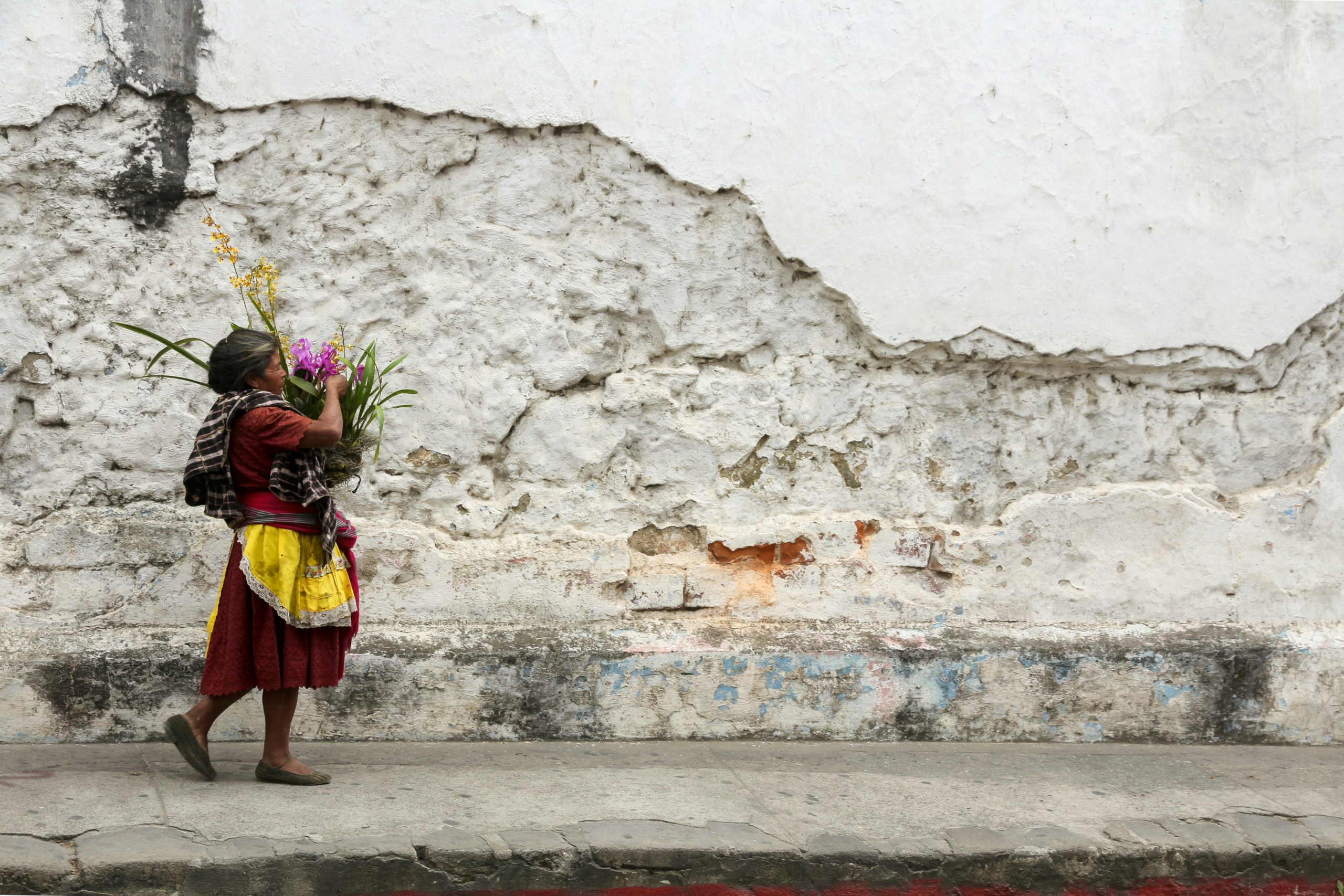 Guatemala has enormous potential as a nation, yet as of 2023, 55.2% of its population lives in poverty. Numerous factors contribute to the high percentage of poverty. Those are frequent natural disasters, limited possibilities and ongoing gaps in access to essential services.
However, Guatemala is in a position of significant potential, being rich in natural resources and biodiversity, to capitalize on its proximity to the U.S. for trade, tourism and resource opportunities. Guatemala has yet to reach its full potential for wealth, nevertheless. There are signs of progress, such as the country’s Gini Index Coefficient reduction over the last few decades.
Furthermore, the United States Agency for International Development (USAID) in Guatemala has been present for some time and has far-reaching benefits in education, food security and economic growth. This article will provide a broad overview of how USAID in Guatemala is helping the Guatemalan authorities to alleviate poverty and how current and scheduled programs will build on this.
Education
The Puentes Project “aims to improve skills and abilities for work and access to employment or entrepreneurship opportunities for young people between 15 and 29 years of age.” This type of program is arguably one of the most important since Guatemala is struggling with a staggering 29.6% of its youth population not in education, employment or training. The project aims to enhance opportunities, employment scope, entrepreneurship prospects and adolescent access to social support.
The story of Irma Torres highlights the success of this program. After participating in the Puentes Project, she gained technological knowledge and skills such that she is now a teacher empowering the next generation, significantly improving her income.
Food Security
Like education, food security projects are also essential since rural Guatemalans face some of the most challenging conditions: “Families living in poor rural communities often eat only one meal a day.” This landscape makes it nearly impossible for rural Guatemalans to seek higher living standards and, unfortunately, is estimated to have driven “1.5 million Guatemalans to emigrate in the last 20 years.”
The “Feed the Future” program collaborates with many institutional agents and regional players within Guatemala to reduce poverty through sustainable rural development and increase private sector investment and job creation. The broadness of this initiative has led to several successes, such as the generation of 75,000 jobs since 2017. Further, more than 145,000 small-holder farmers have received help and more than 53,000 people have adopted new technologies for more efficient farming. Guatemalans who have participated in “Feed the Future” activities have been less likely to return to poverty and more likely to escape growth stunting due to malnutrition.
Economic Growth
Guatemala had a strong recovery from the COVID-19 Pandemic, with GDP growth of 8% in 2021 and 4.1% in 2022. Still, most development depended on the country’s reliance on remittances. A lack of valued opportunity is the most significant driver behind the exodus of Guatemalans over the years. So, USAID in Guatemala seeks to form partnerships with the private sector to strengthen small and growing businesses and remove obstacles to access to finance, markets and large-scale foreign direct investment.
By working with the private sector directly, USAID in Guatemala can strategically provide training for jobs already identified, meet demand and support local economic prosperity.
The organization has heavily invested in manufacturing sectors to incentivize production at home for Guatemala to take advantage of the U.S. market and its benefits through the Dominican Republic-Central America FTA (CAFTA-DR) trade agreement.
Conclusion
The poverty rate among indigenous groups in Guatemala is as high as 79% and it is still a severe worry. USAID is leading several promising initiatives in the country and these efforts have already yielded some good results. Continued success will hinge on the ability of USAID and the Guatemalan authorities to carefully pinpoint decisive geographical and economic areas of the country where socioeconomic development is feasible and sustainable.
– Arshiya Eslamdoust
Photo: Unsplash
