• Link to X
  • Link to Facebook
  • Link to Instagram
  • Link to TikTok
  • Link to Youtube
  • About
    • About Us
      • President
      • Board of Directors
      • Board of Advisors
      • Financials
      • Our Methodology
      • Success Tracker
      • Contact
  • Act Now
    • 30 Ways to Help
      • Email Congress
      • Call Congress
      • Volunteer
      • Courses & Certificates
      • Be a Donor
    • Internships
      • In-Office Internships
      • Remote Internships
    • Legislation
      • Politics 101
  • The Blog
  • The Podcast
  • Magazine
  • Donate
  • Click to open the search input field Click to open the search input field Search
  • Menu Menu

Archive for category: USAID

Topics covering about USAID

Education, Global Poverty, USAID

US Support for Global Education 

Global EducationEducation remains one of the most powerful tools in the fight against global poverty. When children receive access to quality education, they are better equipped to secure well-paying jobs, improve their livelihoods, and contribute positively to their communities. However, more than 244 million children and youth around the world are currently out of school, according to the United Nations Educational, Scientific and Cultural Organization (UNESCO). Most of these children live in the poorest and most fragile regions on the planet. The importance of U.S. support for global education becomes especially evident when considering these staggering figures.

Legislative Efforts To Expand Access

Recognizing the critical role education plays in global development, U.S. lawmakers have introduced key legislative measures aimed at expanding educational opportunities in developing countries. Among these is the READ Act Reauthorization Act of 2023, which builds upon the foundation established by the Reinforcing Education Accountability in Development (READ) Act of 2017. This legislation reaffirms the United States’ commitment to improving educational systems abroad and is a cornerstone of U.S. support for global education.

A Bipartisan Push for Global Literacy

The READ Act Reauthorization Act of 2023 is a bipartisan initiative sponsored by Senators Dick Durbin (D-IL) and Marco Rubio (R-FL). The legislation prioritizes U.S. foreign assistance for educational programs in low-income countries. It aims to enhance foundational literacy, improve teacher training, ensure access to safe learning environments and extend educational opportunities for girls. This bipartisan support underscores the shared belief in the importance of education as a means to foster stability and prosperity worldwide.

Impact Since the READ Act Became Law

Since becoming law in 2017, the READ Act has served as a blueprint for U.S. efforts to expand access to quality education around the world. Backed by USAID, American-funded programs have focused on building foundational literacy skills, training teachers and creating safe, inclusive classrooms — especially in regions affected by conflict and poverty.

The impact has been far-reaching. In 2022 alone, USAID-supported basic education programs reached more than 33 million students and more than half a million educators across more than 50 countries, according to the agency’s Education Progress Report. These efforts are helping transform the lives of learners in some of the world’s most underserved communities.

With the READ Act’s reauthorization in 2024, the U.S. renewed its global education strategy through 2029 — this time with a sharper focus on accountability and equity. The updated bill prioritizes support for girls, displaced youth and children with disabilities, ensuring that American leadership continues to break down barriers to learning and create lasting opportunities for future generations.

Partnerships and Holistic Support Systems

The READ Act also encourages collaboration with local and community-based organizations to tailor educational interventions. For example, the Global Partnership for Education (GPE) works with 90 partner countries to support holistic approaches — including school meals, health programs and teacher training — that help children stay in school and succeed. By addressing barriers such as malnutrition and illness, these efforts create enabling environments for effective learning.

Empowering Girls Through Education

Girls in particular benefit significantly from these initiatives. In many parts of the world, girls are often the first to leave school due to crises, household responsibilities or systemic barriers. U.S.-backed global education efforts seek to address challenges such as the lack of sanitary facilities, child marriage and gender-based violence. Research shows that when girls stay in school longer, they are less likely to marry early, face health risks or live in poverty — and their future families are more likely to thrive.

A Strategic Foreign Policy Priority

For lawmakers like Senator Dick Durbin, global education is not just a humanitarian issue, it is a foreign policy priority. In a statement following the Senate’s passage of the READ Act Reauthorization, Durbin underscored the strategic value of investing in education worldwide:

“Doing so will ensure U.S. development programs continue to focus on providing basic education around a sound, long‑term strategy — one that includes making sure girls have access to schooling.”

The reauthorization came at a time of growing concern over pandemic-related learning loss and its long-term global impact. Durbin and his co-sponsor, Senator Marco Rubio, framed the legislation not only as a step toward educational equity but also as a strategic investment in global stability and U.S. national security.

A Broader Congressional Commitment

The READ Act Reauthorization is just one part of a broader bipartisan push in Congress to make global education a centerpiece of U.S. foreign policy. Lawmakers on both sides of the aisle are increasingly recognizing that supporting girls’ education and leadership is not just a moral imperative, it is a strategic one.

  1. Girls LEAD Act (S.634): Introduced in the 117th Congress, this bipartisan bill directs the U.S. Department of State and USAID to develop and implement a strategy to enhance the civic and political participation of adolescent girls worldwide. The act emphasizes increasing girls’ leadership skills, addressing barriers to their participation and ensuring their meaningful engagement in democratic processes. It also mandates annual reporting to Congress on progress made.
  2. Keeping Girls in School Act (S.3535): Introduced in the 118th Congress, this bipartisan legislation focuses on increasing access to quality secondary education for adolescent girls in developing countries. It requires USAID to identify and address barriers that prevent girls from attending school, such as child marriage, gender-based violence and lack of sanitation facilities. The act also calls for the development of a comprehensive strategy to empower adolescent girls through education and mandates regular reporting on the implementation of this strategy.

The Cost of Inaction

Failing to invest in global education risks deepening cycles of poverty and instability in vulnerable regions. Without adequate educational opportunities, communities are more likely to suffer from conflict, poor health outcomes and economic stagnation. Continued U.S. support for global education is not just a humanitarian necessity — it is a wise and forward-looking investment in global peace and prosperity.

– Polina Makarova

Polina is based in New York, NY, USA and focuses on Politics for The Borgen Project.

Photo: Unsplash

July 4, 2025
https://borgenproject.org/wp-content/uploads/borgen-project-logo.svg 0 0 Jennifer Philipp https://borgenproject.org/wp-content/uploads/borgen-project-logo.svg Jennifer Philipp2025-07-04 09:14:412025-07-29 15:47:54US Support for Global Education 
Global Poverty, USAID

USAID Programs in Belarus: Civil Society and Economic Resilience

USAID Programs in Belarus: Strengthening Civil Society and Economic ResilienceRecent years have seen tight restrictions on foreign aid programs in Belarus, but the United States Agency for International Development (USAID) still promotes targeted programs that make it to Belarus through regional partnerships. Indeed, such initiatives, on a smaller scale, concentrate on civil society assistance, public health and modest economic development. For a state undergoing political repression and economic uncertainty, even modest international programs can potentially enhance the quality of life and preserve access to provisions that are frequently unavailable through state systems.

Supporting Civil Society Under Pressure

Belarus is one of the least hospitable places for independent organizations in Eastern Europe. Independent groups are under legal pressure, state surveillance and have little ability to raise funds. Despite the obstacles, USAID works with international organizations and nongovernmental organizations (NGOs) based in neighboring Lithuania and Poland to engage Belarusian activists, educators and community leaders.

Through these partnerships, USAID facilitates online legal livelihood education, digital safety training and capacity-building workshops for NGOs and independent media. Other programs concentrate on training Belarusian organizations to function safely, navigate legal risks or move their operation and work in exile. Other organizations offer training for journalists and youth leaders who focus on local development projects or social advocacy campaigns. These programs might be small in scale, but they are helping to maintain a store of civic knowledge that is under abundant pressure in the country, where independent institutions find themselves under increasing threat.

HIV/AIDS Prevention and Access

In the health field, USAID has long concentrated on the prevention and care for those with HIV/AIDS. Belarus continues to be included among countries in regional health programs prepared by international organizations, such as UNAIDS and the World Health Organization (WHO). USAID supports these efforts by underwriting outreach, training of health workers and community-based testing and education.

These projects are at the forefront of spreading the best global practices of care and nondiscriminatory treatment to Belarusian clinics and health care workers. This is especially vital in rural and underserved areas where stigma, ignorance and funding challenges impede efforts to combat the disease. While health programming does have to operate within state-approved spaces, it is one of the few spaces where international cooperation actually remains possible.

Basic Economic and Digital Skills Training

Belarus has faced increasing economic pressure in recent years, with rising unemployment, low wages and brain drain among young professionals. USAID-funded training programs, delivered online or through regional hubs, help fill this gap by teaching financial literacy, digital skills and basic entrepreneurship.

Participants — often young adults or individuals from marginalized communities — gain practical tools to start small businesses, improve budgeting or enter new job markets. Some programs focus on the IT sector, while others support craft-based entrepreneurship, agriculture or logistics. While the reach of these programs is modest, they offer opportunities to build resilience and reduce economic dependency on unstable state systems.

USAID Programs in Belarus

Although Belarus is not a major recipient of U.S. foreign assistance, USAID’s indirect engagement continues to provide vital support where it is most impactful. These programs don’t aim to change political systems — they aim to improve access to knowledge, health and opportunity for everyday people navigating life in a restrictive environment.

For the U.S., maintaining these connections is a strategic one. Supporting civil society, health care and economic education — even at a small scale — helps create long-term conditions for stability, dignity and local leadership.

– Polina Makarova

Polina is based in New York, USA and focuses on Global Health and Politics for The Borgen Project.

Photo: Flickr

July 1, 2025
https://borgenproject.org/wp-content/uploads/borgen-project-logo.svg 0 0 Precious Sheidu https://borgenproject.org/wp-content/uploads/borgen-project-logo.svg Precious Sheidu2025-07-01 01:30:562025-07-01 02:20:47USAID Programs in Belarus: Civil Society and Economic Resilience
Global Poverty, Natural Disaster, USAID

USAID Programs in Thailand and Myanmar After Earthquake

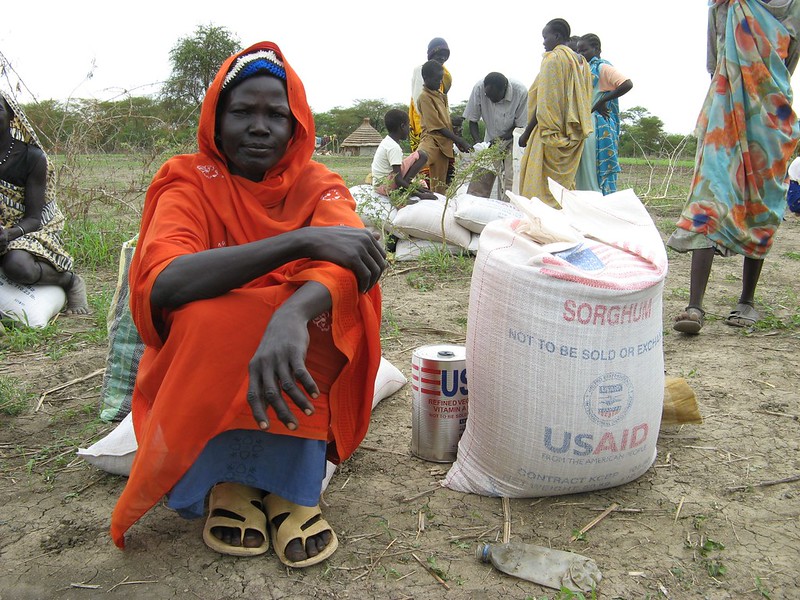
USAID Programs in ThailandDisplaced persons seeking refuge in Thailand following a 7.7 magnitude earthquake in Myanmar in March are amongst those facing dwindling American assistance after the United States federal government initiated drastic reductions to the United States Agency for International Development (USAID) programs in Thailand, Myanmar and other countries in need of humanitarian aid. While non-government organizations (NGOs) are working diligently to provide humanitarian assistance to those affected by the second-largest recorded earthquake in Southeast Asia and its hundreds of aftershocks, USAID’s absence is noticeable in the region. 
USAID Cuts Coincide With Devastation in Asia

Myanmar state media reported that, as of April 19, the earthquake killed more than 3,700 people and injured 5,100 in the country, with 114 residents still missing. Thai newspaper Khaosod reported that, as of April 29, 66 people had died, 28 people were missing and nine people were injured.

Refugees from the ongoing civil war in Myanmar have relied on humanitarian assistance and medical care in neighboring Thailand for decades. USAID programs in Thailand bolstered the assistance Thai hospitals could provide those in need. Before the earthquake in Myanmar occurred, the Border Consortium aid group reported that many Thai hospitals helping around 100,000 refugees from Myanmar had to close following cuts to USAID in late February.

On March 28, the region experienced “a level of devastation that has not been seen in over a century in Asia,” according to Marie Manrique, the acting head of the International Federation of Red Cross and Red Crescent Societies in Myanmar. The same day, The U.S. State Department formally notified Congress that it was moving to dissolve USAID.

The Results of USAID Cuts

The earthquake’s epicenter was in Myanmar’s second-largest city, Mandalay; however, 600 miles away, in the Thai capital city of Bangkok, residents felt widespread shaking and saw significant damage to infrastructure, including a skyscraper that collapsed when it was under construction.

While USAID cuts have backtracked in recent weeks due to pushback from Americans and the country’s federal agencies, aid workers report that, with thousands of residents remaining homeless in Mandalay after the destruction, U.S. assistance is lacking.

“The United States only sent a paltry amount of assistance…it sent only three workers, which then, subsequently, were fired,” Francisco Bencosome, a former USAID worker, said. Some workers were notified of their termination while in the earthquake’s disaster zone.

The ongoing poverty crisis in Myanmar, escalating in recent years due to ongoing civil conflict, saw almost doubled rates from 24.8% in 2017 to 49.7% in 2023. In the beginning of 2025, around 19.9 million people, or about 35% of the country’s population, were in dire need of humanitarian assistance; this included 6.4 million children.

The destruction due to the earthquake in Myanmar has exacerbated existing pervasive poverty conditions, resulting in 4.3 million people lacking basic needs such as shelter, nutrition and clean water.

Solutions

After the reduction of USAID programs in Thailand and Myanmar, NGOs have stepped in to address the earthquake in Myanmar. Here are some examples of NGO efforts in Thailand and Myanmar:

  • The Myanmar Red Cross Society: The Myanmar Red Cross Society and its partners successfully delivered eight charter flights and six cargo shipments of aid into Myanmar within the first week of the earthquake’s aftermath, according to the organization. The IFRC is rapidly mobilizing, adapting and delivering critical aid to the hardest-hit areas. The Myanmar Red Cross Society initiated its Emergency Operations Centers after the earthquake. Additionally, it sent out volunteers to search for and rescue those the earthquake affected, while also sending out teams to connect hospitals and clinics with emergency blood donations.
  • UNICEF: UNICEF is on the ground in Myanmar, working with other aid organizations to meet children’s needs. According to UNICEF, the organization and its partners have delivered emergency water, sanitation and hygiene kits, medical kits and nutrition supplies; UNICEF is also delivering essential health and nutrition services through temporary emergency health facilities and mobile clinics.
  • Doctors Without Borders: Doctors Without Borders deployed medical, mental health, logistics and water and sanitation staff to areas that experienced the earthquake. The organization is working to provide support to hospitals with special focus on sanitation, water, infection control and waste management. It also installed a water filtration system and a water tank at the Mandalay General Hospital.
  • Save the Children: Save the Children has launched a “Children’s Emergency Fund” to support adolescents in Myanmar in need of shelter and other basic needs in the aftermath of the earthquake. Aid workers are responding to the urgent, lifesaving needs of children and their families by providing water, food and health care services.
  • United Nations Humanitarian Crisis Relief (UNHCR): The UNHCR has reported that its team is on the ground responding with other UN agencies by providing “medical care, shelter, safe water, hygiene kits and food,” despite dealing with extremely damaged infrastructure and a lack of telecommunications. As of April 23, UNHCR reported that the organization provided critical aid – including core relief items (CRIs) and emergency shelter materials – to 48,354 people who experienced earthquake in Myanmar and Thailand. CRIs include mattresses, blankets, hygiene kits, solar lamps and cooking essentials kits. On April 15, the city of Yangon received more than 40,000 kg of supplies to help 16,000 people from UNHCR, and there was a promise of more supplies in the following weeks.

Looking Ahead

Though USAID downsizes have immobilized necessary American federal assistance in Myanmar and Thailand following the historic earthquake in Myanmar, other aid organizations are using donor funding to make effective strides in alleviating poverty conditions and the ongoing refugee crisis.

– Erin Hellhake

Erin is based in Old Bridge, NJ, USA and focuses on Global Health and Politics for The Borgen Project.

Photo: Unsplash

May 26, 2025
https://borgenproject.org/wp-content/uploads/borgen-project-logo.svg 0 0 Jennifer Philipp https://borgenproject.org/wp-content/uploads/borgen-project-logo.svg Jennifer Philipp2025-05-26 01:30:412025-07-03 06:12:48USAID Programs in Thailand and Myanmar After Earthquake
Aid, Global Poverty, USAID

Stepping Up as Global Funding Declines: NGOs Replacing U.S. Aid

NGOs Replacing U.S. AidSince January 2025, significant shifts in U.S. foreign aid policy have left a substantial void in global development funding. The Trump administration’s decision to freeze the USAID funding has disrupted health and humanitarian programs worldwide and damaged its credibility in previous commitments to public health and humanitarian efforts. This abrupt halt has suspended vital initiatives, forcing many organizations to shut down projects, lay off staff and withdraw from communities—further intensifying the challenges that NGOs replacing U.S. aid in affected regions face

The Immediate Impact of Aid Cuts

The immediate impact of USAID cuts has been severe and far-reaching, affecting millions of people worldwide. The U.S. has historically been a driving force in international development assistance, but the recent cuts have led to the collapse of USAID-backed programs, creating a funding void that private donors struggle to fill.

Global health programs like the International Rescue Committee (IRC), which works to prevent and treat infectious diseases, and the Joint United Nations Programme on HIV/AIDS (UNAIDS) are among the hardest hit. With fewer resources, NGOs replacing U.S. aid face an uphill battle in controlling outbreaks, leaving the most vulnerable populations at higher risk.

To put the impact into numbers, “about 80% of the 1,460 community kitchens across Sudan shut down when USAID paused all funding,” according to Hajooj Kuka, spokesperson for the Emergency Response Rooms (ERRs) in Khartoum state, as reported by Al Jazeera, an independent news channel in the Arab world.

In contrast, advocacy groups continue to push forward for restored funding, emphasizing that foreign aid is not just a moral duty but a strategic investment in global stability.

NGOs’ Strategic Responses and Challenges

As NGOs replacing U.S. aid navigate these challenges, they have intensified efforts to influence policy changes and secure alternative resources. One of their key strategies is diversification, with public-private partnerships emerging as a major source of funding. This advocacy is essential to keeping global development priorities on the international agenda.

To cope with funding shortfalls, many NGOs are implementing temporary measures such as tapping into their financial reserves and unrestricted funds to sustain essential operations. They are also renegotiating agreements with other donors and seeking waivers to maintain critical services. Additionally, some staff members are working voluntarily to keep essential programs running. While these efforts demonstrate the dedication of those in the sector, they also underscore the urgent need for sustainable funding solutions.

The Future of NGOs in a Changing Aid Scene

With persistent global challenges such as changing weather patterns, rising inequality and ongoing conflicts, the need for resilience and adaptability among NGOs replacing U.S. aid is more critical than ever. These organizations are actively seeking diverse funding alternatives, forging strategic partnerships and embracing technology to sustain their operations. The ability of NGOs to replace U.S. aid to navigate these changes could be crucial in shaping the future of international aid and development.

– Rhasna Albuquerque

Rhasna is based in Fortaleza, Brazil and focuses on Good News and Celebs for The Borgen Project.

Photo: Flickr

April 10, 2025
https://borgenproject.org/wp-content/uploads/borgen-project-logo.svg 0 0 Naida Jahic https://borgenproject.org/wp-content/uploads/borgen-project-logo.svg Naida Jahic2025-04-10 07:30:342025-04-10 00:26:29Stepping Up as Global Funding Declines: NGOs Replacing U.S. Aid
Africa, Global Poverty, USAID

USAID Programs in Cameroon

USAID Programs in CameroonCameroon evolved into one of Africa’s most prosperous nations following its triumphant independence in 1960; however, significant GDP reductions plunged the country into a 10-year recession. While economic recovery progressed in the early 2000s, Cameroon’s poverty reduction rates stagnated, where in 2022, a significant portion of the population lived on just $2.15 per day. The United States, a global leader in humanitarian assistance, responds to such inequity with relief initiatives from the U.S. Agency for International Development (USAID). Today, USAID programs in Cameroon actively improve health, maintain security and governance and ensure economic development for more than 27 million Cameroonians. 

Health Programs

Health crises remain the greatest threat to Cameroon, where communicable diseases like malaria, tuberculosis and HIV dominate the West African region’s total morbidity and death rates.

  • Malaria claims the most lives of children under five .
  • Cameroon had 164 tuberculosis cases per 100,000 people in 2021.
  • Estimates in 2023 indicated that 500,000 people in Cameroon had HIV.

This regressive health trend eventually necessitated USAID programs in Cameroon that lowered health care costs, secured basic access and increased productivity and wages. 

The Global Health Supply Chain Program – Procurement and Supply Management (GHSC-PSM) is a USAID-sponsored initiative heightening the availability and accessibility of essential medicines and commodities by reinforcing the pharmaceutical supply network. GHSC-PSM subsidiaries like the U.S. President’s Malaria Initiative (PMI) deliver more than 8 million malaria preventive treatments annually. Additionally, the Last Mile Delivery (LMD) program of 2022 guaranteed regular deliveries of HIV commodities by developing optimized routes to “all 320 facilities across all 10 Cameroon regions.” From 2020 to 2021, the LMD program increased the health facility order submission rate by 76%.

Furthermore, the President’s Emergency Plan for AIDS Relief (PEPFAR) supports Cameroon’s efforts toward universal health coverage (UHC), ensuring unimpeded access to essential health services, especially for those living with HIV. PEPFAR initiatives and the UHC program help alleviate up to 70% of health care costs for Cameroonians, who statistically cannot afford direct payments. Among several key accomplishments, the UHC program, as of 2024, insures more than 2.5 million individuals in Cameroon.

Security and Governance Programs

Security is a primary concern for USAID and Cameroon, as the ongoing Anglophone-Francophone disputes continue dividing the Northwest and Southwest regions. Since 2016, the conflict has disproportionately affected women and children, resulting in at least 6,500 deaths. Violence is often rooted in extreme poverty in these rural areas, where disagreements erupt between Cameroon security forces and armed separatists jockeying over access to scarce government resources. As both sides vie for political power, students, teachers and humanitarian workers face invasions, human rights violations and restricted access to educational and health care services. The Global Centre for the Responsibility to Protect revealed that 1.8 million Cameroonians in 2025—both Francophone and Anglophone—lack humanitarian assistance, with approximately 583,000 internally displaced individuals.

Ultimately, USAID programs in Cameroon work to empower communities by circumventing violent, poverty-inducing extremism. The Cameroon Peace Promotion Project is a USAID-funded initiative dedicated to strengthening communities by working with radio stations to deter extremist rhetoric and encourage community engagement and peace throughout Cameroon. The CPP Project strengthens Cameroon’s governance over regional terrorist organizations, assists maritime security in the Gulf of Guinea, contributes to regional stability and promotes respect for education, democratization and Cameroonian human rights. In 2021 alone, more than 10 radio stations reached approximately 2.5 million listeners.

Economic Development Programs

Initially estimated at a 4% increase, 2023 revealed decelerated GDP in Cameroon, falling to 3.3% from 3.6% due to weak economic infrastructure, volatile inflation and persistent internal conflicts delaying the region’s financially gainful sectors. Prioritizing potential profitability, USAID programs in Cameroon restructure the country’s financial orientation to increase revenue, ensure economic safety and promote economic expansion: 

  • Feed the Future (FTF): Feed the Future is a USAID-led initiative prioritizing agricultural and research development for increased productivity, agriculture optimization and enhanced land tenure and market accessibility. In Cameroon, agricultural transformation helps fiscally support more than two-thirds of the entire population.
  • Prosper Africa: Prosper Africa is a U.S.-led initiative facilitating trade and investment between U.S. businesses and African countries, focusing on digital, agribusiness and renewable energy sectors. Prosper Africa supports projects in Cameroon that offer higher wages, new jobs and clean energy while preserving business relationships with the U.S. worth $22 billion.
  • Power Africa Off-Grid Program (PAOP): This program is a USAID electrification expansion program providing technical assistance and targeted grant funding to private sector power generating companies. Despite having plentiful resources, Cameroon faces frequent electricity outages due to dated infrastructure. However, with PAOP, Cameroon could observe significant energy sector advancements while presenting opportunities for U.S. companies to capitalize on the prevalent hydropower in the region, which remains untapped at just 4%.

Concluding Thoughts

Founded in 1961 by President John F. Kennedy, USAID catapulted American influence and foreign policy globally. However, on March 10, 2025, Secretary of State Marco Rubio cut 83% of funding for USAID, effectively slashing humanitarian assistance to 160 countries and regions. Without USAID programs in Cameroon, this could weaken governance, increase conflict geography and social inequities and compromise economic and health security. While known as “Africa in miniature,” Cameroon could largely depend on U.S. competitors for foreign aid, should the Trump administration continue dismantling USAID — a vital bridge to prosperity for many impoverished nations.

– Marcus Villagomez

Marcus is based in Dallas, TX, USA and focuses on Business and Good News The Borgen Project.

Photo: Flickr

April 5, 2025
https://borgenproject.org/wp-content/uploads/borgen-project-logo.svg 0 0 Jennifer Philipp https://borgenproject.org/wp-content/uploads/borgen-project-logo.svg Jennifer Philipp2025-04-05 04:05:512025-04-23 19:30:25USAID Programs in Cameroon
Global Poverty, Nonprofit Organizations and NGOs, USAID

Nonprofits Tackling Poverty in Russia

Nonprofits Against Poverty in Russia More than a decade ago, the United States Agency for International Development (USAID) halted operations in Russia after Russian authorities accused the organization of interfering in domestic politics. This departure posed challenges for many groups that relied on USAID funding. Despite this, various nonprofits in Russia have adapted to these circumstances and remain dedicated to addressing critical needs including poverty in Russia.

Poverty in Russia

Russia has seen a steady decline in poverty in recent years. In 2023, 13.5 million people—9% of the population—lived below the poverty line, a decrease from 14.3 million the previous year, according to Reuters. However, the years following USAID’s withdrawal saw a rise in poverty, with rates peaking in 2015. This surge largely stemmed from the economic consequences of Russia’s involvement in the Ukraine war in 2014.

Russia’s national poverty line measures the inability to afford necessities like food, clothing and essential services. By international standards, the World Bank reported that only about 2% of Russia’s population lived below the global poverty line in 2021. While these figures reveal progress, significant challenges remain, especially for the most vulnerable populations.

Nonprofits Making Change

Several nonprofits in Russia have taken up the mantle to tackle poverty and improve living conditions for those in need. These organizations focus on a range of issues, from health care and homelessness to children’s health.

  • Global Call to Action Against Poverty (GCAP). An international network of more than 18,400 civil society organizations in the fight against inequality and poverty. GCAP’s Russia National Organization comprises 29 member groups dedicated to reducing inequality and poverty. GCAP focuses on improving health care access in impoverished communities, primarily by spreading awareness of health care rights and services.
  • Nochlezhka. Founded in 1990, Nochlezhka works nationwide to assist and protect the rights of individuals experiencing homelessness. The organization provides shelters, night buses, heating tents, counseling services and halfway homes. Nochlezhka collaborates with hundreds of partners and volunteers to address the needs of Russia’s homeless population effectively.
  • Caritas Russia. Operating under the international Caritas network and affiliated with the Catholic Church, Caritas Russia supports youth, people without homes, individuals battling addiction and those facing unemployment. The organization offers shelters, home-care services, reintegration programs for inmates and released prisoners and camps for children in need.
  • Children’s Hearts.  Since 2002, Children’s Hearts has supported children with heart disease by raising funds and purchasing critical medical equipment for clinics. The organization has assisted nearly 5,000 children, with donations totaling $16 million (more than 1.5 billion rubles).

Looking Forward

Nonprofits in Russia continue their efforts to address poverty amid complex challenges and an evolving national landscape. Their work highlights the importance of collaboration, advocacy and sustained support to combat inequality and improve the lives of vulnerable populations. While greater action is necessary to create lasting change, these organizations provide hope and vital services to those in need.

– Olivia Young

Olivia is based in New York, NY, USA and focuses on Global Health, Politics for The Borgen Project.

Photo: Flickr

January 31, 2025
https://borgenproject.org/wp-content/uploads/borgen-project-logo.svg 0 0 Precious Sheidu https://borgenproject.org/wp-content/uploads/borgen-project-logo.svg Precious Sheidu2025-01-31 07:30:002025-02-22 02:41:24Nonprofits Tackling Poverty in Russia
Developing Countries, Global Poverty, USAID

USAID in Angola: Impacting Poverty

USAID in AngolaAngola is not inherently an impoverished country; however, it has been significantly affected by a tumultuous history marked by slavery and civil conflict. These historical injustices have led to widespread inequality and left a substantial portion of the population living in precarious conditions. The United States Agency for International Development (USAID) is the principal government agency responsible for international development and humanitarian assistance. USAID plays a vital role in Angola by providing support aimed at fostering sustainable development, improving health outcomes and enhancing economic opportunities for its citizens.

Historical Background

Since 1992, USAID has been engaged in relief and development programs in Angola, initially focusing on immediate health interventions like immunization campaigns and emergency feeding. Following the end of the civil war in 2002, Angola made strides in rebuilding its infrastructure and economy. However, challenges such as poverty, inadequate health care and limited education remain. In response, USAID expanded its efforts to address these critical areas for recovery. By 2011, USAID celebrated its 50th anniversary and 15 years in Angola, providing support across agriculture, economic growth, health and governance.

Health Care Assistance

USAID’s health programs in Angola focus on improving health care services and addressing high maternal and child mortality rates. Collaborating with the Government of Angola (GRA) and various stakeholders, USAID supports initiatives like the President’s Emergency Plan for AIDS Relief (PEPFAR) and the President’s Malaria Initiative (PMI) to combat malaria, HIV/AIDS and other communicable diseases in the nation.

Despite these efforts, Angola faces significant health challenges, with nearly one in five children dying before age 5 and a maternal mortality ratio of 199 deaths per 100,000 live births. The country also has a high fertility rate of 5.8 births per woman, straining health care resources. The Angolan National Health Development Plan (2012-2025) aims to reduce malaria morbidity from 21% to 12%, maintain HIV/AIDS prevalence at 2%, triple the number of doctors per 10,000 citizens, improve skilled birth attendance from 49% to 70% and increase access to family planning services from 6% to 45%.

Food Assistance

​​Angola is highly vulnerable to recurring climatic shocks, such as droughts and floods, which have severely limited agricultural production and exacerbated food insecurity. Moreover, inadequate access to safe drinking water and essential health care services has led to increased morbidity and mortality rates. According to the World Food Program (WFP), as of September 2021, more than 1.3 million people in the Cunene, Huíla and Namibe provinces required emergency food assistance.

In response to this crisis, U.S. Ambassador Tulinabo S. Mushingi issued a redeclaration of humanitarian needs on November 29, 2022, highlighting the widespread food insecurity affecting the country. In light of these challenges, USAID continues to provide critical support in food, nutrition, water, sanitation and hygiene assistance to improve food security and nutrition outcomes for at-risk populations in Angola.

Environmental Protection

USAID’s Regional Environmental Activities prioritize the conservation and sustainable management of the Cubango-Okavango Basin, one of Africa’s most biodiverse ecosystems, which supports more than one million people who depend on its water for drinking, fishing, agriculture and tourism. However, changes in land use, water diversion and urbanization threaten these unique ecosystems and their vital resources. In response, the Ecosystems, Communities and Climate – Cubango-Okavango (ECCO) initiative has been launched, funded by USAID and bolstered by private sector support.

This initiative focuses on enhancing community governance of water and sanitation services while promoting cross-sector collaboration for biodiversity conservation. USAID’s efforts in Angola also include supporting national forest inventories, implementing community forestry pilot projects, conducting fire management capacity assessments and evaluating Angola’s protected area network. These initiatives complement regional programs aimed at safeguarding Angola’s natural resources, enhancing economic opportunities and promoting sustainable development across Angola, Namibia and Botswana.

Economic Development

Furthermore, USAID has developed a five-year Country Development Cooperation Strategy (CDCS) that acknowledges Angola’s growing economy, rising regional status and ongoing development challenges. This strategy aims to transition Angola from a donor-recipient relationship to a partnership model, where the country will take the lead in financing and managing its economic and social development with targeted technical assistance from USAID.

Recognizing agriculture as the backbone of the economy, USAID fosters economic growth and trade by mobilizing private sector investments. Collaborating with companies like ExxonMobil and Azule Energy, USAID supports rural women farmers through initiatives that enhance land rights, literacy and agricultural productivity, such as the Women in Angola Farming project. Additionally, USAID’s Africa Trade and Investment program under the Prosper Africa initiative boosts trade and investment between Africa and the U.S., addressing energy poverty and promoting sustainable innovation.

Conclusion

The USAID program in Angola represents a commitment to supporting the country’s development journey. Through targeted interventions in health care and food assistance, environmental protection and economic development, USAID has made a positive impact on the lives of many Angolans. Continued collaboration between the U.S. government, Angolan authorities and local communities will be essential to address ongoing challenges and promote sustainable development in the years to come.

– Hoi Ieng Chao

Hoi Ieng Chao is based in Macau and focuses on Global Health for The Borgen Project..

Photo: Flickr

November 26, 2024
https://borgenproject.org/wp-content/uploads/borgen-project-logo.svg 0 0 Hemant Gupta https://borgenproject.org/wp-content/uploads/borgen-project-logo.svg Hemant Gupta2024-11-26 01:30:262024-11-24 11:33:50USAID in Angola: Impacting Poverty
Developing Countries, Global Poverty, USAID

Protecting the Future: USAID Programs in the Pacific Islands

USAID Programs in the Pacific IslandsThe Pacific Islands are composed of 12 countries, including Papua New Guinea, Fiji and Samoa, each with its own vibrant culture and environment. However, according to the United Nations Department of Economic and Social Affairs, a quarter of Pacific Islanders cannot attain basic needs, especially as natural disasters drastically destroy livelihoods and food security. Nonetheless, the United States Agency for International Development (USAID) programs in the Pacific Islands address development, illegal fishing and adverse weather conditions.

Protecting Biodiversity: OurFish OurFuture

Illegal, unreported and unregulated (IUU) fishing threatens the livelihoods of coastal communities and ocean ecosystems. It costs the global economy between $26 and $50 billion annually, harming local and international economies. In the tuna industry in the Pacific Islands, commercially caught Pacific tuna generated $22 billion in 2012 and 2014, while IUU fishing generated $616 million a year. IUU fishing affects more than the economy; it also affects fish populations and oceanic biodiversity, as it accounts for one out of every five fish caught.

The OurFish Our Future program works to combat IUU fishing. It is five years long, spanning from 2021 to 2026 and provides $15 million to address the factors of IUU fishing that degrade coastal biodiversity and impact food stability. This program focuses on the Federated States of Micronesia, Palau, Papua New Guinea, the Republic of the Marshall Islands, the Solomon Islands and Vanuatu.

The program brings together communities, providing opportunities for all ages and genders to participate in the design and implementation of security programming. Its ecosystem approach to fisheries management (EAFM) contributes to policies that will “improve coastal fisheries data systems, improve enforcement capacities and strengthen collaboration of enforcement authorities.”

Fostering Development: Pacific American Fund

As a result of the Pacific Island Countries’ (PICs) geography, they are vulnerable to environmental disasters perpetuated by changing climatic conditions, instability in government and present gender inequities, all while maintaining a critical role in the global economy. PICs are small and isolated, which leaves them prone to tsunamis, floods, earthquakes, droughts and volcanic activity that destroys their buildings and crops. PICs also suffer from unsafe living conditions, including unclean water, pollution and harmful chemicals, which lead to a rate of 70% of deaths related to noncommunicable diseases such as cancer and chronic respiratory diseases.

The Pacific American Fund (PAF) is a “five-year grant facility that addresses critical development challenges.” It supports the countries of the Federated States of Micronesia, Fiji, Kiribati, Nauru, Palau, Papua New Guinea, the Republic of Marshall Islands, Samoa, Solomon Islands, Tonga, Tuvalu and Vanuatu. The PAF aims to “improve the quality of life in vulnerable communities and improve access to services for remote communities in the region” through increased preparation for natural disasters and climate change, economic development and access to health care and education. One of its programs is small-scale construction in the Malita Province to improve and adapt the environment for increased trade and expansion into agribusiness.

Agribusiness in the Solomon Islands

The Solomon Islands are prone to natural disasters that affect their economy, requiring their communities to seek agribusiness advancements to protect and revive their economy. In October 2023, tropical cyclone Lola caused severe damage, affecting more than 22,000 people and 100 buildings and damaging water sources. Furthermore, many of the crops were destroyed, including breadfruit trees, which are one of the Solomon Islands’ main sources of carbohydrates. This left locals scared of starvation as they relied on their local agriculture for sustenance.

USAID programs in the Pacific Islands include the Solomon Islands Strengthening Competitiveness, Agriculture, Livelihoods and Environment (SCALE) plan. SCALE is a five-year, $25 million project focused on developing the agribusiness sector in the Solomon Islands. Additionally, SCALE Trade and Investment (T&I) “focuses on reducing the cost and steps of obtaining business permits and licenses; strengthening trade and investment facilitation; and improving agribusiness value chain growth.”

SCALE engages community members in its program through its T&I plan. It aims to increase its exports and the role of women in trade. SCALE T&I oversaw the creation of the Advisory Committee for Agribusiness in Malaita Province, which will work with the Solomon Islands Chamber of Commerce. USAID programs in the Pacific Islands, such as SCALE, improve conditions of poverty by providing funding and opportunities for locals to work, innovate and protect against environmental factors.

Impact of USAID Programs in the Pacific Islands

USAID programs in the Pacific Islands strengthen their economic and environmental resilience through advancing policies and funds. Through USAID help, PICs have accessed more than $500 million in climate financing to prepare for adverse climatic conditions and natural disasters. USAID programming supports local development, marine ecosystems and access to affordable energy. Its work in the Pacific Islands will continue through these long-term programs to ensure stability.

One success story from USAID’s programs for Pacific Islanders came through its partnership with Aquaculture Technologies of the Marshall Islands. USAID provided a $1.7 million grant to allow the company to manufacture its own fish feed and to train individuals such as Sonya. Sonya remained in the Solomon Islands after her family moved because she wanted to pursue aquaculture and secure a stable future in her home country.

Sonya now manages the fish hatchery and nursery, inspiring more women to become trained as independent aqua farmers and fish feed manufacturers. The Marshall Islands now produce 400 pounds of moi fish per week, which supplies local businesses and is exported.

– Astrid Burns

Astrid is based in Roseland, NJ, USA and focuses on Technology and Politics for The Borgen Project.

Photo: Flickr

July 13, 2024
https://borgenproject.org/wp-content/uploads/borgen-project-logo.svg 0 0 Hemant Gupta https://borgenproject.org/wp-content/uploads/borgen-project-logo.svg Hemant Gupta2024-07-13 07:30:002024-07-13 02:58:25Protecting the Future: USAID Programs in the Pacific Islands
Aid, Global Poverty, USAID

Understanding the Humanitarian Crisis in Burkina Faso

Understanding the Humanitarian Crisis in Burkina FasoBurkina Faso, located in West Africa, has a population known as the Burkinabe. This former French colony declared its independence in 1960. Originally named Upper Volta, the country adopted its current name in 1984. Its population is estimated at 23.6 million.

Although Burkina Faso faces a severe humanitarian crisis, the country also boasts rich cultural diversity that deserves recognition. Home to more than 60 ethnic groups, each with its customs, languages and practices, Burkina Faso celebrates a vibrant cultural heritage anchored in traditional music and dance.

Burkina Faso Economic Challenges

Burkina Faso’s population is unevenly distributed, with half of its people living in the eastern and central regions. More than two-thirds of the Burkinabe reside in rural areas, primarily near the country’s center. Economic challenges, exacerbated by poor weather and severe droughts, have driven many residents to emigrate. As a result, Burkina Faso is considered one of the world’s poorest countries and heavily relies on humanitarian aid from foreign nations and NGOs. The country exports gold, livestock, sugar and fruit. Despite the generally poor state of public health, the government has achieved notable progress in preventing and treating HIV/AIDS since the early 2000s, with a declining rate of HIV/AIDS cases.

Educational and Social Welfare Issues

In Burkina Faso, only 33% of the population is literate. In response, the country has introduced after-school tutoring at community centers and offers adolescents training in mechanics, hairdressing, sewing, gardening and farm work. Public education in Burkina Faso is not freely provided and many parents struggle to afford schooling for their children. Additionally, a shortage of schools means that even families who can afford it often struggle to find available educational opportunities. As a result, only 81% of students advance to the 5th grade.

More than 40% of Burkina Faso’s population lives below the national poverty line, placing the country 184th out of 191 in the United Nations (U.N.) Development Programme’s 2021-2022 Human Development Index (HDI) report. Although extreme poverty decreased by 0.7% in 2023, about 2 million citizens remain displaced and face food insecurity.

Crisis and Humanitarian Aid for Burkina Faso

Since 2019, Burkina Faso has faced a severe refugee crisis. In the past year alone, an additional 707,000 citizens have become displaced and thousands have lost access to aid. By early 2023, more than 6,100 schools had closed, accounting for nearly half of all school closures in Central and West Africa. Additionally, up to 400 health facilities shut down, leaving 3.6 million people without access to health care—a 70% increase from 2022.

Emergency Aid and International Assistance

In May 2024, the US announced it would provide nearly $55 million to Burkina Faso to help address its ongoing humanitarian crisis. This aid is intended to meet the food and nutrition needs of the most vulnerable Burkinabe citizens. Within Burkina Faso, 20 locations home to half a million people are isolated from the rest of the country and in 2023, fewer than 5,000 of these residents received international aid from nongovernmental organizations. Only two-thirds of the funds allocated to Burkina Faso have been disbursed, mainly because high costs make it challenging to assist those in more isolated areas. Additionally, due to limited financial resources, organizations often prioritize helping those who are more accessible, leaving those in cut-off areas further deprived of sustainable living conditions and basic needs.

Impact of Climate and Economic Challenges

Burkina Faso’s location makes it highly susceptible to drought and climate change. The country is also struggling with ongoing economic challenges stemming from the COVID-19 pandemic. In 2021, the USAID’s Bureau for Humanitarian Assistance allocated $43 million to Burkina Faso to support food and nutrition assistance. This aid included food supplies, locally procured produce, and food vouchers.

European Union’s Commitment to Aid

Projected statistics for 2024 indicated that up to 27% of Burkina Faso’s population would need humanitarian aid. In 2023, the European Union (EU) allocated 44 million Euros to assist the country. These funds are targeting the food crisis and focusing on malnutrition, health, nutrition, shelter, water, sanitation, hygiene, education and rapid response to displacements. This aid aimed to support vulnerable, internally displaced people by providing them with food, shelter and essential items to meet their basic needs. Additionally, the EU provided educational support in areas where schools had closed. The EU offered guidance on preparing for climate-related issues tied to the country’s location.

Looking Ahead

The humanitarian crisis in Burkina Faso presents ongoing challenges, with significant portions of the population facing food insecurity, inadequate health care and educational disruptions. Recent international aid efforts, including substantial contributions from the U.S. and the EU, aim to address these critical needs. However, reaching isolated and vulnerable communities remains a significant hurdle. Continued and enhanced support can potentially improve living conditions and foster sustainable development in the region.

– Brogan Dickson

Brogan is based in Edinburgh, Scotland and focuses on Good News and Global Health for The Borgen Project.

Photo: Flickr

July 11, 2024
https://borgenproject.org/wp-content/uploads/borgen-project-logo.svg 0 0 Precious Sheidu https://borgenproject.org/wp-content/uploads/borgen-project-logo.svg Precious Sheidu2024-07-11 01:30:472024-07-10 06:20:31Understanding the Humanitarian Crisis in Burkina Faso
Developing Countries, Global Poverty, USAID

USAID Programs in the Philippines 

USAID Programs in the PhilippinesIn 1961, President John F. Kennedy founded USAID, an independent federal agency that works to advance national security through generosity to nations in need. It promotes agricultural, educational and industrial programs in developing nations, along with supporting their governments. USAID programs in the Philippines focus on helping the nation’s youth and underprivileged through education and employment programs, along with supporting the nation’s government.

USAID Enters the Philippines

The United States has been assisting in the Philippines’ development since 1961. When USAID became an official federal agency, the Philippines became one of the agency’s first partner organizations. Since the start of the partnership, the U.S. has invested more than 290 billion pesos through different programs in the country.

In the first 20 years in the Philippines, the U.S. helped develop infrastructure, along with advancing the country’s agricultural and medical capabilities. Since then, USAID has been directed at the health and education sectors, along with continued investment in infrastructure.

Poverty and Education in the Philippines

The Philippines is among the poorest nations in Southeast Asia. Around 18% of the population lives below the poverty line. With low access to education, nine out of 10 children in the Philippines are unable to read or understand reading material by the age of 10.

One of the biggest categories of USAID programs in the Philippines is educational assistance. Since 1961, the U.S. has created and implemented numerous programs working to help improve basic reading and math skills among developing students and putting learning objectives in place that will help students become prepared for the workplace.

USAID Education Programs

ABC+ works with children in grades K-3 to advance literacy skills in Filipino and English. The program teaches instructors how to teach reading and math in both languages and how to create effective out-of-classroom work that will help students learn at home. With help from U.S. universities such as Florida State University, the program is working to design college courses for early literacy development to help prepare future teachers.

Gabay is a USAID program working to “strengthen the access of deaf, blind and deafblind children to quality education” according to USAID. Through the program, USAID helps train teachers and parents in “inclusive education strategies” and provides assistive devices to schools and community centers to help accommodate students with disabilities. Gabay has helped strengthen the sign language curriculum in the Philippines and has helped local governments better support children with disabilities.

Opportunity 2.0 is a program that works to help out-of-school youth find job opportunities. More than 3 million Filipinos aged 16-24 are either not enrolled in school, have not finished secondary school or are unemployed, according to USAID. The program offers placement in education systems that help prepare students for college, has job training programs and has courses on how to start and grow a business. Opportunity 2.0 has offices in 15 cities in the Philippines and is available to any Filipino aged 16-24 who does not have a bachelor’s degree.

YouthWorks PH

YouthWorks PH is one of the biggest education-based programs USAID has in the Philippines. More than 50% of the population in the Philippines is under the age of 30, making their education an important aspect of the country’s development, according to USAID. Through this program, USAID works with The Philippine Business for Education to provide “training and employment opportunities for at least 40,000 youth through an innovative work-based training approach,” according to USAID.

It focuses heavily on the school-to-work transition period to make sure members learn any workplace skills they could not learn in high school or college. By helping more students become qualified for the workplace, YouthWorks is helping to lower the unemployment rate for ages 15-24.

Creating Opportunities

By supporting different education programs in the Philippines, USAID is helping students get the necessary education needed to find opportunities in school. Since 2020, the unemployment rate in the Philippines has dropped from 10.3% to 4%. Literacy rates hit a high of 99% thanks to the development of the nation’s education system. USAID programs in the Philippines have yielded encouraging results in the past 10 years, and are continuing to grow every day, helping Filipino students create opportunities inside and out of the classroom.

– Nicolas Mezzaucella

Nicolas is based in New Rochelle, NY, USA and focuses on Good News and Global Health for The Borgen Project.

Photo: Flickr

June 27, 2024
https://borgenproject.org/wp-content/uploads/borgen-project-logo.svg 0 0 Jennifer Philipp https://borgenproject.org/wp-content/uploads/borgen-project-logo.svg Jennifer Philipp2024-06-27 03:00:472024-06-25 04:51:25USAID Programs in the Philippines 
Page 2 of 33‹1234›»

Get Smarter

  • Global Poverty 101
  • Global Poverty… The Good News
  • Global Poverty & U.S. Jobs
  • Global Poverty and National Security
  • Innovative Solutions to Poverty
  • Global Poverty & Aid FAQ’s
Search Search

Take Action

  • Call Congress
  • Email Congress
  • Donate
  • 30 Ways to Help
  • Volunteer Ops
  • Internships
  • Courses & Certificates
  • The Podcast
Borgen Project

“The Borgen Project is an incredible nonprofit organization that is addressing poverty and hunger and working towards ending them.”

-The Huffington Post

Inside The Borgen Project

  • Contact
  • About
  • Financials
  • President
  • Board of Directors
  • Board of Advisors

International Links

  • UK Email Parliament
  • UK Donate
  • Canada Email Parliament

Get Smarter

  • Global Poverty 101
  • Global Poverty… The Good News
  • Global Poverty & U.S. Jobs
  • Global Poverty and National Security
  • Innovative Solutions to Poverty
  • Global Poverty & Aid FAQ’s

Ways to Help

  • Call Congress
  • Email Congress
  • Donate
  • 30 Ways to Help
  • Volunteer Ops
  • Internships
  • Courses & Certificates
  • The Podcast
Scroll to top Scroll to top Scroll to top