• Link to X
  • Link to Facebook
  • Link to Instagram
  • Link to TikTok
  • Link to Youtube
  • About
    • About Us
      • President
      • Board of Directors
      • Board of Advisors
      • Financials
      • Our Methodology
      • Success Tracker
      • Contact
  • Act Now
    • 30 Ways to Help
      • Email Congress
      • Call Congress
      • Volunteer
      • Courses & Certificates
      • Be a Donor
    • Internships
      • In-Office Internships
      • Remote Internships
    • Legislation
      • Politics 101
  • The Blog
  • The Podcast
  • Magazine
  • Donate
  • Click to open the search input field Click to open the search input field Search
  • Menu Menu

Archive for category: USAID

Topics covering about USAID

USAID

USAID Programs in Afghanistan 

USAID Programs in AfghanistanThe United States Agency for International Development (USAID) strives to make the world a better place through its economic, humanitarian and disaster relief efforts. Its goal is to provide assistance that enables countries, communities, and individuals to transform, prosper, and thrive. Since the Taliban takeover in Afghanistan in 2021, USAID programs in Afghanistan are vital and need our support now more than ever.

Modern Challenges in Afghanistan

In April, the Taliban announced it would block Afghan women from working for the United Nations agencies that provide disaster and poverty relief to impoverished communities in Afghanistan. This news hit only four months after the Taliban banned Afghan women from working in any organizations not within the Afghani government back in December 2022. 

These are deeply concerning developments, and unfortunately in-line with a series of humanitarian crises Afghani people have faced since the Taliban takeover in 2021. Since the Taliban takeover, locals have seen a sharp rise in their cost of living, resulting in a staggering 28.3 million Afghanis or more than two thirds of the country’s population being in need of humanitarian assistance. In tandem, the country has also seen a sharp decline in their civil rights specifically targeting women and marginalized populations.

USAID Commitment to Afghani People

This is why the USAID stands firm in its commitment to support Afghani citizens through foreign aid funded USAID programs in Afghanistan. In spite of the Taliban takeover spurring on social and economic setbacks, the USAID is optimistic about Afghan’s future, and continues to invest in programs to aid Afghani citizens.

Economic Growth

Changing weather patterns has had a significant impact on the Afghani region, causing local farmers to abandon their farms, which in turn impact food costs for Afghani citizens. Food insecurity is a rising issue for locals, and the USAID has focused on agricultural programs in the region in direct response to the widespread crisis. Agro Businesses are a particular focus for USAID resources that keep local farming businesses operating and employing locals in an effort to stabilize food production in the region. In August 2022, announced an $80 million commitment to the United Nations Food and Agriculture Organization (FAO) to improve food security and nutrition for vulnerable Afghans. USAID’s agricultural programs have continued to benefit thousands of Afghan farmers in 227 communities in Sar-e Pul, Jowzjan, Khost and Nangarhar provinces. 

Gender Rights

Human rights are central to all USAID programs and initiatives. In Afghanistan, the USAID is improving access to education, providing social protection and providing resources to civil societies particularly for women. In the current climate, many girls are prohibited from receiving an education beyond the sixth grade. Women are often unable to obtain employment and a growing number of women are prohibited from leaving the house. In response, USAID programs in Afghanistan focus on providing resources to women-led organizations crusading education and human rights for Afghani women. In 2022, USAID announced a $30 million commitment to support gender rights in Afghanistan, programmed through the United Nations Entity for Gender Equality and the Empowerment of Women. 

USAID Provides Hope in Afghanistan

The USAID programs in Afghanistan are more critical now than ever before. Afghanistan has dealt with political upheaval that has drastically impacted gender rights, along with changing weather patterns that have affected food costs and economic growth. In spite of these challenges, the USAID provides hope to the Afghani people with programs specifically targeted towards access to education, providing social protection and providing resources to local farmers and businesses. 

– Ann-Jinette Hess
Photo: Unsplash

October 6, 2023
https://borgenproject.org/wp-content/uploads/borgen-project-logo.svg 0 0 Jennifer Philipp https://borgenproject.org/wp-content/uploads/borgen-project-logo.svg Jennifer Philipp2023-10-06 15:00:372023-10-06 07:50:46USAID Programs in Afghanistan 
USAID

USAID Programs in Venezuela 

USAID Programs in VenezuelaUSAID has been critical in providing Venezuela with aid in the form of food assistance, health care accessibility and water support. Due to the extreme political and economic crisis in the nation, millions of Venezuelans have fled to surrounding nations like Panama and Mexico, and the majority of those still in the nation live below the poverty line. To help resolve the crisis, the U.S. deployed an interagency collective to support economic and health development, with USAID being one of the primary bodies responsible. Since 2018, USAID has allocated almost $450 million in humanitarian aid and established USAID programs in Venezuela. In addition, the organization is continuing to establish multi-sector operations for health care, food and refugee assistance.
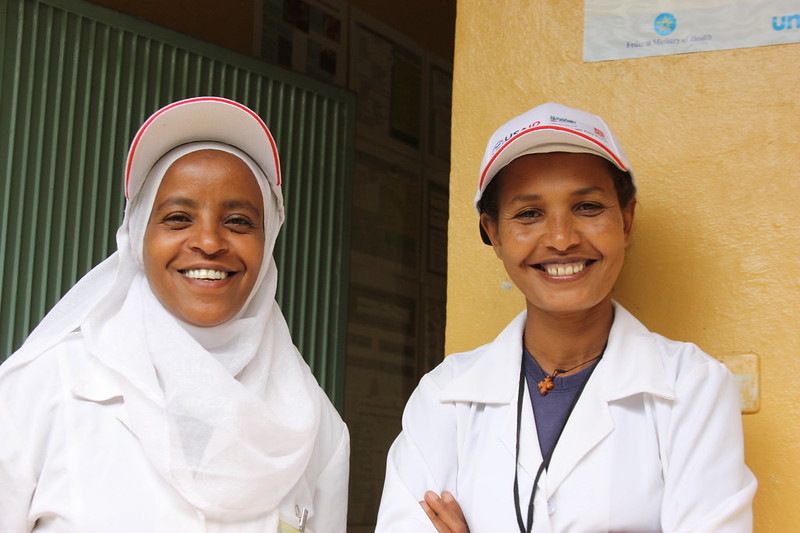
Food Insecurity

When the Venezuelan economy faced a hyperinflation crisis in 2017, food insecurity reached an all-time high. Venezuelan President Nicolas Maduro’s response was insufficient in combating the issue of national debt and decreasing oil revenue. In fact, as of 2020, at least 95% of Venezuelans lived below the poverty line. Venezuelans living in poverty are unable to purchase food and water, due to hyperinflated prices. Additionally, the Venezuelan government has not released any data on national food availability for more than a decade, deterring public programs and policies that could alleviate inaccessibility to food and water. 

In 2021, USAID and the U.N. World Food Program (WFP) partnered to establish operations in Venezuela, providing emergency food assistance to different groups. In April 2023, the operations added a program providing hot meals to public school children and staff and people with disabilities in three districts. In the same month, USAID also provided more than 450,000 Venezuelans with food assistance. USAID also funds nongovernmental organizations (NGOs) to provide cooked meals and school meals. These USAID programs in Venezuela aim to reach more than 750,000 Venezuelans, as well as more than one million people in other Latin American countries.

Health Care

Over the past decade, Venezuela’s public health infrastructure has collapsed, with few health care providers, hospitals and medical supplies left. Even with outbreaks of infectious diseases like malaria, tuberculosis and diphtheria, health care is often limited to a select few with life-threatening illnesses. Both infant and maternal mortality rates have doubled from 2012 to 2016. Moreover, the Venezuelan government has also not released any data on national health statistics since 2016, which weakened the ability to address health care needs. 

In 2022, USAID’s Bureau for Humanitarian Assistance (BHA) and the State Department’s Bureau of Population, Refugees and Migration (PRM) announced in funding for Venezuelan developmental assistance. The funding was used to create a number of health care programs that would train community health workers, rebuild the infrastructure of community health systems and create emergency shelters. USAID/BHA and State/PRM also partnered with 30 organizations to implement USAID programs in Venezuela for mental health and psychosocial support, as well as victims of gender-based violence (GBV).

Migrant Support

More than 7 million Venezuelans have become refugees and migrants, due to political turmoil and economic depression. Venezuelan refugees and migrants have settled in Latin American countries like Colombia, Peru and Ecuador, which has affected the range of support those nations are able to provide. USAID’s Bureau for Latin America and the Caribbean is providing almost $31 million to facilitate the integration of Venezuelan migrants into host countries, and an additional $56 million for both Venezuela and host countries to create health care and protection services. In previous years, USAID also provided more than $90 million in funding to the VenEsperanza Emergency Response Consortium, an emergency response program providing humanitarian aid to Venezuelan migrants and host communities in Colombia. 

USAID Programs in Venezuela

USAID has been instrumental in addressing Venezuela’s crisis through extensive aid efforts in food assistance, health care and support for migrants. With more than $450 million allocated since 2018, USAID’s programs have provided crucial relief to millions in dire need. The initiatives include emergency food assistance, health care infrastructure rebuilding and support for victims of gender-based violence (GBV). As the Venezuelan population grapples with hyperinflation and political instability, USAID’s ongoing commitment and partnerships stand as a beacon of hope for a brighter future.

– Enne Kim
Photo: Flickr

October 6, 2023
https://borgenproject.org/wp-content/uploads/borgen-project-logo.svg 0 0 Jennifer Philipp https://borgenproject.org/wp-content/uploads/borgen-project-logo.svg Jennifer Philipp2023-10-06 05:20:192024-12-13 18:02:59USAID Programs in Venezuela 
Global Poverty, Humanitarian Aid, USAID

How the US Federal Budget is Helping Reduce Global Poverty

U.S. Federal Budget
The U.S. federal budget for the fiscal year 2024 focuses on the high stakes of global poverty. In light of the unprecedented humanitarian crises around the world, the budget seeks more than $10.5 billion in humanitarian assistance, with $6.5 billion allocated through USAID-administered channels. This funding aims to address an average of 75 crises each year, spanning more than 65 nations and encompassing regions like Ukraine and Syria.

Humanitarian Assistance in the Fiscal Budget

The Ukraine-Russian conflict has done serious damage to the already devastated issue of global poverty. The economic woes of developing countries have increased, while sustainable development has become stagnant. Calls for humanitarian assistance have peaked at 360 million people. More than 110 million individuals have been displaced from their homes, while an alarming 260 million people grapple with severe food insecurity, with some teetering on the brink of famine.

It is no surprise that the U.S. economy is a vital and almost dominating part of the world’s financial structure. The U.S. federal budget for the fiscal year 2024 realizes the crisis that beholds the world and is doing its part to lower the impact.

The Impact of International Assistance

The United States Agency for International Development is responsible for administering foreign aid and development assistance. The U.S. federal budget has equipped USAID with $32 billion for foreign assistance. More than $1.1 billion will go toward Feed the Future programs that focus on the food crisis, which the Ukraine and Russian war and changing weather patterns have affected.

The budget also allocates funding for “Bright Spot” countries that have recently shown promising democratic developments. Further, as the U.S. promotes itself as the champion of democracy, it has dedicated $2.8 billion to flourishing democracy, meanwhile objecting to corruption as outlined in the Summit for Democracy and the Presidential Initiative for Democratic Renewal.

Global development is heavily dependent on private sectors and capital growth. The Budget request of $60 million emphasizes empowering new enterprises that will lead to stronger economic resilience. For global health, $4.1 billion will be directed toward combatting contagious diseases, reducing child and maternal mortality rates, strengthening nutrition programs, addressing the HIV/AIDS crisis and expanding the global healthcare workforce, in alignment with the President’s Global Health Worker Initiative. Furthermore, $745 million was requested to be put toward preventing and responding to threats of future infectious diseases.

The aspect of gender equality and women’s security also has a place in the budget. An amount of $200 million was requested for the State and USAID to promote gender equality and ensure the economic security of women.

Looking Ahead

The U.S. federal budget for 2024 aims at providing humanitarian assistance to those in need. The records show that people across the globe are in desperate need of aid. The budget’s targets—if met—will surely help in uplifting those who need assistance.

– Asra Mairaj
Photo: Flickr

October 6, 2023
https://borgenproject.org/wp-content/uploads/borgen-project-logo.svg 0 0 Naida Jahic https://borgenproject.org/wp-content/uploads/borgen-project-logo.svg Naida Jahic2023-10-06 01:30:552024-12-13 18:02:58How the US Federal Budget is Helping Reduce Global Poverty
Global Poverty, USAID

U.S.-Pacific Island Partnership Declaration: One Year Later

U.S.-Pacific Island PartnershipIn September 2022, The Biden Administration announced the first U.S.-Pacific Island Partnership Summit. The promise made by the United States government highlights nine key areas to improve relations between the U.S. and Pacific Island nations such as Papua New Guinea and Fiji. 
Among various initiatives, such as addressing climate concerns and enhancing maritime security, a significant focus has been the expanded involvement of USAID in the region. A year following this summit, it’s essential to assess the progress made toward achieving goals and addressing poverty in the area. How has the region advanced in its efforts to combat poverty?

Environmental Protection

With global concerns about climate and environmental changes at an all-time high, the focus on conservation and protection is one of the main pledges to the Pacific Islands. 

In February 2023, USAID gave $1 million to Fijian organizations that work to aid the poorest in society and protect them against natural disasters. 

The main benefactors of these grants are the Live & Learn Environmental Education Fiji group, an organization that builds the resistance of poor communities in the form of food security, biodiversity education and correct sanitary practices. 

A similar campaign was launched in Samoa also. USAID provided an additional $1.5 million to fund Samoan plans, many of which focus on rural communities that do not have accessible means to facilities found in the cities. 

Communities in Vanuatu were devastated by a pair of cyclones in March. Less than a month later, USAID funded a $3.2 million aid program that gave vulnerable citizens shelter, safe water systems and food support to kickstart the agricultural processes again.

The U.S.-Pacific Island Partnership Declaration focused heavily on giving thousands of people the relief they would need due to environmental issues. So far, USAID has delivered on its promise, allowing vulnerable people to be given the support that they desperately need. 

Food Security

As stated, many environmental protection organizations work hard to provide food security for the vulnerable. Grants have been given by USAID to support specific food programs across the Pacific Islands. 

In May 2023, USAID awarded $950,000 to the Adventist Development and Relief Agency in Fiji. The funds were used to incorporate technology into agriculture to increase yields across the most vulnerable communities.

A total of 50 different communities were involved with the project, improving their agricultural independence and education on the best methods for more bountiful, greener growing. 

According to the Food and Agriculture Organization of the United Nations (FAO), an estimated 3.85 million people in the Pacific Islands live beneath the international poverty line — $1.90 per day. 

Dietary-related Non-communicable diseases (NCDs) are high in the Pacific Islands. One-quarter of people in the Pacific Islands deal with a degree of food insecurity, particularly women and children in rural communities. 

Point four of the U.S.-Pacific Island Partnership Summit is to enhance sustainable development in the Pacific. Food security is at the heart of this issue, and programs carried out so far have been successful in granting people suffering from food security greater reassurance. 

Economic Support

One of the most important components of developing nations is creating self-sufficiency through stronger economic conditions. The U.S.-Pacific Island Partnership has worked over the last year to create infrastructure in some of the nations that need it most. 

In May 2023, the U.S. pledged a $23 million grant to Papua New Guinea, with a major focus on resources and economic structure. Earlier, the East Micronesia Cable project progressed further with support from the U.S., Australia and Japan. The plan involves creating a cable link under the Pacific Ocean to connect Micronesia with Kiribati and Nauru. 

The project will not only fund thousands of jobs during its completion but also provide improved communications to rural populations on the islands, increasing societal growth and quality of life across the different nations. 

The Future Is Promising

As promised in its pledge, the U.S. opened a country representative office in Papua New Guinea and a new regional mission in Fiji. These two implementations cover all across the Pacific Islands, allowing USAID to be based directly in these nations to oversee projects and create greater relationships with the people its work is impacting. 

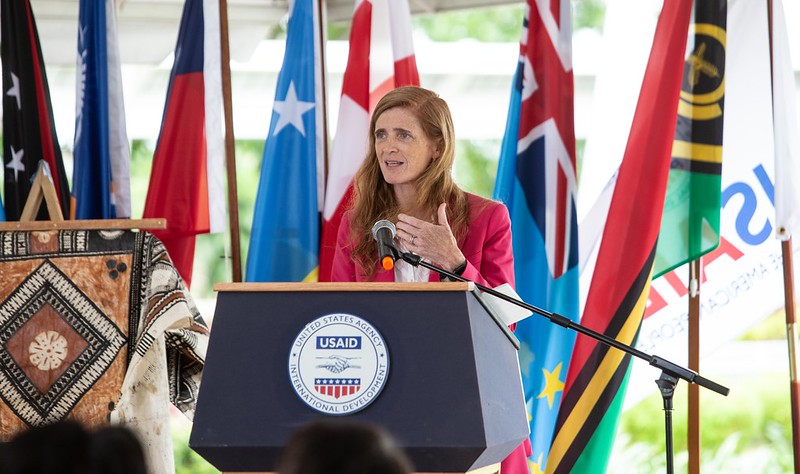
In August 2023, USAID administrator Samantha Power announced further plans to support the Pacific Islands with issues regarding climate, cybersecurity and health care partnerships with the FAO and the World Health Organization (WHO). 

In her keynote speech, Power stated “This new mission here in Fiji, and the new office based in Papua New Guinea, are the next step in the United States’ reinvigorated commitment to the Pacific Islands. It will provide a platform to substantially increase our investments in the salutations that you are advocating for, to build on the process we have made together, and to partner more deeply.”

A year after its initiation, the U.S.-Pacific Island Partnership Declaration offers valuable insights into the region’s poverty outlook. While numerous projects and goals remain to be achieved, the commitment to this pledge endures due to the dedicated efforts of USAID. With sustained growth and emerging opportunities, the future appears more promising for many individuals facing poverty in the Pacific Islands since President Biden made this commitment.

– Oliver Rayner
Photo: Flickr

September 27, 2023
https://borgenproject.org/wp-content/uploads/borgen-project-logo.svg 0 0 Lynsey Alexander https://borgenproject.org/wp-content/uploads/borgen-project-logo.svg Lynsey Alexander2023-09-27 07:30:482023-09-24 15:59:33U.S.-Pacific Island Partnership Declaration: One Year Later
Charity, Global Health, Global Poverty, USAID

The USAID Budget for 2024

The USAID Budget for 2024
In March 2023, the President released a Fiscal Year 2024 Budget, reserving $63.1 billion for foreign aid, as well as $32 billion specifically for the United States Agency for International Development (USAID). The USAID Budget for 2024 is an important step up, with an increase of $3 billion, or roughly 10% from the Fiscal Year 2023 Budget. This allows the agency to further address the important development goals that it has set, bettering the lives of those globally and domestically.

The Budget

The USAID Budget for 2024 addresses a wide range of topics with regard to global poverty and quality of life. The largest portion of this budget is reserved for food security and humanitarian aid, $10.5 billion to address rising crises and natural disasters around the world as well as $1.11 billion to Feed the Future to address food insecurity throughout the world, specifically Ukraine.

With the war in Ukraine, more than 14 million families have had to flee their homes and cities from February 2022 to February 2023. This has had an increasingly detrimental effect on Ukraine’s economy, which shrunk by roughly 30% last year, forcing millions into food and economic insecurity. The USAID budget reserves an additional $522 million to address the food and economic insecurity in Ukraine. 

Additionally, the budget aims to address health insecurity, which is an important part of addressing global poverty, with $4.1 billion for USAID programs aimed at addressing health issues around the globe, where vaccines and prenatal care may be difficult to find. 

Implementation

This money is deployed in a variety of ways, and implementation is an important aspect of the USAID Budget for 2024. Feed the Future, which is administered by USAID, works to reduce food security in 20 countries throughout the world. In many of the world’s developing countries, agriculture is integral to food security as well as the economy, and resiliency is imperative to feed rural communities. Feed the Future’s efforts in Mali, where 80% of the country relies on agriculture in some form, including improving resiliency through supplying better seeds for farmers as well as improved water conservation, can make sure that farmers can continue to earn a living, feed their families and feed the community. These efforts have been extremely successful, and in 2021, more than 2 million children under 5 were helped through Feed the Future’s efforts in Mali.

Since the beginning of the war, USAID has spent more than $1.4 billion on humanitarian aid to the Ukrainian people. One of these ongoing efforts is the AGRI-Ukraine initiative. AGRI-Ukraine is meant to provide assistance to farmers, who may have difficulty growing, storing and transporting their crops due to the war. This will help maintain an important sector of the economy, as well as assist in feeding millions of Ukrainians. An additional, often overlooked, impact of the war is access to important, life-saving medications for Ukrainian citizens. USAID efforts have helped to ensure that Ukrainians still have access to those medicines. 

Outlook

USAID’s efforts throughout the world have been imperative in helping many efforts to eliminate global poverty. It has addressed food, health and economic insecurity throughout the world, ensuring that millions of the world’s poor have access to lifesaving medications, inventions and technologies. This helps to reduce poverty globally, while also working towards U.S. interests around the world. The USAID Budget for 2024 will ensure that these efforts are able to continue in full.

– John Rooney
Photo: Flickr

September 22, 2023
https://borgenproject.org/wp-content/uploads/borgen-project-logo.svg 0 0 Lynsey Alexander https://borgenproject.org/wp-content/uploads/borgen-project-logo.svg Lynsey Alexander2023-09-22 07:30:132023-09-18 09:34:37The USAID Budget for 2024
Global Poverty, USAID

USAID Programs in Liberia

USAID Programs in LiberiaSince as early as 1961, the United States Agency for International Development (USAID) has provided crucial support for the sub-Saharan country of Liberia in key areas such as democracy, human rights and governance, global health, education, economic growth and country development cooperation strategy. Liberia is among the world’s poorest countries, with half of its population living below the global poverty line. USAID is the governmental body primarily responsible for administering developmental assistance and foreign aid on behalf of the United States government. The U.S. is currently the largest bilateral donor in Liberia and is taking a leading role in combating extreme poverty in the region through USAID programs in Liberia. 
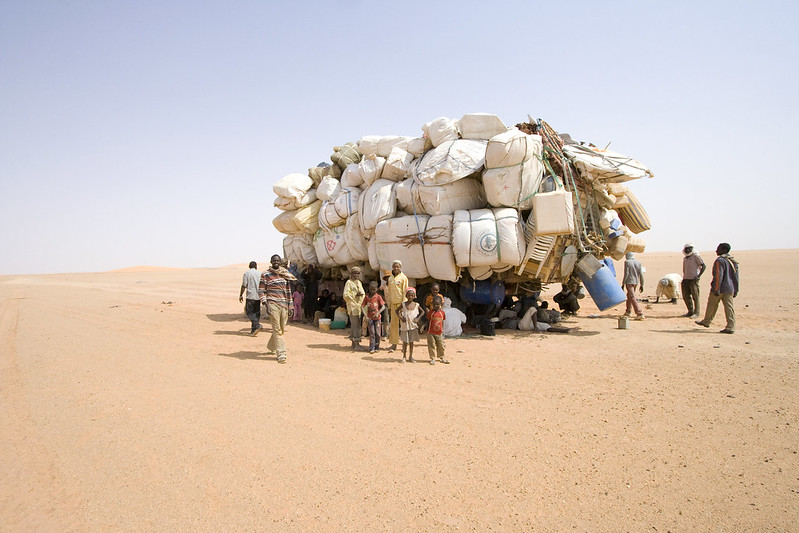
The Ebola Crisis 

One of USAID’s most important programs in Liberia in recent years was leading the global effort to combat the outbreak of the Ebola virus in the country in 2014-15. Ebola was particularly devastating in Liberia, with over 10,600 confirmed, or probable, cases during this period and 4,810 deaths. With an overwhelming lack of health care infrastructure, Liberia was unable to tackle the containment of the disease without support from USAID. For Liberia’s poorest, particularly those based in the capital city, Monrovia, Ebola proved a particularly deadly disease, with little support available for those who became infected and little protection from the disease’s rapid spread. 

USAID programs in Liberia worked in partnership with other international organizations, leading a U.S. Government effort to contain the spread of the disease and eventually bring the number of cases down to zero. Contact tracing was implemented in all 15 of Liberia’s counties. In West Point, Monrovia, one of the worst affected areas, an Incident Management System was installed, allowing for rapid diagnosis, treatment and prevention of further spread of the virus.

Since USAID’s involvement in combating Ebola in 2014-15, it has continued to work with the country to ensure that Liberia is not only better prepared for outbreaks of deadly diseases in the future, but is able to implement robust health care infrastructure for all manner of contagious diseases and health issues. Between 2015 and 2021, USAID supported the Government of Liberia’s Investment Plan for Building a Resilient Health System in Liberia.

Other Infectious Diseases

Other infectious diseases such as malaria, tuberculosis, neonatal and diarrheal diseases continue to be a major problem for Liberia as some of the leading causes of death, often affecting the country’s poorest the worst. The prevalence of these diseases among Liberia’s poor has been attributed in large part to a lack of access to water sanitation and hygiene (WASH). USAID programs in Liberia have played an important role in supporting high-impact WASH interventions in Liberia. For example, USAID programs in Liberia are providing key support to the Liberia Water and Sewer Corporation to provide an improved water supply to 90% of the population of three country capitals in Liberia: Robertsport, Sanniquellie and Voinjama, reaching an estimated 30,000 Liberians. 

Successes

Aid programs in Liberia, such as those provided by USAID, have had other considerable positive impacts on the country and for Liberia’s poor:   

  • Since 1990, infant and child mortality has dropped almost 70%, the highest annual reduction rate in all of Africa, sitting at around 5.4% per annum.
  • The 2022 World Health Organization (WHO) annual report on Liberia noted the “significant achievements towards improving the health and well-being of the people in Liberia”. 
  • Widespread vaccination against the COVID-19 threat, as well as continued efforts to prevent outbreaks of other infectious diseases such as measles, Lassa fever and monkeypox, highlights the growing presence of infrastructure able to combat the rapid spread of infectious diseases and protect Liberia’s citizens. 
  • Dr. Clement Lugala Peter, the WHO representative in Liberia, stated that the country was on the right trajectory towards attaining universal health coverage, whereby all of Liberia’s citizens would have access to essential health services, when and where needed and without financial hardships.

Looking Forward

However, despite significant improvements, there is still much work to be done. Liberia remains among the world’s worst-ranked in terms of maternal mortality rate, due to a lack of family planning services, the frequency of childbearing before the age of 25 (at around 60%) and the low proportion of births attended to by medical professionals. Furthermore, female mortality in general remains high due to the prevalence of female genital cutting, affecting more than two-thirds of Liberia’s women and girls. But with the work being done by American governmental bodies such as USAID and their programs in Liberia, the future for Liberia’s poorest looks much brighter. 

– Eleanor Lomas
Photo: Flickr

September 14, 2023
https://borgenproject.org/wp-content/uploads/borgen-project-logo.svg 0 0 Lynsey Alexander https://borgenproject.org/wp-content/uploads/borgen-project-logo.svg Lynsey Alexander2023-09-14 01:30:342023-09-11 05:19:28USAID Programs in Liberia
Global Poverty, USAID

US Aid To Poverty-Stricken Areas in Libya

US Aid To Poverty-Stricken Areas in Libya
Knowing the crises faced by the Libyan population since the end of the dictatorship in 2011, poverty, development and security have continued to deteriorate. Therefore, taking into account that the U.S. is one of the countries that provides the most international aid, it is important to analyze U.S. aid to poverty-stricken areas in Libya.

How the US Operates in Libya

U.S. aid to poverty-stricken areas in Libya is mostly carried out by the USAID agency and the U.S. embassy in Libya. While the embassy identifies, selects and reports on the weak areas of development that are most in the interest of the U.S., USAID acts with intervention and direct assistance in such areas. Therefore, USAID’s aid work involves partnerships with NGOs, local institutions and international organizations, such as the World Bank.

USAID Work

The main investment focus areas for the agency are development, security and humanitarian assistance. Regarding development, USAID focuses on the country’s economic growth, and its strategies are mostly executed in partnership with the government. The project is called the Public Financial Management of Libya (LPFM) with an implementation target between 2019 and 2024 and with $55 million invested to strengthen the capacity of the Central Bank of Libya to meet the needs of the population. The main development targets are energy and banking, with the most notable key results being helping to stabilize the electricity grid at a 63% increase in electricity production and aligning the banking sector with global best practices in order to facilitate liquidity and financial services for the private sector.

With regard to humanitarian assistance from USAID to poverty-stricken areas in Libya, the work is carried out by USAID’s Humanitarian Assistance Bureau, with the largest involvement being made during the COVID-19 crisis (2020-2021) with a total investment of $21.5 million. In this sense, taking into account that one of the main causes of the need for humanitarian assistance was the conflicts and crises experienced in the country since 2011 (a moment of political instability due to the end of the dictatorship), USAID’s role is focused on assistance in such crises. Such work is focused on providing health support (including mental and emotional), protection and shelter, and from 2011 to 2022 USAID provided a total of $11.2 million in humanitarian assistance.

The Job of the US Embassy in Libya

The current work of the U.S. through the embassy is to draw attention to and cooperate with USAID’s efforts to intervene in human trafficking in Libya. This is done in partnership with the local government through records and case reports, normative evolution to prevent trafficking crimes and penalize those involved and signal and change weaknesses in the system (political or legal) and in society that lead to human trafficking.

The main laws against human trafficking are articles 418, 419 and 420 of the penal code, which criminalize forms of sex trafficking with penalties of up to 10 years imprisonment and a fine.

U.S. intervention in human trafficking encompasses aid in poverty-stricken areas in Libya and assistance in investigation and enforcement, providing support to the local government and acting in concert with the efforts and assistance of NGOs and other international organizations to stop the trafficking system more effectively.

– Letícia L. Lacerda
Photo: Flickr

September 7, 2023
https://borgenproject.org/wp-content/uploads/borgen-project-logo.svg 0 0 Lynsey Alexander https://borgenproject.org/wp-content/uploads/borgen-project-logo.svg Lynsey Alexander2023-09-07 01:30:052023-09-05 07:08:38US Aid To Poverty-Stricken Areas in Libya
USAID

USAID Programs in Burkina Faso

USAID Programs in Burkina FasoBurkina Faso is one of the world’s poorest countries. The World Food Programme (WFP) estimates that over four in 10 Burkinabè live in poverty. A high dependency on agriculture, as well as natural disasters, political instability and armed domestic conflict have increased food instability and displaced millions of people in the country. USAID programs in Burkina Faso work to improve the lives of the population. The agency’s work in Burkina Faso is extensive, covering many areas. 

Agriculture and Food Security

Agriculture plays a massive role in the Burkinabè economy, with the sector being responsible for the income of 80% of the population. Despite this, food insecurity is high. The WFP estimates that over 3 million people face acute food insecurity, which is why USAID programs in the country work to improve agriculture production and access to food in the country. 

In the fiscal year 2021, USAID provided over $11 million for agriculture and food security programs in Burkina Faso. Regarding agriculture, one of the areas of focus for USAID programs is increasing the production of food by educating farmers on better agricultural practices. In addition, by strengthening the stability of markets and providing microloans, the U.S. helps Burkinabè farmers have more stable, financially viable agriculture businesses.

Due to the high levels of food insecurity, USAID programs in Burkina Faso addressing this issue are essential. By way of USAID’s Office of Food for Peace (FFP), the agency works with the World Food Programme to donate food to hundreds of thousands of people. FFP also partners with other agencies working in the country. For example, in 2018, together with ACDI/VOCA, FFP pledged $50 million in food assistance and resilience building for particularly vulnerable families in Burkina Faso’s Centre-North region.

Democracy and Human Rights

Burkina Faso saw the democratically elected leader of the country ousted in 2022, in a blow to the country’s democratic transition. USAID programs in Burkina Faso remain committed to supporting democracy — for example, through the training of independent election officials and organizing conferences on democratic governance. 

USAID programs in Burkina Faso also support those institutions in the country that monitor human rights violations and ensure victims of human rights violations are able to access justice. 

Health

Like many impoverished countries, Burkina Faso faces a number of challenges in the health sector, so USAID programs in Burkina Faso that work towards improving the health of the population are of high importance. 

The main health issue concerning Burkina Faso is the prevalence of malaria. The disease, which has been eradicated in many wealthy countries, is the main cause of death for children under the age of 5 in the country, according to UNICEF, and USAID reports that nearly 20,000 people were killed by malaria in Burkina Faso in 2020 alone. This number can be seen as the reason why USAID provided $128.5 million for the fight against malaria in Burkina Faso between 2017 and 2022. Malaria prevention infrastructure, diagnostic tests and medication are all funded by USAID programs in Burkina Faso, highlighting the broad approach aid is taking to fight the disease. For the future, a new, effective Malaria vaccine looks promising, and USAID programs are likely to fund vaccine distributions should a vaccine become broadly usable.

While malaria may be the main health issue facing Burkina Faso, the country also requires support in fighting HIV/AIDS. Regarding this illness, international efforts including those of USAID appear to be bearing fruit as the number of HIV/AIDS-related deaths has steadily declined since the early 1990s.

Humanitarian Assistance

A significant portion of USAID programs in Burkina Faso is focused on the provision of humanitarian assistance. The country has seen multiple humanitarian crises in the past years, due to crop failures, domestic armed conflict and natural disasters. As a consequence of these crises, the Internal Displacement Monitoring Centre estimates that as of 2022, around 2.2 million people were internally displaced in Burkina Faso. By way of its Bureau of Humanitarian Assistance, USAID provided $54.4 million in humanitarian aid to the country in the fiscal year 2021 alone. 

Water and Sanitation

UNICEF estimates that in 2021, 2.4 million people in Burkina Faso lacked access to safe water. This is why USAID programs in Burkina Faso improving the water and sanitation circumstances have a high priority. Within this area, USAID has a broad field of programs to improve the lives of Burkinabè. Concrete actions by USAID include the improvement and establishment of water points, the monitoring of groundwater and water systems infrastructure as well as the provision of tools and education enabling communities and health care providers to access safer water. 

Looking Ahead

The challenges faced by Burkina Faso are great, and poverty remains widespread in the country. USAID programs in Burkina Faso will need to continue providing support for the foreseeable future if the lives of Burkinabè are to be improved. The announcement of additional aid by the U.S. in the last two years to West Africa may be a sign that USAID will further expand its programs in the country and spells hope for those in need in Burkina Faso.

– Patrick Brownlow
Photo: Flickr

August 31, 2023
https://borgenproject.org/wp-content/uploads/borgen-project-logo.svg 0 0 Lynsey Alexander https://borgenproject.org/wp-content/uploads/borgen-project-logo.svg Lynsey Alexander2023-08-31 00:02:072023-09-01 07:41:57USAID Programs in Burkina Faso
Global Poverty, USAID

USAID Programs in Mali

USAID Programs in MaliThe landlocked West African country of Mali faces a myriad of challenges. In 2021, Mali ranked 186 out of 191 in the UNDP Human Development Index, and, according to the World Food Programme, nearly eight in 10 people in Mali are affected by poverty, and nearly a third of Malian children under the age of 5 suffer from stunting. Faced with these difficult circumstances, USAID programs in Mali work to improve the situation in the country in a number of areas including health, humanitarian and food assistance, education and human rights protection.

Agriculture and Food Security

The World Food Programme (WFP) estimates that nearly a fifth of the Malian population is affected by food insecurity. This highlights the importance of USAID programs in Mali that combat hunger and help the agriculture sector, which is responsible for 80% of employment in the country. USAID’s “Feed the Future” program, which runs in a number of other countries as well, implements help in a number of ways.

The program works with members of the private sector to incentivize private companies to commit to sustainable agricultural production and the sale of agricultural products in Mali. To aid the highly agriculture-dependent population, the program also provides education to Malian farmers on better farming practices and soil and water conservation techniques. In addition, Feed the Future helps them gain access to better soil, fertilizer and financing, so that farmers are able to increase food production and reduce food insecurity. In the year 2021 alone, Feed the Future was able to assist the nutrition of nearly 2 million children under the age of 5, making it one of the most impactful of all USAID programs in Mali. Feed the Future even branches out into the more political sphere, with USAID representatives working with local government and NGOs to encourage the harmonic use of resources so that food insecurity may be reduced.

Health

Mali is faced with a number of health crises which USAID programs in Mali aim to combat. While the scope of USAID health aid is large, ranging from the provision of training to health workers and medical equipment to health facilities and much more, there are some initiatives that are more targeted at specific health issues. The Presidential Malaria Initiative, for example, is committed to fighting the disease malaria in the country. According to the World Health Organization (WHO), malaria ranks as one of the leading causes of death in Mali, making work to combat the disease of high importance. By way of the Presidential Malaria Initiative, USAID provides a wide range of aid to both prevent malaria from spreading and treat infected Malians. Malaria prevention measures include the provision of preventive treatments for pregnant women, the distribution of mosquito nets, rapid diagnostic tests and insecticide spray. In addition, USAID treats malaria-infected Malians with fast-acting medicines, to prevent further spread and enable those with the disease to recover from it.

Education

Around 12.5% of Malian children of primary school age do not attend school, according to the WFP. In addition, USAID reports that boys are more likely to be enrolled in school than girls, who are regularly deprived of an education in favor of working in the home. USAID programs in Mali seek to increase school participation and graduation and to increase the number of girls given the opportunity to receive an education. 

The USAID program Girls’ Leadership and Empowerment through Education (GLEE) works to decrease the barriers girls face to receiving an education and to empower them to become more independent and less vulnerable to exploitation. Amongst other initiatives, the program supports the establishment of “Accelerated Schooling Centers,” which are learning centers that provide an education to girls who missed out on school years. As of June 2023, USAID reported that 21,745 girls had been enrolled in such institutions, giving them a chance to catch up with their education.

Human Rights

With armed internal conflicts and crises regularly occurring, the human rights situation in Mali is difficult. USAID programs in Mali aim to strengthen democracy, human rights and the justice system in the country.

The Empowering Malians through Elections, Reforms and Governance Efforts (EMERGE) program, for example, aims to inform democratic debate and strengthen fair democratic elections. The program, which was founded by USAID in partnership with the Swiss and Danish stakeholders, has delivered training to nearly 5,500 local election observers and provided accurate information on elections to over 25 million Malians over the radio, in-person and on social media platforms.

Looking Ahead

Mali faces a number of challenges, ranging from food insecurity to disease and education issues. However, some progress has been made, as international aid, including USAID programs in Mali, works to improve the lives of Malians. For example, life expectancy at birth increased by over 10 years in Mali since 2000, per the WHO. Continued and increased aid is needed to continue this trend and ensure that Malians have a better future.

– Patrick Brownlow
Photo: Flickr

August 30, 2023
https://borgenproject.org/wp-content/uploads/borgen-project-logo.svg 0 0 Lynsey Alexander https://borgenproject.org/wp-content/uploads/borgen-project-logo.svg Lynsey Alexander2023-08-30 07:30:162023-08-29 16:28:14USAID Programs in Mali
Global Poverty, USAID

How USAID Programs in Madagascar Are Combating Poverty

USAID Programs in MadagascarWith the extreme poverty rate (<$1.90 per day) climbing to 78% in 2021, USAID programs in Madagascar are needed more than ever. USAID, the United States Agency for International Development, is the American-operated organization that delivers foreign aid and development assistance. In Madagascar, the agency is focused on health, energy, governance, food security and the environment. 

Health

Through USAID programs in Madagascar, the country has successfully seen a 25% decrease in malaria cases in its population. Through efforts like providing insecticide-treated mosquito nets and insecticide sprays to households and granting preventive treatments to pregnant women, this feat did not take very long to accomplish — this reduction occurred over the course of just one year. 

Energy

USAID programs in Madagascar stem out further than the country’s respective borders, finding partnerships in initiatives like the Southern Africa Energy Program. This plan was active for roughly five years, from March 2017 until March 2022, and strove to increase the investment in electricity within southern Africa as a whole. Their endeavors ultimately resulted in them acquiring over $3 million to accomplish such feats, along with the ongoing supervision from Madagascar’s government.

Governance

In 2021, USAID launched a public project dedicated to Madagascar’s Court of Accounts, with a budget of roughly $4 million and a lifespan of five years. With its successful establishment, the court now operates through its Annual Work Program for 2023, focusing on providing audits in areas like the environment, economic growth, governance and others.

Food Security

Malnourishment is also a major concern for Madagascar’s communities, with roughly 1.64 million people in need of food aid. In the year 2020, USAID provided $45.8 million to the southern regions of Madagascar, to provide them with emergency food aid and further develop miscellaneous assistance. This investment is only part of the program’s partnership with the World Food Programme (WFP), — the U.S. has provided over $100 million to the WFP in the last two years.

Environment

Lastly, Madagascar’s environment is prone to seasonal disasters that affect its wildlife, ranging from natural processes such as erosion to man-made catastrophes like deforestation. Since 2013, however, USAID has provided $56 million to local programs in Madagascar that combat such destruction and improve overall management. The Conservation and Communities Project also plays a role as part of USAID, operating through its Nature, Wealth and Power paradigm that allows them to conserve the country’s biodiversity and promote alternative natural resource management plans.

Madagascar faces plenty of troublesome issues. Through USAID programs, however, improvements are being made every day.

– Nathan Bronk
Photo: Unsplash

August 28, 2023
https://borgenproject.org/wp-content/uploads/borgen-project-logo.svg 0 0 Lynsey Alexander https://borgenproject.org/wp-content/uploads/borgen-project-logo.svg Lynsey Alexander2023-08-28 01:30:222023-09-04 12:38:54How USAID Programs in Madagascar Are Combating Poverty
Page 5 of 33«‹34567›»

Get Smarter

  • Global Poverty 101
  • Global Poverty… The Good News
  • Global Poverty & U.S. Jobs
  • Global Poverty and National Security
  • Innovative Solutions to Poverty
  • Global Poverty & Aid FAQ’s
Search Search

Take Action

  • Call Congress
  • Email Congress
  • Donate
  • 30 Ways to Help
  • Volunteer Ops
  • Internships
  • Courses & Certificates
  • The Podcast
Borgen Project

“The Borgen Project is an incredible nonprofit organization that is addressing poverty and hunger and working towards ending them.”

-The Huffington Post

Inside The Borgen Project

  • Contact
  • About
  • Financials
  • President
  • Board of Directors
  • Board of Advisors

International Links

  • UK Email Parliament
  • UK Donate
  • Canada Email Parliament

Get Smarter

  • Global Poverty 101
  • Global Poverty… The Good News
  • Global Poverty & U.S. Jobs
  • Global Poverty and National Security
  • Innovative Solutions to Poverty
  • Global Poverty & Aid FAQ’s

Ways to Help

  • Call Congress
  • Email Congress
  • Donate
  • 30 Ways to Help
  • Volunteer Ops
  • Internships
  • Courses & Certificates
  • The Podcast
Scroll to top Scroll to top Scroll to top