The Cure Tuberculosis Project In The Kyrgyz Republic
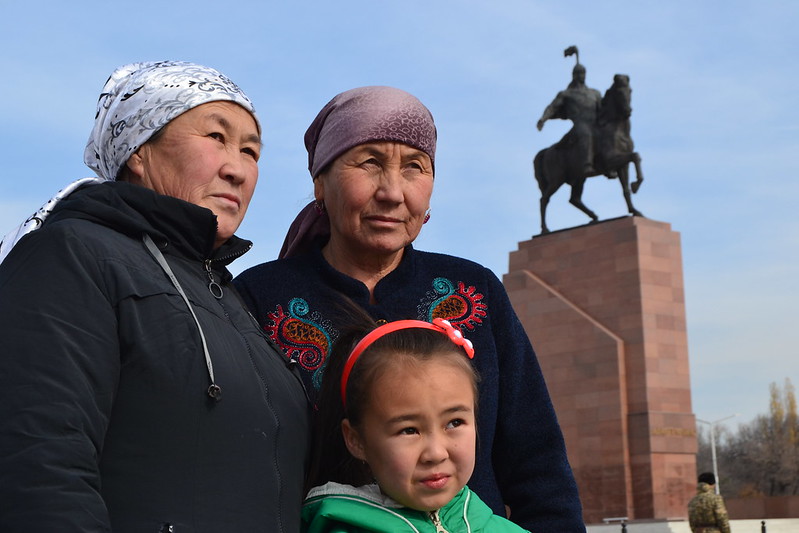 In the Kyrgyz Republic, a landlocked country in Central Asia, health officials diagnose 1,400 people with drug-resistant Tuberculosis (TB) annually. It ranks among the nations with the highest rates of drug-resistant TB. This prevalence underscores a significant health challenge across the country. To address this, the Cure Tuberculosis Project has dedicated its efforts to lowering the rates of drug-resistant TB infections and enhancing the treatment for affected patients.
The Struggle with Drug-Resistant TB
TB ranks among the most lethal infections, causing 1.3 million deaths in 2022 alone. It disproportionately affects those in lower-income households, exacerbating the cycle of poverty. Infected individuals often face reduced earning capacity, leading to diminished access to health care and increasing health issues.
In addition, people with TB often spend more time indoors, heightening the risk of spreading the illness among both adults and children. This transmission within households can perpetuate a cycle of poverty across generations. Moreover, drug-resistant TB poses a growing global concern as certain treatments lose effectiveness. In 2022, about 410,000 individuals contracted drug-resistant TB, but only 43% received treatment, highlighting the urgent need for more effective interventions.
The Kyrgyz Republic faces a significant challenge with drug-resistant TB, with 29% of new drug-resistant TB cases compared to the global average of 3.3%, according to the World Health Organization (WHO). In addition, several factors contribute to this high incidence, including ineffective health care services, a shortage of medical resources and widespread difficulties in accessing medication for drug-resistant TB.
Addressing Drug-Resistant TB
The U.S. Agency for International Development (USAID) supported the Kyrgyz people by funding the Cure Tuberculosis Project from 2019 to 2024. This initiative aimed to assist the Kyrgyz government in identifying and treating individuals diagnosed with drug-resistant TB. Additionally, the project focused on ensuring rapid diagnosis for drug-resistant TB patients and facilitating their access to treatment, collaborating closely with the Ministry of Health of the Kyrgyz Republic. Moreover, the Cure Tuberculosis Project focused on four key areas for improvement:
- Develop more effective strategies to improve drug-resistant TB detection.
- Treat more patients with drug-resistant TB.
- Reduce the number of drug-resistant TB infections.
- Enhance government legislation concerning drug-resistant TB.
Impacts of the Cure Tuberculosis Project
The Cure Tuberculosis Project achieved success in all four targeted areas.
- Develop more effective strategies to improve drug-resistant TB detection: In Batken, Chui and Naryn Oblasts, 12 hospitals successfully screened all patients for drug-resistant TB, ensuring treatment for those diagnosed.
- Treat more patients with drug-resistant TB: The project equipped all hospitals and 91 health care services with online medical record management. Furthermore, more than 2,100 patients with drug-resistant TB benefited from mental health assistance and financial support.
- Reduce the number of drug-resistant TB infections: The project enhanced infection control in hospitals in Naryn, Batken and Talas, successfully reducing the average hospital stay for patients by 12%. It also sought to change the behaviors and perceptions of patients with drug-resistant TB and their families. This included producing 28 educational films that share patients’ experiences to raise awareness about the infection.
- Enhance government legislation concerning drug-resistant TB: The project collaborated with the Mandatory Health Insurance Fund to develop financial strategies to enhance drug-resistant TB treatment. Among these advancements is the facilitation of sputum sample transfers to hospitals for drug-resistant TB testing.
Looking Ahead
The Cure Tuberculosis Project has laid a strong foundation for ongoing efforts to fight drug-resistant TB in the Kyrgyz Republic. This marks a significant stride toward health security and poverty reduction. Furthermore, sustained collaboration and innovation could be essential in consolidating these gains and ensuring a healthier future for the Kyrgyz people.
– James McAlinden
James is based in Rosehearty, Scotland and focuses on Global Health for The Borgen Project.
Photo: Flickr
