Increasing Access To Electricity In Papua New Guinea
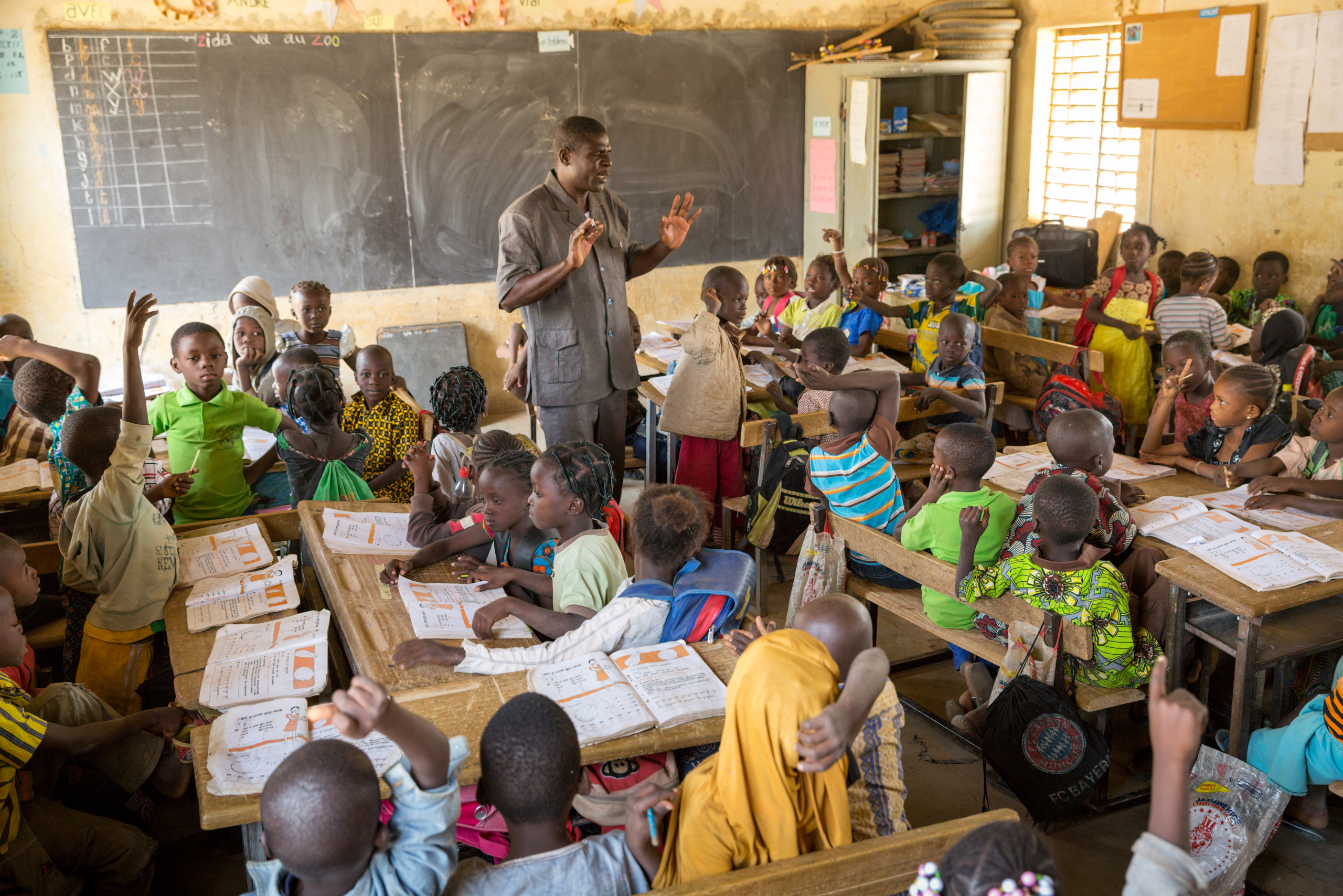 To help combat the lack of access to Electricity in Papua New Guinea, the U.S. has announced they will be sending $1.2 million to construct a solar mini-grid system in the Central Province of Papua New Guinea which will significantly increase access to electricity for roughly 5,000 people. The aid is a part of a larger mission by the joint governments of Australia, Japan, New Zealand, the U.S. and Papua New Guinea to provide electricity to 70% of households in Papua New Guinea by 2030.
Electricity Problem in Papua New Guinea
Papua New Guinea is among one of the countries with the lowest electrification rates in the world, as approximately 20% of residents had access to electricity in 2021 and even fewer had on-grid electricity. Moreover, the vast majority of those with electricity are concentrated in urban centers, as the geographical landscape makes it difficult to deliver electricity to Papua New Guinea’s rural areas where the majority of its population lives. Additionally, because of Papua New Guinea’s reliance on diesel fuel to provide electricity, even urban places that do have access to electricity often experience undependable results.
The Relationship Between Poverty and Electricity Access
Low electrification levels have a strong correlation to many aspects of multidimensional poverty. According to a study by the Rockefeller Foundation in 2020, 96% of people who lacked electricity access (not including those in Europe and Central Asia) also experienced another aspect of multidimensional poverty. In Papua New Guinea, for example, only 60% of people are above the extreme poverty line and access to medical and education resources remains low. Hence, unsurprisingly, studies have shown that increasing access to electricity also significantly helps reduce the severity of other aspects of multidimensional poverty. Thus, increasing access to electricity in Papua New Guinea is particularly important to reducing poverty.
Solutions
In light of the strong correlation between electricity access and poverty, the U.S. has announced that they will provide $1.2 million to help build a solar mini-grid that will provide approximately 1,000 households and numerous businesses with new access to electricity in Papua New Guinea. The aid is significant in that it will not only help provide a new, clean source of energy to many people who previously did not have it, but also provide small businesses with greater electricity access. The solar grid will greatly increase these businesses’ ability to grow and thereby help grow Papua New Guinea’s economy. Additionally, the introduction of a new form of energy will potentially kickstart a new economic industry in Papua New Guinea, which will provide new jobs to a growing number of people. Hence, this aid will be a huge step in not only increasing access to electricity in Papua New Guinea but also in helping reduce extreme poverty.
Conclusion
There is a strong, inverse relationship between electrification rates and poverty levels across the world, and Papua New Guinea is exemplary — with one of the highest poverty levels and lowest electrification rates in the world. However, efforts by the U.S. government, in conjunction with the Japanese, Australian, New Zealand and Papua New Guinean governments, will work to decrease poverty levels by increasing access to electricity in Papua New Guinea.
– Athan Yanos
Photo: Flickr
