• Link to X
  • Link to Facebook
  • Link to Instagram
  • Link to TikTok
  • Link to Youtube
  • About
    • About Us
      • President
      • Board of Directors
      • Board of Advisors
      • Financials
      • Our Methodology
      • Success Tracker
      • Contact
  • Act Now
    • 30 Ways to Help
      • Email Congress
      • Call Congress
      • Volunteer
      • Courses & Certificates
      • Be a Donor
    • Internships
      • In-Office Internships
      • Remote Internships
    • Legislation
      • Politics 101
  • The Blog
  • The Podcast
  • Magazine
  • Donate
  • Click to open the search input field Click to open the search input field Search
  • Menu Menu

Archive for category: USAID

Topics covering about USAID

Global Poverty, USAID

USAID’s Investment in West Bank Women’s Education

West Bank West Bank, named for its association with the Jordan River, constitutes one of the two main Palestinian regions, the other being the Gaza Strip. Geographically enclosed and located near the Mediterranean Sea in the Levant region of West Asia, this territory has been under Israeli occupation since 1967.

With a poverty rate of 13.9% among its population, the West Bank faces significant challenges, largely attributed to the absence of stable and beneficial employment opportunities. Additionally, the lack of effective transportation, influenced by its geographical location, further hampers residents’ access to areas where such opportunities may be more abundant. Even if the needed transportation was in order, low levels of education hold its people back from getting jobs with salaries above the poverty line.

Education in the West Bank

The energy crisis in Gaza has severely impacted education, leaving students to study without adequate light or internet access. Restrictions in “Area C” of the West Bank have led to a shortage of schools and constant threats of demolition. Movement barriers, including checkpoints and the Separation Wall, hinder Palestinians’ access to education. Israeli travel bans and the Gaza blockade prevent students from attending universities in the West Bank. Without access to schools directly within the West Bank area, its people cannot move freely to find the education they are searching for.

Saffa Girls School

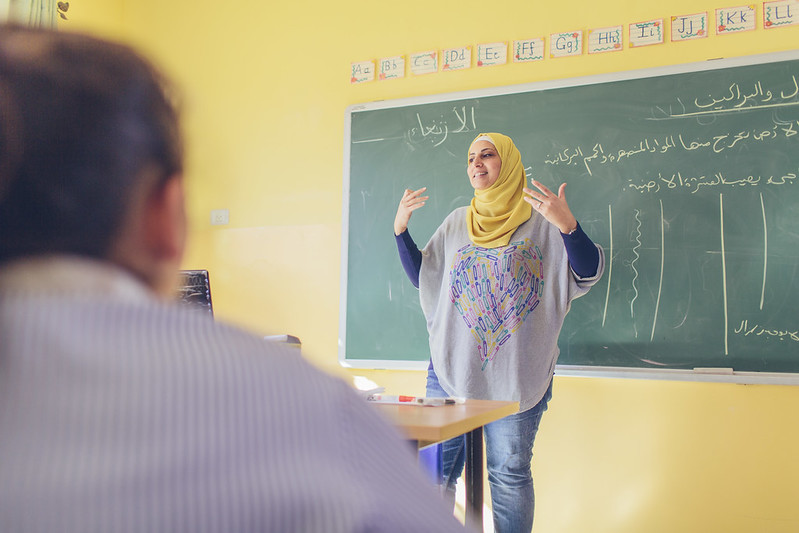
The Saffa Girls School in Ramallah Governorate, West Bank, was established in 1992. Since then, it has only continued to expand positively through implementing programs such as the United States Agency for International Development (USAID) Model School Network Program. This USAID initiative, implemented by the America-Mideast Educational and Training Services (AMIDEAST), aims to improve the quality of West Bank women’s education.
Saffa Girls’ School and 56 other schools have benefited from the program, receiving training for teachers and administrators. This program has contributed to the construction or rehabilitation of schools and various infrastructure projects, benefiting almost one million people. This has allowed schools to reduce class sizes and eliminate the need for students to learn in shifts. Between 2008 and 2009, the nonprofit organization Anera constructed two new floors within the Saffa Girls’ School. The new floors hold eight classrooms and a science lab. Not only does this give students more space and opportunity for learning, but this construction also opens up new job opportunities for adults living within the community.

Empowering Women Through Education

The Saffa Girls’ School is portrayed as a haven for learning, growth and empowerment. The girls attending the school are expected to become women who contribute significantly to their families, as breadwinners and mothers who prioritize education for their children.  When you can properly educate the women of the world, it causes a pattern of positive change to flow throughout the entirety of the communities they reside within. West Bank women’s education is a growing entity that will soon change the trajectory of everyone residing within the region.

The Impact

Abeer Ali Badran, the school’s principal, took the initiative to collaborate with USAID to extend improvements made to the school’s facilities and educational resources throughout the community. This effort reached a total of 93 schools similar to hers in the West Bank.

Students in USAID-supported schools, including Saffa School, scored 7% higher on standardized tests compared to other students in their districts. This outcome underscores the significant impact of the dedicated efforts of USAID and Badran on the lives of students in the Middle East, with the promise of continued positive influence in the future.

Conclusion

Investing in the education of women in the West Bank is not only an investment in their progress but also in the overall advancement of society. When women receive education at the primary level, it opens doors for them to pursue higher education, providing access to valuable information. This access empowers them to break the continuous cycle of poverty embedded in their surrounding community.

– Tristen Jerkins
Photo: Flickr

January 11, 2024
https://borgenproject.org/wp-content/uploads/borgen-project-logo.svg 0 0 Hemant Gupta https://borgenproject.org/wp-content/uploads/borgen-project-logo.svg Hemant Gupta2024-01-11 20:29:192024-02-15 03:50:57USAID’s Investment in West Bank Women’s Education
Global Poverty, USAID

USAID DIV Initiatives to Tackle Extreme Poverty in Rwanda

Poverty in RwandaIn November 2023, Village Enterprise, a nonprofit founded in 1987 committed to eradicating extreme poverty in Rwanda, secured a substantial $6.5 million grant from the United States Agency for International Development’s (USAID) Development Innovation Ventures (DIV) program. This marks the second-largest DIV grant in over a decade and is poised to make a significant impact in fighting poverty in Rwanda.

What Is the USAID DIV Program?

Co-founded in 2010, the USAID DIV Program, or Development Innovation Ventures, is an open innovation initiative by the United States Agency for International Development (USAID) that funds groundbreaking solutions to address complex global development challenges. DIV provides grant funding to innovators and researchers, allowing them to test new ideas, take strategic risks and build evidence of what works. The program aims to discover and scale creative solutions that can make a meaningful impact on global development issues.

Village Enterprise’s Transformative Approach

Village Enterprise’s poverty graduation model has a track record of success, empowering individuals to set up, launch and run their own businesses in various sectors, from retail to bicycle repair. Entrepreneurs undergo a year-long program with mentorship from Village Enterprise’s specialist staff and receive business and financial literacy training, ensuring the sustainability of their ventures. 

Village Enterprise has significantly impacted the lives of more than 1,656,000 individuals in Tanzania, Kenya, Ethiopia, the Democratic Republic of the Congo, Congo-Brazzaville, Uganda, Kenya and Rwanda by starting at least 80,000 enterprises and training around 274,000 first-time entrepreneurs.

What Are the Main Points of the Grant?

  1. Historic Grant: The $6.5 million grant is the largest in over a decade from USAID DIV and the second-largest in its history, demonstrating a notable commitment to combating poverty in Rwanda. 
  2. Scaling Impact: The funding aims to scale Village Enterprise’s proven poverty graduation model across Rwanda, directly impacting over 30,000 households and catalyzing the launch of 10,000 group businesses. 
  3. Government Partnership: Beyond financial support, the grant includes a partnership with the Rwandan government, equipping them to independently deliver the poverty graduation model. This aligns with Rwanda’s National Strategy for Sustainable Graduation, targeting the elimination of extreme poverty in Rwanda by 2030.
  4. Potential Impact: The initiative has the potential to attract an additional $28 million in investment, aiming to lift over 1 million people out of extreme poverty in Rwanda by 2027, aligning with Rwanda’s ambitious poverty reduction goals.

Supporting Rwanda’s Goals

The Rwandan government is committed to eliminating extreme poverty by 2030, and the partnership with Village Enterprise aims to equip them with the tools and resources needed to achieve this goal independently. According to the U.N. Development Reports of 2023, 48.8% of the nation’s residents face poverty with another 22.7% nearing the poverty line. 

The grant will facilitate the training of government parasocial workers, enabling Rwanda to deliver the poverty graduation program without external support. Additionally, a management information system will be deployed for effective program monitoring. 

Dianne Calvi, CEO and President of Village Enterprise expressed enthusiasm about the USAID DIV grant, highlighting its potential not only to alleviate extreme poverty in Rwanda but also to serve as a blueprint for other African governments facing similar challenges. This transformative initiative aligns with global efforts to address poverty, emphasizing collective action and proven solutions.

– Suhani Bhattad
Photo: Pixabay

January 7, 2024
https://borgenproject.org/wp-content/uploads/borgen-project-logo.svg 0 0 Lynsey 2 https://borgenproject.org/wp-content/uploads/borgen-project-logo.svg Lynsey 22024-01-07 07:30:342024-01-03 03:34:53USAID DIV Initiatives to Tackle Extreme Poverty in Rwanda
Global Poverty, USAID

USAID Programs in Cuba

USAID Programs in CubaCuba is home to a tropical paradise, mountains to the southeast, but mostly flat landscapes. The United States (U.S.) and Cuba, which reside on the same side of the globe, continue to experience difficulties due to U.S. sanctions set by President John F. Kennedy in February 1962. Currently, three USAID programs in Cuba work to reduce poverty amid continued sanctions, the recent pandemic and stifled support from Cuba’s government.

Grassroots Groups Stepping In

Cubans, unsatisfied with the response from their government, led grassroots movements after a tornado ripped through Havana in 2019. These grassroots movements leveraged social media to reach out to Cuban donors and donors abroad. After one day, these movements received “over 20,000 Cuban pesos ($833), two packs of medicines, and more than 100 masks.” Cuba’s government could not step in to assist its citizens. As a result, its citizens created their USAID program in Cuba. 

Through solidarity, Cuban citizens receive much-needed aid through social media channels and money used to purchase food and medicine. Addressing the more severe issues requires external funds from foreign countries since small donations are a short-term solution. The U.S. is one of many other nations that work to solve root issues of hunger, poverty and malnutrition. The nation hopes their actions will result in prosperity and develop each other’s economy.

USAID’s Ongoing Efforts

The United States Agency for International Development (USAID) meshed existing foreign assistance organizations and programs on November 3, 1961, to consolidate resources and agencies. While the U.S. has set sanctions toward Cuba, USAID provides continuous humanitarian assistance through “nutritional food items, vitamins, over-the-counter medicines, and toiletries.” The Biden administration announced $2 million in funding for emergency relief in addition to USAID’s continued assistance.

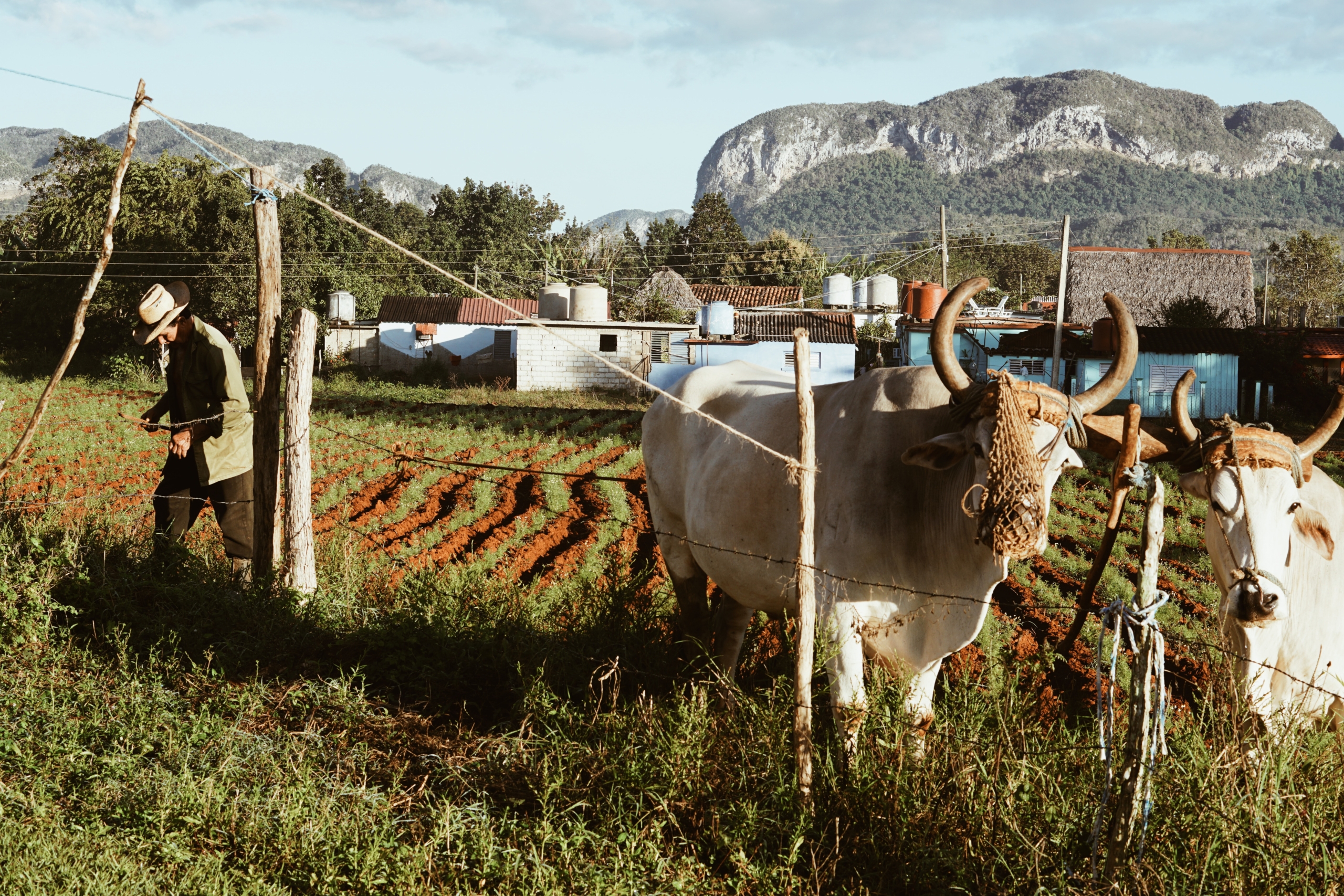
This funding will assist Cuba in addressing the lack of necessities, especially tobacco production. Estimates show that nearly “9,000 hectares of crops [bananas, cassava, rice and corn] were affected, leading to malnourishment and a lack of diverse food. The country’s government has received criticism after suppressing political activism instead of listening to the demands of its citizens. The Washington Office on Latin America (WOLA) recognizes the need for U.S. humanitarian aid and international aid from other nations.

While the U.S. continues its sanctions toward Cuba, USAID programs in Cuba are working to create stability and cooperation with other nations as well. Another organization is Sweden’s government agency, Sida, which “strives to reduce poverty and oppression around the world.”

Sweden’s Ongoing Efforts

Based on the 2022 analytics provided by Openaid, Sweden has contributed around $3.23 million, with most funds going to various projects and programs in the country. The funding goes to three different sectors in Cuba, in order of importance: human rights, gender equality and democratic development; environment, climate and sustainable use of natural resources; and better living conditions and livelihoods. Spending is focused on three areas, the two most important to reducing global poverty being the second and third items.

With Centro Agronómico Tropical de Investigación y Enseñanza (CATIE) cooperation, Sida educates municipalities and smallholders in biodiversity conservation and sustainable agriculture. Currently, Cuba dominates large-scale monocultures, where only one crop is grown. “Half of the farmland is used to grow sugar cane,” which impairs biodiversity and, in the event of natural disasters, destroys food security and a more varied diet.

Most of the food Cubans consume is imported, with estimates showing up to 80%. In 2022, Cuba made great efforts to recover from its high dependence on food imports, receiving aid through the World Food Programme (WPF) and seeing a slight economic recovery. The WFP and Sida work to reduce the losses from natural disasters. The organization educates, assists and provides tools to farmers to minimize Cuban food insecurities, increase the yields from diverse crops and improve the quality to ensure a varied diet. Farmers, women and the youth are working with USAID programs in Cuba to provide education and methodology persists through natural disasters, poverty and a repressive government. 

Ongoing Solutions

Despite Cuba’s ongoing obstacles, various groups and organizations are stepping in to provide the humanitarian aid it desperately needs. From Openaid, the three sectors that receive the majority of funding are government and civil society, general environmental protection, and banking and financial services. The other sectors, like water supply and sanitation, receive about $12,000 or around .38% of the $3.23 million. 

There is a need for systems and infrastructure to continue developing to ensure women and youth receive proper nourishment. Grassroots movements continue to receive primary and minor donations for medicine. USAID provides further funding to educate farmers on appropriate maintenance, with other nations providing additional assistance. The inclusion of social media further encourages people from all over to draw awareness to global issues and help enact change to reduce extreme poverty.

– Luis Lujano-Garcia
Photo: Unsplash

December 30, 2023
https://borgenproject.org/wp-content/uploads/borgen-project-logo.svg 0 0 Lynsey 2 https://borgenproject.org/wp-content/uploads/borgen-project-logo.svg Lynsey 22023-12-30 01:30:052024-06-04 01:09:00USAID Programs in Cuba
USAID

USAID Programs in Bangladesh

USAID is a relief system that serves to improve international development. It aims to provide multifaceted foreign aid to help foster social, economic and political empowerment. USAID and Bangladesh have a unique relationship as the United States (U.S.) and Bangladesh have maintained a strong friendship since Bangladesh’s independence in 1971.

Challenges in Bangladesh

Bangladesh, with a population surpassing 173.5 million, faces significant poverty challenges, with 18.7% living below the poverty line. This economic hardship hampers access to essential components of a healthy life, such as food, clean water, health care and education.

A staggering 40 million people in Bangladesh grapple with food insecurity, exacerbated by recurrent climate disasters disrupting agriculture—a sector vital for the country’s economic stability. The destruction of food crops further strains its economic resilience.

Accessing health care proves challenging, particularly for those in poverty and rural areas. Existing health programs are costly and inadequately equipped for efficient and effective care delivery.

Education is a notable hurdle for Bangladesh’s impoverished. A substantial 57% of Bangladeshi children lack proficient literacy skills, posing a barrier to their future social and occupational prospects. Moreover, educational institutions receive funding more than 70% lower than that of lower-middle-income countries. Addressing these multifaceted challenges is imperative for fostering a more sustainable and equitable future in Bangladesh.

USAID’s Commitment

USAID’s programs in Bangladesh stand out as the largest in Asia, addressing multifaceted challenges like food insecurity, health disparities, educational gaps and political instability. With a commitment to fostering a robust partnership, the organization has set ambitious targets to elevate Bangladesh to an upper-middle-income status by 2023.

Consistently, USAID has played a pivotal role in promoting the growth and well-being of Bangladesh. Notably, it has swiftly responded to crises, providing emergency food and nutrition assistance to more than 900,000 individuals. In 2023, the organization responded promptly to Tropical Cyclone Mocha, contributing $250,000 to Bangladeshi disaster relief efforts, including support for the Bangladesh Red Crescent Society. This aid proved instrumental in assisting thousands affected by the cyclone.

Agriculture and Food Security

Agriculture is vital to Bangladesh’s economy. Collaborating with the Government of Bangladesh, USAID has initiated programs to enhance access to diverse and nutritious food for the people. The focus is on developing climate-smart agriculture, ensuring resilience to climate disasters while being sustainable for local farmers. As of 2023, USAID has invested $35 million in climate-smart agriculture. Additionally, USAID provides assistance and training in food policy and digital agriculture, benefiting both smallholder farmers and larger agricultural initiatives. This investment fosters economic growth through improved supply chains, positively impacting food security in Bangladesh.

Disaster Response

Bangladesh experiences bouts of severe climate every year. It is low-lying and flat, leaving it susceptible to floods, tsunamis, cyclones, droughts, earthquakes, fire and more. USAID programs in Bangladesh specifically target disaster reduction as a strategy to strengthen the infrastructure that maintains balance and reduces environmental shocks.

Bangladesh’s poor are often more severely affected by severe weather as they lose already limited access to potable water and basic hygiene equipment. USAID designates funds and assistance programs that supply hygiene/sanitation equipment as well as disaster-resistant structures that open new jobs and livelihoods for poor communities. Supporting the livelihoods and structural integrity of Bangladesh enhances the Bangladeshi people’s ability to withstand the environmental hardships of disaster.

Health 

Health care in Bangladesh requires heavy sums out-of-pocket at costs that those in poverty can rarely afford and approximately 68.5% of Bangladeshi people must pay their medical fees without assistance. An estimated half of Bangladesh’s deaths are from non-communicable diseases that require a sustained treatment effort, meaning cost poses a major barrier to health care access. 

USAID Assistance with Bangladesh Health Care

USAID invests in enhancing existing health systems in Bangladesh through supplying advanced medical equipment and treatment assistance, aiming to lower costs and increase accessibility to medical facilities. The organization continued to support Bangladesh throughout the outbreak of COVID-19, extending tests, treatments, vaccinations and general education to limit the unrest the pandemic inflicted on the already struggling country. 

Education

In Bangladesh, there are challenges with the quality and accessibility of education. The country’s 58 million children face issues that could impact Bangladesh’s future workforce. Only 64% of children attend secondary school, affecting job opportunities.

To address these concerns, USAID has implemented programs in Bangladesh. The focus is on improving access and quality of education, especially at the secondary and higher levels. The goal is to underscore the significance of education for societal well-being. Additionally, USAID aims to create comprehensive youth programs. These initiatives seek to promote diversity in schools by representing various economic, social and personal identities. On the bright side, this approach enhances youths’ capacity to cope with challenges effectively.

Moving Forward

Bangladesh has made substantial progress in reducing poverty, with the rate dropping from 41.5% in 2006 to 18.7% in 2022. Prime Minister Sheikh Hasina emphasizes this positive trend, noting a significant decrease in extreme poverty rates from 25.1% to 5.6% during the same period.

USAID plays a vital role in supporting Bangladesh’s journey out of poverty. Through initiatives focusing on disaster resilience, enhanced education quality, health training and more, USAID’s ongoing programs contribute to the continuous strengthening of efforts aimed at poverty relief.

–Eden Ambrovich

Photo: Unsplash

December 2, 2023
https://borgenproject.org/wp-content/uploads/borgen-project-logo.svg 0 0 Jennifer Philipp https://borgenproject.org/wp-content/uploads/borgen-project-logo.svg Jennifer Philipp2023-12-02 07:30:452026-04-16 10:20:59USAID Programs in Bangladesh
Global Poverty, Humanitarian Aid, USAID

USAID and USCG Partnership: Humanitarian Response and Aid

USAID and USCG PartnershipOn November 8, 2023, the United States Agency for International Development (USAID) announced a new partnership with the United States Coast Guard (USCG) that will support humanitarian response and aid to countries affected by natural disasters. The USAID, USCG and the Bureau of Humanitarian Assistance (BHA) signed an international disaster assistance Memorandum of Understanding (MOU) in Washington, which outlines their support of humanitarian assistance and disaster response to nations in the throes of a natural disaster.

USAID and USCG Partnership in Haiti

Even before its devastating earthquake in January 2010, Haiti’s nearly 10 million people ranked as the poorest in the Western Hemisphere. The earthquake further crippled the nation, killing an estimated 250,000 people, injuring 300,000, and destroying the homes and businesses of at least a million locals. In the wake of this tragedy, USAID and USCG partnered to assist those affected. This powerhouse developed a plan to provide emergency humanitarian assistance to millions, including search-and-rescue efforts, providing emergency food relief and safe drinking water to millions and providing basic shelter to more than a million displaced people.

Then in August 2021, Haiti suffered a 7.2 magnitude earthquake. The USAID and USCG partnership again coordinated efforts to provide critical humanitarian relief. This natural disaster further devastated Haiti, resulting in more than 1,400 deaths, 6,900 injuries and destroying or damaging more than 83,000 local homes.

The Impact of Humanitarian Support

The USAID and USCG partnership provided critical and life-saving support during this natural disaster. The U.S. Coast Guard deployed helicopters to assist with medical evacuations and transport and continued medical evaluations on-site. The USAID Disaster Assistance Response Teams (DART) were promptly transported to Haiti via USCS helicopters within 24 hours of the earthquake. DART members determined the area suffered from a lack of clean water and lacked the necessary medical resources and personnel needed to aid affected Haitian citizens.

USAID responded by funding $32 million in humanitarian assistance for Haiti. As in the 2010 earthquake recovery plan, these funds focused on delivering safe drinking water, health care services, emergency food and shelter for displaced peoples and protection services including gender-based violence prevention and response, child protection and psychosocial support services in the hard-hit areas of southwestern Haiti. Within the first few days following this natural disaster, more than 2,000 hygiene kits and jerry cans (fuel containers) were distributed, over 600 shelter repair kits were provided to locals and over 50,000 people were given shelter commodities that included blankets, kitchen kits, additional hygiene kits and shelter repair kits. More than 3,000 people received hot meals shortly after the earthquakes. They also benefitted from the distribution of food commodities, including rice, beans and vegetable oil.

USAID and USCG Partnership Strengthens Humanitarian Aid

The MOU signed on Wednesday, November 8, 2023, strengthens the partnership between USAID and the Coast Guard, signifying an important milestone between these two groups. It outlines support for disaster response and associated humanitarian assistance provided to nations suffering from global disasters.

“As a humanitarian organization, the Coast Guard is strengthening our partnership with USAID as we respond to wide-ranging disasters,” said Vice Adm. Peter Gautier, Coast Guard Deputy Commandant for Operations. “Throughout the world, we see USAID’s vital work in progress: saving lives, alleviating human suffering and reducing the impact of disasters by helping people become more resilient to humanitarian crises. The MOU makes sure that the Coast Guard is a strong partner in these efforts.”

– Ann-Jinette Hess
Photo: Flickr

December 1, 2023
https://borgenproject.org/wp-content/uploads/borgen-project-logo.svg 0 0 Yuki https://borgenproject.org/wp-content/uploads/borgen-project-logo.svg Yuki2023-12-01 07:30:172023-12-03 07:48:29USAID and USCG Partnership: Humanitarian Response and Aid
Global Poverty, USAID

To a Healthier Future: USAID Programs in Zambia

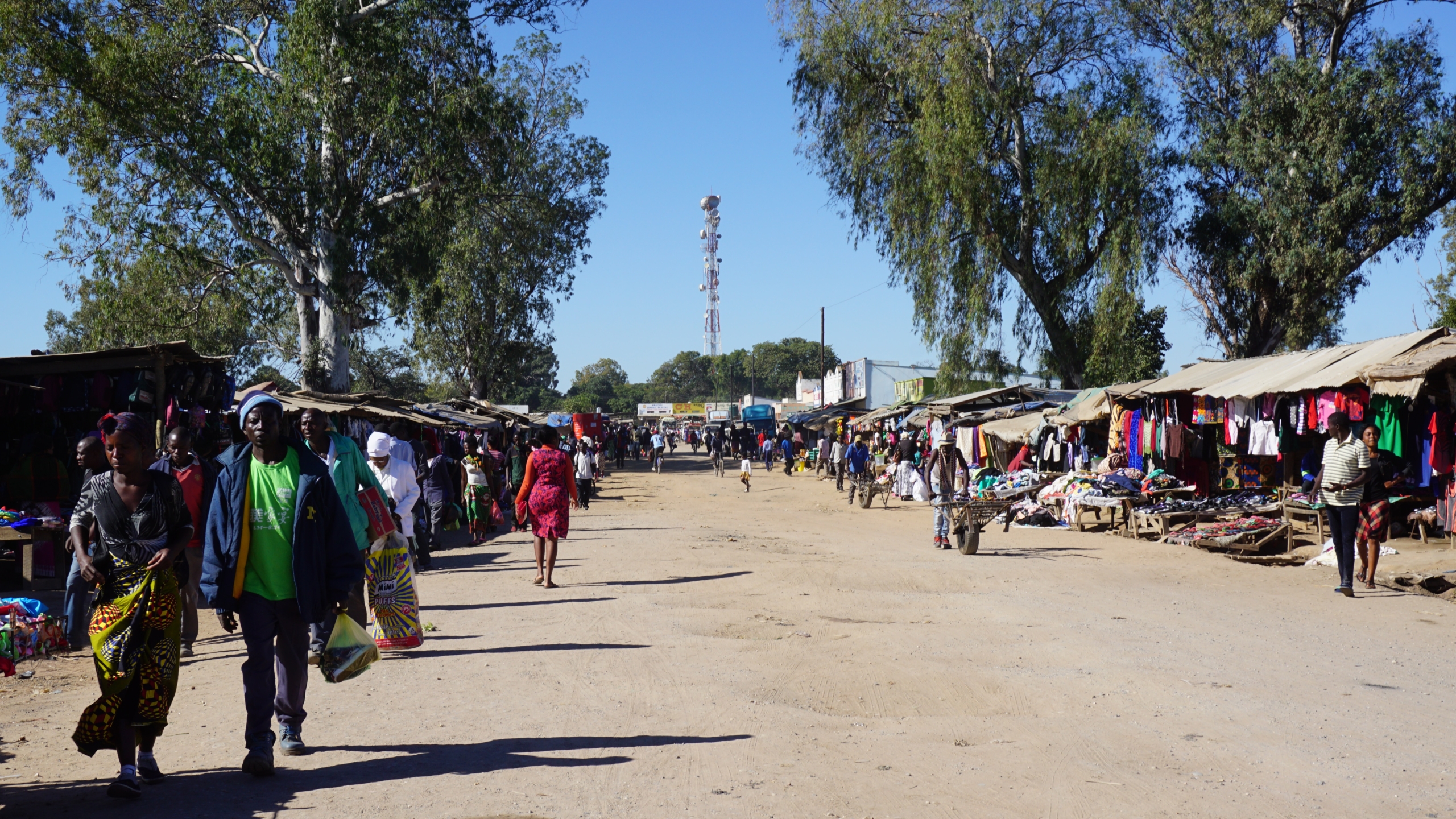
USAID Programs in ZambiaThe southern African country of Zambia is on a mission toward self-sufficiency and an improved quality of life. With a population of about 20 million people and a GDP that is moderate for the continent, Zambia has substantial manpower to offer itself and the world. Despite this, Zambia has one of the highest levels of poverty in Africa as an estimated 61.4% of the population was reported as living below the poverty line in 2018. Millions of families struggle to create a healthy environment for their children. Here is how USAID programs in Zambia, as well as other organizations, are working to improve the way of life of everyday citizens in the country.
Agriculture and Malnutrition

In December 2022, USAID began its partnership with African companies to build more eco-friendly facilities and improve market circulation in Zambia. Surplus crops, specifically maize, are a major issue in the country, and reducing food loss reduces regional hunger and further maximizes the economic potential of the country.

These projects coincide with USAID’s Scaling Up Nutrition Technical Assistance (SUN TA) program. According to USAID, 35% of Zambian children under age 5 suffer from malnutrition and stunted growth. This drastically affects their ability to learn and develop into the adolescents and adults of the future of Zambia. SUN TA works with mothers to provide household assistance and nutritious meals to children.

In a late March update, USAID announced grants totaling about $1 million to local Zambian companies to promote more environmentally friendly technology in the country and begin downsizing residential charcoal usage. Reducing deforestation and carbon emissions creates a healthier country that is less reliant on natural resources.

Charcoal and Environmentalism

Charcoal is by far the most dominant fuel source in the country. Ongoing USAID programs in Zambia also include the Alternatives to Charcoal (A2C) project. Charcoal is overwhelmingly the primary fuel source for cooking, with over 75% of households using charcoal regularly. High demand requires high supply to meet it. Because charcoal is made from wood (not coal), Zambia has one of the highest deforestation rates in the world — 180,000 to 250,000 hectares are cut down yearly. To reduce both deforestation and charcoal-produced carbon emissions, the A2C project aims to establish new fuel sources and technology in the country that are more efficient than charcoal, such as electrical appliances and gasifier stoves. Due to their higher efficiency at a reduced cost, Zambians can lower their cost of living and save more for the future.

Health

Zambia is one of the most HIV-prevalent places in the world, with the population of HIV-positive individuals at about 11%. This is cited as a primary reason why over 30% of Zambian households have at least one orphaned child. To tackle this combination of issues, USAID is currently implementing the President’s Emergency Plan for AIDS Relief (PEPFAR) plan and the Adolescents and Children, HIV Incidence Reduction, Empowerment and Virus Elimination (ACHIEVE) project.

By investing 57% of its annual budget into continuously improving nationwide clinical HIV services. PEPFAR is designed to reduce disease through prevention and treatment programs in the country. While HIV is the main target of PEPFAR, similar programs exist for malaria, tuberculosis and other various diseases. PEPFAR also oversees family planning to reduce the rate of congenital (present from birth) HIV. As a result of the past decade of effort, the infection rate for children born to HIV-infected mothers has dropped to under 5%.

The ACHIEVE Project is the developmental plan for Zambia’s government infrastructure to better serve at-risk minors. By improving the country’s case management systems, Zambia will be able to better track and care for children across the country, further increasing household assistance and family planning.

Other Business

The Prosper Africa Initiative has recently partnered with EG Capital to target a goal of $100 million to spread among African businesses and entrepreneurs across East Africa and Zambia. The goal is to invest in regional growth sectors such as food, climate, technology, health and education while reducing the poverty line and specifically benefiting women with employment and children for a healthier future.

In the post-COVID world, USAID programs in Zambia, among others, are growing the country to be more efficient with its food, infrastructure and manpower. More efficient use of resources not only establishes a better economy but makes a difference in the lives of the many children who live below the poverty line. Reducing diseases and better oversight of millions of households allows the next generation of citizens to grow healthier and stronger to take on the challenges of the future. With these programs, Zambia is both capable and expected to grow soon into a country with a significantly better quality of life for its average citizens than in previous years.

– Eddie Dale
Photo: Unsplash

November 15, 2023
https://borgenproject.org/wp-content/uploads/borgen-project-logo.svg 0 0 Yuki https://borgenproject.org/wp-content/uploads/borgen-project-logo.svg Yuki2023-11-15 07:30:052023-11-13 02:53:31To a Healthier Future: USAID Programs in Zambia
Global Poverty, USAID

USAID Programs in Serbia and EU Accession

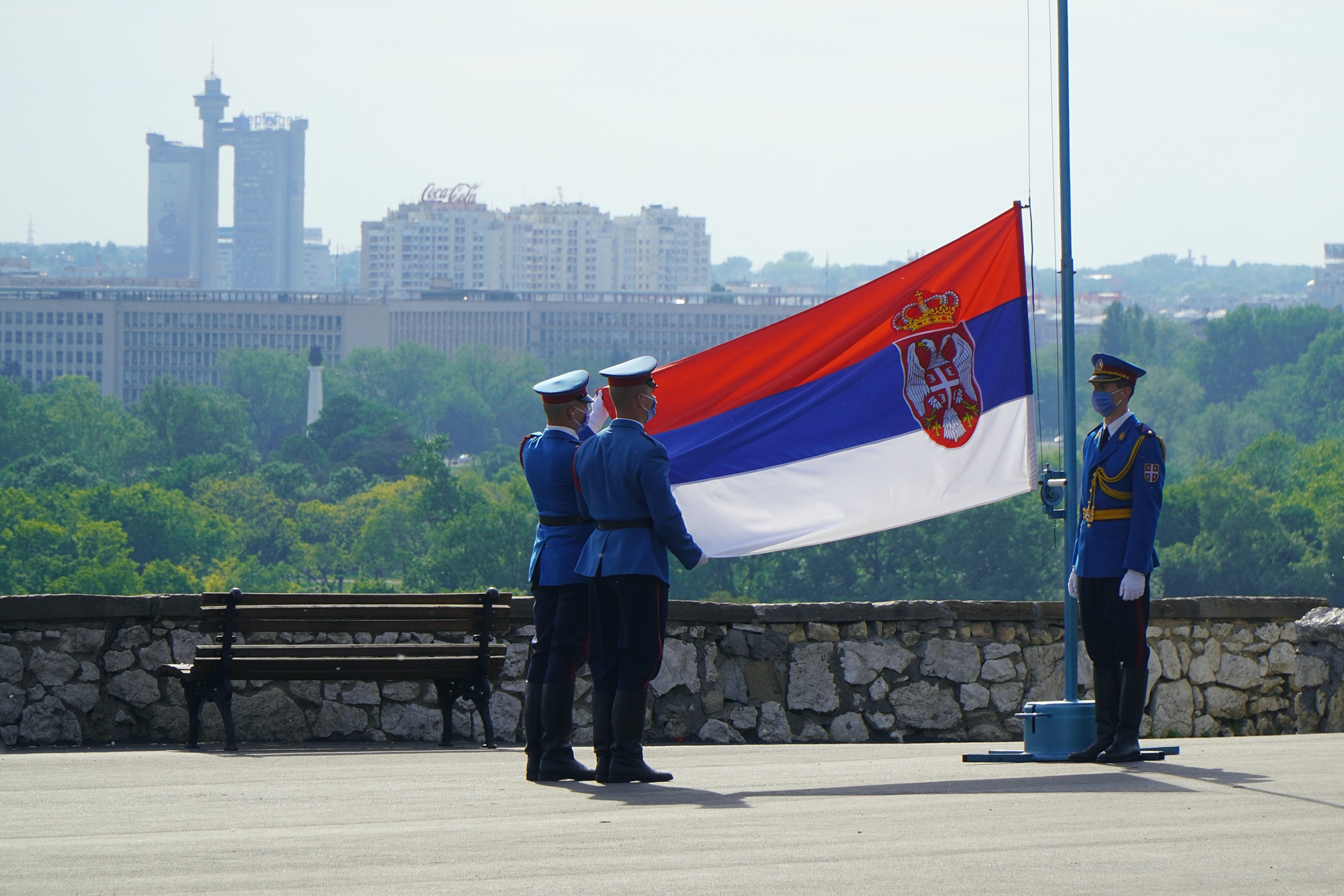
USAID in SerbiaBeginning in 2001, USAID has been working with Serbian sectors, public and private, to sustain economic development, improve judicial transparency and strengthen responsive governance. Since then, Serbia’s GDP has experienced an annual average growth rate of 2.9% while achieving a 14.1% drop in unemployment. While the progress and stimulation of the economy are apparent, measures of democracy across multiple indexes demonstrate a decline over the last decade. 

Since Serbia received official EU candidacy status in 2012, USAID programs in Serbia have been geared specifically towards EU integration. To realize this candidacy, Serbia must meet transnational criteria in line with European aims and values before further membership negotiations can occur. The criteria are split into six clusters totaling 35 policy chapters, of which 22 have been opened. The clusters are in order of importance, with the first being the rule of law.

About USAID Programs in Serbia

Currently, two of the three USAID programs in Serbia intend to strengthen democracy through deliberation projects between citizens, civic society and the Serbian government. The first project, Inspire2action, and the second, Civil Society Resilience Strengthening, are both five-year plans set towards strengthening the rule of law in the country. According to the U.S. Department of State, Serbia is at a strategic juncture between Eastern and Western Europe, and promoting economic growth may help to promote peace in the Balkans. 

The Inspire2action Project

The Inspire2action project works acutely to increase civic engagement in governmental processes. In its efforts, a number of grants will work to improve local communities by creating opportunities for civic involvement in the democratic process. The process should increase citizen awareness of their participatory importance while also emphasizing the importance of women and youth involvement. These efforts intend to encourage value-added tax adjustments for the public good while ensuring the consideration of popular public opinion during the legislative processes.

The Civil Society Resilience Strengthening Program

The Civil Society Resilience Strengthening program works in a similar manner as the Inspire2action program. They both intend to increase democratic involvement in the legislative process; however, this program is for actors that work between citizens and the state, specifically five actors in each region, totaling 25 actors. These actors are CSOs, or chief service officers, who operate from nongovernmental positions. In short, this program aims to persuade CSOs to be inclusive in professional consideration while pursuing litigation with regard to EU law. 

Despite both projects aiming to increase democracy and nudge Serbia toward EU assimilation, the promise of membership has not been solidified. Despite Serbian President Aleksandar Vučić’s 2022 promise at his inauguration, he stated earlier this year that Serbia is less than enthusiastic about joining the EU after 13 years of tribulation. William Eggerton of Modern Diplomacy sees Serbia’s EU vision as a façade for democratic backsliding. This backsliding takes the form of diminished media freedoms and less than effective anti-corruption pursuits. In addition, Serbia maintains strong ties with Russia. Serbia’s reliance on Russian fuel and weapons and its appreciation for the non-recognition of Kosovo keep Serbia from imposing official sanctions on its eastern ally.

Looking Ahead

Regardless of whether Serbia gains admittance to the EU, USAID continues to foster economic growth and opportunity. Despite democracy measures diminishing in the state, USAID aims for a brighter future. The story is reminiscent of “The Father and His Sons,” a fable about a dying farmer. The farmer explains to his sons that there is a treasure in the field and that his sons should dig for it rather than sell the estate. After the farmer’s death, they dig and dig but find nothing. However, the sons were able to reap a bountiful harvest from the soil they overturned.

– Anthony Coletta
Photo: Unsplash

October 27, 2023
https://borgenproject.org/wp-content/uploads/borgen-project-logo.svg 0 0 Yuki https://borgenproject.org/wp-content/uploads/borgen-project-logo.svg Yuki2023-10-27 01:30:512023-10-23 09:28:30USAID Programs in Serbia and EU Accession
USAID

Boosting Agriculture in Afghanistan With USAID Support

Agriculture in AfghanistanAgriculture is the backbone of the struggling Afghanistan economy. Changing weather patterns have significantly impacted the Afghani region, devastating local agriculture and leaving almost 90% of Afghani citizens in extreme poverty without enough food. In early 2022, the United States Agency of International Development (USAID) committed $83 million to the Food and Agricultural Organization of the United Nations (FAO) to support specific food security and sustainability programs, supporting the United Nations Mandate to end world hunger. Of the $83 million, $30 million was geared toward saving Afghanistan agriculture by prioritizing food nutrition and security in the region.

Changing Weather Patterns in Afghanistan

In June 2021, Afghanistan officially declared a national drought. Over 50% of water points across all Afghanistan provinces have dried up, leaving 80% suffering extreme to severe drought conditions. In addition, 30 out of 34 provinces in Afghanistan report extremely poor water quality. The proportion of households feeling the impact of drought in 2022 is six times greater than in 2020. These changing weather patterns are the worst the country has seen in over three decades and have devastated local agriculture. The United Nations has reported that 9 out of 10 Afghani citizens do not have enough food to eat. 

Foreign Aid Saving Afghanistan’s Agriculture

Back-to-back droughts and economic crises have taken their toll on Afghanistan. Still, recent foreign aid funding is laying the foundation for a brighter tomorrow by attempting to save Afghanistan’s agriculture. Since 2002, the FAO has had boots on the ground rebuilding the irrigation infrastructure, creating new dairy and wheat seed industries, assisting in crop diversification, introducing high-yield crops and improving livestock production. 

When the drought in Afghanistan began to cripple the existing agricultural systems in 2021, the FAO’s Drought Response Plan started focusing on the winter wheat season. The region relies heavily on winter wheat; over half of an Afghani’s daily caloric intake comes from wheat. The 2021 winter wheat crop was 20% below the 2020 pre-drought harvest. Since local government seed distribution systems were greatly disrupted by the recent droughts and associated economic crises, FAO funding and assistance are more critical than ever.

The FAO’s standard wheat cultivation package consists of high-quality seeds, fertilizers and training. Foreign funds enable the FAO to distribute these wheat cultivation packages across areas of need in Afghanistan so that each package can support the cereal needs of an average household for an entire year. Thanks to foreign aid funds and coordinated efforts by the FAO Drought Response Plan, Afghanistan’s important cereal requirements – wheat and flour – are projected to be about 28% higher than last year’s yield. “This next winter wheat season is a tipping point. If we miss it, disaster looms,” said Richard Trenchard, FAO’s Representative in Afghanistan.

While the drought has been particularly difficult for farms in the region, livestock owners also need assistance. Over 3 million livestock animals were at risk during the escalating drought, putting critical protein sources for the region at risk. The projected increase in winter wheat yields will help livestock owners, providing critical feed for these animals.

 “FAO and its partners are already supporting millions of rural people. But far more needs to be done,” Trenchard said.

– Ann-Jinette Hess
Photo: Flickr

October 19, 2023
https://borgenproject.org/wp-content/uploads/borgen-project-logo.svg 0 0 Yuki https://borgenproject.org/wp-content/uploads/borgen-project-logo.svg Yuki2023-10-19 08:00:562023-10-19 10:32:29Boosting Agriculture in Afghanistan With USAID Support
Global Poverty, USAID

The Role of Sustainable Tourism Initiatives in Bulgaria

Sustainable Tourism Initiatives in Bulgaria
Nestled in the heart of Europe, Bulgaria is emerging as a beacon of hope, thanks to its sustainable tourism initiatives. Current predictions say that nearly 50% of World Heritage Sites do not have any plans in place in terms of managing the negative environmental and economic impact of tourism. Therefore, sustainable tourism initiatives in Bulgaria are not only contributing to the nation’s economic growth but also playing a pivotal role in the global fight against poverty. This article delves into how Bulgaria harnesses sustainable tourism to invigorate its economy and, in doing so, bolsters international efforts to combat poverty worldwide.

Bulgaria’s National Strategy for Sustainable Tourism Development

Bulgaria has long recognized the potential of tourism as an economic driver. The National Strategy for Sustainable Tourism Development, established in 2014, has been a cornerstone of the country’s sustainable tourism efforts. This strategy is designed to promote responsible tourism practices and ensure the preservation of Bulgaria’s unique natural and cultural heritage.

One of the key aspects of this strategy is the creation of resources and conditions for the social well-being of local communities. By engaging local communities and encouraging their participation in the tourism industry, Bulgaria ensures that the economic benefits are distributed more equitably, ultimately helping to alleviate poverty in remote and underserved regions.

Promoting Responsible Tourism in Bulgaria

Bulgaria is gaining recognition as a champion of responsible tourism, drawing attention for its commitment to ethical and sustainable travel practices. One of the central pillars of sustainable tourism initiatives in Bulgaria is the preservation of unspoiled natural landscapes. This approach prioritizes eco-friendly practices and encourages travelers to experience Bulgaria’s breathtaking natural beauty while minimizing adverse impacts on the environment. This holistic approach not only safeguards Bulgaria’s natural wonders but also fuels sustainable economic growth, showcasing how responsible tourism can be a win-win for both the environment and local communities.

Bulgaria’s Sustainable Tourism Conference: A Global Showcase of Commitment

The significance of Bulgaria’s pursuit of sustainable tourism was on full display during the Bulgaria Sustainable Tourism Conference. This international platform served as a testament to Bulgaria’s unwavering dedication to nurturing sustainable tourism practices and promoting responsible travel on a global scale.

Bulgaria seized the opportunity to spotlight its innovative approaches to sustainable tourism. These approaches, including fruitful partnerships with international organizations and the adoption of cutting-edge green technologies within the tourism sector, not only bolstered Bulgaria’s own economy but also shone as a beacon of inspiration for other nations aspiring to combat poverty through the transformative power of sustainable tourism.

Global Support for Sustainable Tourism in Bulgaria

USAID has also recognized Bulgaria’s efforts in sustainable tourism. USAID’s support has facilitated the development of tourism-related infrastructure, improved the quality of services and enhanced the competitiveness of local businesses. These efforts are not only driving economic growth but also creating job opportunities and improving living standards in Bulgaria. 

Sustainable tourism initiatives in Bulgaria have also received support from other international partners, including the European Union. The Support and Promotion of Sustainable Tourism project, funded by the EU, has played a crucial role in bolstering Bulgaria’s sustainable tourism sector. This project aims to create sustainable tourism products promoting cultural and heritage services and increasing cross-border tourism. By investing in these projects, Bulgaria not only strengthens its own economy but also contributes to the broader European goal of reducing poverty and inequality through sustainable economic development. 

Looking Ahead

Sustainable tourism initiatives in Bulgaria offer a blueprint for other nations to follow, demonstrating that economic prosperity can go hand in hand with environmental stewardship and social equity. By working together and emulating Bulgaria’s success, a future can be envisioned where sustainable tourism becomes a potent force in lifting communities out of poverty, protecting our planet and creating a more equitable world for all.

– Valentin Lyazov
Photo: Flickr

October 17, 2023
https://borgenproject.org/wp-content/uploads/borgen-project-logo.svg 0 0 Yuki https://borgenproject.org/wp-content/uploads/borgen-project-logo.svg Yuki2023-10-17 07:30:542023-10-14 19:10:22The Role of Sustainable Tourism Initiatives in Bulgaria
Global Poverty, USAID

USAID in Peru: A Success Story

USAID in PeruUSAID in Peru has been an excellent success for the past two decades. Established in 1961, USAID has acted on countless programs that have directly aided the poorest in Peru. The partnership has worked so well that USAID has shifted its focus to work on supporting the Peruvian government to enact their plans, rather than directly supplying humanitarian aid to the population. This is the story of USAID in Peru.

Early History

Starting in the 1960s, USAID began supplying aid to Peru in the form of supplies and resources for citizens. However, this start did not make the impact that the U.S. government would have hoped for. 

The GDP of the country in 2001 was the same as in 1970; while the rest of South America was growing, Peru stood still. USAID began to change its focus in the 1990s to target the main issue in the country — the rate of extreme poverty.

Between 1991 and 2000, programs targeted specifically to rural communities helped lower the extreme poverty rate from 24% to 15%. Families that struggled to afford the minimal amount of food needed for a day were now able to cross the line and hope for a more prosperous Peru.

Despite Peru experiencing an economic boom in the late 90s, many low-skilled workers found that their conditions did not improve. An abundance of these categories of workers found that a lack of professional opportunities left them without options, resulting in the private sector employment rate reducing by 8% between 1990 and 1997.

The Success of the 2000s

In 2003, USAID aimed to fix a lot of the shortcomings they had experienced with their programs in Peru. Greater government structures, connecting local businesses to new markets and leveling up the central communities to match the coastlines were the main priorities for USAID. 

Improved transportation networks proved to be one of the greatest implementations of USAID. Many rural communities saw their travel time into major cities cut by over 50%, giving greater access to trade. Income for day labor roles increased 75% during this time and increased land value gave previously poor workers better assets. 

The investment from USAID proved to be money incredibly well spent. $8 million resulted in $800 million of private investment in transportation infrastructure, connecting the poorest citizens on the mainland with the exciting opportunities of trade at the coasts. 

At the beginning of the 2010s Peru’s extreme poverty rate was now 6%, less than half of the rate at the start of the millennium. USAID in Peru was proving to be a successful partnership.

The Current Situation

The COVID-19 pandemic certainly caused the attention of USAID in Peru to shift quite suddenly, focusing immediately on health care for those suffering from the virus.

Since then, USAID has committed again to several key programs that will build on the progress they have already made. In 2021, the U.S. government announced plans to supply the Peruvian government with $321 million in funds for cooperative programs until 2026. 

The key areas that will be targeted with this investment are the development of legitimate trading chains across the country for reliable incomes, increasing government transparency to reduce corruption and creating legislation to protect Peru’s natural resources — the Amazon rainforest in particular. 

What Does the Future Hold?

According to the International Monetary Fund (IMF), the projection for the immediate future of Peru’s economy is uncertain. Many external factors could severely impair Peru’s growth and create roadblocks in USAID’s plans. The IMF states “Key domestic risks include an intensification of political uncertainty, social unrest over political developments and natural disasters.”

However, the IMF also highlights how Peru has a very strong framework to deal with unfamiliar territories and global financial events. The public debt of the country is the lowest across all of mainland South America.

As for USAID, there is no plan to slow down. In February 2023 over $8 million was invested alongside Olam Food Ingredients (OFI) to push sustainable practices in coffee farming. Greater training and access to different markets will allow farmers to increase their revenue over a five-year period. Peru is the largest exporter of organic coffee in the world so increasing the capability of less developed systems will allow for uncapped opportunity. 

The future of Peru is uncertain, but with the partnership of USAID, the government has a powerful ally to work alongside. The entire working relationship has proved to be one of USAID’s greatest successes and future projects plan to only improve the standard that has been set. USAID in Peru is the blueprint for other countries to follow and hopefully allows millions across the globe to step above the poverty line.

– Oliver Rayner
Photo: Flickr

October 10, 2023
https://borgenproject.org/wp-content/uploads/borgen-project-logo.svg 0 0 Yuki https://borgenproject.org/wp-content/uploads/borgen-project-logo.svg Yuki2023-10-10 07:00:442024-06-11 00:17:55USAID in Peru: A Success Story
Page 4 of 33«‹23456›»

Get Smarter

  • Global Poverty 101
  • Global Poverty… The Good News
  • Global Poverty & U.S. Jobs
  • Global Poverty and National Security
  • Innovative Solutions to Poverty
  • Global Poverty & Aid FAQ’s
Search Search

Take Action

  • Call Congress
  • Email Congress
  • Donate
  • 30 Ways to Help
  • Volunteer Ops
  • Internships
  • Courses & Certificates
  • The Podcast
Borgen Project

“The Borgen Project is an incredible nonprofit organization that is addressing poverty and hunger and working towards ending them.”

-The Huffington Post

Inside The Borgen Project

  • Contact
  • About
  • Financials
  • President
  • Board of Directors
  • Board of Advisors

International Links

  • UK Email Parliament
  • UK Donate
  • Canada Email Parliament

Get Smarter

  • Global Poverty 101
  • Global Poverty… The Good News
  • Global Poverty & U.S. Jobs
  • Global Poverty and National Security
  • Innovative Solutions to Poverty
  • Global Poverty & Aid FAQ’s

Ways to Help

  • Call Congress
  • Email Congress
  • Donate
  • 30 Ways to Help
  • Volunteer Ops
  • Internships
  • Courses & Certificates
  • The Podcast
Scroll to top Scroll to top Scroll to top