• Link to X
  • Link to Facebook
  • Link to Instagram
  • Link to TikTok
  • Link to Youtube
  • About
    • About Us
      • President
      • Board of Directors
      • Board of Advisors
      • Financials
      • Our Methodology
      • Success Tracker
      • Contact
  • Act Now
    • 30 Ways to Help
      • Email Congress
      • Call Congress
      • Volunteer
      • Courses & Certificates
      • Be a Donor
    • Internships
      • In-Office Internships
      • Remote Internships
    • Legislation
      • Politics 101
  • The Blog
  • The Podcast
  • Magazine
  • Donate
  • Click to open the search input field Click to open the search input field Search
  • Menu Menu

Archive for category: USAID

Topics covering about USAID

Global Poverty, USAID

US Foreign Aid for People Impacted by Hurricanes

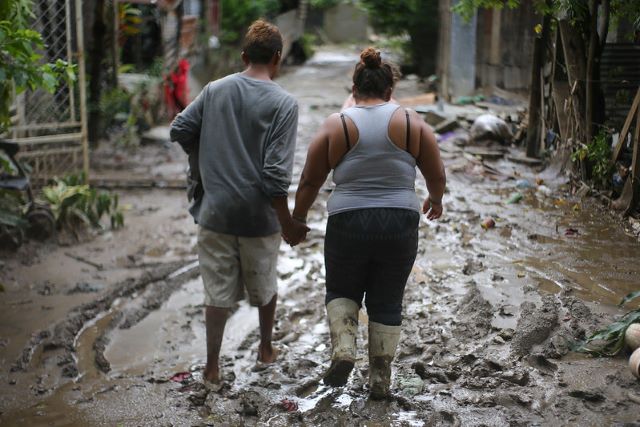
Impacted by HurricanesOn November 2, 2020, Hurricane Eta made landfall in Puerto Cabezas, Nicaragua. As a Category 4 hurricane, it was the strongest hurricane to hit the Central American region in many years. Shortly after, Hurricane Iota hit. Thousands have died and many have experienced displacement. Since Central America is one of the poorest areas of Latin America, the U.S. is in a position to help alleviate the crisis by providing foreign aid to those impacted by hurricanes.

Poverty in Central America

Nicaragua is the second-poorest nation in the Western Hemisphere. Moreover, Nicaragua’s poverty rate sits around 15.1%. Geographically, the poorest area of Nicaragua is the Atlantic Coast of the country. Similarly, Honduras is an impoverished nation located north of Nicaragua. Honduras is also one of the poorest countries in Central America. Furthermore, Honduras’ geographical location leaves it exposed to extreme weather such as heavy rainfall and droughts. The most vulnerable, oftentimes rural and coastal populations, are susceptible to these intense weather changes. Neighboring countries of El Salvador and Guatemala are also impoverished nations with vulnerable populations. The increased climate disasters leave these populations at risk of death, poverty and becoming climate refugees.

Hurricane Eta and Hurricane Iota

On the eve of Hurricane Eta’s landfall, the Nicaraguan government evacuated around 3,000 families living in the coastal area. According to UNICEF, more than a million Nicaraguans, which also includes half a million children, were endangered by the hurricane. El Salvador evacuated people as a precaution and many of Guatemala’s departments declared a state of emergency.

Hurricane Eta made landfall as a Category 4 hurricane. The storm destroyed houses, hospitals and businesses. Widespread flooding and mudslides were responsible for the casualties across the region. Unfortunately, Hurricane Eta was not the only storm blasting through Central America.

Weather forecasters predicted another strong storm, Hurricane Iota. Also a Category 4 hurricane, Iota made landfall 15 miles south of where Hurricane Eta did just days prior. The hurricane further stalled the rescue efforts of the region. In Honduras, the hurricanes impacted around 4 million people with more than 2 million losing access to health care. Moreover, Guatemala had more than 200,000 people seeking shelter after the two hurricanes.

Foreign Aid to Central America

The Central American region is impoverished and vulnerable to natural disasters. Furthermore, many Central American nations depend on foreign aid from the United States. The countries of Guatemala, Honduras and El Salvador (the Northern Triangle) rely on foreign aid from the U.S. to manage rural poverty, violence, food insecurity and natural disasters. Moreover, that aid has been reduced under the Trump administration. Since Donald Trump took office, the aid for these countries has reduced from $750 million to $530 million. In April 2019, Trump froze $450 million of foreign aid to the Northern Triangle, further diminishing the lives of many. Foreign aid keeps Central Americans from plummeting to extreme poverty and also curtails migration to the United States.

Congress Pleads for Foreign Aid

As Hurricane Eta ravaged through Central America, Rep. Norma Torres (CA-35) wrote a letter urging Secretary of State, Mike Pompeo, to increase foreign aid to Central America. Torres (CA-35) wrote, “Hurricane Eta was an unavoidable natural disaster, but its aftermath is a preventable humanitarian crisis in the making.” In addition, the Chairman of the House Foreign Affairs Committee (HFAC), Eliot Engel (NY-16), also showed his support for increased aid to those Hurricane Eta impacted. Engel wrote, “a large-scale U.S. effort is needed to provide much-needed relief to those affected by Eta so that they are not forced to leave their countries and make the perilous journey north.”

USAID Provides Disaster Relief

The U.S. Agency for International Development (USAID) has agreed to increase aid by $17 million to the countries impacted by Hurricane Eta and Hurricane Iota. Studies have shown that foreign aid is a successful policy to reduce global poverty. Any aid given to these countries benefits the lives of those impacted by hurricanes in several significant ways.

– Andy Calderon
Photo: Flickr

January 26, 2021
https://borgenproject.org/wp-content/uploads/borgen-project-logo.svg 0 0 Yuki https://borgenproject.org/wp-content/uploads/borgen-project-logo.svg Yuki2021-01-26 05:11:242021-01-28 13:14:21US Foreign Aid for People Impacted by Hurricanes
Developing Countries, Development, Education, Foreign Aid, Global Poverty, Health, USAID

How Foreign Aid in Mozambique is Put to Work

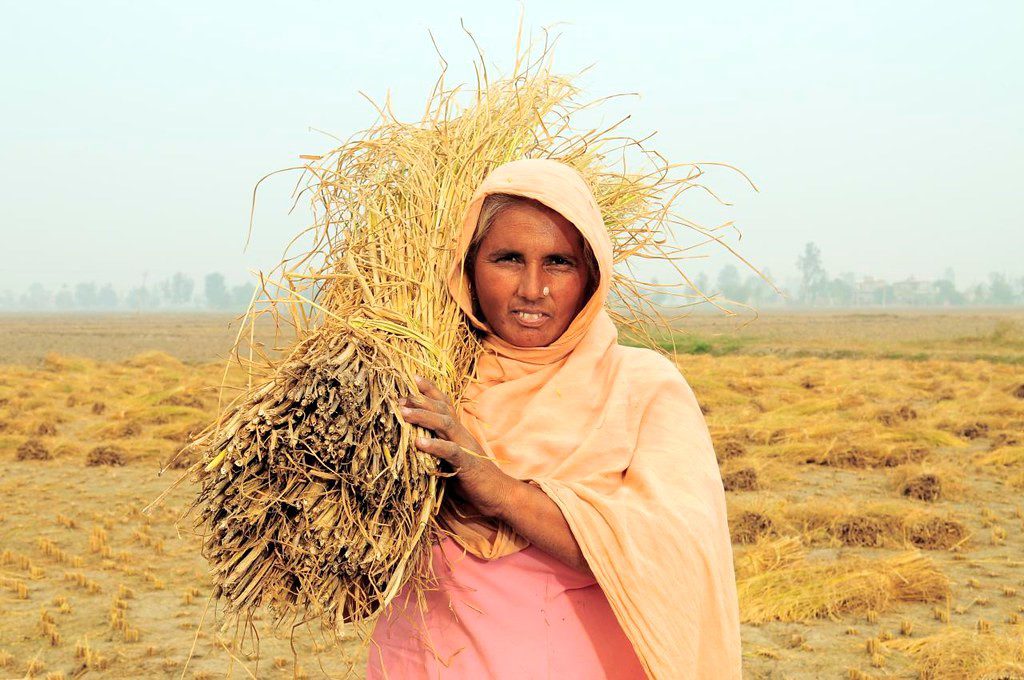
Foreign Aid in MozambiqueThe provision of foreign aid from the United States serves as a multifaceted solution and preventative measure to many issues that ultimately impact the United States. In assisting with the development of under-resourced countries and those afflicted by natural disasters and conflict, the country’s interest in strengthening U.S. eminence in the global political ecosystem is served, as is the initiative to foster and stabilize democracies that are essential in maintaining global peace. Mozambique is one such country that receives aid from the United States. Nearly half of the population lives in poverty and while having managed to combat that statistic with an annual decrease of 1%, the country continues to see rising levels of inequality. USAID’s 2019 assistance investment in Mozambique totaled $288 million. Foreign aid in Mozambique is being used in several key developmental areas.
Developing Education

A significant portion of U.S. foreign aid has been invested in providing basic education. This foreign aid in Mozambique has been applied in conjunction with the country’s national budgetary allocation of 15% for basic education. This initiative has led to improved access to education with the abolishment of enrollment fees, an investment in free textbooks, direct funding to schools and the construction of classrooms. With access to education improving, Mozambique now moves to focus on developing the quality of education it provides and extending the initiative of improving access to those who are in the early learning stage. Only 5% of children between the ages of 3 and 5 have access to such services. Moving forward, educational initiatives aim to focus on the improvement of teacher training, the retention of students (as only 8% continue onto secondary level) and optimizing the management and monitoring of education nationally.

Addressing Humanitarian Needs

A large part of foreign aid in Mozambique has been committed to battling humanitarian crises. Cabo Delgado is the northernmost province of the country and is experiencing an insurgency that is decimating its infrastructure and food security. As a result, there is an ongoing displacement of the population. In November 2020 alone, more than 14,300 displaced people arrived in the provincial capital Pemba. The World Food Programme estimates the cost of feeding internally displaced people in northern Mozambique to be at approximately $4.7 million per month, aside from the housing costs and the complexity of managing the crisis amid a global pandemic. This allocation of the country’s foreign aid will be vital in maintaining the wellbeing of people during the conflict and restoring the country’s infrastructure once the insurgency has subdued.

Improving the Health Sector

The bulk of foreign aid in Mozambique goes toward the many challenges the country faces with regard to health issues such as funding family planning, battling tuberculosis, maternal and child health as well as water and sanitation. More than $120 million goes toward this initiative but the most pressing of the issues is mitigating the HIV/AIDS epidemic. In 2014, Mozambique ranked eighth globally for HIV cases. With the support, antiretroviral therapy and testing has expanded, which is evidenced by more than a 40% drop in new cases since 2004. Additionally, with a sharp increase in the treatment of pregnant women who carry the virus, one study recorded a 73% drop in cases among newborns between 2011 and 2014. The executive director of UNAIDS, Michel Sidibe, has claimed that the epidemic could be completely eradicated by 2030 if such a rate of progress continues.

The developmental progress in Mozambique is reflective of the substantial impact that foreign aid has on developing countries. As U.S. foreign aid to developing countries continues, the hope is for other well-positioned countries to follow suit.

– Christian Montemayor
Photo: Flickr

January 25, 2021
https://borgenproject.org/wp-content/uploads/borgen-project-logo.svg 0 0 Yuki https://borgenproject.org/wp-content/uploads/borgen-project-logo.svg Yuki2021-01-25 01:30:242024-05-29 23:23:35How Foreign Aid in Mozambique is Put to Work
Food Security, Global Poverty, USAID

The Success of USAID in India

USAID in India
The United States Agency for International Development (USAID) is an independent body within the U.S. federal government. This means that, though it receives funding from the federal government, it may operate virtually independently from the political will of any sitting presidential cabinet. Its focuses are international economic development, gender equality, health care and humanitarian aid. USAID works with more than 100 governments all over the world. This article will focus specifically on USAID in India.

The Situation

As India has grown in terms of population, the Indian government has struggled to provide basic services for its people. USAID in India has played a significant role in overcoming socioeconomic challenges over the past few decades. American and international economic aid to India stems back to the 1950s with the creation of the World Bank and it underwent further formalization in the 1960s with the construction of USAID in 1961. Since its inception, USAID has worked to support the efforts of local grassroots organizations, community initiatives and various branches of the Indian government.

USAID and the Indian Government

The main point of cooperation between USAID and the Indian government in the past few decades has been the organization and creation of public-private partnerships that help fulfill the need for basic services within India. A public-private partnership (PPP) is an agreement between one or more private entities and one or more public bodies, generally established with the purpose of lessening the burden of development and provision of public services on the local government.

PPPs receive criticism as a form of covert privatization and are, therefore, harmful to the local community in the long term. However, arguments also determine that PPPs are a way of dragging private entities into the public (ally accountable) sector, as the government retains ownership over the entity and is still largely responsible for the delivery of services. In recent decades, USAID in India has helped establish a minimum of 34 Indian PPPs, generating a combined total of close to $400 million in financial resources.

Triangular Cooperation

As per the 2016 U.S.-India Joint Statement, the U.S. and Indian governments have made a commitment to working with partners across the whole of Asia as well as Africa for the purposes of poverty reduction. This includes the pursuit of food security via public-private partnerships, farmer training and the sharing of technological advances as well as the promotion of clean energy.

For example, USAID supports the Society for Research and Initiatives for Sustainable Technologies and Institutions (SRISTI). This society has helped increase productivity for Indian farmers by providing them with more efficient agricultural equipment, which SRISTI hopes to also provide to struggling farmers in Kenya. USAID is also helping India become energy-secure by helping the Indian government provide citizens with access to clean energy sources. In the past four years alone, USAID has provided access to more than 600 megawatts of power in India.

Grants and Awards for Indian Aid Organizations

USAID, among other branches of the U.S. government, also provides various financial grants and awards to aid organizations in India and throughout the world. The major requirements to be eligible for USAID funding, as an Indian organization, are (among others) that the organization registers with the Indian government as a nonprofit organization and that the organization is able to demonstrate a genuine impact on the demographic of focus.

The purpose of these grants is to enable self-reliance within Indian communities, thereby lessening the overall need for international assistance. An example of an Indian nonprofit organization receiving USAID funding is Piramal Swasthya, which in 2019 received $30,000 and the “Inclusive Health Access Award” for providing health care to underprivileged Indian communities.

Transparency

All over the world, governmental and non-governmental aid organizations struggle with demands from citizens and government officials for increased transparency in terms of operations as well as funds. Because of this, every single year, USAID submits the “U.S. Overseas Loans and Grants” report, AKA the “Greenbook” to United States Congress for review. The annual Greenbook is also available to members of the public who are interested in how USAID conducts its operations. USAID also maintains a database of foreign aid, called the Foreign Aid Explorer, which, like the Greenbook, is open to members of the public. The USAID organization itself supports the International Aid Transparency Initiative and plays a significant role in helping the United States government pursue total transparency in foreign aid initiatives.

Closing Remarks

Over the past 60 years, USAID has worked alongside local Indian actors to unlock the infinite development potential of Indian civilians. USAID and U.S. foreign policy initiatives have worked alongside local actors to improve Indian health care, promote gender equality, promote food security and strengthen international cooperative endeavors to end global poverty. During times of agricultural crises beginning in the 1960s, USAID organized food imports for India.

Amid the current COVID-19 crisis, USAID continues to work closely with the Indian government to provide health care for one of the world’s most populated countries. Additionally, both during and outside of times of crisis, USAID has tried to involve the Indian diaspora itself in India’s development, placing Indians at the forefront of social and economic change. Over the past 10 years alone, nearly 300 million Indians have escaped poverty. While one cannot understate the efforts and successes of grassroots Indian organizations when discussing India’s socio-economic development over the past six decades, the role that USAID in India has played in supporting these successes is worthy of noting.

– Olivia Nelson
Photo: Flickr

January 23, 2021
https://borgenproject.org/wp-content/uploads/borgen-project-logo.svg 0 0 Jennifer Philipp https://borgenproject.org/wp-content/uploads/borgen-project-logo.svg Jennifer Philipp2021-01-23 14:31:292024-06-06 00:59:28The Success of USAID in India
Global Poverty, USAID

USAID in Venezuela, Strengthening Local Economies

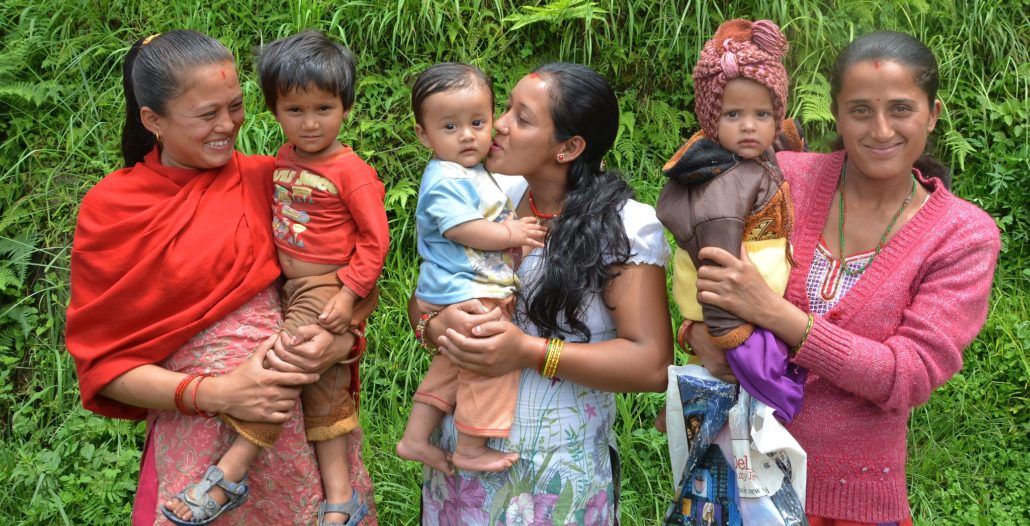
USAID in Venezuela, Strengthening Local EconomiesUSAID in Venezuela aims to be a catalyst for the international response to aid impoverished communities in Venezuela. It provides more than $200 million to diminish the humanitarian crisis triggered by Nicolás Maduro’s regime. Eradicating poverty is not only a national but an international affair. The decline of democracy in Venezuela can also be seen as a consequence of the increase in national poverty. As such, USAID in Venezuela is also a matter of national security and economic stability.
United States’ Response to the Crisis

According to the Department of State, the United States is the largest donor responding to the Venezuelan crisis, with over $856 million in total assistance. However, helping does not only mean providing aid for Venezuelans living in their country. The United States also offers support for those who fled to nearby countries. The aid covers 16 Latin American nations, such as Colombia, Ecuador, Peru, Argentina and Chile.

What USAID Covers in Venezuela

  1. Food: Hot meals and water.
  2. Sanitation: The organization provides hygiene and health for the affected population.
  3. Temporary shelter
  4. Educational services
  5. Protection for vulnerable children

Due to the COVID-19 pandemic, USAID began to prioritize life-saving humanitarian assistance in Venezuela. This includes basic healthcare, providing access to medicine and supplies, training healthcare workers and combating other infectious diseases like Malaria.

USAID in Venezuela, Strengthening National Security and Economy

In Maduro’s regime, U.S. efforts to sustain the Venezuelan people externalize a political decision to disapprove Maduro’s resolutions as a leader.

“We do this because our National Security Strategy prioritizes the reduction of human suffering and doing our part to respond to crisis situations make Americans safer at home,” argues the U.S. Department of State. Moreover, foreign aid triggers a better political understanding between nations.

On the other hand, a lack of governance and extreme poverty create economic conflict between countries. In January 2021, Maduro announced that the country had received 98.6% less income than 2013, the year that he took office. As unemployment and hunger grew, other nations imposed sanctions on Maduro’s government. The latter has had a domino effect on Americans as the Venezuelan government was unable to pay their debts to Americans who invested in foreign debt.

Foreign aid is not merely an external investment but a strategic and mutually beneficial deal. Nations all over the world depend on each other to safeguard their people’s basic needs. When a nation suffers, the global community is affected. By strengthening local economies, USAID in Venezuela steadily continues to alleviate poverty and protect vulnerable groups.

– Paola Arriaza Avilés
Photo: Flickr

January 8, 2021
https://borgenproject.org/wp-content/uploads/borgen-project-logo.svg 0 0 Kim Thelwell https://borgenproject.org/wp-content/uploads/borgen-project-logo.svg Kim Thelwell2021-01-08 07:30:322021-04-09 09:40:38USAID in Venezuela, Strengthening Local Economies
Global Poverty, Poverty, USAID, Women, Women and Children, Women and Female Empowerment

The Suaahara II Project: Improving Health in Nepal

Suaahara II ProjectIn Nepal, 36% of children who are under the age of five remain underdeveloped in terms of growth and health despite progress in recent years. Through cooperation with USAID, the Nepalese Government and local private sector groups, Hellen Keller International (HKI) has provided impactful services that have helped rectify the systematic obstacles causing these health issues. Hellen Keller International is a non-profit organization that aims to reduce malnutrition. The Suaahara II project takes a pivotal role in these efforts.

What is the Suaahara II Project?

One of HKI’s most notable services is the Suaahara II project, which started in 2016 and was initially set to end in 2021. However, it will now extend to March 2023 due to COVID-19. Operating in 42 of Nepal’s districts with a $63 million budget, HKI partnered with these six organizations for the project:

  • Cooperative for Assistance and Relief Everywhere, Inc. (CARE)
  • Family Health International 360 (FHI 360)
  • Environmental and Public Health Organization (ENPHO)
  • Equal Access Nepal (EAN)
  • Nepali Technical Assistance Group (NTAG)
  • Vijaya Development Resource Center (VDRC)

Hellen Keller International’s primary role in the Suaahara II project deals with the technical assistance of child and maternal nutrition. This means that its tasks are oriented around building the skills and knowledge of health workers. This includes teaching health workers how to adequately measure and evaluate assessments; additionally, another technical facet relies on promoting governance that invests in nutrition.

A Multi-Sectoral Approach

Kenda Cunningham, a senior technical adviser for Suaahara II who works under HKI, told The Borgen Project that the Suaahara II consortium has taken a “multi-sectoral approach.” She believes in the importance of this as it pushes individuals to “learn and think beyond their sector.” The Suaahara II Project’s demonstrates its integrated strategy in the initiatives below:

  1. The WASH program focuses on water, sanitation and hygiene through WASHmarts, which are small shops dispersed across districts that sell sanitary products like soap and reusable sanitary pads. Kenda explained how this has helped “bridge a gap” so that poorer households can access hygiene enhancing products. This also allows assistance from private actors, who can expand their markets in rural areas.
  2. The Homestead Food Production program (HFP) encourages households to grow and produce micronutrient-rich foods through vegetable gardening and raising chickens, for example. As a result, 35 districts have institutionalized HFP groups.
  3. The Bhancchin Aama Radio Program is a phone-in radio program that runs twice every week. It hosts discussions among marginalized communities and demonstrations for cooking nutritious foods. It has encouraged the Nepalese to socially and behaviorally alter their health habits.

Advancements from Suaahara I

The Suaahara II project’s contribution to improved health and nutrition in Nepal is also illustrated in its progression from the Suaahara I project’s framework. In addition to understanding the changes made in household systems and at a policy level from Suaahara I, Cunningham told The Borgen Project that technological developments have elevated the Suaahara II Project’s impact in Nepal.

Specifically, smartphones expedite the data collection process when studying trends pertaining to the 2 million households across the districts. The development of new apps provided more households with access to smartphones and key information. This therefore allowed officers to transition from pursuing “a mother-child focus to a family focus” in terms of the Suaahara II project’s accommodations and services.

Challenges with Suaahara II

While the Suaahara II Project has led to institutional and social enhancements regarding health and nutrition, some districts had access to the project earlier. This created a dissonance in the rate of health improvements amongst the districts. Cunningham reported that “far western areas are much more remote and therefore disadvantaged and food insecure.”

This inconsistency was largely due to the “Federalism” that took place in Nepal in 2017, which was a decentralization process that created 42 municipalities for 42 districts. Since every municipality has a different political leader, some districts had the advantage of assistance from foreign NGOs while others did not because their leaders rejected involving foreign NGOs. In these cases, as Cunningham explained, it is like “you are creating your own NGOs from the ground up.”

Suaahara II Achievements

These obstacles, however, have not been pertinent enough to counter the consortium’s efforts in fulfilling the Suaahara II project’s objectives. For example, a primary objective for Suaahra II is to increase breastfeeding amongst babies under six months of age. Exclusive breastfeeding of children under six has increased from 62.9% in 2017 to 68.9% in 2019, according to data that Cunningham shared with The Borgen Project.

Expanding children’s access to diverse and nutritious foods is another objective that has been achieved under the Suaahara II project. The dietary diversity among women of reproductive age (WRA) has increased from 35.6% in 2017 to 45.3% in 2019, according to Cunningham. Given the efficient rate of improvement in women and children’s health, governance and equity in only the first two years of the Suaahara II project, it can be inferred that the consortium will continue to progress in achieving its targets among the Nepalese in the three years that remain.

Regarding how HKI has responded to challenges with the Suaahara II project, Cunningham said  “[We] don’t use a one size fits all approach.” The advancements in Nepal’s health and nutrition systems can be largely attributed to HKI’s multifaceted and integrated strategy, a model that could yield prosperity in the rest of the developing world.

– Joy Arkeh
Photo: Flickr

December 30, 2020
https://borgenproject.org/wp-content/uploads/borgen-project-logo.svg 0 0 Yuki https://borgenproject.org/wp-content/uploads/borgen-project-logo.svg Yuki2020-12-30 01:30:152024-05-30 07:53:30The Suaahara II Project: Improving Health in Nepal
Global Poverty, Government, USAID

A Look at Biden’s USAID Chief Choices

Biden's USAID Chief
The United States Agency for International Development (USAID) is the U.S.’s federal agency for fighting international poverty. Now, many are interested in learning about Biden’s USAID chief candidates. USAID offers development assistance to countries to promote self-reliance. In 2019, the agency spent over $20 billion across 134 countries in 28 different service sectors including agriculture, basic healthcare and emergency response.

The actions of USAID are central to the U.S.’s actions on international poverty as a whole. President-Elect Joe Biden’s presidency is looming. Who he appoints as the head of USAID will be influential in shaping the agency’s actions for years to come. This role is particularly important as the world continues reeling from COVID-19. No formal nominee has been announced yet, but over the past few weeks, some have provided several names of who is on a shortlist to become Biden’s USAID Chief. These names include Ertharin Cousin, Liz Schrayer, Frederick Barton and Jeremy Konyndyk.

List of USAID Chief Candidates

  1. Ertharin Cousin: Ertharin Cousin served as executive director of the World Food Programme (WFP) from 2012 to 2017. WFP is the world’s largest humanitarian organization. Before this, in 2009, former President Barack Obama appointed her as ambassador to the U.N. Agencies for Food and Agriculture in Rome. In this role, she represented the U.S. in international talks regarding humanitarian issues. She also has experience with domestic humanitarian issues, having served as CEO of Feeding America, an organization of 200 food banks across the U.S. As of now, she tops the shortlist and many presume her to be a favorite to become Biden’s USAID chief.
  2. Liz Schrayer: Currently, Liz Schrayer is president and CEO of the U.S. Global Leadership Commission, a coalition of hundreds of NGOs and businesses advocating for U.S. action and leadership through international development. She is also an advisor on multiple committees including USAID’s Advisory Committee on Voluntary Foreign Aid and the U.S. International Development Finance Corporation’s Development Advisory Council. This prospective candidate for Biden’s USAID Chief has prior experience working with USAID and is another expert in the field of international development.
  3. Frederick Barton: Frederick Barton is the recent author of a 2018 book, “Peace Works – America’s Unifying Role in a Turbulent World.” He has experience as the U.S. Ambassador to the Economic and Social Council of the United Nations in New York from 2009 to 2011. He also served as an advisor at the Center for Strategic and International Studies from 2002 to 2009. He has a long history of work in the field, having been USAID’s founding director of its Office of Transition Initiatives in 1994, serving until 1999.
  4. Jeremy Konyndyk: Jeremy Konyndyk also has prior experience with USAID, having served as director of its Office of U.S. Foreign Disaster Assistance from 2013 to 2017. In this role, he oversaw a team of 600 staff. He and his staff managed responses to disasters like the West African Ebola outbreak and the ongoing Syrian civil war. Konyndyk is currently on the World Health Organization’s (WHO) Independent Oversight and Advisory Committee. He also served in the past as an advisor to the WHO Director-General.

Conclusion

Each of the above candidates is well qualified to become Biden’s USAID chief. Although no nominee has received an announcement yet, the future of the U.S.’s largest organization fighting international poverty seems to be in good hands.

– Bradley Cisternino
Photo: Flickr

December 24, 2020
https://borgenproject.org/wp-content/uploads/borgen-project-logo.svg 0 0 Kim Thelwell https://borgenproject.org/wp-content/uploads/borgen-project-logo.svg Kim Thelwell2020-12-24 13:07:132021-04-08 13:07:29A Look at Biden’s USAID Chief Choices
COVID-19, Global Poverty, USAID

USAID is Aiding the Dominican Republic  

USAID is Aiding the Dominican Republic 
Since the COVID-19 pandemic, the Dominican Republic has suffered a tremendous amount of loss. The impact of the virus has caused medical centers to max out, full to their capacity with very little resources for patients. The strain of providing enough medical care, hospital and ICU beds has put the healthcare system in the Dominican Republic in an exhausting position, needing much aid and support to get back on its feet. With this country running out of resources to help patients battle the COVID-19 pandemic, the United States Agency for International Development (USAID) has stepped in with support, donating ventilators to medical centers. Here is some additional information about how USAID is aiding the Dominican Republic.

USAID and COVID-19

The Dominican Republic has had 131,131 confirmed cases of the COVID-19 pandemic and 2,269 confirmed deaths. COVID-19 has hit the Dominican Republic hardest in the West Indies, as it has been struggling to stay afloat with the large amounts of COVID-19 cases. USAID is aiding the Dominican Republic by donating 50 ventilators and two hospital beds in response to the fight against the COVID-19 pandemic and to give relief to disaster operations. With both of those donations in combination, USAID has supported the Dominican Republic with around $1.85 million in resources thus far. With this amount of resources going toward healthcare systems in the Dominican Republic, the Dominican Republic’s government is now able to extend medical resources and expand medical care within its healthcare facilities.

USAID’s History with the Dominican Republic

USAID is aiding the Dominican Republic government faithfully and has been supporting it for over 50 years, financially and assisting it with poverty reduction. It is continuously providing humanitarian assistance to many developing countries around the globe, creating partnerships with governments, multilateral organizations and private sectors, along with other organizations. USAID not only assists with the disasters of the COVID-19 pandemic but has also been aiding the Dominican Republic in providing basic needs to the community such as sanitation, access to clean water and shelter for the most vulnerable.

Within the last decade, USAID has helped the Dominican Republic, improving the quality of life for those living along the poverty lines. It has invested around $80 million within the last decade to provide clean water access, health services and proper sanitation, reaching the most vulnerable communities. With the COVID-19 outbreak, providing sanitation and access to clean water has been more essential than ever, a top priority for USAID. It has been working right alongside local communities and private sectors, establishing plans and solutions within the country.

Responses to Developing Countries During the COVID-19 Pandemic

The United States continues to support countries globally, funding several humanitarian services. USAID has helped in strengthening clinical care, building clinical capacity, improving disease surveillance and more.

Along with USAID providing services and aid to the Dominican Republic, the World Bank Group, an institution that provides loans and grants to governments of low-income countries in support, has rolled out around $14 billion to support systems to strengthen the response efforts to COVID-19 in developing countries. With these institutions continuing to provide rapid financing and support, the Dominican Republic can implement more effective and rapid response efforts to the COVID-19 pandemic.

USAID has and continues to meet critical needs in the social protection arena, providing psychological support and water and sanitation assistance, along with food and security. The donation of the ventilators is only a small way that USAID is supporting developing countries in response to the fight against COVID-19.

– Kendra Anderson
Photo: Flickr

December 22, 2020
https://borgenproject.org/wp-content/uploads/borgen-project-logo.svg 0 0 Lynsey Alexander https://borgenproject.org/wp-content/uploads/borgen-project-logo.svg Lynsey Alexander2020-12-22 11:35:312024-05-30 07:56:08USAID is Aiding the Dominican Republic  
Developing Countries, Development, Global Poverty, USAID

Global LEAD: Next Generation World Changers

Global LEAD InitiativeAs a demographic, over one-sixth of the global population are between the ages of 15 and 24. Because of its sheer size, this group plays a critical role in forging the next steps for global development. The United States Agency for International Development (USAID) introduced the Global Leadership and Education Advancing Development (Global LEAD) Initiative in August of 2020 in order to support and empower the world’s youth. Youth help shape the future of their respective nations. As a result, USAID’s Global LEAD Initiative aims to increase youth participation in building resilient and self-supporting communities. The Initiative serves as an umbrella project, with several programs branching out.

Key Subgroups of Global LEAD

  • New Partnerships Initiative (NPI): A fundamental goal of USAID’s Global LEAD Initiative is to make connections between young people, the communities they serve and other related groups and organizations. The NPI is a separate initiative led by USAID that removes access barriers to various USAID resources and funding. NPI impacts USAID’s Global LEAD Initiative by allowing for diversification of available partnerships, helping youth connect with the organizations that serve them.
  • YouthPower2 (YP2): Part of the process for USAID’s Global LEAD Initiative is to proactively support young people, providing them with training and resources to give them the skills they need to foster healthier communities at the start. YP2 uses what is known as a “positive youth approach,” meaning that adolescents are empowered to participate and play active roles in societal endeavors. Under this model, YP2 works with groups and organizations that are run by youth, or that serve youth. Another program that emerged from YP2 is YouthLead, which puts a strong emphasis on building leadership abilities among youth. YouthLead connects youth with opportunities to engage in service and advocacy projects within their communities. The program also provides information on funding, grants and scholarships so that young people have the financial resources to make positive changes for their futures.
  • HELIX: Higher Education for Leadership, Innovation and Exchange, or HELIX, is another mechanism of USAID’s Global LEAD Initiative that supports its mission to encourage nations and communities to prepare themselves on the “Journey to Self-Reliance.” Under this program, the focus is on bettering the capacity of higher education institutions and systems to find innovative solutions to cultivating increased development within communities. Various partners of the HELIX program aim to provide opportunities for global youth to access higher education, such as through scholarships, internships, research and fellowships. USAID believes that having better access to higher education is fundamental for a nation’s development, where a nation can experience sustainable progress by nurturing the cognitive and creative capacities of its youth.

Leaders of Tomorrow

The youth of today will be the leaders of tomorrow so it is vital that they are included in the process of bettering communities. USAID’s Global LEAD Initiative is taking steps to ensure that the world’s youth have access to the necessary resources to be able to innovate and lead further international development.

– Melanie McCrackin
Photo: Flickr

December 11, 2020
https://borgenproject.org/wp-content/uploads/borgen-project-logo.svg 0 0 Kim Thelwell https://borgenproject.org/wp-content/uploads/borgen-project-logo.svg Kim Thelwell2020-12-11 04:11:012024-05-30 07:53:09Global LEAD: Next Generation World Changers
Developing Countries, Development, Foreign Relations, Global Poverty, Poverty Reduction, USAID

Aceli Africa: Strengthening African Agribusinesses

African AgribusinessesOn November 30, 2020, USAID announced a joint operation with the Swiss Agency for Development and Cooperation and the IKEA Foundation to contribute $30 million to Aceli Africa to help bridge the financing gap experienced by many African agribusinesses. The grant is estimated to have a tremendous impact and will unlock $700 million in financing for up to 750 African agribusinesses in Tanzania, Kenya, Rwanda and Uganda.

Agri-SMEs Lack Financing

Much of Aceli Africa’s work focuses on a data-driven approach to incentivizing financial institutions to provide loans for small and medium-sized African agribusinesses or “agri-SMEs”, as Aceli Africa calls them.

According to Aceli Africa’s research, agri-SMEs represent a golden opportunity to solve hunger and poverty throughout Africa and help fulfill key U.N. Sustainable Development Goals (SDGs), such as gender equality and climate action.

This is because smallholder farmers consist of both men and women and provide direct access to food sources that are responsibly raised in accordance with the needs of the local environment. Furthermore, the expansion of the agricultural sector in Africa is two to three times more effective in eliminating poverty than growth in any other sector.

Despite the great potential of African smallholder farms, banks are largely unwilling to loan them much-needed financing to power additional growth. Banks do not have the risk appetite for small farms in Africa due to price volatility, the seasonality of farming, pest invasions and a weak regulatory environment.

The result of this is an investment shortfall of $65 billion per year for agri-SMEs in Africa. Initiatives focused on microfinancing do not provide enough financial injection for agri-SMEs, which are larger than the microenterprises that are the usual recipients of microloans. Agri-SMEs are thus left out of financing. However, the work of Aceli Africa aims to change these circumstances.

Aceli Africa Incentivizes Banks to Loan to Agri-SMEs

To bridge this gap in financing, Aceli Africa partners with numerous organizations such as USAID, the IKEA Foundation, Feed the Future and the International Growth Center to incentivize banks to loan and provide technical assistance to agri-SMEs.

This is where the aforementioned $30 million contribution has the potential to positively impact agriculture and African agribusinesses. One of the incentive programs that Aceli Africa employs is to cover the losses of the first loan that a financial institution gives to an African agri-SME.

This works by depositing 2-8% of the loan’s value in a reserve account that the lender can access when losses are experienced. This boosts risk appetite among lenders and makes banks and other institutions more willing to invest in agri-SMEs in Africa.

Aceli Africa also provides technical assistance for financial management for African agri-SMEs through online tools and other in-person approaches to help smallholder farmers optimize growth using the loans they receive. These approaches have the potential to put U.S. taxpayer dollars to effective use by addressing poverty and hunger abroad.

United States Outreach is Key in Combatting Poverty

USAID’s decision to partner with the Swiss Agency for Development and Cooperation and the IKEA Foundation to contribute to the work of Aceli Africa symbolizes the value and power of international partnership in the fight against global poverty. When the United States decides to lead on an issue, the rest of the world follows. Key international partnerships are essential for the United States to take the lead and garner international support to address key global issues.

– John Andrikos
Photo: Flickr

December 10, 2020
https://borgenproject.org/wp-content/uploads/borgen-project-logo.svg 0 0 Yuki https://borgenproject.org/wp-content/uploads/borgen-project-logo.svg Yuki2020-12-10 01:30:372024-05-30 07:55:58Aceli Africa: Strengthening African Agribusinesses
Development, Global Poverty, Technology, USAID, Women, Women and Female Empowerment

The WomenConnect Challenge: 9 Innovative Projects Empowering Women

Innovative Projects Empowering WomenIn a booming technological world, the gender digital divide continues to suppress women’s access to technology and the global economy. In low- and middle-income countries, women are 10% less likely to own a mobile device than men and are 23% less likely to use the internet. A 2019 report from the GSMA highlights four main reasons for the divide, including affordability, literacy and tech-literacy rates, safety and security and relevance to daily life. The report also estimates that closing the digital divide in just mobile internet usage by 2023 could increase GDP growth by $700 billion in low- and middle-income countries over the next five years.

Through the U.S. government’s Women’s Global Development and Prosperity Initiative (W-GDP), presidential advisor Ivanka Trump and USAID Administrator Mark Green launched the WomenConnect Challenge. With this funding, initiatives seek to shrink the barriers of digital illiteracy and “technophobia” fueled by a lack of complex resources, such as Internet access or formal education. That these barriers unequally limit women and girls leaves entire populations further and further behind in an increasingly digital world. In the first round of the challenge in 2018, USAID awarded more than $2 million to an initial nine innovative projects empowering women and closing gender-based digital divides. The W-GDP initiative hopes to connect 50 million women in developing nations by 2025.

The First Projects that Received Funding

  1. Mali Health – Launched in 2019, the Mali Health application’s trial run proved useful in the lives of 65 women, most of whom live under the poverty line. The women were provided with a smartphone as well as training on the app’s features. The app allows users to search for medical information, advertise their small businesses and connect with larger markets using voice navigation in their native language. An upcoming feature will allow users to voice-record their medical questions and receive a recording back from a doctor. Surveys from the trial run indicate that innovative projects empowering women with knowledge and information boost women’s views on gender equality.
  2. GAPI and Bluetown – GAPI-SI and technology partner Bluetown established the Women in the Network program in Ribaue, Mozambique in late 2019. The project created content “clouds” for locals to access at lower costs than traditional network access, as well as a rent-to-own cell phone program. Additionally, the program is training a team of Ribaue women in technology and internet use so that they may bring this knowledge to their peers and promote widespread connectivity.
  3. GramVaani – Meri Awaz Meri Pehchan, or “My Voice My Identity,” is an app from GramVaani enabling women to connect with other women and spread important information securely in Bihar, India. The application is voice-based, removing the literacy barrier from the equation. Women are trained as “reporters” and visit rural communities to play informational recordings. They gather voiced comments on topics ranging from government programs and water availability to women’s rights. Innovative projects empowering women such as GramVaani make an impact through the dissemination of knowledge, a resource that cannot be taken for granted.
  4. Viamo – The Calling all Women program from Viamo makes use of a voice-based informational platform called the 3-2-1 Service, which allows individuals to share valuable information for free on topics like health, hygiene and financial literacy. The information has reached more than 150,000 people in Tanzania and Pakistan. Additionally, Viamo’s program includes recorded lessons for women on mobile technology and the internet to help bridge the gender digital divide.
  5. Humanitarian OpenStreetMap Team (HOT) – HOT’s project #LetGirlsMap trains women and male allies to map data from Tanzanian villages and report significant issues via mapping platforms. The program has reached 78 villages and has partnered with schools to gather and disseminate knowledge on gender-based violence and economic literacy. Such innovative projects empowering women and girls help them to confront gender norms and inequality while learning about technology and the economy.
  6. Evidence for policy design (EPoD) India at the Institute for Financial Management and Research (IFMR) – EPoD’s project Mor Awaaz utilizes a preexisting government program that is distributing 2 million mobile phones to women in rural India. Mor Awaaz offers training and voice recordings for women on technological literacy and has reached 11,000 women so far, eliminating barriers like caste, mobility and affordability.
  7. AFCHIX – Innovative projects empowering women like AFCHIX are addressing inadequate internet access in impoverished communities. AFCHIX created four women-led “community networks” in Kenya, Namibia, Morocco and Senegal. In these countries, women in community networks lead development projects to bring internet access to their communities and learn the skills needed to upkeep the hardware. The women serve as both technicians and role models.
  8. Equal Access International – Based in Northern Nigeria, Equal Access International created the Tech4Families program to address the cultural norms that prevent women from accessing technology. Tech4Families launched a radio production in August 2020 consisting of 12 episodes that teach listeners about the benefits of technology and justify women’s use of technology via religion and social concepts. The program will be meeting with families to discuss the show’s impact and the next steps toward destigmatizing the idea of women in tech.
  9. Innovations for Poverty Action (IPA) – Low-income women in the Dominican Republic are often unable to access credit from financial institutions because they do not have a credit score. IPA, along with the World Bank, a couple of American universities and other institutions use machine learning and specialized algorithms to redo the credit-earning criteria for women, separately from men. This will allow more women to gain financial credit. Many women state that they will use the money for entrepreneurial endeavors, feeding their families and investing in education.

– McKenna Black
Photo: Flickr

December 8, 2020
https://borgenproject.org/wp-content/uploads/borgen-project-logo.svg 0 0 Kim Thelwell https://borgenproject.org/wp-content/uploads/borgen-project-logo.svg Kim Thelwell2020-12-08 06:29:392024-05-30 07:52:55The WomenConnect Challenge: 9 Innovative Projects Empowering Women
Page 11 of 33«‹910111213›»

Get Smarter

  • Global Poverty 101
  • Global Poverty… The Good News
  • Global Poverty & U.S. Jobs
  • Global Poverty and National Security
  • Innovative Solutions to Poverty
  • Global Poverty & Aid FAQ’s
Search Search

Take Action

  • Call Congress
  • Email Congress
  • Donate
  • 30 Ways to Help
  • Volunteer Ops
  • Internships
  • Courses & Certificates
  • The Podcast
Borgen Project

“The Borgen Project is an incredible nonprofit organization that is addressing poverty and hunger and working towards ending them.”

-The Huffington Post

Inside The Borgen Project

  • Contact
  • About
  • Financials
  • President
  • Board of Directors
  • Board of Advisors

International Links

  • UK Email Parliament
  • UK Donate
  • Canada Email Parliament

Get Smarter

  • Global Poverty 101
  • Global Poverty… The Good News
  • Global Poverty & U.S. Jobs
  • Global Poverty and National Security
  • Innovative Solutions to Poverty
  • Global Poverty & Aid FAQ’s

Ways to Help

  • Call Congress
  • Email Congress
  • Donate
  • 30 Ways to Help
  • Volunteer Ops
  • Internships
  • Courses & Certificates
  • The Podcast
Scroll to top Scroll to top Scroll to top