• Link to X
  • Link to Facebook
  • Link to Instagram
  • Link to TikTok
  • Link to Youtube
  • About
    • About Us
      • President
      • Board of Directors
      • Board of Advisors
      • Financials
      • Our Methodology
      • Success Tracker
      • Contact
  • Act Now
    • 30 Ways to Help
      • Email Congress
      • Call Congress
      • Volunteer
      • Courses & Certificates
      • Be a Donor
    • Internships
      • In-Office Internships
      • Remote Internships
    • Legislation
      • Politics 101
  • The Blog
  • The Podcast
  • Magazine
  • Donate
  • Click to open the search input field Click to open the search input field Search
  • Menu Menu

Archive for category: USAID

Topics covering about USAID

Global Poverty, NGOs, USAID

4 Health Care Facts About the Democratic Republic of the Congo

health care in the drc

While the Democratic Republic of the Congo (DRC) is abundant with natural resources and a thriving ecosystem, decades of armed violence have left the nation impoverished. Currently, health care in the DRC suffers from understaffing and underfunding concerns. Moreover, it is only readily available in certain regions of the country. To better understand this issue, here are four facts about health care in the Congo.

  1. Health care exists in a pyramid structure. The DRC government, aided by several NGOs, funds and controls the public health care system in a four-level model. The first level of health care in the DRC is community health centers. These are open for basic treatment and utilizes nurses for care. The next level contains centers where general physicians practice. The third level pertains to regional hospitals, where citizens can receive more specialized treatment. The fourth and highest level is university hospitals. At all levels, appointments are needed to see physicians, and as they also only see clients on certain days of the week, wait times can be long. This prompts patients who require specialist treatment to often see community nurses instead. In addition, USAID currently provides health care services to more than 12 million people in almost 2,000 facilities.
  2. The country lacks health care workers. Health care in the DRC is limited. Statistically, there are only 0.28 doctors and 1.19 nurses and midwives for every 10,000 people. Furthermore, access to health care in the Congo’s rural regions is extremely low due to the remote state of many villages. The northern rural areas of the DRC hold less than 3.0% of the nation’s physicians while Brazzaville, the capital and the most heavily populated city, holds 66% of all physicians. This is despite the fact that the capital only holds 37% of the Congolese population.
  3. Health care funding in the DRC, though low, steadily rises. The government of the DRC has made noticeable progress in increasing funds for health care. Between 2016 and 2018, the proportion of the national budget dedicated to health care increased from 7% to 8.5%. While this increase in funding is life-changing for many, it still pales in comparison to the budgets of many other countries. The U.S. currently allocates 17.7% of its GDP toward health care. The DRC, however, is on an upward trajectory. It seeks to reach a target of 10% allocation of the national budget for health care by 2022.
  4. The DRC’s vaccination rates are improving. In 2018, the government of the DRC implemented The Emergency Plan for the Revitalization of Immunization. The plan aimed to vaccinate more than 200,000 children for life-threatening diseases in a year and a half. While the outbreak of COVID-19 in the nation has been a major setback to the plan, the Mashako Plan, as it is referred to, was responsible for a 50% rise in vaccinations since 2018. This rise occurred in “vulnerable areas” and brings countless more children immunity for potentially deadly diseases.

Despite a lack of health care workers and resources, the Democratic Republic of the Congo is making steady improvements to its health care system. Efforts to make vaccinations a priority and allocate more of the country’s budget to health care each year already yield results. Organizations such as USAID aid these improvements. The combination of NGOs and the government’s new emphasis on health care provide an optimistic outlook for the future of health care in the Democratic Republic of the Congo

– Caroline Bersch

Photo: Unsplash

September 6, 2021
https://borgenproject.org/wp-content/uploads/borgen-project-logo.svg 0 0 Lynsey Alexander https://borgenproject.org/wp-content/uploads/borgen-project-logo.svg Lynsey Alexander2021-09-06 15:16:002024-05-30 22:25:074 Health Care Facts About the Democratic Republic of the Congo
Foreign Aid, Global Poverty, USAID

Airlifts from USAID Help Fight COVID-19 in Nepal

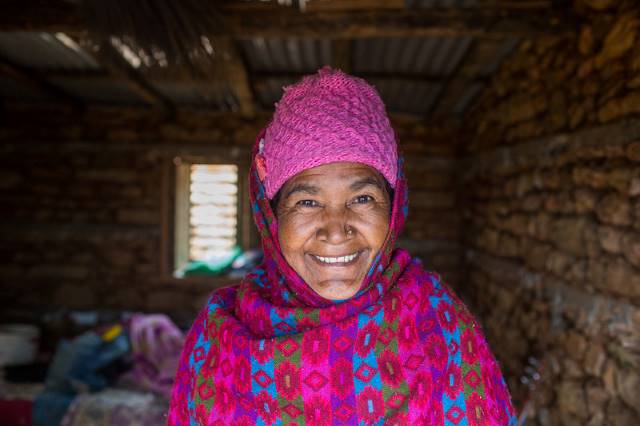
airlifts from USAIDNepal is a small country in Asia that encompasses most of the Himalayan mountains. In May 2021, Nepal experienced an uncontrolled spread of COVID-19 and Nepal’s government could not contain cases without foreign assistance. The United States Agency for International Development (USAID) responded to this need by sending airlifts of personal protective equipment and oxygen to help fight COVID-19. Airlifts from USAID have served to limit the poverty caused by the COVID-19 pandemic. With such support, it is possible to keep COVID-19 cases manageable while reducing poverty at the same time.

COVID-19 in Nepal

Nepal became the world’s fastest-growing hotspot for COVID-19 infections in May 2021. At the time, the country reported more than 513,000 cases and 6,300 deaths in a population of 29 million. Due to the rapid rate of infection, Nepal’s healthcare system was unable to accommodate such high numbers.

Vaccine accessibility was another issue for Nepal as only 7.3% of the population had received one dose of the vaccine as of May 25, 2021. With India bordered by Nepal, the vaccine shortage in India posed a major problem for Nepali citizens. In part, this was due to India’s government blocking vaccine exports as India needed to preserve its supply for Indian citizens. To solve this problem, foreign assistance was needed.

The dire situation in Nepal has severely hurt the economic welfare of its citizens. Recovery from COVID-19 in Nepal not only requires control of the infection rate but also economic support for the most affected citizens. Migrant workers who travel to India for work have accounted for a significant portion of the rise in cases.

Therefore, the COVID-19 surge in both India and Nepal has eliminated the primary source of income for many Nepali families. Nepal’s economy also suffers from a halted tourism industry, which previously generated a significant amount of revenue from the Himalayan mountains. Without the success of these crucial industries, Nepali families are at greater risk of sliding deeper into poverty.

Airlifts From USAID

USAID has had a long-standing relationship with Nepal. Over the last two decades, the organization has allotted $600 million in funding Nepal’s healthcare sector. To aid the currently overwhelmed medical system in Nepal, USAID responded by scheduling three airlifts to bring in medical supplies for healthcare workers. These airlifts are part of a recent $15 million aid package to the government of Nepal.

By May 2021, Nepal had received $50 million worth of COVID-19 assistance from USAID. The government estimates that this support has positively impacted 60% of Nepal’s population. Due to USAID’s COVID-19 support, Nepal has been able to perform nationwide COVID-19 testing and contact tracing. Furthermore, the country has been able to treat COVID-19 patients more adequately.

In addition to medical supplies donated by USAID, the U.S. government has committed to sharing vaccine doses with Nepal. The U.S. government’s strategy for distributing vaccines includes a combination of direct donations and distribution through international organizations. U.S. ambassador to Nepal, Randy Berry, confirmed in early June 2021 that the U.S. will directly donate a portion of seven million vaccines to Nepal. The donation is part of an effort to assist Asia by distributing doses among 17 Asian nations.

The Effectiveness of Airlifts

COVID-19 has had a physical, mental and economic impact on Nepali citizens. Many Nepali citizens travel to India for work, but with travel restrictions in place, the people of Nepal face more instances of poverty. USAID has provided immense support for Nepal throughout the pandemic, especially during the resurgence of cases. Combined with a plan to distribute more vaccines to the country, foreign aid has played a significant role in helping Nepal fight COVID-19.

– Viola Chow
Photo: Flickr

August 13, 2021
https://borgenproject.org/wp-content/uploads/borgen-project-logo.svg 0 0 Yuki https://borgenproject.org/wp-content/uploads/borgen-project-logo.svg Yuki2021-08-13 01:30:452024-05-30 22:24:08Airlifts from USAID Help Fight COVID-19 in Nepal
Global Poverty, USAID

Combating Illegal Fishing in Indonesia

Combatting Illegal Fishing in IndonesiaAs a seafaring country with thousands of islands, Indonesia relies heavily on fishing for food and for economic well-being. Fishing is the main source of income for millions of people in the country and the surrounding region; a decline in the industry could be disastrous for these areas. For this reason, illegal fishing in Indonesia has raised concern as it has strained fish populations in the region and risked the livelihoods of millions of fishers. To combat this issue, USAID partnered with several conservation organizations to implement the USAID Sustainable Ecosystems Advanced project. The USAID SEA project is a five-year effort that seeks to protect seafood supplies and promote ethical fishing practices in Indonesia.
What is Illegal Fishing?

When fishing vessels do not possess the proper documentation and equipment required by Indonesian law to fish in Indonesian waters, these vessels engage in illegal fishing. To deter illegal fishing, the Indonesian government mandates that each fishing vessel possesses the necessary licenses and declares its fishing gear. This helps the government collect data on the types of equipment used and the number of vessels in the country. The government limits the number of vessels present at a certain time to prevent overfishing and to ensure fishermen practice ethical fishing techniques.

Impacts of Illegal Fishing

Indonesia is situated in the Coral Triangle, an area encompassing most of maritime Southeast Asia. The Coral Triangle contains more than 2,000 species of coral reef fish, making it one of the most biodiverse regions in the world. Moreover, this diversity in fish species directly correlates with why fishing remains an integral part of the region’s economy of the region. As it stands, “the Coral Triangle sustains at least 120 million people.” In Indonesia specifically, the fishing industry employs an estimated 12 million people, which allows the nation to be the second-largest fish producer in the world.

Indonesia’s reliance on ocean life is a fundamental aspect of the country’s way of life, and as such, threats to the fishing ecosystem can have severe consequences. Overfishing has had a detrimental impact on fish populations over the years, illustrated by a 95% decline in fish populations in the region over the last 60 years. Furthermore, destructive fishing practices that use explosives to stun fish — known as “dynamite fishing” — destroy marine habitats, leaving extensive damage. These practices continue to harm the fishing industry in Indonesia. Low incomes for fishers have already led to a decline in professionals in the industry within the last 20 years.

USAID’s SEA Program

The USAID SEA project clamps down on illegal fishing in Indonesia and protects local fisheries by collaborating with local communities. Initiated in 2016, this five-year program worked in the provinces of West Papua, Maluku and North Maluku, where illegal fishing practices have hit fishing communities the hardest. USAID SEA sought direct collaborations with locals to “raise awareness about marine conservation, educate others in their community about these issues and report harmful practices to local authorities.”

Designed to curb illegal fishing in Indonesia, the USAID SEA project helps assure ethical fishing practices. Illegal fishing practices like overfishing deplete fish populations, negatively affect the livelihoods of fishers and hurt the country’s economy. The project raises awareness about the importance of marine conservation and its long-term benefits for these communities. As such, it helps defend a way of life for millions of Indonesian people.

– Nikhil Khanal
Photo: Flickr

August 10, 2021
https://borgenproject.org/wp-content/uploads/borgen-project-logo.svg 0 0 Kim Thelwell https://borgenproject.org/wp-content/uploads/borgen-project-logo.svg Kim Thelwell2021-08-10 07:30:212021-08-10 01:50:55Combating Illegal Fishing in Indonesia
Foreign Aid, Global Poverty, USAID

A Closer Look at USAID Programs in Guinea

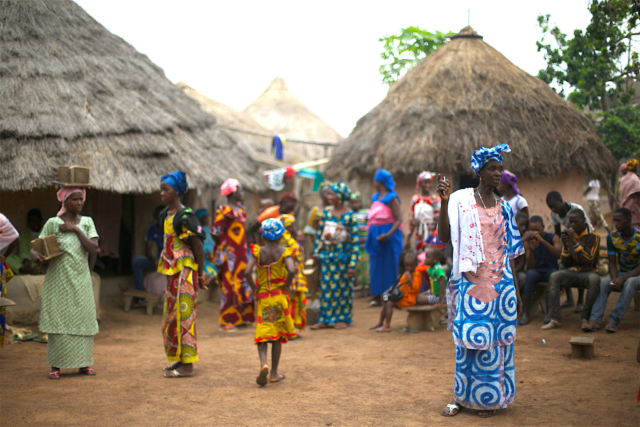
USAID programs in GuineaAccording to the World Bank, 35% of people in Guinea lived below the international poverty line in 2012, meaning they subsisted on less than $1.90 a day. Around 55% of Guineans lived below the country’s national poverty line in the same year. The U.S. began providing aid to Guinea through the United States Agency for International Development (USAID) shortly after the agency’s creation in the early 1960s. The relationship between USAID and the Guinean government has remained strong and a number of aid programs continue today. USAID programs in Guinea provide a diverse set of services in various economic and social sectors.

Feed the Future Guinea Agricultural Services Project

Agriculture is the backbone of the Guinean economy. According to the World Bank, the agricultural sector employs 52% of workers in Guinea and farming is the main income of 57% of rural households. Hence, improving agricultural output and profits is key to reducing poverty and hunger in Guinea, particularly for the rural population.

USAID started the Feed the Future Guinea Agricultural Services project in 2016 and still runs it in 2021. Feed the Future is a U.S. government program dedicated to eliminating global hunger and food insecurity, with efforts in a number of countries around the globe. Guinea’s Feed the Future program partners with local farmers and organizations, such as the Federation of Fruit Planters of Lower Guinea, which has more than 1,000 members.

USAID also brings in students from the Apprenticeship in Extension, Entrepreneurship and Rural Innovation (AVENIR) program, an initiative created to provide 640 unemployed Guinean college graduates with skills to start up their own agricultural businesses. These AVENIR agents then pass on their knowledge on sustainable farming and good entrepreneurship to Guinean farmers.

The results of the Feed the Future program are impressive, increasing certain crop yields by five, 10 or even 500 tons a year. AVENIR agents bring in technology such as irrigation pumps and solar dryers to increase productivity and decrease harvest waste. Farmers trained by USAID’s AVENIR agents have negotiated for better prices, boosting their profits, and in turn, helping them to rise out of poverty.

Malaria Control and Other Health Programs

Many USAID programs in Guinea work in the health sector, especially in disease control. Malaria, in particular, poses a massive threat to public health, accounting for 14% of deaths among Guinean children younger than 5. Alongside the National Malaria Control Program, USAID works to strengthen the healthcare system and identify new methods of treating malaria. USAID also invests in malaria prevention methods such as insecticide-infused mosquito nets.

Data from the World Bank shows that the malaria-fighting efforts of USAID and others have made a difference in Guinea. The number of average cases of malaria per 1,000 people has decreased from nearly 430 in 2012 to around 280 in 2018. This essentially means that, on average, people in Guinea became 15% less likely to contract malaria.

USAID programs in Guinea also help the country fight the spread of other dangerous outbreaks such as Ebola and COVID-19. The Global Health Supply Chain — Procurement and Supply Management program (GHSC-PSM) helps manufacture and distribute valuable health supplies such as disease test kits, antimalarial drugs and more.

Health services are crucial for all people in Guinea, but especially those living in poverty, who would not have access to reliable, affordable healthcare without the intervention of USAID and other aid programs. By preventing the spread of diseases such as malaria, Ebola and COVID-19, USAID programs improve the quality of life of Guineans living below the poverty line.

The Cultural Cohesion for Peace and Prosperity Project

USAID programs in Guinea also focus on peace and community sustainability. For example, USAID’s Cultural Cohesion for Peace and Prosperity Project (C2P2) works to prevent conflict between competing communities in Guinea, whether the fighting results from religious, ethnic or other differences.

Social science research shows a strong link between poverty and conflict. High poverty rates increase the likelihood of conflict occurring, and when violence breaks out, the people with the least resources often suffer the most. Ending and preventing conflict between various community groups allows people to focus on generating income rather than simply surviving.

The Impact of USAID

Overall, USAID programs in Guinea have a significant impact on those living in poverty, whether the programs focus on agriculture, health services or peace. Continuing to prioritize, fund and expand aid programs is key to improving overall living conditions and reducing poverty levels in Guinea.

– Julia Welp
Photo: Flickr

August 3, 2021
https://borgenproject.org/wp-content/uploads/borgen-project-logo.svg 0 0 Kim Thelwell https://borgenproject.org/wp-content/uploads/borgen-project-logo.svg Kim Thelwell2021-08-03 07:30:282024-06-06 00:15:34A Closer Look at USAID Programs in Guinea
Global Poverty, USAID

A Look at USAID Hurricane Preparation Efforts

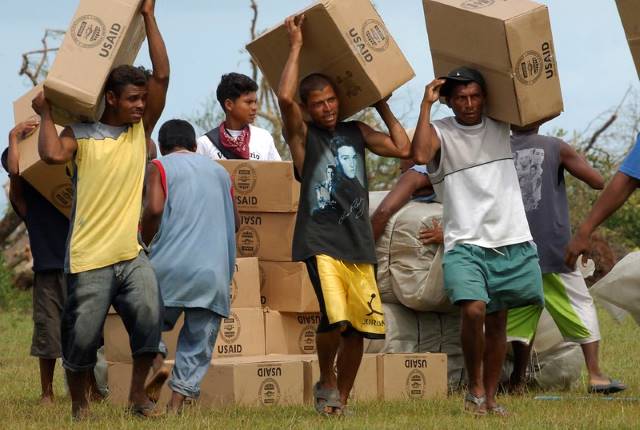
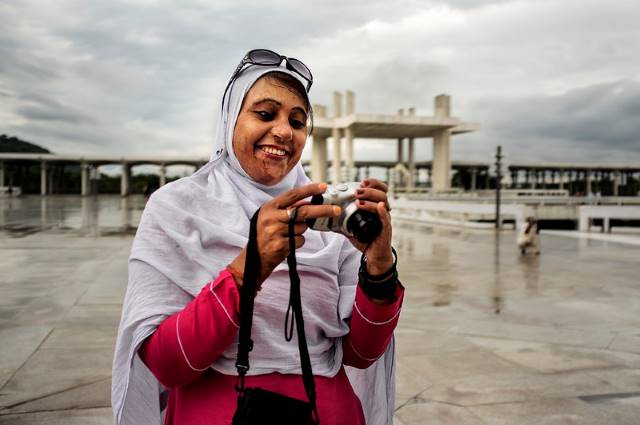
USAID hurricane preparation effortsBefore hurricanes arrive, aid organizations such as USAID work to prepare for the natural disasters. USAID hurricane preparation efforts for the Atlantic hurricane season include ensuring that the organization itself and communities in Latin America and the Caribbean have the supplies and knowledge needed to minimize the impact of hurricanes. With the 2021 Atlantic hurricane season underway, USAID’s preparation efforts will help communities, especially those most impacted by poverty, recover from the aftermath of hurricanes.
The 2021 Atlantic Hurricane Season Forecast

June 1 marked the start of the 2021 Atlantic hurricane season with the arrival of the first Atlantic hurricane, Hurricane Elsa. According to AccuWeather meteorologists, Hurricane Elsa is one of seven to 10 hurricanes expected for the year 2021. Meteorologists believe three to five of these hurricanes will qualify as major hurricanes — hurricanes with wind speeds more than or equal to 111 miles per hour.

The 2021 Atlantic hurricane season forecast predicts a season with above-average intensity, but meteorologists do not forecast a record-breaking season. As with the 2020 hurricane season, COVID-19 presents a challenge for evacuation and relief efforts.

The increased poverty levels in Latin America and the Caribbean also create a new challenge for the 2021 Atlantic hurricane season. Extreme poverty levels increased in the region during 2020 due to COVID-19, with approximately 12.5% of Latin America and the Caribbean’s population currently living in extreme poverty.

People living in poverty face more barriers in recovering from the impact of hurricanes because they lack access to financial resources that could help them rebuild and seek assistance after hurricanes land. Furthermore, impoverished countries usually lack resilient infrastructure and housing, making these countries more vulnerable to damage and destruction.

Off-site USAID Preparation

Effective USAID hurricane preparation efforts require the agency to accumulate the supplies needed to help people affected by hurricanes. USAID maintains supply stockpiles in the U.S. state of Miami, Dubai in the United Arab Emirates and Pisa in Italy. By maintaining these stockpiles, USAID can distribute supplies as needed.

USAID hurricane preparation efforts also include testing temporary shelter in simulated hurricane conditions offsite before taking it to disaster-prone areas. Testing housing helps ensure that people impacted by hurricanes receive shelter that is safe and resilient to natural disasters.

On-site USAID Preparation

USAID hurricane preparation efforts also involve working with people on-site in communities at risk of hurricanes. USAID trains meteorologists, educates people about individual safeguarding measures to take to stay safe during hurricanes, stations experts in the Caribbean and Latin America and sends teams to disaster sites before hurricanes make landfall. All these actions help minimize the impact of hurricanes. To create teams that are familiar with the region before disasters happen, USAID stations long-term consultants, advisers and program officers in Latin America and the Caribbean.

USAID’s onsite work in Latin America and the Caribbean creates a network of people prepared to respond to disasters. As of May 2019, USAID trained 70,000 people in the region on disaster response. USAID provides disaster management teams with the necessary information to evacuate regions before flash floods begin, the most life-threatening aspect of hurricanes, by training meteorologists to evaluate the risk of flash floods.

Hurricane preparation saves lives by ensuring that physical and human capital is in place to respond to hurricanes and their after-effects. The Atlantic hurricane season continues until November 30, 2021. With the dedication of organizations such as USAID, disaster response in developing countries is strengthened and the impacts of natural disasters are mitigated.

– Caroline Kuntzman
Photo: Flickr

July 28, 2021
https://borgenproject.org/wp-content/uploads/borgen-project-logo.svg 0 0 Lynsey Alexander https://borgenproject.org/wp-content/uploads/borgen-project-logo.svg Lynsey Alexander2021-07-28 07:30:362024-05-30 22:23:57A Look at USAID Hurricane Preparation Efforts
Global Poverty, USAID, Women's Empowerment

USAID Programs in Pakistan See Success

USAID Programs in PakistanFor more than 60 years, the U.S. and Pakistan have shared a mutually beneficial relationship. Pakistan is the world’s fifth-most populous nation and one of the fastest-growing economies. Recent U.S. funding through USAID has targeted economic growth as well as peace and health in Pakistan. Two current areas of emphasis, education and gender empowerment, have seen recent success through USAID programs in Pakistan, serving as a powerful example of the potential impact of aid and investment in developing nations.

The Sindh Basic Education Program

USAID has worked closely with the Government of Pakistan to improve the nation’s overall access to schools and quality of education. The Sindh Basic Education Program (SBEP) targets the Sindh region of Pakistan. The region was affected by devastating floods in 2010 and is home to 47.9 million people.

Through USAID, the U.S. has invested $159.2 million in building schools to increase primary, middle and secondary school enrollment. The program will ultimately see the construction of 106 new schools in flood-affected areas as well as the consolidation of up to 280 existing schools. These newly merged schools will help streamline and revolutionize Pakistan’s education system.

The program aims to reduce the number of small, underfunded and understaffed schools in favor of more reliable teaching and an easier flow of resources. SBEP has the potential to increase enrollment while improving the reading skills of more than 400,000 Pakistani children. The program also looks to enhance overall child nutrition.

Reducing the Gender Gap and Increasing Budget

One of SBEP’s objectives is to shrink the gender gap in Pakistan’s education system. The program will designate 18 schools constructed under SBEP specifically for adolescent girls. These spaces will include computer and science lab resources. USAID partnered with Intel to train learners and educators in information and communications technology, specifically in these girls’ education facilities.

Another goal of SBEP is to, “provide technical assistance to the Education and Literacy Department of the Government of Sindh,” a process that has already started to positively influence Pakistan’s government. Sindh Provincial Education Minister Saeed Ghani announced a 13.5% budget increase for the Schools Education and Literacy Department for the fiscal year 2021-22. This denotes the nation’s heightened emphasis on providing access to high-quality education.

Prioritizing Gender Empowerment in Pakistan

USAID programs in Pakistan prioritize addressing gender inequality in the country. According to the Global Gender Gap Report 2020, Pakistan ranks third-last in the world in terms of gender equality due to high rates of gender-based violence and a general lack of both economic opportunity and sexual and reproductive health rights for women. The U.S. and Pakistan have identified gender empowerment as a necessary vehicle for national growth and development.

Aside from boosting girls’ access to education, USAID gender empowerment initiatives cover several areas of need, aiming to create a more inclusive and equitable society. Beginning in 2012, “USAID-supported interventions have helped nearly 11 million women and children receive quality maternal, child and reproductive healthcare services.” The organization also trained Pakistani women to administer quality “health services to women in Khyber Pakhtunkhwa (KP) province through a mobile health unit program.”

Female Economic Empowerment

Programs also promote entrepreneurship and job creation, specifically for Pakistani women. USAID has impacted at least 50,000 female entrepreneurs with business development services, training and grants. By funding training and new technologies in agriculture, USAID helped create job opportunities for women.

USAID also assisted with placing female graduates in the male-dominated yet burgeoning Pakistani energy sector. Furthermore, USAID contributed to training close to “16,000 female political party representatives” to improve female representation in politics. USAID’s efforts focus on the development of women — a key step in diminishing the nation’s gender gap and lifting women out of poverty.

The Power of Partnership

Between reforming education by building and consolidating schools and empowering women through improved healthcare and career opportunities, USAID programs in Pakistan are fundamentally changing the lives of those most in need. The successes of USAID programs highlight the benefits of partnerships as the U.S. and Pakistan collaborate to reduce poverty and inequality.

– Sam Dils
Photo: Flickr

July 18, 2021
https://borgenproject.org/wp-content/uploads/borgen-project-logo.svg 0 0 Kim Thelwell https://borgenproject.org/wp-content/uploads/borgen-project-logo.svg Kim Thelwell2021-07-18 01:30:422024-05-30 22:23:53USAID Programs in Pakistan See Success
USAID

USAID is Gendering Belarus Politics

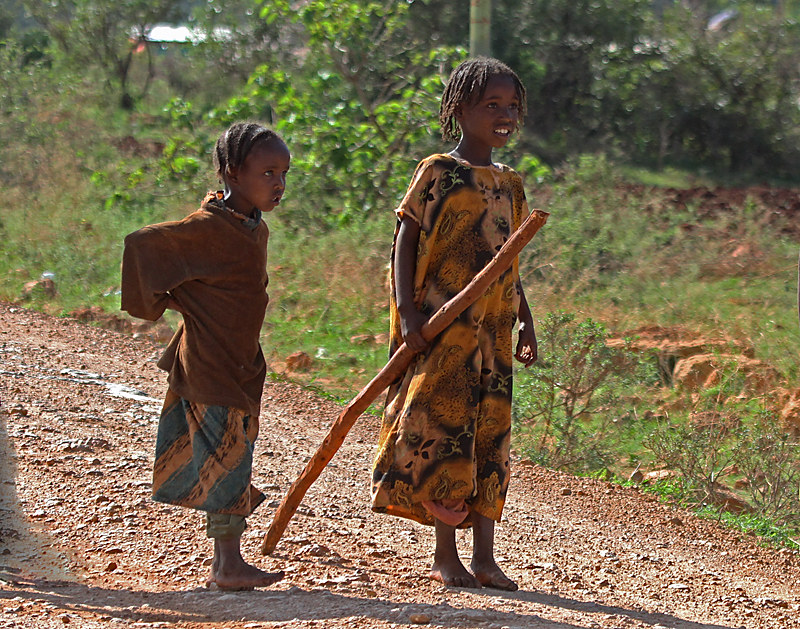
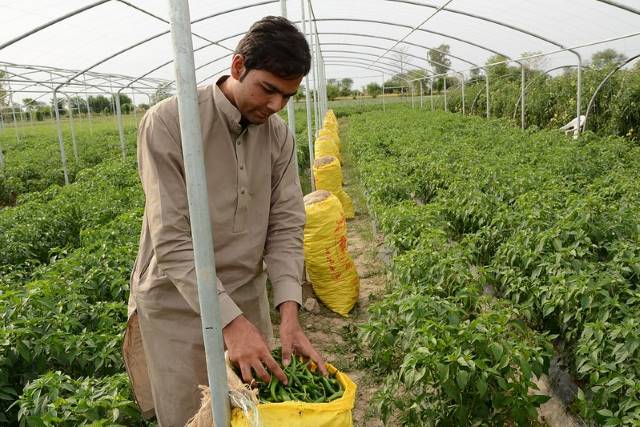
USAID is Gendering Belarus PoliticsUSAID is an independent agency of the United States federal government that takes care of administering civilian foreign aid and development assistance. It is one the largest official aid agencies in the world, controlling a large share of U.S. foreign assistance programs. USAID operates in more than 100 countries all around the world. One of them is Belarus, where USAID — which represents the second-largest actor after the E.U. — is effectively gendering its politics. USAID has indeed been able to transform the current business and social landscapes for Belarusian women.
Gender Politics in Belarus

In 2017, Belarus ranked 26 out of 144 in the Global Gender Gap Index. However, differences start to show when looking at detail. Women outnumber men at tertiary education enrollment. But despite being more likely to achieve white-collar positions, women are not as likely as men to receive managerial power. Only 17% of female white-collar employees rise through the ranks against a stark 41% for men. Women also lack executive power in politics. Although they hold around 30% of parliament seats, their presence in the executive branch is scarce. In addition, gender wage gaps have been increasing in recent years. This is due to the country’s employment residing namely in public sectors such as education, where pay is lower.

Belarus is a country where STEM start-ups and corporations are usually presented as a field for men to develop their careers. Belarus has profited from USAID support to Belarusian women. By sponsoring teams that consist of at least 30% women, the U.S. support program is bringing forth a cultural shift in the entrepreneurial mentality of Belarusians.

USAID is Gendering Belarus Politics

USAID is gendering Belarus politics by increasing the relative bargaining power of women in society. A clear example of this promotion commitment is USAID’s Community Connections Exchange Program, through which Belarusians have the opportunity to travel to the U.S. to undergo short-term exchanges. During this stage, they learn about innovative practices, youth business promotion and female empowerment. Women made up more than half of 2017’s edition of the program, enlarging the ranks of the more than 400 women that had already enjoyed these lessons and leadership skill-building tools. Not only that, but another instance of leading by example would be the U.S.’s personal compromise to constitute offices in Belarus. At least one staff member n the office must be female. This is regardless of whether their tasks involve directing diplomatic meetings, developing the private sector or dealing with administrative matters.

USAID’s Action

The U.S. commitment to improving the living conditions in Belarus extends well beyond jobs. It is also focusing on the way that politics are carried out in the country. The U.S. Department of State’s Human Rights Report has criticized the increasing neglect by Belarusian authorities to protect human rights as fundamental as the freedom of speech or press. However, to encourage positive promotion and not negative condemnation, the Embassy also assists the growing independent media and NGO community. It is offering public exchanges and bringing American experts to the country to offer insight into democratic initiatives and reforms.

Along those lines, American and Belarusian counterparts in law enforcement and international development agreed to collaborate; this is particularly through American support schemes for the education of Belarusian officials to enable the law to be upheld and create strong legal infrastructures. The advancement of human rights entails a clear compromise toward the inclusion of women in society, especially in a country where legislation is “gender blind.” While discrimination is formally prohibited, this does not stop employers to view women as undesirable based on their maternity benefits and earlier retirement age (55 for women and 60 for men).

USAID gendering Belarusian politics also means USAID is pushing for human rights to become a fundamental principle guiding legislative activity. Independent media, expert advice and reforms help create a more inclusive society. In addition, it is important to implement legislation that is gender aware, rather than gender blind.

Moving Forward

Women’s participation in politics has been one of the main issues at stake in Belarus. USAID has helped promote civilian expansion and participation in political and economic decision-making. It has helped encourage opening up society and allowing for reform.

With markets opening, women have taken it as a sign that it is time for politics to follow the economic trail. The continued support offered by U.S. institutions to promote the role of women in the labor market may also enable them to increase their bargaining power in politics. Alongside the U.S. focus on protecting and projecting democratic reform and the rule of law in the country, there comes peaceful reform in a country that is making strides toward gender equality.

– Álvaro Salgado
Photo:Flickr

July 4, 2021
https://borgenproject.org/wp-content/uploads/borgen-project-logo.svg 0 0 Kim Thelwell https://borgenproject.org/wp-content/uploads/borgen-project-logo.svg Kim Thelwell2021-07-04 01:31:222024-05-30 22:23:34USAID is Gendering Belarus Politics
Global Poverty, Humanitarian Aid, USAID

USAID in Ethiopia Offers Assistance Amid Civil War

USAID in Ethiopia
USAID is concerned about Ethiopia’s civil war as the severity of humanitarian assistance needed continues to rise in Tigray, Ethiopia. Millions of civilians are displaced, and health access is critically disrupted across the region. In response to these conditions, USAID in Ethiopia officially launched the Disaster Assistance Response Team (DART). This team intends to mediate assistance and data analysis to provide much-needed humanitarian aid. Tigrayans continue to endure a civil war that has left millions shackled to poverty, terror and a lack of proper assistance.

Tensions Create a Civil War

The Tigray People’s Liberation Front (TPLF) governs Tigray, the populous region in Northern Ethiopia. TPLF is a large political party that has militarily enforced the autonomy of Tigray for 46 years, as it seeks to make Tigray a separate kingdom. In 2018, Prime Minister Abiy Ahmed overtook the election and proceeded to minimize the TPLF’s influence in ruling coalitions. However, federal troops met him with opposition in Tigray. In response, the prime minister launched a domestic law and order operation on TPLF on November 4, 2020. The operation was only set to last for five days. Yet, as tension grew, Ahmed joined military forces with Eritrea to disarm the TPLF troops. Eritrean forces committed the majority of the human rights violations that followed during the five-day operation that turned into a five-month war.

Disaster Assistance Response Team in Ethiopia

USAID in Ethiopia launched DART to assess conditions within the country. The organization reported, “[DART is] identifying priority needs for the scale-up of relief efforts and working with partners to provide urgently-needed assistance to conflict-affected populations across the region.” The population in Tigray is roughly six million. Approximately one million civilians require assistance amid the civil conflict, and four million require urgent food aid. As conditions and access allow, DART conducts humanitarian health programs around the regions. Red Cross assists by distributing medical supplies and essential medicines.

The Stance of Ethiopia’s Government

Some Ethiopians feel deceived by Prime Minister Abiy Ahmed. Since the declaration of war on Tigrayans on November 4, 2020, Ahmed has used Twitter to state his stance against any mediation offers from neutral parties and the international pressure for an inclusive dialogue with all parties involved.

On November 28, 2020, Ahmed tweeted the victory of Ethiopia against the TPLF forces. He stated, “I am pleased to share that we have completed and ceased the military operations in the Tigray region.” The Ahmed administration is reportedly rebuilding the region. However, the war has yet to cease. The following are current predicaments since November 4, 2020:

  • Reports of ethnic cleansing and sexual crimes have killed more than 52,000 Tigrayans.
  • Eritrean troops raped and killed in extrajudicial massacres. They also failed to exit Ethiopia following Ahmed’s victory announcement on November 28, 2019.
  • More than 61,300 Tigrayans have fled to Sudan as refugees. Of these refugees, 28% are children, and 4% are elderly.
  • As a result, women and girls reported rape cases and gang rape by Ethiopian and Eritrean forces.
  • More than two million children remain cut off from emergency federal humanitarian assistance due to families suspected of TPLF ties.
  • The government concentrates resources on warfare; thus, food, water, electricity and other health benefits are extremely limited.
  • Civilians have limited media access. Reporters and journalists are killed or arrested if they do not abide by laws set by the nation.

Progress of USAID

DART has monitored the conditions in Tigray with uplifting progress. The U.N. reports that 16% of Tigray’s hospitals are functioning. Of those functioning, 22% offer vaccination services. Thus, by increasing analysis and focus on critical areas, DART has successfully secured numerous smaller regions in Tigray. Prime Minister Ahmed requested that the Eritrean troops evacuate Tigray due to increased rates of gender-based violence which generated concern for USAID relief workers. Food also remains a critical issue. Other relief organizations, such as the Catholic Relief Services, contribute food and other commodities, in addition to assistance from USAID in Ethiopia.

– Ayesha Swaray
Photo: Flickr

June 30, 2021
https://borgenproject.org/wp-content/uploads/borgen-project-logo.svg 0 0 Kim Thelwell https://borgenproject.org/wp-content/uploads/borgen-project-logo.svg Kim Thelwell2021-06-30 07:31:332024-05-30 22:23:33USAID in Ethiopia Offers Assistance Amid Civil War
Global Poverty, USAID

USAID’s PATTA Program in Pakistan

USAID’s PATTA ProgramFarming plays a dominant role in the national economy of Pakistan. With a population of more than 200 million, Pakistan is heavily reliant on agriculture to provide food for people. Agriculture contributes almost 20% to Pakistan’s GDP, and as of 2019, employs more than 40% of the workforce. Smallholder farms are often at a disadvantage as they have limited access to improved technology, which prevents them from producing high yields of crops. To combat this issue, the United States Agency for International Development (USAID) has funded the Pakistan Agricultural Technology Transfer Activity (PATTA), an initiative designed to increase Pakistani farmers’ access to improved agricultural technology. USAID’s PATTA program is also designed to encourage private sector investment in agriculture to increase incomes and efficiency.

Agriculture in Pakistan

Despite the overwhelming need to preserve the agricultural sector, the industry has seen a decline in productivity over the years. Pakistan is especially vulnerable to environmental degradation and instances of water shortages and extreme temperature fluctuations have severely damaged the country’s ability to produce enough crops to feed its populace. As a result, Pakistan stands to benefit from the advancements in agricultural technology. According to the United Nations Food and Agriculture Organization (FAO), these improved technologies can aid in improving agricultural productivity by 70% by the year 2050.

The PATTA Program

To assist Pakistani farmers with obtaining improved agricultural technologies, USAID funds the four-year PATTA program which began in 2017. This program “enables the private sector to give Pakistani farmers access to innovative agricultural products and management practices, which improve productivity and enhance competitiveness.” To facilitate this, USAID introduced the “Agri-Tech Hub” in 2020, a comprehensive suite of agricultural technologies with the potential to change the lives of farmers. The PATTA program encourages  private sector investment in Pakistani agriculture “to commercialize the types of agricultural technologies that enable smallholders to increase their incomes, create jobs and enhance economic growth and stability.”

Cultivating New Frontiers in Agriculture (CNFA) is an agricultural organization that is also involved with the PATTA program. This organization assists agricultural technology businesses in expanding their markets by doing cost-benefit analyses as well as creating strategies on how these businesses can provide technical support and build capacity for small farmers. Additionally, the CNFA sets up demonstration events in which businesses can display the effectiveness of their products. These events often use different mediums such as radio and the internet in order to reach many different groups of people. Overall, the CNFA is involved in every step of the PATTA program. The CNFA helps agribusinesses market their technologies effectively while making sure farmers can get their specific needs met.

PATTA’s Impact During the Pandemic

The COVID-19 pandemic has had dramatic impacts on agricultural production around the world. In Pakistan, PATTA has been assisting local governments in raising awareness of safety protocols through digital communication. For example, during the onset of the pandemic in early 2020, PATTA partnered with the government of Khyber Pakhtunkhwa’s agriculture department in developing “tele-farming advisory services on agricultural technologies” through SMS and robocalls to deliver pertinent information to farmers.

PATTA has also utilized the radio in order to spread its messages. From May to July 2020, PATTA encouraged the use of agricultural technologies via radio broadcast to 23 selected districts across Pakistan, reaching approximately three million people. The use of digital communications allowed for social distancing as the pandemic prevented conventional meetings from taking place.

USAID’s PATTA program helps farmers acquire improved technologies in order to increase their crop yields. By engaging with the private sector, PATTA assists both agribusinesses and farmers in expanding. The concrete outcomes of the program are yet to be released, but nonetheless, it is clear that agricultural technologies have the potential to increase the incomes of smallholder farmers and reduce poverty in Pakistan.

– Nikhil Khanal
Photo: Flickr

June 17, 2021
https://borgenproject.org/wp-content/uploads/borgen-project-logo.svg 0 0 Kim Thelwell https://borgenproject.org/wp-content/uploads/borgen-project-logo.svg Kim Thelwell2021-06-17 07:31:152024-05-30 22:23:43USAID’s PATTA Program in Pakistan
Global Poverty, USAID

USAID Builds Schools in Pakistani Flood Relief Effort

Pakistani Flood ReliefWhen the Indus River flooded Pakistan in 2010, the effects were widespread and devastating. Among those that were hit hard were Pakistani children whose schools were severely affected by the flooding. It is estimated that the floods destroyed or damaged more than 10,000 schools. Fast forward 11 years later, however, USAID has announced a major milestone in the now eight-year-long Pakistani flood relief project called the USAID-Sindh Basic Education Programme. USAID reports the completion of 106 schools in Sindh, a province stricken by flood damages.

The 2010 Indus River Floods

The Indus River floods in July and August 2010 were a result of massive monsoon rains causing severe flash flooding in Pakistan. The floods were estimated to have damaged or destroyed more than one million homes and affected more than 20 million people in the region. The impact was felt in just about every area of life in Pakistan.

Industries like farming and healthcare were severely hurt by the floods. Farmers were estimated to have lost millions of acres of usable land and more than a million livestock. Additionally, more than 500 hospitals or clinics in the region were reportedly damaged or destroyed.

On top of this, data from UNICEF in 2010 indicated that more than 1.6 million children either saw their schools damaged by floodwaters or converted into shelters. The massive displacement of children even resulted in fears of a rise in militia kidnappings at the time.

In total, the economic impact of all of that damage done by the floods was estimated as a loss of $43 billion.

USAID’s Pakistani Flood Relief

USAID has given more than $159 million toward education relief following the flood, with $81 million of the funding put directly toward the construction of new schools in northern Sindh. The money helped facilitate the completion of 106 schools, with 14 additional schools targeted to be finished by 2023. The schools will help serve more than 50,000 students in Sindh whose schools were affected by the flood.

These new schools have been built with the inclusion of elements like laboratories and computers in order to turn them into templates for the kind of high-quality educational standard that can hopefully be provided to other areas in the country in the future.

The State of Pakistan’s Education System

Despite efforts, Pakistan’s education system still faces challenges. According to UNICEF, just 56% of Pakistani children between the ages of 5 and 16 are currently in school. This means the country has more than 22 million children in this age range out of school, making Pakistan the country with the second-most out-of-school children in the world.

Additionally, significantly fewer children are enrolled in secondary school compared to primary school and significant gaps exist in overall schooling services. Socioeconomic gaps, for example, are prevalent in areas like Sindh where only 48% of the most impoverished children in the region are in school.

In other regions like Balochistan, significant gender gaps have emerged. Only 22% of girls are in school in the region. This reflects an overarching gender problem which can be seen in the disproportionate number of boys compared to girls in the education system as a whole.

Nevertheless, USAID’s newly completed schools as part of the Pakistani flood relief efforts represent the start of positive progress being made in the country’s education system. With each and every effort, Pakistani children are given an opportunity to rise out of poverty.

– Brett Grega
Photo: Flickr

May 21, 2021
https://borgenproject.org/wp-content/uploads/borgen-project-logo.svg 0 0 Yuki https://borgenproject.org/wp-content/uploads/borgen-project-logo.svg Yuki2021-05-21 07:30:052021-05-18 06:51:55USAID Builds Schools in Pakistani Flood Relief Effort
Page 9 of 33«‹7891011›»

Get Smarter

  • Global Poverty 101
  • Global Poverty… The Good News
  • Global Poverty & U.S. Jobs
  • Global Poverty and National Security
  • Innovative Solutions to Poverty
  • Global Poverty & Aid FAQ’s
Search Search

Take Action

  • Call Congress
  • Email Congress
  • Donate
  • 30 Ways to Help
  • Volunteer Ops
  • Internships
  • Courses & Certificates
  • The Podcast
Borgen Project

“The Borgen Project is an incredible nonprofit organization that is addressing poverty and hunger and working towards ending them.”

-The Huffington Post

Inside The Borgen Project

  • Contact
  • About
  • Financials
  • President
  • Board of Directors
  • Board of Advisors

International Links

  • UK Email Parliament
  • UK Donate
  • Canada Email Parliament

Get Smarter

  • Global Poverty 101
  • Global Poverty… The Good News
  • Global Poverty & U.S. Jobs
  • Global Poverty and National Security
  • Innovative Solutions to Poverty
  • Global Poverty & Aid FAQ’s

Ways to Help

  • Call Congress
  • Email Congress
  • Donate
  • 30 Ways to Help
  • Volunteer Ops
  • Internships
  • Courses & Certificates
  • The Podcast
Scroll to top Scroll to top Scroll to top