• Link to X
  • Link to Facebook
  • Link to Instagram
  • Link to TikTok
  • Link to Youtube
  • About
    • About Us
      • President
      • Board of Directors
      • Board of Advisors
      • Financials
      • Our Methodology
      • Success Tracker
      • Contact
  • Act Now
    • 30 Ways to Help
      • Email Congress
      • Call Congress
      • Volunteer
      • Courses & Certificates
      • Be a Donor
    • Internships
      • In-Office Internships
      • Remote Internships
    • Legislation
      • Politics 101
  • The Blog
  • The Podcast
  • Magazine
  • Donate
  • Click to open the search input field Click to open the search input field Search
  • Menu Menu

Archive for category: United Nations

Information and stories about United Nations.

Food & Hunger, Food Insecurity, Food Security, Global Poverty, Human Rights, United Nations

How the UN Eradicates Poverty and Promotes Human Rights

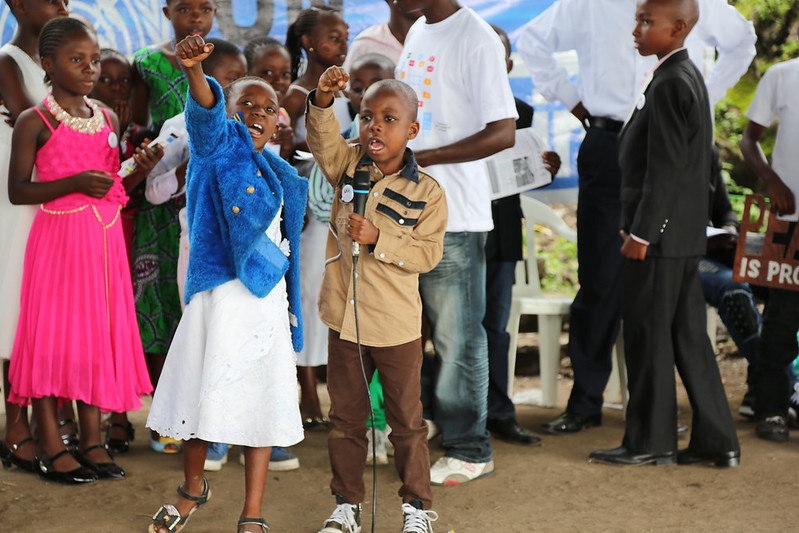
u.n. eradicates povertyThe United Nations (U.N.) is an international organization designed for countries to work together on human rights issues, maintain peace and resolve conflicts. Currently, the U.N. consists of representatives from 193 countries. In the general assembly, nations have a platform for diplomatic relations. One of major missions of the U.N. is the eradication of global poverty. The U.N. eradicates poverty comprehensively and works to address current poverty levels and their resulting crises. Additionally, it works to prevent the causes of poverty from spreading on a global level.

What Is Poverty?

The U.N. defines poverty as “more than the lack of income and productive resources to ensure sustainable livelihoods.” The organization asserts that poverty affects people in many ways, including “hunger and malnutrition, limited access to education and other basic services, social discrimination and exclusion, as well as the lack of participation in decision-making.” Poorer countries that suffer from a lack of basic resources face all of these problems.

Around the world, more than 730 million people live below the poverty line. Many of these people live in Southern Asia and sub-Saharan Africa. These poor countries also often suffer from internal violence that impacts their ability to address the needs and vulnerabilities of their citizens. As such, poverty and conflict have a reciprocal relationship, both contributing to the other.

The U.N. eradicates poverty through multiple commissions that address specific populations and the issues they face. For example, UNICEF, the U.N. children’s commission, works specifically to address children living in poverty globally. It does so by promoting education access and healthcare, as well mitigating the damaging effects of armed conflict. Through “fundraising, advocacy, and education,” this division of the U.N. eradicates poverty and helps children around the world.

Poverty and Human Rights

The U.N. outlines inalienable international human rights as the following: “the right to life and liberty, freedom from slavery and torture, freedom of opinion and expression, the right to work and education, and many more.” One of the many detrimental effects of global poverty is high death rates. Poverty may cause death through water and food insecurity, as well as a lack of healthcare and medical access. This is why poverty is truly a human rights issue.

For someone to have a guarantee to life and liberty, they cannot be living in abject poverty. Education and the “right to work” are also rights affected by living in poverty. Education is sparse in many of the world’s poorest countries, which often suffer from high unemployment rates. This contributes to household income and citizens’ inability to provide for themselves and their families. Thus, poverty is a complex and multifaceted issue that affects all aspects of people’s lives, from their health and well-being to their futures.

The International Poverty Line

According to the U.N., as of 2015, there were “more than 736 million people liv[ing] below the international poverty line.” The international poverty line (IPL) quantifies people’s standard of living. This helps researchers, aid workers and governments assess people’s situation. It also allows these actors to assess their success in mitigating harm and promoting development. Foreign Policy explains that “The IPL is explicitly designed to reflect a staggeringly low standard of living, well below any reasonable conception of a life with dignity.”

The U.N. eradicates poverty by examining not only measures like the IPL but also the effects of extreme poverty. The number of people below the poverty line is important, but the U.N. focuses on what this means for people living in such poverty. For example, the U.N. notes that “[a]round 10 percent of the world population is living in extreme poverty and struggling to fulfill the most basic needs like health, education.”

The Future of the U.N. and Poverty

The U.N. is likely to remain one of the leading forces in the eradication of poverty and the promotion of human rights. Its unique history, size and diverse commissions make it a powerful organization. In particular, the commissions that work with vulnerable populations will be essential to securing the safety and prosperity of those living in poverty. Importantly, the U.N. eradicates poverty with the support of its 193 member states, as it depends on their sponsorship and help in conflict resolution. Just as poverty has no borders, neither should the solutions we use to solve it.

– Kiahna Stephens
Photo: Flickr

October 15, 2020
https://borgenproject.org/wp-content/uploads/borgen-project-logo.svg 0 0 Kim Thelwell https://borgenproject.org/wp-content/uploads/borgen-project-logo.svg Kim Thelwell2020-10-15 12:42:562024-05-30 07:52:20How the UN Eradicates Poverty and Promotes Human Rights
COVID-19, Global Poverty, Refugees, Refugees and Displaced Persons, United Nations

Sudanese Refugees in Egypt Face Impoverished Conditions

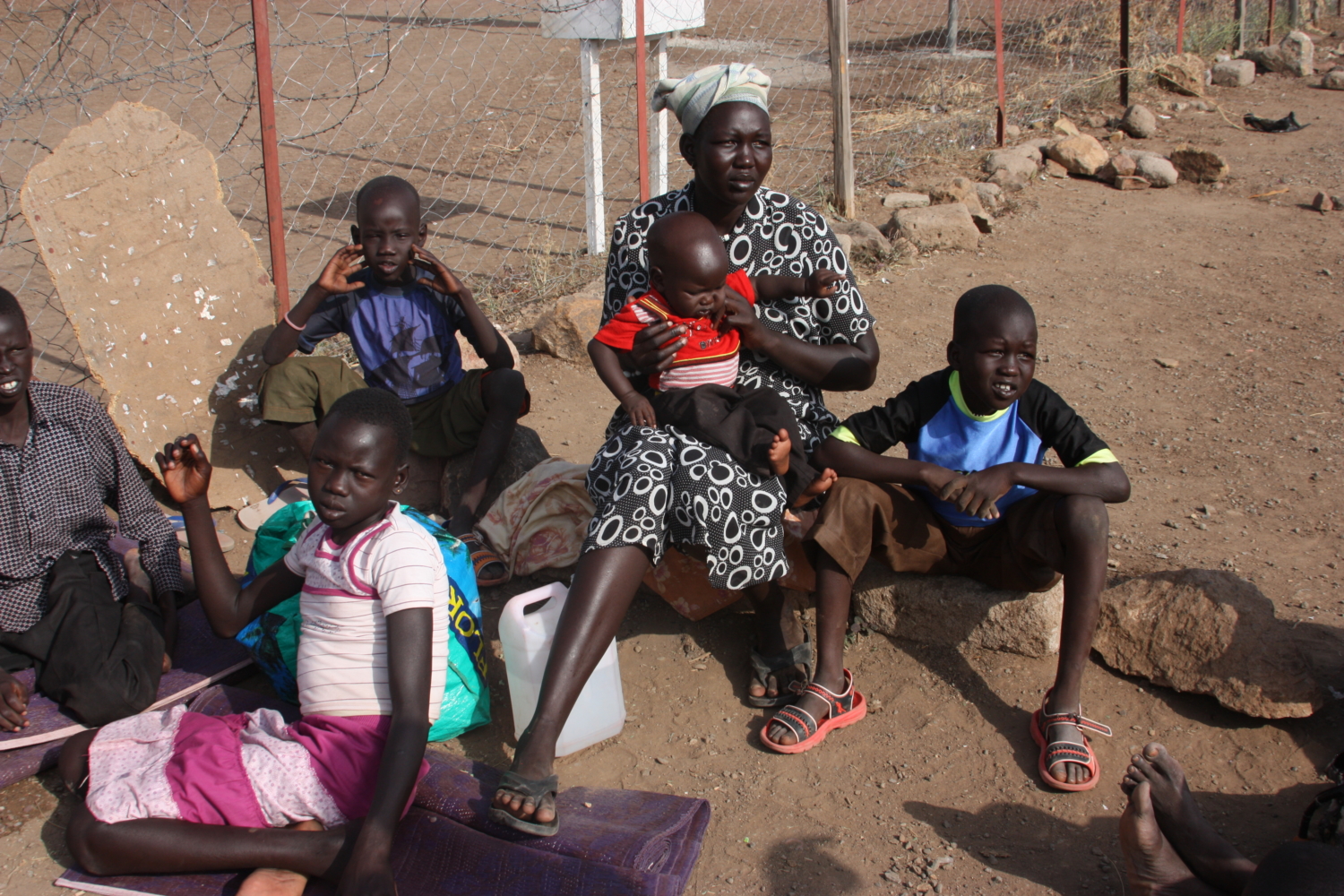
Sudanese RefugeesMany refugees in Sudan fled on foot to Egypt to escape violent and impoverished conditions in Sudan. About 3.8 million Sudanese refugees currently live in neighboring Egypt, which is a popular destination for Sudanese refugees because the country is accessible on foot and the refugees are still able to receive help from relatives. Egypt is a close destination and for some, it is a stopping point before they attempt to flee to Europe, which is an even more dangerous route. Although they may flee to Egypt, however, many face adversities of discrimination and poverty once there.
Sudanese Refugees

Many Sudanese flee their home country to other regions of Africa due to political conflict and economic turmoil. Refugees in Sudan escape their country on foot to neighboring countries. When the first civil war started about 60 years ago in southern Sudan, Sudanese refugees began to flee to Uganda, Kenya and Ethiopia.

Many individuals have fled for different reasons; some flee to obtain better rights, but in particular, many flee to escape religious persecutions. One Sudanese man was targeted due to his Christian faith and the police told him to renounce his faith. The Muslim faith is prominent and individuals who practice the Christian faith have suffered persecution. Since he continued to believe in his religion, the man went to jail where he faced beatings and torture. After spending weeks in jail, the Sudanese man fled to Cairo, Egypt.

Sudanese Refugees Face Discrimination in Egypt

Many refugees in Sudan flee to Egypt resulting in a burden on resources. Overall, Egypt hosts millions of refugees who flee their country’s terrible conditions, only to face racism in Egypt. Some Egyptians will call Sudanese refugees slaves and other ethnic slurs. Some have faced harassment that brings up traumatic memories and flashbacks of violent conditions they experienced in Sudan, including torture and rape. Sudanese children are sometimes bullied in school. Egyptians and even refugees from other countries exhibit this behavior.

Some individuals in Egypt recognize there is a problem and acknowledge that Sudanese refugees are negatively treated. The president of Egypt, Abdel-Fattah el-Sissi calls for his citizens to take action and to not mistreat Sudanese refugees. In 2018, an Egyptian court sentenced a man to seven years in prison for harassing, beating and killing a South Sudanese teacher who worked with refugees in Cairo.

Sudanese Refugees Face Poverty in Egypt

More than 5 million refugees in Sudan left their country to escape poverty but have subsequently faced financial hardships in Egypt. Sudanese refugees in Egypt are provided with 1,500 Egyptian pounds (LE) for every child from the United Nations through the Catholic Relief Services (CRS), with no additional assistance from the state. Thus, it is difficult for the refugees to pay for schools and other expenses. At the same time, it is difficult for a Sudanese refugee to find work in Egypt, even for those with higher education, since the residence permit does not allow work. Many who do find jobs work by cleaning houses and shops.

Due to the COVID-19 outbreak, many refugees in Sudan have faced an increased level of previous hardships. A fifth of foreigners were vulnerable and lost their jobs from the COVID-19 lockdowns in Egypt. In addition, many Egyptians have lost their jobs and in return have been forced to let go of migrant workers from Africa and Asia.

A Sudanese charity has financially helped more than 500 struggling families whose breadwinners have lost their jobs. Eviction has been a major problem for Sudanese refugees in Egypt, some of whom are attempting to return home.

Many Sudanese refugees escape their home country, only to face similar problems. Impoverished conditions continue to follow them within Egypt, although many strive to work harder in the new country. Organizations within Egypt need to help to eliminate discrimination against Sudanese refugees to alleviate their added struggles.

– Ann Ciancia
Photo: Flickr

October 13, 2020
https://borgenproject.org/wp-content/uploads/borgen-project-logo.svg 0 0 Jennifer Philipp https://borgenproject.org/wp-content/uploads/borgen-project-logo.svg Jennifer Philipp2020-10-13 14:59:382024-05-30 07:52:28Sudanese Refugees in Egypt Face Impoverished Conditions
Global Poverty, United Nations

China’s Poverty Reduction and the Millennium Campaign

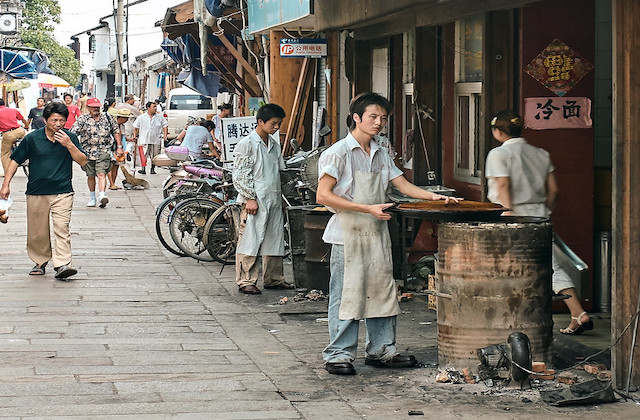
China's Poverty Reduction and the Millennium CampaignThe fight against poverty is a massive undertaking. While China’s poverty reduction has helped the United Nations (U.N.) reach its goals, there is still a ways to go. For real and lasting progress to be made on the task of lifting millions above the poverty line, the global community has no recourse but to rely on the collective efforts and data of the global community. However, by synergizing the work of non-governmental organizations (NGOs), the private sector and governmental institutions, the uphill battle of poverty reduction remains fierce but not insurmountable.
The United Nations Millennium Declaration

In September 2000, following a three-day diplomatic marathon of deal-making and goal-setting, the U.N. General Assembly approved the United Nations Millennium Declaration. With this agreement, the U.N. adopted more than 60 goals. These goals included improving the environment, encouraging peace and development, promoting human rights, combating hunger and pursuing global poverty reduction. Following this daring declaration, the United Nations Millennium Campaign was put into effect. More than 180 member states agreed to the campaign as a means of achieving these goals by 2015.

Moving The Goalpost

The U.N. claims to have not merely achieved its goals but achieved them ahead of schedule. However, a closer look will reveal how this celebration may have been premature. Yale professor and development watchdog Thomas Pogge pointed out that following the signing of the original declaration, the U.N. rewrote it to reduce only the proportion of the world’s population living on less than $1 a day. Previously, the U.N. had planned to decrease the overall total number of people living in poverty.

It is estimated that this change reduced the goal by 167 million due to population growth. Also, the campaign shifted the focus of what constitutes “poverty” to be based solely on income levels. The World Bank determines extreme poverty by the number of people living on less than $1.90 a day. Changing the variables made it easier to achieve the goal. Additionally, according to the World Bank, the number of people living in extreme poverty is still more than 4 billion.

With the Millennium Campaign’s goals, moving the finish line and still declaring victory makes it more difficult to establish the current standing of global development and progress. This is especially true when it comes to China’s poverty reduction rate. It also, as an unintended consequence, has the potential to dwindle the severity of the current state of global poverty.

In an attempt to show a more impressive poverty decrease, the Millennium Campaign retroactively included data stretching back to 1990. By doing this, the impressive dip in poverty was mainly due to China’s poverty reduction progress during those 10 years.

China’s Efforts

Also, numeric data aside, one cannot underestimate the role semantics plays in perceived poverty reduction. China’s state-run media has proclaimed, “China has lifted 700 million people out of poverty through more than 30 years of reform and opening-up.” And China declares its intention to “lift” even more out of abject poverty.

Skeptics have pointed to the phrase, “lifted out of poverty,” as a purely Westernized regurgitation. China’s preferred usage of “fupin kaifa” (扶贫开发) translates as “assist the poor and develop.” So, while China’s poverty reduction accomplishments are commendable, the translation conveys a larger achievement than what it actually is. However, China does deserve credit for achieving no small feat in raising millions above the poverty line.

The global community has much to be proud of considering how far the world has come in the work of bettering lives. If the mammoth task of combating poverty and promoting development is going to be successful, the goals needs to acknowledge the truth about the current situation.

– Connor Dobson
Photo: Flickr

October 6, 2020
https://borgenproject.org/wp-content/uploads/borgen-project-logo.svg 0 0 Kim Thelwell https://borgenproject.org/wp-content/uploads/borgen-project-logo.svg Kim Thelwell2020-10-06 12:56:102020-10-06 12:56:10China’s Poverty Reduction and the Millennium Campaign
COVID-19, Global Poverty, Poverty Reduction, Sustainable Development Goals, United Nations

The United Nations’ Short Film on Global Issues

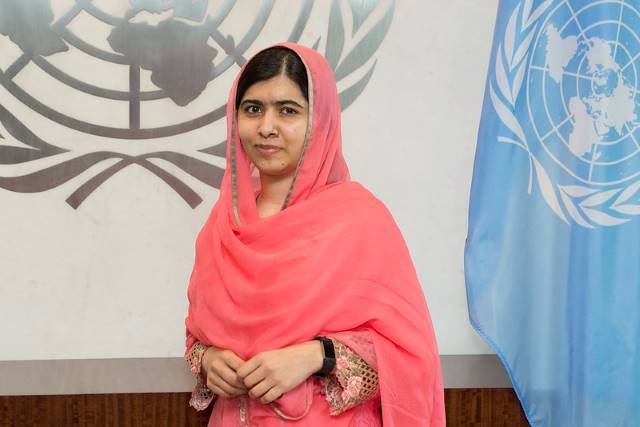
United Nations' Short Film On September 19, 2020, the United Nations broadcasted a 30-minute short film on its Youtube channel regarding global issues and extreme poverty. The film, entitled “Nations United: Urgent Solutions for Urgent Times,” includes many big-name celebrities such as Beyoncé and Malala Yousafzai. Julia Roberts hosts a podcast version of the show. As global progress has been slowed down due to COVID-19, the United Nations’ short film sets outs the actions needed to address global issues like extreme poverty, gender equality, human rights and climate change.

Expanding Reach Using YouTube

Since YouTube’s audience includes a large number of young people, the United Nations’ YouTube channel will reach those who are not accustomed to reading articles and press statements. The channel has more than 900,000 subscribers and includes a live stream of the U.N. headquarters where viewers can stay up-to-date with current issues and events.

The UN Short Film: Nations United

The United Nations’ short film focuses on actions necessary to create change and marks the 75th anniversary of the U.N. as well as the fifth anniversary of the Sustainable Development Goals (SDGs). Writer, director and SDG advocate, Richard Curtis, produced the film. It features a multitude of activists and humanitarian celebrities.

The film’s four chapters address climate, poverty and inequality, justice and human rights as well as gender equality. Working to expose the fractures in society and ways to remedy them, this film attempts to layout valuable solutions to the problems at hand. First-hand recordings of global issues allow viewers to gain a visual understanding of the challenges plaguing the world and the consequences of not taking action.

The U.N. Sustainable Development Goals act as guideline of global progress, setting out key issues, targets and potential solutions. The transition to renewable energy, the taxation of carbon and the halt of deforestation are some viable solutions the film points out. Additive performances by musical artists like Beyoncé amplify the main messages of the film.

Derailed Goals Due to COVID-19

The launch of the Sustainable Development Goals in September 2015 involved the commitment of 193 world leaders to 17 objectives in order to “end extreme poverty and hunger, fight inequality and injustice and tackle climate change by 2030.” These goals have been completely derailed since the introduction of the COVID-19 pandemic.

As the pandemic threatens global progress, the United Nations’ short film hopes to set out the actions needed to find viable solutions to address global issues and alleviate global poverty. The United Nations states that the film “will take audiences on a dynamic exploration of the times we live in, the multiple tipping points our planet faces and the interventions that could transform our world over the next 10 years.”

– Natalie Whitmeyer
Photo: Flickr

October 5, 2020
https://borgenproject.org/wp-content/uploads/borgen-project-logo.svg 0 0 Kim Thelwell https://borgenproject.org/wp-content/uploads/borgen-project-logo.svg Kim Thelwell2020-10-05 01:30:572021-03-05 02:17:38The United Nations’ Short Film on Global Issues
Food & Hunger, Food Security, Global Poverty, Sustainable Development Goals, Technology, United Nations

Youth Leader Innovations to Combat Global Food Security

Global Food SecurityThe global population has been growing exponentially in the last few decades as compared to earlier times in human history, given that 42% of the population is under the age of 25. With a rapidly growing population, global food security is threatened and it is expected that without major agricultural enhancement, there will not be enough food for future generations. By 2050, crop production must grow by 60-100% from 2005 levels in order to avoid this fate.
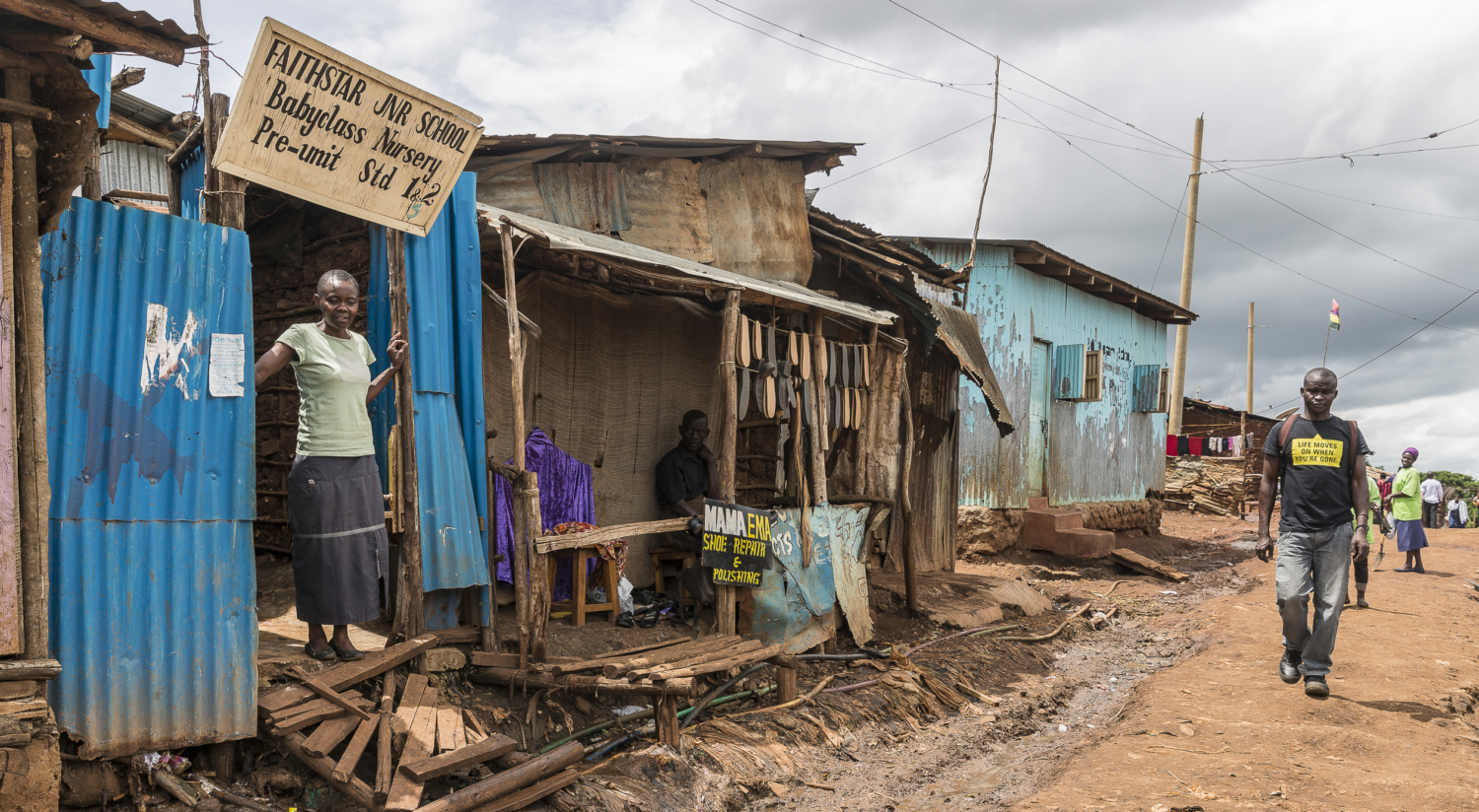
Youth hold the future of the global food system in their hands. There are many young people working to combat the global food security crisis in a way that puts sights on the future, not the present. Through scientific innovations, advocacy and more, these young men and women not only give hope for a world with less hunger but also vehemently encourage others to join them. Some examples of their work follow. 

Kiranjit Kaur: Kisan Mazdoor Khudkushi Peedit Parivar Committee

Kiranjit Kaur of India, a 23-year-old political science postgraduate student from Punjab state, is a pioneer in the fight against farmer suicide. Losing her own father to suicide spurred her to focus on community engagement to address the statistics of over 16,000 farmer suicides in India each year. With 39% of the employed population working in agriculture, success is important for the health and well-being of farming families.

Punjab was an agricultural haven during the Green Revolution, but since the 1990s, with increased land productivity and the cost of agriculture, loans have become a norm and financial stress has increased. Kaur motivates the women in her community to participate in a social campaign that focuses on mental health, mutual support and activism. As for now, she spends most of her time working with the group but plans to do a Ph.D. on farmer suicide in the future.

Craig Piggott: Halter

A New Zealand native, Craig Piggott dedicates his talents to agricultural innovations in herding and tracking cows. His invention involves a GPS-enabled and solar-powered collar for cows, Halter, which enables farmers to herd the animals remotely; using sounds and vibrations to both direct the cows and alert the farmers of any issues. Piggott developed the app through three years of testing, and a few dairy farmers in Waikato are eager to implement the technology within their own herds. With more testing and exposure, he hopes to extend the program nationally to aid New Zealand’s agricultural field.

This innovative app will save time and resources by decreasing the farmer’s workload and using grazing grass more efficiently, thanks to the virtual fences. Piggott’s company was founded in 2016 when he was 22-years-old and has grown to a current team of more than 40 scientists, engineers and other professionals.

Sophie Healy-Thow: Scaling Up Nutrition

Sophie Healy-Thow, a 20-year-old Irish college student, is a prominent European name in the rural development advocacy and global food security spaces. She and her team’s natural bacteria project won the BT Young Scientist Exhibition in 2013, and she was also named one of Time magazine’s Most Influential Teens. Healy-Thow also speaks out about calling leaders to action, and hopes for a time when young people are listened to and engaged instead of just getting a pat on the head.

Today she speaks at the U.N. conventions and TED talks and is part of a team developing a Kenyan project called Agrikua, which focuses on encouraging women’s involvement in agriculture, providing education and other support. After university, she plans to work for a charitable organization that helps women, inspired by her current involvement in ActionAid U.K.

Jefferson Kang’acha: The Eden Horticultural Club

Food security is not a new issue in 19-year-old Jefferson Kang’acha’s life in Kenya, and he works to grow tomatoes in order to protect the staple ingredient of many Kenyan households. Due to declining yields, the price of tomatoes has spiked to high prices that most Kenyan families cannot afford. In response, Kang’acha developed the hydroponic production of tomatoes, which grows the plants with no soil and in a controlled climate.

By founding the Eden Horticultural Club, he is able to provide tomatoes to his community, including schools and hospitals in the area. In the first few months alone, he was able to distribute 2.5 tons of tomatoes to more than 100 households. He hopes to one day use this process to assist global food security throughout Africa and beyond.

The Future of Global Food Security

The future of the agriculture industry is hard to predict, but the U.N. encourages youth participation and innovation to solve the problem. Goal 2 of the U.N.’s Sustainable Development Goals (2030 Agenda for Sustainable Development) seeks to “end hunger, achieve food security and improved nutrition and promote sustainable agriculture.” Vast problems require bold solutions, and these four young people are just the tip of the iceberg when it comes to innovators doing their part to protect global food security.

– Savannah Gardner
Photo: Pixabay

October 4, 2020
https://borgenproject.org/wp-content/uploads/borgen-project-logo.svg 0 0 Jennifer Philipp https://borgenproject.org/wp-content/uploads/borgen-project-logo.svg Jennifer Philipp2020-10-04 11:39:372024-05-30 07:52:23Youth Leader Innovations to Combat Global Food Security
Global Poverty, Slums, United Nations

The Housing Crisis in Sub-Saharan African Slums

Sub-Saharan African SlumsSub-Saharan Africa is experiencing a housing crisis. While around one billion people live in slums around the globe, 200 million of those live in sub-Saharan African slums. This number represents “61.7% of the region’s urban population,” making sub-Saharan Africa the highest in the world for urban poverty.

Sub-Saharan African Slums and Urban Poverty

Singumbe Muyeba, assistant professor of African Studies at the University of Denver, spoke with The Borgen Project about development intervention and sub-Saharan African slums. Muyeba’s expertise in these areas stems from his academic work but also from his work for the United Nations’ High Commission for Refugees and Development Program.

According to Muyeba, sub-Saharan African slums began when African countries gained independence from colonialist rule from the 1960s through the ‘80s. Since colonialists always reserved major cities for themselves, Africans everywhere migrated from rural to urban areas after independence. However, that meant infant governments had to keep up with increasing urban populations. They were unable to do so due to the skyrocketing rates of urbanization.

With housing rapidly diminishing as Africans moved into cities, they began settling onto common land, eventually creating the sprawling slums that still exist today. Even now, the sub-Saharan African urban population is annually growing at 4%. A projection from the U.N. reveals that “the world’s 10 fastest growing cities, between 2018 and 2035, will all be in Africa.” In addition, there is a backlog of 51 million housing units in Africa. The region’s supply of housing is “about nine years behind current demand,” according to Muyeba.

Slum Upgrading Programs

The World Bank has funded slum upgrading programs to combat rising urban poverty in sub-Saharan Africa. These programs assigned property rights and provided access to services in hopes to empower slum residents with their own land. However, as Muyeba explained, these programs were largely “self-help” models. The World Bank simply gave impoverished individuals property rights and no means to build their own housing.

Since “about 97% to 99% of people in sub-Saharan Africa do not have access to formal financing” that allows them to build or buy a home, people haphazardly build their own informal housing or remain in slums. Formal and sustainable housing only accounts for 10% of all urban African housing. While handing out free titles and property rights looks good on paper, this “slum upgrading” has not improved slums.

Ongoing Problems in Slums

While sub-Saharan Africa housing conditions improved by 11% from 2000-2015,  this improvement was “twice as likely in the wealthiest households” and “80% more likely among more educated households.” The reality is that 80-90% of Africans work in the informal sector, and the majority of people living in sub-Saharan African cities live in slums. Therefore, this housing improvement did not occur in the slums, which many people cannot escape.

George Compound, a slum in Lusaka, Zambia, serves as a perfect example of a poorly executed upgrade program. It is a major slum with 400,000 inhabitants, but it does not have adequate running water. The water it does have from makeshift wells is contaminated with nearby ground toilets.

In Muyeba’s opinion, government involvement is necessary to fix the African housing crisis. While he is not against privatization, he believes the neoliberal model is not working to improve sub-Saharan African slums.

Can Governments Fix the Housing Crisis?

However, even if African governments want to get involved in building housing, they cannot. This is because of the World Bank’s international economic rulings on aid and upgrade programs. “The system is set up in such a way that the World Bank advocates for less involvement of the government following the Structural Adjustment Programs implemented in the 80s and 90s,” stated Muyeba.

In order to receive aid through the World Bank’s structural adjustment programs, governments often have to delegate building to the private sector. However, the private sector cannot make a real profit from low-income housing because so many Africans and slum-dwellers are part of the informal sector. People in poverty cannot get mortgages because they lack access to credit or insurance. This prevents the private sector from serving poor Africans.

Muyeba firmly believes “there are wins everywhere” if governments (with the help of communities and the private sector) build housing. The construction sector can benefit from large-scale projects, while infrastructure creates jobs. Individuals in slums can focus their attention on making income rather than worrying about basic housing needs.

Muyeba offered Kenya as an example of combined state, private and community partnerships to combat urban poverty. Currently, the country has implemented its own kind of slum upgrading program in which the government builds housing and guarantees mortgages.

Organizations Helping People in Sub-Saharan African Slums

Outside organizations and NGOs are actively working to help housing poverty in sub-Saharan African slums. Habitat for Humanity completed a six-year program in 2018 called “Building Assets, Unlocking Access.” This program worked in Uganda and Kenya to offer technical help and “develop housing microfinance products and services.” Habitat for Humanity’s approach allowed Africans to progressively build their own housing, access small-scale loans and set up small payments.

More than 42,000 individuals accessed microfinance loans through the program, which impacted more than 210,000 people in total. In addition, 32.9% of loan recipients built entire houses for themselves and their families.

A report from the project found that recipients also upgraded their housing with improved roofing, walls, sanitation and electricity. Additionally, the program caused trickle-down effects in health. Fewer people reported common ailments like “sore throats, shortness of breath, itchy eyes, blocked noses, vomiting and rashes” due to healthier housing. The most improved group was children under six.

Hopefully, all African cities struggling with urban poverty can create domestic housing projects or find new, inventive ways to help the housing crisis. All in all, the solution to sub-Saharan African slums is housing. According to Muyeba, “It’s a no brainer.”

– Grace Ganz
Photo: Flickr

October 2, 2020
https://borgenproject.org/wp-content/uploads/borgen-project-logo.svg 0 0 Kim Thelwell https://borgenproject.org/wp-content/uploads/borgen-project-logo.svg Kim Thelwell2020-10-02 14:34:522020-10-02 14:34:52The Housing Crisis in Sub-Saharan African Slums
Global Poverty, United Nations

Coopera’s NGO Rehabilitation Combats Instability in the Congo

instability in the CongoThe Democratic Republic of Congo (DRC) remains one of the poorest countries in the world. Over the past decades, war, gender imbalances and lack of political development, as well as conservation issues, have contributed to the country’s vulnerability. Instability in the Congo has been a challenge, but citizens continue to strive for peace and security.
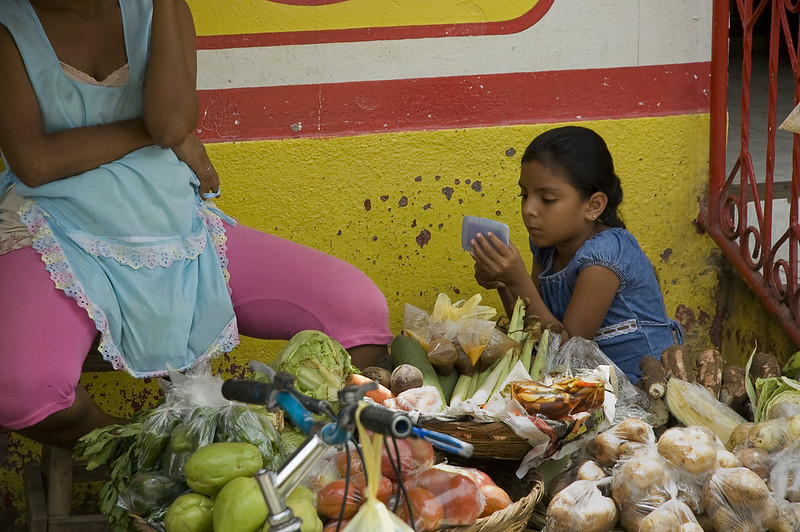
With a population of 84,068,091 in 2018, 50.1% of the Congo’s population are women, while 49.9% are men. The population has a nearly equal gender ratio, though women face significant challenges in gender equality. As in many developing countries, women are not respected equally and typically do not hold positions of power. In the Congo, beginning in 1996, sexual violence has been used as a war weapon to intimidate and control women during and after the war.

According to the U.N., women in the Congo suffer drastically from a lack of rights and increasing vulnerability during the rise of military operations in 2018. With cases and reports of sexual violence increasing by 34% in 2018, the need for change is apparent. The U.N. quickly addressed these issues, working with the Congolese government to negotiate for peace with the Patriotic Resistance Front of Ituri. This brought about a decrease in sexual abuse cases committed by such military groups. Though the issue remains, there was a reported 72% decrease in sexual abuse cases following the UN’s intervention.

Poverty and Poaching

A decrease in the Congo’s poverty line has also occurred over the past two decades, although according to the World Bank, 72% of the population remains under the poverty line, living on less than $1.90 a day. With more than half of the Congo’s citizens struggling to make ends meet, poaching is an increasingly significant issue. Conservation is particularly essential in developing countries in which biodiversity and wildlife create tourist attractions that provide crucial economic income. Much of the country’s wildlife, such as elephants and primates, are subject to dangerous conditions. Primates are particularly vulnerable to threats such as the bushmeat trade and the pet trade. These trades are directly linked to poverty and instability in the Congo. This is because the industry provides a source of income and food. Therefore, in order to end poaching, baseline levels of infrastructure, employment and socioeconomic stability must be attained. Until this happens, many conservation establishments, such as the Pan African Sanctuary Alliance (PASA), Kahuzi National Park and Lwiro Primates Rehabilitation Center are working to eliminate poaching and protect endangered wildlife.

Protection and Rehabilitation of Wildlife

Lwiro Primates Rehabilitation Center was established in 2002 by the Institut Congolais pour la Conservation de la Nature (ICCN) and the Centre de Recherche en Sciences Naturelles (CRSN). Following the establishment of Lwiro, Coopera NGO stepped up to support the center’s rehabilitation and educational practices. Lwiro gained the support of the Ivan Carter Wildlife Conservation Alliance (ICWCA) and the Mountain Gorilla Veterinary Project (MGVP). Two women now run Lwiro: Lorena Aguirre Cadarso works as the country director, and Itsaso Vélez del Burgo works as the technical director. These two women strive to ensure that Lwiro is actively addressing cultural and conservation issues in the Congo.

The fact that Lwiro is run by women is unusual, as women in the Congo have been subject to significant gender inequality for decades. They are breaking gender barriers while protecting at-risk wildlife and helping improve instability in the Congo.

Lwiro Primates Rehabilitation Center

Lwiro is home to 92 chimpanzees and 108 monkeys, adding up to a total of 13 different species. Rehabilitation and preservation of primates in the Congo mean saving the lives of the endangered animals, whether they have been injured due to poaching or other reasons. Typically young primates are brought to the center because their families have been taken from them and they will be unable to provide for themselves. Lwiro offers multiple dormitories for the chimpanzees and monkeys and includes a five-acre enclosure for the primates to play while the staff ensures that the dormitories are safe and clean. The rehabilitation of primates requires care and attention, just as the care of humans requires. Infant primates are treated with particular love and attention. Caretakers strive to teach social skills to primates that might have lost their families and would not otherwise be socialized. Lwiro’s mission is to ensure that resident animals acquire the necessary social skills for reintegration into wild chimpanzee communities after completing rehabilitation.

Sexual Abuse Treatment and Rehabilitation

Along with primate rehabilitation, Lwiro also offers rehabilitation and treatment for local sexual abuse victims. Sexual abuse is a pervasive issue in the Congo. The center provides treatment for victims ages 2 to 18 years old. Treatment can be modified to meet the needs of particular victims. According to Cadarso, the center helps “victims of sexual violence, victims of gender violence and widows.” The staff uses methods such as Tension and Trauma Release Exercises (TRE), meditation and prayer. Lwiro focuses specifically on survivors’ mental health. “You need to give psychological support that aims to provide the tools to resolve their trauma and skills to promote their resilience,” Cadarso stated. Lwiro has worked with nearly 350 victims and counting, most being women and children. The center also provides therapy for individuals for three months and three weeks. It reports an 85% patient improvement rate after treatment. Lwiro’s therapy offerings reveal that addressing instability in the Congo can start at the level of individual people.

A New Psychological Reference Center

Lwiro is expanding its center in 2020, starting a new project to build the first Psychological Reference Center (PCR). In the past, victims have not had a physical place to conduct their psychotherapy sessions. Therefore, this project will be massively impactful. Additionally, the Psychological Reference Center (PCR) will implement new practices such as training primary healthcare workers training to recognize mental disorders like PTSD, depression and anxiety. The second phase will provide similar training specialized for teachers, teaching “skills to recognize children with severe problems so they can be referred for more specialized treatment,” Cadarso states, and “providing listing resources available in their communities.” This initiative will enable individuals to recognize and assist those who are struggling physically and mentally. They will be able to determine proper care or treatment.

The project’s implementation and funding would not be possible without the support of many NGOs, such as the Jane Goodall Institute, the Ivan Carter Wildlife Foundation and more. To address instability in the Congo, multiple approaches are required, and Lwiro ensures that no person — or chimp — is left behind.

– Allison Lloyd
Photo: Flickr

October 1, 2020
https://borgenproject.org/wp-content/uploads/borgen-project-logo.svg 0 0 Kim Thelwell https://borgenproject.org/wp-content/uploads/borgen-project-logo.svg Kim Thelwell2020-10-01 12:59:092020-12-23 07:23:18Coopera’s NGO Rehabilitation Combats Instability in the Congo
Global Poverty, Hunger, Sustainable Development Goals, United Nations

Hunger in Grenada

hunger in grenadaGrenada is a small cluster of Caribbean islands, with the largest one being home to the country’s capital, St. George’s. Grenada has a population of about 112,500 people, making it one of the most sparsely populated countries in the world. Although Grenada is considered a middle-income country, 38% of its residents live below the poverty line, meaning that the number of people living in hunger is also a serious issue. Read on to learn about the past and present history of hunger in Grenada.

A Turbulent Past

After President Ronald Reagan ordered the 1983 U.S. invasion of Grenada, invading forces murdered Grenada’s leader along with 208 residents of the islands. Although those involved in the invasion were punished, the country’s difficult history continues. Grenada was one of the countries hit hardest by hurricanes Ivan (2004) and Emily (2005). Nearly 95% of all Grenada’s buildings were affected, which decimated the country’s annual GDP, thus putting Grenadians in a vulnerable situation. The impact of the hurricanes forced the government to shift its attention to rebuilding the country rather than tending to widespread hunger in Grenada.

By 2008, Grenada’s average growth rate had reached impressive levels considering the destruction it had endured. The country even began to see the emergence of a middle class. Despite these movements in the right direction, Grenada was one of the countries most likely to go into massive debt in 2012, mainly due to loan disputes with Thailand concerning the tourism industry.

Sustainable Development Goals

One of the most effective ways to evaluate hunger in Grenada is through the United Nations Sustainable Development Goals. Of the 17 goals, Grenada is only struggling with two. Although it is important to recognize the progress Grenada has made toward the 15 other goals, Grenada has made little progress toward completely eliminating hunger. The second goal, “Zero Hunger,” is in the worst shape out of all 17 goals currently. Without adequate funding or direction to help this goal, much of the country will continue to live in hunger.

Grenada’s struggles with goal 15, “Life on Land,” also contribute to its hunger problems. This goal deals with the degradation of habitats and biodiversity, which leads to an increased level of widespread hunger. Such intense degradation impacts the hunger situation because the destruction of habitats destroys fertile farmland as well. This inhibits Grenadians’ access to adequate food sources.

Combating the Issue

One promising United Nations initiative, the “Zero Hunger Challenge Initiative,” works toward the second Sustainable Development Goal. The Ministry of Agriculture, Land, Forestry, Fisheries and Environment began this initiative in 2013. By 2015, the Food and Agriculture Organization had given $11,308,00 to significantly diminish hunger in Grenada. The Zero Hunger Challenge Initiative worked to improve economic diversification across the workforce, implement school feeding programs and collaborate with neighboring islands to accomplish a mutually beneficial outcome. Although this program helped hunger in Grenada, it ended in 2019, and the U.N. has collected almost no data since the end of the program to determine how successful it was. Hunger in Grenada therefore likely remains a problem.

– Natalie Tarbox
Photo: Flickr

September 25, 2020
https://borgenproject.org/wp-content/uploads/borgen-project-logo.svg 0 0 Borgen Project https://borgenproject.org/wp-content/uploads/borgen-project-logo.svg Borgen Project2020-09-25 07:24:542024-05-28 00:02:23Hunger in Grenada
Global Poverty, Sustainable Development Goals, United Nations

4 Facts About Updates on SDG Goal 3 in El Salvador

updates on SDG Goal 3 in El Salvador
El Salvador is the smallest country in Central America, with a population of about 6.3 million people. Compared to every country around the globe participating in the United Nations’ Sustainable Development Goals program, El Salvador ranks relatively high. The Sustainable Development Goals, or SDGs, are 17 goals that the United Nations established in order to create a better world for citizens around the globe. All 17 goals interconnect to ensure that the goals fully account for all persons worldwide. The U.N. gives each country a numerical score out of 100 that evaluates how close it is to achieving all 17 SDGs. El Salvador has a score of 69.62 and ranks 77th out of 193 countries. Specifically, there have been many updates on SDG Goal 3 in El Salvador.

Goal 3 focuses on good health and well-being. This goal in El Salvador is increasingly important due to the ongoing COVID-19 pandemic. Prior to the pandemic, the U.N. had been seeing great strides in improving the health and well-being of people worldwide. SDG Goal 3 primarily focuses on reducing maternal mortality rates, providing universal care and ending epidemics with high mortality rates. Here are four updates on SDG Goal 3 in El Salvador.

4 Updates on SDG Goal 3 in El Salvador

  1.  There is room for improvement. While El Salvador has made significant progress toward achieving Goal 3, the country has more to accomplish. Specifically, the number of deaths related to tuberculosis in El Salvador has increased to 70 people per 100,000. The number of traffic deaths has also increased to 22 people per 100,000 people. Meanwhile, the adolescent fertility rate, however, has slightly decreased to approximately 69 people per 100,000.
  2. The maternal mortality rate has decreased. The U.N. measures maternal mortality rates as the number of women aged 15-49 who die as a result of pregnancy complications. This statistic reached its peak in El Salvador in 2001, with 75 deaths per 100,000 live births. After 2001, this number decreased, reaching its lowest point in 2017, with 46 deaths per 100,000 live births. The decrease in the maternal mortality rate is most likely due to increased hospital coverage in El Salvador. The majority of newborn babies are now born in a hospital and are able to receive their first checkups. This brings SDG 3 in El Salvador closer to reality.
  3. New HIV infections have decreased. In the past, HIV rates were on the rise in El Salvador. Mothers would transmit the disease to their children, and there was a lack of sexual education, which resulted in the high transmission of HIV. With time, however, people have begun to normalize the topic of HIV and its dangers. Specifically, a woman named Angélica Méndez started a program in her community to start conversations about the dangers of HIV and how to prevent it. With programs like these all across El Salvador, HIV infection rates have dropped from a peak of 43,000 people in 2000 to 11,000 people in 2018.
  4. El Salvador has seen an increase in overall well-being. Annually, citizens of El Salvador rate their overall well-being on a scale of zero to 10, with zero being the worst possible life and 10 being the best possible life. The average well-being has fluctuated over the years but currently stands at 7.6. Previously, the average was at its lowest at 4.74 in 2011. The average well-being has most likely risen due to the increase in sex education and greater hospital accessibility.

The SDGs are an effective way of providing step-by-step approaches for different countries to provide the best health and safety for their citizens, and El Salvador is no exception. The country has been working consistently to improve the health and well-being of its citizens. Though there are some areas in need of improvement, these updates on SDG 3 in El Salvador make it clear why the country ranks relatively high in comparison to others. With time and further assistance, El Salvador can fully attain SDG Goal 3.

– Alondra Belford
Photo: Flickr

September 23, 2020
https://borgenproject.org/wp-content/uploads/borgen-project-logo.svg 0 0 Kim Thelwell https://borgenproject.org/wp-content/uploads/borgen-project-logo.svg Kim Thelwell2020-09-23 07:30:072024-06-07 05:08:064 Facts About Updates on SDG Goal 3 in El Salvador
Global Poverty, United Nations

8 Organizations Helping After the Explosion in Beirut

explosion in BeirutOrganizations all over the world have come together to provide aid after the explosion in Beirut, which killed over 200 citizens on Aug. 4. Medical emergencies, homelessness and food insecurity were all matters of immediate importance identified by these various organizations. Listed below are eight of those organizations as well as information on what they have done to help.

Organizations Helping Lebanon

  1. The British Red Cross created an emergency fund for medical assistance for those affected by the blast. Working with the Lebanese Red Cross, the organization provided immediate medical care to those in need. This critical medical care includes anything from the treatment of potentially lethal injuries to the mental health care needed to cope with the loss of a loved one.
  2. The United Nations’ World Food Programme has focused on providing food to people in Beirut. According to the U.N., the blast not only destroyed grain stores at the port but also threatens future food security, as most of Lebanon’s food comes through the Beirut port. This has only exacerbated an already existing food insecurity problem in the country. In response, the U.N. has sought to distribute 150,000 parcels of food to citizens.
  3. Humanity and Inclusion, an American NGO, sent 100 members to lead critical rehabilitation services. Though the explosion damaged the organization’s Beirut offices, none of its members were injured. The organization sent 100 members to lead critical rehabilitation services, going straight to work providing care for others.
  4. Islamic Relief USA, an organization that provides disaster relief and development aid, has been working in Lebanon since 2006. Accordingly, the organization was quick to react to the explosion. It sought to create supply chains for emergency aid that will have long-lasting effects.
  5. After the explosion in Beirut, UNICEF sent members on the ground to assist with distributing medical supplies and helping first responders. It also handed out items such as blankets and hygiene kits to those in need. UNICEF has estimated, however, that it will need $47 million to properly assist the citizens affected by the blast.
  6. Project HOPE has focused on communicating with health officials to distribute medical supplies. The organization has four emergency health kits that volunteers will disperse, with each kit capable of providing support for 10,000 people. Project HOPE aims to give out even more supplies to those affected by the explosion in the future.
  7. In the aftermath of the explosion in Beirut, Save the Children reported that approximately 80,000 children were displaced. The children’s hospital was also destroyed. Last year, the organization was able to help 85,000 children in Lebanon. In the wake of the explosion, it has teams ready to aid efforts for emergency medical relief.
  8. The International Rescue Committee has provided funds to local organizations in Beirut, focusing on the need for emergency psychological care. According to the organization, 150,000 women and girls were displaced by the blast. Accordingly, the International Rescue Committee has also assisted with cash aid to those affected, to prevent possible abuse and exploitation.

Emergency aid after the explosion in Beirut has become a primary focus of each of these organizations as well as many more. As the coronavirus continues to spread throughout the world, it is even more critical that citizens of Lebanon get the help they need as quickly as possible.

– Aradia Webb
Photo: Flickr

September 22, 2020
https://borgenproject.org/wp-content/uploads/borgen-project-logo.svg 0 0 Kim Thelwell https://borgenproject.org/wp-content/uploads/borgen-project-logo.svg Kim Thelwell2020-09-22 15:20:312020-09-22 15:20:318 Organizations Helping After the Explosion in Beirut
Page 6 of 35«‹45678›»

Get Smarter

  • Global Poverty 101
  • Global Poverty… The Good News
  • Global Poverty & U.S. Jobs
  • Global Poverty and National Security
  • Innovative Solutions to Poverty
  • Global Poverty & Aid FAQ’s
Search Search

Take Action

  • Call Congress
  • Email Congress
  • Donate
  • 30 Ways to Help
  • Volunteer Ops
  • Internships
  • Courses & Certificates
  • The Podcast
Borgen Project

“The Borgen Project is an incredible nonprofit organization that is addressing poverty and hunger and working towards ending them.”

-The Huffington Post

Inside The Borgen Project

  • Contact
  • About
  • Financials
  • President
  • Board of Directors
  • Board of Advisors

International Links

  • UK Email Parliament
  • UK Donate
  • Canada Email Parliament

Get Smarter

  • Global Poverty 101
  • Global Poverty… The Good News
  • Global Poverty & U.S. Jobs
  • Global Poverty and National Security
  • Innovative Solutions to Poverty
  • Global Poverty & Aid FAQ’s

Ways to Help

  • Call Congress
  • Email Congress
  • Donate
  • 30 Ways to Help
  • Volunteer Ops
  • Internships
  • Courses & Certificates
  • The Podcast
Scroll to top Scroll to top Scroll to top