El Salvador is the smallest country in Central America, with a population of about 6.3 million people. Compared to every country around the globe participating in the United Nations’ Sustainable Development Goals program, El Salvador ranks relatively high. The Sustainable Development Goals, or SDGs, are 17 goals that the United Nations established in order to create a better world for citizens around the globe. All 17 goals interconnect to ensure that the goals fully account for all persons worldwide. The U.N. gives each country a numerical score out of 100 that evaluates how close it is to achieving all 17 SDGs. El Salvador has a score of 69.62 and ranks 77th out of 193 countries. Specifically, there have been many updates on SDG Goal 3 in El Salvador.
Goal 3 focuses on good health and well-being. This goal in El Salvador is increasingly important due to the ongoing COVID-19 pandemic. Prior to the pandemic, the U.N. had been seeing great strides in improving the health and well-being of people worldwide. SDG Goal 3 primarily focuses on reducing maternal mortality rates, providing universal care and ending epidemics with high mortality rates. Here are four updates on SDG Goal 3 in El Salvador.
4 Updates on SDG Goal 3 in El Salvador
- There is room for improvement. While El Salvador has made significant progress toward achieving Goal 3, the country has more to accomplish. Specifically, the number of deaths related to tuberculosis in El Salvador has increased to 70 people per 100,000. The number of traffic deaths has also increased to 22 people per 100,000 people. Meanwhile, the adolescent fertility rate, however, has slightly decreased to approximately 69 people per 100,000.
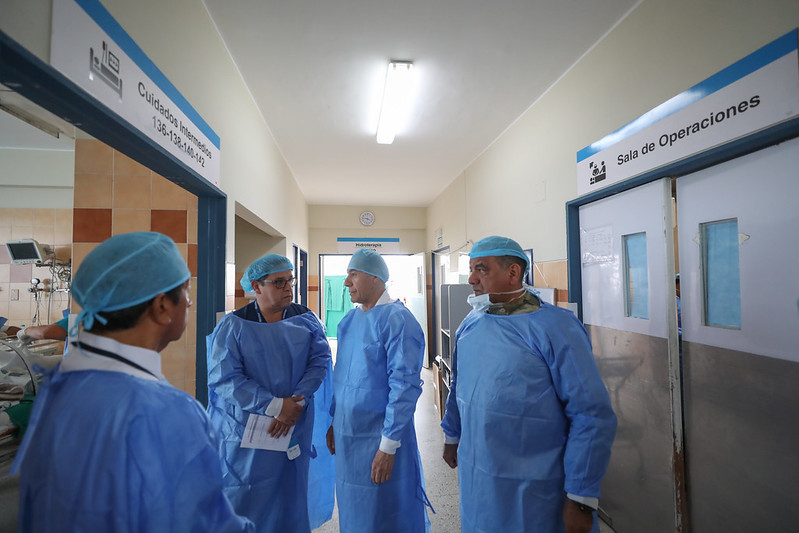
- The maternal mortality rate has decreased. The U.N. measures maternal mortality rates as the number of women aged 15-49 who die as a result of pregnancy complications. This statistic reached its peak in El Salvador in 2001, with 75 deaths per 100,000 live births. After 2001, this number decreased, reaching its lowest point in 2017, with 46 deaths per 100,000 live births. The decrease in the maternal mortality rate is most likely due to increased hospital coverage in El Salvador. The majority of newborn babies are now born in a hospital and are able to receive their first checkups. This brings SDG 3 in El Salvador closer to reality.
- New HIV infections have decreased. In the past, HIV rates were on the rise in El Salvador. Mothers would transmit the disease to their children, and there was a lack of sexual education, which resulted in the high transmission of HIV. With time, however, people have begun to normalize the topic of HIV and its dangers. Specifically, a woman named Angélica Méndez started a program in her community to start conversations about the dangers of HIV and how to prevent it. With programs like these all across El Salvador, HIV infection rates have dropped from a peak of 43,000 people in 2000 to 11,000 people in 2018.
- El Salvador has seen an increase in overall well-being. Annually, citizens of El Salvador rate their overall well-being on a scale of zero to 10, with zero being the worst possible life and 10 being the best possible life. The average well-being has fluctuated over the years but currently stands at 7.6. Previously, the average was at its lowest at 4.74 in 2011. The average well-being has most likely risen due to the increase in sex education and greater hospital accessibility.
The SDGs are an effective way of providing step-by-step approaches for different countries to provide the best health and safety for their citizens, and El Salvador is no exception. The country has been working consistently to improve the health and well-being of its citizens. Though there are some areas in need of improvement, these updates on SDG 3 in El Salvador make it clear why the country ranks relatively high in comparison to others. With time and further assistance, El Salvador can fully attain SDG Goal 3.
– Alondra Belford
Photo: Flickr
 Organizations all over the world have come together to
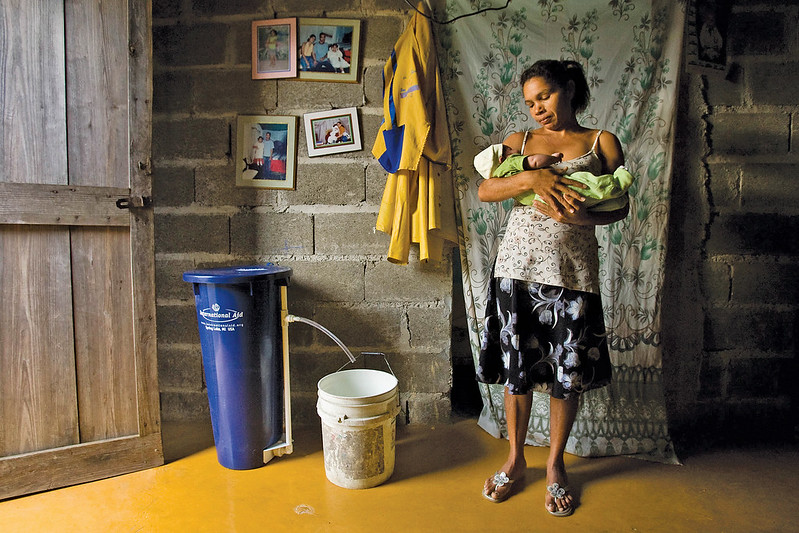 According to the Sustainable Development Report, the Dominican Republic is making good progress on eradicating poverty. This is the first of the U.N.’s Sustainable Development Goals (SDGs). The report states that 0.2 million Dominicans live under the poverty line of $1.90 a day, which is approximately 111 Dominican Pesos (DOM). This is an improvement from 2014, when 4.3 million Dominicans were making less than 111 DOM a day. Though the U.N. considers the Dominican Republic to have completed this goal, challenges remain for its second part. This would require the country to have every working Dominican earn more than $3.30 per day, which equals 187 DOM. Here are some important updates on SDG Goal 1 in the Dominican Republic.
 During the U.N. Summit for 2015, world leaders decided on 17 goals that they would like to track around the world. These goals would help motivate changes for a better future and identify where these changes were most needed. Titled, the
  Science, technology and innovation
  One billion people, or over 15% of the world’s population, have some form of
  Peru is the ninth largest global producer of coffee and the world’s third-largest producer of organic coffee. However, inefficient farming techniques and unsustainable agricultural practices have
  Flooding in Cameroon is common during the rainy season, greatly impacting the northern regions. In recent years,
 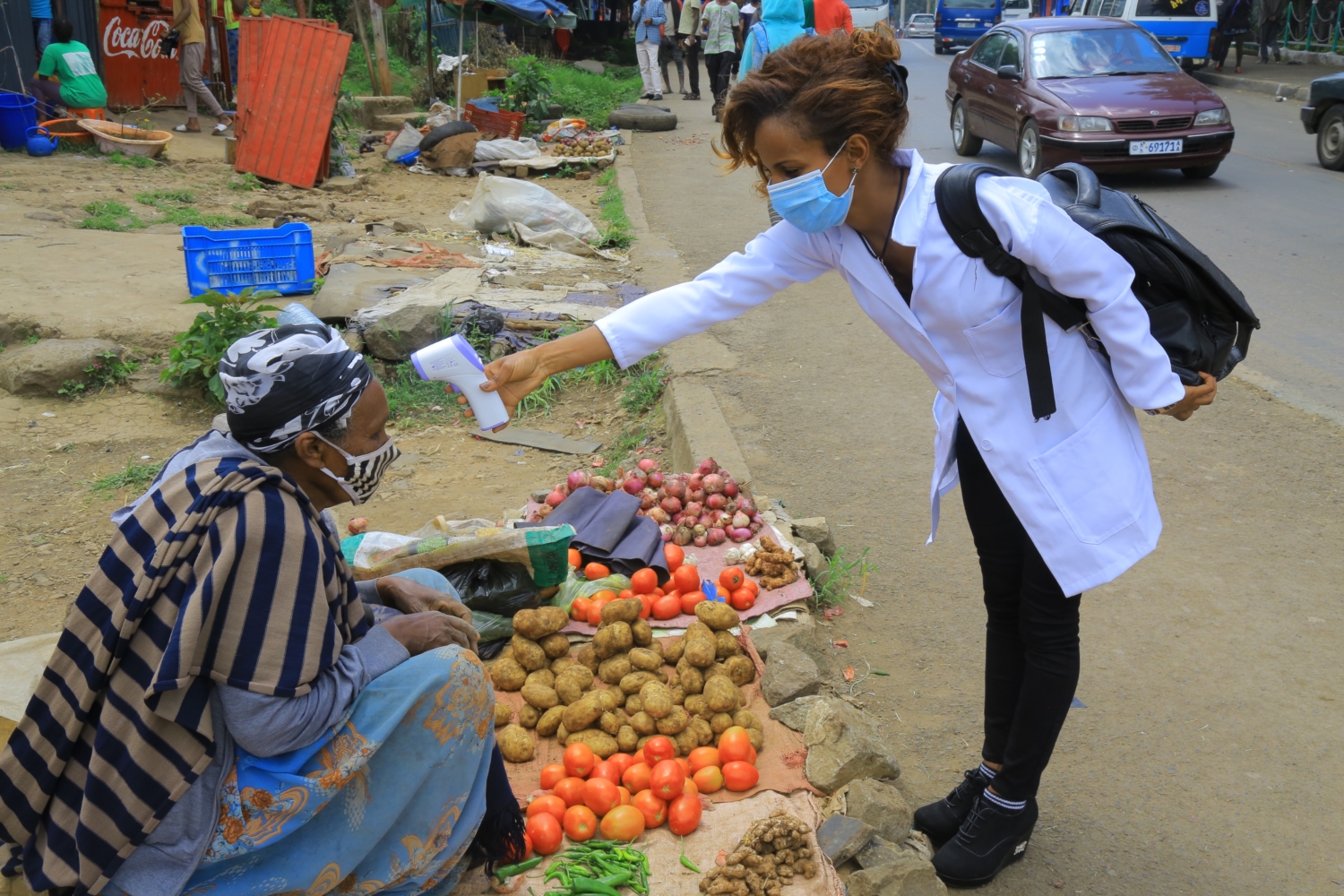 On a world map of the distribution of COVID-19 cases, the situation looks pretty optimistic for Africa. While parts of Europe, Asia and the United States are shaded by dark colors that implicate a higher infection rate,