• Link to X
  • Link to Facebook
  • Link to Instagram
  • Link to TikTok
  • Link to Youtube
  • About
    • About Us
      • President
      • Board of Directors
      • Board of Advisors
      • Financials
      • Our Methodology
      • Success Tracker
      • Contact
  • Act Now
    • 30 Ways to Help
      • Email Congress
      • Call Congress
      • Volunteer
      • Courses & Certificates
      • Be a Donor
    • Internships
      • In-Office Internships
      • Remote Internships
    • Legislation
      • Politics 101
  • The Blog
  • The Podcast
  • Magazine
  • Donate
  • Click to open the search input field Click to open the search input field Search
  • Menu Menu

Archive for category: United Nations

Information and stories about United Nations.

Gender Equality, Global Poverty, United Nations

Realizing UNSCR 1325: Men as Partners to Female Peacekeepers

Female Peacekeepers
Major social change starts with a shift in mentality, support from the top, persistence and structure. That is why male allies are key to the full realization of the United Nations Security Council Resolution 1325. Without support and encouragement from male leaders, which are often lacking, women will be harder pressed to participate in important political decisions. Women cannot make this change on their own, and neither can men– thus, the solution lies in working together, with men as partners.

United Nations Security Council Resolution 1325

UNSCR 1325 is a landmark resolution that was adopted by a unanimous vote on October 31, 2000. The resolution stresses the importance of female peacekeepers in the prevention and resolution of conflicts, the humanitarian response in war zones or impoverished areas, peace negotiations, and post-conflict civil reconstruction. This resolution brings to light the urgency of providing women a seat at the political table and calls on everyone to protect women and girls from gender-based violence.

The Positive Effects of Female Leadership

Women’s leadership is essential in ensuring long-lasting peace and conflict resolution. In fact, studies show that the probability of a peace agreement lasting 15 years goes up by 35% when women participate in its creation. Additionally, there are more agreement provisions for political reform and gender provisions in peace agreements signed by women. Typical peace agreements often do not address gender equality: in fact, of the 1,789 agreements made between 1990 and 2018, only 353 included provisions that address women, girls, or gender whatsoever. Thus, women’s involvement in these agreements could be crucial in addressing more social and gender inequalities.

Female Peacekeepers

Women are vital in peacekeeping. They are necessary in every role, from monitoring human rights to political reconciliation to operational analysis. Women are often first responders during or after conflict and are fundamental in helping to repair devastated economies. Why, then, are they still not totally equal when it comes to political roles in maintaining peace and security? How can this problem be resolved?

The Importance of Men as Partners

One important strategy is to mobilize men. Men acting as partners to women in issues of peace, conflict, reconciliation, and post-conflict reconstruction is essential to closing this gender gap, as men currently have more seats at the political table. Our Secure Future, a nonprofit dedicated to this strategy, is taking the necessary steps to build this partnership in an effort to fully realize the potential of UNSCR 1325.  Their project, Mobilizing Men as Partners for Women, Peace and Security, began in 2018 in the U.N. Commission on the Status of Women. It engages global figures who agree that men must be a part of the solution in the full realization of the 1325 agenda. The project has drafted a Charter and call to action to encourage the full implementation of UNSCR 1325, along with the US Women, Peace and Security Act of 2017. This partnership of men and women will help ensure that women are equally engaged as leaders, planners, and peacekeepers in post-conflict societies.

There is still much work to be done, but the increasing trend of male support for UNSCR 1325 is certainly a step in the right direction. Tackling big issues like gender-based violence and post-conflict reconstruction are not easy feats. They require strong leaders and peacekeepers. They also require both male and female perspectives for optimal success, so conflict-ridden societies cannot prosper until the political playing field is as equal as possible.

– Rochelle Gluzman
Photo: Flickr

August 22, 2020
https://borgenproject.org/wp-content/uploads/borgen-project-logo.svg 0 0 Kim Thelwell https://borgenproject.org/wp-content/uploads/borgen-project-logo.svg Kim Thelwell2020-08-22 07:30:242020-08-22 06:10:51Realizing UNSCR 1325: Men as Partners to Female Peacekeepers
Development, Global Poverty, United Nations, Women & Children

U.N. Supports Aid for Women and Girls

Aid for Women and Girls
A recent hearing at the United Nations Human Rights Council illuminated the impact of COVID-19 and general global health emergencies on women and girls in impoverished communities, calling for increased aid for women and girls by the U.N.

How COVID-19 Impacts Women and Girls

The U.N. Deputy High Commissioner for Human Rights, Nada Al-Nashif, made a statement to the U.N. Council for Human Rights on the consequences of the global COVID-19 pandemic for women and girls stating, “experience demonstrates that insecurity and displacement fuel increases in sexual and gender-based violence, as well as other crimes and human rights violations.”

Testimonies like those shared by the U.N. News Podcast The Lid is On elaborate on the implications of COVID-19. One episode features a Ugandan activist named Zahara who reports that, in addition to increased rates of violence, rural women are currently suffering limited access to education, medical care and community support due to the pandemic.

The Deputy High Commissioner stresses that the situation for many women in poor communities is already critical. She notes that high rates of teen pregnancy, inadequate access to education and high rates of sexual violence in countries like Myanmar and South Sudan have only been exacerbated by the global COVID-19 outbreak. As a result, Al-Nashif called for greater legislation to provide judicial protection and increased aid for women and girls in vulnerable circumstances now and in the future.

Supporting Women through US Legislation

Like Al-Nashif, many members of Congress are pushing for increased aid for women and girls abroad. In addition to legislation providing international COVID-19 relief, bills are aiming to create long-term solutions to the challenges faced by women and girls. For instance, the Keeping Girls in School Act — recently passed in the House of Representatives and introduced in the Senate — would permit USAID to allocate funds specifically to confront “societal, cultural, health, and other barriers” that prevent girls from receiving a quality secondary education in foreign countries.

Similarly, the Girls’ Leadership, Engagement, Agency, and Development Act (Girls’ LEAD Act) — introduced in the Senate in October 2019 —seeks to create opportunities to gain experience in leadership and government through USAID. By expanding programs and aid for girls abroad, supporters of the bill hope to cultivate communities where women in leadership lift women and girls from positions of vulnerability to voices for societal change.

Looking Ahead

The U.N. has made it clear that women and girls in impoverished communities around the world suffer disproportionately during emergencies like the current COVID-19 outbreak. As such, international organizations firmly believe that increased foreign aid is critical. Legislation like the Keeping Girls in School Act and the Girls’ LEAD Act would support long-term assistance to prevent women and girls abroad from these vulnerabilities not just in times of crisis, but in everyday life.

– Courtney Bergsieker
Photo: Flickr

August 20, 2020
https://borgenproject.org/wp-content/uploads/borgen-project-logo.svg 0 0 Kim Thelwell https://borgenproject.org/wp-content/uploads/borgen-project-logo.svg Kim Thelwell2020-08-20 18:45:002020-08-21 14:31:51U.N. Supports Aid for Women and Girls
Global Poverty, Refugees, Refugees and Displaced Persons, Technology, United Nations

How a Website Has Helped Refugees During the Pandemic

signpostAs of last year, there were almost 80 million “forcibly displaced people worldwide.” This figure includes refugees, asylum-seekers and others. As refugee communities are in crucial need of proper medical aid to withstand the COVID-19 pandemic, global powers are devising plans to help them. During the early stages of worldwide lockdown, the United Nations High Commissioner for Refugees (UNHCR) proposed a $33 million pandemic-response plan for improving refugee settlements. Objectives include increasing health service availability, spreading reliable and medical-oriented information throughout refugee communities and implementing efficient surveillance systems. 

Although these efforts were a step in the right direction, they are not enough to assist every displaced refugee in the world. Groups like the United Nations (UN) and World Health Organization (WHO) are certainly championing refugees’ needs. However, it does not take a global superpower to make a positive impact on refugee communities; one website has helped refugees during the pandemic through access to information.

Impact of COVID-19 Pandemic on Refugees

COVID-19 has impacted refugees and other forcibly displaced people in three major ways:

  • Health: Constantly sanitizing, maintaining social distance and obtaining medical information are luxuries that many refugees do not have access to. As such, a refugee’s health is in constant jeopardy.
  • Income: Refugees working in informal jobs are likely to have been laid off due to the pandemic, and losing work means losing the only financial safety net for a refugee.
  • Protection: Hostile xenophobic and racist sentiments have been directed at asylum-seekers during the pandemic, which makes those seeking refuge in foreign countries targets for violence.

While these three obstacles are preventing many refugees from securing safety, they can be solved with one essential tool—information. Reliable information regarding health, income and protection can help many refugees.

Signpost as Virtual Back-up

Signpost is a non-governmental organization (NGO) and a virtual project that utilizes digital platforms to spread critical information throughout vulnerable communities. The organization has made a large impression since its founding in 2015. It has positively impacted almost two million people. Signpost has effectively helped and communicated with people across eight different countries, which demands fluency in several languages. Accurately conveying information regarding public health services and other needs to refugees using their native tongue has saved thousands of lives.

Everywhere, refugees are struggling to find trustworthy information about COVID-19. In response, Signpost has been reaching out and providing valuable, potentially life-saving, information to refugees. In particular, Signpost has supported the most vulnerable communities in countries like Greece, Italy, El Salvador and Honduras.

  • Signpost in Greece: Signpost has developed an app that has numerous services listed for refugee use such as medical services, transportation and housing. Also, the organization is scheduled to put out a website for current COVID-19 information throughout the country.
  • Signpost in Italy: The organization has given asylum-seekers information about essential services through Facebook, an established panel where users could ask questions and share key information regarding COVID-19. In Italy, Signpost focused specifically on informing refugees about Italy’s healthcare services and policies.
  • Signpost in El Salvador and Honduras: Signpost developed CuentaNos. It is a virtual platform that not only provides vulnerable people with information about housing or protective services, but also about COVID-19 and locations for medical assistance. Signpost also bundled its online resources efficiently to allow refugees accessibility through WhatsApp.

Everyone has been affected by the pandemic, but asylum-seekers and refugee communities are especially disadvantaged since they are displaced from their home country. Signpost, a website, has helped refugees by providing access to important information about dealing with COVID-19. Although Signpost is just one example, technology-based organizations are mobilizing to provide some type of digital support for refugees. Whether help comes via the Internet or in-person, any outstretched hand toward refugees anywhere is a glimmering sign of hope for a better future.

– Maxwell Karibian
Photo: Flickr

July 29, 2020
https://borgenproject.org/wp-content/uploads/borgen-project-logo.svg 0 0 Kim Thelwell https://borgenproject.org/wp-content/uploads/borgen-project-logo.svg Kim Thelwell2020-07-29 19:00:542024-05-29 23:18:24How a Website Has Helped Refugees During the Pandemic
Global Poverty, Technology, United Nations

Using Geospatial Mapping Technology for Social Good

Villagers set out to fish in the coastal areas. Ending poverty in all its forms is the first of the United Nations’ 17 Sustainable Development Goals for 2030. Although the initiative has achieved progress toward decreasing the number of people living in extreme poverty, there are still parts of the world lagging behind. This is the case for many isolated and rural regions. Recent innovations in geospatial mapping technology can improve the ability to locate, understand and help these communities.

Geospatial Mapping Technology Contest

The American Geographical Society’s innovational contest, The EthicalGEO Challenge, is creating a dialogue around the ethics of geospatial mapping technology. The initiative calls for participants to enter a three-minute video proposal detailing their idea for a mapping tool that will promote social good.

Seven winners were selected in 2019 for a $7,500 fellowship prize to help them launch their respective projects, which will use location data and geospatial mapping technology to empower vulnerable communities in a variety of ways.

Several fellows’ projects will use mapping technology to tackle social justice challenges — for example, land rights and expulsion in a Tanzania community, exploitation of public health data or environmental protection and sustainability. Another fellow chose to take a more direct approach in addressing ethics by developing a video toolbox that can be used to teach geo-privacy in classrooms. Through their wide range of ideas, the contest winners are shedding light on the versatility and adaptability of geospatial mapping technology.

Geospatial Mapping in Rural Fishing Villages

Fellowship winner Dr. Alfredo Giron-Nava, a Postdoctoral Research Scholar at the University of California, Santa Barbara, is focusing on using geospatial mapping technology to empower small-scale fishing villages.

These coastal regions are often classified as vulnerable because of their high dependency on a single commodity, and can face overexploitation if they lack sustainable fishing methods. Additionally, their reliance on natural resources makes fisheries sensitive to the effects of climate change, which have become more distinct in recent years. Fishing is a critical need but endangered the economic sector in many regions including South Asia, Central America and Mexico’s Gulf of California where nearly 80% of the population experiences poverty.

Giron-Nava proposed a plan to create the first global map on the prevalence of poverty in fishing villages around the world. The mapping initiative is aimed at better understanding the demographics and locations of these fishing communities, particularly those in developing regions where fisheries are essential to the economy.

  • The first phase of the project focuses on understanding living conditions and wages in fishing villages in different regions, using publicly available information from databases and agencies such as the United Nations’ Food and Agriculture Organization.
  • In the second phase of the project, this regional data will be compared against each country’s national poverty line, which is characterized by factors such as access to food, housing, adequate sanitation, health services, and education. These findings will be used to create a more detailed, subnational map showing which areas are comparatively experiencing the highest rates of poverty.

Contextualizing data on poverty levels by country is important because it allows for the development of specific poverty reduction strategies that match the social, cultural and economic context of each community.

Information gathered by innovative technologies creates a new lens for the development of social justice policies. A crucial first step to eradicating poverty is understanding the distribution and concentration of those whom it affects. By addressing these key issues in a responsible and ethical manner, geospatial mapping technology has the potential to be a powerful tool for ending poverty in rural and isolated areas.

–  Sylvie Antal
Photo: Flickr

July 23, 2020
https://borgenproject.org/wp-content/uploads/borgen-project-logo.svg 0 0 Jennifer Philipp https://borgenproject.org/wp-content/uploads/borgen-project-logo.svg Jennifer Philipp2020-07-23 15:34:592024-12-13 18:02:05Using Geospatial Mapping Technology for Social Good
Global Poverty, Technology, United Nations

6 Ways Technology is Helping Reduce the Burden of COVID-19

Burden of COVIDThe most recent pandemic has wreaked havoc on countries all over the world and has stagnated, or even reversed progress in many developing communities. While officials have been trying to reduce the number of cases worldwide, there have also been many tech developments that help alleviate the burden of COVID-19. Various apps and websites allow us to spread information, contact-trace and even enforce quarantine.
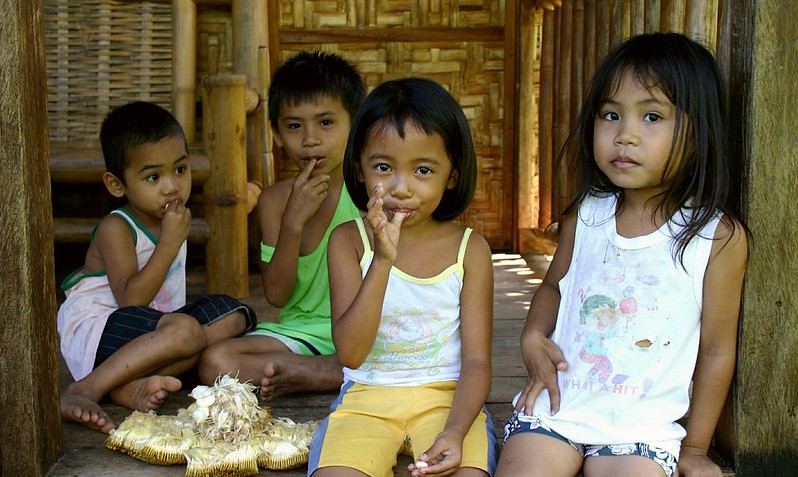
6 Ways Technology Helps Alleviate the Burden of COVID-19

  1. Afghanistan- Without proper guidance, misinformation can spread like wildfire and can be deadly. For this reason, the Ministry of Public Health joined forces with the Ministry of Telecommunications and Information Technology to create software that provides health information to Afghani citizens. Corona.asan.gov.af translates virus updates and information into three different languages, making it easily accessible for all people.
  2. Bulgaria- Local IT developers created a free app that connects citizens to health authorities to help ease the burden of COVID-19. Users verify their identity and can input various symptoms they are experiencing. A doctor will then review their symptoms and decide whether or not to send the patient to the closest medical facility for treatment. In addition to this, the app also can predict the future growth and spread of the virus. The developers are also willing to sell the software to other countries for a symbolic one euro.
  3. Germany- A Berlin-based tech startup created an initiative that would work on Android devices in developing countries throughout South America and North Africa. The project, called #AppsFightCovid would display health information on popup ads that already exist on different apps. The ads take info from the WHO website and advocate for frequent hand washing and wearing a mask in public. Because of these efforts, underdeveloped communities now have access to important COVID-19 information.
  4. Mexico- The Mexico City government created a screening service that determines how likely a user is to contract the coronavirus. The website also features a map that displays the closest hospitals and how much space is available in each of them. People can also filter the map based on whether they need a general care bed or a ventilator bed. In addition, users can input their symptoms and determine whether or not they require hospitalization. This helps alleviate the burden of COVID by reducing the number of unnecessary hospital patients during a global pandemic.
  5. United Nations- It is extremely difficult to get access to personal protective equipment and accurate information, especially for developing countries. Because of this, the U.N. partnered with the WHO and launched the Tech Access Partnership or TAP. This initiative helps reduce the burden of COVID by connecting expert manufacturers with developing manufacturers in poorer countries all over the world to share resources, knowledge and technical expertise. TAP will also aid countries in creating affordable and safe technology.
  6. Argentina- In hopes of reducing the number of coronavirus cases, a company is looking into enforcing quarantining and social distancing through a tracking app, though it is not yet operational. This would be a way to prevent the spread of COVID since the app would send an alert each time a person leaves their home. In addition, the Argentinian Ministry of Health created an application that allows people to evaluate their symptoms and see whether or not they require hospitalization.


Though the novel coronavirus has thrown us all for a whirlwind, many countries are doing their part to alleviate the burden of COVID by using technology. Whether it is through self-assessing symptoms, tracking hospitals or enforcing quarantine, government officials everywhere are trying to flatten the curve through the use of technology.

– Karin Filipova
Photo: Unsplash

June 30, 2020
https://borgenproject.org/wp-content/uploads/borgen-project-logo.svg 0 0 Lynsey Alexander https://borgenproject.org/wp-content/uploads/borgen-project-logo.svg Lynsey Alexander2020-06-30 05:45:002024-05-29 23:18:156 Ways Technology is Helping Reduce the Burden of COVID-19
Global Poverty, United Nations

10 Facts About Hunger in North Korea

Hunger in North Korea

North Korea, one of the most secretive and repressive countries in the world, has faced chronic food shortages since the mid-1990s when hundreds of thousands of people died due to severe famine. The international community responded by providing food assistance until 2009 when aid began to decrease significantly due to North Korea’s policy of “self-reliance.” These 10 facts about hunger in North Korea will reveal how dire the situation is and what government initiatives and NGOs are doing to help.

10 Facts About Hunger in North Korea

  1. North Korea’s climate ranges from temperate, with rainfall during the summer, to long, bitter winters. During the short growing season, drought, heatwaves and flooding have caused crop failure, creating widespread food shortages. North Korea’s total food crop production for 2018-2019 is estimated at 4.9 million metric tons, the lowest since the 2008-2009 season, according to a U.N. food security assessment.
  2. In addition to climate conditions unfavorable for agriculture, North Korea faces a shortage of farming products such as fuel, fertilizer and equipment. This has resulted in low food supply and limited dietary diversity, forcing families to eat less or cut meals.
  3. These unfavorable climatic conditions and the worst harvest in 10 years have resulted in a hunger crisis. More than 10 million North Koreans are suffering from severe food shortages and malnutrition, according to the U.N. This equates to about 40 percent of the total population.
  4. Young children are among the most vulnerable to malnutrition. One in five North Korean children are malnourished and about 20 percent experience stunted growth. Malnutrition, contaminated water and a shortage of drugs and medical supplies are the main causes behind stunting, or a failure to develop physically and cognitively, in North Korean children.
  5. According to Kee Park of the New York Times, sanctions on the capital city Pyongyang contribute to the hunger crisis. Under U.N. resolutions, North Korea is heavily sanctioned because of its nuclear weapons program. Park writes that these sanctions are “punishing the most vulnerable citizens and shackling the ability of humanitarian agencies to deliver aid to them.” Due to sanctions on iron, textiles, seafood, oil and coal, lost income and rising food prices will result in more North Koreans facing hunger.
  6. Despite U.N. sanctions, the U.N. is attempting to raise $111 million for health, water, sanitation and food security needs for 6 million North Koreans. Through donations from Sweden, Switzerland and Canada, about 10 percent has been raised thus far.
  7. The World Food Programme (WFP) has been providing food assistance to North Korea since 1995. Every month, the WFP provides foods fortified with protein, vitamins and minerals, such as cereals and biscuits, to around one million children, pregnant women and nursing mothers, all of whom are the most vulnerable to malnutrition.
  8. In 2018, UNICEF screened 90 percent of North Korean children for malnutrition and identified cases were later treated. Vitamin A supplements were provided to more than 1.5 million children and micronutrient tablets were distributed to more than 28,000 pregnant women.
  9. First Steps is a Vancouver-based nonprofit organization that is implementing innovative solutions for fighting hunger in North Korea, such as its Sprinkles program. The program’s aim is to prevent child malnutrition by delivering micronutrient powder to children, pregnant women and nursing mothers. The powder is packaged in sachets and then added to food. According to First Steps, Sprinkles is a proven and cost-efficient method of preventing and fighting vitamin and mineral deficiencies.
  10. These various forms of assistance have made significant progress in reducing levels of child malnutrition. The percent of children suffering from stunted growth has dropped notably from 28 percent in 2012 to 19 percent in 2017.

Although there has been recent progress, immense humanitarian challenges remain. Despite the fact that vast amounts of North Korean citizens are without basic necessities, the government has declined offers to renounce their nuclear weapons program in exchange for assistance. These 10 facts about hunger in North Korea reveal why a strengthened approach to solving food insecurity is required.

– Adam Bentz
Photo: Flickr


December 19, 2019
https://borgenproject.org/wp-content/uploads/borgen-project-logo.svg 0 0 Kim Thelwell https://borgenproject.org/wp-content/uploads/borgen-project-logo.svg Kim Thelwell2019-12-19 18:00:382024-05-29 23:13:1610 Facts About Hunger in North Korea
Global Poverty, Health, United Nations

The Link Between Poverty and Tourette’s Syndrome

The Link Between Poverty and Tourette’s SyndromeGlobally, one in every 100 people lives with Tourette’s Syndrome. This is a neurological disability categorized by having one or more vocal tics or repetitive sounds an individual makes and cannot control. Some tics can be as simple as blinking and grunting while some individuals live with more complex tics. In order to be diagnosed with Tourette’s Syndrome (TS), the individual must start displaying their tics before they turn 18. People who have Tourette’s Syndrome cannot help the movements or noises that they make, and they can become even worse when under stress. Poverty and Tourette’s Syndrome make life much more difficult because higher stress levels have more of an impact on individuals with TS.

Poverty and Tourette’s Syndrome

A recent study showed that individuals with TS experience more psychological stress than individuals without. Poverty, which is already a stressful factor, has a more negative effect on individuals with the disorder. This study showed high amounts of psychological stress eventually lead to severe depression as well as an increase in tics and their severity. This is often seen in individuals facing both poverty and Tourette’s Syndrome. Limited access to medical care and the stress caused by their financial situation are ultimately making their condition worse.

Individuals with Tourette’s Syndrome struggle with finding jobs. According to the United Nations’ Department of Economic and Social Affairs Disability, 80 to 90 percent of the disabled population in developing nation’s is unemployed. In Asian and Pacific countries, there are 370 million disabled individuals. Statistically speaking around three million of those people will have Tourette’s Syndrome. Being unable to find work only exacerbates the situation and continues the cycle of poverty and stress.

Access to Medical Care

Many impoverished areas lack access to proper medical care. Many developing countries have very limited access to hospitals and doctors’ offices. Much of the resources offered by nonprofits and NGOs are equipped to help with HIV/AIDS support and common illnesses. They do not have the equipment needed to support and treat individuals with Tourette’s Syndrome.

Furthermore, people below the poverty line cannot afford medication. Impoverished people make up nearly 70 percent of the uninsured population. So, when they need medications for disorders such as Tourette Syndrome, they have to pay out of pocket. For many families facing poverty and Tourette’s Syndrome the medicine is out of their price range and not a top priority. The most common medication used to treat TS is risperidone. Without insurance, the retail price can be anywhere from $20 to almost $90 for 30 tablets depending on the dose, making it a monthly expense that some people cannot afford.

For some people, medicine does not help control their tics. Instead, they benefit from a therapy treatment called CBIT. Short for Comprehensive Behavioral Intervention for Tics, CBIT is a type of behavioral treatment that helps individuals develop actions known as competing responses to help either slow or reduce their tics and severity. More severe cases of TS might need deep brain stimulation. This is a surgical procedure where an electrode is implanted in the brain and sends shocks to alter the activity of the brain’s circuits, essentially restarting them and decreasing the tics. As of 2019, however, these treatments are only offered in the United States.

Organizations Helping with Tourette’s Syndrome

One organization assisting with TS globally is the Tourette’s Association of America. The website has access to research, resources, support, advocacy and webinars. Another organization is Tourette’s Around the World. It is a U.K. based website that provides links to all of the global websites that help and support individuals with TS. On the website, there are links to websites from more than 20 countries that provide information on support and treatment in those areas. However, there are no websites specifically addressing poverty and Tourette’s Syndrome.

Contrary to what is shown in the media, Tourette’s Syndrome is not an uncommon disorder. With exceptions to extreme cases, it does not inhibit a person’s ability to work. Because of this negative media portrayal many people with TS struggle to find work. This contributes to global poverty and leaves individuals without access to basic necessities or proper medical treatments and medicines. Although there are organizations working towards ending the negative stigma, negative media portrayals are still inhibiting individuals and leaving them excluded from the workforce, creating a link between poverty and Tourette’s Syndrome.

– Destinee Smethers
Photo: Flickr

December 6, 2019
https://borgenproject.org/wp-content/uploads/borgen-project-logo.svg 0 0 Kim Thelwell https://borgenproject.org/wp-content/uploads/borgen-project-logo.svg Kim Thelwell2019-12-06 01:30:452024-05-29 23:13:51The Link Between Poverty and Tourette’s Syndrome
Global Poverty, Poverty Reduction, Sustainable Development Goals, United Nations

The United Nations and Global Poverty Reduction

United Nations and Global Poverty Reduction
Since its establishment in 1945, the United Nations has had the responsibility of maintaining peace and stability across the globe. This governmental body is at the center of global disputes, such as the ongoing conflicts in Syria and Brexit. It can also exercise diplomatic abilities when it comes to enforcing economic sanctions against some of the world’s less democratic actors. The U.N. has fashioned a multitude of agencies and programs with the sole intention of bringing billions out of poverty and on the path to more sustainable and secure lives.

As a Nobel Prize-winning organization, the United Nations became the world’s first far-reaching diplomatic body. With the powers outlined in its charter, the United Nations is in a unique position to confront many of the world’s 21st-century woes. From global security to health emergencies, the U.N. has the ability to assist in a plethora of international issues.

Beyond Global Conflict

While vital in resolving global conflict, the United Nations and global poverty reduction are not solely peace-keeping endeavors. On December 22, 1992, through resolution 47/196, the U.N. reaffirmed its commitment to global poverty reduction and declared Oct. 17 the International Day for the Eradication of Poverty. According to its website, “On that day, over 100,000 people gathered at the Trocadéro in Paris, where the Universal Declaration of Human Rights was signed in 1948, to honor the victims of extreme poverty, violence and hunger.”

While there is much optimism that one can find in the fight to end global poverty, such as the reduction of the global poverty rate by more than half since 2000., the U.N. is aware that to combat poverty, there is a need for global strategies, outreach and funds.

The Division for Social Policy and Development

The United Nations has developed programs within the organization with the primary functions of establishing the goals and parameters that will hopefully lead society down a path of complete poverty eradication. For example, the Division for Social Policy and Development (DSPD) acts as the primary arbitrator of programs that directly assist participating nations with policy initiatives that will put them on the road to being more secure, free and developed. It does this by improving standards of living and quality of life for billions of people through health and education outreach, economic development and an impassioned commitment to promoting security and harmonious societies.

The 2030 Agenda for Sustainable Development

As a part of its commitment to poverty elimination and overall sustainability, the U.N. unveiled an ambitious plan. In September 2015, the U.N. began the 2030 Agenda for Sustainable Development. This daring strategy tackles issues that people universally share and provides a valuable road map to reaching their outlined goals. It includes 17 sustainable development goals (SDGs), as well as 169 global targets that the world intends to meet by 2030. This plan is different from past attempts because of its creative approaches and sheer scale. The United Nations and global poverty reduction efforts include goals to not only tackle the climate crisis but also boost renewable energies, ensure sustainable water and build resilient infrastructures.

As ambitious as this plan may seem, the United Nations sees no reason why it is not achievable. The size of the plan is equitable to the scale of the problem. Of the world’s population, 10 percent of the world or 700 million people still live in extreme poverty. Further, those in extreme poverty are living on $1.90 a day.

The United Nations is aware that while economic prosperity is vital to providing better circumstances, other factors play indirect roles. For example, the U.N. sees the current climate crisis as a clear impediment to achieving its development goals.

Impact of Climate Change

A U.N. report makes it starkly clear that the impacts of climate change and inequality are only exacerbating the already immense issues of hunger and could potentially undermine its goal of ending poverty by 2030. It also notes that the pace of poverty reduction began to slow down in 2018. This will dampen the U.N.’s ability to reach the SDGs and hinder resilience toward deprivation, political unrest and natural disasters.

While the United Nations is confident that it will meet its goals, it will undoubtedly meet new challenges. This was evident when The Borgen Project spoke to Aliyya Noor, a Communications Associate at the United Nations’ Food and Agriculture Representative Office in Islamabad, Pakistan. For Noor, the path out of extreme poverty in Pakistan comes from within the global community through foreign aid.

When The Borgen Project questioned Noor about what the most pressing reason to donate to foreign aid is, she responded, “to eliminate global poverty, the disparity between immense wealth and extreme poverty is increasing day by day.” Noor believes the United Nations’ all-encompassing approach has the best chance of dealing with the multitude of issues the world faces today. “We can, and should, have more than one ball in the air at a time. Many of these problems support each other, so if we tackle one, we’ll have a good chance against the others.”

The United Nations’ Future Work

The United Nations and global poverty reduction efforts are not perfect, and some critics have even argued its ineffectiveness. However, it has made great strides in many areas of poverty reduction and global development. If the decline in overall global woes is any indication, the U.N.’s leadership in these areas appears to be working. The benefits extend to everyone, not just the nations and organizations involved.

When the Borgen Project asked Noor if she felt optimistic about the progress, she responded, “We could be doing more, of course. But, when you see the impact our people and programs can have on lives, you can’t help but feel optimistic.”

 – Connor Dobson
Photo: Wikimedia Commons
November 22, 2019
https://borgenproject.org/wp-content/uploads/borgen-project-logo.svg 0 0 Jennifer Philipp https://borgenproject.org/wp-content/uploads/borgen-project-logo.svg Jennifer Philipp2019-11-22 14:30:232024-05-29 23:13:46The United Nations and Global Poverty Reduction
Global Poverty, United Nations

3 Charitable International Soccer Players

charitable soccer player
People know soccer players for their athletic ability and worldwide fame, but more often than not many soccer players use their platforms as an opportunity to help those in need. Three charitable soccer players that worked toward improving the quality of life in developing countries include Mohammed (Mo) Salah, Sadio Mane and Marta Viera da Silva (Marta).

Mohammed Salah’s Work in Egypt

A Nagrig, Egypt native, Mohammed Salah currently plays for Liverpool in England’s Premier Football League. In 2018, the Premier League awarded him the Golden Boot. He was also the top scorer for Egypt in the 2018 World Cup in Russia. Mo Salah serves as an inspiration to young soccer players all over the world as a charitable soccer player, but the impact he had on his home country is resounding. An article in The Conversation addressed Salah’s reciprocal relationship with the youth of Egypt. Mo Salah inspires the youth despite political tension and a growing trend of Egyptian youth feeling disenfranchised.

In Egypt, 7.3 million people do not have access to safe drinking water. The inability to access clean water can lead to dehydration, causing illnesses such as diarrhea. In Egypt, almost 4,000 children under the age of 5 die from diarrhea every year. In 2018, alongside his father, Mo Salah launched a project near his hometown of Nagrig to develop a sewage system. This system will provide clean water to people living in this village. Mo Salah provided nearly half a million dollars for this project, and this is not the only time he gave back to his country. In the past, Mo Salah donated to the Long Live Egypt Fund, in order to fund the construction of a school, hospital and ambulance in Nagrig.

Sadio Mane’s Work in Senegal

Another charitable soccer player and teammate of Mohammed Salah on the Liverpool team is Sadio Mané. Born and raised in Senegal, Mané grew to become an incredibly successful soccer player. In 2019, The Premier League awarded Mané the Golden Boot. The Confederation of African Football also awarded the Senegalese National team, which Mané captains, the team of the year in 2016, 2017 and 2019. Mané’s relationship with Senegal goes far beyond soccer, and throughout his career, he continuously gave back to his home country through various kinds of donations.

As a developing nation, Senegal struggles to offer advanced health care and schooling to all of its citizens. Currently, 39 percent of Senegal’s population lives in poverty. Furthermore, preventable diseases like malaria are the prominent causes of death, and one in five children are underweight. Conditions remain poor when looking at education as well. Forty percent of Senegalese children work to help their families instead of going to school, and the literacy rate for Senegal is at 49.7 percent. These statistics are even more severe for those living in rural areas.

Charitable soccer players like Mané play their part it giving back and improving living conditions in their country. In 2018, Mané donated money to fund the building of a hospital in Banbali, Senegal, one of the many rural villages in the country. He also recently visited Banbali to view the completion of the construction of the school he donated 200,000 euros. In an official presentation of the school, Mané’s uncle, Sana Toure, read a speech on Mané’s behalf, stating, “Education is very important. This is what will enable you to have a good career.” Other charitable works on behalf of Mané include donating one hundred soccer jerseys to orphans in Malawi, providing 50,000 Francs a month to families in Banbali and funding the building of a Mosque and soccer stadium in Banbali as well. Mané also recently cleaned the bathroom of a mosque he regularly attends in Liverpool, England.

Marta Vieira da Silva’s Partnership with the UN

Another charitable soccer player, Marta Vieira da Silva, is possibly one of the best female soccer players of all time. At the age of only 15 years old, she represented Brazil in the Women’s World Cup. She was in every single Women’s World Cup since. Throughout her career, FIFA awarded her player of the year five times, and she received the Golden Boot and Golden Ball for her 2007 performance in the Women’s World Cup. Marta’s outstanding skills are the reason she is not only one of the best female soccer players, but also one of the best soccer players of all time. In 2018, Marta became the U.N. Women Goodwill Ambassador for women and girls in sport. Upon being appointed, Marta said “I know, from my life experience, that sport is a fantastic tool for empowerment…Through sport, women and girls can challenge socio-cultural norms and gender stereotypes and increase their self-esteem, develop life skills and leadership.” Marta worked with the U.N. since 2010 as part of the U.N. Development Programme, encouraging sports in schools.

At the end of her last game in the 2019 Women’s World Cup, Marta gave a speech encouraging women to take leadership roles in sports. In the post-game interview, Marta said, “Women’s football depends on you to survive. So think about that. Value it more. Cry in the beginning so you can smile in the end.” This message aims to inspire young women to stay involved in sports. In the sports world, women often receive less pay than men, and women and girls in developing nations often do not receive the same opportunities as those in developed nations. Women and girls in developing nations may face discrimination and ridicule because of social norms and religious beliefs. In Turkey, for example, women’s soccer leagues face a lack of funding and participation as well as harassment during games.

In the developing world, sports are often one of the key ways that communities stay together. According to South Africa UNICEF, schools reported an 80 percent decline in violence in schools participating in a sport for development program. Marta is a charitable soccer player, who as a U.N. ambassador aims to open doors for women and girls in sports, which will not only benefit them but their community and country as well.

– Desiree Nestor
Photo: Flickr

November 11, 2019
https://borgenproject.org/wp-content/uploads/borgen-project-logo.svg 0 0 Jennifer Philipp https://borgenproject.org/wp-content/uploads/borgen-project-logo.svg Jennifer Philipp2019-11-11 01:30:282020-01-18 13:53:373 Charitable International Soccer Players
Global Poverty, United Nations

Peace and Stability for Afghanistan

peace and stability in Afghanistan
Afghanistan is one of the poorest countries in the world. The government estimates that 43.6 percent of the country’s total population in rural areas lives below the national poverty line. According to the latest United Nations Office for the Coordination of Humanitarian Affairs data, about 2.9 million Afghans are internally displaced, 22 percent of whom fled their homes in 2016 alone.

Despite improvements over the past decade, Afghanistan, maintains the lowest educational outcomes in South Asia. The country continues to lag in average educational attainment compared to other low-income and fragile countries. Moreover, girls fall further behind in educational outcomes. As of 2013-14, only 20.3 percent of Afghan women above the age of 15 are literate. The major cause of poverty and the lag in primary education in Afghanistan is the ongoing conflict that has lasted for over three decades.

Instability and Conflicts in Afghanistan

Since the Soviet invasion in 1979, the country endured many conflicts that stunted its ability to prosper and improve. For the past 20 years, the Taliban government became the leading cause of poverty and the prevention of peace and stability for Afghanistan.

After the refusal to turn in terrorist leader Osama Bin Laden to the United States after the 9/11 attacks, the extremist military organization joined countless conflicts with the U.S. whilst refusing any ethical attempts toward peace. Nevertheless, many provided aid to the Afghan people and looked for a peaceful solution.

At the North Atlantic Treaty Organization Summit and at the donors’ conference on Afghanistan in Brussels in 2016, Afghanistan received reassurances of continued international assistance for its security and development needs. The United Nations is part of this group of leaders as it deployed a team in the ground called the United Nations Assistance Mission in Afghanistan (UNAMA). UNAMA, which Afghanistan leads, promotes security, stability and development in Afghanistan. It looks forward to peace negotiations between the Afghan Government and armed opposition groups.

USAID is another organization that works toward peace and stability for Afghanistan. The agency provided food security by implementing an agriculture program that increased agricultural productivity and rural employment. It also provided access to a healthier lifestyle for Afghans by getting health care professionals and introducing people to healthier habits. The ability to build roads, schools and clinics is a huge step toward peace and stability for Afghanistan. USAID is helping make Afghanistan a better place for younger generations.

The Afghan Institute of Learning

The Afghan Institute of Learning (AIL) shares in USAID’s goals and made great strides toward a sustainable future for children. The AIL helps local people set up centers of learning and provides high-quality teacher training and administrative skills training so these centers can thrive. The centers give the Afghan people the opportunity to have literacy skills. Afghanistan has one of the lowest literacy rates in the world, currently estimated at 31 percent of the adult population. AIL addresses this issue by giving children education from preschool and having discussions with adults about current world problems. Children who study at AIL’s learning centers joined government schools at age-appropriate grade levels. Gaining literacy is life-changing for adults and children who often go on to study other subjects increasing their capacity to support themselves.

Many other organizations are addressing the increasing poverty rates and helping toward achieving peace and stability for Afghanistan. As the Afghan government and other international governments involve themselves, there is hope for Afghan people.

– Andrea Viera
Photo: Flickr

November 5, 2019
https://borgenproject.org/wp-content/uploads/borgen-project-logo.svg 0 0 Jennifer Philipp https://borgenproject.org/wp-content/uploads/borgen-project-logo.svg Jennifer Philipp2019-11-05 07:30:422024-06-12 07:49:34Peace and Stability for Afghanistan
Page 8 of 35«‹678910›»

Get Smarter

  • Global Poverty 101
  • Global Poverty… The Good News
  • Global Poverty & U.S. Jobs
  • Global Poverty and National Security
  • Innovative Solutions to Poverty
  • Global Poverty & Aid FAQ’s
Search Search

Take Action

  • Call Congress
  • Email Congress
  • Donate
  • 30 Ways to Help
  • Volunteer Ops
  • Internships
  • Courses & Certificates
  • The Podcast
Borgen Project

“The Borgen Project is an incredible nonprofit organization that is addressing poverty and hunger and working towards ending them.”

-The Huffington Post

Inside The Borgen Project

  • Contact
  • About
  • Financials
  • President
  • Board of Directors
  • Board of Advisors

International Links

  • UK Email Parliament
  • UK Donate
  • Canada Email Parliament

Get Smarter

  • Global Poverty 101
  • Global Poverty… The Good News
  • Global Poverty & U.S. Jobs
  • Global Poverty and National Security
  • Innovative Solutions to Poverty
  • Global Poverty & Aid FAQ’s

Ways to Help

  • Call Congress
  • Email Congress
  • Donate
  • 30 Ways to Help
  • Volunteer Ops
  • Internships
  • Courses & Certificates
  • The Podcast
Scroll to top Scroll to top Scroll to top