The COVID-19 pandemic has affected indigenous populations around the world. This led to initiatives creating opportunities to translate critical information about the coronavirus into indigenous languages. As a result, they were able to aid in countering the spread of misinformation and save lives in an attempt to help indigenous communities respond to COVID-19.
International Year of Indigenous Languages
The United Nations General Assembly adopted resolution 71/178 in 2016. It declared 2019 the International Year of Indigenous Languages. The International Year is an important mechanism in the United Nations system for raising awareness about and mobilizing action toward global issues, such as helping indigenous communities respond to COVID-19. The goal of the International Year of Indigenous Languages was to promote and protect indigenous languages at risk of disappearing. This includes recognizing indigenous knowledge and communication as assets that make the world a richer place.
The Impact of COVID-19 on Indigenous Communities
Pandemics affected indigenous communities disproportionately since the beginning of history. Spanish influenza and H1N1 influenza pandemics infected and killed indigenous peoples in Australia, New Zealand, Canada and the United States at high rates. The rates were higher than their non-indigenous counterparts. The same is true for the COVID-19 pandemic. Indigenous peoples’ increased vulnerability to infectious diseases stems from the legacy of colonialism, including poverty, poor physical and mental health, lack of access to housing, higher rates of domestic abuse and lower life expectancies. Additionally, the COVID-19 pandemic limits the ability of indigenous peoples to practice traditional customs, from formal greetings that involve touching to large gatherings marking important rites of passage, that are often the source of their resilience.
The rampant spread of misinformation and disinformation, which the World Health Organization (WHO) has called an “infodemic,” poses yet another challenge for indigenous communities fighting COVID-19. The same technology and social media enable the dissemination of false information about the coronavirus. This undermines the global response to the pandemic. People are then less willing to observe public health measures, such as mask-wearing and physical distancing. This makes public health information very important. WHO plans to make such information available in local indigenous languages in a culturally sensitive manner.
UNESCO
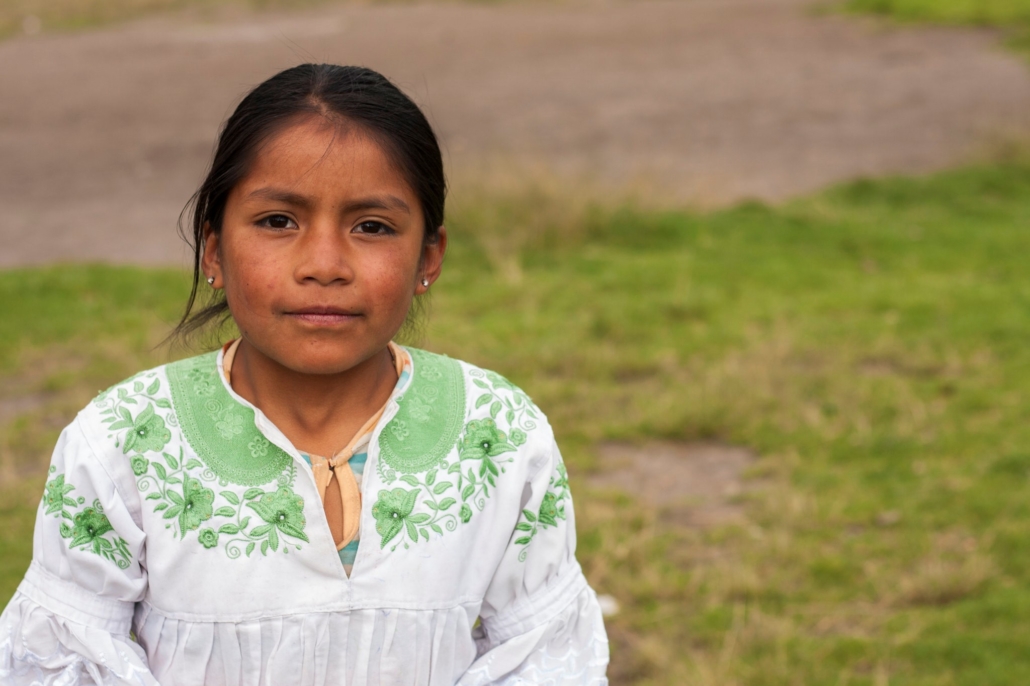
Utilizing feedback from indigenous peoples’ organizations and partners from the 2019 International Year of Indigenous Languages, UNESCO has implemented multi-language initiatives to fight the infodemic in indigenous communities. One example is a community radio project in Ecuador that UNESCO created in collaboration with indigenous associations, the Ecuadorian government, the Pan American Health Organization (PAHO) and Community Radios Network (CORAPE). Radio is a particularly useful platform to share important information about the coronavirus with indigenous communities because many lack access to the internet. This community radio project secured 20 radio spots. It also produced and distributed a booklet of COVID-19 information. The booklet also includes preventative measures in indigenous languages for the target populations of Afro-descendant and Montubio (mestizo coastal) communities.
Additionally, the website for the 2019 International Year of Indigenous Languages has a page dedicated to the importance of Indigenous languages during the COVID-19 pandemic that includes a collection of useful resources from United Nations agencies and other organizations about the coronavirus and its impacts in hundreds of different languages.
Cultural Survival
Noting the disproportionate impacts of the pandemic on indigenous peoples and the strength they draw from their ancestors who lived through past pandemics, Cultural Survival acted quickly to provide resources. The nonprofit developed, distributed and translated critical information about COVID-19 prevention and response. Due to its multi-language initiative, it translated 417 public service announcements into 130 indigenous languages for preventative measures against COVID-19. It also helped distribute more than 1,200 radio stations around the world in addition to a prevention manual and emergency response toolkit, also available in many indigenous languages, to further support the activities of radio stations.
Cultural Survival is also using Google Maps technology to create the first global monitoring system for COVID-19 for indigenous communities. There are also programs through Cultural Survival to distribute financial resources to community-centered projects that help indigenous partners and local radio stations respond to the COVID-19 crisis in their local communities.
Indigenous Youth Bring COVID-19 Information to their Communities
Indigenous youth are mobilizing to protect their elders from COVID-19 through multi-language initiatives. In Brazil, many tribal elders have died from COVID-19. This is highly concerning for indigenous youth because the elders pass down important traditions and knowledge. Indigenous youth have noticed that the elders they lost to COVID-19 did not have enough information about the virus. They translated informative content only available in Portuguese into indigenous languages. They communicated the original meaning of technical words accurately.
For example, the Network of Young Communicators from the Upper Rio Negro uses WhatsApp to produce and broadcast podcast episodes in indigenous languages, in addition to circulating a written bulletin to residents in the region. Meanwhile, the group Mídia India created quarentenaindigena.info, which contains news and data about the spread of COVID-19 in Brazil’s indigenous communities.
Resilience
The COVID-19 pandemic has had many negative impacts on indigenous communities around the world. Multi-language initiatives created with the goal of sharing critical information about the coronavirus reflect the unshakeable resilience of Indigenous peoples.
– Sydney Thiroux
Photo: Flickr
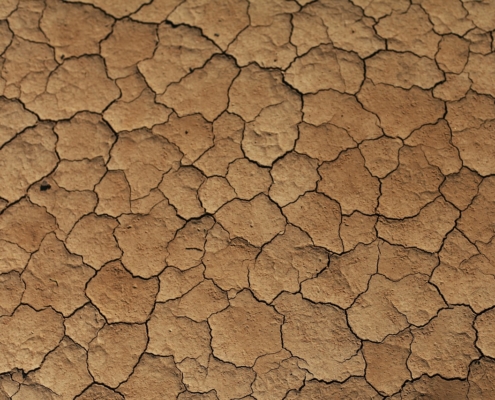 Agriculture stimulates the large majority of economies in nearly all African countries. For the past couple of decades, the value of agricultural production has almost tripled (+160%). This large boost imbues every nation with great potential. With that potential lies a grand obstacle that is forcing leaders to think differently about the situation in Africa. The loss of arable land is an issue that threatens the progress of Africa’s agricultural economies, and while the issue remains largely invisible across the continent, the impacts have been widespread and devastating.
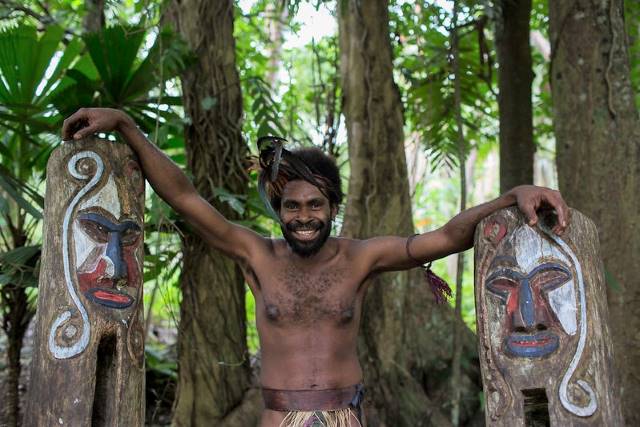 Since the United Nations created the least developed countries (LDCs) list in the 1970s, only six nations have moved off of the list to a higher ranking of development. Vanuatu, an island nation in the South Pacific, became the sixth country to do so on December 4, 2020, after being designated an LDC in 1985. Vanuatu’s graduation from the LDCs list can serve as a beacon of hope for more LDCs to achieve higher rates of development.
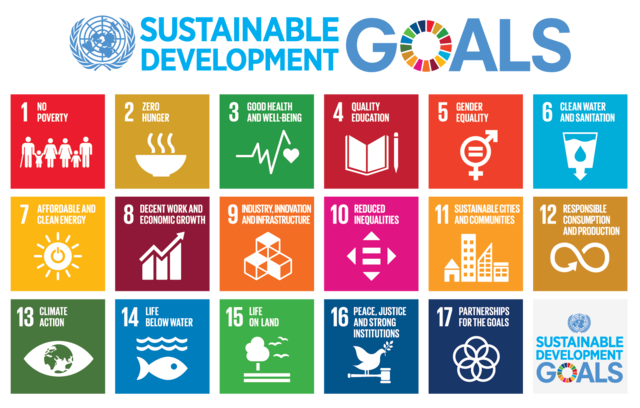 In Argentina, the COVID-19 pandemic and ensuing economic unrest has stalled efforts to close the inequality gap. Before the pandemic hit, Argentina was making progress on a series of Sustainable Development Goals (SDGs), which is a
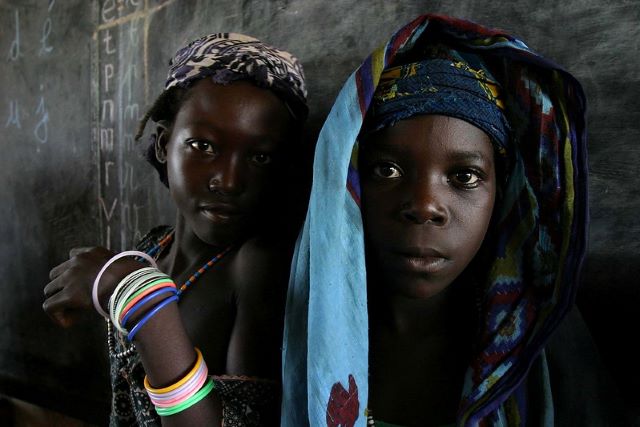 One year after repatriation efforts began, refugees from the Central African Republic are returning home. Although repatriation operations began in November 2019, the return of refugees from the Central African Republic was delayed by the COVID-19 pandemic. Enhanced health and safety precautions made their return possible. The United Nations Refugee Agency, a U.N. agency responsible for protecting refugees, organized the implementation of health and safety precautions. Measures included the use of masks and temperature screening. Handwashing stations were also installed to prevent the spread of disease.
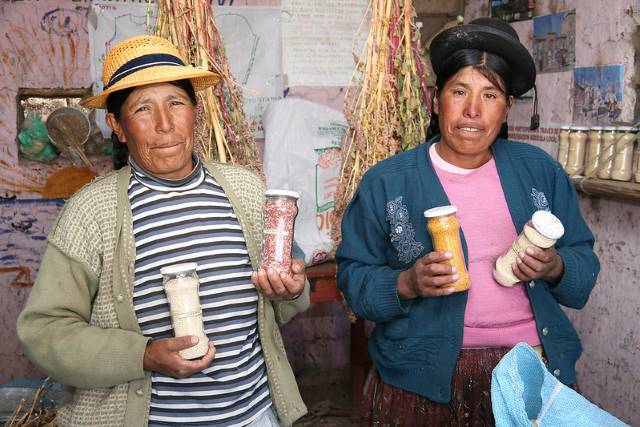 Quinoa is a species of goosefoot original to the Andes of Peru and Bolivia. For more than 6,000 years, Peruvians and Bolivians considered quinoa a sacred crop because of its resistance to high altitudes, heat, frost and aridness. Because of its sudden rise in worldwide popularity, the U.N. declared 2013 the “