• Link to X
  • Link to Facebook
  • Link to Instagram
  • Link to TikTok
  • Link to Youtube
  • About
    • About Us
      • President
      • Board of Directors
      • Board of Advisors
      • Financials
      • Our Methodology
      • Success Tracker
      • Contact
  • Act Now
    • 30 Ways to Help
      • Email Congress
      • Call Congress
      • Volunteer
      • Courses & Certificates
      • Be a Donor
    • Internships
      • In-Office Internships
      • Remote Internships
    • Legislation
      • Politics 101
  • The Blog
  • The Podcast
  • Magazine
  • Donate
  • Click to open the search input field Click to open the search input field Search
  • Menu Menu

Archive for category: Technology

Information and stories about technology news.

Electricity and Power, Global Poverty, Technology

Expanding Renewable Energy in the Soloman Islands

Renewable Energy in the Soloman IslandsThe Solomon Islands, an archipelago nation in the South Pacific with more than 700,000 people, faces unique energy challenges due to its geographical spread and reliance on imported fossil fuels. To tackle these ongoing issues, renewable energy in the Soloman Islands is expanding, by signing and aligning with international climate goals such as the Paris Agreement.

Current Renewable Energy Landscape

The Solomon Islands relies heavily on diesel generators, with approximately 80% of its electricity coming from fossil fuels. Hydropower has played a role in the country’s renewable energy sector, with the Lungga Hydropower Station near the capital, Honiara, serving as the primary source of renewable electricity. However, the country seeks to diversify its energy mix to reduce costs, increase sustainability and enhance energy security.

Future Renewable Energy Potential

The Solomon Islands government aims to increase the share of renewable energy in its national energy mix to a target of 100% by 2030. Solar power presents one of the most promising opportunities, given the country’s tropical climate and consistent year-round sunlight. Additionally, the newly launched Tina River Hydropower Project is expected to cut greenhouse gas emissions by 49,500 tons annually, significantly reducing the country’s reliance on fossil fuels. The government is also promoting community-based biomass projects to meet energy needs while encouraging sustainable land use practices.

The Role of Coconut Oil in Energy Production

In a unique renewable energy initiative, the Asian Development Bank (ADB) partnered with Solomon Power to explore coconut oil as an alternative to diesel fuel. The trial involved running a generator on locally produced coconut oil, with a contract supplying 1,000 liters per week. This not only provided a steady income for coconut farmers but also demonstrated the potential for coconut oil to become a viable renewable energy source. Expanding this initiative could enhance energy security while creating new economic opportunities in the agricultural sector.

Challenges and Opportunities

Despite progress, the Solomon Islands faces challenges in expanding its renewable energy sector. The geographical dispersion of islands makes energy infrastructure development costly and logistically complex. Additionally, securing financing for large-scale projects remains a hurdle for the nation and the country currently has some of the highest electricity costs in the world. Additionally, if coconut oil emerges as a major fuel source, it will require substantial investments in coconut farming, including replanting initiatives and enhanced quality control measures. The Solomon Islands needs to focus on a transition to reduce its dependence on fossil fuels to advance its energy goals and contribute to global sustainability efforts.

Renewable energy in the Soloman Islands stands at a pivotal moment in its transition. Expanding renewable energy sources could reduce dependence on fossil fuels, lower energy costs and contribute to global sustainability goals. With ongoing investments in hydropower, solar energy and innovative biofuel solutions, the country is positioning itself as a leader in sustainable energy development in the Pacific region.

– Avery Hazard

Avery is based in Segovia, Spain and focuses on Technology and Solutions for The Borgen Project.

Photo: Flickr

February 12, 2025
https://borgenproject.org/wp-content/uploads/borgen-project-logo.svg 0 0 Precious Sheidu https://borgenproject.org/wp-content/uploads/borgen-project-logo.svg Precious Sheidu2025-02-12 07:30:372025-02-12 00:20:10Expanding Renewable Energy in the Soloman Islands
Electricity and Power, Global Poverty, Technology

Renewable Energy in Latvia

Renewable Energy in Latvia Latvia, a small Northern European country with a population of about 2 million, is leveraging its natural resources to reduce reliance on fossil fuels and meet the European Union’s (EU) ambitious green energy goals. With abundant forests, access to the Baltic Sea and significant hydropower potential, Latvia has positioned itself as a regional leader in renewable energy innovation.

Current Renewable Energy Landscape

Latvia’s renewable energy sector ranks among the most developed in Europe, with hydropower accounting for more than 50% of its electricity production. This dominance stems from the country’s extensive network of rivers and dams, which play a crucial role in powering the national energy grid. Biomass energy is another critical component of Latvia’s renewable strategy, supported by its vast forest resources covering more than 42% of the country. Investments in biomass energy have significantly improved efficiency and environmental preservation. Over the past five years, electricity generated in biomass cogeneration plants and power stations has surged by 144.2%, highlighting the sector’s rapid growth.

Future Potential in Renewables

Latvia’s renewable energy ambitions align closely with the EU Green Deal, which seeks carbon neutrality by 2050. Through its National Energy and Climate Plan (NECP), Latvia aims to increase the share of renewable energy to 50% by 2030. This plan prioritizes modernizing the national grid, enhancing energy storage and scaling up wind and solar energy capacity. Offshore wind energy holds immense potential for Latvia, due to favorable wind conditions in the Baltic Sea. Collaborative efforts with Estonia and Lithuania are exploring large-scale offshore wind farm projects to address regional energy needs and reduce dependency on traditional energy sources. Solar energy, while still underutilized, is gaining momentum as small-scale projects emerge nationwide.

Challenges in Renewable Energy Development

Despite Latvia’s progress, challenges remain. Heavy reliance on hydropower makes the energy system vulnerable to fluctuations in river flow, which are increasingly influenced by climate change. While high water flows in 2023 enabled hydropower plants to produce their second-largest electricity output in 25 years, periods of drought or low water flow could significantly disrupt energy generation. Financial constraints also pose a barrier to expanding renewable energy infrastructure. High project costs necessitate greater foreign investment and partnerships.

Empowering Communities Through Renewables

In 2020, the Mārupe Municipality launched Latvia’s first community energy project under the ShareRES initiative. This small-scale renewable energy solution empowers residents to generate and manage their electricity through solar panel installations. Residents have reported lower energy costs and reinvested these savings into other community initiatives. The success of this project highlights the potential of grassroots renewable energy solutions and serves as a blueprint for similar initiatives nationwide.

A Vision for the Future

Latvia’s renewable energy journey reflects a blend of ambition, innovation and community-driven initiatives. By embracing wind, solar and other clean energy sources, Latvia aims to complement its existing hydropower and biomass strengths while mitigating risks tied to climate change. Furthermore, grassroots projects, like the Mārupe Municipality initiative, underscore the importance of local engagement in achieving national and EU energy goals. Through strategic investments, international collaboration and a focus on sustainable development, Latvia can potentially become a model for renewable energy in Northern Europe. Its commitment to a greener future not only benefits its citizens but also contributes to the broader fight against climate change.

– Avery Hazard

Avery is based in Segovia, Spain and focuses on Technology and Solutions for The Borgen Project.

Photo: Flickr

January 27, 2025
https://borgenproject.org/wp-content/uploads/borgen-project-logo.svg 0 0 Precious Sheidu https://borgenproject.org/wp-content/uploads/borgen-project-logo.svg Precious Sheidu2025-01-27 07:30:472025-02-22 02:45:29Renewable Energy in Latvia
Agriculture, Global Poverty, Technology

Empowering Malawian Farmers: AI-Driven Agricultural Solutions

Empowering Malawian FarmersIn rural Malawi, where smallholder farming supports the livelihoods of more than 80% of the population, a new technological tool is empowering Malawian farmers to overcome challenges that once seemed insurmountable. The app Ulangizi, which means “Advice” in the local Chichewa language, is transforming how farmers access critical agricultural knowledge. By harnessing artificial intelligence (AI) and leveraging the widespread use of WhatsApp, Ulangizi is providing essential support to some of the world’s most vulnerable farmers.

The Need for Innovation in Malawian Agriculture

Unpredictable weather patterns, limited resources and a lack of timely access to agricultural expertise deeply impact agriculture in Malawi. The country’s farmers often face issues such as crop diseases, pest infestations and the devastation of climate disasters like Cyclone Freddy, which displaced more than 100,000 people in 2023. The loss of crops, including the crucial soy harvest, left farmers struggling to recover.

In this context, Opportunity International, a Chicago-based nonprofit, saw an opportunity to use AI to offer farmers practical solutions. Ulangizi, the app it developed, connects farmers directly to expert advice, offering them the guidance they need to manage everyday challenges and the unpredictable effects of climate instability.

AI at the Service of Farmers

Ulangizi functions through WhatsApp, a platform already popular in many parts of the world, including Malawi. This accessibility allows farmers to interact with the app through simple messages and receive tailored advice in their native language. The app uses AI tools, including data from ChatGPT and the Malawian government’s agricultural manual, to diagnose crop and livestock problems and suggest solutions.

For example, farmers can take a photo of a sick plant or animal, send it via WhatsApp and receive immediate feedback on the issue and how to address it. In one instance, a Malawian farmer used Ulangizi to identify and treat a health issue with her pigs, preventing further losses. This quick response is invaluable, as traditionally, farmers had to wait days or even weeks, for government agricultural extension workers to visit.

Addressing the Challenges of Rural Connectivity

While Ulangizi is empowering Malawian farmers, it also faces several challenges. In many rural areas, such as Ndodo, smartphones are scarce, with one device sometimes shared among 150 people. Connectivity can also be a significant barrier, as mobile network coverage in these areas is limited and data costs remain prohibitive for many farmers.

However, the nonprofit has designed Ulangizi to work on basic phones, ensuring that even those without access to advanced smartphones can benefit from the service. Opportunity International is also working to overcome these connectivity challenges by collaborating with local networks to improve access to affordable data.

Building Resilience

Malawi’s smallholder farmers are particularly vulnerable to climate-related disasters. In addition to cyclone damage, farmers often face erratic rainfall, droughts and soil degradation. Ulangizi helps farmers build resilience by providing knowledge on better agricultural practices, pest control and disease prevention.

With Ulangizi, farmers can make informed decisions about when to plant, what crops to grow and how to manage soil health. By increasing access to this knowledge, the app empowers farmers to improve yields, reduce losses and ultimately increase their income, making agriculture a more sustainable and reliable livelihood.

A Global Model for Smallholder Farmers

The success of Ulangizi in Malawi has caught the attention of other countries in sub-Saharan Africa, where smallholder farmers face similar challenges. Opportunity International plans to expand the app’s reach, building on the feedback collected during its pilot phase.

Globally, smallholder farmers produce a significant portion of the world’s food. Yet, they often yield far less than their potential due to limited access to resources, knowledge and technology. Ulangizi’s AI-powered approach could help bridge this gap, improving productivity and contributing to global food security.

– Georgia de Gidlow

Georgia is based in Watford, UK and focuses on Technology and Solutions for The Borgen Project.

Photo: Flickr

January 6, 2025
https://borgenproject.org/wp-content/uploads/borgen-project-logo.svg 0 0 Hemant Gupta https://borgenproject.org/wp-content/uploads/borgen-project-logo.svg Hemant Gupta2025-01-06 07:30:362025-01-05 03:42:10Empowering Malawian Farmers: AI-Driven Agricultural Solutions
Electricity and Power, Global Poverty, Technology

Reducing Energy Poverty: Vietnam’s Renewable Energy

Vietnam’s Renewable EnergyVietnam’s newly approved National Electricity Development Plan (PDP8) marks a significant step toward reducing energy poverty, promoting economic resilience and achieving carbon neutrality by 2050. By prioritizing renewable energy expansion and rural electrification, PDP8 offers a roadmap for sustainable growth and poverty reduction in rural communities.

Renewable Energy Expansion

Vietnam has emerged as a leader in renewable energy within Southeast Asia, with wind and solar capacity reaching 16.5 gigawatts (GW) in 2021, up from 7.4 GW in 2020, according to the International Renewable Energy Agency (IRENA). PDP8 aims to increase renewable energy capacity to more than 30 GW by 2030, accounting for 47% of the total electricity supply. This shift reduces Vietnam’s reliance on fossil fuels, which supply about 50% of the country’s power in recent years and makes energy more affordable for low-income households. Renewable energy projects are also driving job creation.

The International Labour Organization (ILO) estimates that renewable energy development in Vietnam could create 139 million jobs by 2030, particularly in installation, maintenance and manufacturing—industries vital for rural communities. By encouraging economic diversification, these opportunities give rural regions a sustainable path out of poverty. Reliable, affordable energy also lowers operational costs for small businesses, fostering entrepreneurship and regional development.

Rural Electrification and Improved Livelihoods

PDP8 prioritizes rural areas and remote regions, addressing energy poverty in communities like the Mekong Delta, where 85% of the population depends on agriculture. Expanding electricity access to these areas has far-reaching effects. According to the World Bank, rural electrification programs can increase household incomes through improved agricultural productivity. For example, access to electricity enables farmers to run irrigation systems, store perishable crops and process agricultural products.

In the Quang Tri and Kien Giang provinces, where electrification efforts are concentrated, such improvements could directly enhance farming efficiency and income stability. Reliable electricity also improves living standards, providing lighting, heating and connectivity that support education and small businesses. In Vietnam, where nearly 70% of the population lives in rural areas, these advancements play a critical role in poverty reduction.

Innovations in Energy Storage and Research

To address the challenges of renewable energy intermittency, PDP8 includes the development of energy storage solutions, such as large-scale battery systems. These systems ensure consistent electricity supply, even in remote areas, where disruptions are more common.

Additionally, Vietnam is investing in renewable energy research hubs, which foster innovation and skills development. These hubs contribute to Vietnam’s green transition by advancing technology and training workers for jobs in renewable energy. According to McKinsey and Company, investments in green technologies could boost Vietnam’s GDP.

A Sustainable Path to Economic Resilience

Vietnam’s PDP8 aims to strengthen the economy by creating a robust renewable energy ecosystem. Affordable, reliable electricity shields communities from external shocks, such as fluctuating fossil fuel prices, while lowering costs for small businesses. The World Bank reports that improving energy access can reduce poverty by fostering entrepreneurship and expanding employment opportunities.

PDP8 is more than an energy strategy—it is a transformative plan for inclusive, sustainable development. By expanding renewable energy, promoting rural electrification and driving innovation, Vietnam aims to set an example for other developing nations seeking to reduce both energy poverty and economic inequalities.

– Edzhe Miteva

Edzhe is based in London, UK and focuses on Good News and Politics for The Borgen Project.

Photo: Flickr

December 18, 2024
https://borgenproject.org/wp-content/uploads/borgen-project-logo.svg 0 0 Precious Sheidu https://borgenproject.org/wp-content/uploads/borgen-project-logo.svg Precious Sheidu2024-12-18 01:30:102024-12-16 09:50:04Reducing Energy Poverty: Vietnam’s Renewable Energy
Development, Global Poverty, Technology

The Evolution of Uruguay’s Technological Infrastructure

Uruguay’s technological infrastructureUruguay boasts a technology literacy rate of more than 98%, the highest in South America, with telecommunications networks that are 100% digital. Between 2021 and 2022, Uruguay’s imports of IT and telecommunications equipment surged from $549 million to $706 million. Here are some key factors in Uruguay’s technological infrastructure that have earned it the name “Silicon Valley of South America.”

Expanding Fiber Optic Infrastructure in Rural Areas

In 2021 and 2022, ANTEL, Uruguay’s largest telecommunications company, invested $161 million into the country’s telecommunication sector, with 80% of that allocated to expanding fiber optic infrastructure in rural areas. ANTEL currently holds 57% of the market share, followed by Spain’s Telefónica/Movistar with 26% and Mexico’s Claro with 17%. The company is focused on replacing outdated copper connections with fiber optic technology. This aims to improve and strengthen internet access, particularly in the country’s rural regions.

The 2025 Digital Agenda

In May of 2021, Uruguay approved a guideline for further digital developments called the “2025 Digital Agenda,” which is managed by the Knowledge Management Agency. This will open doors to more opportunities for hardware and software providers, as well as telecommunication and network service companies. The basis of the plan is to expand the “fiber-to-the-home” networks to remote locations.  Additionally, the plan looks to increase the range of 5G networks and new digital health services.

Programa Ibirapitá

This program in Uruguay focuses on the digital inclusion of older adults, aiming to improve social inclusion, participation and equity. Through workshops designed to increase digital literacy and consultations, the initiative empowers elderly individuals. The program specifically targets individuals aged 65 and above whose annual income is at most $30,885. These participants are granted access to mobile devices through the Ibirapitá Mobile Plan, a service provided by ANTEL, which helps bridge the digital divide and fosters greater connectivity and independence for older adults.

Plan Ceibal

In 2007, Uruguay launched a program aimed at promoting nationwide digital literacy and skill development by providing each student with access to a laptop in school. This initiative became a key part of the country’s education strategy. Furthermore, it has been supported by tax incentives for tech companies and significant investments in communications infrastructure. Furthermore, the program has helped bridge the digital divide and enhance technological skills among students across the country.

Looking Ahead

Uruguay’s next step in its technological evolution is focusing on the “Internet of Things” (IoT). Development will be driven by both public and private stakeholders. Indeed, these efforts are taking place in the “Open Digital Lab,” a dedicated test space for IoT technologies and their applications. As the country continues to grow and expand its technological capabilities, discussions around artificial intelligence (AI) and robotics have become more prevalent, reflecting Uruguay’s ongoing push to enhance its telecommunications infrastructure and embrace emerging technologies.

– Isabella Chavez

Isabella is based in Swampscott, MA, USA and focuses on Technology and Solutions for The Borgen Project.

Photo: Wikimedia Commons

November 19, 2024
https://borgenproject.org/wp-content/uploads/borgen-project-logo.svg 0 0 Hemant Gupta https://borgenproject.org/wp-content/uploads/borgen-project-logo.svg Hemant Gupta2024-11-19 01:30:292024-11-18 00:49:31The Evolution of Uruguay’s Technological Infrastructure
Developing Countries, Global Poverty, Technology

5 Ways Renewable Energy Can Transform Developing Countries

5 Ways Renewable Energy Can Transform Developing CountriesAccording to Bloomberg New Energy Finance (BNEF), 2017 saw an unprecedented global rise in demand for renewable energy. Renewable energy production in developing countries has now surpassed the capacity generated by fossil sources. Focusing on Goal 7 (affordable and clean energy), Leonardo Souza from the Statistics Division of the Department of Economic and Social Affairs (DESA) highlighted key points from the special edition of the Secretary-General’s report on progress toward the SDGs. He reported that nearly 2 billion people will still rely on polluting fuels and technologies for cooking by 2030. He also noted that renewable sources comprised 19% of global final energy consumption in 2020, with two-thirds coming from modern renewable energy sources.

Global Efforts for Sustainable Energy

Moving toward sustainable modern energy will require renewable sources to constitute 60% of power generation by 2030, supporting resilient industry and infrastructure in developing countries. The World Bank, which currently has a $10 billion portfolio in energy projects, supported Nigeria’s electrification program that has transformed the country. Accelerating global electrification will necessitate a fundamental shift in the conception of energy access.

5 Ways Renewable Energy Transforms Developing Countries

  1. Economic Growth. Renewable energy positively impacts economic growth in developing countries by enhancing sustainable development and energy security. The clean development mechanism, as part of the Kyoto Protocol under the UNFCCC, promotes the deployment of renewable energy technologies, which helps mitigate greenhouse gas emissions. Developed nations fund these renewable energy programs, facilitating the adoption of green technology in developing regions. This transition not only reduces dependency on fossil fuels but also creates job opportunities and stimulates local economies. Despite challenges such as higher manufacturing costs and lack of financial resources, increasing the reliance on renewable energy sources is crucial for developing countries’ growth and economic stability.
  1. Create Employment Opportunities. Renewable energy positively impacts job creation in developing countries by fostering labor-intensive industries and providing numerous employment opportunities. Unlike traditional fossil fuels, renewable energy sources such as solar and wind power require more labor per megawatt of energy produced. This increased labor intensity translates to more jobs in producing and maintaining renewable energy infrastructure. Energy efficiency improvements, which often rely on unskilled labor in the construction sector, can further boost employment. These opportunities are particularly attractive for developing countries, where job creation is crucial for economic growth.
  1. Improve Health Outcomes. Studies reveal that increased renewable energy consumption enhances the quality of life in low-income African countries. This improvement can be attributed to the environmentally friendly nature of renewable energy. Alternative energy sources can reduce pollution and mitigate climate change, leading to better health conditions. By incorporating a substantial amount of renewable energy into their energy mix, these countries can achieve sustainable development goals related to good health and well-being. This, in turn, encourages economic growth, as healthier populations are more productive and can contribute more effectively to the economy. Thus, renewable energy not only supports environmental sustainability but also drives economic development by enhancing public health.
  1. Reduce Environmental Impact. By exploiting clean energy sources like solar, wind and geothermal, countries are decreasing their reliance on fossil fuels. Furthermore, this also leads to a significant reduction in greenhouse gas emissions. This not only improves air quality by reducing pollution and associated health issues but also contributes to global climate change mitigation. Additionally, the implementation of renewable energy helps preserve natural resources and promotes a more sustainable use of the environment, which is crucial for long-term sustainable development.
  1. Enhance Energy Security. By adopting renewable energy sources such as hydroelectric power, developing countries have reduced their dependence on imported fossil fuels, which are often subject to price volatility and supply disruptions. This shift not only ensures a more consistent energy supply but also supports economic stability and growth. Additionally, renewable energy projects create local jobs, stimulating economic development and providing employment opportunities. The environmental benefits, such as reduced greenhouse gas emissions, further contribute to the sustainability of these nations. Renewable energy systems are more resilient to natural disasters. Indeed, they can be deployed in remote areas, ensuring reliable energy access to underserved communities.

Looking Ahead

Renewable energy holds significant transformative potential for developing countries. By adopting solar, wind and hydroelectric power, these nations can drive economic growth. Furthermore, initiatives will create jobs, improve health outcomes, reduce environmental impact and enhance energy security. As these countries seek sustainable solutions for their energy needs, renewable energy emerges as a promising and transformative approach that can potentially lead to a brighter and more sustainable future.

– Maria Urioste

Maria is based in Maspeth, NY, USA and focuses on Good News for The Borgen Project.

Photo: Flickr

November 2, 2024
https://borgenproject.org/wp-content/uploads/borgen-project-logo.svg 0 0 Precious Sheidu https://borgenproject.org/wp-content/uploads/borgen-project-logo.svg Precious Sheidu2024-11-02 07:30:122024-11-02 02:48:215 Ways Renewable Energy Can Transform Developing Countries
Global Poverty, Health, Technology

The Growth of Telemedicine in Peru

Telemedicine in PeruThe COVID-19 pandemic accelerated the global shift to telehealth, enabling health care professionals and patients to connect remotely. However, resource disparities meant some countries faced greater challenges in transitioning. The shift to telemedicine was particularly difficult in Peru, which borders Chile and Bolivia, due to limited infrastructure and internet access, especially in rural areas.

Background of Telemedicine in Peru

Peru’s health system is divided into three practices, the first one being Social Security Hospitals (SSH), the second being the Federal Government Hospitals (FGH) and then private hospitals. The growth of internet access in Peru started in 2005. That year the first regulatory document related to telehealth was approved by the “Supreme Decree No. 028-2005-MTC.” Furthermore, in 2009, the first technical standards were approved to set guidelines for these online services. Later, in 2016, a framework was set for expanding telehealth, such as the ability to fill out prescriptions online.

When the pandemic hit, the full force of telemedicine and telecommunication services was set into motion. However, Peru is divided into three main geographical regions: the Coast, the Peruvian Andes and the Jungle. Internet access remains limited across these areas, with only 63.3% of residents on the Coast, 36% in the Andes and 33% in the Jungle having connectivity. This disparity poses a significant challenge to the advancement of telemedicine, as limited internet access hinders the reach of digital health care services to remote and underserved communities.

What Is Being Done?

“Teleatiendo,” created by the Ministry of Health of Peru, provides online consultations for those seeking virtual health care services. Other online resources, such as the “Cayetano Heredia National Hospital” teleconsultation application, specifically support diabetic patients. Looking toward the future, the incoming candidates for Congress and the presidential seat have promised to work on making the Internet more available nationwide.

Peru has the highest internet costs in Latin America, posing a barrier to equal access, especially in telemedicine advancements. More structured frameworks are being set in motion for mobile health apps (mHealth) based on different evaluations, such as effectiveness and security. Due to 60% of the population being in a lower socioeconomic sphere, accessing these technologies is difficult. However, the “WiLD multihop network” could improve connectivity in underserved areas, making health care access more feasible for those in remote or low-income communities.

Partners in Health

Partners in Health is an organization dedicated to creating “preferential options” for the impoverished in health care. The organization has developed seven telemedicine applications to improve health care access, each tailored to specific needs:

  1. Bienestár: Provides free mental health screenings and connects users to specialized psychologists.
  2. KUSKA: Offers similar mental health support but is available in Quechua, catering to Peru’s indigenous population.
  3. Soy Qhalikay: Detects type 2 diabetes and hypertension, prompting follow-up care from nursing and nutrition teams.
  4. Chatea con tu Nutri: Connects users to health facilities focused on diet and exercise improvements.
  5. ALMA: Supports breast cancer prevention by providing free mammograms to at-risk women.
  6. GESTamor: Assists pregnant individuals with referrals for prenatal care and health monitoring.
  7. CASITA: Offers free screenings and educational resources to detect infant developmental delays, with training and support for caregivers.

Each app is vital in expanding health care access across different demographics in Peru.

The Future of Telemedicine in Peru

As telemedicine expands in Peru, so does the push for broader internet access, ensuring that all citizens can access essential health care. Significant progress has been made in recent years, with the trajectory continuing upward as internet availability increases and telemedicine gains a stronger foothold in the country. These advancements promise a future where health care is more accessible and inclusive for all Peruvians.

– Isabella Chavez

Isabella is Swampscott, MA, USA and focuses on Technology and Global Health for The Borgen Project.

Photo: Flickr

November 1, 2024
https://borgenproject.org/wp-content/uploads/borgen-project-logo.svg 0 0 Hemant Gupta https://borgenproject.org/wp-content/uploads/borgen-project-logo.svg Hemant Gupta2024-11-01 07:30:372024-11-01 02:29:45The Growth of Telemedicine in Peru
Global Poverty, Innovations, Technology

Tackling Malnutrition with Sanku’s Dosifier Technology

Sanku’s dosifier technologyFood insecurity and malnutrition remain critical global issues, with 821 million people worldwide suffering. Among the most affected regions are countries like Nigeria, Somalia, Yemen and South Sudan. Malnutrition affects 52 million children under 5, with $3.6 billion needed annually to combat the issue. To combat this, Sanku is using innovative technology with fortified flour and equipping small-scale flour mills in Africa. By doing so, it is bringing essential nutrients to millions of people in some of the most vulnerable communities. 

The Problem of Micronutrient Malnutrition

Micronutrient malnutrition, often referred to as ‘hidden hunger,’ affects 2 billion people globally. This type of malnutrition results from a lack of essential vitamins and minerals, which can lead to severe health issues. In rural communities in Africa, where poverty rates in Africa are high, nutritious food is limited. In Tanzania, 95% of the population, more than 50 million people, do not benefit from large-scale food fortification programs because they rely on small-scale mills that cannot fortify their flour. These people mainly consume maize flour. Maize flour, although calorie-dense, is nutritionally low. This, in turn, makes them susceptible to preventable diseases and increased mortality rates. 

Sanku’s Innovative Dosifier

Sanku’s solution to this is its award-winning dosifier, a device designed specifically for small rural mills in East Africa. The dosifier adds precise amounts of critical nutrients such as iron, zinc, folic acid and vitamin B12 to the calorie-dense maize flour during the milling process. By partnering with local millers, the organization ensures that the fortified flour reaches those who need it most. Sanku has installed nearly 500 dosifiers across 400 mills in Tanzania and Kenya and, therefore, provides this fortified flour to 7.1 million people. The dosifier allows millers to sell the fortified flour at the same price as unfortified flour. 

Leveraging IoT

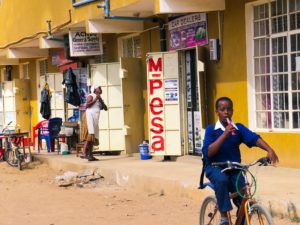
To further expand its reach, Sanku had partnered with Vodafone, incorporating Internet of Things (IoT) technology into its dosifiers. This partnership allows for real-time monitoring of the fortification process, ensuring they are working effectively. With Vodafone’s IoT SIM cards, one Sanku working can now monitor 100 mills, fortifying flour for 500,000 people. This real-time data helps Sanku track maintenance needs, power supply and fortification levels remotely. Moreover, Vodafone’s mobile payment service, M-Pesa, simplifies financial transactions for millers, making it easier for them to purchase fortification premix. 

Reaching Millions

Sanku’s ambition is to reach 25 million people in East Africa by 2025, ultimately preventing malnutrition-based diseases, In 2023, the organization also launched a nutrient-premix facility in Tanzania, giving it more control over its supply chain and reducing cost. Sanku’s impact extends beyond just health improvements. By providing fortified flour to vulnerable communities, the organization saves billions in GDP and helps boost productivity. In 2019, Sanku’s dosifier technology was recognized by Time Magazine as one of the top 100 inventions of 2019, highlighting its potential to transform food insecurity globally. 

Vision 2030

Sanku’s long-term goal is to reach 100 million people with fortified flour by 2030. The organization is already scaling its efforts beyond Tanzania and Kenya with plans to expand into Malawi and Rwanda. With the continued support of partners like Vodafone, it is set to make a significant dent in global malnutrition. Sanku’s dosifier technology represents a breakthrough in the fight against hidden hunger by enabling small-scale mills to fortify flour with essential micronutrients. With ambitious plans to scale further and reach 100 million people by 2030, Sanku is on its way to making a lasting impact on global food security. 

– Ellisha Hicken

Ellisha is based in London, UK and focuses on Technology and Solutions for The Borgen Project.

Photo: Flickr

October 20, 2024
https://borgenproject.org/wp-content/uploads/borgen-project-logo.svg 0 0 Precious Sheidu https://borgenproject.org/wp-content/uploads/borgen-project-logo.svg Precious Sheidu2024-10-20 07:30:022024-10-20 07:07:05Tackling Malnutrition with Sanku’s Dosifier Technology
Global Poverty, Innovations, Technology

IT Supporting Rural Livelihood in India

Rural Livelihood in IndiaTechnological advancements in the past decades have widened the gap between the rich and the needy. The lack of access to the internet and Information Technology (IT) resources hinders the growth of a considerable percentage of India’s population. However, IT supporting rural livelihood in India has slowly manifested through the combined efforts of private and public sector initiatives.

Mission 2007: Every Village a Knowledge Center

IT supporting rural livelihood in India has been expected to act as a viable option. IT can be used for various purposes like predicting weather conditions and market prices for farming along with gaining useful knowledge and skills. To materialize this, Mission 2007 was initiated in 2003 by an alliance of 150 organizations to avail the benefits of Information and Communication Technologies (ICTs) dedicated to human well-being in rural areas.

The Jamsetji Tata National Virtual Academy (NVA) for Rural Prosperity and the Jamsetji Tata Training School (JTS) for Leadership in Rural Knowledge Connectivity were established to support and fuel this IT revolution. They aim to provide IT access and training to more than a million rural people and encourage them by enabling them to enhance their livelihood with the help of IT skills.

The National Virtual Academy

Established in 2003 under the M S Swaminathan Research Foundation (MSSRF), the NVA aims to train “grassroots workers” to use ICTs to enable them to be responsible for their development and “to build skills and capacities relevant to enhancing opportunities for sustainable livelihoods.” Alongside providing training in ICTs, the NVA also facilitates the recognition of rural people who have mastered ICTs and are using their skills to guide the betterment of villages.

The NVA aims to materialize access to “work, income and health security” like e-governance, e-commerce, e-literacy and e-health in rural areas. The initiative seeks to establish a “two-way linkage” communication system, where scientists share information on agriculture and technological advancements with rural communities while rural people provide insights into traditional farming methods. This exchange helps scientists develop sustainable farming practices that integrate both modern and traditional knowledge.

The NVA also facilitates “lateral communication” to enable people within rural areas to share their knowledge and expertise with other rural people through technological means. It, therefore, functions as a “participatory knowledge hub,” tying traditional wisdom with modern science. In 2006, the initiative recognized the achievements of 77 people from across 11 states in India, highlighting its impact in rural areas.

Jamsetji Tata Training School

The JTS aims to provide training on computer applications to rural workers at the grassroots level. It also aims to create virtual platforms to develop learning environments where rural people can learn need-based skills and competencies to gain knowledge specific to their area of work. The JTS is similar to the NVA in its primary aims and objectives and helps further build NVA’s initiatives by equipping people with Village Knowledge Centers (VKCs), Village Resource Centers (VRCs) and Knowledge Hub Consortiums (KHCs) to encourage centralized learning environments.

Some other efforts by JTS include organizing workshops between scientists and NVA fellows, addressing issues at the grassroots level with government agencies, providing training on computer applications and developing virtual platforms for learning.

Conclusion

In 2019, 41% of India’s population, amounting to approximately 574 million people, had access to the internet. Among this, 307 million internet users belonged to the urban population and 264 million people belonged to the rural population. As of 2023, 55% of India’s population, amounting to 821 million people, have access to the internet. Among these, a higher percentage of internet users come from rural areas (442 million) than urban areas (378 million). As a result of initiatives like those mentioned above, India has experienced significant growth in IT access across the country, particularly in rural areas. IT supporting rural livelihood in India is now not only a dream but a reality.

– Adya Umesh

Adya is based in Bangalore, Karnataka, India and focuses on Good News, Global Health for The Borgen Project.

Photo: Flickr

October 9, 2024
https://borgenproject.org/wp-content/uploads/borgen-project-logo.svg 0 0 Hemant Gupta https://borgenproject.org/wp-content/uploads/borgen-project-logo.svg Hemant Gupta2024-10-09 01:30:372024-10-09 00:59:22IT Supporting Rural Livelihood in India
Global Poverty, Innovations, Technology

Brighter Future: Solar Energy in Bangladesh

Solar Energy in BangladeshNearly 85% of Bangladesh’s power comes from fossil fuels. Oil and gas prices have exponentially increased recently, leading to inflation and unaffordability. Bangladesh, with its population growing annually by 1%, sees its energy demand increase by approximately 4.7% each year. The nation primarily relies on natural gas, oil, coal and diesel for its energy needs. However, recent spikes in energy prices, driven by global factors, have prompted a shift toward renewable energy. The Bangladeshi government aims to produce 4,100 MW of clean energy by 2030 as part of its strategy to adapt to these ongoing challenges and ensure sustainable growth.

Persistent Power Outages and Infrastructure Challenges

Bangladesh faces significant challenges with its electrical infrastructure, severely affecting the quality of life due to frequent and prolonged blackouts. Residents report random power outages that can last more than 10 hours, exemplified by the 2022 national blackout that lasted seven hours. In 2010, the government mandated the installation of solar panels on residential and commercial buildings. However, due to the installation of low-quality panels at that time, many buildings now have unusable, uninspected solar installations. Additionally, the outdated grid infrastructure struggles to support renewable energy sources, posing further challenges for the government. Despite these obstacles, the Bangladeshi government remains committed to investing in renewable energy sources to improve the situation.

Initiatives and Progress in Renewable Energy

Here are the steps Bangladesh is taking to clean its energy:

  1. Bangladesh is part of the Paris Agreement, which focuses on reducing greenhouse gas emissions. Part of its plan for implementing renewable energy is developing eco-friendly industrial zones and parks, with the inclusion of solar energy and wastewater management. The country is also increasing its reliance on biomass, wind and solar energy.
  2. Bangladesh invests in renewable energy through the RERED (Rural Electrification and Renewable Energy Development) project. In the past 20 years, the RERED program has allowed electrical access to more than 20 million people across Bangladesh. The RERED Program has majorly focused on rural electrification, meaning that urban electrification is still a focus of the Bangladeshi Government.
  3. Bangladesh has agreed to produce at least 40% of its electricity from renewable sources by 2041, pledging to the Climate Vulnerable Forum. Currently at 3.7%, the majority of it comes from solar energy.
  4. Geographically, Bangladesh is less suited for hydro or wind energy. The country is well suited for photovoltaic (PV) energy, as it has high solar irradiation levels. This is also an option that could be well-distributed across the country, allowing for consistent accessibility.
  5. Captive solar rooftops are emerging as a leading energy source in Bangladesh, demonstrating notable success. Another renewable energy initiative, Solar Independent Power Producers (IPPs), is also being implemented, although it requires large landmasses, which Bangladesh lacks. Despite this, captive solar rooftops are currently yielding more promising results in the country.
  6. Since 2003, Bangladesh has partnered with the Infrastructure Development Company Limited (IDCOL) to participate in its Solar Home System (SHS) program, which successfully installed 4.13 million SHSs by 2019. Over the last five years, the installation of solar home systems has expanded. However, as rural electrification has become more widespread, the focus has now shifted toward enhancing solar energy use in urban areas within Bangladesh.

The Future Outlook

Bangladesh is advancing in its quest to secure reliable electricity and energy sources, aiming to achieve 40% renewable energy by 2041—a target that now appears promising.

– Lakshya Anand

Lakshya is based in Bellevue, WA, USA and focuses on Technology and Solutions for The Borgen Project.

Photo: Flickr

October 4, 2024
https://borgenproject.org/wp-content/uploads/borgen-project-logo.svg 0 0 Precious Sheidu https://borgenproject.org/wp-content/uploads/borgen-project-logo.svg Precious Sheidu2024-10-04 07:30:262024-10-04 02:08:20Brighter Future: Solar Energy in Bangladesh
Page 15 of 89«‹1314151617›»

Get Smarter

  • Global Poverty 101
  • Global Poverty… The Good News
  • Global Poverty & U.S. Jobs
  • Global Poverty and National Security
  • Innovative Solutions to Poverty
  • Global Poverty & Aid FAQ’s
Search Search

Take Action

  • Call Congress
  • Email Congress
  • Donate
  • 30 Ways to Help
  • Volunteer Ops
  • Internships
  • Courses & Certificates
  • The Podcast
Borgen Project

“The Borgen Project is an incredible nonprofit organization that is addressing poverty and hunger and working towards ending them.”

-The Huffington Post

Inside The Borgen Project

  • Contact
  • About
  • Financials
  • President
  • Board of Directors
  • Board of Advisors

International Links

  • UK Email Parliament
  • UK Donate
  • Canada Email Parliament

Get Smarter

  • Global Poverty 101
  • Global Poverty… The Good News
  • Global Poverty & U.S. Jobs
  • Global Poverty and National Security
  • Innovative Solutions to Poverty
  • Global Poverty & Aid FAQ’s

Ways to Help

  • Call Congress
  • Email Congress
  • Donate
  • 30 Ways to Help
  • Volunteer Ops
  • Internships
  • Courses & Certificates
  • The Podcast
Scroll to top Scroll to top Scroll to top