Internet Access in Peru: Bridging the Digital Divide
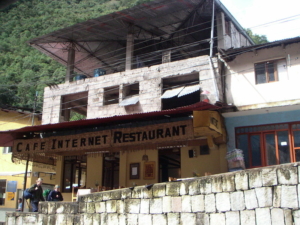 Peru, home to 33 million people, faces a significant digital divide. About 80% of citizens lack consistent internet access and 74% have no access at all. Among those older than six, 53% do not use the internet, placing Peru among the lowest internet traffic rates in South America.
Barriers in Rural Areas
Rural communities, especially those in the Andes Mountains and around Cusco, face the greatest access challenges. Harsh terrain prevents signal transmission and complicates infrastructure development. Many residents also lack the financial means to afford laptops or data plans. As most internet infrastructure concentrates in urban centers, the rural-urban divide continues to widen. As of 2023, 38% of Peruvians lived below the poverty line, with an additional 5.7% at risk of falling into extreme poverty. Amid these economic challenges, internet access remains a privilege rather than a basic utility. However, several organizations are working to change that reality by expanding digital access nationwide.
Improving Access Through Education
art=”1580″ data-end=”2164″>Jangala, an NGO focused on digital access for underserved communities, partners with local organizations to bring internet connectivity to Peru. In Cusco—where 20% of children never finish primary school and 38% never complete secondary education due to financial hardship—Jangala teamed up with the Latin American Foundation of the Future (LAFF). Together, they provided laptops to students and introduced the Jangala Big Box to schools. This technology delivers instant internet access, enabling students to complete homework, collaborate with peers and access new learning tools.
Students in Cusco say that access to online resources through Jangala’s Big Box helps them complete their homework and stay enrolled despite financial challenges. This step forward has created new learning opportunities for students who might otherwise have been forced to drop out, reducing long-term risks of poverty.
A Broader Effort: Internet Para Todos
Beyond Cusco, the initiative Internet Para Todos (Internet for All) works to expand connectivity across Peru. This partnership—formed by Telefónica and Meta (formerly Facebook)—focuses on cost-effective solutions that target remote, rural areas. Since 2016, the group has connected 2.8 million Peruvians and established 1,900 4G sites in more than 15,000 towns. Rather than relying on heavy capital investment, the project uses shared infrastructure and open-access models. This strategy significantly lowers costs and extends services to hard-to-reach populations.
Building Digital Skills
To ensure people can fully benefit from connectivity, Peru launched the Digital Basic Basket program. This initiative supports digital literacy and aims to equip individuals with the skills needed to navigate education, health care and job markets online. The program focuses on rural areas and supplies tablets to students, along with digital training for public sector workers such as teachers and police officers. These ongoing efforts coincide with Peru’s growing digital economy. In 2021, the country’s e-commerce sector reached $9.3 billion—a 35% jump from the previous year. Forecasts predict that by 2030, the market will grow to $15.3 billion.
Looking Ahead
Peru’s journey toward digital inclusion reveals that expanding access requires more than infrastructure—it also depends on digital skills, education and local engagement. Organizations like Jangala and Internet Para Todos play a key role in bridging this divide. By continuing to improve internet access in Peru by building low-cost networks, training communities and supporting long-term solutions, Peru could reduce poverty and unlock greater opportunity for all citizens.
– Felix Hughes
Felix is based in the UK and focuses on Technology and Solutions for The Borgen Project.
Photo: Flickr
