• Link to X
  • Link to Facebook
  • Link to Instagram
  • Link to TikTok
  • Link to Youtube
  • About
    • About Us
      • President
      • Board of Directors
      • Board of Advisors
      • Financials
      • Our Methodology
      • Success Tracker
      • Contact
  • Act Now
    • 30 Ways to Help
      • Email Congress
      • Call Congress
      • Volunteer
      • Courses & Certificates
      • Be a Donor
    • Internships
      • In-Office Internships
      • Remote Internships
    • Legislation
      • Politics 101
  • The Blog
  • The Podcast
  • Magazine
  • Donate
  • Click to open the search input field Click to open the search input field Search
  • Menu Menu

Archive for category: Technology

Information and stories about technology news.

Agriculture, Global Poverty, Technology

AuREUS Solar Panels: A Solution to Food Waste in Communities

AuREUS Solar Panels: A Solution to Food Waste in CommunitiesAuREUS Solar Panels, invented by Carvey Mehren Maigue, convert UV radiation into electricity using food waste. Maigue, during a Dyson interview, expressed his desire to make clean technology accessible in the Philippines. “I would like to help people access clean technology in the Philippines,” he said.

Agricultural Waste and Its Consequences for Farmers

According to a 2021 report by the World Wide Fund for Nature (WWF) United Kingdom (U.K.) and Tesco, global food waste totals 1.2 billion tonnes annually, representing 15.3% of produced food, equivalent to $370 million in value. Research by the No Hungry Children Organization suggests this could feed 37 million people for a month. On farms, between 22,000 and 37,000 tonnes of produce go to waste annually, enough to provide 150,000 to 250,000 people with five daily portions of fruits and vegetables for a year. Factors contributing to food waste include environmental challenges, changing food standards, product mishandling and shifts in retail demands, most of which are beyond farmers’ control.

AuREUS Solar Panel Function

The same technology derived from the phenomena that govern the beautiful Northern and Southern lights powers AuREUS, a system using luminescent particles similar to those found in fruits and vegetables. These particles, when struck by high-energy particles like gamma or UV rays, absorb and emit visible light. AuREUS features two products: the Borealis Solar Window and the Astralis Solar Wall. Both incorporate a layer of organic luminescent extracted from food waste suspended in a resin substrate.

Photovoltaic (PV) cells, crucial to solar panels, line the edges of these devices. When UV radiation hits, the luminescent particles emit light toward the PV cells, converting it into electricity. This electricity can then be redirected to storage, batteries or immediate use. Unlike traditional solar panels, AuREUS panels can be installed vertically and capture UV radiation even on cloudy days due to their ability to harness UV light without direct sunlight. In 2019, AuREUS was implemented in building settings and its innovative design earned Carvey Ehren Maigue the first-ever James Dyson Sustainability Award in 2020.

A Potential Solution

AuREUS technology, leveraging crops from agricultural communities, enables farmers to upcycle waste from farming and retailing processes. This innovation helps farmers mitigate significant losses and manage risks more effectively. Moreover, AuREUS solar panels harness UV radiation, a clean and unlimited energy source, which can reduce daily living costs for farmers. Additionally, these panels help decrease food waste, contributing to climate change mitigation.

Currently under research and testing for broader applications such as mass production and public transportation, AuREUS Solar Panels have shown promise in early studies. Out of 78 crops tested, nine exhibited high potential, with red, orange, yellow and green hues serving as potential dyes containing the necessary luminescent particles. Ongoing research aims to optimize material extraction from crops, aspiring to reach 100% efficiency compared to the current 80%, which could revolutionize crop utilization in agricultural communities.

Looking Ahead

The development of AuREUS Solar Panels represents a breakthrough in sustainable energy and waste reduction. By turning agricultural byproducts into functional technology, the panels offer a creative approach to addressing both energy needs and food waste. As research progresses, this innovation could open new possibilities for renewable power generation and resource use, enhancing both environmental sustainability and economic benefits for agricultural communities.

– Jimmy Nguyen

Jimmy is based in Savannah, GA, USA and focuses on Technology and Solutions for The Borgen Project.

Photo: Flickr
October 3, 2024
https://borgenproject.org/wp-content/uploads/borgen-project-logo.svg 0 0 Precious Sheidu https://borgenproject.org/wp-content/uploads/borgen-project-logo.svg Precious Sheidu2024-10-03 07:30:572024-10-03 01:30:31AuREUS Solar Panels: A Solution to Food Waste in Communities
Development, Global Poverty, Technology

Novissi Platform: 6 Components of Togo’s Future Program

Novissi Platform: 6 Components of Togo's Future Program Togo, a West African nation with a population of 8 million, saw nearly 22% of its population requiring humanitarian assistance in 2020. In response to the COVID-19 pandemic, Togo launched the Novissi emergency cash transfer program, which proved highly effective. This program targeted the poorest 100 cantons, enabling vulnerable individuals to access contactless social protection payments. Indeed, by 2021, it facilitated 170,278 mobile money accounts and added 57,000 new beneficiaries, marking it a key strategy in combating poverty in Togo. Building on the success of the Novissi platform, Togo introduced the Interoperable Social Information System. The aim of the new system is to further prioritize social protection through enhanced cybersecurity and data protection. The new social assistance system comprises six core components.

6 Components of Togo’s Future Program

  1. National Identification System. Togo plans to implement a national biometric ID system for every citizen aged 5 and above. This system will enable the country to deploy targeted interventions for those suffering from poverty.
  2. Social Registry. Togo will introduce a new social registry using AI to assess the needs of its population. Furthermore, it will guide those who meet the criteria into social safety net programs.
  3. Direct Payment Platform. Inspired by the Novissi platform, a more advanced direct payment platform will be established to facilitate high-volume benefit transfers quickly to beneficiaries.
  4. Data Lab Policymaking. A Data Lab in Lomé will manage data and AI to craft policies. The lab will evaluate the system adeptly and monitor efficiency effectively.
  5. Cybersecurity. As Togo embraces new cybersecurity measures, the government has established an agency to oversee cybercrime prevention and contribute to new data protection legislation.
  6. Partnerships. Togo collaborates with the World Economic Forum as part of the EDISON Alliance Lighthouse Countries Network. The collaboration aims to advance digital inclusion and accessibility, making health care, education and finance easily accessible on digital platforms.

Digital Aid Boosts Rural Economy in Togo

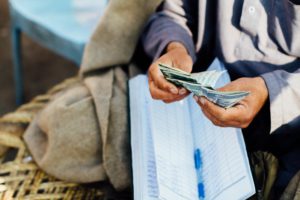
Eric Dossekpli, a middle-aged farmer in rural Togo, faced challenges in affording fertilizers for his crops and meeting the basic needs of his family of eight. Through the Novissi platform, he received a cash transfer that alleviated some of his financial pressures. The success of the Novissi program has paved the way for the new Interoperable Social Information System aimed at enhancing the prioritization, monitoring and delivery of social aid. With funding from the World Bank and the International Development Association, this new system is expected to help lift 1.24 million people out of poverty by 2029. By leveraging Togo’s advancements in technology and data services, the country aims to improve social service delivery, thereby boosting financial security, combating food insecurity and increasing household incomes.

Looking Ahead

Togo’s strategic approach to social protection through technology aims to provide targeted support to its most vulnerable populations. Furthermore, with the integration of digital platforms, biometric identification and enhanced data management, the country is working to expand its reach and improve the efficiency of aid distribution. The ongoing developments are expected to play a significant role in alleviating poverty. Furthermore, they will enhance financial stability for rural communities in the coming years.

– Chelsey Saya McLeod

Chelsey is based in Southampton, Hampshire, UK and focuses on Good News and Technology for The Borgen Project.

Photo: Flickr
October 2, 2024
https://borgenproject.org/wp-content/uploads/borgen-project-logo.svg 0 0 Precious Sheidu https://borgenproject.org/wp-content/uploads/borgen-project-logo.svg Precious Sheidu2024-10-02 07:30:402024-10-02 00:15:26Novissi Platform: 6 Components of Togo’s Future Program
Global Poverty, Innovations, Technology

3D-Printed Housing: A New Hope for the Homeless in Colombia

Homeless in ColombiaColombia is pioneering a transformative approach to addressing its housing crisis by deploying advanced 3D printing technology. The Crane WASP, developed by the World’s Advanced Saving Project (WASP), is a large-format 3D printer capable of constructing homes from natural resources such as dirt and agricultural waste. This innovation marks a significant leap toward providing affordable and sustainable housing solutions for Colombia’s homeless and displaced populations. The technology’s versatility and low energy consumption make it particularly effective in regions where traditional construction methods are impractical or too costly.

Resilience and Sustainability in Housing

Colombia’s vulnerability to disasters and climate-related shocks underscores the critical need for resilient housing solutions. Approximately 23% of Colombian households live in substandard housing units highly susceptible to climate impacts. To tackle this issue, the Colombian government, with support from GFDRR and the World Bank, has undertaken significant reforms. A comprehensive assessment revealed that while 80% of families needed improvements to existing housing, 98% of the annual $600 million housing budget was allocated to new construction.

Scalable Solutions Through Technology

Colombia faces a severe housing shortage, with more than 3.7 million households experiencing a deficit. The Crane WASP offers a scalable solution, particularly in regions where conventional construction methods are impractical or too costly. By leveraging the technology’s versatility and low energy consumption, the United Nations Development Program (UNDP) aims to improve living conditions for the homeless and displaced populations throughout Colombia.

The use of natural materials in 3D printing significantly reduces the environmental footprint of construction. Traditional building methods often rely on concrete, which is resource-intensive and contributes to greenhouse gas emissions. In contrast, the Crane WASP utilizes local soil and agricultural waste, promoting a circular economy. Research reveals that sustainable building practices can lead to reduced waste, lower energy consumption and enhanced resilience to climate impacts, such as floods and hurricanes, which are increasingly affecting vulnerable populations.

Moving Forward

While specific numbers on how many people have benefited so far are not yet available, the initiative aims to target the most underserved regions, particularly rural areas that are difficult to reach. The use of advanced 3D printing technology, like the Crane WASP, allows for the construction of sustainable homes using natural resources, making it a promising solution for the homeless in Colombia.

As Colombia continues to explore and expand these technological solutions, it sets a precedent for other nations grappling with similar issues. The success of the Crane WASP initiative could inspire global adoption of 3D printing technology in housing, demonstrating how innovation can potentially transform the lives of vulnerable populations and drive sustainable development on a larger scale.

– Aneela Agha

Aneela is based in Dubai, United Arab Emirates and focuses on Technology and Global Health for The Borgen Project.

Photo: Flickr

September 28, 2024
https://borgenproject.org/wp-content/uploads/borgen-project-logo.svg 0 0 Precious Sheidu https://borgenproject.org/wp-content/uploads/borgen-project-logo.svg Precious Sheidu2024-09-28 07:30:402024-09-28 01:01:063D-Printed Housing: A New Hope for the Homeless in Colombia
Artificial Intelligence (AI), Global Poverty, Technology

Alleviating Poverty With Microsoft’s AI for Good Lab

Microsoft’s AI for Good LabArtificial Intelligence (AI) holds significant potential in addressing global challenges, including poverty and hunger. By harnessing vast amounts of data, AI technologies can offer innovative solutions to complex problems faced by vulnerable populations. Microsoft’s AI for Good Lab is at the forefront of these efforts, providing critical tools and insights to mitigate the impacts of poverty and hunger around the world.

Using AI to Predict and Prevent Food Insecurity

Food insecurity remains one of the most significant challenges in poverty alleviation. In collaboration with Catholic Relief Services (CRS), Microsoft’s AI For Good Lab conducted a study that applied machine learning to address food insecurity. The study utilized data from household surveys collected by CRS teams on the ground in southern Malawi. By integrating this data with advanced machine learning algorithms, the research developed a model capable of predicting food insecurity at the household level.

The model achieved an 83% accuracy rate in forecasting food security outcomes, providing accurate predictions up to four months in advance, demonstrating the potential of combining ongoing survey data with machine learning to offer near real-time predictive insights. With such technologies continuing to develop further, early warnings and AI predictions could help allow governments and nongovernmental organizations (NGOs) to take preemptive actions, such as distributing food supplies or providing financial assistance to vulnerable populations.

Enhancing Agricultural Productivity Through AI

Agriculture is a critical sector for poverty alleviation, particularly in developing countries where a significant portion of the population depends on farming for their livelihood. Microsoft’s AI for Good initiative has made substantial contributions to enhancing agricultural productivity through the use of AI-driven technologies. One prominent initiative involves the use of AI to provide precision farming solutions. Microsoft has developed AI tools that analyze a wide range of data, including soil health, crop conditions and local weather forecasts, to offer tailored advice to farmers.

For example, the AI platform FarmBeats, developed by Microsoft, collects and analyzes data from sensors placed in fields, drones and satellites. This information is then used to give farmers specific recommendations on when to plant crops, how much water and fertilizer to use and when to harvest. Moreover, Microsoft’s AI tools are designed to be accessible even in low-resource settings. The platform works with low-bandwidth connections and integrates with affordable sensors, making it a viable solution for farmers in remote areas. This democratization of technology is a key factor in its effectiveness, ensuring that even the most marginalized farmers can benefit from AI advancements.

Mapping Vulnerable Populations With AI

Understanding the geographical distribution of vulnerable populations is crucial for effective poverty alleviation efforts. Microsoft’s AI for Good Lab, in collaboration with organizations like Planet and IHME, has developed advanced AI models to map these populations with precision. These AI models can detect patterns that indicate where populations are at the greatest risk of disasters, allowing NGOs and governments to effectively prioritize regions for infrastructure development, disaster preparedness and resource allocation.

Moreover, these AI-powered maps are not only valuable for disaster response but also for long-term planning. By identifying trends in population movement and environmental changes, policymakers can develop more sustainable poverty alleviation strategies that account for future risks and changes that may have disproportionate impacts on vulnerable populations. This proactive approach is essential in ensuring that poverty reduction efforts are resilient to the impacts of rising temperatures and an ever-changing world.

The Future of AI in Poverty Alleviation

Microsoft’s AI for Good Lab is leading the charge in using AI to address some of the most significant challenges in poverty alleviation. From predicting food insecurity and enhancing agricultural productivity to mapping vulnerable populations, AI is playing a transformative role in creating a more equitable world.

– Sophia Lee

Sophia is based in Media, PA, USA and focuses on Technology and Solutions for The Borgen Project.

Photo: Flickr

September 5, 2024
https://borgenproject.org/wp-content/uploads/borgen-project-logo.svg 0 0 Hemant Gupta https://borgenproject.org/wp-content/uploads/borgen-project-logo.svg Hemant Gupta2024-09-05 01:30:272024-09-04 14:30:46Alleviating Poverty With Microsoft’s AI for Good Lab
Global Poverty, Technology, Women's Empowerment

Second Round of Women in the Digital Economy Fund

Women in the Digital Economy FundAn estimated 1.1 billion women in low- and middle-income households lack access to mobile internet. In response, the Women in the Digital Economy Fund (WiDEF), a program funded by the United States Agency for International Development (USAID) and the Bill & Melinda Gates Foundation, has committed to improving women’s access to digital technologies and teaching digital literacy strategies.

Launched in March 2023, the first round of WiDEF initiatives focused on funding local organizations to support women in nearby communities on a more personal level. The newly released second round is aimed at the private sector. The gender digital divide significantly hampers global economic progress, limiting an entire market of consumers and producers due to longstanding gender inequality.

Establishment of the Women in the Digital Economy Fund

Though WiCEF is a relatively new program, announced less than two years ago, it has already shown significant success in advancing digital education at both individual and community levels. USAID has committed more than $50 million in funding as part of its advocacy for gender equality, while the Gates Foundation has added $10 million to support the initiative. As part of its budget, WiCEF ensures that more than half of its funding is dedicated to improving digital opportunities in Africa, where some of the world’s largest mobile internet gender gaps exist.

With a focus on addressing gender disparities, WiCEF continuously researches the best ways to introduce gender-equitable digital solutions, prioritizing women-led and women-oriented innovations and products. Each selected candidate receives between $50,000 and $150,000 in digital support.

Overarching Goals and Initiatives

USAID highlights five core outcomes of its WiCEF program:

  1. Access and Affordability: Ensuring digital devices and internet-enabled services are affordable, sustainable and accessible for diverse communities of women.
  2. Relevant Products and Tools: Designing and providing women access to digital products and tools, including smartphones and other mobile technologies, that can contribute to income-generation purposes
  3. Literacy and Skills: Enhancing women’s digital skills and literacy to help them participate meaningfully in the digital economy and other digital spaces.
  4. Safety and Security: Addressing technology-facilitated gender-based violence while promoting digital user protection.
  5. Data and Insights: Leveraging sex-disaggregated data to identify social barriers that cause disparities in technology use and to inform the development of more gender-equitable programs.

Consequences of the Gender Digital Divide

Samantha Power, Administrator of USAID, highlighted that the gender digital divide “hinders developmental progress… ingraining existing inequities into the fabric of societies of the future,” emphasizing the deepening of gender inequalities in the digital age. Access to digital technologies, along with the tools to navigate them, has become a privilege many women are denied, further exacerbating economic, political and social disparities. The International Telecommunication Union (ITU) estimates that there are approximately 244 million more men than women using the Internet as of 2023, a statistic that will only increase if not addressed adequately in the following years.

The lack of digital education for women has additionally inhibited economic growth, specifically for developing nations, with the Global Digital Inclusion Partnership approximating that countries have lost more than $1 trillion in gross domestic product (GDP) from female exclusion in the digital world. Closing the gender digital divide—the overarching goal uptaken by WiCEF—will deliver around $700 billion in GDP growth while generating up to 64 million new jobs for women in the next five years.

Opening of Second Round of Applicants

The opening of the second round of applicants for WiCEF will only further the work of USAID and the Gates Foundation on an economic scale, now expanding technical assistance into private sector enterprises. Businesses across developing nations aiming to close the gender digital divide will now have access to tools for effective research and evaluation, with data-driven feedback to assess their usage of products among women. Additionally, WiCEF provides education on user design, product adaptation and business modeling, strengthening the foundation of these companies and the women impacted by them.

– Eileen Lincoln

Eileen is based in Oakton, VA, USAs and focuses on Technology and Solutions for The Borgen Project.

Photo: Flickr

August 29, 2024
https://borgenproject.org/wp-content/uploads/borgen-project-logo.svg 0 0 Hemant Gupta https://borgenproject.org/wp-content/uploads/borgen-project-logo.svg Hemant Gupta2024-08-29 03:00:482024-08-29 02:03:09Second Round of Women in the Digital Economy Fund
Education, Global Poverty, Technology

Tech Brand Helps Extend the Reach of Education in Nigeria

Tech Brand Helps Extend the Reach of Education in NigeriaNigeria is Africa’s most populous country, with an estimated population of 230 million people as of 2024, 60% under the age of 25 and 44% younger than 15. It has the fastest-growing population among the world’s 10 most populous countries. Despite its large demographic, Nigeria’s literacy rate stands at only 77.62% as of 2021. Additionally, the country’s poverty rate was estimated at 38.9% in 2023, making it home to the world’s second-largest population living in poverty, following India. These statistics underscore the critical need to enhance access to and the quality of education in Nigeria. Improving literacy rates is vital not only for reducing poverty but also for aligning with the United Nations (U.N.) Sustainable Development Goal 4, which focuses on quality education.

The NLP and Its Partnership with TECNO

In 2022, Nigeria launched its Learning Passport program to address low literacy rates and the educational disruptions caused by the COVID-19 pandemic and to support Sustainable Development Goal 4. The Nigeria Learning Passport (NLP) is an online e-learning platform that provides children with access to curriculum-aligned content in local languages. It is available anytime and anywhere, featuring content from Nigeria’s national curriculum along with global educational resources. The platform, which aligns with UNICEF’s global education strategy, offers both online and offline content to enhance accessibility for children, especially those in remote or underserved areas with limited internet access.

As of July 2024, the technology brand TECNO has partnered with UNICEF Nigeria to further develop the NLP. Currently, the NLP operates in 19 of Nigeria’s 36 states, ranking it second among countries participating in the U.N.’s broader “Learning Passport” program. This partnership with TECNO aims to expand both the availability and reach of online and offline content, making the program more accessible throughout the country and extending it to additional states.

Educational Opportunities as a Solution to Poverty

The importance and positive impact of TECNO’s partnership with UNICEF Nigeria and its support of the NLP can be highlighted by the inextricable relationship between education and poverty. Adequate education enhances literacy, cognitive and social skills, potentially providing qualifications that lead to better job opportunities, thus helping lift individuals out of poverty. Additionally, poverty itself can restrict access to consistent, quality education. For instance, those in poverty might lack the financial resources needed for full-time education, including transportation to schools or the ability to afford necessary equipment and resources. necessary equipment and resources.

Extreme poverty often forces individuals to prioritize earning an income over education just to survive. Research conducted by UNESCO underscores the significant role education plays in alleviating poverty. A study found that completing secondary school could more than halve global poverty and achieving basic literacy for all students could help nearly 171 million people escape extreme poverty. These findings highlight the profound and positive impact that improved education quality and access can have on reducing poverty both in Nigeria and worldwide.

Education as a Catalyst for Economic Growth

Quality education is a significant driver of economic growth, as research from Stanford and Ludwig Maximillian Universities reveals that from 1960 to 2000, 75% of global GDP growth was linked to improved math and science skills. Emphasizing education is a crucial strategy for combating poverty, as it enhances individuals’ prospects for securing stable economic futures when they enter the workforce. Jack Guo, General Manager of TECNO, supports this view, stating, “Investing in education is an effective strategy for breaking the inter-generational transmission of poverty and contributing to social and economic development.”

The Importance of the NLP and TECNO’s Partnership

This direct link between enhanced access to and quality of education underscores the significance of the NLP program and its beneficial impact on education in Nigeria, which will consequently help reduce poverty rates over time. Therefore, the anticipated growth of the program, stemming from TECNO’s partnership with UNICEF Nigeria, will further amplify the NLP program’s positive effects on education and poverty rates as beneficiaries mature and engage actively in the country’s economy.

TECNO’s partnership with UNICEF Nigeria and its support of the NLP bring Nigeria one step closer to making education accessible to all children, enhancing their prospects and breaking the cycle of inter-generational poverty. The ongoing support and development of the NLP exemplify Nigeria’s continuous efforts to tackle poverty within its borders.

Looking Ahead

The partnership between TECNO and UNICEF Nigeria aims to expand the reach of the NLP, enhancing educational access for millions of children across the country. By providing curriculum-aligned content both online and offline, this initiative directly addresses the educational challenges exacerbated by poverty. As the program grows, it is expected to play a vital role in improving literacy rates and reducing poverty, ultimately contributing to Nigeria’s economic and social development.

– Archie Day

Archie is based in St Andrews, Fife, Scotland and focuses on Technology and Global Health for The Borgen Project.

Photo: Flickr

August 29, 2024
https://borgenproject.org/wp-content/uploads/borgen-project-logo.svg 0 0 Precious Sheidu https://borgenproject.org/wp-content/uploads/borgen-project-logo.svg Precious Sheidu2024-08-29 01:30:152024-08-29 01:21:53Tech Brand Helps Extend the Reach of Education in Nigeria
Education, Global Poverty, Technology

Uplifting Digital Poverty in Ukraine

Digital Poverty in Ukraine Data shows us that 3.7 million people are internally displaced and nearly 6.5 million refugees are present globally from Ukraine. The destruction brought about by the war has greatly impacted the success of education, electricity, healthcare, heating, social protection and water. In 2020, research shows the digital divide wherein 53% of Ukrainians between the ages of 18 to 70 have an average level of digital skills. Additionally, 15.1% of Ukrainians do not have any digital skills at all. The destruction of infrastructure due to war, displacement of people in Ukraine and low digital skills exacerbate digital poverty in Ukraine.

Digital Poverty Alliance

Founded in 2021, Digital Poverty Alliance is an independent charity in England and Wales. It advocates for the creation of sustainable social change against digital poverty, aiming to end digital poverty for all by 2030.

Digital Poverty Alliance brings to light the vital role that digital services have in supporting disadvantaged families and children. These vulnerable groups do not have the digital means to access simple educational initiatives or resources. This prevents them from engaging in new and exciting learning opportunities. Eradicating digital poverty gives individuals access to life-changing benefits, enabling individuals to have a sufficient level playing field.

It aims to unify communities and organizations to build solutions based on evidence, behavioral science and research to create impactful results, according to its website. This organization continues to tackle digital poverty by lobbying with the government, public and other stakeholders.

Digital Poverty Alliance recognizes that initiatives are necessary to create a change in the lives of diverse communities. The organization believes that access to digital is a fundamental right irrespective of the individual’s socio-economic background. The organization aims to create innovative programs to empower communities through the use of technology.

Success Stories

Digital Poverty Alliance has donated 100 laptops to St Mary’s Ukrainian School, London. The school has played a crucial role in welcoming 780 children since the beginning of the war. It is important to recognize that 70% of its staff consists of displaced teachers. These laptops have been instrumental in educating the children and useful to the teachers in preparing the lessons and activities.

Digital Poverty Alliance’s collaboration with Vodafone to provide the Ukrainian Cultural Centre, located in London, with prepaid SIM cards to support families fleeing the war. These online services allow them to be in contact with family and friends in Ukraine. Furthermore, they are able to use the services to obtain vital information about their home country.

Looking Ahead

Digital poverty in Ukraine exacerbates existing inequalities. It hampers the education and growth of those individuals impacted by digital exclusion. It is important to recognize and support important initiatives such as that of the Digital Poverty Alliance to uplift those impacted by digital poverty in Ukraine.

– Caren Thomas

Caren is based in Dubai, United Arab Emirates and focuses on Good News and Technology for The Borgen Project.

Photo: Flickr

August 27, 2024
https://borgenproject.org/wp-content/uploads/borgen-project-logo.svg 0 0 Naida Jahic https://borgenproject.org/wp-content/uploads/borgen-project-logo.svg Naida Jahic2024-08-27 07:30:302024-08-26 11:00:54Uplifting Digital Poverty in Ukraine
Global Poverty, Technology, Women's Empowerment

BabesGotBytes: Teaching Women Digital Literacy in South Africa

BabesGotBytesAmanda Gxagxa, Lihle Menzeleleli and Phindiwe Nqanqaru founded BabesGotBytes in 2018, a nonprofit focusing on teaching women and young girls skills needed for careers in tech. Based in Cape Town, the organization is working to close the career gap for women and girls by empowering them to learn new skills through training in technology and innovation.

BabesGotBytes offers a variety of local school programs for students of all ages and free adult classes ranging from basic computer literacy, coding, software and web development, programming and entrepreneurship, among many others. Weekly meetups occasionally feature guest speakers, are open to newcomers interested in the developer’s community and allow like-minded individuals to connect and network.

Industry Changes and Growth

South Africa currently has one of the highest unemployment rates at 33%, with more than 8.4 million people unemployed. According to the Q2 Labor Force Survey for 2024, the industries most affected by job losses are retail, restaurants and hotels, agriculture, domestic work in private households and construction. Increases, however, are in manufacturing, community and social services, utilities, transportation, mining and finance.

The Information Technology (IT) industry is also growing steadily as South Africa has become more advanced in technology. As a central hub for startups and foreign subsidiaries, in one analysis, a growth of 36% was reported for the IT industry within the last three years, with an almost 5% increase in revenue for these companies.

College Degrees Are Essential

With more highly skilled jobs in demand, education plays a significant factor. Having a college degree puts candidates in a better position to secure employment, with graduates making up only 9% of unemployment overall. School systems in South Africa require high schoolers to complete an exam in their final year, known as the “matric,” in order to graduate and for entrance into universities. If the matric isn’t passed, the student is considered to have an “educational attainment less than matric.”

What this means to employers is that although the candidate has a secondary-level education, they didn’t graduate high school. Those without matric qualifications make up a staggering 39% of unemployment. For those living in rural areas, access to schools is limited and many lack infrastructure; teachers often pursue jobs in larger cities where they’re provided with more stability and income.

Gender and Race Add Barriers

Women face many challenges due to expectations of traditional gender roles with fewer resources or role models, with 29.9% of the unemployed, while men, 26.3%. They often face discrimination, receive lower wages and don’t advance as frequently in the workplace. Racial inequalities put Black Africans at an even further disadvantage as the most unemployed race at 37%, deepening the wealth gap and poverty level compared to other racial groups. In relation to this, Black Africans are also the least educated despite making up the majority population.

BabesGotBytes’ Impact

In a few years, BabesGotBytes has expanded into a large operation, partnering with Rlabs in 2023 to develop a six-month digital literacy program for disadvantaged communities. It has hosted workshops and webinars with companies such as Amazon Web Services Cloud, Arduino and Orange Cybersecurity. In December, it organized the Makers Hackathon, where students showcased their skills. This year, it launched a summer robotics camp for children ages 7-15 and participated in Womhub’s GirlsEng Innovation Camp. Recently, it announced its most ambitious project yet, collaborating with Zoho to launch a one-year boot camp to train and mentor 40 women and girls, further advancing their skills and experience.

– Tanita Love

Tanita is based in Chicago, IL, USA and focuses on Technology and Solutions for The Borgen Project.

Photo: Pexels

August 25, 2024
https://borgenproject.org/wp-content/uploads/borgen-project-logo.svg 0 0 Hemant Gupta https://borgenproject.org/wp-content/uploads/borgen-project-logo.svg Hemant Gupta2024-08-25 01:30:152024-10-27 09:30:13BabesGotBytes: Teaching Women Digital Literacy in South Africa
Global Poverty, Health, Technology

Health Care Access: Telemedicine in the Amazon

Telemedicine in the AmazonTelemedicine in the Amazon opens new doors for remote communities and could be revolutionary for Indigenous people worldwide. The Amazon Rainforest is home to millions, including Indigenous communities and remote populations, who face significant challenges in accessing primary health care. The region’s dense vegetation, vast rivers and lack of infrastructure make traditional health care delivery nearly impossible.

However, telemedicine has begun to bridge this gap, offering a lifeline to those who would otherwise be left without critical medical care. Telemedicine allows doctors to connect with patients through video calls and online platforms, offering medical care from a distance. This approach is especially beneficial for people in remote areas, allowing them access to health care, receiving diagnoses and managing treatments.

Health Care Vulnerabilities in the Amazon

The Amazon Rainforest is home to diverse Indigenous populations living in remote areas without access to essential health services. The region faces various health issues, including infectious diseases, malnutrition and chronic conditions. Common diseases like malaria and respiratory infections are widespread and the lack of proper health care worsens these conditions.

The infant mortality rate among male Indigenous infants is 27 per 1,000 live births, significantly higher than the urban male average of 13 per 1,000. Most of the data mirrors this one, with a significant difference between the groups, even getting up to double.

Innovative Telemedicine Projects in the Amazon

The Amazon Hope Project is a nonprofit organization that provides essential health care services to remote communities along the Amazon River using mobile clinics. These floating medical units are equipped with telemedicine technology, allowing health care providers to consult with specialists in larger cities.

The project offers various services that may not be available locally, including maternal care, vaccinations and chronic disease management. In addition to addressing immediate health needs, the project emphasizes preventive care through health education and routine check-ups. The Amazon Hope Project collaborates with local churches in Brazil to help deliver these services and resources.

Partnerships

The success of telemedicine in the Amazon depends greatly on technological advancements. Satellite internet is essential for connecting remote areas that lack traditional telecommunications infrastructure. Vivo, the leading telecommunications provider in Brazil, has partnered with the Brazilian government to extend mobile network coverage and boost internet connectivity in remote regions.

This infrastructure development supports telemedicine platforms, enabling remote health consultations and efficient data sharing between local clinics and urban specialists. The combined efforts of these sectors have effectively addressed the challenges of providing health care in isolated areas, illustrating the success of their joint approach in bridging the health care gap.

Economic and Social Impact

The impact of telemedicine on health care access in the Amazon goes beyond medical outcomes. Economically, it reduces the financial burden on patients who would otherwise incur high costs traveling to urban centers for care. Socially, telemedicine improves health literacy and empowers local health workers with the tools and knowledge needed to manage complex cases.

Conclusion

Telemedicine is transforming health care in the remote Amazon Rainforest by overcoming geographical barriers and delivering essential services to isolated communities. With technological advancements and strong partnerships, these initiatives make a tangible difference, improve health outcomes and support sustainable development. The ongoing success of telemedicine projects highlights its critical role in bridging the health care gap. It offers hope for a future where every individual can access quality care regardless of location. As these solutions grow, they support Amazon communities, leading to better health outcomes and a more promising future.

– Danica Lourdu Nelson

Danica is based in Parker, CO, USA and focuses on Business and Technology for The Borgen Project.

Photo: Flickr

August 18, 2024
https://borgenproject.org/wp-content/uploads/borgen-project-logo.svg 0 0 Hemant Gupta https://borgenproject.org/wp-content/uploads/borgen-project-logo.svg Hemant Gupta2024-08-18 07:30:252024-08-18 02:49:04Health Care Access: Telemedicine in the Amazon
Developing Countries, Global Poverty, Technology

Sudan’s Digital Transformation

Digital TransformationIn 2021, the World Bank stated that digital technologies can enable economic transformation in Africa and help create more jobs for its people. Africa’s share of global poverty increased from 15% in 1990 to 63% in 2018 and may reach 90% by 2030. Thus, the World Bank’s statement was repeated at the Sixth African Science, Technology and Innovation (STI) Forum in April of this year. It was said that Africa has to invest in human capital development to learn how to produce, sell and use emerging technologies such as artificial intelligence and genomics that are transforming every aspect of life. The need for digital transformation would ameliorate many private and public sectors by increasing the efficiency of service delivery to people with low incomes, monitoring living conditions and predicting imminent crises in crowded or remote areas.

The Case for Sudan

In the case of Sudan, technological growth is more important than ever because it is placed at the top of the International Rescue Committee’s (IRC) Emergency Watchlist for 2024. This was following Sudan’s escalating conflict, mass displacement, economic crisis and near collapse of health care services. Currently, a civil war between the Sudanese Armed Forces (SAF) and the Rapid Support Forces (RSF), which erupted in 2023 but has been ever present since the coup d’état of Omar al-Bashir in 2019, has been driving humanitarian needs as 15.8 million people need humanitarian aid. While war continues to inflict further turmoil on the state, the hope of Sudan’s digital transformation can allow grassroots progression in the face of leadership-level destruction.

Empowering Female Farmers

Poverty is tackled head-on in Sudan’s digital transformation through nuclear technology to help female farmers. Agriculture is the primary source of income and livelihood for up to 80% of the population in Sudan. In a project funded in part through the Peaceful Uses Initiative (PUI), local scientists from the Agricultural Research Cooperation (ARC) were trained and provided technical support by experts. Scientists at Kassala Research Farm used the soil moisture neutron probe technique to measure moisture levels in soil, helping quantify crops’ water needs. They also employed the nitrogen-15 isotopic technique to optimize nitrogen fertilizer applications. These studies informed the water and fertilizer delivery through the drip irrigation system. This technology has enabled the water-scarce nation to continue farming. It can save up to 70% of water, allowing for more extensive agriculture.

Hundreds of women, many refugees or internally displaced, relied on their husbands’ incomes and had limited access to food, leading to malnutrition. However, small-scale farms and home gardens optimized with nuclear technology have enabled them to grow various vegetables, benefiting their families and entire villages. Rashid Sir El Khatim, Coordinator, Talawiet Organization for Development, Sudan, has asserted the project’s success because “If the women are empowered, they can share in the decision-making in the family and the community. It helps to reduce poverty and it makes future planning more effective. When women are empowered, the community is more empowered.”

Mobile Money, Digital Finance and Internet Connectivity

The civil war in Sudan has led to a mass exodus, with people being displaced from their homes, shops and businesses, resulting in widespread looting and loss of possessions. Financial technology (fintech) uses computer programs and other technology to support or enable banking and financial services. In Sudan, this allows people with a mobile phone and internet connection to more safely buy basic groceries, settle bills and receive money from abroad, easing some of the hardships.

When interviewed by The New Humanitarian, Sudanese citizen Hussein stated, “I only realized the value of [fintech] when my money and belongings were stolen right in front of my eyes.” For displaced people, this is a safety measure as much as it guarantees putting food on the table for loved ones. Bank of Khartoum’s Bankak is a smart app that facilitates easier and more secure transactions, savings and access to credit. Applications like this have been pivotal in providing financial services to the unbanked population.

Final Remark

Sudan’s digital transformation offers hope amid conflict, economic instability and humanitarian crises. The country can achieve significant socioeconomic improvements by leveraging fintech and nuclear technology in agriculture. Apps like Bank of Khartoum’s Bankak and digital wallets such as MyCash and RittalPay provide secure financial services to the unbanked, enabling economic activities and resilience. Nuclear technology empowers women farmers, optimizing resources and fostering food security. These targeted interventions highlight the transformative potential of digital technologies for financial resilience and social empowerment. For Sudan, digital transformation is essential for survival and a better future.

– Kathryn Dodd

Kathryn is based in the United Kingdom and focuses on Technology and Solutions for The Borgen Project.

Photo: Wikimedia Commons

August 15, 2024
https://borgenproject.org/wp-content/uploads/borgen-project-logo.svg 0 0 Hemant Gupta https://borgenproject.org/wp-content/uploads/borgen-project-logo.svg Hemant Gupta2024-08-15 07:30:222024-08-15 05:10:11Sudan’s Digital Transformation
Page 16 of 89«‹1415161718›»

Get Smarter

  • Global Poverty 101
  • Global Poverty… The Good News
  • Global Poverty & U.S. Jobs
  • Global Poverty and National Security
  • Innovative Solutions to Poverty
  • Global Poverty & Aid FAQ’s
Search Search

Take Action

  • Call Congress
  • Email Congress
  • Donate
  • 30 Ways to Help
  • Volunteer Ops
  • Internships
  • Courses & Certificates
  • The Podcast
Borgen Project

“The Borgen Project is an incredible nonprofit organization that is addressing poverty and hunger and working towards ending them.”

-The Huffington Post

Inside The Borgen Project

  • Contact
  • About
  • Financials
  • President
  • Board of Directors
  • Board of Advisors

International Links

  • UK Email Parliament
  • UK Donate
  • Canada Email Parliament

Get Smarter

  • Global Poverty 101
  • Global Poverty… The Good News
  • Global Poverty & U.S. Jobs
  • Global Poverty and National Security
  • Innovative Solutions to Poverty
  • Global Poverty & Aid FAQ’s

Ways to Help

  • Call Congress
  • Email Congress
  • Donate
  • 30 Ways to Help
  • Volunteer Ops
  • Internships
  • Courses & Certificates
  • The Podcast
Scroll to top Scroll to top Scroll to top