• Link to X
  • Link to Facebook
  • Link to Instagram
  • Link to TikTok
  • Link to Youtube
  • About
    • About Us
      • President
      • Board of Directors
      • Board of Advisors
      • Financials
      • Our Methodology
      • Success Tracker
      • Contact
  • Act Now
    • 30 Ways to Help
      • Email Congress
      • Call Congress
      • Volunteer
      • Courses & Certificates
      • Be a Donor
    • Internships
      • In-Office Internships
      • Remote Internships
    • Legislation
      • Politics 101
  • The Blog
  • The Podcast
  • Magazine
  • Donate
  • Click to open the search input field Click to open the search input field Search
  • Menu Menu

Archive for category: Technology

Information and stories about technology news.

Developing Countries, Global Poverty, Technology

Sudan’s Digital Transformation

Digital TransformationIn 2021, the World Bank stated that digital technologies can enable economic transformation in Africa and help create more jobs for its people. Africa’s share of global poverty increased from 15% in 1990 to 63% in 2018 and may reach 90% by 2030. Thus, the World Bank’s statement was repeated at the Sixth African Science, Technology and Innovation (STI) Forum in April of this year. It was said that Africa has to invest in human capital development to learn how to produce, sell and use emerging technologies such as artificial intelligence and genomics that are transforming every aspect of life. The need for digital transformation would ameliorate many private and public sectors by increasing the efficiency of service delivery to people with low incomes, monitoring living conditions and predicting imminent crises in crowded or remote areas.

The Case for Sudan

In the case of Sudan, technological growth is more important than ever because it is placed at the top of the International Rescue Committee’s (IRC) Emergency Watchlist for 2024. This was following Sudan’s escalating conflict, mass displacement, economic crisis and near collapse of health care services. Currently, a civil war between the Sudanese Armed Forces (SAF) and the Rapid Support Forces (RSF), which erupted in 2023 but has been ever present since the coup d’état of Omar al-Bashir in 2019, has been driving humanitarian needs as 15.8 million people need humanitarian aid. While war continues to inflict further turmoil on the state, the hope of Sudan’s digital transformation can allow grassroots progression in the face of leadership-level destruction.

Empowering Female Farmers

Poverty is tackled head-on in Sudan’s digital transformation through nuclear technology to help female farmers. Agriculture is the primary source of income and livelihood for up to 80% of the population in Sudan. In a project funded in part through the Peaceful Uses Initiative (PUI), local scientists from the Agricultural Research Cooperation (ARC) were trained and provided technical support by experts. Scientists at Kassala Research Farm used the soil moisture neutron probe technique to measure moisture levels in soil, helping quantify crops’ water needs. They also employed the nitrogen-15 isotopic technique to optimize nitrogen fertilizer applications. These studies informed the water and fertilizer delivery through the drip irrigation system. This technology has enabled the water-scarce nation to continue farming. It can save up to 70% of water, allowing for more extensive agriculture.

Hundreds of women, many refugees or internally displaced, relied on their husbands’ incomes and had limited access to food, leading to malnutrition. However, small-scale farms and home gardens optimized with nuclear technology have enabled them to grow various vegetables, benefiting their families and entire villages. Rashid Sir El Khatim, Coordinator, Talawiet Organization for Development, Sudan, has asserted the project’s success because “If the women are empowered, they can share in the decision-making in the family and the community. It helps to reduce poverty and it makes future planning more effective. When women are empowered, the community is more empowered.”

Mobile Money, Digital Finance and Internet Connectivity

The civil war in Sudan has led to a mass exodus, with people being displaced from their homes, shops and businesses, resulting in widespread looting and loss of possessions. Financial technology (fintech) uses computer programs and other technology to support or enable banking and financial services. In Sudan, this allows people with a mobile phone and internet connection to more safely buy basic groceries, settle bills and receive money from abroad, easing some of the hardships.

When interviewed by The New Humanitarian, Sudanese citizen Hussein stated, “I only realized the value of [fintech] when my money and belongings were stolen right in front of my eyes.” For displaced people, this is a safety measure as much as it guarantees putting food on the table for loved ones. Bank of Khartoum’s Bankak is a smart app that facilitates easier and more secure transactions, savings and access to credit. Applications like this have been pivotal in providing financial services to the unbanked population.

Final Remark

Sudan’s digital transformation offers hope amid conflict, economic instability and humanitarian crises. The country can achieve significant socioeconomic improvements by leveraging fintech and nuclear technology in agriculture. Apps like Bank of Khartoum’s Bankak and digital wallets such as MyCash and RittalPay provide secure financial services to the unbanked, enabling economic activities and resilience. Nuclear technology empowers women farmers, optimizing resources and fostering food security. These targeted interventions highlight the transformative potential of digital technologies for financial resilience and social empowerment. For Sudan, digital transformation is essential for survival and a better future.

– Kathryn Dodd

Kathryn is based in the United Kingdom and focuses on Technology and Solutions for The Borgen Project.

Photo: Wikimedia Commons

August 15, 2024
https://borgenproject.org/wp-content/uploads/borgen-project-logo.svg 0 0 Hemant Gupta https://borgenproject.org/wp-content/uploads/borgen-project-logo.svg Hemant Gupta2024-08-15 07:30:222024-08-15 05:10:11Sudan’s Digital Transformation
Education, Global Poverty, Technology

The Afrilearn App: Leading Nigeria’s Educational Future

The Afrilearn AppA newly emerging educational experience utilizing affordable, interactive and entirely digital engagement mechanisms has been conceptualized through Afrilearn, Nigeria’s first learn-and-earn app. Although Afrilearn was founded in 2020 by Isaac Oladipupo and Gabriel Olatunji-Legend, the creators recently received support from the United Nations Children’s Fund (UNICEF) Venture Fund, significantly expanding its programming output.

With supplementation through AI, Afrilearn has envisioned a completely personalized academic pathway for students across West Africa, allowing users to navigate lessons across disciplines at the most appropriate pace. The Afrilearn app has amassed more than 7,000 learners, fueling the rapid international growth of education technology companies throughout the last decade.

Accessibility to Education in Nigeria

More than 40% of Nigeria’s population of more than 200 million people cannot read or write, depriving millions throughout the nation of the opportunity to engage in academia thoughtfully. Despite access to physical and academic settings, Oladipupo views current projections of affordable, quality education within Nigeria as an “illusion.” Statistics indicating the number of Nigerian students attending school do not properly reflect the standards of education they are receiving. For example, more than 83% of West African Senior School Certificate Examination candidates cannot fulfill the national educational guidelines and ultimately do not pass.

Oladipupo views Afrilearn as a way of mitigating these educational inequalities, serving as his inspiration for the company. In an interview with Forbes Africa, he emphasized that “every child, no matter their background or location,” should have “full access to quality education and the tools to prepare them for lifelong success,” with Afrilearn serving as a stepping stone for these future academic aspirations.

Developing a World-Renowned Platform

Afrilearn previously consisted of numerous ventures in education technology led by Oladipupo and Olatunji-Legend. They first created ClassNotes.ng in response to the COVID-19 pandemic, which provided primary and secondary academic tools when Nigerian students could not attend school in person. ClassNotes.ng achieved widespread success, acquiring more than five million users and teachers since its establishment in 2020.

Later that year, they released Exambly, which democratized access to test preparation materials in West African nations to prepare learners for national and international exams. The Afrilearn app combines the ambitions of these prior applications, pairing animated, engaging lesson plans with sample tests and other types of practice documents. The work of Oladipupo and Olatunji-Legend earned them the Digital Innovation of the Year Award in 2020, dictated by the U.S. Chamber of Commerce.

Engagement Tactics

One of the primary goals of Afrilearn is to tailor its content to the needs of each student, influenced by the relatively large teacher-to-student ratio present within the Nigerian education system. While the teacher-to-student ratio in the U.S. can be estimated at around 1:10, in Nigeria, this is closer to 1:70. Despite the scale of educational materials stored within the Afrilearn app, it attempts to create a sense of connection between its users and the expert tutors that it hosts, blending modes of “social learning and storytelling” to replicate a typical student-teacher relationship.

Most of the options within the platform are free; however, a variety of tools become available for an additional subscription. Some of these include downloadable notes, instant homework help and coding lessons, enhancing the personalization features contained within the app. The revenue generated from subscriptions is re-invested into expanding and improving the free curriculums, corresponding to Afrilearn’s overarching goals of affordability and accessibility.

Education in the Digital Age

Afrilearn showcases an innovative approach to navigating education in the digital age, reimagining modern-day technologies through its teaching potential. For those with the restricted financial capacity to attend and thoughtfully engage in academics, Afrilearn proposes a solution through digital incentivization tailored toward younger generations.

– Eileen Lincoln

Eileen is based in Oakton, VA, USA and focuses on Technology and Solutions for The Borgen Project.

Photo: Flickr
July 27, 2024
https://borgenproject.org/wp-content/uploads/borgen-project-logo.svg 0 0 Hemant Gupta https://borgenproject.org/wp-content/uploads/borgen-project-logo.svg Hemant Gupta2024-07-27 07:30:022024-07-27 09:27:05The Afrilearn App: Leading Nigeria’s Educational Future
Global Poverty, Health, Technology

Uyghur Health Care Disparities in Xinjiang

Uyghur Health Care DisparitiesThe Uyghur population in China’s Xinjiang Uyghur Autonomous Region (XUAR) faces numerous health care challenges. These challenges contribute to the overall hardships experienced by this ethnic minority. These plights stem from systemic discrimination, inadequate health care infrastructure and human rights violations, all of which exacerbate poverty.

Current Health Care Situation

The distribution of health care services in Xinjiang is highly unequal. Approximately 80% of the region’s health care infrastructure is concentrated in urban areas predominantly inhabited by Han Chinese. Consequently, rural Uyghur communities are forced to rely on substandard and unregistered clinics. Moreover, reports indicate that Uyghurs have been subjected to forced medical treatments, including sterilizations and organ harvesting. These practices violate basic human rights, instill fear and mistrust in the health care system and discourage many from seeking assistance.

Impact on Poverty

Uyghur health care disparities compound existing poverty levels. Poor health reduces an individual’s ability to work and contribute economically. The lack of adequate maternal and child health care services has also led to higher infant mortality rates, further hindering the community’s development. This has created a vicious cycle of poverty and illness.

Health care inequalities contribute to the broader economic divide in Xinjiang. Employment discrimination and social exclusion limit Uyghurs’ opportunities for upward mobility. The economic marginalization fuels ethnic unrest and perpetuates a sense of injustice among the Uyghur population.

NGO Efforts and Interventions

Several nongovernmental organizations (NGOs) have stepped in to address such challenges. These organizations focus on research-based advocacy, raising awareness of human rights violations and pushing for policy changes to improve health care access. The Uyghur Human Rights Project (UHRP) and Human Rights Watch (HRW) document and report crimes against humanity, advocating for global recognition and condemnation of these practices. Such efforts aim to increase international pressure on the Chinese government to improve conditions and ensure the rights and well-being of the Uyghur population.

On the ground, organizations like Muslim Aid USA are taking vital steps to aid Uyghur refugees by providing essential health care services. It established medical clinics and mobile health units in refugee camps and urban settlements, offering maternal and child health services, vaccinations and treatment for common illnesses. Additionally, it recognizes the psychological trauma many refugees endure and is working to provide mental health support. These efforts are crucial in mitigating the Uyghur health care disparities that result in their impoverishment.

Positive Prospects and Technology

Technological advancements such as telemedicine offer innovative solutions to bridge the health care gap. By leveraging digital platforms, providers can reach remote Uyghur communities with medical consultations, health education and monitoring services. Telemedicine is a step toward improving their well-being and empowering individuals to take charge of their health. With continued advocacy and international support, there is potential for progress in Uyghur health care access and quality to create a more equitable future.

– Asiya Siddiqui

Asiya is based in Fremont, CA, USA and focuses on Good News and Global Health for The Borgen Project.

Photo: Flickr

July 19, 2024
https://borgenproject.org/wp-content/uploads/borgen-project-logo.svg 0 0 Hemant Gupta https://borgenproject.org/wp-content/uploads/borgen-project-logo.svg Hemant Gupta2024-07-19 01:30:052024-07-18 10:25:44Uyghur Health Care Disparities in Xinjiang
Agriculture, Global Poverty, Technology

Smartphone Farmers

Smartphone FarmersArmed with smartphones and innovative smartphone apps, small-scale farmers in Africa are transforming the agricultural landscape. This digital revolution is not just changing how crops are grown; it’s reshaping African agricultural communities and economies. There are apps for different spectrums of the agricultural business. These spectrums range from Market access and price information to agricultural information and education, financial services, weather alerts, disease detection and farm management.

The development of agricultural apps for smallholders is part of an “ongoing digital agriculture revolution” in Africa. Nearly 94% of small-scale farmers in developing countries own mobile phones. While smartphone ownership lags behind basic phones, it’s growing rapidly, opening up new possibilities for agricultural innovation. Following are some of the agricultural applications at the forefront of changes.

Maano

Maano translates to “intelligent” in Tonga, one of the local languages spoken in Zambia. Developed by the World Food Programme (WFP), Maano is a virtual farmers’ market app that connects smallholder farmers directly with buyers. It eliminates middlemen, ensuring farmers get fair prices for their produce. The app was launched in May 2017 and initially targeted 2,500 Zambian farmers.

In a pilot run between June and October 2017, more than 1,000 smallholder farmers from 29 rural communities in Zambia’s Southern and Central Provinces participated, selling more than 150 metric tons of produce worth more than $50,000. By the end of 2018, WFP aimed to reach 5,000 smallholder farmers in Africa and transact approximately $200,000 through the Maano App.

Farm Drive

The app is designed to close the critical data gap that prevents financial institutions from lending to creditworthy smallholder farmers in Africa. The app collects various types of data, including financial transactions, agronomic data, environmental data and satellite data. This data is analyzed to generate credit scores that accurately capture farmers’ risk profiles. It then enables financial institutions to offer loans to smallholder farmers who were previously considered too risky. Farm Drive was selected as a World Summit Award Winner in the Business and Commerce category, highlighting its innovative approach to addressing financial inclusion for farmers.

PANNAR Sprouts

The PANNAR Sprout mobile app, launched in 2015, serves as a crucial technical support tool for grain crop farmers in Africa. Developed by PANNAR Seed, the app provides farmers with essential agronomic information and support, helping them optimize their farming practices and improve crop yields. The app is designed to be user-friendly and accessible, offering features such as crop management advice, pest and disease identification and weather forecasts.

The Impact: Beyond the Field

The benefits of these mobile innovations extend far beyond increased crop yields. Farmers are making more informed decisions, saving time and money on transportation and improving their overall production and marketing strategies. Moreover, these digital tools enhance food security and improve livelihoods. By connecting farmers directly to markets and providing access to financial services, they help lift entire communities out of poverty.

Challenges

Despite the promise, challenges remain. The digital gender gap means that women farmers often have less access to smartphones and apps. Additionally, many farmers still use basic phones, necessitating the development of SMS-based services alongside smartphone apps. Another hurdle is the affordability of smartphones and mobile services. However, as prices continue to fall and coverage expands, more farmers are expected to join the digital agriculture revolution.

– Sakshi Pillai

Sakshi is based in Toronto, Ontario, Canada and focuses on Technology and Solutions for The Borgen Project.

Photo: Flickr

July 14, 2024
https://borgenproject.org/wp-content/uploads/borgen-project-logo.svg 0 0 Hemant Gupta https://borgenproject.org/wp-content/uploads/borgen-project-logo.svg Hemant Gupta2024-07-14 01:30:372024-12-13 18:03:14Smartphone Farmers
Electricity and Power, Global Poverty, Technology

Empowering Women Boosts Southeast Asia’s Energy Sector

Empowering Women Boosts Southeast Asia's Energy SectorEnergy poverty levels vary within Southeast Asia’s energy sector. Some countries in the region reveal lower energy poverty levels and others much higher. Countries lower in energy poverty are Singapore, Brunei and Malaysia. In contrast, the highest levels of energy poverty are in Thailand, the Philippines, Indonesia, Myanmar and Cambodia. Cambodia has the highest energy poverty in the region, ranking 69th in the world.

Increasing women’s education, specifically preparing them for careers in the energy sector, could be a driving force in reducing energy poverty. The United States Agency for International Development’s (USAID’s) Mission Director for Regional Development Mission for Asia, Dr. Steven G. Olive, says that “it is a missed economic opportunity for countries, companies and communities”  to keep women on the periphery of the energy sector. 

USAID

USAID is spotlighting the connections among women, education and the workforce in Southeast Asia through its Enhancing Equality in Energy for Southeast Asia (E4SEA) program. This initiative seeks to address gender disparities in the region’s predominantly male energy industry. E4SEA is opening up deeper career opportunities for women in this sector. USAID’s priorities for this initiative include increasing the number of women entering the industry. The initiative provides support for women currently employed in the industry and offers scholarships and internship programs to women.

Spotlight: Scholarship Programs

Thai universities, in partnership with E4SEA, have developed the Gender Inclusive Energy Scholarship. This scholarship program aims to break down gender discrepancies within the energy sector. This opportunity encourages women to apply for either a two-year full-time master’s degree program or for a part-time semesterly scholarship. Women can also apply for a four-month paid energy internship – an opportunity available to bolster career outcomes. The flexible options demonstrate E4SEA’s commitment to women’s education. 

ASEAN

ASEAN’s Plan of Action for Energy Cooperation (APAEC) is now in its second phase, which began following the 2016-2020 initiative and will extend through 2025. This plan aims to increase the integration of renewable energy throughout the region. In its efforts, APAEC emphasizes the vital role of women in the energy sector, recognizing them as key contributors. Under APAEC, women notably make up the majority of the ASEAN Climate Change and Energy Project (ACCEPT) team. The ACCEPT team focuses on three main priorities: understanding women’s perspectives in the energy sector, acknowledging the critical roles women play in this field and promoting women as leaders of change.

Spotlight: Monika Merdekawati

After graduating with a degree in mechanical engineering Monika now works for the Association of Southeast Asian Nations (ASEAN) as a researcher. With ASEAN, she focuses her efforts on policy, technology and mitigation while encouraging other young women to enter the energy sector field. Monika’s advice for women looking to enter the field is to “focus on enhancing your knowledge and skills, to be confident and to be generous in empowering fellow women.” 

Looking Ahead

USAID and ASEAN initiatives are actively addressing energy poverty and improving Southeast Asia’s energy sector. This is achieved by promoting women’s education and careers in the energy sector. Programs like E4SEA and APAEC provide scholarships and internships, encouraging greater female participation and leadership in this field. By integrating more women into the energy sector, these ongoing efforts aim to reduce energy poverty and support sustainable economic development throughout the region.

– Carlee Unger

Carlee is based in Pembroke, NC, USA and focuses on Business and Technology for The Borgen Project.

Photo: Flickr

July 11, 2024
https://borgenproject.org/wp-content/uploads/borgen-project-logo.svg 0 0 Precious Sheidu https://borgenproject.org/wp-content/uploads/borgen-project-logo.svg Precious Sheidu2024-07-11 07:30:192024-07-11 01:41:31Empowering Women Boosts Southeast Asia’s Energy Sector
Economy, Global Poverty, Technology

Improving Waste Management in Southeast Asia

Waste Management in Southeast AsiaThe growth of Southeast Asia in recent decades has been startling. This growth has improved the economies and living conditions in the region and has contributed to reduced poverty rates. However, the rapid expansion of industry and population size has resulted in huge waste production. Six of the top 10 countries with the highest polluting levels are in Southeast Asia. The countries have inadequate waste management systems and are not capable of handling large quantities of waste.

Waste Management in Southeast Asia

Currently, landfills are used, which are not sustainable due to the increasing amount of land mass needed daily. The region is the fastest-growing waste generator among the East Asian and Pacific regions. It has produced approximately a fifth of all waste produced globally. Southeast Asia is projected to produce an additional 300 million tonnes by 2030. The region is the main global center for waste imports after China banned unclean waste imports, adding to the overall tonnage of waste. By 2050, plastic waste is projected to be one-tenth of all waste produced, reaching 12,000 million tonnes.

The United Nations Environmental Assembly has identified pollution as the third great environmental crisis of our time. It stresses the need for improved waste management in the Association of Southeast Asian Nations (ASEAN). For ASEAN, investing in sustainable processes is a must if it is to continue growing and improving the livelihoods of its population. The sustainability industry is an area of huge interest to investors as it is in its early stages of development.

The Problem with Waste

Poor waste management causes a multitude of problems, including health risks, pollution, resource depletion, economic losses and environmental degradation. Harmful diseases are spread in areas of inadequate waste management, threatening public health. Economic losses occur as resources are used inefficiently to handle the waste. Subsequently, governments have to act reactively to mitigate the consequences. These consequences of ineffective waste management disproportionately impact people experiencing poverty, who live in the most polluted areas and who feel the effects of poor health and environmental degradation the most.

Finding Solutions with Technology

There is a need for ASEAN to implement more effective waste management strategies to address the consequences laid out above and to promote sustainable development. Innovation and technology are being used to tackle the waste management problem in ASEAN. The gap in the market has drawn sustainable start-ups and investors to the region. Here are three companies that are using technology to improve waste management in ASEAN:

Rezbin

Based in Iloilo in the Philippines, Rezbin won the 2024 ASEAN start-up award. It targets the habit of recycling, providing bins at certain locations where plastic can be donated. Rezbin uses technology to track plastic donations and reward individuals who do. Rezbin’s CEO has stated that it is researching other tech solutions for the waste disposable industry. They hope to move into different areas of the waste value chain in the future.

Octopus

Octopus is a circular economy start-up based in Indonesia. It is a reverse logistics platform that producers can use to track and collect used waste to prevent it from ending up in landfills. The company ensures waste can be collected efficiently, providing incentives for manufacturers to collect and recycle their waste. Octopus hires people who have previously tried to make a living picking plastics for recycling and provides them with a monthly salary. Octopus benefits the ecosystem and individual livelihoods simultaneously.

Magorium

Based in Singapore, Magorium uses technology to convert plastic waste into a material called NEWBitumen, which can be used to build and pave roads. This material can be made from all types of plastic, clean or unclean, reducing the masses of unclean plastic ending up in landfills and cutting out the need to clean all plastics. Magorium provides businesses with the ability to get rid of plastics sustainably without them ending up in landfills, incinerators or the ocean.

The Future

Investment in improving waste management in ASEAN can lead to better outcomes for the region’s economies. The cost of uncollected waste is approximately five times higher than it would be to implement a sustainable waste management system. Start-ups using sustainable technology can help economies implement sustainable waste management systems and create a competitive market focused on sustainable development and waste reduction.

Revenue made from more efficient systems can be reinvested in the local economy and into initiatives tackling poverty. Overall, improving ASEAN’s ability to tackle its waste issue can benefit the poorest of society, who suffer most from the consequences of poor waste management.

– Lauren Alkhalil

Lauren is based in London, UK and focuses on Technology and Solutions for The Borgen Project.

Photo: Flickr

July 10, 2024
https://borgenproject.org/wp-content/uploads/borgen-project-logo.svg 0 0 Hemant Gupta https://borgenproject.org/wp-content/uploads/borgen-project-logo.svg Hemant Gupta2024-07-10 01:30:142024-07-09 05:58:10Improving Waste Management in Southeast Asia
Global Poverty, Technology, Water

Using Technology to Combat Drought in Kenya

How Kenya Uses Technology to Combat DroughtIn Kenya, only 27 weather stations are operational and they are spread over vast distances. This scarcity leaves many farmers without accurate weather forecasts, particularly rainfall, crucial for their agriculture. Farming in Kenya, a region prone to droughts, depends heavily on timing. The absence of reliable rainfall predictions forces farmers to risk planting seeds that may fail if expected rains do not materialize. This ongoing challenge is compounded by the region’s climate, which is not only prone to erratic rainfall and frequent droughts but is also expected to experience worsening conditions over the next decade.

The Impact of Drought in Kenya

Droughts in Kenya pose severe threats to the livelihoods of the poorest populations, who are predominantly smallholder farmers and pastoralists. These groups rely heavily on rainfall for irrigation and extended droughts often deplete alternative water sources like boreholes and rivers. The primary impact of drought is the destruction of agricultural assets. Without adequate water, crops fail prematurely, leaving farmers without food or income from harvests. Additionally, the loss of crops prevents future planting due to the loss of seeds. Livestock farmers face similar challenges, with water scarcity leading to the death of essential forage and, subsequently, their animals. Recent reports have highlighted extreme conditions, with visuals of even camels perishing from dehydration, symbolizing the dire situation in the region.  

Recurring and intensifying droughts in Kenya have left more than 4.35 million residents of arid and semi-arid regions facing severe food shortages and limited access to clean water, leading to widespread malnutrition. These droughts not only pose immediate threats but also perpetuate chronic poverty. A study from the Technical University of Berlin reveals that households impacted by drought often experience deteriorating living conditions and reduced educational spending up to 10 years later. Moreover, early exposure to malnutrition significantly impairs cognitive development in children, affecting their abilities into adolescence and adulthood.

The Bridge Between Bird Songs and Weather Stations

Information Technology and Indigenous Knowledge with Intelligence (ITIKI), is a groundbreaking drought forecasting tool. This system integrates conventional meteorological data, inputs from locally stationed wireless sensors and indigenous weather indicators, processing all this information through artificial intelligence to deliver highly accurate weather forecasts.

ITIKI stands out among forecasting tools because it uniquely incorporates local indigenous knowledge into its predictions. This allows for highly specific, micro-level forecasts that the Kenyan National Meteorological Services cannot provide. Indigenous knowledge includes local signs that correlate with weather patterns, such as specific bird calls or the behavior of dragonflies, which are traditionally recognized as indicators of imminent rainfall. Residents report these signs through communication channels and the ITIKI system processes this data with artificial intelligence. Professor Masinde, a user of ITIKI, recounts, “My sister and I would hear that bird, we’d have to run home because it would rain precisely three hours later. It’s so precise.”

Kenya’s youth often dismiss indigenous knowledge as outdated, viewing it as a primitive forecasting method. Yet, from a data analysis perspective, indigenous knowledge represents a long-standing correlation between natural phenomena and meteorological patterns, as recognized by local observations. Although these traditional indicators may be too general to serve as the sole method for predicting droughts, when integrated with modern forecasting technologies, they significantly enhance accuracy at the local level by contributing specific meteorological insights.

ITIKI Combatting Drought in Kenya

With a remarkable micro-level precision of 500 meters, ITIKI boasts a 98% accuracy rate for forecasts up to 18 months and 70% for those extending to four years. This precision enables smallholder farmers to receive specific rainfall predictions for their villages, enhancing their agricultural planning. Professor Muthoni Masinde explains the practical applications: farmers can save seeds and funds by not planting ahead of anticipated dry spells, investing in drought-resistant crops if only limited rainfall is expected or even relocating if long-term forecasts predict insufficient rainfall.

The 2019 USAID performance report on ITIKI highlighted its impact on agricultural practices, with 74% of users reporting improved crop yields due to the system’s accurate forecasts. Additionally, all interviewed users expressed their endorsement of ITIKI to other farmers. The adoption of drought-resilient crop varieties increased among ITIKI users, who, leveraging precise weather predictions, often planted before anticipated rainfall, enhancing crop survival rates.

ITIKI’s Future

The ITIKI project, currently operational in Kenya, Mozambique and South Africa, assists smallholder farmers in managing drought in Kenya. According to a USAID report, while ITIKI has been beneficial, farmers have shown reluctance to pay for subscriptions themselves. In response, Professor Masinde has pivoted to a business-to-business model, partnering with government institutions keen on enhancing self-sufficiency among these farmers. Furthermore, Professor Masinde plans to broaden ITIKI’s user base across Africa, refine forecast accuracy and incorporate predictions for other environmental threats like locust invasions. This project offers a promising avenue for enhancing drought resilience and addressing poverty in innovative ways.

Looking Ahead

ITIKI’s integration of traditional knowledge with modern technology offers precise weather forecasting, vital for smallholder farmers in managing drought in Kenya. By providing accurate, village-specific rainfall predictions, ITIKI helps farmers make informed decisions, improving crop yields and reducing losses. As the system expands across Africa and incorporates additional environmental threats, it promises to enhance agricultural resilience and combat poverty in the region.

– Siwon Kim

Siwon is based in Boston, MA, USA and focuses on Technology and Solutions for The Borgen Project.

Photo: Flickr

July 9, 2024
https://borgenproject.org/wp-content/uploads/borgen-project-logo.svg 0 0 Precious Sheidu https://borgenproject.org/wp-content/uploads/borgen-project-logo.svg Precious Sheidu2024-07-09 07:30:392024-12-13 18:03:13Using Technology to Combat Drought in Kenya
Development, Global Poverty, Technology

Colombia’s Digital Divide: Internet Access Opens up Opportunities

Colombia’s Digital DivideColombia’s digital divide represents a significant barrier to economic development, especially in rural areas. While urban regions enjoy robust internet infrastructure, rural Colombia often remains disconnected. Only 16.2% of people in rural regions have internet access, compared to 63% in urban regions. This hinders access to information, education and economic opportunities, perpetuating cycles of poverty. Bridging this divide through targeted initiatives can unlock transformative potential, fostering digital inclusion that lifts communities out of poverty.

The Digital Divide in Colombia

Colombia faces significant disparities in internet access between urban and rural areas. Urban centers typically have better internet infrastructure and higher rates of connectivity. In contrast, rural communities often lack access to reliable internet services. This digital inequality exacerbates existing socioeconomic inequalities. The lack of access limits opportunities for rural residents to participate in the digital economy and access essential services such as education, health care and financial resources.

Limited internet access directly impacts economic opportunities. Without reliable connectivity, rural residents face barriers to accessing online job opportunities. They are unable to market their products and services and engaging in e-commerce. This hampers entrepreneurship and economic growth in rural areas, perpetuating cycles of poverty and inequality.

Internet Access and Economic Opportunities

Internet access opens up new avenues for rural entrepreneurs to sell their products and reach a broader market. Online platforms and marketplaces enable farmers, artisans and small businesses to showcase their goods. Accessing the internet allows sellers to connect with customers beyond their local communities. By expanding market access, e-commerce empowers rural entrepreneurs to increase sales and generate higher incomes, thereby contributing to poverty alleviation.

Government Initiatives and Digital Inclusion

The Colombian government has recognized the importance of bridging the digital divide and promoting digital inclusion as a means of fostering economic development and reducing poverty. One such initiative is the Computadores para Educar (CPE) program, which included setting up free public WiFi hotspots at community centers. Previously, the Vive Digital program provided access to computers, photocopiers, scanners, telephones, digital training and affordable internet through 7,000 digital kiosks.

In addition to infrastructure development, the Colombian government has implemented digital literacy programs to enhance digital skills and knowledge among rural residents. For instance, in 2009, the Ministry of Information Technologies and Communications (MinTIC) funded the Citizen Digital Certification program. These programs provide training in basic computer skills, internet usage and online safety, empowering individuals to navigate the digital world effectively. By equipping rural residents with the necessary digital skills, these initiatives enable them to fully participate in the digital economy and access economic opportunities online.

Final Remark

Internet access is a powerful tool for unlocking economic opportunities and reducing poverty in rural Colombia. By bridging Colombia’s digital divide and promoting digital inclusion, rural communities can tap into the vast potential of the digital economy, including e-commerce, remote work and freelancing. Government initiatives such as the CPE program and digital literacy programs play a crucial role in expanding internet access and empowering rural residents to harness the benefits of the digital age. By leveraging technology to overcome geographical barriers and foster economic empowerment, Colombia can build a more inclusive and prosperous future for all its citizens.

– Jennifer Lee

Jennifer is based in Toronto, ON, Canada and focuses on Good News and Technology for The Borgen Project.

Photo: Flickr

July 9, 2024
https://borgenproject.org/wp-content/uploads/borgen-project-logo.svg 0 0 Hemant Gupta https://borgenproject.org/wp-content/uploads/borgen-project-logo.svg Hemant Gupta2024-07-09 03:00:342024-07-09 03:13:57Colombia’s Digital Divide: Internet Access Opens up Opportunities
Developing Countries, Global Poverty, Technology

3 Ways Drones Bring Aid to the Democratic Republic of Congo

Aid to the Democratic Republic of CongoThe Democratic Republic of Congo (DRC) is one of the poorest nations globally, with approximately one out of six people living in extreme poverty. An innovative approach to addressing poverty in the DRC involves utilizing new technologies to support vulnerable communities. Drones were introduced into the DRC’s weaponry service in February 2013. However, they have been used in numerous ways other than for weaponry usage.

However, they have been used for various purposes beyond military applications. The DRC is using drones to protect and secure its land. This is in the hope of reducing any potential conflicts and ensuring those who are vulnerable feel safer within the community. The government is also utilizing drones to support precision agriculture by monitoring farming regions and delivering medical supplies quickly and efficiently to isolated areas.

Improving Land Tenure and Women Empowerment

Kinshasa, the capital of the DRC, has been actively using drone technology to protect its land and assist vulnerable communities. Many of the city’s residents are women who serve as the primary providers for their families. In Kasangulu, a small city in Kinshasa, the pressure on land has been increasing. Additionally, the lack of clarity regarding land ownership has led to several conflicts.

To combat this, drones have been deployed using a pilot initiative conducted by IRDAC SARL, a local cartography group that was trained on how to effectively use drones and analyze the data received. One of the main aims of this project was to increase women’s awareness of the importance of securing land and knowing their property rights in the hopes of easing any future conflict. The use of these digital tools has supported this community and made it a safer environment for everyone in Kinshasa.

Assisting Local Farmers

Another way drones are used in the DRC is to monitor local farming areas and apply precision agriculture methods to increase crop production and reduce resource waste. Precision agriculture uses remote sensing data, including images and analyzed information collected by drones. This information is used to assess the required amount of water, fertilizers and more.

Although this method may be a popular and mainstream process in some areas, in the DRC, it has improved the farming economy massively. However, considering there are about 140,000 local farmers in the DRC, they still require continuous support to improve crop productivity. Using drones to target specific areas and allocate resources will significantly benefit the farming industry.

Providing Delivery Services to Medical Facilities

In 2019, Swoop Aero and VillageReach began a partnership to improve the distribution of medical supplies and vaccines for the DRC by setting up the Drones for Health Program. These drones provide delivery services to 70 medical facilities in isolated and hard-to-reach areas in case of emergencies. Currently, they cover 22,000 square kilometers of the DRC, serving more than half a million people. Since 2020, the drones have distributed 16,000 vaccines, bringing much-needed services and aid to the Democratic Republic of Congo.

According to Swoop Aero, this has allowed 620 children to be vaccinated for several life-threatening diseases. Another advantage of using drones is the speed at which they can improve the delivery time for medical supplies. According to Swoop Area’s analysis, a 90-minute boat journey has been reduced to just 12 minutes by drone. The importance of drones is explicit in the medical field. Although drone technology is a new innovator, it is making positive strides forward.

Final Remark

It is still too soon to tell if drones will become a staple in conventional everyday activities and bring aid to the Democratic Republic of Congo. Yet, it is evident that drones have improved the efficiency and productivity of the country. This new technology will still be analyzed, researched and put into practice to find the best solution to the problems in protection, agriculture and medicine. However, for now, drones still need the recognition that they deserve for the amazing uses that they bring.

– Charlotte Johnston

Charlotte is based in London, UK and focuses on Technology and Solutions for The Borgen Project.

Photo: Pexels

July 8, 2024
https://borgenproject.org/wp-content/uploads/borgen-project-logo.svg 0 0 Hemant Gupta https://borgenproject.org/wp-content/uploads/borgen-project-logo.svg Hemant Gupta2024-07-08 01:30:482024-07-07 14:42:123 Ways Drones Bring Aid to the Democratic Republic of Congo
Electricity and Power, Global Poverty, Technology

Renewable Energy as a Solution to Senegal’s Energy Poverty

Senegal’s Energy PovertyOne may view renewable energy as irrelevant to alleviating extreme poverty due to its higher technology prices (than fossil fuels). In the context of poverty alleviation, basic energy access is the focal point, not a global perspective. However, recent developments regarding renewable energy showcase that the technological quirks of renewable energy offer tools to solve Senegal’s energy poverty in appropriate contexts.

Senegal’s Energy Poverty

Senegal is a country of 18.2 million individuals located at the west end of Africa facing the Atlantic Ocean. According to the World Bank’s 2023 report, Senegal has reduced their incidence of poverty (using the national poverty line) from 43% in 2011 to 37.8 % in 2018. However, under a multidimensional perspective on poverty, the U.N. reports that 50.8% of Senegal faces poverty in health, education and standard of living.

Many studies argue that limited modern energy access (access to electricity) significantly perpetuates income poverty and threatens one’s health and standard of living. In Senegal, 3 million individuals do not have modern energy access. Furthermore, the urban-rural disparity in electricity access is 94% to 44%.

It is important to note that access to modern energy is significant in alleviating vulnerabilities associated with poverty. Modern energy is an access point to electrically charged technologies pivotal in supporting health, income-gaining ability and a higher standard of living. For instance, refrigeration allows quick access and storage of medical assets for the community; automated agricultural tools and internet access could unlock new and more productive income streams; light sources and heating could support better living conditions.

Off-Grid and Local Energy Sources

The use of small-scale, off-grid renewable energy in Senegal could be a complementary solution to the widespread energy disconnection. This is due to two major advantages that off-grid renewable energy provides. Small-scale renewable energy has the advantage of being functional in remote areas, according to the 2023 Stand Alone Solar (SAS) Market Update. The core cause for the disparity between urban-rural access to electricity is due to the rural parts of Senegal lack grid access to central electricity providers.

Fossil-fuel-based energy systems require large-scale infrastructures to connect homes to central energy providers and connecting large distances can be difficult and costly. On the other hand, renewable energy operates from a generally ubiquitous energy source (solar, hydro and wind) therefore being more easily installable in locations distant from the city, according to the Journal of Energy in Southern Africa.

Long-Term Affordability

Energy per unit becomes more affordable for certain utilities such as lighting when using solar energy instead of fossil fuels. The introduction of low-cost LED lights offers the rural population of Africa a form of lighting 50% cheaper than the kerosene lamps that are widely used.

Additionally, the cost of energy could become more stable with the contribution of local sources of renewable energy in Senegal. In 2021, Senegal relied on external fossil fuel imports for 59% of its energy needs. This leaves Senegal’s energy costs vulnerable to supply disruptions from international events. In the past few years, Senegal’s energy prices increased due to the COVID-19 pandemic and the Ukraine War, according to the World Bank’s 2023 brief.

Progress in Senegal

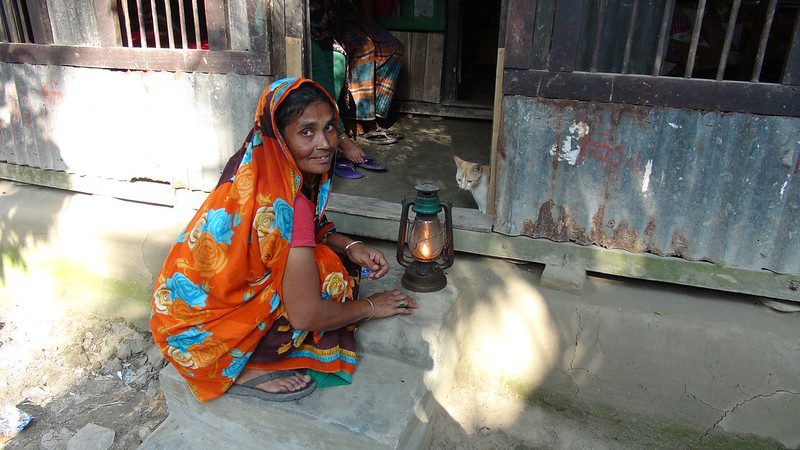
Corporations have financed several off-grid solar projects in rural Senegal in recent years. A good example is the installation of an off-grid solar energy generator in Northern Senegal by a renewable energy company GFM FOTOVOLTAICA in April 2024. The solar generators successfully power three water pumps, a cooling system preserving food and livestock vaccines. The generators are designed to be agrivoltaic meaning the space below the panels can be cultivated for food crops.

This is significant as it has been found that a common community backlash towards renewable energy is the loss of farmable land. Projects like this are small in scale but are useful demonstrators for the impact off-grid renewables can have in rural communities in Senegal. It indicates that there is both a potential for a successful market and poverty alleviation.

Favorable Government Policy Moves

There are positive signs within Senegal regarding governmental recognition and support for the use of off-grid renewable energy in Senegal. The Senegalese government began setting a five-year plan in 2020 to achieve universal electricity access, according to the International Energy Agency (IEA) report. There is good evidence that the Senegalese government recognizes that rural residential areas not having grid access (no connection to electricity providers) is a major reason for the disparity and high energy poverty in Senegal.

The 2023 SAS Market Update reports that “there is increasing acknowledgement that [Off-Grid Solar Products] are a complementary and competitive solution” from the government to the issue of electricity access in Senegal. In 2020, the Ministry of Energy enacted a bill that exempts off-grid renewable energy products from value-added tax, contributing to making access to energy more affordable in disconnected communities.

Furthermor, the 2023 SAS market report noted that the Senegalese government also resolved corporate politics where multiple electricity providers banded to obstruct SAS company operations in regions under their influence.

Such reforms and legislations favoring the acquisition of Stand-Alone renewable energy products signal healthy governmental support, making Senegal a great environment for off-grid sources of energy to reach more of its population.

Conclusion

Energy poverty underlies numerous dimensions of poverty. In Senegal, increasing access to clean modern energy is of paramount importance. There are good reasons to consider off-grid renewable energy as a viable method to increase electricity access in rural areas. Numerous experimental projects showcase the impact and feasibility of rural communities integrating renewable energy for their needs. The Senegalese government’s interest and policy-based support for this solution signals bright potential for renewable energy to become a contributive solution to Senegal’s energy poverty.

– Siwon Kim

Siwon is based in Boston, MAs, USA and focuses on Technology and Global Health for The Borgen Project.

Photo: Flickr

June 30, 2024
https://borgenproject.org/wp-content/uploads/borgen-project-logo.svg 0 0 Jennifer Philipp https://borgenproject.org/wp-content/uploads/borgen-project-logo.svg Jennifer Philipp2024-06-30 03:00:472024-06-30 01:30:00Renewable Energy as a Solution to Senegal’s Energy Poverty
Page 17 of 89«‹1516171819›»

Get Smarter

  • Global Poverty 101
  • Global Poverty… The Good News
  • Global Poverty & U.S. Jobs
  • Global Poverty and National Security
  • Innovative Solutions to Poverty
  • Global Poverty & Aid FAQ’s
Search Search

Take Action

  • Call Congress
  • Email Congress
  • Donate
  • 30 Ways to Help
  • Volunteer Ops
  • Internships
  • Courses & Certificates
  • The Podcast
Borgen Project

“The Borgen Project is an incredible nonprofit organization that is addressing poverty and hunger and working towards ending them.”

-The Huffington Post

Inside The Borgen Project

  • Contact
  • About
  • Financials
  • President
  • Board of Directors
  • Board of Advisors

International Links

  • UK Email Parliament
  • UK Donate
  • Canada Email Parliament

Get Smarter

  • Global Poverty 101
  • Global Poverty… The Good News
  • Global Poverty & U.S. Jobs
  • Global Poverty and National Security
  • Innovative Solutions to Poverty
  • Global Poverty & Aid FAQ’s

Ways to Help

  • Call Congress
  • Email Congress
  • Donate
  • 30 Ways to Help
  • Volunteer Ops
  • Internships
  • Courses & Certificates
  • The Podcast
Scroll to top Scroll to top Scroll to top