• Link to X
  • Link to Facebook
  • Link to Instagram
  • Link to TikTok
  • Link to Youtube
  • About
    • About Us
      • President
      • Board of Directors
      • Board of Advisors
      • Financials
      • Our Methodology
      • Success Tracker
      • Contact
  • Act Now
    • 30 Ways to Help
      • Email Congress
      • Call Congress
      • Volunteer
      • Courses & Certificates
      • Be a Donor
    • Internships
      • In-Office Internships
      • Remote Internships
    • Legislation
      • Politics 101
  • The Blog
  • The Podcast
  • Magazine
  • Donate
  • Click to open the search input field Click to open the search input field Search
  • Menu Menu

Archive for category: Activism

Information and stories on social activism.

Activism, Development, Women and Children, Women and Female Empowerment, Women's Empowerment, Women's Rights

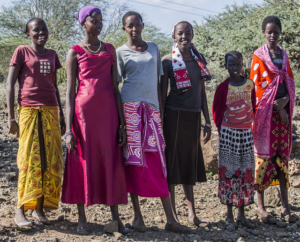
Hajiya Amina Ahmed Empowers Women in Nigeria

women's empowerment in nigeria
Hajiya Amina Ahmed inspires women all over Nigeria to become more involved in making decisions that affect their daily lives. She believes that women should have a role in decision-making processes concerning peace and security. Women in Nigeria are often on the receiving end of conflict situations, but people do not give them a voice in rectifying such situations. Ahmed is a voice that empowers women in Nigeria; she acts against the inequality that women face by empowering women and building communities across religious and ethnic lines.

A Long Way Toward Women’s Empowerment

Achieving women’s empowerment in Nigeria is a very difficult task, especially considering that Nigeria has been violently divided by sex for so long that even some women are against complete equality. There are prominent women in Nigeria who believe that men and women should be different, but equal. Some believe that women should have careers, but that men are the heads of the house and are in control of their wives in the home. Ahmed is counteracting the notion that men and women cannot have equal rights in Nigeria.

Some believe that men and women cannot be completely equal thinking as it will not end gender-based and may increase it. This is why education is the most important aspect of Ahmed’s initiative to involve women and girls in their communities.

Ahmed’s Work

Ahmed is the Executive Director of the Women Initiative for Sustainable Community Development in Plateau State, Nigeria. She has been working in peace and conflict transformation since the 2001 ethno-religious crisis in Plateau State. Since 2001, the recurring communal violence in Plateau State has killed at least 4,000 people.

Ahmed’s work involves countering this violence, specifically the violence against women and girls, as well as promoting their involvement in development processes. She believes that the more women and girls involve themselves, the more they will want to continue and be a voice in their communities. The end goal is for men and women to have equal voices in their communities. Slowly, but surely, she is seeing the difference that she is making as she empowers women in Nigeria.

Ahmed, along with her co-workers, also believes that the most important aspect of women bridging the gap between men’s and women’s roles in their communities is education. When women know what is at stake and what could be different about their lives, they are much more likely to take action and to become models of their communities.

The Nigerian Parliament

In Nigeria, men are disproportionately in control of leadership positions. Even though women make up 49 percent of the Nigerian population, they do not make up even close to 49 percent of Nigerian leadership positions. There are seven female senators out of a total of 109 senators and there are 22 female representatives in the House of Representatives out of 360 total. Nigerian women are trying their best to be a part of their government, but it is difficult when others force them into their cultural and religious obligations of ceding governance to men. Ahmed’s work is an important aspect in giving women more of a say in the Nigerian government.

Ahmed’s Impact

Ahmed is one of the many women who contributed to the Promoting Women’s Engagement in Peace and Security in Northern Nigeria Programme. The E.U. funds the program and supports the Nigerian government strengthening women’s leadership, gender equality and protection of women and children from violence. This program exists in three northern Nigerian states, including Ahmed’s home state of Plateau. Women that are tired of conflicts in which innocent people have perished are leading and carrying out this plan.

Nigeria’s government lacks female representation, but Ahmed, along with her fellow peacemakers, is making a difference by achieving women’s empowerment in Nigeria. Hopefully, more people will join the cause in making Nigeria a country that men and women lead equally. Peacemakers are the starting point of making Nigeria a country that does not divide itself based on sex.

– Megan Maxwell
Photo: Flickr

August 3, 2019
https://borgenproject.org/wp-content/uploads/borgen-project-logo.svg 0 0 Kim Thelwell https://borgenproject.org/wp-content/uploads/borgen-project-logo.svg Kim Thelwell2019-08-03 07:02:542024-05-29 23:11:02Hajiya Amina Ahmed Empowers Women in Nigeria
Activism, Global Poverty, Refugees, Refugees and Displaced Persons

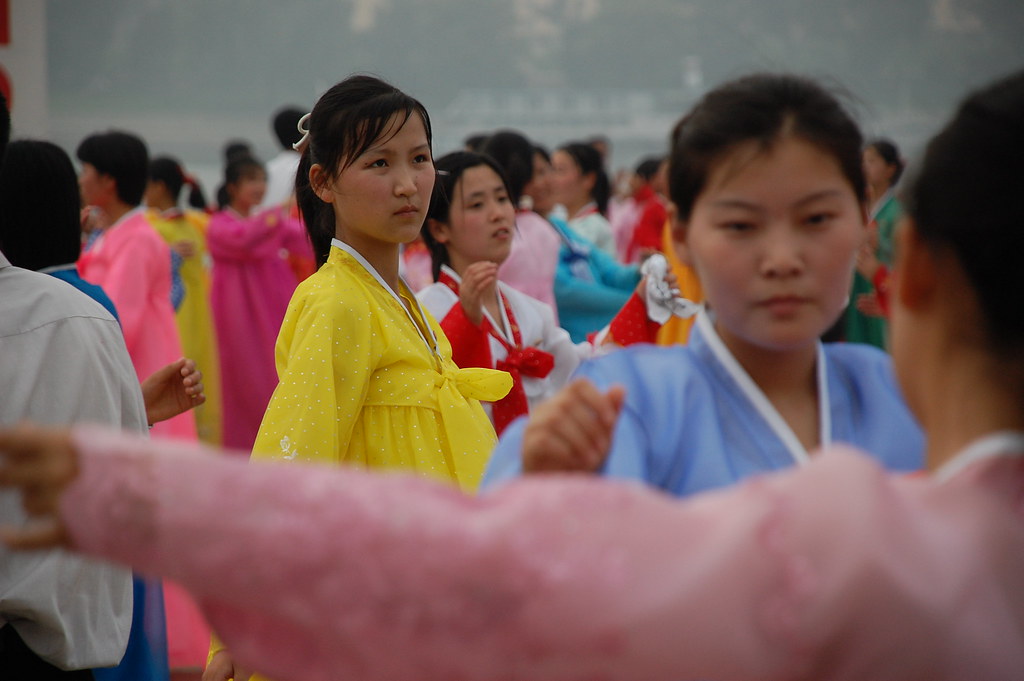
5 Organizations Helping to Resettle North Koreans

5 Organizations Helping to Resettle North Koreans

The Democratic People’s Republic of Korea has committed numerous human rights violations throughout modern history. Many North Koreans who have managed to escape the country reveal the horrific conditions in which they lived. These conditions include generational incarceration in concentration camps, the public execution of dissidents and mass famine.

As such, many North Koreans have attempted the escape their country through secret escape routes and brokers. To escape, North Koreans must traverse forests, cross the Yalu River and navigate heavily patrolled areas. Unfortunately, many don’t make it. Those who survive must then adapt to and resettle in modern society, a complicated and tedious process.

Resettlement is difficult because North Korea lacks technological, social and economic progress. Additionally, many North Korean refugees face discrimination due to stigma. North Korea is so technologically behind, many North Koreans have never touched a computer. This makes it near impossible to find a job or receive an education when they resettle in new countries, like South Korea.

Luckily, many institutions help North Korean refugees resettle in these new cultures and societies. To do so, they provide North Korean refugees with essential skills to find a job, proper housing, education and more. Here are five organizations helping to resettle North Koreans.

5 Organizations Helping to Resettle North Koreans

  1. Teach North Korean Refugees is a nonprofit organization focused on changing the lives of North Koreans through English education. Learning fluent English can open doors to many job opportunities, especially for this globalized world. In 2013, Casie Lartigue Jr. and Eunkoo Lee founded the organization after they witnessed the obstacles North Korean refugees face. The organization began as a small assembly and before growing into a larger nonprofit. Currently, Teach North Korean Refugees has helped 411 North Korean refugees learn English. The organization boasts 914 tutors. Of these, North Korean refugees may a tutor according to their teaching style. They may then choose one of two courses: “Finding My Way,” which covers English basics, and “Telling My Own Story,” which focuses on writing and public speaking. Volunteers can donate and even apply to tutor on their site.
  2. Crossing Borders is a Christian-based organization that primarily focuses on assisting North Koreans refugees trapped in China. The Chinese government considers North Korean refugees to be unlawful economic migrants and returns them to North Korea upon capture. As a result, many North Korean refugees face persecution and exploitation. Accordingly, Crossing Borders provides counseling, medical assistance, safety, and job training to North Korean refugees. It also offers community building and Christian counseling. While the organization does not require North Korean refugees to be Christian, they provide optional mass services. The organization also takes care of underage North Korean refugees who are without parents. It provides safe housing and education for children until they are either adopted or reunited with family members.
  3. The Mulmangcho Foundation is probably one of the most essential resettlement organizations in South Korea. It offers direct training to North Korean refugees, enabling a smoother resettlement process. The organization has several programs for different needs. For instance, Open School helps North Korean refugees with everyday tasks, such as opening a bank account. The publishing programs provide North Korean refugees with a variety of writing tools. These tools are designed to enable North Korean refugees to publish their own stories and learn public speaking. Currently, six children’s books, based on actual experiences, and two nonfiction books have been published through The Mulmangcho Foundation. Furthermore, the organization helps South Korean prisoners-of-war escape North Korean camps.
  4. The North Korea Refugee Aid is the American-based organization of the aforementioned Mulmangcho Foundation. It provides North Korean refugees with the necessary tools for everyday life, as well as physiological treatment and job training. The programs give North Koreans refugees the chance to study in the United States through scholarships, academic tutors and host families.
  5. HanVoice is a Canadian resettlement organization with seven chapters spread throughout universities. The organization helps resettle refugees, as well as advocates against North Korea and their human rights violations. HanVoice seeks to engage Canadians in speaking against these violations and supporting North Korean refugees. The organization’s program, HanVoice Pioneers Program, offers a six-month training course to North Korean refugees. This program provides public speaking and leadership courses, along with an internship for the Canadian Parliament.

Overall, it is essential to remember that the fight for human rights is not only dependent on politics. The conflict surrounding North Korea is complicated and cannot be solved in one summit. However, ordinary people can help North Koreans by supporting these organizations and raising awareness of the human rights violations happening in North Korea. These 5 organizations helping to resettle North Koreans provide hope and assistance that make it possible for North Koreans to achieve real freedom.

– Adriana Ruiz
Photo: Flickr

August 1, 2019
https://borgenproject.org/wp-content/uploads/borgen-project-logo.svg 0 0 Kim Thelwell https://borgenproject.org/wp-content/uploads/borgen-project-logo.svg Kim Thelwell2019-08-01 13:39:292024-06-06 00:26:165 Organizations Helping to Resettle North Koreans
Activism, Children, Global Poverty, United Nations

Millie Bobby Brown and UNICEF Advocate for Children

Brown and UNICEF

On World Children’s Day in 2018, “Stranger Things” actress Millie Bobby Brown was named a UNICEF Goodwill Ambassador, making her the youngest to hold the title at 14 years old. UNICEF, which stands for United Nations International Children’s Emergency Fund, is a nonprofit organization that has sought to provide aid for underprivileged children and protect their rights across 190 countries and territories since 1946. Brown’s role with UNICEF as an ambassador is to use her global platform to raise awareness of issues that affect youth around the world, such as lack of education, violence, poverty and bullying.

Children Taking Over for UNICEF

Before being named ambassador in 2018, Brown and UNICEF partnered in 2016 when the actress co-hosted the organization’s 70th anniversary event at the United Nations headquarters. The anniversary celebration was deemed a “children’s takeover” because it was hosted by Brown and other young celebrities who have been involved with UNICEF as well as young people who have directly benefited from the organization’s efforts. While co-hosting the event as a representative for the future of UNICEF, Brown interviewed soccer star David Beckham about his philanthropic efforts with UNICEF in his 11 years as an ambassador.

Millie Bobby Brown in Denmark

In Jan. 2019, Brown and UNICEF travelled together for the first time when the actress went to
visit the global supply headquarters in Copenhagen, Denmark. There, she assisted in assembling
early childhood development kits, which offer children in disastrous and contentious areas and living conditions a way to play and learn. The kits include art supplies, puzzles, games, books and puppets, and are given to caregivers helping in these areas. The kits are designed to be utilized by up to 50 children who are experiencing trauma and stress, and assist in creating a safe learning environment for them.

Brown also toured UNICEF’s supply and kit packing warehouse, the largest humanitarian warehouse in the world. Hundreds of necessities such as clothing and school supplies are sent from the warehouse every day to children and families in need around the world. In 2017 alone, $3.46 billion worth of supplies were sent to 150 countries in areas by UNICEF.

Collaboration Kits for a Cause

Representatives from Moncler, an Italian apparel and lifestyle brand, also accompanied Brown and UNICEF during the trip. In 2017 the Warmly Moncler project was launched in light of the collaboration between UNICEF and Moncler. The initiative provides winter survival kits containing hats, gloves, scarves, shoes, thermal blankets, socks and fuel to heat homes and schools to disadvantaged children and families in areas with harsh winter conditions worldwide. Since the collaboration was launched, over 38,000 families who live in some of the coldest countries in the world have benefited from the project.

For the future, Brown can be expected to continue to use her platform as an ambassador for
UNICEF to meet with as many children as she can, hear their stories and advocate and speak
out on their behalf.

– Cydni Payton
Photo: Wikimedia Commons

July 31, 2019
https://borgenproject.org/wp-content/uploads/borgen-project-logo.svg 0 0 Kim Thelwell https://borgenproject.org/wp-content/uploads/borgen-project-logo.svg Kim Thelwell2019-07-31 01:30:072024-05-29 23:10:20Millie Bobby Brown and UNICEF Advocate for Children
Activism, Advocacy, Global Poverty

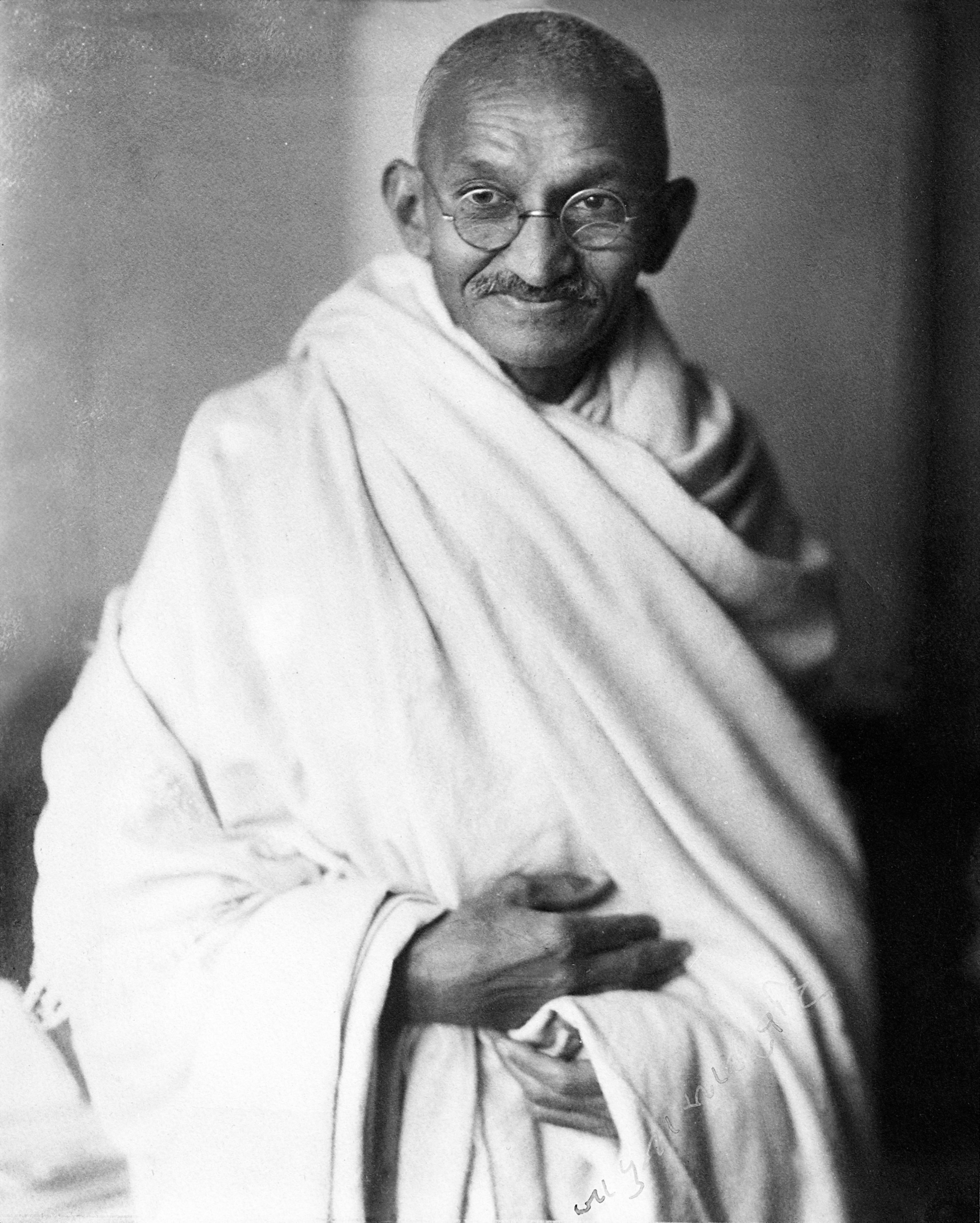
10 Interesting Facts About Mahatma Gandhi

10 Interesting Facts About Mahatma Gandhi
Revered as a Mahatma, or “great soul,” by the poet Tagore, Mohandas Karamchand Gandhi was an activist who changed India forever. Known for dressing in only a loincloth and a shawl, Gandhi became a leading figure in gaining India’s independence from Great Britain. Here are 10 interesting facts about Mahatma Gandhi.

10 Interesting Facts About Mahatma Gandhi

  1. Gandhi’s birthday, Oct. 2, is commemorated as the International Day of Non-Violence. Gandhi believed that the highest degree of consciousness was sacrifice. To purify, Gandhi would fast. Satyagraha, meaning “holding on to truth,” or the “truth force” was what Gandhi developed as a form of passive, civil resistance.
  2. Gandhi’s activism began in South Africa. In 1893, he was in Natal under a one-year contract, where he was subjected to racism by white South Africans. Gandhi specifically recounts being removed from a first-class railway compartment as his earliest experience in South Africa. Despite having a first-class ticket, he was thrown off a train. From that point onward, Gandhi decided to oppose the unjust treatment of Indians.
  3. Gandhi and Russian author, Leo Tolstoy, wrote letters to each other. The author and the activist both came from backgrounds leaning toward aristocracy and they both advocated for social equality. Gandhi’s first letter explained the religious duties and state laws experienced by Indians living in the South African province of Transvaal, and he asked Tolstoy to express his views on morality. Gandhi read Tolstoy’s works during his jail time in 1909. But he was most influenced by Tolstoy’s “The Kingdom of God is Within You,” which urged his search for religious truth in Hinduism. Afterward, Gandhi purchased a farm near Johannesburg and named it Tolstoy Farm. Bringing in about 80 residents, Gandhi experimented with a communal lifestyle he witnessed at a Trappist monastery.
  4. Gandhi was arrested more than once for opposing the mistreatment of Indian people. At 24, Gandhi started the Natal Indian Congress in order to fight discrimination against Indians in South Africa. In 1906, Gandhi and his followers protested the British policemen for profiling. He was jailed for seven years. Between 1921 and 1923, he was imprisoned for promoting civil rebellion. In 1930, he returned to jail in India for one year after illegally producing salt from saltwater and leading the Salt March, which he did to protest the government’s heavy tax on salt in India.
  5. When Gandhi returned to his birthplace in the Gujarat province, he worked against poverty by cleaning the area and building new schools and hospitals. During this time, he earned the nickname “Bapu,” meaning father. Gandhi advocated for better systems of education, and the offering of more consistent employment by the rich instead of small charities. Gandhi worked to feed millions of poor Indians, stating “You and I have no right to anything that we really have until these 3 million are clothed and fed better.”
  6. Gandhi’s method of charkha, or the spinning wheel, represented interdependence, self-sufficiency and a quiet revolution against British control of indigenous industries. Used to make textiles, the wheel is a staple of cotton growers and weavers. It gave employment to millions of Indians. It also makes up the “sun” in Gandhi’s Constructive Programme, a system for carrying out a struggle through community. Gandhi was a master of spinning himself. He encouraged his fellow Indians to make homespun cloth instead of purchasing overtaxed British goods.
  7. Gandhi demanded fair treatment for people in lower castes known as Dalits or the ‘untouchables,’ who he referred to as Harijans, or the children of God. Now, the term Harijan is considered offensive. Until the Indian Constitution of 1949, Dalits made up 15 to 20 percent of India’s population. Since then, many Dalits have gained political power, such as K.R. Narayanan who served as India’s president from 1997 to 2003. Dalits now make up 20 percent of Nepal’s population. Although caste discrimination is outlawed, they are still restricted from many public services. Gandhi tried to inform Indians about the evils of untouchability and the old caste system. Moreover, he conceptualized the ideas of cooperation and sharing between classes.
  8. Gandhi wrote two letters to Adolf Hitler, addressing him as “Dear Friend” and imploring him to stop the war. As tensions mounted in Europe after Germany occupied Czechoslovakia, Gandhi wrote a clear plea to Hitler. However, it never reached Hitler due to an intervention by the British government. One month after, Germany invaded Poland. Gandhi sent a second letter, explaining his own approach to British Imperialism. He asserted that Hitler and himself had both taken very different routes in protest—that of violence and nonviolence respectively.
  9. Gandhi believed in a unified India. In 1947, leaders chose to divide anyway, resulting in a Hindu India and a Muslim Pakistan. On Aug. 15, an outbreak of bloody violence erupted across the land, with many crossing the borders into India or Pakistan. Gandhi responded by fasting until all communities reunited. He became very sick during this time until Hindu and Muslim leaders came and pledged peace. Days later, Jan. 30, 1948, Gandhi was assassinated by a Hindu extremist while on a vigil in New Delhi.
  10. Gandhi was nominated for the Nobel Peace Prize five times but he never won. As one the strongest symbol of nonviolence in the 20th century, later members of the Nobel Committee publicly regretted this. He was nominated in 1937, 1938, 1939, 1947, and a few days before his assassination in 1948. Up until 1960, the Nobel Peace Prize was awarded almost exclusively to Europeans and Americans.

In 1948, a crowd of nearly 1 million people lined Gandhi’s funeral procession along the Yamuna River. These 10 interesting facts about Mahatma Gandhi show why he became the father of India. Although he never lived to see a united India, Gandhi’s teachings influenced the world with powers of nonviolence and love.

– Isadora Savage
Photo: Google Images

July 27, 2019
https://borgenproject.org/wp-content/uploads/borgen-project-logo.svg 0 0 Kim Thelwell https://borgenproject.org/wp-content/uploads/borgen-project-logo.svg Kim Thelwell2019-07-27 09:18:502024-06-06 00:15:3310 Interesting Facts About Mahatma Gandhi
Activism, Global Poverty

5 Ways Anyone Can Help Fight Global Poverty

Help Fight Global Poverty
Poverty is an issue that does not always have a single, clear-cut solution. This leads to a myriad of action plans across the world that seek to address the root causes of poverty. The average person usually experiences these measures through the filters of government officials and media, which makes poverty reduction seem inaccessible to the everyday citizen. However, anyone can help alleviate poverty, not just politicians or public figures. Here are four ways to help fight global poverty.

Use Passions and Education

Poverty is a daunting topic and one cannot learn all its facets in one sitting. The easiest way to begin expanding one’s knowledge about poverty is to start somewhere familiar. Consider any relevant interests or hobbies. For example, sports lovers could type “sports and poverty” into a favorite search engine and learn about issues that impact their interests. Starting off with a topic that is familiar makes it easier to digest new information and keep one’s interest before diving into more specific topics as the individual gains more knowledge.

Finding poverty-related information relevant to one’s interests by discovering articles, videos and social media pages is a great way to educate oneself. Knowledge is a powerful tool to help fight global poverty.

Support Ethical Brands

Fashion lovers will find that the fashion industry is a significant contributor to poverty around the world. In particular, companies produce fast fashion in hazardous sweatshops. Companies make articles so that they wear out within a few wears and harmful chemicals, such as lead, often contaminates them.

Fast fashion companies like Zara and H&M design clothing so that it is outdated within one week thanks to the rise of micro-seasons. Rather than releasing designs corresponding to the traditional seasons, these companies put out 52 clothing collections each year. Some companies get new clothing shipments in their stores twice a week, while others list upwards of 400 items on their websites per week.

Companies can produce this clothing quickly and cheaply due to the usage of low-quality materials and not paying workers a living wage. Estimates determine that informal workers, often women and children, sew 20 to 60 percent of fast fashion garments in their own homes. Globally, 40 million people are garment workers, and 85 percent of those are women. Children usually add details like sequins and beading, which machines can apply easily, in order to cut equipment costs.

To stop supporting fast fashion brands and help fight global poverty, there are a few steps everyone can take. Websites and apps like Ecoture and Good On You provide ratings of brands’ ethics and practices, while also providing a one-stop-shop for ethical brands. Ethical brands like Organic Basics, Kowtow, People Tree and HARA are just a few of the highly ranked clothing companies out there. Thrifting is also a great way to stop creating a demand for fast fashion while not breaking the bank.

Support the Sustainable Development Goals

The Sustainable Development Goals are a set of 17 goals set forth by the United Nations in 2015. They aim to support economic growth and to resolve global issues such as poverty, hunger, lack of access to water and inequality by 2030. These goals are for countries and governments, but individuals can support progress toward the Sustainable Development Goals as well.

In June 2019, Forbes indicated that millennials, unlike older generations, have distinct consumption habits and preferences that are conducive to achieving various Sustainable Development Goals. Millennials are more likely to be conscious of ethical brands, are more ethnically diverse and are financially, socially and health-conscious. Others often think of them as more educated and technology-based than previous generations as well. Other generations can advance Sustainable Development Goals by adopting similar habits, like becoming more financially conscious through impact investing which allows individuals to put their money into socially responsible investments (SRIs).

Get Involved

Individuals can maximize their efforts by involving themselves with a larger group. A great way to help fight poverty is by finding a cause or nonprofit to support. Many organizations help fight global poverty even if that is not their main goal. Organizations dedicated to women’s empowerment, providing access to clean water, child welfare or improving access to education are all causes that decrease poverty rates. Pick a favorite organization and donate some time or money to them on a regular basis. Great resources to start with are The Borgen Project, Days for Girls and Equality Now.

Mobilize

Another way to help fight global poverty is to multiply efforts by contacting local leaders and encouraging others to do the same. People know this as mobilizing and it is a great way to create change. Congressional leaders and their staff receive letters, emails and calls from constituents every week and the more they see a particular issue or piece of legislation come up, the more likely they are to support it. The Borgen Project details more ways to get involved and connect with Congressional leaders.

These five points are a great way for anyone to help fight global poverty and encourage others to join the cause. Together everyone can make the difference that eliminates poverty for good.

– Shania Kennedy
Photo: Pixabay

July 20, 2019
https://borgenproject.org/wp-content/uploads/borgen-project-logo.svg 0 0 Kim Thelwell https://borgenproject.org/wp-content/uploads/borgen-project-logo.svg Kim Thelwell2019-07-20 15:08:172024-06-06 00:26:235 Ways Anyone Can Help Fight Global Poverty
Activism, Advocacy, Global Poverty

Emerging Social Activists from Around the World

Emerging Social Activists
There are many people around the globe who are standing up and advocating for themselves and the human rights of the people around them. Whether their countries allow them to speak freely about their oppression or try to silence them, these social activists are making an impact. These are some of the top emerging social activists from around the world.

Shamma bint Suhail Faris Mazrui – United Arab Emirates

The youngest government minister in the world, Shamma bint Suhail Faris Mazrui became Minister of State for Youth Affairs in the UAE in 2016. One of her main views on what youths can add to public affairs and relations is resourcefulness, arguing, “Hopelessness results when youth are not seen as resources, and apathy results they’re not seen as assets.”

Mazrui’s vision is to bring more youths into the private sectors of the UAE and not just into public affairs. She believes that the change of a nation starts with the investment of the youth. Ultimately, her goal is to set a vision into the youth’s eyes that there is something more important than living solely for yourself.

Majandra Rodriguez Acha – Peru

In 2009, the government of Peru released its jungles from protection and opened them for scavenging and oil extraction. That year, nineteen-year-old Majandra Rodriguez Acha decided she would not stand for her jungles to be exploited. A group of activists including Ahca chanted “La selva no se vende, la selva se defiende.” In English, “You don’t sell the jungles, you defend them.”

Since then, Acha has formed a group called TierrActiva Perú. The group advocates for the voice of the jungle. It reconciles urban youth groups to indigenous youth groups in Peru directly affected by the exploitation of the jungles.

In 2014, Acha organized a conference that brought together over 100 indigenous and urban youths, mainly under 30 years old. Acha says, “We believe that people are experts of their own reality” and the conference was one of little convention. The people were free to come up to the stage, write on a whiteboard, and express their own emotions and ideas towards bettering Peru.

Li Maizi – China

China has been under the rule of the communist party for sixty-six years. The country runs on the traditional principles of efficient work and a conventional, stable family-core. However, in 2015, emerging social activists like Li Maizi challenged these values.

China has no laws or allowance for activism which does not conform to the structure of society within the country. Maizi and others handed out stickers on International Women’s Day in 2015. They were protesting and raising awareness of sexual abuse and harassment. These women were detained and interrogated. Maizi herself was imprisoned for over thirty-five days but was released after being labeled a spy.

Four other women were detained alongside Maizi. All either queer or labeled as free-women, meaning they do not wish to have children, they have been called the Feminist Five. The group realize public rallies in their country are not possible. To succeed in fighting against the oppression of women,  they have to formulate different tactics to raise awareness.

Maizi believes that the U.S. is a breeding ground for social activism. She believes it has the right political and social atmosphere to transcend borders and empower China. “If we don’t set up this group in the U.S., China’s feminist movement will become too passive. The position of our core activists is extremely fragile and we don’t know when the police will come and arrest someone again—it could be today or tomorrow,” she says.

Alioune Tine – Chad

The government of Chad has cracked down on social activism and freedom of speech within the last two years. It has also banned peaceful protests within the country. Alioune Tine is the Amnesty International West and Central Africa Director. He has said that officials have made criticism of their government something that cannot be voiced or acted upon.

Many of the known political and social activists in Chad have reached out to Amnesty International, stating that they have received phone calls and harassment. They allege that the calls include interrogatory questions which leave them afraid and confused.

Tine says that Chad is at a crossroads. It must choose between muzzling citizens and critics of its government or to walk in the promises made by the president during his election.

These emerging social activists are just a few among many around the world who are standing up and speaking out despite opposition. As Acha said, “people are experts to their own reality.” These experts believe people have a right to be heard.

– Hannah Vaughn
Photo: Flickr

July 18, 2019
https://borgenproject.org/wp-content/uploads/borgen-project-logo.svg 0 0 Kim Thelwell https://borgenproject.org/wp-content/uploads/borgen-project-logo.svg Kim Thelwell2019-07-18 09:23:362024-06-06 00:15:29Emerging Social Activists from Around the World
Activism, Advocacy, Global Poverty

The Informal Economy in South Africa

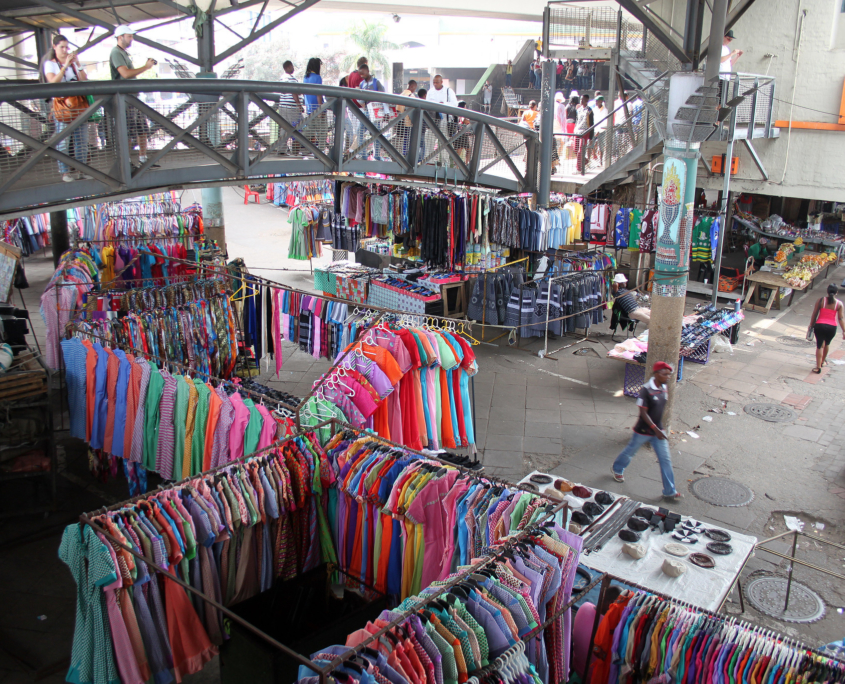
informal economy in South AfricaIf you walk down a busy street in any of South Africa’s major cities, you are bound to witness some type of informal economic activity. Whether it be a fruit stand, street-hawker selling earphones or an informal car wash business, the informal economy in South Africa is a crucial part of life for many of its residents.

The Importance of Informal Trade

Informal trade refers to any unregulated, unregistered, unprotected and untaxed activities, enterprises, or transactions. Informal jobs are an essential source of income for many poor South Africans—18 percent of working citizens work in the informal sector—a total of over three million workers. Additionally, the sector accounts for 18 percent of South Africa’s GDP. While these numbers are smaller than those of other developing countries, they emphasize the importance of informal trade in an economy with stark unemployment rates—26.6 percent as of 2016. Informal markets, like Durban’s Warwick Markets, provide jobs for those who are unable to find formal employment. Thousands depend on these markets for produce, cooked meals and clothing at affordable prices. Furthermore, the informal workforce in South Africa is overwhelmingly poor, young females. In fact, the poverty level in an area correlates positively with the proportion of people working in the informal economy.

The government recognizes the informal economy in South Africa as a viable and important form of employment and enabler of economic mobility for the country’s poor. Experience in the informal sector can help untrained people acquire skills, potentially aiding future integration into the formal sector. According to economist Loane Sharp, the informal economy in South Africa is growing faster than its formal counterpart. This prompts the government to pass policy encouraging and protecting the sector. The National Informal Business Upliftment Strategy of 2014 set up a framework of government assistance with skills development, marketing, technical support, infrastructure improvements and management training. This “inclusive growth” strategy focuses on enabling South Africa’s poor to participate in the economy rather than merely redistributing wealth through social welfare programs.

Non-governmental organizations are also working to improve conditions for informal traders. Asiye eTafuleni is an NGO in Durban that works with local government officials and vendors in the informal sector (particularly the Warwick Markets) to assist in developing infrastructure, consultations for urban planning and advocacy for informal workers. The organization also directs tourism to the Warwick Markets, educating foreigners and visitors on the functions and importance of the markets, and bringing the vendors eager customers. Asiya eTufuleni is a member of the Inclusive Cities mission, which focuses on uplifting and strengthening groups of working poor in the informal economy. The Inclusive Cities project aims to support the urban poor through lobbying, policy planning, and research. One of the ways the project does this is by advocating for “waste pickers’ rights,” the legal right of individuals to collect garbage to recycle into sellable goods. These rights are under threat by the privatization of solid waste management in many cities across Africa. Inclusive Cities also conducts research and analysis of the informal economy to support future endeavors and activism.

A Struggle for Informal Business Owners

There are many downsides to informal trade which make its participants particularly vulnerable. Informal business owners are often deterred from registering their enterprises by high taxes and strict regulations. Informal working conditions are unregulated by nature and therefore often poor. Dangerous locations, limited book-keeping skills and lack of insurance put informal traders at constant risk of losing their livelihoods. Average earnings for informal workers are less than half of what the formally employed earn. And although recent policies are attempting to expand this sector of the economy, informal workers still face significant intimidation and harassment by local law enforcement.

In July 2018, hundreds of informal traders protested by-laws which would prohibit trading in certain areas. These potentially harmful by-laws would allow law enforcement to confiscate the goods of traders without permits. The leader of the activist group responsible for organizing a march on Durban City Hall complained that the traders themselves were not included in the creation of these laws. The permit allocation procedure, he says, is corrupt, with officials soliciting bribes in exchange for permits.

It is clear that despite efforts by the government and NGOs, conditions of the informal sector have remained unsatisfactory. The disconnect between national policy, like the National Informal Business Upliftment Strategy, and local municipalities is one obstacle in the way of a safer, healthier informal sector. The informal economy in South Africa provides crucial wages for the country’s poorest and most vulnerable populations; resources should be channeled to encourage and protect laborers and merchants in the sector.

– Nicollet Laframboise

Photo: Flickr

July 18, 2019
https://borgenproject.org/wp-content/uploads/borgen-project-logo.svg 0 0 Kim Thelwell https://borgenproject.org/wp-content/uploads/borgen-project-logo.svg Kim Thelwell2019-07-18 05:34:462024-06-11 03:08:23The Informal Economy in South Africa
Activism, Children, Developing Countries, Development, Education, Global Poverty

Sofia Carson’s Role in Fighting Poverty

Carson’s role in fighting povertyActress Sofia Carson, while actively immersing herself in her career, equally immerses herself into charitable projects. She is credited as a global ambassador or active supporter of many organizations. Through her partnerships with organizations such as the United Nations International Children’s Emergency Fund, WE and the Latin GRAMMY Cultural Foundation, she has shown that when it comes to her charitable deeds, she embraces the importance of education for women and children and women’s empowerment. Here are some examples of Sofia Carson’s role in fighting poverty.
Latin GRAMMY Cultural Foundation

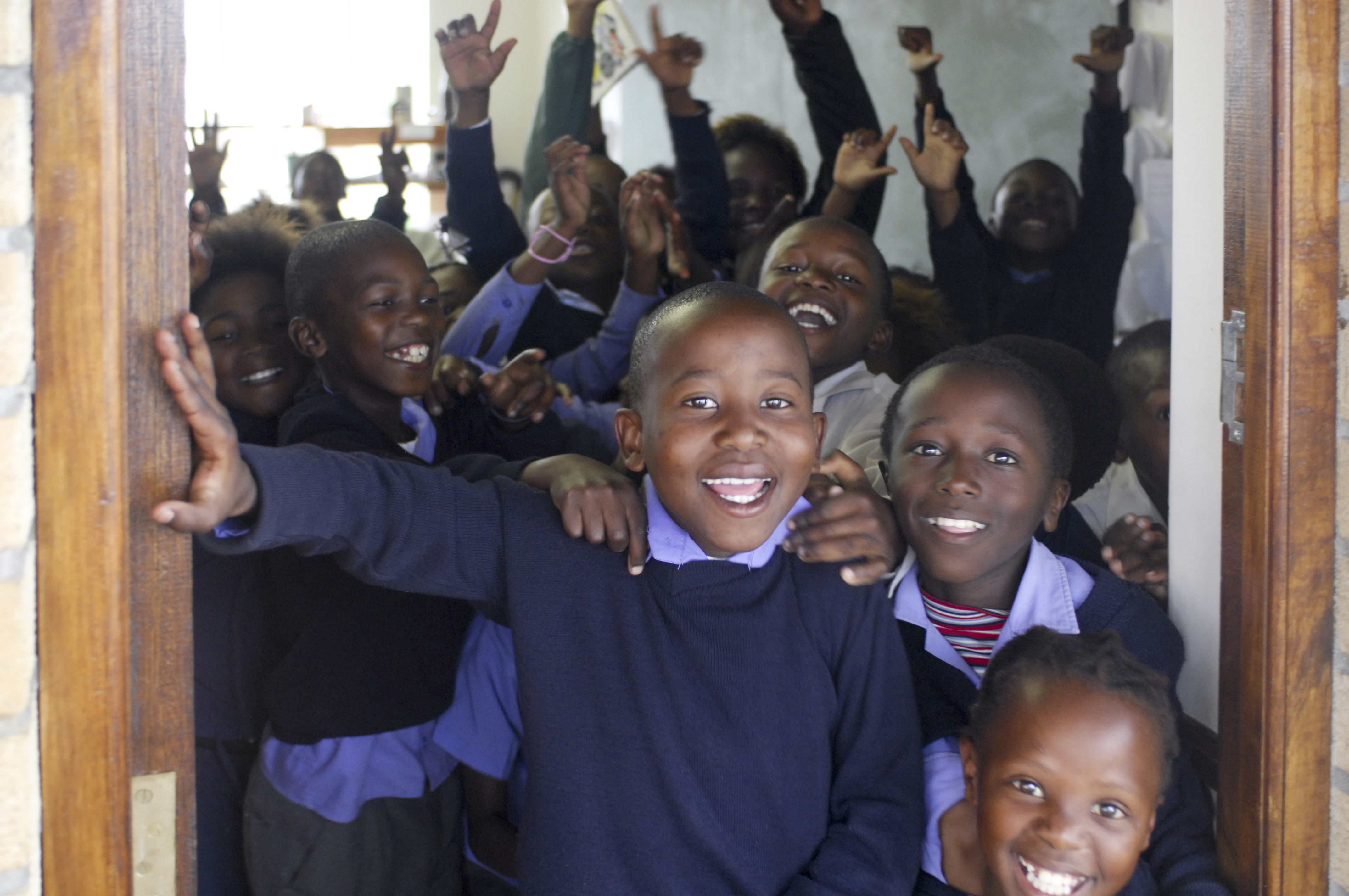
Carson was recently named the first-ever global ambassador of the Latin GRAMMY Cultural Foundation. Her role as a global ambassador will be to advocate for, increase and promote awareness of the foundation’s overall mission and educational programs. Carson’s role in fighting poverty with the organization will also include participating in events to help with fundraising and to stimulate the primary focus of the Latin GRAMMY Cultural Foundation, which is to provide scholarships and grants to students around the world who are interested in Latin music, donate musical instruments to schools in need and to preserve different genres of Latin music as well as music education programs. The foundation’s philanthropic program efforts spread among 24 countries and since its establishment in 2014, the Latin GRAMMY Cultural Foundation has donated $5 million in grants, scholarships, musical instrument donations and education events in the United States and Ibero-America.

Recife, Brazil

In June 2019, Carson traveled to Recife, Brazil with UNICEF. In Brazil, 31 children are killed every day, and 90 percent of the violence is aimed toward young girls and women. An average of 51 cases involving violence is reported per day, though the majority of cases are usually not reported because violence toward females is considered normal and expected. Carson’s role in fighting poverty during the trip was to promote and ensure the rights and well-being of all the children, by meeting with the children of Recife as well as their families, to learn about the impactful work that UNICEF is doing in terms of education, empowering girls and early childhood development.

One of the visits Carson made in Recife was to visit the children at COMPAZ, which is a community center, partner with UNICEF Brazil, that emphasizes keeping adolescents away from street activity and works to provide a space for them that embodies peace, education and inclusion. Since COMPAZ and UNICEF have partnered in educating young women, violence in Recife has decreased by 35 percent. Also in Carson’s role in fighting poverty with UNICEF, she undertook a workshop with young women and men that were a part of a program implemented by UNICEF Brazil called Empodera- Today Girls, Tomorrow Women, which is committed to the social and economic empowerment of girls and adolescents by promoting gender-responsive public policies. Carson workshopped with the children to have a dialogue about how to continue to empower women for the upcoming generations. Also, while in Recife, Carson visited the Altino Ventura Foundation, a clinic that offers emergency services and assistance to low-income patients, specifically children and families that have been impacted by the Zika virus.

We, and Me to We Charity

Carson’s role in fighting poverty as a supporter of the WE charity and its partner ME to WE has been long and impactful. ME to WE works to aid employment and economic empowerment to the underprivileged communities around the world, through artisanal and Fairtrade products, as well as global service trips.

Carson’s role in fighting poverty with ME to WE has involved travelling abroad with the charity and developing a Rafiki bracelet where 50 percent of the proceeds from each bracelet will go toward providing young girls access to education, by building educational facilities such as school rooms and libraries, providing the girls with education essentials like pencils and textbooks and nourishing the girl’s leadership and public speaking skills. Rafiki bracelets are a Kenyan tradition, handmade by women. Carson was inspired to help design the “Unstoppable” Rafiki bracelet after going to Kenya with ME to WE and seeing firsthand the impact that the charity is having on the women in the country.

It is evident that with each philanthropic endeavor Carson involves herself with, the safety and education of underprivileged women and young children are at the forefront of her what matters to her.

– Cydni Payton
Photo: Wikimedia

July 13, 2019
https://borgenproject.org/wp-content/uploads/borgen-project-logo.svg 0 0 Jennifer Philipp https://borgenproject.org/wp-content/uploads/borgen-project-logo.svg Jennifer Philipp2019-07-13 18:08:062019-10-30 08:39:58Sofia Carson’s Role in Fighting Poverty
Activism, Global Poverty

An Update on the BeyGood Fellowship Program in South Africa

BeyGood Fellowship ProgramLast December, Beyoncé performed at the Global Citizen Festival in South Africa, a festival aimed at ending global poverty. The 2018 festival was in honor of Nelson Mandela, former South African president and activist who died in 2013. Over 90,000 people attended the festival, which raised $7.1 billion worldwide. The highly anticipated performance garnered high viewership and engagement worldwide, and parts of the performance were streamed online. However, this was not the beginning of Beyoncé’s charity work in South Africa. Her foundation, BeyGood, has spotlighted local organizations for years. Now, BeyGood plans to return to South Africa twice a year to help develop and execute its community outreach plan. In doing so, BeyGood created the BeyGood Fellowship Program.

BeyGood Fellowship Program in South Africa

The BeyGood Fellowship Program in South Africa is being executed in partnership with Global Citizen. The two organizations are working to empower local youth in helping end world poverty by 2030. Each youth fellow receives a paid, yearlong job opportunity and will focus on one of four pillars of activity from Global Citizen: creative, campaigns, rewards or marketing.

In late March 2019, the BeyGood foundation reviewed applications and returned from New York to Johannesburg, South Africa. Once there, BeyGood representatives met with four fellows who have been working on the project since the Global Citizen Festival in December. They also met with local partners to see how their work has been going and what is needed to ensure future success.

BeyGood Foundation Partnerships in South Africa

In addition to the organization’s work in South Africa, the BeyGood Foundation is partnering with UNICEF USA and Chime for Change on a campaign called Every Drop Counts, bringing clean water to Burundi. The BeyGood Foundation also works with an organization in Johannesburg, IkamvaYouth. This organization aims to pull children out of poverty through after-school tutoring. Founded in 2003, IkamvaYouth is youth-driven and offers career advice and psychological services. It impacts 5,000 youths per year across 15 branches.

Moreover, BeyGood is partnered with 9-year-old arts organization Lalea, whose mission is to support youth through after-school art programs. The organization helps students manifest their dreams and think creatively to accomplish their goals. BeyGood’s visits to South Africa enabled them to check in with all of these programs and more. More importantly, it allowed BeyGood to ensure they are engaging the communities they serve and maintain and create future success.

Though the BeyGood fellowship program in South Africa is relatively new, the organization has continuously worked with various South African organizations to aid youth development. The program has executed on their promises to the community. Ultimately, BeyGood is an example of how to incorporate youth in the fight to end extreme poverty by 2030.

– Ava Gambero
Photo: Google Images

June 20, 2019
https://borgenproject.org/wp-content/uploads/borgen-project-logo.svg 0 0 Kim Thelwell https://borgenproject.org/wp-content/uploads/borgen-project-logo.svg Kim Thelwell2019-06-20 06:38:572024-05-29 23:00:26An Update on the BeyGood Fellowship Program in South Africa
Activism, Global Poverty, Women and Female Empowerment, Women's Rights

5 Facts About Women’s Rights in Togo

5 Facts About Women’s Rights in Togo
Togo is a small country in West Africa. Like other developing countries, many people in Togo have made the realization that gender equality and women’s rights would lead to a thriving, more prosperous community. Although recognizing the issue is a crucial and necessary step, actions are needed to see real change. This article examines 5 facts about women’s rights in Togo.

5 Facts About Women’s Rights in Togo

  1. In 2007, Togo adopted a law that prohibits sexual assault, early and forced marriage, exploitation, female genital mutilation and sexual harassment. Yet, women are still lacking in information and education when it comes to their rights, which means marital rape and domestic violence are still common in Togo regardless of the law.
  2. There is a 10-day national conference held every year in Togo called the Women’s Wellness and Empowerment Conference (WWEC). The conference brings women leaders from across Togo together. The Peace Corps’ goal for the WWEC is to empower women, advocate gender equality and education and encourage the community to engage with one another.
  3. For women, there is a substantial drop in literacy rates from primary education (72 percent) to secondary education (14 percent). One of the reasons for this extremely high drop-out rate is because of early pregnancies. The high number of early pregnancies is because sex education, contraceptives and family-planning are all non-existent in Togo, making it extremely difficult for women to take charge of their bodies and futures.
  4. According to the World Bank’s country report, women lack economic opportunities and are rarely represented in high-level positions. This hurts society as a whole. The International Labour Organization stated that more female participation in the workforce would result in faster economic growth. Although there is a law in Togo that constitutes equal pay for equal work regardless of gender, women’s rights activist Berthe Adjoavi Tatey stated that this law is not acted upon. She claimed that women continue to have inadequate access to financial services. Sophie Ekue, a journalist in Togo said, “women are the belt that holds men’s trousers. And it is high time that this changes–for the benefit of the whole society.”
  5. Women are becoming more involved politically. As of 2010, nine members of the National Assembly and seven ministers in the Cabinet were women. In 2012, Togolese women organized a week-long “sex-strike.” The goal of the strike was to pressure President Faure Gnassingbe to resign. Women who wanted to take part in the strike were asked to withhold sex from their husbands. The goal was to convince men to also take action against the president. Togolese women have also led two naked protests. The first was following the sex-strike in August 2012, and the second was in September 2017. The goal of the protests was the same as the sex-strike: mobilize men against the president.

With the uprise of gender equality laws, female-led protests and national women’s conferences, Togo is looking toward a better future as far as gender equality and women’s rights are concerned. These 5 facts about women’s rights in Togo show there is still room to improve. It is essential that Togo continues to focus on advancements for women so there can be political, educational and financial equality between both genders in Togo, creating a strong flourishing community.

– Malena Larsen
Photo: Flickr

May 3, 2019
https://borgenproject.org/wp-content/uploads/borgen-project-logo.svg 0 0 Kim Thelwell https://borgenproject.org/wp-content/uploads/borgen-project-logo.svg Kim Thelwell2019-05-03 01:30:402024-12-13 18:01:455 Facts About Women’s Rights in Togo
Page 10 of 56«‹89101112›»

Get Smarter

  • Global Poverty 101
  • Global Poverty… The Good News
  • Global Poverty & U.S. Jobs
  • Global Poverty and National Security
  • Innovative Solutions to Poverty
  • Global Poverty & Aid FAQ’s
Search Search

Take Action

  • Call Congress
  • Email Congress
  • Donate
  • 30 Ways to Help
  • Volunteer Ops
  • Internships
  • Courses & Certificates
  • The Podcast
Borgen Project

“The Borgen Project is an incredible nonprofit organization that is addressing poverty and hunger and working towards ending them.”

-The Huffington Post

Inside The Borgen Project

  • Contact
  • About
  • Financials
  • President
  • Board of Directors
  • Board of Advisors

International Links

  • UK Email Parliament
  • UK Donate
  • Canada Email Parliament

Get Smarter

  • Global Poverty 101
  • Global Poverty… The Good News
  • Global Poverty & U.S. Jobs
  • Global Poverty and National Security
  • Innovative Solutions to Poverty
  • Global Poverty & Aid FAQ’s

Ways to Help

  • Call Congress
  • Email Congress
  • Donate
  • 30 Ways to Help
  • Volunteer Ops
  • Internships
  • Courses & Certificates
  • The Podcast
Scroll to top Scroll to top Scroll to top