• Link to X
  • Link to Facebook
  • Link to Instagram
  • Link to TikTok
  • Link to Youtube
  • About
    • About Us
      • President
      • Board of Directors
      • Board of Advisors
      • Financials
      • Our Methodology
      • Success Tracker
      • Contact
  • Act Now
    • 30 Ways to Help
      • Email Congress
      • Call Congress
      • Volunteer
      • Courses & Certificates
      • Be a Donor
    • Internships
      • In-Office Internships
      • Remote Internships
    • Legislation
      • Politics 101
  • The Blog
  • The Podcast
  • Magazine
  • Donate
  • Click to open the search input field Click to open the search input field Search
  • Menu Menu

Archive for category: Refugees

Aid, Global Poverty, Refugees

How the Poetry Project Is Platforming Young Refugees in Berlin

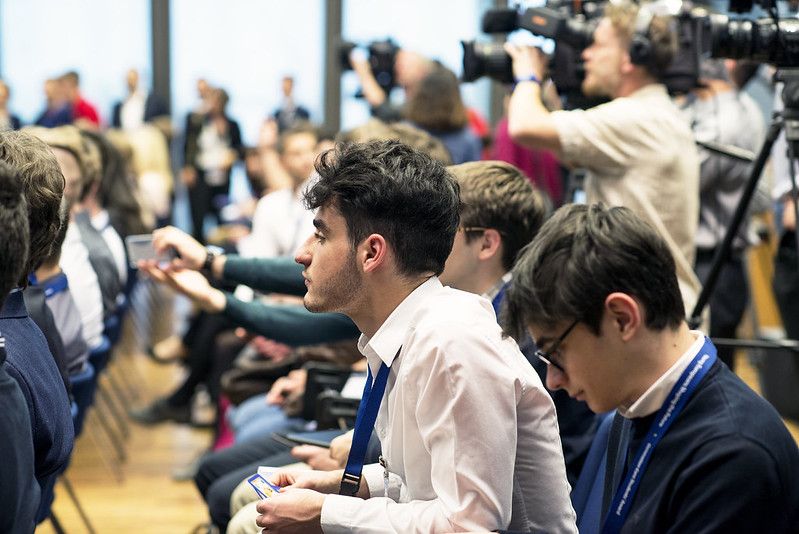
Poetry ProjectWhen hundreds of thousands of refugees arrived in Germany in 2015/16, including many unaccompanied minors, SPIEGEL foreign correspondent Susanne Koelbl wondered about the stories of these young people. Having reported from countries such as Afghanistan, Iran, Syria and Saudi Arabia for many years, she has experienced poetry’s power as a common form of storytelling.

Inspired by its beauty, Koelbl teamed up with Afghan-born lawyer and translator Aarash D. Spanta and a United Nations (U.N). adviser Andreas Jödecke to create a space for poetry in Berlin, hoping that they may be able to encourage young Farsi-speaking refugees to find their voices and tell their stories. The effort was an undeniable success.

The young men who attended (primarily young men were sent on the journey to Europe unattended) wrote of their trip in poems which were published later that year in an anthology that resulted in several writers performing their writing at Berlin’s 16th International Literary Festival (ilb). The Poetry Project met with The Borgen Project to give further insight into its work, mission and future plans.

How and Why Poetry Works

When organizing opportunities for the young refugees to write poetry, “we’re really thinking, how can we build connections?” Theresa Rüger told The Borgen Project. Rüger herself is a literature scholar who stumbled upon The Poetry Project at the ilb. Seeing the poems displayed in the Haus der Berliner Festspiele, she was inspired and applied to be a part of it. She explains that the workshops allow young people to tell their stories, meet others and build connections.

The inspiration to use poetry as a medium came from Koelbl’s encounters with poetry in countries such as Afghanistan. Rüger describes Koelbl’s joy as everyone from cab drivers to dinner hosts took the opportunity to share their own poetry, recite traditional poetry and use poetry to convey emotion where regular conversation failed. Searching for a medium to express the young refugees’ experiences, Koelbl decided poetry could be the answer she sought. In many countries, Rüger explains, poetry is close to the present, allowing it to weave in and out of everyday conversation. Perhaps due to this poetic connection, the young people working with The Poetry Project found that their emotions and stories flowed easily into this medium.

There’s another reason, however, that poetry fits so well to express the complex emotions and experiences at play here. “Sometimes the young people are afraid that their audience won’t be able to deal with [their stories],” Rüger explains, “or that they’re going to ask questions that they don’t want to answer.” Poetry introduces a degree of separation between reader and writer, allowing the refugees to get their story out there while retaining a comfortable distance from their audience.

Expansion

Today, The Poetry Project has expanded to include workshops in four languages: Farsi, Arabic, Ukrainian and Kurdish. Work is also translated into English and German. Workshops are held in the same room in the Project’s main office in Berlin, Rüger informs me and take place every weekend, with an additional drop-in session on Wednesday afternoons. This session, Theresa explains, can be used as a time to “just drop by if they want to write or just to talk to us.” In short, it is another opportunity for social connections to be forged and for trust to be built. Like the weekend workshops, attendance at the Wednesday sessions isn’t mandated. Instead, young people are free to invest as much time as makes them feel comfortable.

Spreading the Word

The young people involved in The Poetry Project don’t limit their words to the page. More than 10 readings are organized annually and young poets are frequently invited to speak at literary institutions in readings that impress the audience deeply. The performances “differ from your regular reading where you have a professional author. It feels more immediate.” Emotions run high in audiences facing “very young people” speaking of such harsh experiences and “often people cry.”

The readings’ most impactful are those delivered to the young poets’ peers: school children whose lives match the refugees’ perfectly in years but differ vastly in lived experience. Rüger tells of school assembly halls echoing with the jokes of 150 teenagers, raucous and reluctant to sit quietly for their teachers. But when the young poets come out on stage and begin to read, she says, “You could hear a pin drop.”

The awe and enthusiasm were verified by the school-age audience at the International Literary Festival Berlin, where students lined up to spend their “pocket money” on The Poetry Project’s first anthology after sitting spellbound through the reading. They even requested that the readers sign their individual copies.

Looking Forward

Looking ahead to 2024 and beyond, Rüger describes how The Poetry Project has many projects, readings and events that will continue to spread its message and be a platform for young refugee voices. The Project has scheduled a collaborative performance with a dance group, the publication of a new anthology and a partnership with PEN Berlin – a writer’s association that specializes in supporting persecuted authors to come to Germany and establish themselves in the German publishing scene.

PEN Berlin also organizes additional workshops “held by professional authors who share a mother tongue with the participants.” In addition, The Poetry Project has planned participation in the event series “75 Jahre Grundgesetz – intersektional” from the Bundeszentrale für politische Bildung. Through the event series, The Poetry Project will join the discussion of Germany’s Basic Law from a “diversity-oriented, intersectional perspective,” adding its poetry to the debate on how the law relates to “marginalized and discrimination-affected groups.”

The Poetry Project has established itself as a center that works tirelessly to build connection, understanding and empathy. It provides opportunities for young refugees to foster a sense of belonging and to get their stories heard – all while helping those who grew up in Germany gain a more robust understanding of what refugees have experienced. Its methodology is simple – pass the mic to those who’ve been through it.

– Peggy Hughes
Photo: Flickr

April 5, 2024
https://borgenproject.org/wp-content/uploads/borgen-project-logo.svg 0 0 Hemant Gupta https://borgenproject.org/wp-content/uploads/borgen-project-logo.svg Hemant Gupta2024-04-05 07:30:172024-04-04 08:29:17How the Poetry Project Is Platforming Young Refugees in Berlin
Global Poverty, Health, Refugees

Addressing Sanitation in Overcrowded South Sudan Transit Centers

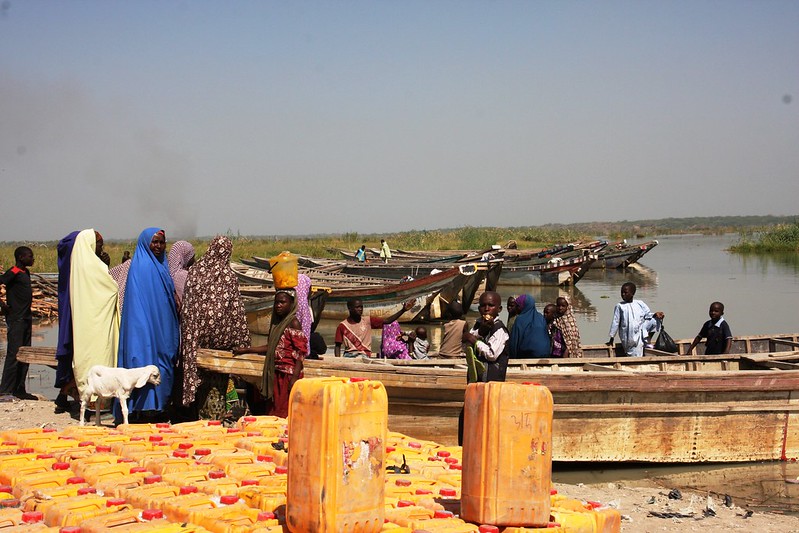
Addressing Sanitation in Overcrowded South Sudan Transit Centers On 29 February 2024, Oxfam warned of the increasing threat of outbreaks of diseases due to overcrowded South Sudan transit centers. Amid Sudan’s conflict fallout, Renk transit centers in South Sudan are bursting at the seams, accommodating more than half a million displaced individuals, three times its capacity. With more than 300 people sharing one water tap, Oxfam raises the alarm over heightened cholera risk due to inadequate sanitation.

Escalation of the Humanitarian Crisis in South Sudan

Since its civil war, South Sudan has been an epicenter of humanitarian crises. Extreme violence and food insecurity have left an estimated number of 9.4 million civilians in desperate need of humanitarian assistance. Last year’s conflict in Sudan, which emerged in April, exacerbated existing problems, also encumbering overcrowded South Sudan transit centers. The United Nations Mission in South Sudan (UNMISS) reported 920 violent incidents in three months in 2023, resulting in 405 deaths and more than 600 injuries and abductions. More than 300,000 refugees fled to South Sudan, encountering severe conditions in transit centers.

Overcrowded South Sudan Transit Centers

This crisis worsens the existing cholera challenges in overcrowded transit centers in South Sudan, with 1027 prior cases, prompting urgent calls for intervention to avert disease outbreaks. Currently, Renk’s transit centers, designed to accommodate 4,750 people, now house 15,000, with many more living in open areas without access to water or hygiene facilities. An Integrated Food Security Phase Classification report reveals that 46% of South Sudan’s population faces high levels of acute food insecurity, underscoring the critical need for increased international humanitarian funding.

In addition, Oxfam and its partners have successfully delivered clean water and adequate sanitation to more than 70,000 individuals within overcrowded South Sudan transit centers. However, 7 million dollars is needed to expand humanitarian operations, aiming to provide life-saving food, clean water and sanitation facilities to 400,000 people.

Declining International Funding and Its Impact

International efforts have introduced sanctions against South Sudan by the EU and the United Nations Security Council to address ongoing conflicts. Despite these measures, financial contributions to humanitarian aid have seen a significant decline since 2014. In 2024, funding for South Sudan’s Humanitarian Needs and Response Plan drastically fell to only 3.6% from 51% in 2023, with the EU being the largest donor, contributing 49.5 million Euros.

These funding cuts threaten the execution of critical humanitarian operations within the country. Moreover, Germany leads as the primary donor for South Sudan, contributing 26.2% of the total humanitarian funding reported. In contrast, the United States (U.S.) and Canada are among the lowest contributors, with the U.S. providing only $3,826,798.

Future Prospects for South Sudan Transit Centers

The critical situation in South Sudan’s transit centers underscores a growing need for international solidarity and increased humanitarian aid. Oxfam’s efforts, alongside those of its partners, are pivotal in mitigating the immediate threats of disease and providing necessary resources to those displaced by conflict.

Despite funding challenges, the global community’s commitment to supporting South Sudan can catalyze meaningful change and offer a lifeline to millions in need. The road to recovery is steep, but with sustained support and strategic interventions, there’s hope for a healthier, more secure future for South Sudan. Every contribution, big or small, plays an essential role in building resilience against the cascading effects of humanitarian crises, marking a path toward stability and well-being in the region.

– Naomi Ronner
Photo: Flickr

March 15, 2024
https://borgenproject.org/wp-content/uploads/borgen-project-logo.svg 0 0 Precious Sheidu https://borgenproject.org/wp-content/uploads/borgen-project-logo.svg Precious Sheidu2024-03-15 07:30:202024-03-15 03:47:42Addressing Sanitation in Overcrowded South Sudan Transit Centers
Global Poverty, Nonprofit Organizations and NGOs, Refugees

3 Nonprofits Providing Relief to South Sudanese Refugees

3 Nonprofits Providing Relief to South Sudanese RefugeesIn the aftermath of Sudan’s brutal civil war of 1983-2005, which tallied approximately 2 million deaths, two separate states emerged in 2011. The southern territory became the Republic of South Sudan, primarily home to Christian and indigenous animist religious groups. However, violence persisted as unresolved conflicts between Sudan and South Sudan, including border disputes and religious differences. Consequently, brutality against South Sudanese refugees, including degrees of sexual violence, is labeled appalling by the United States (U.S.) Department of State.

Seeking a life free from brutality, more than 4 million people, 65% of whom are children, have fled the country as refugees. The United Nations High Commissioner for Refugees (UNHCR) recognizes Ethiopia, Kenya and Uganda as the primary host countries for South Sudanese refugees. The rest of this article will examine the nonprofits operating in these countries to deliver aid.

South Sudanese Refugees and Amnesty International

Amnesty International tackled the refugee crisis by documenting hardships and urging the global community to honor its financial pledges. In 2017, it emphasized Uganda’s crucial role in hosting 1 million South Sudanese refugees, underscoring the urgent need for improved support and resources.

In addition, the organization actively engaged in the refugee crisis by dispatching researchers to assess the situation in four refugee camps, highlighting the severe funding shortfall’s impact on necessities like food, water and shelter. It found a desperate demand for food, water and shelter. By May 2017, Amnesty International observed that 82% of the pledged funds to the UNHCR remained unmet, exacerbating the food scarcity and worsening living conditions in the camps.

However, the organization, with the UNHCR, the World Food Program and 57 other aid agencies, pushed for substantial improvements in funding increases. Consequently, UNHCR’s funding receipt improved to 46% by 2023, compared to the previous 18%.

The Bill and Melinda Gates Foundation

Since 2006, the Bill and Melinda Gates Foundation has been active in refugee aid, focusing on emergency response and programs addressing global displacement. It emphasizes support for African refugee camps, partnering with UNHCR to launch the Saving Newborn Lives in Refugee Settings project in countries including South Sudan, Kenya and Ethiopia, benefiting South Sudanese refugees.

In addition, the project emphasizes family planning and newborn health, equipping health facilities with essential equipment, supplies and oversight, along with offering training and mentoring. These efforts significantly enhance the capacity of health workers at refugee sites to deliver neonatal care services.

The program has been designed to provide knowledge in infant resuscitation and how to prevent post-partum hemorrhage. Knowledge of newborn care essential to its survival has also been disseminated, to decrease infant mortality rates in the two years after birth.

Furthermore, the Gates Foundation collaborates on initiatives to enhance sanitation at refugee camps. Its Waste-to-Value projects introduce advanced technologies, including container-based toilets that convert waste to energy. The UNHCR highlights these efforts as crucial for improving sanitation at refugee sites.

The International Rescue Committee (IRC)

Since 1989, the IRC has been a major aid provider in southern Sudan, focusing on health care improvement, including training health workers and enhancing nutrition and sanitation services. It has put South Sudan on crisis watch, dedicating efforts to strengthen health care infrastructure and support services.

Moreover, the program’s training encompasses collaboration with health workers on essential and reproductive care, enhancing community leaders and urging government officials to support survivors of sexual violence.

The IRC provided aid to 1.1 million South Sudanese refugees in 2019 through its nutrition services and well restoration, combating disease spread. The IRC’s comprehensive training programs aim to rebuild displaced lives and foster peace. Highlighting the importance of donations, the IRC underscores that continuous financial support is crucial for refugee families to survive, recover and rebuild.

– Kayleigh O’Brien
Photo: Unsplash

March 12, 2024
https://borgenproject.org/wp-content/uploads/borgen-project-logo.svg 0 0 Precious Sheidu https://borgenproject.org/wp-content/uploads/borgen-project-logo.svg Precious Sheidu2024-03-12 15:00:072024-03-12 01:10:243 Nonprofits Providing Relief to South Sudanese Refugees
Charity, Global Poverty, Refugees

Charities Operating in Iraqi Kurdistan for Refugees 

Iraqi KurdistanIraqi Kurdistan has been greatly affected by civil conflicts, terrorist attacks and government instability. More than 90% of Iraq’s 300,000 refugees reside in the Iraqi Kurdistan region and more than 1 million Iraqis remain internally displaced. Charities in Iraqi Kurdistan in support of refugees are especially important to help asylum seekers gain essential support to rebuild their lives. The charities offer psychological monetary, and educational support for refugees in the region.

Sirkhane

Sirkhane is a charity operating in Iraq, Turkey and Syria, to provide child refugees access to creative activities such as photography, music and painting. Instead of violence and retaliation, Sirkhane teaches children to express their emotions through music and constructive social interaction.

It aims to give children who have witnessed poverty and displacement an outlet to express their imagination and develop critical social skills. By offering artistic opportunities the families would have otherwise been unable to access, they begin the process of recovering from their trauma and the stressful circumstances of their childhood.

Sirkhane projects include Darkroom where children get analog cameras and learn the principles of photography, the basics of visual composition and how to develop, print and achieve results using film photography. The organization encourages children to capture photos of their daily lives and allows them to be playful in difficult circumstances. Sirkhane later publishes photos in photobooks in collaboration with various artists.

Another project Sirkhane hosts is Müzikhane (House of Music) where volunteer musicians host workshops for children to learn instruments and music education, helping them develop story-telling skills.

The Lotus Flower

Focusing on the development of women and children, The Lotus Flower is a charity that provides opportunities for women to achieve financial independence and education. As women in Iraqi Kurdistan often have far lower literacy rates compared to men The Lotus Flower focuses on providing education programs in adult literacy, computing, and foreign languages. The charity has reached more than 60,000 women, children and community members.

As ISIS attacks on Iraqi Kurdistan displaced families from their homes, many women became the sole providers of their families. Concurrent conflicts and a lack of resources meant many refugees were unable to attain an education in their youth. The Lotus Flower provides textbooks, stationery supplies and classes for refugee women to learn essential life and employability skills.

The organization also has various activities for men’s mental health. A Domiz refugee camp in Iraq saw the need for mental health support for men, many of whom survived ISIS attacks. The Men and Boys’ Trauma project sought to connect refugees, improve their English language skills and provide them with trauma therapy.

Aid Gate Organization

Aid Gate Organization (AGO) focuses on providing vulnerable groups in Iraq and Syria with skills to assist their employability and support their families. Along with implementing vocational skills training, AGO also offers apprenticeships to individuals living in economically deprived areas. Its temporary work programs, while helping individuals they employ to earn cash, offer public services to the local community; through clearing debris from roads and rebuilding infrastructure.

As extreme weather disproportionately affects the most vulnerable in society, farmers in rural Iraqi Kurdistan struggle to keep up with changing weather cycles. AGO aids farmers through education on modern agricultural techniques and provides them with advanced tools.

AGO often collaborates with governmental departments, such as the Ministry of Labor and Social Affairs, to represent vulnerable minorities in the decision-making process.

Jesuit Refugee Service

Jesuit Refugee Service (JRS) is an international charity with community centers in Duhok. Its work in Duhok focuses on supporting victims of the 2014 Yazidi genocide. As a result of harsh living conditions, suicide attempts from displaced Yazidis have increased. JRS offers mental and psychological support to survivors, especially those tortured and separated from their families.

JRS also hosts a Primary Education Program in Iraq, providing for children who have had their education disrupted by warfare. Along with providing psychological help, children can begin the process of recovery from their traumatic experiences through connecting with other classmates and teachers.

Charities operating in the Iraqi Kurdistan region remain underfunded, requiring further donations and cooperation to make sure that every refugee has opportunity, dignity, and comfort in the face of displacement.

– Alara Pasinli
Photo: Unsplash

March 10, 2024
https://borgenproject.org/wp-content/uploads/borgen-project-logo.svg 0 0 Jennifer Philipp https://borgenproject.org/wp-content/uploads/borgen-project-logo.svg Jennifer Philipp2024-03-10 01:30:442024-03-10 01:09:50Charities Operating in Iraqi Kurdistan for Refugees 
Global Poverty, Humanitarian Aid, Refugees, Refugees and Displaced Persons

Cash-For-Work Transforming Lives of Syrian Refugees in Jordan

Cash-for-WorkIn the expansive refugee camps of Zaatari and Azraq in Jordan, a beacon of hope shines brightly through the implementation of cash-for-work programs. These initiatives, resulting from a partnership between the United Nations High Commissioner for Refugees (UNHCR), the Jordanian government and a consortium of humanitarian organizations, offer more than mere employment opportunities; they provide a crucial pathway to empowerment and self-reliance for thousands of displaced Syrians seeking refuge from the turmoil of their homeland.

A Closer Look at Cash for Work Initiatives

Meticulously designing cash-for-work programs serves a dual purpose: aiding refugee communities by integrating them into the workforce and contributing positively to the local economy. Refugees take on various roles, from essential waste management tasks to teaching positions, each specifically tailored to meet the unique needs of the camp’s inhabitants. A notable project within the Zaatari camp saw refugees actively involved in constructing durable shelters, effectively transitioning their living conditions from temporary tents to more stable and permanent homes. This project gave refugees valuable construction skills and instilled a sense of accomplishment and community contribution.

Quantifying Impact: A Data-Driven Perspective

The success of these programs is more than merely anecdotal; compelling data and statistics support it. In 2021, the government and UNHCR released figures indicating that they granted a record-breaking 62,000 work permits to Syrians, marking the highest yearly figure since it was introduced. The financial injection is significant, but the psychological and social benefits extend beyond monetary measures.

For instance, Etidal, the primary caregiver of her severely diabetic husband, gained the ability to support her family financially through a volunteering opportunity with CARE International.

Over time, she transitioned into a hydroponics trainer, preparing others for similar opportunities. She expressed, “Through my job in the camp, I became the sole financial supporter of my beautiful family.”

Comprehensive Benefits and Psychological Impacts

The programs offer multifaceted benefits, significantly impacting participants’ mental health and community cohesion. Engaging in meaningful work allows refugees to regain a sense of normalcy, control and pride in their lives, combating the despair and idleness that can pervade camp life. These jobs fulfill immediate financial needs and foster a productive environment where refugees can contribute and feel valued by their community.

Despite their evident success, cash-for-work programs encounter challenges. Critics caution against potential risks, such as creating dependency or inadvertently distorting local labor markets. Furthermore, maintaining consistent funding and effectively scaling these initiatives to meet growing demands without compromising quality or sustainability remains an ongoing battle.

Conclusion: A Model for Humanitarian Aid

Cash-for-work programs in Syrian refugee camps exemplify humanitarian aid prioritizing dignity, empowerment and active community engagement. These initiatives provide immediate financial relief and pave the way for long-term development and self-sufficiency. By interweaving direct aid with strategic development efforts, these programs support refugee populations in reclaiming autonomy and preparing for a hopeful future.

As the world grapples with unprecedented displacement levels, success stories from Jordan’s refugee camps serve as a powerful testament to the potential of innovative, work-based solutions in humanitarian crises. These programs illuminate the path toward a more sustainable and dignified approach to refugee aid, offering valuable lessons and inspiration for global responses to displacement and poverty.

– Hana Al-Khodairi
Photo: Flickr

March 4, 2024
https://borgenproject.org/wp-content/uploads/borgen-project-logo.svg 0 0 Hemant Gupta https://borgenproject.org/wp-content/uploads/borgen-project-logo.svg Hemant Gupta2024-03-04 07:30:572024-03-04 01:54:41Cash-For-Work Transforming Lives of Syrian Refugees in Jordan
Charity, Global Poverty, Refugees

Impacts of Poverty on Refugees in the UK

Refugees in the UKThe United Nations High Commissioner for Refugees (UNHCR), was established by the United Nations (U.N.) following WWII. It defines a refugee as someone who “owing to well-found fear of being persecuted for reasons of race, religion [etc.] is outside the country of their nationality and is unable…or unwilling to return to it.”

Though this definition was only globally adopted in 1951, when applied to the history of migration to the U.K., it is apparent that there have always been refugees. Some of these include Irish refugees and European political exiles in the 19th century, Jewish refugees during WWII and refugees fleeing the conflicts in Afghanistan and Iraq in 2003. Currently, the U.K. is home to approximately 1% of the 27.1 million refugees across the world.

Why Do Refugees Come to the UK? 

The U.N. states that “war and ethnic, tribal and religious violence are leading causes” for people to flee their home country. The consequences of war, including civil war, result in many falling into poverty and destitution as infrastructure and personal property are destroyed. For example, the ongoing war in Syria has resulted in extreme poverty for many. A report notes that in 2017, 27% of Syrian housing, 63% of educational facilities and 50% of medical facilities had been destroyed or damaged.

In an interview with The Borgen Project, Jon Beech, Director of Leeds Asylum Seekers’ Support Network (LASSN), points to poverty as a common reason for refugees to flee their home country. He reasons, “War and disruption often lead to people feeling economically like they haven’t got anything to lose and if you’re going to die of poverty in a dangerous place, you might as well die of poverty in a place that’s slightly less dangerous to yourself.”

There are additionally various reasons as to why refugees arrive in the U.K. The British Red Cross writes that the U.K. may seem the easiest place to rebuild life to some. As of 2023, English is the most spoken language globally, with 1.5 billion speakers. For people who have had to leave everything behind, knowledge of the native language seems like a better start to a new life for many. However, often, refugees don’t have a choice over where they are going. If they are facing persecution in their home country, they may be traveling illegally and place their lives in the hands of smugglers who dictate where they will be taken. In 2022, nearly 46,000 people arrived in the U.K. in small boats, suggesting that many had little choice.

What Difficulties Do They Face?

Many refugees in the UK struggle to obtain work. Some of the issues they face are employment gaps on CVs, lack of U.K. work experience, language barriers and cultural differences. Therefore, many refugees cannot attain regulated work, their only chance at escaping poverty. Beech notes that being granted refugee status is only step one in rebuilding a life. Beech stated, “What’s dispiriting is the level of poverty that people experience even when they get to the U.K… the predations of the unregulated labor market and financial services also further entrench people in poverty when they first get here.”

Additionally, Beech points to the current social climate, commenting, “There’s fear and uncertainty now.” Many refugees face racial discrimination and misinformation spreads rapidly online. For example, the popular notion that refugees are taking jobs from British people is misinformed, as the unemployment rate for refugees is three times greater than for the U.K.-born.

The Government’s Role in Supporting Refugees in the UK

In 2023, Human Rights Watch stated that the U.K.’s asylum and immigration system is “marred with serious systematic failures.” One significant issue is the government’s failure to provide housing after 28 days after the refugee status was granted. However, the government has supported Ukrainian refugees arriving in the U.K. as a result of Russia’s invasion.

They introduced various schemes to support refugees, such as the Ukraine Family Scheme. The scheme allows applicants to join families already living in the country. The Ukraine Sponsorship Scheme, allows applicants to move to the U.K. if they have a named sponsor in the scheme.

Approximately 174,000 people moved to the U.K. under these schemes as of May 2023. The government later introduced the Ukraine Visa and Extension Scheme, for which 24,500 applications have been granted. The government’s handling of Ukrainian refugees demonstrates that they can support refugees and make the process more accessible.

What Role Do Local People Play in Supporting Refugees?

Charities play a significant role in supporting refugees in the UK. Some, such as the British Red Cross, Refugee Action and Refugee Council, work nationwide and anyone can volunteer to help. Others are more local organizations, such as LASSN.

LASSN was formed in 1999 and initially supported refugees by teaching them English through its English at Home project. The charity runs New to Leeds, a website helping refugees get to know and understand the city. Additionally, it supports Migration Partnership and still focuses on creating a friendly and welcoming community for all refugees.

Volunteering with charities, whether nationwide or local, is how most local people can help. However, Beech points out that there are many other ways in which local people can and do help. He says, “Vote for people who agree with you on matters of migration and if the people who you want to vote for don’t have a clear view of what they’d like to do, tell them what you think because there are lots of politicians who listen to their constituents and what they say.”

– Alice Brayford
Photo: Flickr

March 4, 2024
https://borgenproject.org/wp-content/uploads/borgen-project-logo.svg 0 0 Hemant Gupta https://borgenproject.org/wp-content/uploads/borgen-project-logo.svg Hemant Gupta2024-03-04 01:30:102024-03-03 04:59:31Impacts of Poverty on Refugees in the UK
Humanitarian Aid, Refugees, Refugees and Displaced Persons

The Danish Refugee Council’s Humanitarian Aid Efforts In Lebanon

Humanitarian Aid Efforts In LebanonThe Danish Refugee Council (DRC) is an esteemed non-governmental organization that focuses on offering aid and safeguarding the rights of refugees and internally displaced persons (IDPs). Since its establishment in 1956, the DRC currently operates in 40 countries, and its ultimate mission revolves around fostering long-lasting solutions for individuals forcibly uprooted from their homes, including its humanitarian aid efforts in Lebanon.

Crisis in Lebanon

The DRC is providing humanitarian aid efforts in Lebanon because the ongoing refugee crisis in the region heavily affects the Middle Eastern nation. Despite its small size, it plays host to a large number of refugees in proportion to its population, with around 1.5 million Syrian refugees seeking shelter. Ever since the onset of the Syrian conflict in 2011, Lebanon has witnessed a substantial influx of Syrian refugees. Furthermore, the country already accommodates a significant number of Palestinian refugees who have been struggling with displacement since long before the outbreak of this conflict.

Lebanon is also currently grappling with one of the most severe economic catastrophes. By 2023, the Lebanese currency has lost 98% of its value. This significant decline has caused a distressing rise in poverty levels, leading to the closure of several businesses and a surge in unemployment rates. Consequently, the prices of basic goods have skyrocketed, making it difficult for people to afford basic necessities such as food, shelter and health care.

The refugees face many significant challenges, including the lack of access to adequate housing and health care. Many live in overcrowded settlements or informal tented settlements, which only puts them at risk of further exploitation and marginalization.

Humanitarian Aid Efforts In Lebanon

DRC has been distributing humanitarian aid efforts in Lebanon since 2004, working closely with local communities, government authorities, such as the U.S. Department of State and other humanitarian agencies to address the needs of refugees and displaced people. Its presence and expertise provide rapid and effective assistance to those most in need. One of the ways this is done is through the CHASE program.

The Capable, Hopeful, Accepted, Safe and Engaged (CHASE) youth empowerment program aims to enhance social and economic empowerment and foster self-reliance among young Syrian refugees and other youths who feel the impacts of conflict. Before creating this program, the DRC conducted a study and found that Lebanese and Syrian youth are facing widespread feelings of hopelessness due to limited opportunities for further education and decent employment, leading to a lack of optimism for the future.

The program employs a holistic approach to support communities, incorporating activities such as skills training, capacity building, awareness campaigns and advocacy efforts.

Economic Recovery Programming

The DRC’s Economic Recovery Programming is a program that aims to support individuals and their households in rebuilding their financial stability after a crisis or shock. Its main focus is to empower individuals to sustain themselves through self-production for income generation in a secure manner. Within this program, there are three sub-sectors: Food Security, Financial Inclusion and Decent Livelihoods.

  1. Food security initiatives work to guarantee that people and families have the necessary resources to access an adequate amount of safe and high-quality food through various interventions that enhance their ability to fulfill their essential food requirements. By providing economic support and facilitating access to markets, these efforts ensure that individuals have both the financial means and physical access necessary to acquire the food they need.
  2. Financial inclusion initiatives aim to provide individuals and businesses with access to affordable and tailored financial products and services, delivered responsibly and sustainably. This may involve educating and assisting individuals, households and communities in understanding and utilizing these financial tools, such as through financial literacy workshops.
  3. Decent livelihood activities aim to ensure that individuals and households have the resources necessary to meet their needs by offering a variety of income opportunities from sustainable work. These activities involve providing employment assistance to individuals and households by improving life and technical skills, social connections and hands-on experiences. They also help give access to important assets such as natural resources and tools, which are essential for participating in both agricultural and non-agricultural labor markets either as wage earners or self-employment.

Supporting Refugees and IDPs

The DRC’s humanitarian aid efforts in Lebanon demonstrate its commitment to supporting refugees and IDPs. Through a comprehensive range of services, the DRC empowers displaced individuals to rebuild their lives. With a focus on long-term solutions and advocacy, the DRC contributes significantly to humanitarian efforts in Lebanon.

– Sara Hatab
Photo: Flickr

March 2, 2024
https://borgenproject.org/wp-content/uploads/borgen-project-logo.svg 0 0 Naida Jahic https://borgenproject.org/wp-content/uploads/borgen-project-logo.svg Naida Jahic2024-03-02 07:30:292024-03-01 02:36:29The Danish Refugee Council’s Humanitarian Aid Efforts In Lebanon
Global Poverty, Refugees

Freedom for Rohingya Refugees in Bangladesh

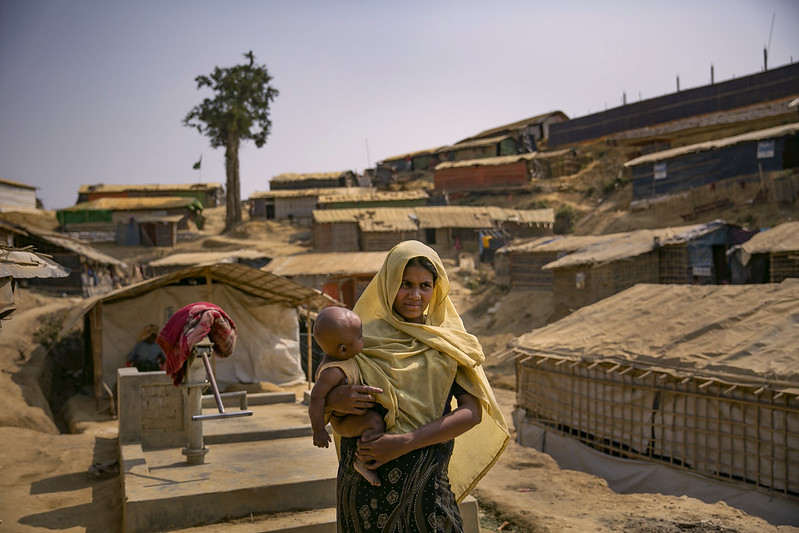
Rohingya RefugeesSince the ’90s, Bangladesh has hosted Rohingya refugees fleeing persecution in Myanmar in fenced refugee camps, the number of whom has reached almost a million since Myanmar’s crackdown in 2017. Refugees are prohibited from traveling beyond the fences of the camps. They are limited in their access to vital services while also facing the risk of gang violence, kidnapping and extreme hunger.

Kutupalong, located in Ukhia on the vast Cox’s Bazar complex, is one of the largest refugee camps in the world. Built on steep hillsides, the camps are susceptible to flooding and landslides, particularly during monsoon season and the bamboo structures hastily constructed to house Kutupalong’s one million occupants provide little sanctuary. Fires in the camp are also not uncommon.

A Fresh Chance at Freedom

However, as of December 2023, a new hope was presented for the camps’ occupants. After blocking any resettlement of refugees to third countries since 2010, Bangladesh agreed to allow the U.S. to resettle some Rohingya refugees after striking a deal. For the first time in more than a decade, refugees were provided with hope for a way out of the camp that didn’t involve the risk of violence and even death through illegal human trafficking.

Although only 62 refugees have been flown to the U.S. thus far, these figures are set to increase. AK Abdul Momen, Bangladesh’s foreign minister, reportedly wants developed nations to take 100,000 refugees and criticized the stagnant pace of the resettlement process, despite ultimately believing the best solution to support the Rohingya is for them to be repatriated back to Myanmar, where they face persecution.

Juliet Volls Noyce, Assistant Secretary to President Biden, also offered her support, adding that “the U.S. is proud to be able to support resettlement in our country of the very vulnerable Rohingya. This is a priority of President Biden. We are discussing with other governments and with other partners. We will be working together with the international community.”

Speaking to the Guardian, Nurul, among the first refugees afforded a chance at a new life with resettlement to the U.S., spoke glowingly of his newfound freedom. “We have escaped the prison,” he said, adding that “for 31 years, I did not even have “basic rights. All this time, we lived with only primary services – school, food, health. Nothing more than that.”

The Future?

The early success of the resettlement process demonstrates the enormous potential for the Rohingya population of Myanmar to start a new life in the West. However, there is unequivocally a substantial amount of progress to be made before the program can be labeled a success.

AK Abdul Momen highlighted that current progress represents nothing more than “just a drop in the ocean,” as Bangladesh hosts more than 1.1 million refugees. For the program to be labeled successful, resettlements will need to continue on a larger scale and continued support from the U.S. government will be significantly depended upon.

– Ethan Leyden
Photo: Flickr

February 24, 2024
https://borgenproject.org/wp-content/uploads/borgen-project-logo.svg 0 0 Hemant Gupta https://borgenproject.org/wp-content/uploads/borgen-project-logo.svg Hemant Gupta2024-02-24 07:30:502024-02-22 05:07:19Freedom for Rohingya Refugees in Bangladesh
Global Poverty, Refugees

3 Poetry Projects Advocating for Refugees

Three Poetry Projects Advocating for Refugees The number of refugees across Europe is growing, with the United Nations High Commissioner for Refugees (UNHCR) reporting that forcibly displaced people have exceeded 21.8 million by the end of 2022. Consequently, poetry, a medium that amplifies the voices of refugees, is gaining traction in both local and national contexts. Poetry projects advocating for refugees have become a powerful tool for sharing victim’s stories and experiences.

Emi Mahmoud

Emithal (Emi) Mahmoud, world-famous poet and UNHCR Goodwill Ambassador, draws on her own experience as a former refugee to lead her momentous efforts as an advocate for refugees around the globe. In fact, her work has led her to sit down with some of the biggest names on the planet – addressing, among others, former President Barack Obama, the Dalai Llama and the United Nations General Assembly.

In 2021, Mahmoud picked up her pen once more to tackle the immense task of advocacy through poetry. She wrote and performed a piece for the 120 world leaders at the U.N. Climate Change Conference (COP26) in Glasgow – a piece that explored the intersectionality of refugees who are left more vulnerable to the effects of climate change.

Becoming a vessel for the voice of ‘Mother Earth’ herself, Mahmoud begs her children to open their eyes to how they have hurt her, asks them to reckon with how they have hurt their brothers and sisters and reveals the troubling answer to the question: if the earth could speak to humanity, what would it say?

In addition, Mahmod researched and talked at length with refugees on the ‘frontline of climate change’ in preparation for her writing, documenting stories of volunteers fighting to protect their communities. She simultaneously reveals the momentous efforts of these individuals and the need for those in power to help them out; her poetry is yet again a stream of realization and a call to action for all who hear it.

ARTdespite Gallery

On the ground floor of Berlin’s East Side Mall, among three-story Zaras and bustling MediaMarkts, the ARTdespite gallery stands out. The @heart_for_ukraine and @ukrainehilfeberlin initiative has been running since 2018, creating a space to share Ukrainian books, food and companionship.

Recently, the gallery’s latest initiative, Poetry Nights, captured Berlin’s media attention as Ukrainian migrants gathered there to reconnect and reminisce about their homeland.

Nadia Telenchuk, a Ukrainian poet who relocated to Berlin before the war, organizes these events to revive the language and culture left behind by Ukrainians. The gallery donates all proceeds from art sales during these events to support aid efforts in Ukraine.

Islington Centre for Refugees and Migrants

In 2019, the Islington Centre teamed up with Amnesty International, an organization that has been a voice for global refugee rights for decades. Together, they coordinated the publication of a poem named ‘Trees of Home’ A culmination of months of research, interviews and stories collected by artist Jane Ray and writer Sita Brahmachari, the poem explores the painful themes of familial separation.

Furthermore, the impact of the poem was far-reaching and widely-celebrated, not least due to its celebrity illustrator; Axel Scheffler, best known for the much-loved children’s book The Gruffalo. Scheffler’s vocal support of refugee rights across Europe drew him quickly to the project. The illustration was sold at auction, with all proceeds donated to Amnesty’s ‘Families Together’ project; and so working to combat the very issues the poem reveals.

Looking Forward

As Europe contends with an increasing number of refugees, poetry emerges as a vital channel for amplifying their voices and sharing their poignant narratives with the world. Initiatives like Emi Mahmoud’s advocacy, Berlin’s ARTdespite gallery and the collaborative efforts of the Islington Centre for Refugees and Migrants highlight the transformative power of art in fostering understanding and compassion.

Looking ahead, these poetry projects advocating for refugees promise to continue breaking down barriers, encouraging global communities to listen, empathize and help all who read it better understand the world that they live in and the neighbors with whom they share it.

– Peggy Hughes
Photo: Flickr

February 22, 2024
https://borgenproject.org/wp-content/uploads/borgen-project-logo.svg 0 0 Precious Sheidu https://borgenproject.org/wp-content/uploads/borgen-project-logo.svg Precious Sheidu2024-02-22 03:00:522024-02-21 01:40:073 Poetry Projects Advocating for Refugees
Global Poverty, Refugees

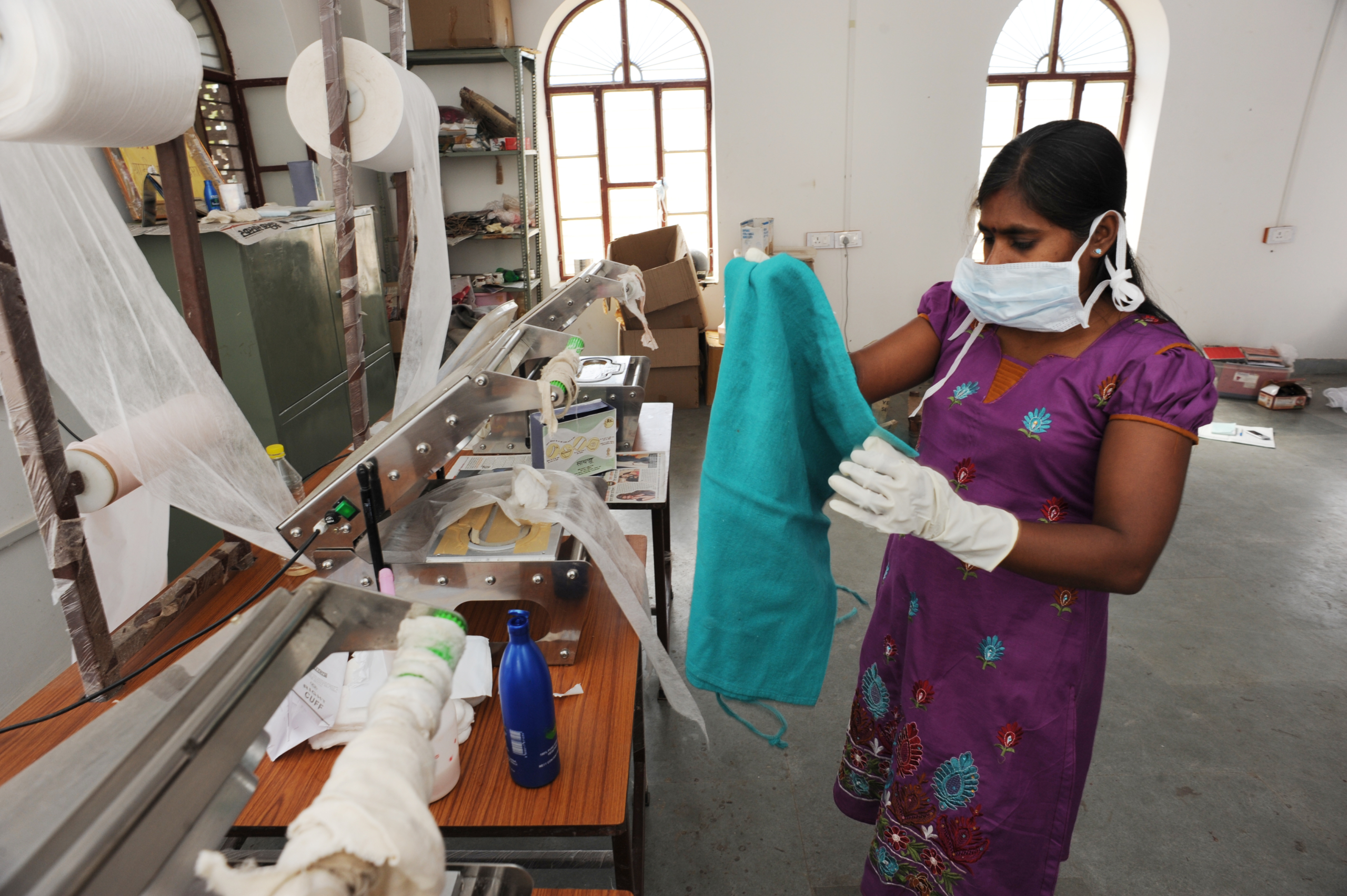
Syrian Women’s Textile Cooperatives in Refugee Camps

Textile Cooperatives in Refugee CampsIn the heart of Lebanon and Jordan’s refugee camps, amid the backdrop of displacement and uncertainty, Syrian women are weaving threads of hope and resilience. The formation of textile cooperatives in these camps is not just preserving the intricate art of Syrian textiles. Still, it also provides a lifeline – a crucial source of income and a profound sense of community for these displaced individuals.

Al Badia Cooperative: A Symbol of Cultural Preservation

The Al Badia Cooperative in Lebanon is one such beacon of hope. Renowned for its traditional embroidery techniques, Al Badia has become a textile group; it’s a symbol of cultural preservation. Here, women meticulously create patterns that tell stories of their homeland, keeping the rich tapestry of Syrian heritage alive. These artisans, many of whom had to flee their homes with little more than the clothes on their backs, find solace and dignity in the rhythmic movement of their needles and threads.

UNHCR’s Role in Supporting Livelihoods

The United Nations High Commissioner for Refugees (UNHCR) plays a pivotal role in supporting these cooperatives. By providing materials, training and a platform to sell these textiles, organizations like UNHCR are aiding in livelihood creation and helping preserve a vital part of Syrian culture. This support has been crucial in turning these initiatives from small-scale projects to sustainable income and cultural preservation sources.

Economic and Psychological Impact

The economic impact within the camps is palpable. For many women, the cooperatives offer not only a source of income but also a sense of normalcy and purpose. The earnings from these cooperatives often go towards supporting entire families and providing food, education and healthcare. Beyond the economic benefits, these cooperatives are a testament to the resilience and strength of Syrian women, who demonstrate remarkable fortitude in the face of adversity.

Cultural Significance Amidst Displacement

In a time when displacement threatens to erase cultural identities, these textiles stand as a defiant symbol of heritage and history. These fabrics are more than just craftsmanship products; they are narratives woven with threads of resilience, hope and a deep longing for a homeland left behind.

Conclusion: A Movement Beyond Economics

The emergence of textile cooperatives in refugee camps is more than an economic initiative. It is a movement that is preserving the intricate art of Syrian textiles, empowering women with a sense of purpose and ensuring that even in the face of displacement, the vibrant tapestry of Syrian culture continues to flourish. Through their work, these women are not only contributing to their communities. Still, they are also keeping the stories and traditions of Syria alive for future generations.

– Hana Al-Khodairi
Photo: Freepik

February 21, 2024
https://borgenproject.org/wp-content/uploads/borgen-project-logo.svg 0 0 Hemant Gupta https://borgenproject.org/wp-content/uploads/borgen-project-logo.svg Hemant Gupta2024-02-21 03:00:472024-02-20 03:00:11Syrian Women’s Textile Cooperatives in Refugee Camps
Page 6 of 53«‹45678›»

Get Smarter

  • Global Poverty 101
  • Global Poverty… The Good News
  • Global Poverty & U.S. Jobs
  • Global Poverty and National Security
  • Innovative Solutions to Poverty
  • Global Poverty & Aid FAQ’s
Search Search

Take Action

  • Call Congress
  • Email Congress
  • Donate
  • 30 Ways to Help
  • Volunteer Ops
  • Internships
  • Courses & Certificates
  • The Podcast
Borgen Project

“The Borgen Project is an incredible nonprofit organization that is addressing poverty and hunger and working towards ending them.”

-The Huffington Post

Inside The Borgen Project

  • Contact
  • About
  • Financials
  • President
  • Board of Directors
  • Board of Advisors

International Links

  • UK Email Parliament
  • UK Donate
  • Canada Email Parliament

Get Smarter

  • Global Poverty 101
  • Global Poverty… The Good News
  • Global Poverty & U.S. Jobs
  • Global Poverty and National Security
  • Innovative Solutions to Poverty
  • Global Poverty & Aid FAQ’s

Ways to Help

  • Call Congress
  • Email Congress
  • Donate
  • 30 Ways to Help
  • Volunteer Ops
  • Internships
  • Courses & Certificates
  • The Podcast
Scroll to top Scroll to top Scroll to top