• Link to X
  • Link to Facebook
  • Link to Instagram
  • Link to TikTok
  • Link to Youtube
  • About
    • About Us
      • President
      • Board of Directors
      • Board of Advisors
      • Financials
      • Our Methodology
      • Success Tracker
      • Contact
  • Act Now
    • 30 Ways to Help
      • Email Congress
      • Call Congress
      • Volunteer
      • Courses & Certificates
      • Be a Donor
    • Internships
      • In-Office Internships
      • Remote Internships
    • Legislation
      • Politics 101
  • The Blog
  • The Podcast
  • Magazine
  • Donate
  • Click to open the search input field Click to open the search input field Search
  • Menu Menu

Archive for category: Refugees

Global Poverty, Refugees, Technology

Emerging Technology Solutions for Refugees

Technology for RefugeesMore than 120 million individuals worldwide currently face forced displacement due to persecution, conflict, violence or human rights violations. This record-high displacement leaves millions of refugees struggling to access basic necessities, education, health care and economic opportunities. However, technology solutions for refugees are reshaping lives by building resilience and creating pathways toward secure and dignified futures.

3D Printing

Additive manufacturing or 3D printing, is transforming health care access for underserved communities by providing highly customizable, cost-effective and lightweight prosthetics for refugee patients who have lost limbs while fleeing conflict. This technology enables refugees to regain mobility, independence and hope for a better future.

e-NABLE, a global network of 40,000 volunteers, has provided 10,000–15,000 free 3D-printed prosthetic hands and arms through open-source design for those lacking medical access. Similarly, the nonprofit 3DP4ME has revolutionized hearing care, delivering 52 3D-printed hearing aids to children in Jordanian refugee camps.

E-Learning Platforms

More than 50% of the world’s 14.8 million school-aged refugee children lack formal education, limiting their future opportunities and slowing global development progress. In response, the International Rescue Committee (IRC) has successfully piloted aprendIA.

This AI-powered platform delivers accessible and interactive learning through high-quality materials, including text, audio, video, gamified assessments and PDFs, via widely used messaging platforms like SMS and WhatsApp.

By leveraging artificial intelligence and natural language processing, aprendIA offers personalized feedback and learning support, ensuring continuous education for children with limited resources.

GeoMatch

GeoMatch is an AI-driven tool developed by Stanford’s Immigration Policy Lab and ETH Zurich to help governments place refugees in optimal locations for successful integration. It analyzes refugees’ background characteristics, resettlement locations and employment data to predict employment outcomes. It also provides data-driven insights to enhance overall refugee well-being.

Translation Apps

Refugees facing resettlement often struggle with the limitations of machine translations and the scarcity of interpreters for some languages. These obstacles hinder their ability to access vital services, comprehend their rights and successfully integrate into their new communities.

Tarjimly, a nonprofit organization, is tackling this issue by connecting refugees with on-demand interpreters, enabling smoother communication during interactions with social workers, immigration officials and medical professionals.

Through a new AI partnership, Tarjimly records these interactions to help train large language models. This groundbreaking feedback loop allows humans to teach machines the nuances and cultural contexts of different languages by sharing data and correcting automated translations.

Video Games

The United Nations High Commissioner for Refugees (UNHCR) research on the digital leisure divide highlights the crucial role of digital access in refugee well-being, fostering rest, community building and access to essential information.

Video games, in particular, hold untapped potential as powerful tools for social and economic empowerment. Therefore, Project Hope, an online game-based initiative for Syrian refugee children in Türkiye, has positively influenced education, cognitive development, language acquisition and mental health.

Similarly, Refjam in North Macedonia has helped 500 displaced and stateless gaming enthusiasts to develop digital literacy and enhance employability through game-design workshops and festivals.

Blockchain

According to the World Bank, approximately 850 million people lack official identification, leaving many, especially children, refugees and stateless persons, without access to health care, education, banking and voting, heightening their risk of displacement and human trafficking.

Decentralized blockchain-based identity technology offers innovative solutions to address the global ID crisis. It provides marginalized populations with a secure, portable and immutable means of digital identification. This technology enables refugees to access vital resources and services, including the ability to seek asylum, with greater ease and efficiency.

Satellite Imagery

The integration of satellite imagery and AI is enabling planners to optimize resource allocation, enhance camp designs, track refugee movements and assess environmental impacts. For instance, AI tools were utilized to analyze migration patterns of Syrian refugees escaping conflict.

By combining satellite imagery with anonymized mobile phone data, the UNHCR could forecast the locations where new refugee camps would be needed. This proactive strategy greatly accelerated response times for humanitarian relief and enhanced living conditions for displaced families.

Makazi

More than 90% of displaced refugees are forced to remain in shelters that eventually become their long-term or semi-permanent residences. These shelters are typically inadequate, environmentally harmful and neglect the social, cultural and traditional values of the people they house.

To address this problem, Edinburgh Napier University’s SHELTERs project has developed a new prototype for temporary shelters called Makazi (Swahili for “home”). Winner of the U.K. 2019 RISE Awards, Makazi features a hexagonal design that enhances the UNHCR’s steel box-like shelters.

It is adaptable to varying temperatures and scalable to accommodate changing needs. It can also be assembled in seven days using locally available materials. Additionally, it includes water harvesting capabilities and an efficient sewage collection system.

Conclusion

Emerging technology solutions for refugees provide transformative approaches to enhance access to critical resources and improve living conditions. However, these innovations face significant challenges, including scalability, funding and infrastructure limitations, as many are still in the early development stages.

While technology solutions can play a pivotal role in supporting refugees, it cannot resolve displacement’s fundamental political, social and economic drivers. Nevertheless, ongoing advancements and integration of these technologies hold substantial promise for improving refugee outcomes and fostering more sustainable and effective humanitarian responses.

– Charlotte Codd

Charlotte is based in Waterford, Ireland and focuses on Technology and Solutions for The Borgen Project.

Photo: Flickr
April 2, 2025
https://borgenproject.org/wp-content/uploads/borgen-project-logo.svg 0 0 Lynsey 2 https://borgenproject.org/wp-content/uploads/borgen-project-logo.svg Lynsey 22025-04-02 01:30:392025-04-01 16:59:29Emerging Technology Solutions for Refugees
Electricity and Power, Global Poverty, Refugees

Renewable Energy in Refugee Camps

Renewable Energy in Refugee CampsRefugee camps face significant challenges in providing reliable access to electricity, which in turn limits health care, education and economic opportunities. Traditional energy sources, such as firewood and diesel generators, are inefficient, environmentally damaging and expensive. Inadequate lighting and power access also increase security risks, particularly for women and children.

Without sustainable energy solutions, these camps struggle to meet even the most basic needs of their residents. However, innovative renewable energy projects are emerging as a powerful solution, improving living conditions and fostering long-term resilience. The United Nations High Commissioner for Refugees (UNHCR) has been at the forefront of addressing energy poverty in refugee camps, particularly in Rwanda and Jordan.

Renewable Energy as a Transformative Solution

Renewable energy offers a sustainable path forward for refugee camps, reducing reliance on costly and harmful energy sources. Solar power, in particular, has proven to be an effective solution due to its affordability and ease of deployment in remote areas. By introducing clean energy technologies, camps can improve residents’ quality of life while minimizing environmental impact.

Rwanda: Kigeme, Nyabiheke and Gihembe Camps

In Rwanda, UNHCR, in collaboration with the IKEA Foundation, has worked to introduce solar-powered microgrids in the Kigeme, Nyabiheke and Gilhembe camps. Thanks to this partnership, 50,000 people in and around these camps have increased access to renewable energy for lighting, cooking and essential appliances.

These systems provide consistent electricity to schools, health care centers and community facilities. Access to clean energy has improved educational outcomes by enabling students to study after dark, while health care centers can now refrigerate vaccines and maintain critical medical equipment. This reliable energy supply has also supported small businesses, creating economic opportunities for residents.

Jordan: Irbid Camp

In Jordan, the Irbid camp has benefited from UNHCR and IKEA Foundation’s investment in solar power systems. These installations have helped reduce reliance on diesel generators, significantly lowering operational costs. By providing solar-powered water heating and electricity systems to low-income homes, schools and community centers, UNHCR and the IKEA Foundation have ensured that 10,000 refugees and host community members have access to safer, healthier living conditions.

The consistent power supply has enhanced water pumping systems, providing clean drinking water access for thousands of residents. Moreover, improved electricity availability has allowed educational institutions in the camp to incorporate digital learning tools, expanding access to quality education for refugee children.

Broader Implications for Refugee Well-Being

Beyond immediate benefits, these renewable energy projects foster economic resilience by reducing operational costs and enabling entrepreneurial ventures. Access to reliable electricity creates opportunities for small businesses, vocational training programs and improved communication networks, empowering refugees to build sustainable livelihoods. Further, investing in renewable energy helps mitigate environmental damage often caused by over-reliance on firewood and other traditional fuels.

A Path Forward

The success of renewable energy projects in Rwanda and Jordan highlights the potential for border implementation in other refugee settlements. By developing these solutions, international organizations and host governments can improve living conditions, empower displaced populations and promote environmental sustainability. Continued investment in renewable energy ensures that refugee camps evolve from temporary shelter sites into hubs of opportunity and resilience.

– Linnéa Matlack

Linnéa is based in Boston, MA, USA and focuses on Good News and Technology for The Borgen Project.

Photo: Pexels

March 19, 2025
https://borgenproject.org/wp-content/uploads/borgen-project-logo.svg 0 0 Lynsey 2 https://borgenproject.org/wp-content/uploads/borgen-project-logo.svg Lynsey 22025-03-19 07:30:342025-03-19 01:40:42Renewable Energy in Refugee Camps
Global Poverty, Migration, Refugees

Migration to Pakistan and the Afghan Refugee Crisis

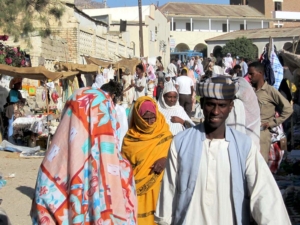
Migration to PakistanPakistan has been a longstanding host to Afghan refugees, providing asylum for over four decades. Migration to Pakistan continues to be a necessity for many Afghans seeking safety and stability.
About Migration to Pakistan

As of October 2024, Pakistan shelters approximately 1.35 million registered Afghan refugees, while the government estimates an additional 600,000 Afghans have entered the country since the Taliban’s return to power in 2021. This influx has placed immense pressure on Pakistan’s economic and social infrastructure, as the country struggles with rising inflation, political instability and security concerns.

Since October 2023, the Pakistani government has tightened its policies, announcing the Illegal Foreigners’ Repatriation Plan (IFRP), which aims to expel undocumented foreigners, primarily targeting Afghan refugees. Nearly 600,000 Afghans have already returned to Afghanistan, fearing arrest or deportation. The situation raises serious humanitarian concerns, as many returnees face poverty, unemployment and insecurity in Afghanistan.

Pakistan’s Role as a Host Country

Pakistan has been one of the largest refugee-hosting countries in the world. Afghan refugees migrated to Pakistan in multiple waves, beginning with the Soviet invasion in 1979, followed by the civil wars of the 1990s, and the U.S.-led war on terror in the 2000s. The most recent crisis emerged after the Taliban’s takeover in 2021, prompting many Afghans—particularly women, journalists and activists—to flee due to threats of persecution.

For decades, migration to Pakistan has been a safe refuge for Afghans escaping conflict and oppression in Afghanistan. Despite its economic struggles, Pakistan has facilitated education, health care and work opportunities for many Afghan refugees. Several international organizations, including the United Nations High Commissioner for Refugees (UNHCR), have collaborated with the Pakistani government under the Solutions Strategy for Afghan Refugees (SSAR) to provide legal protection, assistance and voluntary repatriation programs. Pakistan Poverty Alleviation Fund (PPAF) and the UNHCR launched the UNHCR-PPAF Empowerment Initiative in 2019. This program aims to support Afghan refugees in Pakistan by improving their livelihoods. Since its inception, the initiative has provided vocational training to more than 11,000 refugees and host community members, supported 900 Afghan refugee families through the Poverty Graduation Programme, and helped 2,000 refugee women develop artisanal skills. However, increasing domestic challenges have led Pakistan to reconsider its long-term refugee policies.

Deportation and Legal Complexities

Pakistan is not a signatory to the 1951 Refugee Convention or its 1967 Protocol, which means it has no legal obligation to grant asylum under international refugee law. However, the principle of non-refoulement, a core aspect of international humanitarian law, prohibits states from forcibly returning refugees to a country where they face persecution or harm.

The Pakistani government argues that security conditions in Afghanistan have stabilized, and many refugees do not face a “serious or credible” threat upon return. Additionally, Pakistan’s strained economy and security concerns—including the rise in cross-border terrorism—have contributed to harsher policies against undocumented Afghan nationals. This has led to mass deportations, which human rights organizations, including Amnesty International, have criticized as inhumane and unlawful.

Challenges That Afghan Refugees are Facing

Afghan refugees in Pakistan struggle with economic hardship, discrimination, and legal uncertainty. Many lack official documentation, making it difficult to access formal employment, education and health care. Women and children, in particular, face higher risks of exploitation and poverty.

As negative perceptions regarding refugees in Pakistan become more prevalent, fears of unforeseeable arrests and harassment by police are increasing among the Afghan refugees. Various reports suggest that under the threats of deportation, many refugees left for Afghanistan after selling their possessions at low prices, returning to a life of poverty and insecurity. While inadequacy of basic services in Afghanistan persists, forced repatriation in the absence of sustainable reintegration plans further debilitates Afghanistan’s humanitarian crisis.

International Response and the Way Forward

UNHCR and other humanitarian organizations have questioned Pakistan for its forced expulsion of the Afghan refugees. Voluntary repatriation and long-term integration policies have been the key aspects of UNHCR’s proposals, which offers economic and logistical assistance to both refugees and host populations.

Although the international community, inclusive of European Union and the United States, has partaken in the provision of financial assistance to the Afghan refugees in Pakistan and adjacent nations, the fundraising effort have been insufficient in meeting the actual funding requirements, restraining the success of the humanitarian efforts. In order to address the dire Afghan refugee situation mindfully, a regional scheme incorporating Pakistan, Afghanistan, and the international stakeholders is needed more than ever.

Conclusion

Even though Pakistan is increasingly challenged by its economic and security issues, tackling the Afghan migration to Pakistan situation humanely and diplomatically remains essential for its stability. Afghan refugees are more than uprooted individuals – they possess the skills and resilience to contribute to both their sponsoring nations and their native land.

With investment in education, labor force and legal channels, the regional and international stakeholders will likely be able to provide enduring solutions that improve the conditions of the refugees and the indigenous communities.

– Syeda Khadija Zafar

Syeda is based in Karachi, Sindh, Pakistan and focuses on Business and Technology for The Borgen Project.

Photo: Pixabay

March 6, 2025
https://borgenproject.org/wp-content/uploads/borgen-project-logo.svg 0 0 Jennifer Philipp https://borgenproject.org/wp-content/uploads/borgen-project-logo.svg Jennifer Philipp2025-03-06 01:30:372025-03-06 01:02:41Migration to Pakistan and the Afghan Refugee Crisis
Africa, Global Poverty, Refugees

Indefinite Instability: Rule of Law in Eritrea

Rule of Law in EritreaDespite its short history as an independent nation, Eritrea has endured decades of conflict, economic insecurity and harsh leadership. For many Eritreans, the actions of President Isaias Afwerki have brought an air of uncertainty to the Horn of Africa. Here is information about the rule of law in Eritrea and efforts to help those who it affects.

Origins of Corruption

After tasting peace for the first time in three decades, the citizens of Eritrea witnessed the climactic ascent of a guerilla fighter to the nation’s highest office. Isaias Afwerki emerged from the war of independence as the head of the Eritrean People’s Liberation Front, the primary organization that led the fight against Ethiopian rule. Afwerki quickly became the frontrunner to usher the nation into a new age of prosperity that has yet to be realized.

Eritrea declared its independence in a United Nations-supervised referendum on April 23, 1993, and appointed Afwerki as head of state. In the following year, President Afwerki renamed the EPLF to the People’s Front for Democracy and Justice (PFDJ). To this day, the president’s rule of law in Eritrea ensures that the PFDJ remains the nation’s sole political party.

Indefinite Servitude

Almost immediately after taking office, Afwerki’s administration drew international condemnation. Elections originally set for 1997 were indefinitely postponed and the country ratified a constitution but never fully implemented it. Meanwhile, an all-encompassing conscription policy shaped the nation into a militaristic society. Initially, every adult under the age of 55 would serve in the military for 18 months, however, Afwerki revised the policy and extended the length of service for an indefinite amount of time, forcing some Eritreans into decades of military service.

In turn, indefinite conscription has created a workforce with no private sector; as the military and the PFDJ oversee projects in construction, agriculture and government administration. National conscription also ensures a continuous and cheap workforce, with the average salary for conscripts amounting to just 450 Nakfa per month ($30). According to the World Bank Group, 70% of Eritreans live under the poverty line, while Afwerki’s administration allocated an average of 24.9% of the nation’s GDP to military expenditures between 1993 and 2003.

Human Rights Abuses

Rule of law in Eritrea dictates that refusing military service, practicing outlawed religions, forming opposition parties and reporting on the state’s human rights abuses are all punishable offenses. Eritrea maintains a total independent media blackout and ranks dead last out of 180 countries listed in the World Press Freedom Index. The PFDJ holds journalists and other prisoners in deplorable conditions, often leaving them in metal shipping containers in the desert for indefinite amounts of time. 

A New Horizon

Ironically, Eritrea’s rule of law for keeping its citizens in check has had the opposite effect, as many citizens decide to flee the country despite the significant risks. As of 2024, there are an estimated 559,000 Eritrean refugees around the world. With roughly 17% of the population having fled the country, there is a great need for refugee assistance organizations like the America Team for Displaced Eritreans (ATDE).

Based out of Pennsylvania, the ATDE is a nonprofit organization that advocates on behalf of Eritrean refugees and asylum seekers around the world. Volunteers with the ATDE assist refugees with housing, asylum case support and connecting with international organizations that are equipped to provide protection and medical assistance to those in need. Additionally, the ATDE lobbies government officials in the United States and abroad to enact positive change in the way Eritrean refugees are treated when seeking better lives for themselves and their families.

Despite the PFDJ’s efforts, the resiliency of the Eritrean people continues to shine brightly, illuminating the possibility of a prosperous future. Additionally, groups like the America Team for Displaced Eritreans continue the important work of advocating on behalf of the victims of Afwerki’s administration. With the world bearing witness and governments being pressured into action, change might be on the horizon for this fledgling nation.

– Burke Bunyard

Burke is based in Austin, TX, USA and focuses on Politics for The Borgen Project.

Photo: Flickr

March 1, 2025
https://borgenproject.org/wp-content/uploads/borgen-project-logo.svg 0 0 Jennifer Philipp https://borgenproject.org/wp-content/uploads/borgen-project-logo.svg Jennifer Philipp2025-03-01 01:30:402025-03-01 03:06:13Indefinite Instability: Rule of Law in Eritrea
Global Poverty, Migration, Refugees

Migration to Syria: The Challenges Migrating Syrians Face

Migration to Syria
More than 125,000 Syrians have migrated to Syria after 13 years of war. Many have come back to a country that destruction and death has devastated, a country which has endured the dictatorship of Bashar Al-Assad.

According to the Office of the UN High Commissioner for Human Rights (OHCHR), at least 580,000 people have died since the start of the war. Under the regime, many citizens and journalists have been kidnapped, injured or killed.

The fall of Assad has meant many Syrians have felt compelled to return to their home country, now it is free from his regime. These migrating Syrians face many challenges and must navigate multiple factors that influence their return, or whether they will return now or later. Here is more information about migration to Syria.

Host Countries are Eager to Facilitate Migration to Syria

Many host countries, such as Turkey respectively, are eagerly promoting Syrian migration. This has meant measures, such as Turkey reopening its Yayladagi border gate in order to “to prevent any congestion and ease traffic,” and make migration easier for most Syrians.

Humanitarian Emergency 

The main obstacles returning Syrians face are access to water, food and safe shelter. According to the UN, nearly 15 million Syrians require medical aid and 13 million are suffering through food insecurity. The war severely damaged essential infrastructure like hospitals, farmlands and shops. Mrinalini Santhanam from the WHO has said “Almost half of the hospitals in Syria are not functional.” However, there is still hope they can rebuild despite the current state of the country.  

The IOM has appealed for $73 million to assist the Syrian population. Since December 2024, the IOM has supplied 170,000 Syrians with clean water. The IOM aims to use the money to provide essential relief items to returning and displaced Syrians, like shelters, sanitation and health support. It also aims to apply its Displacement Tracking Matrix, a tool that analyzes data around displaced persons, in order to ensure that aid workers can provide more efficient and suitable support to Syrians.

According to the UNCHR, 90% of Syrians rely on humanitarian aid. Short term goals of providing aid will, in turn, support the long-term goal of rebuilding Syria into the thriving, beautiful country it once was. UNCHR is supporting this by providing shelters, cash and education programs for Syrians returning and those who the war displaced.

Overhauling Sanctions 

The global community can assist in achieving this goal of peace not only through providing aid but also in lifting sanctions. These sanctions had been placed upon Assad’s regime, not the current government. Therefore, they arguably are not providing any productive purpose.

Syrian Ambassador Koussay Aldahhak stated that “a smooth end to sanctions, appropriate action on designations too, and major funding” was necessary, claiming that such sanctions don’t apply to the current authority and impede the efforts to rebuild.

The EU has responded to this issue by agreeing to lift some sanctions. These include sanctions that had been placed on the “energy and […] financial institutions,” according to France’s Foreign Minister Jean-Noel Barrot. This gradual removal of sanctions may help catalyze Syria’s growth by aiding the economy.

Most people migrating back to Syria plan to overcome the issue of a stunted economy by subsisting on money earned in the neighboring countries they once lived in. The UNCHR has reported that increasingly the demographic of returning Syrians are women and children. Reports have said that some families plan to leave the breadwinner of the family in the host country. This would enable the breadwinner to work and earn money that the family can use to successfully readapt into Syrian society.

Cultural Reintegration

Another issue that returning Syrians may face is how their experiences in host countries will influence how well they adjust back to Syrian society. This especially applies to children of Syrians, children who may have had little to no knowledge of or attachment to the country their parents were born in. Muhammed Salih Ali, head of the Association for Solidarity with Syrian Refugees in Izmir, Turkey, said it would be “very difficult for this generation to return.” 

The Future 

Despite the numerous hurdles that Syria faces, the unbridled support from NGOs and the determination of its people will help restore the country and give peace to its citizens. The steady increase of migration to Syria clearly shows that Syrians are resolute to return home to a country they deeply care about. 

– Maryam Abdalla

Maryam is based in London, UK and focuses on Good News and Politics for The Borgen Project.

Photo: Pixabay

February 7, 2025
https://borgenproject.org/wp-content/uploads/borgen-project-logo.svg 0 0 Jennifer Philipp https://borgenproject.org/wp-content/uploads/borgen-project-logo.svg Jennifer Philipp2025-02-07 01:30:362025-02-07 01:33:03Migration to Syria: The Challenges Migrating Syrians Face
Global Poverty, Migration, Refugees

Overcoming Obstacles After Migration to New Zealand

Migration to New Zealand
New Zealand hosts 1,500 refugees and asylum seekers annually, predominantly from Asia, the Middle East, the Pacific. and South America. Migrants experience challenges, such as the language barrier between migrants and locals and discrimination, when adjusting to a foreign country. Here is more information about the challenges pertaining to migration to New Zealand.

Language Barrier Between Refugees and Locals

Due to the language barrier, some retired migrants cannot comfortably interact socially with the locals, which disables them from forging new relationships and connections. Moreover, social support and health services are difficult to access because they need to speak English in New Zealand.

Such healthcare services include consulting medical doctors when ill or providing emergency services in critical situations. The inability to convey their health issues can lead to complications in the future. 

Discrimination from Locals

Discrimination is prevalent in New Zealand; however, it is more common for migrants and foreigners to experience racial prejudice. Due to physical appearances or the inability to speak English, migrants may get harassed in public places by locals. 

“As stated in the 2016 General Social Survey (GSS), about 26% of recent migrants said they’d felt discriminated against in the previous 12 months, compared with about 16 percent for both long-term migrants and people born in New Zealand.” This affirms that racial discrimination does occur for migrants regardless of the duration they have lived in New Zealand. Furthermore, discrimination effects poverty via:

  • Social Isolation: Issues of poverty can be magnified when discrimination can mentally affect migrants, leading to isolating themselves from society. This also reduces the community resources that provide employment and access services.
  • Wage Gaps: After employment, migrants may experience wage inequality compared to their local colleagues. Employer discrimination can result in economic instability for the migrants.

Unemployment Among Migrant Workers in New Zealand

There have been numerous accounts where multiple Chinese migrant workers are left jobless due to their employers firing them. “Three Chinese migrant workers who were sacked within a month of each other by the same Auckland employer are the latest among at least 100 workers who are unemployed after paying thousands of dollars for their accredited employer work visas (AEWV).” Many have paid thousands of dollars for accredited work visas yet cannot earn a steady income or afford living costs.  

Existing Poverty Among Migrants in New Zealand

Despite initiatives from independent organizations to address the challenges of migration to New Zealand, poverty among migrants in New Zealand is still prevalent. According to the Ministry of Business, Innovation and Employment, 16% of migrants could not afford to live in their previous country. In contrast, almost a third of all migrants do not have sufficient funds to pay for their living costs in New Zealand.

The New Zealand Red Cross

In 1944, during World War 2,  the New Zealand Red Cross welcomed New Zealand’s first refugees – more than 700 Polish children displaced in the war. The New Zealand Red Cross has assisted more than 7,000 people to start a new life in New Zealand for the last 20 years.

For the first six months, volunteers will help former refugees with logistical arrangements, such as purchasing groceries, setting up an online bank account, heading to the local school for English lessons, and familiarizing themselves with the local neighborhood.

The Human Rights Commission

If refugees experience racial discrimination, they can approach the Human Rights Commission (Te Kähui Tika Tangata) for details and help. Specific types of racism are illegal, and the Human Rights Act safeguards refugees from racial discrimination and harassment in some public areas: government services and grocery stores.

New Zealand Immigration ensures that former refugees and their families are included in the local community while staying mentally and physically healthy, having a place to call home, learning English, and staying independent with a job.

A Path Forward for Migration to New Zealand

While migrants may encounter these issues, government-initiated plans and organizations provide effective solutions for a smoother transition from impoverished countries to New Zealand. With a wide range of support, migrants can join communities to live comfortably with others without the burden of poverty.

– Nalini Vijayakumar

Nalini is based in Perth, WA, Australia, and focuses on Business and Good News for The Borgen Project.

Photo: Flickr

November 30, 2024
https://borgenproject.org/wp-content/uploads/borgen-project-logo.svg 0 0 Jennifer Philipp https://borgenproject.org/wp-content/uploads/borgen-project-logo.svg Jennifer Philipp2024-11-30 01:30:262024-11-29 09:41:39Overcoming Obstacles After Migration to New Zealand
Food Insecurity, Global Poverty, Refugees

An Unusual Cookery Show is Supporting Refugees in Algeria

Refugees in AlgeriaAmid the rising tide of global crises, an unusual cookery show provides hope to Sahrawi refugees living in Algeria’s remote desert region of Tindouf. Many refugees in Algeria are in dire straits as a result of increased food and fuel prices brought on by the conflict in Ukraine, the lingering impacts of the COVID-19 pandemic and food shortages. However, a fellow Sahrawi refugee named Haha is hosting a cookery show to help these displaced individuals create nutritious meals with limited resources.

Refugees in Algeria

Sahrawi refugees, who have lived in camps around Tindouf for decades, are now struggling more than ever to access food for their families. With food rations reduced to less than five kilograms per person per month, many are receiving far below the minimum caloric intake needed to maintain health.

Abdel Halim Elfaki, acting representative for the UNHCR in Algeria, expressed concern over the situation. According to UNHCR, this reduction has forced refugees like Muna Hamid, a 35-year-old single mother of two, to make heartbreaking decisions as she watches her children skip meals due to the lack of affordable food.

A Creative Response

In response to the escalating food crisis in the Sahrawi refugee camps, Haha’s cookery show, Min chway nadal chi zayn (translated as “With few ingredients, we make meals”), has become a vital resource for many struggling families. The show, which has been on air since 2012, started as part of a broader initiative from the Italian NGO CISP in collaboration with the Sahrawi Red Crescent and the World Food Programme (WFP). The initiative aims to strengthen food security by raising awareness about nutrition and making the most of the food distributed in the camps.

Haha’s show provides practical lessons on how to create nutritious meals from the limited and often unconventional ingredients available in the desert environment of Tindouf. By creatively blending traditional Sahrawi recipes with new ideas, the show empowers families to maximize their reduced rations. In addition to recipe demonstrations, the show educates viewers on the nutritional benefits of these meals, helping them understand how to combat malnutrition with the resources they have.

The program is filmed in a fully equipped television studio and is part of a broader effort to improve food practices among the refugees in Algeria, according to CISP. It also includes post-distribution monitoring of food availability, access and consumption, as well as training sessions on cooking techniques that enhance the nutritional value of distributed food items.

A Lifeline for Refugees in Algeria

The impact of the cookery show is felt deeply among the refugee community. For instance, Deheba, a 55-year-old grandmother, credits the show with helping her find new ways to provide essential nutrition to her family despite the food shortages, UNHCR reports. The show has introduced her to new recipes that incorporate available vegetables, helping her grandchildren maintain their health.

Deheba mentioned that what she has learned from Haha’s cooking show has been very helpful and has contributed to her family’s well-being, even with the food shortages they face.

Another refugee, Mohamed, a 65-year-old widower and father of six, also relies on the show’s advice. According to UNHCR, after losing his herd of goats during the pandemic, Mohamed has struggled to provide for his children. Yet, thanks to Haha’s guidance, he finds creative ways to use the little he has to keep his family fed.

Empowering Families Through Knowledge

Haha, began her journey as a TV chef driven by the desire to help her community in the Tindouf camps, where she has lived for decades. Despite starting with a simple goal, the show gained popularity and expanded its reach. She invites doctors and nutritionists to her show to educate people about healthy diets.

Haha began collaborating with the WFP to extend her efforts beyond the television screen, taking her knowledge to local schools. She worked with WFP to incorporate her recipes into school feeding programs, which could improve the nutrition of young students.

Looking to the future, Haha hopes that her show will continue to expand, not only providing practical cooking tips but also fostering a greater sense of resilience and hope within the refugee community. She envisions the show as a long-term platform that can inspire healthier eating habits, improve nutrition and perhaps even offer a model for other refugee communities facing similar challenges.

– Sumaiya Sultana

Sumaiya is based in London, UK and focuses on Good News and Technology for The Borgen Project.

Photo: Flickr

September 1, 2024
https://borgenproject.org/wp-content/uploads/borgen-project-logo.svg 0 0 Naida Jahic https://borgenproject.org/wp-content/uploads/borgen-project-logo.svg Naida Jahic2024-09-01 07:30:372024-09-01 00:25:49An Unusual Cookery Show is Supporting Refugees in Algeria
Developing Countries, Global Poverty, Refugees

The Sahrawi Refugee Response Plan

Sahrawi refugeeThe Sahrawi refugee crisis, one of the longest-standing in the world after the displacement of Palestinians in 1948, continues to persist with little resolution in sight. Since 1975, following Spain’s withdrawal from Western Sahara and the ensuing armed conflict between Moroccan forces and the Polisario Front, approximately 173,600 Sahrawi refugees have lived in five camps near Tindouf, Algeria.

Current Situation

The Sahrawi refugees are scattered across five camps on the unforgiving “hammada,” a vast and remote desert plain in the Sahara. The most distant camp lies 170 kilometers southwest of the Algerian city of Tindouf, in an area marked by isolation and a lack of economic opportunities. The harsh climate, with temperatures soaring to 50 degrees Celsius in the summer, frequent sandstorms and occasional floods, further exacerbates challenges facing the refugees, such as limited access to necessities and health risks.

Food insecurity is a dire issue, with nearly 90% of the “Sahrawi refugees either food insecure or vulnerable to food insecurity.” A 2022 Joint Assessment Mission and Nutrition survey by the World Food Programme (WFP) reveals a worsening nutrition crisis. The prevalence of life-threatening wasting among children aged 6 months to 59 months has risen from 7.6% in 2019 to 10.7% in 2022. More than half of these children suffer from anemia, two-thirds do not receive the diverse diet needed for healthy development and nearly a third suffer from chronic malnutrition.

Furthermore, the refugees’ heavy dependence on international humanitarian aid, severe living conditions and food shortages have forced many households to cut back on health expenditures or sell off their livestock. Inadequate infrastructure severely hampers the delivery of essential services such as education and health care, leading to high child and maternal mortality rates and adversely affecting the population’s overall health and well-being.

Additionally, employment opportunities within the camps are minimal, leaving a third of Sahrawi refugees without any income and 60% economically inactive. The extreme climate and remoteness of the camps have curtailed traditional income sources like agriculture and livestock rearing. This is particularly detrimental to young people who, due to economic frustrations, may resort to high-risk activities such as smuggling and theft.

The Sahrawi Refugee Response Plan

In response to the myriad of challenges the Sahrawi refugees face, in 2003, the United Nations High Commissioner for Refugees (UNHCR) launched the interagency Sahrawi Refugee Response Plan (SRRP). This initiative, requiring a total of $214 million, represents the first unified effort to address the needs of the Sahrawi refugee population. The plan brings together 28 partners, including the Algerian Red Crescent and the University of Madrid, to deliver coordinated humanitarian assistance.

The SRRP

The SRRP outlines several key priorities, including ensuring refugee protection and legal assistance and providing essential services such as food, shelter, health care and education. The plan also aims to improve water, sanitation and hygiene (WASH) conditions in the camps, which are critical given the harsh desert environment.

In addition to these immediate needs, the SRRP aims to support livelihoods by providing essential supplies, vocational training and income-generating activities. This includes the distribution of 1,500 high-quality cooking stoves and 3,000 bales of second-hand clothes from UNIQLO. On the health care front, the plan addresses the prevalent malnutrition with supplementation, including iron and folic acid, systematic deworming and outpatient care for particularly severe cases.

Education is another focal point, with the SRRP aiming to improve the quality of instruction by training teachers and educational personnel. By tackling a broad scope of issues and closely coordinating with the Algerian government, nongovernmental organizations (NGOs) and other United Nations (U.N.) agencies, the SRRP aims to deliver a comprehensive and effective response, ideally addressing the immediate and long-term needs of the Sahrawi refugee population.

Challenges and Way Forward

A U.N. press briefing from November 2023 confirms that, although the plan has received some donor support, operations remain underfunded. The U.N. actively calls for additional contributions to implement the plan and fully sustain refugee humanitarian assistance. The success of the fundraising efforts is still being determined, but the plan is set to run through 2024 and 2025. By the end of this period, it will be evident whether these initiatives have provided the support needed to improve the livelihoods of the Sahrawi people and move them closer toward long-term stability and self-reliance.

– Asma Issa

Asma is based in London, UK and focuses on Politics for The Borgen Project.

Photo: Flickr

August 25, 2024
https://borgenproject.org/wp-content/uploads/borgen-project-logo.svg 0 0 Lynsey 2 https://borgenproject.org/wp-content/uploads/borgen-project-logo.svg Lynsey 22024-08-25 03:00:562024-08-24 23:23:48The Sahrawi Refugee Response Plan
Charity, Global Poverty, Refugees

Organizations Supporting Haitians in the Dominican Republic

Haitians in the Dominican RepublicIn Haiti, turmoil punctuates the past and pervades the present. Successive natural disasters and social upheavals have stunted the Caribbean nation’s development and rendered its political landscape a minefield. Chaos exploded in 2019 when an onslaught of armed gangs rose against the acting prime minister. They now occupy around 80% of the country’s capital. The International Organization for Migration (IOM) reports the displacement of more than 360,000 people, 93% of whom are fleeing violence and, according to the World Bank, food insecurity has tripled since 2016. Many Haitians seek refuge in the Dominican Republic, Haiti’s comparatively stable neighbor. However, deeply entrenched hostilities, inflamed by this recent surge of immigration, await them across the border. Therefore, many international organizations and local charities have taken action, fervently supporting Haitians in the Dominican Republic.

A Population in Crisis

The tensions straining the island of Hispaniola, which Haiti and the Dominican Republic share, can be traced back to its complex colonial past and reached boiling point during the virulently anti-Haitian regime of Rafael Trujillo, a dictator who ruled the Dominican Republic from 1930 until 1961. Today, Haitians exist largely on the periphery of Dominican society, according to the Minority Rights Group.

Amid the violence in Haiti, organizations such as the United Nations (U.N.) and Amnesty International have expressed their concern over the forced deportation of Haitians from the Dominican Republic, including asylum seekers, pregnant women and unaccompanied children. They have also spoken out against reports of racial profiling and xenophobia on the part of authorities.

Moreover, Dominicans of Haitian descent are often highly vulnerable to poverty and exploitation. A 2013 law revoked the nationality of all Dominicans born to undocumented parents, rendering generations of people stateless overnight. In 2014, the government introduced a citizenship reclamation process. However, an estimated 130,000 people remained barred from legal work, education and property ownership as of 2023.

Haitians and Haitian Dominicans lacking civil status are heavily concentrated in “Bateyes,” isolated rural settlements once erected around sugar plantations to house Haitian migrant workers. These marginalized communities lack basic resources and are paralyzed by chronic insecurity. However, there are numerous nongovernmental organizations (NGOs) that support Haitians and Dominican descendants of Haitian migration.

Project Esperanza

Project Esperanza, a charity based in Puerto Plata, a city in the Dominican Republic, facilitates the integration of Haitian refugee and immigrant children into Dominican society through education. Its vision is self-sustaining empowerment for vulnerable Haitian families engulfed in poverty.

The organization operates two schools where teachers from various cultural backgrounds deliver elementary-level education in Haitian Creole and Spanish, giving students a basis for engagement in Dominican life.

Given that many of these young people have not attended school regularly, Project Esperanza operates a specific program for older students, allowing them to access the essential knowledge they have thus far been excluded from. The organization also runs a six-week summer program where students develop their English skills alongside native speakers. Tourism is central to the local economy, so this initiative multiplies their prospects.

ASCALA

ASCALA is another NGO working across the country’s Eastern Region. It advocates for the rights of immigrants and refugees by offering legal advice, representation, assistance with obtaining residency or citizenship and preparing necessary documentation. Furthermore, the NGO works with state and civil societies to develop education-based initiatives to equip adults and children with the necessary literary level to participate in Dominican society.

ASCALA also provides social services such as counseling and support navigating health services. Another of ASCALA’s focuses is food insecurity within the country’s borders. It supports food and income-generating family and community gardens. It helps to organize “solidarity markets,” where essential products can be accessed at low prices.

Batey Relief Alliance

Another nonprofit supporting Haitians in the Dominican Republic is the Batey Relief Alliance (BRA), a U.S. charity established in 1997 to bridge the socioeconomic gulf dividing Dominican Bateyes from the rest of society. It has since expanded into several American countries, aiding 2.5 million people. BRA established its clean water initiative in 2006 to combat the spread of water-borne infections in impoverished rural enclaves lacking sufficient WASH infrastructure. To date, it has installed 19 water systems supplying 70,000 families. Similarly, it has distributed more than 23 million water purifier sachets across three countries, including the Dominican Republic.

In 2006, the charity installed the first modern health center in a Dominican hospital, serving more than 35,000 patients yearly. The charge of the center shifted to the Dominican Ministry of Health in 2017 and it continues to serve vulnerable populations. Furthermore, the “Women Empowerment” program, established in 2018, fosters community development by delivering vocational training and microloans to rural women. So far, the organization has engaged 850 women in agriculture-based economic activity, benefiting 25,000 people in Dominican Bateyes and Haiti’s border regions.

Looking Ahead

As the crisis in Haiti unfolds, binational tensions are keenly felt by those who seek safety in the Dominican Republic. Many organizations are therefore advocating for and supporting Haitians who find themselves impacted. Working from various angles and on differing scales, they are united in their common commitment to peace and compassion.

– Leila Powles

Leila is based in Cheltenham, Gloucestershire, UK and focuses on Global Health and World News for The Borgen Project.

Photo: Flickr

August 11, 2024
https://borgenproject.org/wp-content/uploads/borgen-project-logo.svg 0 0 Lynsey 2 https://borgenproject.org/wp-content/uploads/borgen-project-logo.svg Lynsey 22024-08-11 07:30:442024-08-10 14:40:29Organizations Supporting Haitians in the Dominican Republic
Developing Countries, Global Poverty, Refugees

3 Ways UNHCR Is Addressing Venezuelan Displacement

Venezuelan DisplacementVenezuelan displacement is one of the largest forced displacement crises in the world. The country, once a refugee hub in the past, now marks 7.7 million people being displaced globally due to widespread violence, economic pressure, food insecurity and more. Dreaming of security and a better life, 6.5 million, among 7.7 million, have fled to Latin America and the Caribbean. Specifically, as a result, there are nearly 3 million displaced Venezuelans in Colombia, searching for opportunities.

More and more children have been separated from their families and reported fleeing alone. This adds another layer of difficulty in getting proper sustenance and education for their growth and development. As a response, a nonprofit organization, the United Nations High Commissioner for Refugees (UNHCR), has stepped up to support the journey of Venezuelans. Here are three ways the UNHCR is addressing Venezuelan displacement:

The Graduation Model Program

One way UNHCR addresses Venezuelan displacement is through the Graduation Model program in Colombia. Launched in 2019, this model includes a series of support programs designed to help displaced Venezuelans. It offers workshops, training and mentorship to assist them in building their own businesses and achieving self-sufficiency. The workshops cover various skills, including business management, finance, marketing and customer service.

Yuli, who relocated to Colombia from Venezuela in 2019, launched her jewelry-making business after participating in the Graduation Model program. Referred to UNHCR by a local humanitarian aid partner, Yuli gained essential skills in budget management and business sustainability through the program. With her business, she could be independent economically and socially, which brought security and hope. She shares her experience: “Everything has changed for the better. Joining the project was my starting point to bring my family happiness, peace of mind and confidence — all I aimed for when I came to Colombia.”

The PPN Program

UNHCR also created the project called Pedagogy and Protection for Refugee and Migrant Children with a Mixed Approach (PPN) in 2019 to help Venezuelan children’s social integration into Colombia. Additionally, the project aims to teach children the value of interculturality through various programs and technical support to school staff.

Mariangelis, an eighth grader from Venezuela, attends Tierra Bomba school in Colombia, where the project has made a significant impact. She expressed her gratitude for receiving quality education and protection. She shared that her experiences have inspired her to pursue studies in human rights. Mariangelis is determined to address the challenges and mistreatment faced by refugees and migrants. Overall, PPN has raised awareness of the importance of quality education, emphasizing interculturality and diversity.

The Trust the Toucan Campaign

In May 2023, UNHCR initiated the Trust the Toucan campaign to address misleading information about relocation on social media that affects Venezuelans’ decisions. The campaign involves creating verified content for Venezuelans through interviews with refugees and sharing their experiences. Many refugees begin their journey without knowing the risk it takes and the dangers along the way, such as crossing the Darién jungle itself.

To ensure that people are well-informed about their journeys, the Trust the Toucan campaign has been informing people’s decisions. The trust aims to mitigate the risk factors with proper preparation. In its first year, it published 334 pieces of content and gained 16 million views.

UNHCR has taken crucial steps to help the refugees through the rebuilding of their lives in search of secure homes in a new country. Furthermore, continuous steps toward long-term solutions for improving the lives of Venezuelan refugees can gradually improve their quality of life and social integration in a new community.

– Sein Kim

Sein is based in Bellevue, WA, USA and focuses on Technology and Solutions for The Borgen Project.

Photo: Flickr

July 28, 2024
https://borgenproject.org/wp-content/uploads/borgen-project-logo.svg 0 0 Lynsey 2 https://borgenproject.org/wp-content/uploads/borgen-project-logo.svg Lynsey 22024-07-28 01:30:082024-07-27 09:35:423 Ways UNHCR Is Addressing Venezuelan Displacement
Page 5 of 54«‹34567›»

Get Smarter

  • Global Poverty 101
  • Global Poverty… The Good News
  • Global Poverty & U.S. Jobs
  • Global Poverty and National Security
  • Innovative Solutions to Poverty
  • Global Poverty & Aid FAQ’s
Search Search

Take Action

  • Call Congress
  • Email Congress
  • Donate
  • 30 Ways to Help
  • Volunteer Ops
  • Internships
  • Courses & Certificates
  • The Podcast
Borgen Project

“The Borgen Project is an incredible nonprofit organization that is addressing poverty and hunger and working towards ending them.”

-The Huffington Post

Inside The Borgen Project

  • Contact
  • About
  • Financials
  • President
  • Board of Directors
  • Board of Advisors

International Links

  • UK Email Parliament
  • UK Donate
  • Canada Email Parliament

Get Smarter

  • Global Poverty 101
  • Global Poverty… The Good News
  • Global Poverty & U.S. Jobs
  • Global Poverty and National Security
  • Innovative Solutions to Poverty
  • Global Poverty & Aid FAQ’s

Ways to Help

  • Call Congress
  • Email Congress
  • Donate
  • 30 Ways to Help
  • Volunteer Ops
  • Internships
  • Courses & Certificates
  • The Podcast
Scroll to top Scroll to top Scroll to top