Addressing Sanitation in Overcrowded South Sudan Transit Centers
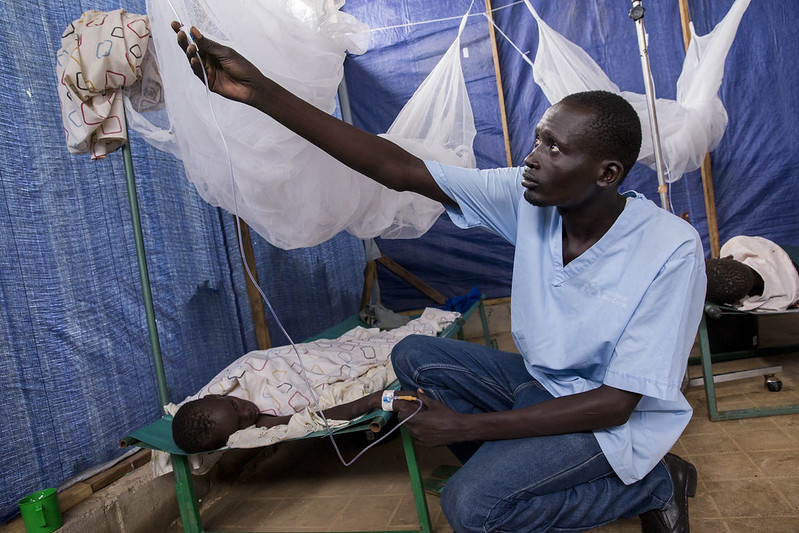 On 29 February 2024, Oxfam warned of the increasing threat of outbreaks of diseases due to overcrowded South Sudan transit centers. Amid Sudan’s conflict fallout, Renk transit centers in South Sudan are bursting at the seams, accommodating more than half a million displaced individuals, three times its capacity. With more than 300 people sharing one water tap, Oxfam raises the alarm over heightened cholera risk due to inadequate sanitation.
Escalation of the Humanitarian Crisis in South Sudan
Since its civil war, South Sudan has been an epicenter of humanitarian crises. Extreme violence and food insecurity have left an estimated number of 9.4 million civilians in desperate need of humanitarian assistance. Last year’s conflict in Sudan, which emerged in April, exacerbated existing problems, also encumbering overcrowded South Sudan transit centers. The United Nations Mission in South Sudan (UNMISS) reported 920 violent incidents in three months in 2023, resulting in 405 deaths and more than 600 injuries and abductions. More than 300,000 refugees fled to South Sudan, encountering severe conditions in transit centers.
Overcrowded South Sudan Transit Centers
This crisis worsens the existing cholera challenges in overcrowded transit centers in South Sudan, with 1027 prior cases, prompting urgent calls for intervention to avert disease outbreaks. Currently, Renk’s transit centers, designed to accommodate 4,750 people, now house 15,000, with many more living in open areas without access to water or hygiene facilities. An Integrated Food Security Phase Classification report reveals that 46% of South Sudan’s population faces high levels of acute food insecurity, underscoring the critical need for increased international humanitarian funding.
In addition, Oxfam and its partners have successfully delivered clean water and adequate sanitation to more than 70,000 individuals within overcrowded South Sudan transit centers. However, 7 million dollars is needed to expand humanitarian operations, aiming to provide life-saving food, clean water and sanitation facilities to 400,000 people.
Declining International Funding and Its Impact
International efforts have introduced sanctions against South Sudan by the EU and the United Nations Security Council to address ongoing conflicts. Despite these measures, financial contributions to humanitarian aid have seen a significant decline since 2014. In 2024, funding for South Sudan’s Humanitarian Needs and Response Plan drastically fell to only 3.6% from 51% in 2023, with the EU being the largest donor, contributing 49.5 million Euros.
These funding cuts threaten the execution of critical humanitarian operations within the country. Moreover, Germany leads as the primary donor for South Sudan, contributing 26.2% of the total humanitarian funding reported. In contrast, the United States (U.S.) and Canada are among the lowest contributors, with the U.S. providing only $3,826,798.
Future Prospects for South Sudan Transit Centers
The critical situation in South Sudan’s transit centers underscores a growing need for international solidarity and increased humanitarian aid. Oxfam’s efforts, alongside those of its partners, are pivotal in mitigating the immediate threats of disease and providing necessary resources to those displaced by conflict.
Despite funding challenges, the global community’s commitment to supporting South Sudan can catalyze meaningful change and offer a lifeline to millions in need. The road to recovery is steep, but with sustained support and strategic interventions, there’s hope for a healthier, more secure future for South Sudan. Every contribution, big or small, plays an essential role in building resilience against the cascading effects of humanitarian crises, marking a path toward stability and well-being in the region.
– Naomi Ronner
Photo: Flickr
