Recycling in Kakuma Refugee Camp: Waste into Opportunity
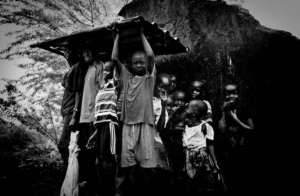 The Kakuma refugee camp in northeastern Kenya, established in 1992, has long grappled with significant waste management challenges. Originally designed to accommodate 70,000 residents, the camp’s population swelled to 183,000 by 2015. This increase has put immense pressure on resources and the camp’s infrastructure. This overcrowding has led to a variety of environmental issues, including inadequate liquid and solid waste disposal, creating unsanitary conditions and posing health risks to the camp’s inhabitants.
Several factors compound the camp’s waste management problems. The demand for wood fuel has led to deforestation in the surrounding areas. The reliance on diesel power generators contributes to air pollution. The shortage of potable water for both humans and livestock has exacerbated sanitation concerns. The lack of disposal space in the overcrowded camp has also created a pressing need for innovative waste management solutions.
However, amid these challenges, community-led recycling initiatives work to protect the camp’s natural environment and the inhabitants’ livelihoods. One such initiative is the Fraternity for Development Integrated (FRADI), founded by Raphael Basemi, a Congolese refugee who arrived in Kakuma in 2009.
FRADI
Basemi’s journey from a refugee with nothing but a bag of clothes and education certificates to the founder of a thriving recycling enterprise exemplifies the resilience and ingenuity of the camp’s residents. Established in 2013, FRADI has transformed the waste management landscape in Kakuma. FRADI’s approach is comprehensive, addressing not only waste management but also other refugee limitations, such as language barriers and lack of technical skills.
The Impact of FRADI’s Work
Since November 2019, the organization has recycled more than 10 tons of plastic, significantly improving living conditions in the camp. FRADI’s recycling initiative has been met with overwhelming enthusiasm, with 2,000 applicants vying for positions in the program after the first call for volunteers. In the last three years, the organization has created more than 500 jobs for refugees and local community members, providing much-needed income opportunities.
FRADI’s Plastic Recycling System and Products
The collection process involves individuals gathering plastic and nonbiodegradable materials. The collected waste is then categorized and sent to a central processing facility in Kakuma. Two specialized machines recycle plastics into new products through melting and reforming. Thirty-eight tons of semi-recycled materials have been sold to Nairobi-based companies so far.
Its product range includes everyday items such as pegs, buttons, rulers, plates and cups, all made from recycled plastic. These products are sold in a shop at the Kakuma incubation center, a United Nations High Commissioner for Refugees (UNHCR)-funded economic development initiative supporting start-up businesses.
The Future of Kakuma Refugee Camp
The future looks promising for waste management initiatives in Kakuma. Kenya’s signing of the Refugee Act in November 2021 has ushered in new policies supporting refugee economic success and inclusion. This legislative change has enabled FRADI to expand its operations, reaching out to larger companies that collect plastic for recycling.
Moving forward, the success of FRADI and similar initiatives offers a blueprint for addressing waste management challenges in refugee camps. These community-led efforts not only improve environmental conditions but also create economic opportunities. Furthermore, they foster a sense of purpose among refugees. As Basemi aptly puts it, “When I see the volunteers bringing in the plastic they have collected, I see a community that is coming together for a greater cause.”
With continued support and innovation, the transformation of waste into opportunity in Kakuma serves as an inspiring model for sustainable development in challenging environments.
– Lauren Thompson
Lauren is based in San Francisco, CA, USA and focuses on Good News and Global Health for The Borgen Project.
Photo: Flickr
