• Link to X
  • Link to Facebook
  • Link to Instagram
  • Link to TikTok
  • Link to Youtube
  • About
    • About Us
      • President
      • Board of Directors
      • Board of Advisors
      • Financials
      • Our Methodology
      • Success Tracker
      • Contact
  • Act Now
    • 30 Ways to Help
      • Email Congress
      • Call Congress
      • Volunteer
      • Courses & Certificates
      • Be a Donor
    • Internships
      • In-Office Internships
      • Remote Internships
    • Legislation
      • Politics 101
  • The Blog
  • The Podcast
  • Magazine
  • Donate
  • Click to open the search input field Click to open the search input field Search
  • Menu Menu

Archive for category: Refugees

Migration, Refugees

How Migration to Colombia Helps its Economy

Migration to Colombia
Since 2015, Latin America has undergone a remarkable evacuation of migrants from Venezuela instigated by an economic and political crisis within the country resulting in hyperinflation, starvation and crime. In 2020, more than 95% of people in Venezuela were living in poverty, thus many have been forced to leave. The UN has given Venezuelan migrants refugee-like status which has sparked a major migration to Colombia. 

Colombia: The Second Largest Host to a Refugee-Like Population

Colombia has become the world’s largest recipient of Venezuelans as it holds approximately 40% of all Venezuelan refugees. There are an estimated 2.9 million Venezuelan migrants residing in Colombia and they make up around 5% of the population. Colombia has been the main destination for Venezuelans due to Colombia’s proximity and the strong similarity between cultures. 

A large portion of Venezuelan migrants are educated professionals and middle-class young people holding university degrees. However, these migrants who are more educated than local populations experience higher unemployment and have a higher chance of working in the informal sector as many Colombians have negative views toward the migrants. The unemployment rate for Venezuelan migrants is 12.7% for those who have lived in Colombia for over a year and 23% for those who have been in Colombia for less than a year. While many Venezuelans have the skills to be beneficial to the Colombian economy, their potential has been wasted.

According to the International Monetary Fund (IMF), if these migrants can be integrated into the formal economy with positions matching their qualifications, migration to Colombia can increase real GDP by up to 4.5 percentage points relative to a baseline without migration by 2030.

Venezuelan Migration Presents a Big Economic Opportunity to Colombia

By adding to the labor force, the average annual rate of growth could increase 0.7 to 0.9 percentage points according to the World Bank. More migration also increases investment and consumption as well as widens the tax base. If the integration into the formal market can be administered properly, Colombia can obtain macroeconomic gains.

Seeing the development opportunity in the migration to Colombia, the government with the assistance of international organizations like the International Monetary Fund and the World Bank, has created revolutionary open policies for the economic and social integration of Venezuelan migrants. 

Colombia: Global Leader in Venezuela Migration Response

Colombia has become a global leader in its response to Venezuela’s unprecedented migration as the government sets a new example for handling large masses of displaced and vulnerable people.  

Colombia’s policies revolve around three objectives:

  1. Colombia is in the process of expanding access to markets and services such as health, education, jobs and housing, as well as protection services for vulnerable people such as family reunification, child protection and human trafficking victims. 
  2. Colombia’s government founded the Migration Management Office and passed the Temporary Protection Status for Venezuelan Migrants to establish the legal basis for integration through issuing stay permits and setting regulations that ease regularization. The Temporary Protection Status grants migrants a permit to stay and work for up to an unprecedented 10 years without a work visa. This process began in 2021 and already around 2.4 million Venezuelans have gotten this status which has decreased unemployment and increased wages. 
  3. Colombia’s government is working to eliminate prejudice and xenophobia to advance cohesion between Colombians and Venezuelans to create long-term inclusion. The Colombian government with the help of diverse organizations has launched campaigns to promote inclusion and work to address discrimination in the Colombian workforce.

Looking Ahead

While Colombia’s response has helped millions of Venezuelans, it has also brought some challenges. Public hospitals and public schools are being strained and have incurred major debts covering the new migrants. 

The COVID-19 virus exacerbated these challenges as many Colombians fell into poverty and unemployment rose. International cooperation and assistance from international organizations can be crucial in ensuring that integration efforts are sustainable. 

Migration to Colombia has been a struggle but brings a major opportunity for development and economic growth. Despite this economic opportunity, prejudice prevents them from fully integrating into the economy. If Colombia is successful with its efforts to eliminate prejudice and integrate Venezuelans into the Colombian workforce, the country can gain considerable economic advances and provide a new chance at life for millions of people. As Colombia’s presidential advisor said, “We gave Venezuelan migrants a license to dream.”

– Cameron Alcocer
Photo: Flickr

October 7, 2023
https://borgenproject.org/wp-content/uploads/borgen-project-logo.svg 0 0 Jennifer Philipp https://borgenproject.org/wp-content/uploads/borgen-project-logo.svg Jennifer Philipp2023-10-07 01:30:532024-06-11 00:17:52How Migration to Colombia Helps its Economy
Global Poverty, Refugees

NGO Mareena Helps Ukrainian Refugees in Slovakia Survive

Ukrainian Refugees in SlovakiaAmid the Ukrainian war displacing millions of civilians, Slovakian NGO members are lining the border and providing necessary care to those left with nothing. Ukrainian refugees in Slovakia can find support from local NGO volunteers, smoothing their transition from war into an entirely new society.

As of May 2023, there are 5.1 million people displaced within Ukraine, and the U.N. recognizes 6.2 million Ukrainian refugees globally. War exacerbates human struggle — heartache and loss run rampant through Ukraine and surrounding states as people fight to survive; yet, one NGO based out of Slovakia continues to provide hope and healing. 

Background on Mareena’s Work

Mareena is an NGO and UNICEF partner that works to make Slovakia a welcoming environment for people of all backgrounds. Acceptance of diversity is (like in most countries) a looming issue in Slovakian society, and Ukrainian refugees in Slovakia are increasingly facing the consequences. 

Over half of Slovakian people view the influx of Ukrainian refugees as burdening Slovakian economics — a view Mareena wants to change. Public opinion surveys report that support for refugee help has slowly decreased as economic struggle continues globally. Yet, Mareena members are banding together to provide a better integration process for people migrating into Slovakia — specifically Ukrainian refugees. They aim to foster an environment that betters locals’ and immigrants’ health and well-being as collaboratively as possible.

More Challenges for Refugees in Slovakia

Of the million Ukrainians that have arrived at the Slovakian border seeking asylum, 100,000 have applied for refugee status in Slovakia. It is a slow process to bring about systemic change that will revitalize positive public opinion. However, NGO Mareena’s front-line action still makes a tangible impact on protecting the people. 

Refugees arriving at the border of another country can often face inhumane treatment, and NGOs like Mareena drive most of the kindness and support on the Slovakian border. Mareena partners with international organizations like UNICEF to advocate long-term help for Ukraine while working first-hand with the people needing immediate help. The Mareena volunteers — many of them women — offer safety and survival resources to refugees at the border, providing a safe and welcoming space amid hardship. 

The U.S. Embassy in Slovakia recognized the women banding together on the border during International Women’s Day, commending their bravery in providing medical assistance and helpful survival information to the refugees. Their recognition noted that one of the Mareena volunteers, Katarina, expressed to the U.S. Embassy in Slovakia that helping people in general, and especially in acculturating into Slovakia, is how she feels “helpful, fulfilled and useful.” 

Final Thoughts

War persists until humanity is stripped from the area. Those caught in the struggle are more often civilians than otherwise, and Mareena recognizes this challenge. With support from volunteers, some international partnerships and donations, Mareena can help provide educational, psychosocial and social inclusion support for Ukrainian refugees in Slovakia. 

Because of Mareena, there is a ray of hope for Ukrainian refugees in Slovakia who have to rebuild their lives from scratch.

– Eden Ambrovich
Photo: Pixabay

October 5, 2023
https://borgenproject.org/wp-content/uploads/borgen-project-logo.svg 0 0 Yuki https://borgenproject.org/wp-content/uploads/borgen-project-logo.svg Yuki2023-10-05 06:22:482023-10-05 12:50:48NGO Mareena Helps Ukrainian Refugees in Slovakia Survive
Global Poverty, Refugees

Providing Support to Refugees in the Netherlands

 Support to Refugees in the NetherlandsFounded in 2021 by Thami Schweichler, the United Repair Centre is a Dutch for-profit social enterprise that specializes in clothing repair. With rising numbers of clothing waste and rising numbers of refugees in the Netherlands, the United Repair Centre’s strategy prevents clothing waste while providing support to refugees in the Netherlands.

Clothing Waste

Replacing damaged but reparable clothes with new clothes results in unnecessary expenses and, on a large scale, the disposal of clothes has both environmental and health impacts. Overall, the World Economic Forum says the clothing industry accounts for about a tenth of man-made CO2 emissions, and oftentimes, the clothes that people discard are disposed of via burning, releasing toxic chemicals into the air.

Moreover, the cotton used to produce various items of clothing, such as jeans and t-shirts, requires significant amounts of water that people could otherwise use to meet their clean drinking water needs. In fact, in just half a century, the massive uptick of cotton production in Uzbekistan caused almost the entire Aral Sea (actually a lake) to dry up, the World Economic Forum says.

However, by working with large-scale clothing companies such as Patagonia, Lululemon and Decathlon to repair damaged articles of clothing, the United Repair Centre is reducing clothing waste and reducing the demand for new clothing that puts a strain on environmental resources.

Support to Refugees in the Netherlands

In 2022, the Netherlands saw a significant influx of refugees. More specifically, in 2021, the total population of refugees in the Netherlands stood at just under 100,000. But, in 2022, that number increased to almost 220,000, with the majority of refugees coming from countries like Syria, Afghanistan and Yemen, where there are ongoing humanitarian crises. Starting over in a new country with nothing but the bags on their backs, refugees face several barriers when arriving in a host country. Apart from difficult living conditions in overcrowded asylum accommodations with limited access to health care, education and other essential resources, refugees struggle to secure paid work to move toward financial stability.

Recognizing these adversities, the United Repair Centre endeavors to help by supporting refugees in the Netherlands. The center hires refugees as employees, offering positions to both those with relevant work experience in their former home countries and those with no previous experience. For those with no experience, the center offers on-the-job training. The center intends to launch an officially certified training course in clothing repair work so that refugees have higher chances of securing future employment with a qualification.

As of July 2023, the United Repair Centre employs 20 full-time workers who are either “economic migrants or refugees.” In addition to providing vocational opportunities, the United Repair Centre also helps its employees adjust to the new host country by pointing them to essential services such as free language classes, legal support and housing services. One such employee benefiting from the support of the center is a Syrian refugee named Ramzi, who uses the opportunities given to him by the United Repair Centre to support his family.

Looking Ahead

As the humanitarian crises around the world continue, the numbers of refugees and asylum seekers continue to rise. The challenges for these people do not end once they have successfully sought asylum in a new country. Refugees and asylum seekers face barriers that include social and cultural integration and a lack of access to adequate health care, education, employment and other critical resources and services necessary for a prosperous life. In this regard, the United Repair Centre offers a lifeline of support to refugees in the Netherlands by providing them with vocational opportunities and assistance in integrating into a new country. In the process of doing so, the center helps to save the environment by repairing damaged clothes, which reduces clothing waste and production. As the United Repair Centre continues to expand as a for-profit social enterprise, the enterprise’s impact will continue to grow.

– Athan Yanos
Photo: Flickr

September 6, 2023
https://borgenproject.org/wp-content/uploads/borgen-project-logo.svg 0 0 Lynsey Alexander https://borgenproject.org/wp-content/uploads/borgen-project-logo.svg Lynsey Alexander2023-09-06 07:30:452024-06-11 00:17:51Providing Support to Refugees in the Netherlands
Global Poverty, Refugees, Refugees and Displaced Persons, United Nations

3 charities helping refugees in the UK

Refugees in the UKWith multiple crises currently affecting the world, more and more people find themselves needing assistance. According to the U.N., 6.1 million people have been forced to flee from Ukraine since Russia’s invasion, with a further 1.5 million people fleeing from Afghanistan since the Taliban take over in 2021. Additionally, climate-related disasters cause people to flee to safer areas. In 2019 alone, 25 million people sought refuge in other countries as a result of weather events, such as fires, floods and droughts.

Refugees fleeing from extreme weather events will become more common as the climate crisis intensifies, according to the U.N.  Charities that seek to offer assistance to refugees are essential. The following are charities that are helping refugees in the U.K.

Refugee Action 

Refugee Action, founded in 1981, is a charity that provides refugees in the U.K. with the basic support that they need to survive. For instance, in 2019-2020 alone, 3,000 refugees were given accommodation and access to financial support. This support ensures that refugees in the U.K. have a stable foundation that they can build on. 

Ahmed’s story best exemplifies the work of Refugee Action. After fleeing Egypt in fear for his life, Ahmed was greeted with nothing but a place on the streets. He was homeless, with no hope of securing stable accommodations, due to the Home Office withholding access to identification. Fortunately, Refugee Action was able to intervene and help Ahmed secure long-term accommodation and provide him with official identification, so he could gain stable employment.

Refugee Council 

Refugee Council was founded in 1951, after the creation of the U.N. refugee convention. It is an organization that not only seeks to support refugees in the U.K. but also campaigns for a fairer and more just asylum system.

Each year, this organization provides several forms of assistance for 13,000 refugees in the U.K. This includes offering to support them while they integrate into their new society, along with supplying aid to children who have arrived without parents. Since the majority of refugees are fleeing from dangerous situations, it is likely that they have experienced some form of trauma. Because of this, Refugee Council offers mental health support to every refugee that they come into contact with. 

Additionally, this organization works to highlight and change the inequities in the U.K.’s asylum system. For example, 25% of asylum seekers wait four to six weeks for official documents. These documents enable them to gain official employment or accommodation.

Without these documents, refugees either cannot work or are forced to work in dangerous, low-paid and unregulated jobs. Furthermore, refugees in the U.K. are only permitted to stay in government accommodation for 28 days, so many refugees are forced into homelessness, while they wait for their documents. Refugee Council campaigns to bring an end to this policy, as it causes countless vulnerable refugees to become homeless.

Other campaigning work by this organization includes a successful effort to improve the protections offered to women who are fleeing abusive situations. Before Refugee Council’s campaign, adequate protections were not in place, and female refugees were still left vulnerable to the same kind of abuse that they had fled from.

Young Roots 

Young Roots, founded by Rachel Yarrow, Roz Evans and Kathy Brook in 2004, is a charity that works directly with refugees in the U.K. to improve their life chances. This organization employs refugees at all levels to ensure that the charity is driven by people with personal experience of the plight of refugees in the U.K. 

Focusing their efforts in Croydon and Brent, Young Roots provided casework services and advice hubs for 873 people in 2019 alone. These services provide refugees with legal support and offer therapy for those who need it. 

In addition, Young Roots seeks to increase the confidence of young refugees in the U.K. by offering different classes, such as dance and drama. 

Raena, who arrived in the U.K. in 2018, has benefited greatly from these classes. Upon arriving in the U.K., Raena was very shy and was also apprehensive about becoming a part of her new community. Fortunately, Young Roots reached out to her, and she began attending the young women’s group, where she could mix with other young, female refugees. Over time, her confidence grew, so she was now able to volunteer for the organization, offering interview classes for fellow young refugees. This improved Raena’s life chances, as holding the classes imparted her with valuable experience for taking part in interviews to get a job of her own. 

What’s Next?

While these three organizations are doing fantastic and much-needed work, there is still more to be done. Refugees in the U.K. are an incredibly vulnerable group, and they are only going to become increasingly common as the climate crisis intensifies.

– Tom Eccles
Photo: Flickr

August 23, 2023
https://borgenproject.org/wp-content/uploads/borgen-project-logo.svg 0 0 Lynsey Alexander https://borgenproject.org/wp-content/uploads/borgen-project-logo.svg Lynsey Alexander2023-08-23 07:30:332026-04-16 10:20:593 charities helping refugees in the UK
Global Poverty, Refugees

Improving Access to Technology and Information for Refugees

Information for Refugees
Refugees face numerous challenges upon arriving in Calais, a town in Northern France, as they attempt to cross into the U.K. According to the refugee charity, Care4Calais, most refugees are fleeing war-torn and impoverished countries like Afghanistan, Syria and South Sudan. However, the U.K. offers limited legal options for refugees to seek asylum. In response to this situation, an organization called Refugee Info Bus strives to enhance refugees’ access to technology and information in Calais, empowering them with knowledge about their rights and connecting them to family and local support organizations.

Where is Calais?

Calais, often referred to as the jungle, serves as a point of entry for migrants attempting to reach the U.K. It is located in Northern France, where hostile weather conditions and pervasive anti-immigrant sentiments contribute to challenging living conditions for the refugees. Although the French government demolished the central camp in Calais, smaller encampments persist in the region. Human Rights Watch reports that migrants frequently face eviction, harassment and confiscation of their belongings. Additionally, humanitarian assistance is constrained and limited, making it difficult for individuals to access basic necessities such as food, water and suitable shelter. In this trying environment, refugees urgently need support and guidance, and organizations like Refugee Info Bus play a crucial role in improving their access to technology and relevant information.

The conditions of the camps in Calais are rough, but many refugees struggle to leave the area safely. In 2021, 2,000 people lived in Calais according to the Human Rights Watch data. Refugees hoping to leave Calais struggle with the asylum process in the U.K.

Why is it Challenging for Migrants to Stay in the UK Legally?

The Nationality and Borders Act focuses on the use of unsafe routes to enter the U.K. According to the Refugee Council, the U.K. does not provide safer routes for refugees to receive asylum, so refugees often face penalties. Refugees often travel risky routes because they are fleeing violence, persecution and unsafe living conditions. Refugees often have no choice but to travel illegally without identity documents. Persecuted individuals are forced to leave their home country with nothing.

The U.K. issues visas to determine the legality of an individual’s stay in the country, but these visas remain inaccessible to refugees fleeing perilous circumstances and poverty. The lack of visas makes it exceedingly challenging for refugees to secure asylum. In this difficult landscape, Refugee Info Bus plays a critical role in providing support to these vulnerable migrants.

What Does Refugee Info Bus Do?

Refugee Info Bus originated in 2016 to help refugees in Calais connect with resources to help them receive asylum. Through its mobile bus, the organization provides Wifi, phone charging, phone repair, batteries and mobile phones.

According to the Refugee Info Bus website, “we facilitated over 10,000 Wi-Fi logins and delivered more than 1,000 workshops to 3,000+ individuals on the U.K. and French asylum systems as well as ‘’know your rights’’ workshops, following and during evictions.” The organization focuses on access to technology and information for refugees seeking asylum.

Refugee Info Bus, established in 2016, serves as a lifeline for refugees in Calais, connecting them with essential resources to aid their asylum process. The organization operates a mobile bus equipped with Wi-Fi, phone charging, repair services, batteries and mobile phones. Its efforts have facilitated more than 10,000 Wi-Fi logins and delivered more than 1,000 workshops to more than 3,000 individuals in the U.K. and French asylum systems, along with “know your rights” workshops, especially during evictions.

Additionally, the organization expanded its services to Greece in 2017, offering audio and video materials in multiple languages to help refugees navigate the intricate asylum process. These services have also extended to online platforms. “From 2018-2019, we created 40 videos that have been viewed 750k times in total, each video receives on average around 20 private messages or requests for further info or assistance.”

Looking Ahead

Refugees rely on the mobile bus to connect with their families and acquire knowledge about the asylum process. They access the internet, which is vital for staying connected to external support networks. Given the intricate nature of the asylum process and the legalities involved, being well-informed about their rights is crucial for refugees. The commendable work of Refugee Info Bus significantly improves access to technology and vital information for refugees residing in temporary and precarious circumstances.

 – Ellie Bruce
Photo: Flickr

August 20, 2023
https://borgenproject.org/wp-content/uploads/borgen-project-logo.svg 0 0 Kim Thelwell https://borgenproject.org/wp-content/uploads/borgen-project-logo.svg Kim Thelwell2023-08-20 07:30:532023-08-16 08:15:34Improving Access to Technology and Information for Refugees
Refugees

The Olympic Refuge Foundation Provides Hope Through Sport

Olympic Refuge FoundationAn increasing number of people around the world face the daunting task of fleeing conflict, violence and poverty, leaving behind their livelihoods to start anew in unfamiliar territories. The circumstances of refugees make them vulnerable to poverty. Projects that cater to the well-being of refugees are of utmost importance given the current global refugee crisis. The Olympic Refuge Foundation employs sports to aid young refugees in finding a sense of belonging, building confidence, establishing purpose and even developing careers that can pave the way to a prosperous future.

4 Facts About Refugees

  1. According to the U.N. Refugee Agency, the number of people forced to flee their homes has reached an all-time high, with currently 35.3 million refugees worldwide.
  2. According to UNICEF, around half of the world’s refugees are children. This is particularly worrying as refugee children are three times more likely than refugee adults to be poor.
  3. Developing countries host 85% of refugees, exposing them to disproportionate rates of poverty.
  4. Turkey now hosts the highest number of refugees with 3.7 million, followed by Colombia with 1.7 million.

World Refugee Day, observed annually on 20 June, aims to highlight the strength and courage of people who have been compelled to leave their home countries.

The Olympic Refuge Foundation

Since the 1990s, the International Olympic Committee (IOC) and the United Nations High Commissioner for Refugees (UNHCR) have been developing sports programs in the camps and settlements where refugees often find themselves. People from various countries, speaking different languages, have united through sports, finding joy in simple games like basketball.

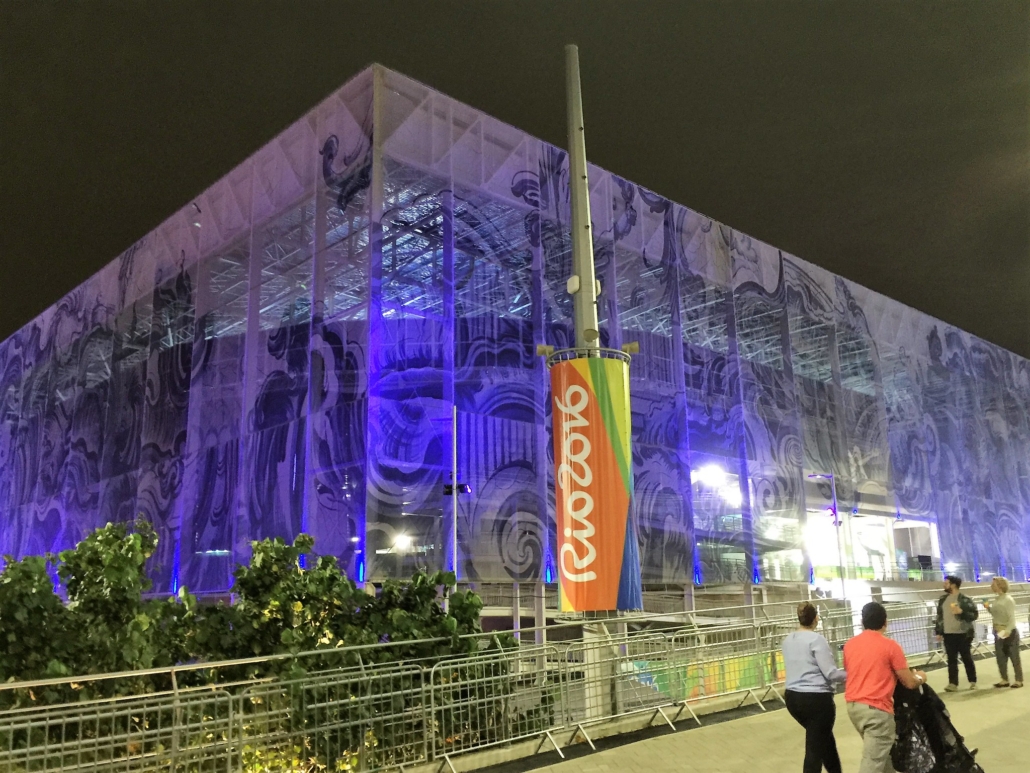
Sports projects have grown beyond the camp boundaries since then. In March 2016, the IOC announced the formation of the Olympic Refugee Team. During the Summer Olympics in Rio, 10 athletes were chosen to be part of the first-ever IOC Refugee Olympic Team.

During the 2021 Tokyo Olympics, 29 refugee athletes competed across 12 different sports. The increased number of top-level athletes also reflects the global expansion of sports programs working to assist refugees. In December 2017, the IOC established the Olympic Refuge Foundation with the aim of providing consistent support not only to high-level refugee athletes but to refugees worldwide. The foundation currently supports 12 programs in eight countries: Colombia, the Democratic Republic of Congo, Jordan, Kenya, Mexico, Rwanda, Turkey and Uganda, with plans to extend the project to France.

The sports projects in refugee camps provide safe and inclusive spaces for young people escaping violence, abuse, negligence and exploitation. Young people of different nationalities are able to communicate with each other through the common language of sport, making valuable friendships and building trust and confidence in themselves. The day-to-day activities contribute to the social cohesion and development of people who have been scarred by their past. Fighting the feeling of hopelessness and desolation is so common in camps and is key to their future growth and recovery.

Terrains D’avenir

The IOC and Olympic Refuge Foundation are also eager to leverage the upcoming Olympics in Paris as a means to promote sports in local communities in France. With the support of the French Ministry of Sports and several other partners, a program known as Terrains d’Avenir was launched. It aims to provide access to sports for 7,000 young people affected by displacement by 2025. The program, initiated in June 2023, seeks to support refugees in their recovery from traumatic experiences and to integrate them into French society through sports.

The project is open to all displaced young people, regardless of their administrative status or ability to speak French and will offer organized activities across a variety of sports.

Overall, starting over in a new country can be quite challenging. It often involves learning a new language, adapting to new customs, finding a new job and integrating into the local community. However, with the support of organizations like the Olympic Refuge Foundation, young displaced individuals can aspire to a brighter future through sports.

– Almaz Nerurkar
Photo: Flickr

August 3, 2023
https://borgenproject.org/wp-content/uploads/borgen-project-logo.svg 0 0 Kim Thelwell https://borgenproject.org/wp-content/uploads/borgen-project-logo.svg Kim Thelwell2023-08-03 07:30:342023-08-01 02:32:53The Olympic Refuge Foundation Provides Hope Through Sport
Refugees

How Technology is Helping Refugees in South Sudan

Refugees in South SudanSouth Sudan, a small country, has a population of 12 million people, and poverty affects around 82% of them. Conflict and displacement are among the biggest contributors to this situation. Out of the 12 million citizens, more than 2 million are refugees. This refugee crisis worsens poverty in the country due to limited resource accessibility, challenges in implementing initiatives and overall disorganized communication. In response, organizations are utilizing new technologies to address these issues, providing refugees in South Sudan with the protection and quality of life they deserve through specific communication and health programs.

Biometrics

Fingerprinting, or “biometric registration,” is a widely used tool in refugee camps that provides faster recognition and improved assistance for the most vulnerable individuals. Previously, refugee camps worldwide have included refugees in databases, but now biometric data is being added to these logs in refugee camps in South Sudan. Adding this data enables a more precise allocation of resources and clearer communication regarding individual needs for recovery. Furthermore, the precision allows for follow-ups with particularly vulnerable individuals to ensure ongoing support. This is especially beneficial for the major demographics of the camps, which consist of approximately 70% of women and children who have specific needs, such as pregnant women or malnourished children.

Mapping

In South Sudan, mapping the biometric data in refugee camps has become an imperative initiative to assist refugees. Workers collect the data and place it in an interactive map, enabling easy visualization of the camp demographics and spatial distribution of individuals. This comprehensive view offers deeper insights into individual households, enabling workers to prioritize assistance for the most vulnerable individuals.

Mapping projects are actively aiding health initiatives in refugee camps, particularly in mitigating the spread of disease. These projects enable the identification of outbreak epicenters, allowing for faster and more precise delivery of aid to those in need. As a result, there is an efficient and effective allocation of resources to minimize waste.

Mapping projects actively contribute to the crucial psychological work conducted in refugee camps to ensure that refugees feel respected, understood and dignified. These projects also foster effective communication by directly gathering information from refugees. Additionally, mapping projects enable the accountability of camp overseers, as refugees can openly discuss service adequacy and concerns. Moreover, they highlight the importance of active participation by refugees in South Sudan, allowing them to become empowered and resilient members of society. By collaborating with those experiencing the greatest hardships, their needs can be fully understood and addressed.

Communication

The development of technology in refugee camps in South Sudan has positively impacted communication, fostering connections not only between staff and patrons but also among fellow refugees. Refugee workers have provided cell phones to facilitate easy communication, enabling refugees to access resources, accurate information and individualized assistance. Reports indicate that approximately 91% of refugees in South Sudan now have phone access, highlighting the effectiveness of this approach. Specifically, women in these camps have benefited from cell phone access, experiencing improved communication and peer support, leading to increased confidence, empowerment and stronger relationships within the group, as well as with friends, family and the community. This demonstrates the potential of utilizing mobile phones to address health inequities and promote positive psychosocial outcomes within other marginalized refugee communities.

Technology developed to assist refugees in South Sudan plays a vital role in alleviating the crisis. Governments must fund the continuation and duplication of such programs through foreign aid initiatives to ensure that refugees in South Sudan and globally have access to necessary resources and receive the individual assistance they deserve.

– Ada Rose Wagar
Photo: Flickr

July 29, 2023
https://borgenproject.org/wp-content/uploads/borgen-project-logo.svg 0 0 Lynsey Alexander https://borgenproject.org/wp-content/uploads/borgen-project-logo.svg Lynsey Alexander2023-07-29 07:30:072023-07-26 02:37:46How Technology is Helping Refugees in South Sudan
Refugees

6 European Nations Providing Aid to Ukrainian Refugees

Ukrainian Refugees
The 2022 Russian invasion and assault have resulted in the emergence of Ukrainian refugees. The majority have stayed in Europe, with almost every country taking people in. All these individual nations have been different in regard to dealing with Ukrainian refugees. Here is a brief look into what six European countries have done for Ukrainian refugees.

  1. Poland: Poland is the country that has admitted the most refugees, with almost 1.4 million reported, many of them children. In Poland, both the UNICEF and the Japanese government have been assisting Ukrainians. Aid efforts include setting up special schools for refugees. Many Polish people offered their support in the beginning stages. But recently, support has reportedly dwindled. Nevertheless, there are still committed volunteers offering assistance to incoming refugees.
  2. Romania: In terms of Ukrainian refugees’ health, the country that took the initiative was Romania, as some countries had trouble dealing with the medical needs of a large refugee population. The partnership between the World Health Organization (WHO) and Romania led to great results.
  3. Lithuania: The nation of Lithuania had a major refugee population, which it found financially taxing. In earlier crises, the EU had set aside funds to help. In Lithuania, this money has mostly been used up. In addition, Lithuania also expressed interest in helping rebuild Ukraine after the victory. Ukraine is not yet in the EU, so that would need to happen concurrently.
  4. The United Kingdom: The U.K. has been supporting Ukraine since the 2014 crisis. It provided financial support that Russia might have taken, specifically with energy. The aid was planned to end right before the 2022 invasion. With the recent refugee influx, the U.K. government has set up the Ukraine Family Scheme to manage migrants, of which more than 200,000 have applied thus far. The U.K. has used a large part of its aid budget to help refugees. This includes those that have come to Britain and even those that have gone elsewhere.
  5. Germany: Germany is another nation that has taken in a large population of Ukrainian refugees, with more than 1 million intakes thus far. This mirrors its response to recent similar events. Unfortunately, it would seem things have not been going as well this time, with both available support and public opinion down. Despite this, some volunteers are still willing to support refugees, even if it gets risky. According to reports, there is a train that goes directly from war-torn Ukraine to Germany.
  6. Finland: Some European nations, especially smaller ones, worry that they may not be able to support large refugee populations. One example would be the Eastern European country of Estonia. Estonia negotiated with Finland to accept refugees from them. The two nations have around the same amount of refugees coming in. Finland was planning to take in 50-100 refugees a week from Estonia, but around 400-500 new refugees register with the country weekly. 

Looking Ahead

Despite the challenges posed by the Ukrainian refugee crisis resulting from the 2022 Russian invasion, several European countries have shown commendable efforts in providing support and assistance. Nations like Poland, Romania, Lithuania, the United Kingdom, Germany and Finland have taken various measures to accommodate and aid Ukrainian refugees, including setting up special schools, addressing health care needs and implementing specific schemes. Although some challenges and concerns have emerged, the commitment of volunteers and international collaborations is indicative of the collective commitment to assisting those affected by the conflict.

– Josh Sobchak
Photo: Flickr

July 6, 2023
https://borgenproject.org/wp-content/uploads/borgen-project-logo.svg 0 0 Kim Thelwell https://borgenproject.org/wp-content/uploads/borgen-project-logo.svg Kim Thelwell2023-07-06 07:30:422023-07-03 04:04:526 European Nations Providing Aid to Ukrainian Refugees
Global Poverty, Refugees

Addressing the Neglect of Elderly Syrian Refugees’ Health

Elderly Syrian Refugees' Health
More than 5 million Syrian people fled their homes to neighboring countries, such as Lebanon and Jordan, due to mass displacement in the wake of conflict. Many of these refugees are older people with different health issues who seek assistance. Despite the best efforts of the humanitarian response, some elderly Syrian refugees’ health is neglected due to a lack of data, institutional biases and underfunding.

Identifying the Prevalence of Health Issues

As a result of the demands of the current Syrian refugee crisis, Lebanese health and social workers have identified the prevalence of non-communicable diseases among older Syrian refugees, such as diabetes, blood pressure, high cholesterol and heart disease. Additionally, psychologists have observed that many people have to confine themselves to homes due to bone and joint complications, leading to social isolation and mental health problems. Elderly Syrian refugees’ health is neglected because of poor hygiene and access to clean water.

This, along with the fact that many people live in small, cold tents with many people living in it, leads to pulmonary complications and skin disorders like scabies. Additionally, lack of food causes malnutrition, which impairs their immune system, making them susceptible to diseases such as flu and diarrhea.

According to a 2014 Handicap International and HelpAge International report, many of their patients with Syrian refugee status suffer from mental illnesses such as depression, anxiety, post-traumatic stress disorder and psychosis. HelpAge International’s Chief Executive Officer, Toby Porter, claims that the lack of psychosocial care for older people negatively impacts their family’s well-being.

Senior Refugees Face a Variety of Problems

In 2021, according to the Vulnerability Assessment of Syrian Refugees in Lebanon (VASyR), primary health care and hospital care were less accessible for households with the lowest expenditures. The study demonstrates that those with the least resources were the least likely to receive the necessary care, likely due to a lack of adequate insurance or the ability to pay out-of-pocket for medical care. Thus, this highlights the need for greater financial support for medical care so that those with the least resources can still access the care they need.

A 2022 Conflict and Health article suggests that there needs to be more awareness of the needs of older refugees in the aid sector, which focuses mostly on children, women and young adults regarding financial support and medical services. Providing assistance to older refugees should be a priority. Social workers have noted that even though hearing aid and eyeglass campaigns are often conducted, they benefit children and young adults.

According to social workers, donors should prioritize older refugees, allowing them to receive adequate medical care and assistance. A Caritas Lebanon Migrant Centre (CLMC) Board Committee member, Kamal Sioufi, commented: “Older refugees have so many needs, which are not yet a priority for the humanitarian aid actors responding to this crisis.”

Urgent Steps Needed for Improved Care

According to a Handicap International and HelpAge International report, it is also essential to improve the accessibility of health care for people with specific needs. It is crucial that psychological distress services are readily available and tailored to meet the needs of individual clients. The health care staff should have training in diagnosing chronic diseases and receive adequate consultation time. Providing complete information about how to manage patients’ conditions will enable them to help them more effectively. Health care professionals should receive essential psychological distress services as well as training on how to assist elderly individuals.

Since 2013, HelpAge International has been working with older Syrian refugees in Lebanon. Around 2,000 patients have benefited from health consultations, nutrition lessons, cooking classes and social events. Furthermore, HelpAge has trained humanitarian and government workers on older people’s health issues.

Working Together

Organizations like HelpAge International have been providing health consultations, nutrition lessons and training for humanitarian workers to better support the elderly Syrian population. Continued efforts and support can potentially improve their living conditions by providing them with the care and assistance they require.

– Simran Raghav
Photo: Flickr

June 27, 2023
https://borgenproject.org/wp-content/uploads/borgen-project-logo.svg 0 0 Jennifer Philipp https://borgenproject.org/wp-content/uploads/borgen-project-logo.svg Jennifer Philipp2023-06-27 01:30:352023-06-23 05:37:47Addressing the Neglect of Elderly Syrian Refugees’ Health
Global Poverty, Refugees

Rebuilding Refugee Identities One Art Project at a Time

Rebuilding Refugee Identities
Art for Refugees in Transition or A.R.T. is an organization that focuses on helping refugees maintain their culture and tradition within their camp community. Each program begins the process of rebuilding refugee identities. The goal of A.R.T. is to help refugee children connect with their elders and find a sense of belonging. In 2003, the first programs launched were in Myanmar and Thailand. The programs have reached camps across South America, the Middle East, Africa and Asia.

Why Do Refugees Need Art?

Outside organizations, like A.R.T., play an important role in giving refugees opportunities to improve their livelihood in a camp. Refugees focus on survival, often losing their sense of identity and belonging. Through art, refugees have an opportunity to remember or connect with their roots.

Violence, economic instability and gang crime plague Venezuela leading many individuals to flee to neighboring Colombia. As of 2022, Colombia was home to 1.8 million Venezuelan refugees. Colombia’s refugee camps or communities do not always have access to services like schools. A.R.T. works to help youth learn about their culture, background and each other.

Art Projects Rebuild Refugee Identities

Venezuelan refugees and displaced individuals live in communities throughout Colombia. Tintalito is a neighborhood in Bogotá, Colombia where A.R.T. began its first program. Tintalito is the home of 180,000 refugees. With the help of the University of the Andes and New Retreat Educational Foundation, A.R.T. implemented a traditional arts program for academic credit. The interdisciplinary program includes anthropology, psychology, literature and fine arts.

A.R.T. works with the Serena del Mar Foundation to bring art to a coastal refugee community in Colombia: Manzanilla. Here, A.R.T. provides a space for the community’s elders to share with the younger generation. The program fosters a community project for many generations. “The elders of the community recorded their thoughts on the sea, its importance in their lives as well as stories, folklore and their history with the sea.” The youth listens to the stories, translating the message into a mural. This art project preserves cultural traditions despite the uncertainty the community experiences. The art projects are also rebuilding refugee identities for both elders and children.

The Impact

Based on data from 2022, around 90,000 Burmese refugees fled Myanmar or Burma to escape persecution. Many of these refugees, primarily of the Karenni ethnic minority, live in temporary shelters throughout the Mae Hong Son Province in Thailand. Like many of the communities A.R.T. took its programs to, Burmese refugees can connect to their homeland and culture through art. A.R.T.’s programs are rebuilding refugee identities by giving them a space to honor their history and fight for the present.

In the Mae Hong Son Province in Thailand, A.R.T. visited two Burmese refugee camps. The initial program that A.R.T. started with the International Rescue Committee was in 2003. Each program starts small, but the idea quickly grows. Burmese youth learned traditional music and dance with their elders. The refugees reconnected with what they lost in fleeing their homes. Currently, the refugees teach these programs on their own. A.R.T. empowered the refugees to keep their traditions alive, passing on strength from generation to generation.

Looking Ahead

Through its programs, A.R.T. has been instrumental in helping refugees maintain their cultural identity and rebuild their sense of belonging. By providing opportunities for artistic expression and intergenerational connections, A.R.T. supports refugees in preserving their traditions and passing them on to future generations. These initiatives have had a profound impact on refugee communities, fostering resilience and empowering individuals to honor their history while embracing their present circumstances.

– Ellie Bruce
Photo: Flickr

June 13, 2023
https://borgenproject.org/wp-content/uploads/borgen-project-logo.svg 0 0 Jennifer Philipp https://borgenproject.org/wp-content/uploads/borgen-project-logo.svg Jennifer Philipp2023-06-13 07:30:172023-06-09 16:29:56Rebuilding Refugee Identities One Art Project at a Time
Page 8 of 53«‹678910›»

Get Smarter

  • Global Poverty 101
  • Global Poverty… The Good News
  • Global Poverty & U.S. Jobs
  • Global Poverty and National Security
  • Innovative Solutions to Poverty
  • Global Poverty & Aid FAQ’s
Search Search

Take Action

  • Call Congress
  • Email Congress
  • Donate
  • 30 Ways to Help
  • Volunteer Ops
  • Internships
  • Courses & Certificates
  • The Podcast
Borgen Project

“The Borgen Project is an incredible nonprofit organization that is addressing poverty and hunger and working towards ending them.”

-The Huffington Post

Inside The Borgen Project

  • Contact
  • About
  • Financials
  • President
  • Board of Directors
  • Board of Advisors

International Links

  • UK Email Parliament
  • UK Donate
  • Canada Email Parliament

Get Smarter

  • Global Poverty 101
  • Global Poverty… The Good News
  • Global Poverty & U.S. Jobs
  • Global Poverty and National Security
  • Innovative Solutions to Poverty
  • Global Poverty & Aid FAQ’s

Ways to Help

  • Call Congress
  • Email Congress
  • Donate
  • 30 Ways to Help
  • Volunteer Ops
  • Internships
  • Courses & Certificates
  • The Podcast
Scroll to top Scroll to top Scroll to top