• Link to X
  • Link to Facebook
  • Link to Instagram
  • Link to TikTok
  • Link to Youtube
  • About
    • About Us
      • President
      • Board of Directors
      • Board of Advisors
      • Financials
      • Our Methodology
      • Success Tracker
      • Contact
  • Act Now
    • 30 Ways to Help
      • Email Congress
      • Call Congress
      • Volunteer
      • Courses & Certificates
      • Be a Donor
    • Internships
      • In-Office Internships
      • Remote Internships
    • Legislation
      • Politics 101
  • The Blog
  • The Podcast
  • Magazine
  • Donate
  • Click to open the search input field Click to open the search input field Search
  • Menu Menu

Archive for category: Refugees

Children, Global Poverty, Refugees

Changemaker: Fighting for Refugee Children in Zambia

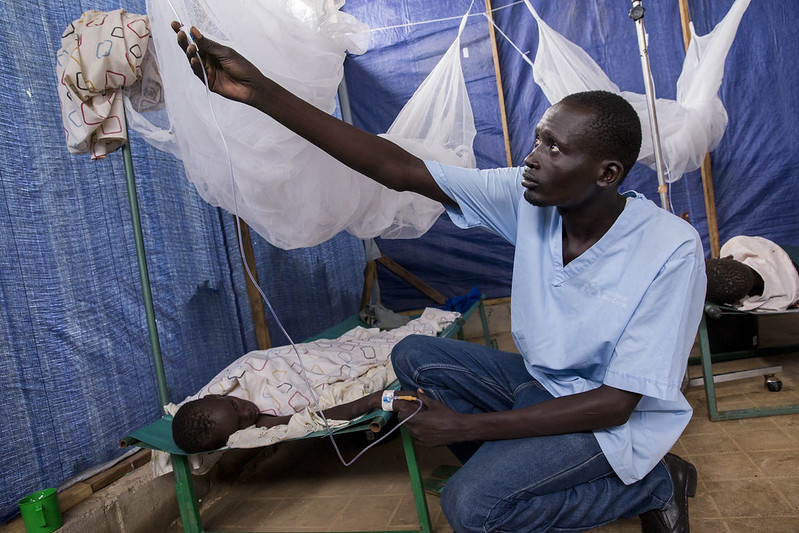
Refugee Children in ZambiaZambia is a landlocked country located in southern Africa. Due to its unique geography, Zambia hosts approximately 105,000 refugees predominantly from bordering countries such as Burundi, the Democratic Republic of Congo (DRC) and former Rwandan and Angolan colonies. Many of these refugees and asylum seekers live in three main refugee settlements in Meheba, Mayukwayukwa and Mantapala, with some residing in Lusaka, the capital city.

The Experience of Refugee Children in Zambia

The nature of being a refugee or asylum seeker involves plenty of travel. As such, many organizations, including the United Nations Children’s Fund (UNICEF), have identified many violations of basic human rights during this process. In particular, refugee children seem to be dramatically affected by the process of claiming asylum. Challenging discrimination against refugee children in Zambia is one of the key case studies in UNICEF’s research on the issue. Others range from child marriage, child labor and gender-based violence.

A New Approach by UNICEF

To tackle these issues, UNICEF Zambia decided to organize what it calls a “Changemaker Workshop” in Lusaka. These workshops are designed to foster inclusion with refugee children in Zambia to directly address the unique problems they face daily, as well as canvassing for solutions.

The initiative involved 20 children aged 13 to 19 who shared their personal experiences as refugees living in Zambia. They were encouraged to highlight adversities faced while navigating the asylum process, detailing instances of discrimination and the challenges of living as orphans or being raised in child-headed households, typically led by an older sibling. As a UNICEF Changemaker, these refugee children can actively participate and consult on issues that directly affect them. Furthermore, they can provide better information to charitable organizations like UNICEF to develop a better outcome for them.

The Impact of the UNICEF Changemaker Program

As a direct result of this initiative, UNICEF has compiled valuable feedback from the participants. Many have proposed practical solutions to various challenges they face, including:

  1. Access to clean water and sanitation.
  2. Encouraging the refugee community to adopt reuse, reduce and recycle practices.
  3. The creation of more learning opportunities in the program.
  4. Establishing additional youth groups focused on teaching skills like writing, reading and organized sporting activities.
  5. Ensuring key information such as paper processing, environmental protection, reporting security issues and access to clean hygiene and sanitation services are presented in a way that can be understood by refugee children.

UNICEF Zambia says that these workshops enable a greater level of participation from refugee children in Zambia in a meaningful way. Consequently, the organization is expanding this initiative by collaborating with partners to establish additional safe spaces for children. This aims to amplify the voices of more adolescent refugees, fostering a platform where their perspectives are heard and solutions are envisaged.

– Domenico Palermo
Photo: Flickr

February 13, 2024
https://borgenproject.org/wp-content/uploads/borgen-project-logo.svg 0 0 Hemant Gupta https://borgenproject.org/wp-content/uploads/borgen-project-logo.svg Hemant Gupta2024-02-13 03:00:072024-02-11 12:59:27Changemaker: Fighting for Refugee Children in Zambia
Refugees

Taliban Refusing Women NGO Workers: What is Being Done

 Women NGO WorkersOn August 15, 2021, the Taliban seized control of Kabul, the capital of Afghanistan, following the earlier withdrawal of United States military forces. U.S.-backed President Ashraf Ghani fled the capital while the Afghan security force crumbled, leaving Kabul and all of Afghanistan under Taliban control. More than two years since the resurgence of the Taliban, conditions in Afghanistan have worsened, particularly affecting the most vulnerable members of Afghan society. One of the groups experiencing the greatest hardships under Taliban rule is women.

Afghanistan girls as young as 12 years old have been largely forbidden to attend classes. These policies have made it harder for Western governments to acknowledge the Taliban as the legitimate governing body in Afghanistan. More recently, on December 22, 2022, the Taliban began refusing aid from women working with Nongovernmental Organizations (NGOs), essentially cutting the staff of aid workers in Afghanistan by a third.

Refusing Women NGO Workers

The Taliban’s refusal to allow women to work for NGOs extends beyond nonprofit organizations and charities to also include their participation in U.N. initiatives. According to the National Public Radio (NPR), this move by the Taliban is the latest in a line of maneuvers to cut off aid during what is being labeled as “the world’s largest humanitarian crisis” by U.N. Deputy Special Representative for Afghanistan Ramiz Alabaro.

The ban on female NGO workers comes at a time when Afghanistan desperately needs humanitarian aid. According to the Integrated Food Security Phase Classification (IPC), as many as 19.9 million people in the country faced acute food insecurity in the winter of 2022-2023. The winter also saw the deaths of more than 200 people and 200,000 livestock. With so many humanitarian issues arising in Afghanistan, NGOs are faced with a difficult choice as the Taliban refusing women NGO workers strikes at their principles while rescinding aid leaves those in need vulnerable.

Organizations Finding Solutions

Despite the increasingly challenging conditions in Afghanistan, organizations are actively seeking alternative approaches to ensure the continued delivery of aid to those in need. The New Humanitarian reports that it has interviewed numerous women employed by NGOs in Afghanistan who, despite the sensitive nature of the situation, have managed to come to agreements with the Taliban to continue their work. Although they have requested to remain anonymous due to the volatile nature of the issue, these women have been able to come to some level of understanding with the Taliban and continue their work.

Many women heading local NGOs in Afghanistan have met and confirmed that they have been able to maintain their operations in five provinces by making concessions with the Taliban. The New Humanitarian reports that while the Taliban have banned most women from office buildings, they are permitted to leave their homes to distribution centers/sites. Other groups headed by women have reported appointing male proxies to handle matters that require a physical presence to oversee administrative and/or financial matters.

Wrap up

The Taliban’s refusal to allow women NGO workers to participate in humanitarian operations has significantly complicated the execution of aid efforts. As reported by PBS Frontline, this ban has made it more difficult to get fundraising approval as only 5.5% of the U.N. ‘s requested $4.6 billion aid for Afghanistan has been fulfilled. As organizations continue to make their best efforts to provide aid while fighting to keep their female workers involved, time will tell if circumstances improve for the better.

– Beau Sansom
Photo: Flickr

January 26, 2024
https://borgenproject.org/wp-content/uploads/borgen-project-logo.svg 0 0 Hemant Gupta https://borgenproject.org/wp-content/uploads/borgen-project-logo.svg Hemant Gupta2024-01-26 07:30:112024-01-25 03:53:46Taliban Refusing Women NGO Workers: What is Being Done
Global Poverty, Refugees

Opening Hearts, Opening Homes: Airbnb Assists Refugees in Need

Refugees in NeedThe U.N. Refugee Agency (UNHCR) reported 110 million people were forcibly displaced worldwide midway through 2023. This displacement developed as a result of conflict and violence in their native country, persecution and breaches of their human rights. The UNHCR reported of this 110 million, 36.4 million people are refugees.

Although the arrival of a refugee in a host country offers immediate relief from dangerous, life-threatening circumstances, the challenges they face do not immediately cease and instead will continue. This continued challenge could be linguistic barriers, difficulty securing work, troubles accessing services, including education for children, cultural barriers and finding a new home. 

The world-famous online platform that provides rental accommodation and experiences, Airbnb, is using its databases and tools to help home Refugees, creating a platform to ensure Airbnb assists refugees in need.

When Did Airbnb Start Helping Support Refugees

During Hurricane Sandy in 2012, an Airbnb host named Shell opened her home for free for evacuees escaping the natural disaster. Upon hearing this, Airbnb called upon other hosts in the area, leading to the opening of more than 1,000 host homes. This response inspired Airbnb to create a program to ensure Airbnb assists Refugees in need by providing emergency accommodation. Today, this program is known as the nonprofit organization Airbnb.org, which originated in 2020.

The Funding Behind Airbnb.org

Airbnb.org is independent of Airbnb and, therefore, has separate management and goals and, of course, is nonprofitable. However, Airbnb covers the organization’s operating costs. Airbnb states its funding means “community donations go even further to support people in times of crisis.” Airbnb also provides hosts with AirCover, insurance and damage protection in case problems arise during guest stays. Furthermore, Airbnb provides grants and waives guest fees to cover the costs of the emergency stay, as well as providing crucial technology, which all contribute to funding Airbnb.org.

How Airbnb Assists Refugees in Need

Those eligible for Airbnb.org emergency housing are those displaced due to natural disasters, refugees, people seeking asylum, or, for example, a Special Immigrant Visa and relief workers. Airbnb hosts can open their homes either for free or at a discount with Airbnb.org. Alternatively, hosts can sign up exclusively to accommodate refugee guests. Airbnb.org acts as the connection between refugees and emergency temporary housing, providing daily necessities and a bed for as many nights as possible. Emergency stays can be around a month or more and typically begin within one to two days after the first point of contact due to the situation’s urgency.

The Partnerships That Ensure Airbnb Assists Refugees in Need

Airbnb.org works alongside non-governmental organizations, humanitarian groups and governments. These groups include the International Rescue Committee (IRC); HIAS, a global Jewish organization assisting refugees; Build Change, a disaster recovery company; and the Community sponsorship hub. By partnering with refugee resettlement groups, potentially eligible refugee guests are located and supported to ensure they can access Airbnb.org’s help.

The Success of Airbnb.org

Since 2020, more than 91,000 hosts from 189 countries have opened their homes for refugees with Airbnb.org. As of July 2023, Airbnb.org has reported connecting close to 300,000 people with emergency housing. The 2023 UNHCR mandate said more than 50% of refugees came from only three countries: the Syrian Arab Republic, Afghanistan and Ukraine. At the beginning of 2022, Airbnb.org reported it housed 100,000 Ukrainians and 20,000 Afghan refugees. 

Helping to house such a substantial number of people during times of crisis is a remarkable achievement. Airbnb, using its platform to provide aid and support to refugees who often have left their homeland with very little, makes a difference to a person’s resettlement journey. As Airbnb assists refugees in need, it demonstrates how other companies can use their stage to help others. Encouraging hosts to open their hearts and homes to help others demonstrates how one individual can make a tangible difference in another person’s life. Support in this way must continue as the number of refugees rises; thus, the need for housing grows.

– Heidi Helen Horgan
Photo: Flickr

December 15, 2023
https://borgenproject.org/wp-content/uploads/borgen-project-logo.svg 0 0 Yuki https://borgenproject.org/wp-content/uploads/borgen-project-logo.svg Yuki2023-12-15 07:30:152023-12-18 08:25:06Opening Hearts, Opening Homes: Airbnb Assists Refugees in Need
Global Poverty, Homelessness, Refugees

How The Olympic Refuge Foundation is Helping Refugees

The Olympic Refuge Foundation
With a growing number of people across the world who are forced to leave their livelihoods and start a new life somewhere else, projects that increase confidence and well-being are a key part of minimizing the chances of poverty among refugees. The Olympic Refuge Foundation is using sport to encourage communication and teamwork, provide a regular routine and increase the self-confidence of refugees. 

4 Facts About Refugees

  • The number of people having to flee their homes is the highest it has ever been: there are currently 35.3 million refugees worldwide.
  • According to UNICEF, around half of the world’s refugees are children. This is particularly worrying as refugee children are three times more likely than refugee adults to be poor. Poverty alleviation strategies must take into account the well-being of refugees and put in place programs that unlock refugees’ potential – sport is an obvious way to do this. 
  • Developing countries are hosting 85% of refugees who face disproportionate rates of poverty.
  • Turkey now hosts the highest number of refugees with 3.7 million, followed by Colombia with 1.7 million.

World Refugee Day, celebrated each year on June 20, aims to highlight the strength and courage of people who have had to flee their home country. In 2023, the main theme focused on hope, which is no better embodied than by the athletes dreaming big on the Olympic Refugee Team.

The Olympic Refuge Foundation

Since the 1990s, the International Olympic Committee (IOC) and the United Nations High Commissioner for Refugees (UNHCR) have been developing sports programs in the camps and settlements refugees often find themselves in. People from many different countries, who speak multiple languages, have been able to unite through sport and find joy in a simple game of basketball. 

Since then, the sports projects have developed beyond the walls of the camps. In March 2016, the IOC announced the creation of the Olympic Refugee Team, and that summer at the Rio Olympics, 10 athletes were selected to represent the first-ever IOC Refugee Olympic Team.

At the Olympic Games in Tokyo 2021, 29 refugee athletes competed across 12 different sports. The increase in top-level athletes also reflects the expansion of sports programs around the world that are working to help refugees. In December 2017, the IOC created the Olympic Refuge Foundation with the aim of providing consistent support not only to high-level refugee athletes but to refugees across the world. The foundation now supports 12 programs in eight countries: Colombia, the Democratic Republic of Congo (DRC), Jordan, Kenya, Mexico, Rwanda, Turkey and Uganda and is looking to extend the project to Colombia and France. 

The sports projects in refugee camps provide safe and inclusive spaces for young people escaping violence, abuse, negligence and exploitation. Young people of different nationalities are able to communicate with each other through the common language of sport, making valuable friendships and building trust and confidence in themselves. The day-to-day activities contribute to the social cohesion and development of people who have been scarred by their past. Fighting the feeling of hopelessness and desolation — so common in camps — is key to their future growth and recovery. 

Terrains D’avenir

The IOC and Olympic Refuge Foundation are also keen to use the upcoming Olympics in Paris as a tool to encourage sport in local communities in France. With the support of the French Ministry of Sports and multiple other partners, a program – Terrains d’Avenir – has emerged to provide 7,000 young people who are displaced with access to sports by 2025. The program, which launched in June 2023, aims to support refugees in recovering from their experiences of trauma and to involve them in French society through sport. 

The project is open to any displaced young person, regardless of their administrative status or ability to speak French and will offer organized activities across a variety of sports. Starting a new life somewhere is never easy; learning a new language, adapting to new customs, finding a new job and integrating yourself into the local community take time and patience. However, if these steps can be achieved, the chances of poverty among refugees are far less likely. 

– Almaz Nerurkar
Photo: Flickr

November 10, 2023
https://borgenproject.org/wp-content/uploads/borgen-project-logo.svg 0 0 Yuki https://borgenproject.org/wp-content/uploads/borgen-project-logo.svg Yuki2023-11-10 01:30:172023-11-06 13:45:55How The Olympic Refuge Foundation is Helping Refugees
Global Poverty, Refugees, Women and Female Empowerment

A Beacon to Rally Behind: Empowering Women in Pakistan

Empowering Women in Pakistan
Pakistan is not known for being staunchly progressive concerning women. However, in recent times, progress has occurred to propel lower-income women into the future by trying to give opportunities to vulnerable communities. To the point where women in Pakistan are also able to aid female refugees from Afghanistan. Here is how people are empowering women in Pakistan.

Efforts in the Midwife Industry

Statistics from 2020 state that Pakistan is 54th out of 186 countries in maternal mortality deaths, with 154 a year. Studies backed by the World Health Organization (WHO) show that midwives can help to substantially reduce maternal deaths. Pakistan is currently estimated to have only 0.72 midwives for every 10,000 people. The goal is obvious: to populate the midwife industry. With a strong push from both international organizations and national midwife representatives, such as the Midwifery Association of Pakistan and the Pakistan Nursing and Midwifery Council, Pakistan developed the National Midwifery Strategic Framework, and its current popularizing slogan is ‘Midwives’ Voices, Midwives’ Demands.’

Pakistan is investing more in its national midwife service by establishing a four-year Bachelor of Science graduation path. This new path will teach the importance of reproductive health and self-care interventions.

The campaign aims to improve higher education standards and their availability, as well as establish a more robust transitional pathway from the classroom to the workplace. This campaign will further legitimize the profession and attract more candidates in the future. More midwives are to work in hospitals alongside nurses and doctors. The goal is to add 1,500 midwives to the industry in the near future.

Gender-based Bond to Empower Women

 In July, the microfinance bank Kashf issued Pakistan’s first gender-based bond. Gender bonds aim to raise awareness of global gender inequality and empower women. The overall goal is to establish sustainable economic development for women, by women. This bond is worth 2.5 billion Pakistani rupees, slightly more than $9 million.

Kashf has been working for years on empowering women in Pakistan, specifically in rural areas. As a result of their impact, women in poor communities have been able to generate income and establish their own businesses while employing people from their communities. According to Maheen Rahman, CEO of the credit enhancement facility InfraZamin Pakistan, Kashf’s customer base is 99.7% women.

The bond issue comes at a fortunate time, as Pakistan is still recovering from the monsoon season in the summer of 2022. Monsoons damaged or destroyed at least 2.1 million homes, killed 15,000 people and displaced 8 million.

In the Sindh province, the regional government has begun providing land titles and funds to previously landless people to offer a new start for many storm victims. Out of the 1.3 million eligible beneficiaries, more than 426,000 are women. Only 1.2% of Pakistani women own land. Owning land would be a phenomenal start for thousands of women looking to rebuild and would be a crucial landmark in the quest for empowering women in Pakistan.

Female Refugees in Pakistan

Since the Taliban took over Afghanistan in 2021, hundreds of thousands of female refugees have fled. A skills center opened in Peshawar, Pakistan, to aid them in their migration. Teaching skills like beauty, technology and tailoring. Hundreds of women have already enrolled and began learning. The school is looking to expand to accommodate more students. Courses are about three months until graduation; afterward, women can start looking to create income by obtaining employment or starting their own businesses.

While the country is still deeply entrenched in gender inequality, there is a push for empowering women in Pakistan to generate their own income. The government is bolstering the midwife profession to make another viable career path for women and reduce the maternal mortality rate. In the aftermath of last year’s devastating funding, women in poor communities now receive gender bonds to establish businesses and are now in line to receive land titles. Women from Afghanistan are now coming to Pakistan to learn employable skills. If this social reform can develop for a prolonged period, Pakistan could become a beacon for women across the Middle East. 

– Eddie Dale
Photo: Flickr

November 4, 2023
https://borgenproject.org/wp-content/uploads/borgen-project-logo.svg 0 0 Yuki https://borgenproject.org/wp-content/uploads/borgen-project-logo.svg Yuki2023-11-04 01:30:382023-10-31 07:16:23A Beacon to Rally Behind: Empowering Women in Pakistan
Global Poverty, Refugees

Bringing Clean and Affordable Cooking Solutions to Rural Africa

Cooking SolutionsMore than 2.6 billion people are without access to clean cooking solutions worldwide. Pesitho is a Danish company committed to providing clean and affordable cooking solutions to those in need in rural, off-grid areas.

The Problem

Cooking is a necessary part of human existence and survival, but it should not threaten people’s health and livelihood. Access to clean, affordable and reliable cooking methods can be hard to come by in rural areas. Millions of people die each year due to insufficient cooking methods — 2 billion people rely on wood and fuel in order to cook in their homes. The journey to obtain suitable firewood can be long and hazardous and sometimes fatal. Locals run the risk of animals attacking them or stepping on landmines, and even experiencing assault or rape. Burning wood in a home can cause smoke inhalation which can lead to lung cancer, heart failure and other respiratory problems.

These problems mainly threaten women and girls because the burden of cooking meals usually falls upon them. Unfortunately for these women and girls, they have no other choice and are forced to expose themselves to the dangers that come with cooking. When fuel is not provided and food is left uncooked, arguments can erupt within the family household and can sometimes lead to violence.

Pesitho’s pilot project and primary focus are refugee families from African countries like South Sudan or the DRC who were forced to flee their homes due to war, and now reside in rural locations in Uganda. The Bidibidi refugee settlement in Northwestern Uganda — home to more than 270,000 refugees and spanning an area of 250 square kilometers — is where Pesitho mainly operates. Pesitho also provides aid to locals in the nearby areas who have very low incomes and are in vulnerable situations. Pesitho has partnered with Mercy Corps, Caritas, the World Food Programme (WFP) and a number of other organizations to bring the ECOCA — an electric solar cooker — to these rural locations.

The ECOCA

The ECOCA is a small compact cooking device that solar energy powers. It can keep food warm for hours and power a house for an entire day. ECOCA units are assembled locally by hired locals who are trained as technicians, giving jobs to these vulnerable communities.

The ECOCA, which includes a battery pack, a solar panel array and a cooking pot, is easily installed in small spaces and easily portable due to its size. The stove can cook a family of five to seven members three meals a day and can work hours after dark. The ECOCA also includes two USB ports and two rechargeable lamps for cooking after dark. With this innovative design, families no longer have to bear the burden of collecting wood or buying fuel, and no longer become subject to smoke inhalation.

Pay-As-You-Cook System

In September 2020, Pesitho and Mercy Corps applied for the Elrha Journey 2 Scale Grant, which allowed it to expand its current productions and initiate the Pay-As-You-Cook system or PAYC. The PAYC system makes the ECOCA even more affordable and allows users to pay per usage over a maximum of five years rather than purchasing the ECOCA upfront.

Pesitho’s Impact

Pesitho has changed the lives of countless people through its innovative technology. Bajura, a local resident of the Bidibidi refugee camp, has created a phone repair and radio business since receiving his ECOCA in 2020. Bajura uses the solar panel from the ECOCA as his main power source. Using the USB ports on the electric cooker, he is able to charge a number of other devices such as mobile phones and radios. Bajura built his business around phone repair and charging, which generates enough income for him to support himself and his family. Barjura’s business is a great example of how the ECOCA improves the lives of these locals and how it can be used for more than just cooking.

Since Pesitho’s establishment in 2017, it has continued to bring clean and affordable cooking solutions to rural areas. Cooking is not only a fundamental part of human existence, but it also brings people and communities together. Pesitho has changed the lives of families in eastern Africa and will continue to do so in the future. Anyone can help bring more ECOCAs to people in need by donating on Pesitho’s website.

– Jack Wells
Photo: Flickr

October 17, 2023
https://borgenproject.org/wp-content/uploads/borgen-project-logo.svg 0 0 Yuki https://borgenproject.org/wp-content/uploads/borgen-project-logo.svg Yuki2023-10-17 01:30:442023-10-12 20:19:36Bringing Clean and Affordable Cooking Solutions to Rural Africa
Global Poverty, Refugees

Improving the Lives of Palestinian Refugees in Lebanon

Palestinian Refugees in Lebanon
Unable to obtain citizenship or the right to work,
Palestinian refugees living in Lebanon have faced many obstacles and restrictions. Forced into displacement by war since 1948, thousands of Palestinians have found refuge in their neighboring country, Lebanon. Through its many wars and conflicts, an increasingly corrupt government and a worsening economic situation since 2019, Lebanon has never been the most welcoming environment for refugees, particularly Palestinians. 

Problems Palestinian Refugees Face in Lebanon 

Lebanon is the country that hosts the largest number of refugees per capita, due to surrounding wars and conflicts in its neighboring countries of Syria and Palestine. According to UNICEF, there are around 210,000 Palestinian refugees living in Lebanon, all of whom are prohibited from working in 39 professions such as medicine, law and engineering. They are also unable to access health and education provided by the Lebanese government because a discriminatory Lebanese law means that Palestinians are unable to gain Lebanese citizenship, and thus unable to access essentials like work and education.

For many in Lebanon, particularly refugees, life has become unlivable. The United Nations Relief and Work Agency (UNRWA) reported that poverty levels reached 93% among Palestinian refugees living in Lebanon. Moreover, all 12 refugee camps in Lebanon suffer from mass crowding, poor conditions and increased risk of involvement in violence, all of which pose a significant threat to the camps’ youth and the livelihoods of families. 

The Role of UNRWA and UNICEF

However, there have been many efforts to improve their conditions including social initiatives and calls for aid and assistance. While UNRWA has assisted in providing education and school supplies, these are all based on donations, all of which have severely declined since the beginning of the COVID-19 pandemic. Accordingly, UNRWA has called for $13 million to provide crucial cash assistance to Palestinian refugees living in Lebanon as well as health care services and essential supplies.

UNICEF has also called for aid to provide help to Palestinian children living in Lebanon. For instance, their efforts consist of solutions put forward by the Lebanese Palestinian Dialogue Committee (LPDC), such as ensuring that the Lebanese government implements the Lebanese working group on Palestinian Refugees Affairs in Labour and Social Security for Palestine Refugees, as well as a Youth Strategy for Palestinian Refugees 2019-2025. 

UNICEF’s achievements provide great hope for improving the lives of Palestinian refugees in Lebanon, especially children. Some of these include: 

  • Encouraging employability opportunities through youth-led initiatives. 
  • Providing school supplies. 
  • Training to education personnel.
  • Intervention services to prevent gender-based violence.
  • Repair and maintenance of more than 500 water systems. 

Innovative Initiatives and Interactive Workshops 

There have been several inspiring workshop initiatives that provide Palestinian and Syrian refugees — particularly those living in Lebanon’s Shatila refugee camp — the opportunity to earn consistent wages through interactive workshops.

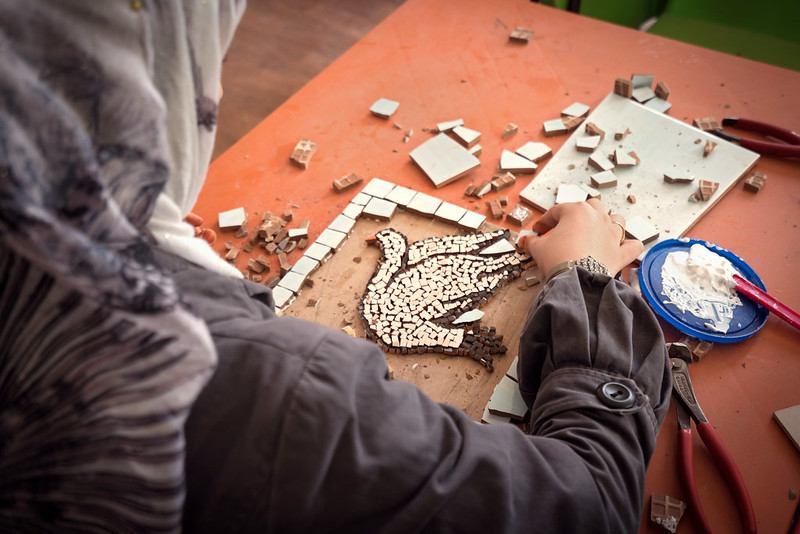
Tatreez is a Palestinian embroidery style, emblematic of Palestinian culture and endurance. In the Shatila refugee camp, Tatreez workshops are led by Palestinian women who teach the tradition to younger generations, preserving cultural traditions as well as providing a safe environment and community for women living in the Shatila refugee camp. The long-term goal is to provide women in the workshop with a consistent income to improve their livelihoods and make ends meet, as many of the women aspire to continue embroidering and selling their pieces.

Similarly, the Jiu-Jitsu boot camp for young children in Shatila has provided a safe haven and opportunity for “self-discipline, respect and self-defence” for young boys who are susceptible to a life of crime. In conjunction with the boot camp, organizers of the initiative, Saoud and Mohammed, were able to raise more than £15,000, all of which went towards establishing long-term initiatives as well as ensuring there was a long-lasting impact on the community at Shatila refugee camp. 

Looking Ahead 

As Palestinian refugees continue to face hardships and obstacles to a better future, there needs to be wider address and support, domestically and internationally, of their situation. Projects and workshop initiatives have increasingly provided hope for Palestinian refugees who have long struggled to access stable jobs and livelihoods while living in Lebanon. 

The impact of these creative and interactive workshops is significant in offering real work for Palestinian refugees who are unable to work because of discriminatory laws and a beneficial outlet for young boys in refugee camps. More funding of these projects by governments and organizations could widen the number of refugees reached and help to solve the problems that they face on a daily basis. 

– Amber Hamed
Photo: Flickr

October 17, 2023
https://borgenproject.org/wp-content/uploads/borgen-project-logo.svg 0 0 Yuki https://borgenproject.org/wp-content/uploads/borgen-project-logo.svg Yuki2023-10-17 01:30:352023-10-12 21:01:18Improving the Lives of Palestinian Refugees in Lebanon
Refugees

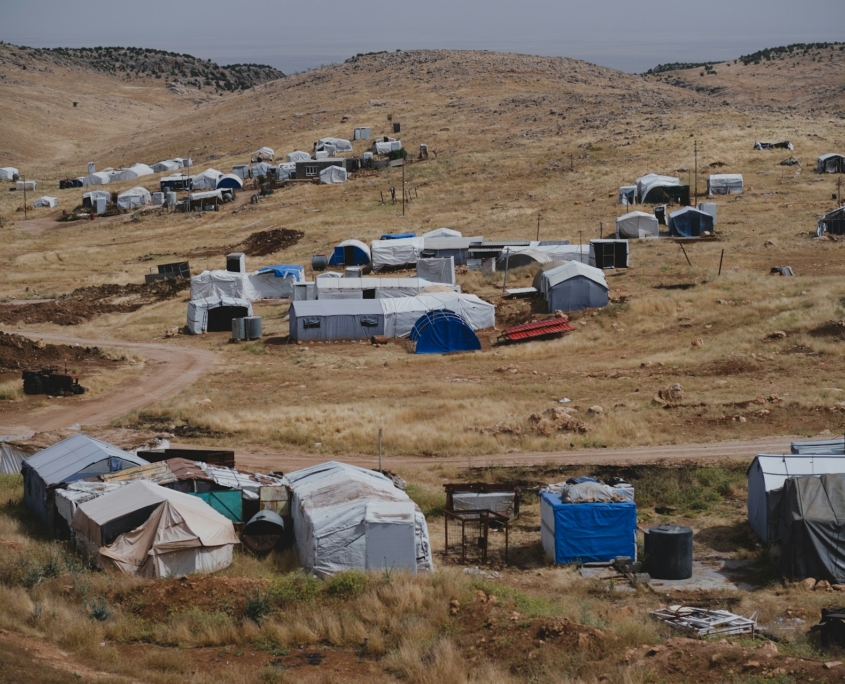
The Benefits of Sports in Greek Refugee Camps

Sports in Greek Refugee CampsA number of humanitarian organizations provide opportunities for migrants to play sports in Greek refugee camps. Families often have to live in extremely dehumanizing and mentally taxing conditions in the camps. Lesvos, one of the encampments helped by the programs, is situated on the eastern Mediterranean migration route. When refugees began arriving on the island in 2015, Lesvos residents welcomed the refugees with open arms, and the island earned the Nansen Refugee Award and a nomination for the 2016 Nobel Peace Prize. 

Background

More and more refugees came to the island due to the open environment. Conditions quickly became overcrowded, and refugees lacked access to basic necessities. Some call the island a European “open-air refugee prison.” Refugees must stay on the island while the government reviews their refugee status, and the government has rejected all demands to create new refugee camps, resulting in a packed and underserviced area. Some have waited for years for a decision on their asylum case as they continue to live on the island with their families. 

In 2022, about 1,500 asylum seekers were living on the island. They live in makeshift camps with barely any access to food, shelter, medicine and education for their children. The EU has failed to establish a sufficient allocation system to relieve the pressure on Italy and Greece, leading to overcrowded camps like Lesvos that can only offer limited aid. Four other Greek islands are also home to makeshift refugee camps. 

The Katsikas camp is another underserviced camp helped by Yoga and Sport and Soup and Socks. The Katsikas camp is the largest refugee encampment in the Epirus region of Greece, which hosts more than 3,000 migrants. In 2020, the European Commission published its New Pact on Migration and Asylum, which focuses on returns and deterrence of migrants rather than improving human rights standards in existing refugee camps or preparing new camps to elevate the pressure off of overcrowded camps like the one in Lesvos. Authorities especially dehumanize migrants in Katsika. The camp has slowly adopted the structure of a prison.

A Beacon of Hope

In 2022, the government built 3-meter-high walls around the camp, and the camp director announced a curfew from 7 p.m. to 7 a.m., with migrants needing permission to leave and enter the camp during those hours. Security cameras have been installed all over the camp to surveil the migrants. Interviewed migrants indicated their disapproval of the wall and expressed a sense of alienation and separation from the surrounding Greek community.

As such, these humanitarian organizations’ work is instrumental in maintaining morale and allowing refugees a brief reprieve from their harsh reality. Becoming passionate about a sport offers a brief diversion from the stressful conditions of the camp. Sports in Greek refugee encampments may start as a way to find joy in the encampments. Still, it can also become a lifelong commitment, with some refugees expressing a desire to make a career in the sport by joining a more advanced professional athletic team or becoming teachers of the sport. Habibi and Sports with Refugees (HSR), led by Soup and Socks in partnership with Yoga and Sport, has a tremendous impact on refugees in the Katsikas camp. HSR allows refugees to choose different sports, including yoga, running, swimming, martial arts, dance and climbing. 

Another program initiated by the organization in 2016 called Habibi-Works gives refugees in the area a chance to develop their creativity by running a maker space facility near the encampment. The makerspace features a media lab, a metal and wood workspace and a sewing atelier. The program allows the refugees to explore the arts and develop technical skills that could be useful in their future careers.

Final Thoughts

Bringing sport to Greek refugee encampments and allowing the refugees to explore creative outlets are incredibly impactful methods of raising morale and giving a sense of community to the often-alienated migrants. By fostering connections, promoting self-expression, and offering an escape from the challenges they face, these initiatives play a vital role in creating a more supportive and inclusive environment for migrants.

– Tatiana Gnuva
Photo: Flickr

October 12, 2023
https://borgenproject.org/wp-content/uploads/borgen-project-logo.svg 0 0 Yuki https://borgenproject.org/wp-content/uploads/borgen-project-logo.svg Yuki2023-10-12 07:59:062024-05-30 22:32:27The Benefits of Sports in Greek Refugee Camps
Education, Refugees

Urgent Need: Access to Education for Refugee Children

Education for Refugee ChildrenAs conflicts continue to run rampant, people are forced to flee and abandon their homes. In a new world of uncertainty, children’s fundamental right to education is being denied. Seven million refugee children are currently out of school, about half of all refugee children. Without sufficient learning, many of these children will face further difficulties and challenges.

The Growing Issue of Refugee Children

According to UNICEF estimates, by the end of 2022, an unprecedented 43.3 million children were residing in forced displacement, with a significant portion enduring this difficulty throughout their entire childhood. This is double what was recorded in the last decade. Some of these children may never have the opportunity to receive an education throughout their lives.

Nearly 2 million children were born into refugee status. This indicates a generational poverty cycle, where generations struggle with basic access to education, health care and financial support. This puts millions of refugee children at an even greater disadvantage. Some children have even been separated from their families and are now alone. 

The Importance of Education

Education is a fundamental right for children across the world, no matter the circumstance. It equips every child with the tools to enhance their future, and it provides them with the knowledge and skills to empower themselves to take control over their life/future. 

The enrollment rates for refugees, on average, are 38% for pre-primary education, 65% for primary education, 41% for secondary education and merely 6% for tertiary education.

Education protects these vulnerable children from recruitment and exploitation, while also improving community strength. Refugee children are often targeted for unlawful and immoral purposes, especially those who have become separated and are alone. Education and knowledge are key to preventing these occurrences via an understanding of their rights and well-being.

UNESCO research finds that limited access to education for refugee children and significant educational disparities contribute to an increased likelihood of violence and conflict, which leads to a destructive cycle of missed educational opportunities, conflict and displacement. Over 21 years, areas with exceptionally low average education had a 50% probability of conflict. Education is an investment in long-term stability, where educated individuals can build better lives and contribute to their communities. 

Finally, amid the chaos of losing your home, education brings a sense of routine and structure to young children’s lives. It provides comfort, safety and a caring environment for these children to thrive in. This also contributes to the overall mental health of these children, as stress and anxiety can become prevalent through their tough experiences. 

Challenges and Solutions

The biggest challenge in education for refugee children is access. Many of these children do not have adequate access to education due to financial barriers, displacement and sometimes due to lack of infrastructure. A majority of these camps lack educational facilities, materials and qualified teachers. 

To enhance access, coordinated efforts are required. Through governmental agencies and NGOs, access can be brought to every refugee child. Financial support is key, as many kids cannot afford education. Governments should also ensure the enforcement of education for every child under the 1951 Refugee Convention. Investments are also needed to improve infrastructure, improve the quality of teaching and provide school equipment.

Trauma and psychological distress are also issues that stop refugee children from attending school. Many refugee children experience trauma, loss, violence and sudden change. All of these negatively affect a child’s ability to learn and concentrate and camps don’t tend to have access to mental health help or counseling. 

To help children who are suffering mentally, counseling and more awareness surrounding mental health are required. Counseling will provide a safe space and environment where issues can be identified and thus be resolved. Mental health awareness will also teach kids emotional intelligence and how to deal with problems that may arise. 

Financial power is a prominent issue for refugee families. Because of economic pressure, children become victims of child labor. Where financial earnings are considered more important than education and school.

Scholarships and financial support are pivotal in boosting school enrollment among refugee children. By alleviating financial burdens, families can prioritize their children’s education and break the cycle of poverty.

Remarkably, the U.N. Foundation reports that “less than 2% of humanitarian aid goes towards education.” Education for displaced children is severely underfunded. Initiatives like Education Cannot Wait, a new fund that supports education for children during situations of crises and prolonged emergencies, are working to rectify this situation. The urgent need for access to education for refugee children demands immediate attention, collaboration and resource allocation to secure a brighter future for these vulnerable young lives.

– Lewis Butcher
Photo: Pexels

October 12, 2023
https://borgenproject.org/wp-content/uploads/borgen-project-logo.svg 0 0 Yuki https://borgenproject.org/wp-content/uploads/borgen-project-logo.svg Yuki2023-10-12 07:48:512026-04-16 10:20:59Urgent Need: Access to Education for Refugee Children
Global Poverty, Refugees

Everything You Need to Know About Lual Mayen’s Video Game Activism

Video Game ActivismWhilst growing up in a Ugandan refugee camp, Lual Mayen wished for a computer. His mother saved for over three years to make this a reality. Today, Lual Mayen’s video game activism highlights the relationship between digital media and social justice.

Many people share the opinion that video games cause violent behavior. There are thousands of games centered around violence and warfare on the internet and most gaming platforms. Although the link between video games and aggression is unclear, the social impact of gaming is undeniable. There are approximately 3 billion gamers globally, more than 38% of the population.

This staggering market is the target audience of Lual Mayen’s video game activism. After receiving his computer, Mayen began playing Grand Theft Auto, a game notorious for conflict and violence. Mayen’s gameplay prompted him to consider the relationship between digital media and children’s development. In an interview with the Guardian, he said,

“In South Sudan, most of the population is under 30. They were born in war, raised in war. I saw conflict every day in the refugee camp. I realized that if more kids in the camp play Grand Theft Auto, they might think that’s how things are done.”

This assessment of the immense influence of video games sparked Lual Mayen’s video game activism journey.

The Beginning: Junub Games

In Uganda, Mayen taught himself to code and develop games promoting peace. After receiving recognition for his admirable work, he moved to the United States in 2017. Lual Mayen spent the first 22 years of his life in a refugee camp.

After moving, Mayen founded Junub Games. With Mayen acting as CEO, Junub Games has since created a range of games to counteract violence. Mayen clearly keeps his own experiences in a refugee camp at the heart of his company, as the games are made accessible to IDPs (internally displaced persons) and refugees. This decision increases digital literacy, morale and positive behavior in impoverished areas.

However, this is only the beginning of Lual Mayen’s video game activism within Junub Games. Junub Games’ first product, Salaam, was launched in 2020 on Facebook Instant Games.

In Salaam, players play as a refugee fleeing their war-torn community. Salaam, an Arabic word, translates to peace, the game’s very aim. The company urges players to find peace for the virtual character and current refugees. Mayen based the game’s plot on his parents’ escape from the Sudanese civil war in the 1990s.

The game is free to download, but players can make in-app purchases. These purchases are essential to Lual Mayen’s video game activism, as buying resources in-game sends supplies to real-world refugees.

Maximizing Impact: The Lual Mayen Foundation

Lual Mayen continues to support impoverished refugees through the Lual Mayen Foundation. Mayen developed the organization to teach refugees animation skills. Subsequently, the foundation provides career prospects to refugees through digital literacy.

Mayen’s nonprofit partnered with Unity Technologies, a software company, in 2021 to fund the Ugandan tech center. Mayen developed the center for the very refugee camp he grew up in. Unity supplied a staggering $50,000 for the project.

The center focuses on providing refugees with skills to make STEM-related careers accessible. The organization’s goal is to make the program a permanent fixture.

Spreading the Message: Public Events

The year 2023 marks six years since Mayen lived in a refugee camp. However, Lual Mayen’s video game activism continues to spread. In July 2023, Mayen attended the Games for Change 2023 Festival and spoke at the Games and SDG Summit. The summit is uniquely innovative, combining the games industry with the U.N. to discuss the Sustainable Development Goals (SDGs).

The SDGs are the 17 core aims of the U.N. to achieve “peace and prosperity for people and the planet.” These goals include eradicating poverty, hunger and gender inequality. Moreover, these goals
strive toward sustainability, access to clean water and educational opportunities for all. The Games and SDG Summit discussed how digital media industries can support these goals, with Mayen’s activism being a perfect example.

Immersive media, such as video games, hold a wide audience that has only continued to grow in recent years. Luan Mayen’s video game activism illustrates how tapping into this large industry can put a spotlight on issues such as poverty and displaced people.

Mayen’s story is one of hardship and, more importantly, hope. As a former refugee turned video game mogul, Luan Mayen embodies human determination. “Talent is evenly distributed but opportunity is not,” according to Mayen.

– Bethany Brown
Photo: Flickr

October 12, 2023
https://borgenproject.org/wp-content/uploads/borgen-project-logo.svg 0 0 Yuki https://borgenproject.org/wp-content/uploads/borgen-project-logo.svg Yuki2023-10-12 07:30:382024-12-13 18:02:59Everything You Need to Know About Lual Mayen’s Video Game Activism
Page 7 of 53«‹56789›»

Get Smarter

  • Global Poverty 101
  • Global Poverty… The Good News
  • Global Poverty & U.S. Jobs
  • Global Poverty and National Security
  • Innovative Solutions to Poverty
  • Global Poverty & Aid FAQ’s
Search Search

Take Action

  • Call Congress
  • Email Congress
  • Donate
  • 30 Ways to Help
  • Volunteer Ops
  • Internships
  • Courses & Certificates
  • The Podcast
Borgen Project

“The Borgen Project is an incredible nonprofit organization that is addressing poverty and hunger and working towards ending them.”

-The Huffington Post

Inside The Borgen Project

  • Contact
  • About
  • Financials
  • President
  • Board of Directors
  • Board of Advisors

International Links

  • UK Email Parliament
  • UK Donate
  • Canada Email Parliament

Get Smarter

  • Global Poverty 101
  • Global Poverty… The Good News
  • Global Poverty & U.S. Jobs
  • Global Poverty and National Security
  • Innovative Solutions to Poverty
  • Global Poverty & Aid FAQ’s

Ways to Help

  • Call Congress
  • Email Congress
  • Donate
  • 30 Ways to Help
  • Volunteer Ops
  • Internships
  • Courses & Certificates
  • The Podcast
Scroll to top Scroll to top Scroll to top