• Link to X
  • Link to Facebook
  • Link to Instagram
  • Link to TikTok
  • Link to Youtube
  • About
    • About Us
      • President
      • Board of Directors
      • Board of Advisors
      • Financials
      • Our Methodology
      • Success Tracker
      • Contact
  • Act Now
    • 30 Ways to Help
      • Email Congress
      • Call Congress
      • Volunteer
      • Courses & Certificates
      • Be a Donor
    • Internships
      • In-Office Internships
      • Remote Internships
    • Legislation
      • Politics 101
  • The Blog
  • The Podcast
  • Magazine
  • Donate
  • Click to open the search input field Click to open the search input field Search
  • Menu Menu

Archive for category: Refugees and Displaced Persons

Information and news on Energy and Electricity

Global Poverty, Human Rights, Refugees, Refugees and Displaced Persons

10 Famous People Who Are Actually Refugees

10 famous refugeesThe world has witnessed the severe effects of violence, poverty and injustice throughout the globe, and innocent people continue to suffer the consequences. The United States and several other countries have often offered refuge to those fleeing war and injustice. Below are 10 famous people who are actually refugees who made iconic contributions in various fields.

  1. Gloria Estefan
    Estefan is a singer, writer and actress who fled Cuba for the United States in the 1960s as a result of Castro’s communist revolution.
  2. Albert Einstein
    Einstein was a Nobel Prize-winning physicist who escaped Nazi Germany in 1938. Einstein took matters into his own hands, providing visa applications and vouching for other refugees also fleeing Nazi Germany.
  3. Madeleine Albright
    Albright fled Czechoslovakia with her family in 1938, settling in the U.K. before moving to the U.S. She became the first woman appointed to the position of U.S. Secretary of State in 1997.
  4. Alek Wek
    Wek was nine years old when she fled South Sudan for Britain with her family in the wake of a civil war. Wek was discovered by a modeling agent and rose to international fame.
  5. Elie Wiesel
    Writer, professor, political activist, Nobel laureate and Holocaust survivor, Wiesel wrote several books about the horrors of the Holocaust. Elie and his wife, Marion, started the Elie Wiesel Foundation in remembrance of the Holocaust and to combat intolerance and injustices.
  6. Freddie Mercury
    Singer, songwriter and producer, Freddie Mercury is best known as the frontman for the rock band Queen. Born in a British Protectorate of the Sultanate of Zanzibar, now Tanzania, Mercury and his family fled during the Zanzibar Revolution in 1964, settling in the U.K.
  7. Marlene Dietrich
    Dietrich was a German-born actress and singer whose career spanned decades. She applied for U.S. citizenship after being offered an acting contract by members of the Nazi Party. Dietrich was also known for her humanitarian efforts during WWII, housing exiles and advocating for their U.S. citizenship.
  8. Wyclef Jean
    Another of these 10 famous people who are actually refugees is Wyclef Jean, Haitian rapper, musician and actor. Jean immigrated to the U.S. as a child with his family during the Duvalier regime in Haiti.
  9. Andy Garcia
    Garcia and his family fled Cuba after the failed Bay of Pigs invasion when he was five years old. He is best known for his role in The Godfather Part III, receiving a Golden Globe for his portrayal of Vincent Santino Corleone. Garcia celebrates his roots and challenges Latino stereotypes in Hollywood.
  10. Theanvy Kuoch
    Kuoch was a slave of the Khmer Rouge between 1975 and 1979, before being found by the Red Cross. With her family, she relocated to the United Nations refugee camp and spent two years working as a nurse in various camps before moving to the U.S. In 1982, she founded Khmer Health Advocates with three American nurses to provide health services for survivors of the Cambodian genocide.

These 10 famous people who are actually refugees have paved the way for themselves and others. Refugees are simply people seeking out a better life in a new country; this is a humanitarian issue, and refugees need our help in rebuilding their lives.

– Jennifer Serrato

Photo: Pixabay

January 28, 2018
https://borgenproject.org/wp-content/uploads/borgen-project-logo.svg 0 0 Borgen Project https://borgenproject.org/wp-content/uploads/borgen-project-logo.svg Borgen Project2018-01-28 01:59:442024-06-05 02:12:1710 Famous People Who Are Actually Refugees
Global Poverty, Refugees, Refugees and Displaced Persons

Ten Facts About Refugee Camps, Home to 2.6 Million Worldwide

facts about refugee campsPeople from all over the world seek asylum in refugee camps. But what exactly is a refugee camp? A refugee camp is a quickly built shelter for refugees who are fleeing for their lives because of violence and persecution. Approximately 28,300 people are forced to flee their homes every day because of persecution and crises. Refugee camps serve as a temporary safe haven for people in need and provide aid such as food, water and medical attention. Understanding key facts about refugee camps better explains their purpose and their struggles.

Here are the top 10 facts about refugee camps.

  1. 2.6 million refugees live in refugee camps.
  2. 80,000 refugees live in the Za’atari refugee camp in Jordan. In comparison, this is about the same as the population of Scranton, Pennsylvania. Jordan has sheltered approximately 635,000 Syrian refugees since its development, equaling 10 percent of Syria’s population.
  3. Fifty-five percent of refugees come from Afghanistan, South Sudan and Syria.
  4. Refugee camps are most often found near the border of neighboring countries.
  5. More than half of the people seeking asylum in refugee camps are children.
  6. Most refugee camps are created to be temporary, but some of them have turned into functioning cities because of the continued needs of the refugees.
  7. People living in refugee camps often suffer from chronic malnutrition because there is not always enough food for everyone within the camps.
  8. In October 2017, Bangladesh announced that they will be building one of the biggest refugee camps yet. They plan to house the 800,000-plus Rohingya Muslims who are seeking refuge from violence and crisis in Myanmar. More than half a million Muslims arrived and were dispersed among 23 scattered refugee camps. Bangladesh authorities plan to bring all of those refugees together into one large refugee camp.
  9. Most refugee camps lack schools, which is detrimental to children’s development, especially if they are there for long periods of time.
  10. On average, refugees remain in refugee camps for more than 12 years. Their temporary solution often has to become more permanent.

These facts about refugee camps give people insight into what exactly refugee camps are, how they help and the complications they face. Although refugee camps face extreme difficulties, they help countless numbers of refugees every single day, whether it be temporary or long-term. This is why it is imperative to continue to spread awareness and ensure that forms of assistance like refugee camps continue to be a priority across the globe.

– McCall Robison

Photo: Flickr

January 13, 2018
https://borgenproject.org/wp-content/uploads/borgen-project-logo.svg 0 0 Borgen Project https://borgenproject.org/wp-content/uploads/borgen-project-logo.svg Borgen Project2018-01-13 07:30:502024-12-13 17:49:12Ten Facts About Refugee Camps, Home to 2.6 Million Worldwide
Global Poverty, Migration, Refugees, Refugees and Displaced Persons

What is the Difference Between an Immigrant and a Refugee?

Difference Between an Immigrant and a RefugeeWhat is the difference between an immigrant and a refugee? The terms migrant and refugee are often used interchangeably despite the fact that there are definitive differences between the two.
A migrant is a person who consciously makes a choice to leave their homeland and seek a better life in another state. These individuals or families can take the time to learn about the country to which they intend on relocating and prepare themselves as much as possible for the journey. While the process varies from country to country, it usually involves screening, pre-departure training, and obtaining work permits. The process can take months, if not years, and migration has become more common in the last two centuries.

According to the 1951 Refugee Convention, a refugee is a person who “owing to a well-founded fear of being persecuted for reasons of race, religion, nationality, membership of a particular social group or political opinion, is outside the country of his nationality, and is unable to, or owing to such fear, unwilling to avail himself of the protection of that country.”

This definition falls under international law, and therefore a refugee that arrives on foreign soil looking for safety and claiming refugee status cannot be deported immediately. Their case will be reviewed before there is a chance they are sent back their homeland, as it must be considered whether their safety is in jeopardy. This is a United Nations convention that was ratified by 144 countries.

Not all migrants are refugees, but sometimes refugees can fall under the category of a migrant. Knowing the difference between an immigrant and a refugee is especially important for international law and domestic law. Immigration policies and requirements typically only apply to the country that established them. Basically, they are different from country to country and are categorized under domestic law. For example, the application process for migrating into the United States is a different application process than applying to Japan.

However, a refugee is protected by international law, therefore, while legal documentation can be lacking, countries have an obligation to abide by these laws. Even the countries that didn’t ratify the convention are still expected to respect it because it falls under the protection of basic human rights.

There are still similarities between the two, which is why people might confuse them. In both cases, each party will have to either assimilate or find some way to adapt to life in a new country. They will face a shock in culture, the workforce and language. Entering a new country, whether by choice or due to persecution, will always be a frightening process.

Either way, despite the difference between an immigrant and a refugee, both groups deserve a chance at feeling a sense of security within their lives.

– Caysi Simpson

Photo: Flickr

January 4, 2018
https://borgenproject.org/wp-content/uploads/borgen-project-logo.svg 0 0 Borgen Project https://borgenproject.org/wp-content/uploads/borgen-project-logo.svg Borgen Project2018-01-04 07:30:282019-12-06 13:25:27What is the Difference Between an Immigrant and a Refugee?
Refugees, Refugees and Displaced Persons

Three Companies Changing the Future of Refugee Shelters

Refugees SheltersThere are about 59 to 67 million refugees and asylum seekers around the world, forced to leave their home to pursue freedom and security. In this journey, shelter alternatives are short; the only real options are refugee camps that organizations have helped establish. In addition, given the geographic and demographic conditions of some camps, the facilities are not adequate to maintain minimum safety requirements.

To resolve this issue, different architecture companies have begun designing modern refugee shelters that can fulfill important needs in tough environments. The following companies have invented innovative shelters that provide basic services such as water, power and protection from extreme weather.

The Better Shelter

Ikea Foundation and the United Nations High Commissioner for Refugees (UNHCR) developed the Better Shelter in 2015. It is a safe, long lasting and efficient home that can be built with just four people.

The Better Shelter’s base is made from a galvanized steel frame. The roof and walls are made of polyolefin panels, to protect refugees from strong sunlight exposure. An innovative feature of the facility is the PV System, which is a solar panel installed on the roof that charges an LED light inside of the shelter. The power that the PV obtains during the day can be used for a total of four hours at night. In addition, thanks to a USB port located on the LED light, refugees can charge their cellphones and other electronics with renewable electricity.

The adaptable characteristics of the Better Shelter redefine the space in refugee shelters since it can be placed in different locations. Sections can be added and removed in order to create longer structures or even hold medical equipment.

In 2015, 16,000 units of the Better Shelter were deployed for humanitarian operations world-wide, especially in Nepal and Iraq where there are a considerable number of refugees.

SURI

SURI is a refugee shelter that is easy to ensemble with a low-cost architecture modular system. These features make it faster to transport in many types of emergencies. Suricatta Systems, the creator of the shelter, defines SURI as a Shelter Unit for Rapid Installation.

One of the most important characteristics of the shelter is that each unit can be joined in different directions, providing flexibility in order to create distinct building forms. Moreover, SURI is lightweight, as its walls are designed to be refillable with local materials like sand or debris. Like the Better Shelter, SURI also employs solar panels that provide light inside the home.

An essential advantage of shelter for refugees is the water recollection system. SURI can store rainwater in a tank after it has passed through a filter, in order to convert it in drinkable water. It is expected that SURI will be used in emergencies such as earthquakes and flooding.

Shigeru Ban Architects

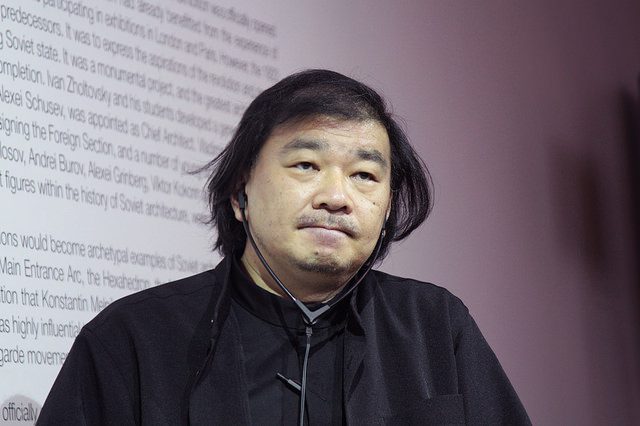
Shigeru Ban is a Japanese architect that uses principally recycled materials for his constructions. In 1992, when Rwanda fell into a violent civil war, Shigeru developed a refugee shelter made of cardboard to host Rwandan families that were affected by the war. The structure was convenient given its reusable features, as the buildings made from paper can be easily removed from certain places, and can be easily built again.

After the events in Rwanda, the architect has focused his research on creating facilities built by low-cost materials that can be used in emergencies. Shigeru’s shelters have been implemented in disasters such as the 2011 earthquake in Japan.

With continued philanthropic advancements from companies like these, it may be possible to completely reinvent the space within refugee shelters. In the near future, perhaps all refugees around the globe will have access to clean water, running electricity and a warm shelter.

– Dario Ledesma

Photo: Flickr

November 4, 2017
https://borgenproject.org/wp-content/uploads/borgen-project-logo.svg 0 0 Borgen Project https://borgenproject.org/wp-content/uploads/borgen-project-logo.svg Borgen Project2017-11-04 01:30:492024-06-04 01:08:26Three Companies Changing the Future of Refugee Shelters
Global Poverty, Refugees and Displaced Persons

REFUNITE: Reuniting Displaced Refugees With Their Families

In a world where social media makes it easier than ever to know exactly what your friends and family, not to mention complete strangers, are doing, it should not be a luxury to know where your loved ones are. However, the very same world is also witnessing the highest levels of displacement on record.


The U.N. Refugee Agency estimates that there are currently 65.6 million forcibly displaced people worldwide. But those people are more than just a number. Every one of those individuals is someone’s mother, father, son or daughter. And each of them deserves to know where their family is.

After being uprooted from their homes and shuffled back and forth between camps all over the world, refugees know all too well how easy it can be to become separated from your family. Reuniting displaced refugees can be a daunting task. Many of these people do not have regular access to phones or the Internet, let alone official documents of identification.

But the Internet can be a powerful tool. Refugees United, or REFUNITE (RU), is a new kind of platform working to connect family members escaping disasters, persecutions or conflicts who have ended up in different parts of the world, sometimes completely alone. Founded in 2006 by two Danish brothers, Christopher and David Mikkelsen, REFUNITE aims to be a sort of “Google for refugee search.”

In the past, most United Nations agencies have tended to rely on the International Committee of the Red Cross, the global network of Red Cross organizations. However, due to privacy reasons the Red Cross and the United Nations are restricted from looking at one another’s databases, leading to a lot of inefficiencies.

While the Red Cross system has helped tremendously in reuniting displaced refugees with their families, the system requires individuals to apply for help from a third party to conduct the searches. The staff of national Red Cross societies does most of the tracing by responding to requests from other countries. However, without a global database, people looking for family members are forced to guess which countries to search.

“We didn’t want to be the kind of NGO that is a third party providing help to refugees,” RU founder David Mikkelsen said. “We wanted to give them the opportunity to take control of their situations and help themselves – and give NGOs another tool to help.”

RU went live in May 2010. The first words of the registration page read: “We do NOT recommend the service of Refugees United to people at risk of being traced by potential persecutors.” Once a username and password are established, a profile is created. The site stresses anonymity, reminding people “Everyone can see the information in your profile. Use nicknames, initials or information only known by your family.”

Users then input the last known location of family members as well as exclusive information that only loved ones would know, such as birthmarks or favorite foods. These steps can be left blank if desired, and the database can be searched without registering an account. But as a search platform, RU’s success depended on the power of networks: in order to be effective, REFUNITE needed to attract as many users as possible.

As of October 2017, over 750,000 refugees are registered on the platform, making it the largest missing refugee database. Today, REFUNITE operates across 17 countries with 16 technology and mobile carriers with access to around 370 million mobile subscribers. Now, United Nations organizations and refugee groups work with REFUNITE, such as the International Rescue Committee, as well as Facebook.

Getting the word out about REFUNITE is still the biggest challenge in reuniting displaced refugees. However, with the web platform available in 12 languages and text services in five, the organization is making its way to becoming accessible to refugees who speak hundreds of languages across the world.

– Richa Bijlani

Photo: Flickr

November 3, 2017
https://borgenproject.org/wp-content/uploads/borgen-project-logo.svg 0 0 Kim Thelwell https://borgenproject.org/wp-content/uploads/borgen-project-logo.svg Kim Thelwell2017-11-03 01:30:072019-12-29 18:09:29REFUNITE: Reuniting Displaced Refugees With Their Families
Global Poverty, Refugees, Refugees and Displaced Persons

Important Organizations that Are Helping Burundian Refugees

Refugees in Burundi

In September 2017, at least 36 Burundian refugees that were attempting to leave the violence inside their home country were killed in Congo, informed The New York Times. Since 2015, when President Pierre Nkurunziza was re-elected for a third term in a highly controversial election, 300,000 people have abandoned Burundi pursuing freedom.

Despite a decade of peace that Burundians saw after the civil war between the Hutus and Tutsis ends in 2005, 66.9 percent of the population in the Eastern African country are below the national poverty line. This problem makes conditions for refugees worse, as they lack basic services like water, shelter and health care. Four out of every 10 Burundians have been displaced from their country by the violent ethnic conflict.

However, several organizations provide aid to refugees fleeing Burundi. The following foundations work on assisting conditions in the African nation and are always accepting help from volunteers or donors.

  • The United Nations Refugee Agency (UNHCR) fights to provide better living conditions for the refugees, improving things such as shelter, health care and education. Also, the organization uses advocacy to direct public policy in certain countries to ensure the protection of refugees.
  • International Rescue Committee, like the UNHCR, provides education, safety and health aid to Burundian refugees. The organization believes in empowerment through education so that refugees have the proper information to help them make accurate decisions about their future. Through this strategy, the Rescue Committee ensures a better future for refugees still in Burundi and those who have already fled.
  • Help Age International is an organization that focuses on direct contact with the refugees. So far, its team has supported more than 14,000 vulnerable people in Mtendeli and Nduta, Burundian refugee camps in Tanzania. The work Help Age has accomplished includes giving rations cards and cash payments and highlighting issues such as domestic violence.
  • Other organizations aim to reduce poverty in Burundi, like Concern Worldwide, an organization that focuses on the health and nutrition of the citizens of Burundi.

Some countries have adopted public policies that ensure the welfare of refugees around the world, especially after the crisis in the Middle East in 2011. For example, Germany offers asylum applications for refugees, and Sweden provides refugees with rights like the immediate capacity to work and the possibility to choose a place of residence. Countries in Africa surrounding Burundi must adopt similar policies to allow the Burundian refugees a safe environment to shelter themselves and their families.

– Dario Ledesma

Photo: Flickr

October 12, 2017
https://borgenproject.org/wp-content/uploads/borgen-project-logo.svg 0 0 Kim Thelwell https://borgenproject.org/wp-content/uploads/borgen-project-logo.svg Kim Thelwell2017-10-12 07:30:232020-04-09 04:44:34Important Organizations that Are Helping Burundian Refugees
Refugees, Refugees and Displaced Persons, United Nations

Refugee Camps: The Elpida Home For Refugees

Elpida home for refugees
While the 2015 refugee crisis somewhat faded from the international media’s view, the flow of refugees and the vulnerability of their human rights remains a meaningful concern among the international community.

From the start of the year to July 2017, more than 100,000 asylum seekers arrived in Europe by sea and upward of 2,000 additional individuals did not survive the attempted crossing. Since the beginning of the crisis, asylum seekers who managed to reach Europe arrived to inadequate and sometimes even dangerous conditions.

At first, in 2015, this seemed to be a symptom of inadequate legislation. However, the fact that these inhumane conditions have persisted points to insufficient humanitarian funding and the deliberate neglect of refugees.

Emina Cerimovic, a researcher with Human Rights Watch, stated that “the mental impact of years of conflict, exacerbated by harsh conditions” and “the uncertainty of inhumane policies, may not be as visible as physical wounds, but is no less life-threatening.” This warning came at a crucial time, as Hungary continues to house asylum seekers in shipping containers despite protests from the United Nations, European Union and the greater international community. As time has gone on, conditions in refugee camps remained stagnant and residents became increasingly less independent. They are forced to rely on the entity running their center for more of their basic needs.

NPR reporter Soraya Nelson, who visited a camp on the Hungary-Serbia border, describes it as a detention camp with only one accessible exit, which enters Serbia, a country that also struggles to uphold just migration policies. According to Nelson, all other gates are heavily guarded. The idea is that “people will get so fed up, they might just decide to leave.”

The containers that make up the camp, while more sturdy than the tents provided in many E.U. refugee centers, are undeniably cramped and allow for little ventilation. Their structure provides no clear separation of families and also house unaccompanied minors, one of the most controversial groups within the asylum-seeking population.

Despite this failure, the Elpida Home for Refugees, located near the industrial Center of Thessaloniki, Greece, provides a model for the future. Elpida, which means “hope” in Greek, managed to bridge the gap between inhumane refugee policies and the humane treatment of refugees. The center was founded by American philanthropist Ahmed Khan in partnership with the Radcliffe Foundation and the Greek Ministry of the Interior as an experiment in refugee assistance.

The Ministry donated an abandoned textile factory to the cause when presented with the concept for Elpida: to provide refugees the independence and services they need to continue their lives. The 6,000 square-meter space was converted into 140 residential units, each for six people or less, with shared bathrooms and a communal kitchen, allowing residents to enjoy private space, prepare meals and participate in the community.

The Elpida Home for Refugees is based on the idea that refugees need assistance from the bottom-up instead of from the top-down as is provided elsewhere. Top-down assistance means asylum seekers receive a small designated space in an overcrowded, often outdoor facility, with limited access to proper nutrition, hygiene and medical care. In these scenarios, typical of most refugee camps, residents are entirely reliant on the government or NGO who operates the camp.

Alternatively, the bottom-up care provided by the Elpida Home for Refugees allows its residents to utilize the tools made available by the organization, such as access to medical care, education, and their own personal rooms, to reclaim their lives and become independent.

The cooperation between the Greek government and the Radcliffe foundation can easily be replicated by other countries and organizations and then even more asylum seekers may find Elpida’s “hope” when they are most vulnerable.

– Alena Zafonte

August 11, 2017
https://borgenproject.org/wp-content/uploads/borgen-project-logo.svg 0 0 Kim Thelwell https://borgenproject.org/wp-content/uploads/borgen-project-logo.svg Kim Thelwell2017-08-11 01:30:092020-07-22 09:16:13Refugee Camps: The Elpida Home For Refugees
Global Poverty, Refugees and Displaced Persons

10 Facts About Cabo Verde Migrants

Cabo Verde Migrants
The Republic of Cabo Verde (or Cape Verde) consists of 10 islands and 5 islets off the west coast of Africa. Originally a colony of Portugal, Cabo Verde gained its independence in 1975. It currently runs under a multi-party system with both a prime minister and a president.

Despite the area’s lack of natural resources and droughts, the country found stability. Migration is a huge part of that. Men, in particular, emigrate to countries like the United States and Portugal in search of work so they can send money back home to their families.

Here are 10 facts about Cabo Verde migrants:

  1. There are more Cabo Verde migrants than there are residents in the Republic of Cabo Verde. The 20th century saw a huge fluctuation of emigration after droughts plagued the islands. Most migrated to the eastern coast of the United States or Portugal, but there are also Cabo Verdeans in Senegal, the Netherlands, France and Angola.
  2. Many Cabo Verde migrants are deported back home because of their involvement in drugs, crime and improper documentation. Males are most likely to return, and this caused an increase in important roles for women.
  3. Migrants that are deported back to Cabo Verde do not have access to a program to initiate them back into the society, which makes life at home difficult.
  4. Those returning from the United States have difficulty remembering the Creole language of Cabo Verde and struggle to find a job.
  5. The 2016 push for tighter immigration laws in the United States threatened to deport nearly 400 Cabo Verde migrants. Executive orders to speed up the deportation process in the United States only increased that threat.
  6. Migrating an important for many Cabo Verde people because it allows them to send money to their families. Working outside of the country brings in foreign currency that helps stabilize both family incomes and the nation’s economy.
  7. To help Cabo Verde migrants, an International Commission established the Ministry of Emigrated Communities. This institution worked to fund migration and make it easier for Cabo Verdeans to remain in countries outside of their own in order to work. The immigration policies of other countries have led to some conflict, but this representation is important for Cabo Verdeans.
  8. Some Cabo Verdean migrants want to pursue higher education. In 2009, the number of migrants from Cape Verde who had received a higher education was at 11%. At the same time, more than 54% of Cape Verde migrants held positions in health care.
  9. Most of the wealth in Cabo Verde comes from migrants who are working abroad and sending money home. This is visible on the islands by the large houses and expensive cars. It is crucial that migration remains an option for Cabo Verdeans.
  10. In 2010, the European Union worked with Cabo Verde on a project to “promote legal mobility between Cabo Verde and the EU by enhancing cooperation on migration and development issues while combating irregular migration.” The EU wanted to find a productive and agreeable use for the skills that Cabo Verde emigrants possessed when they returned home. They also wanted to find a successful way for Cabo Verdeans to continue migrating to new countries.

Migration isn’t currently popular in places like the United States. However, for those living in Cabo Verde, it is one of the best options for economic and social stability.

– Mackenzie Fielder

Photo: Flickr

July 23, 2017
https://borgenproject.org/wp-content/uploads/borgen-project-logo.svg 0 0 Borgen Project https://borgenproject.org/wp-content/uploads/borgen-project-logo.svg Borgen Project2017-07-23 07:30:362020-06-11 08:29:1010 Facts About Cabo Verde Migrants
Human Rights, Politics and Political Attention, Refugees and Displaced Persons, Technology, War and Violence

Albert Einstein: The Refugee

Albert_Einstein_refugee
As the author of the theory of special and general relativity, his name stands synonymous with the word “genius.” Changing fundamental ideas about the physical relationship between space, time, and gravitation, Albert Einstein radicalized how humans think about the building blocks of the physical world we live in. His theory of relativity was confirmed in 1919 from further research into solar eclipses. His popularization by the press gained him a quick rise to fame and in 1921, Einstein would receive the Nobel Prize for his related work.

Being himself a German Jew, Einstein cultivated an outspoken political personality and was well known for his pacifist ideals. His work, paired with his political persona triggered negative attention from extreme right-wing groups.

Anti-Semites were determined to publicize his discoveries as “un-German”. The rise of the Nazi party made it more and more difficult for Einstein to work in Germany, so in 1932 when offered a position at Princeton University, he accepted, retaining dual U.S. and Swiss citizenship.

While his theories were still widely taught, he was ultimately accused of treason in 1933 by the Nazi Third Reich; winning the party a partial victory when Einstein’s name could no longer be mentioned in academic circles. Although Einstein was not in Germany at the time, Nazi fanatics still had his property seized and his books were among those burned on the famous May 10, 1933, as a symbol of purging an “un-German” spirit.

He fled to the United States on October 17th of that year, using his fame and financial resources to work vigorously with his wife to obtain U.S. visas for other German Jew refugees. Einstein had haunting mixed feelings about his life in Princeton:


“I am privileged by fate to live here in Princeton…In this small university town the chaotic voices of human strife barely penetrate. I am almost ashamed to be living in such peace while all the rest struggle and suffer.”


Among many notable others, the legacy of Albert Einstein’s refugee status resulted in the founding of the German Academic Refugee Initiative Fund (DAFI), an organization whose primary objective is to promote self-reliance of refugees through providing professional qualifications for future employment. In addition, DAFI contributes to the development of critical human resources that may be needed in the potential restoration of refugees’ home countries. DAFI also offers a scholarship project; an effective instrument used to attain and maintain self-reliance of refugees when used in the right context. The funds given from the scholarship must be used to aid in the academic studies of eligible refugee recipients.

Thus, Albert Einstein left us not only with mind-blowing new theories in physics, but a key organization telling us that education paves the road out of socioeconomic poverty.

– Kali Faulwetter

Sources: Azer, UNHCR, Jewish Virtual Library, PPU, OFADEC
Photo: Native Pakistan


Donate to fight global poverty.


June 18, 2017
https://borgenproject.org/wp-content/uploads/borgen-project-logo.svg 0 0 Borgen Project https://borgenproject.org/wp-content/uploads/borgen-project-logo.svg Borgen Project2017-06-18 03:00:462024-06-10 03:24:05Albert Einstein: The Refugee
Global Poverty, Refugees and Displaced Persons

10 Facts About Refugees in Burkina Faso


Tens of thousands of Malians have made their way to Algeria, Togo, Niger, Côte d’Ivoire, Guinea, Mauritania and Burkina Faso to avoid oppression from armed conflicts between the Malian army, members of the Tuareg movement and other regional factions. In January 2012, a military coup exacerbated this exodus. Ever since this coup, violence in Mali has continued despite the Agreement for Peace and Reconciliation that was signed in June 2015. This has hampered the return of displaced and stateless Malians who are spread across the continent. Prejudice, persecution and ethnic stigmatization continue to hinder the development of peace in the region.

10 Facts About Refugees in Burkina Faso

  1. As of March 2017, there were 32,972 individual refugees and 8,787 families residing in the country, according to government statistics and sources from The Office of the United Nations High Commissioner for Refugees (UNHCR). Comparatively, in late December 2014, 32,097 refugees were in the country.
  2. Most refugees in Burkina Faso are women (51.6 percent), individuals between 18-59 years of age (40.5 percent) and children between the ages of 5 and 11 (26.28 percent).
  3. With respect to ethnicity, most refugees in Burkina Faso are Tuareg (75 percent). Over the last year, more than 2,000 refugees from northern Mali were registered. General regional insecurity, gender-based violence and food shortages are largely to blame.
  4. Fifty-seven percent of refugees do not have an occupation (8,801 males and 10,098 females). Most men are breeders (11.49 percent or 3,620) and most women are cleaners (12.17 percent or 3,964). In the capital, most refugee artisans, such as leather workers and blacksmiths, earn income from tourists and municipal needs. UNHCR provides financial assistance to artisans who organize themselves into groups.
  5. Refugees in Burkina Faso reside in two primary camps: Mentao and Goudoubou. As of March 31, 2017, Mentao holds 12,658 individuals and 3,534 families. Comparatively, Goudoubou has 10,131 refugees and 2,863 families.
  1. Every refugee within the Mentao and Goudoubou encampments has access to healthcare.
  2. A large percentage of refugees in Burkina Faso (80.33 percent) have a primary education – more than any other educational level. Roughly 46 percent of refugees are students (1,820 males and 1,300 females).
  3. According to the UNHCR April 2017 West Africa Funding Update, Burkina Faso has only received 16 percent of its needed funds – there is a gap of $17.8 million. Additionally, only 19 percent of the funding needed to support all West African refugees has been received. A total of $231.7 million is still needed.
  4. Based on March 2017 figures, a total of 776 individual refugees and 251 families live in the city of Bobo-Dioulasso, while in Ouagadougou, the capital of Burkina Faso, 607 refugees (mostly men) and 228 families have taken up residence. What distinguishes urban refugees from those in rural settings or encampments? The answer is twofold. Firstly, their skills are said to be more developed than those in traditional camps. Secondly, they have greater access to employment opportunities because of those skills. Together, these elements mean urban refugees have the means to support themselves, which reduces the need for humanitarian aid.
  5. In Burkina Faso, the National Commission for Refugees (CONAREF) and UNHCR provide financial, logistical and healthcare assistance to refugees and asylum-seekers (in addition to many other NGOs and government agencies). However, if refugees wish to return home, they can waive the protection and health care provided by these entities.

At present, the UNHCR plans to continue its registration of refugees in Burkina Faso. This includes identity cards, biometric CTVs and refugee certificates. This should enable the government to improve its data collection activities on refugees, stateless persons and those at risk of statelessness. Statistical accuracy will enable UNHCR, government agencies and non-governmental organizations to improve their quality of humanitarian assistance in the region.

– JG Federman

Photo: Flickr

June 9, 2017
https://borgenproject.org/wp-content/uploads/borgen-project-logo.svg 0 0 Borgen Project https://borgenproject.org/wp-content/uploads/borgen-project-logo.svg Borgen Project2017-06-09 07:30:082024-12-13 17:58:0010 Facts About Refugees in Burkina Faso
Page 12 of 29«‹1011121314›»

Get Smarter

  • Global Poverty 101
  • Global Poverty… The Good News
  • Global Poverty & U.S. Jobs
  • Global Poverty and National Security
  • Innovative Solutions to Poverty
  • Global Poverty & Aid FAQ’s
Search Search

Take Action

  • Call Congress
  • Email Congress
  • Donate
  • 30 Ways to Help
  • Volunteer Ops
  • Internships
  • Courses & Certificates
  • The Podcast
Borgen Project

“The Borgen Project is an incredible nonprofit organization that is addressing poverty and hunger and working towards ending them.”

-The Huffington Post

Inside The Borgen Project

  • Contact
  • About
  • Financials
  • President
  • Board of Directors
  • Board of Advisors

International Links

  • UK Email Parliament
  • UK Donate
  • Canada Email Parliament

Get Smarter

  • Global Poverty 101
  • Global Poverty… The Good News
  • Global Poverty & U.S. Jobs
  • Global Poverty and National Security
  • Innovative Solutions to Poverty
  • Global Poverty & Aid FAQ’s

Ways to Help

  • Call Congress
  • Email Congress
  • Donate
  • 30 Ways to Help
  • Volunteer Ops
  • Internships
  • Courses & Certificates
  • The Podcast
Scroll to top Scroll to top Scroll to top