• Link to X
  • Link to Facebook
  • Link to Instagram
  • Link to TikTok
  • Link to Youtube
  • About
    • About Us
      • President
      • Board of Directors
      • Board of Advisors
      • Financials
      • Our Methodology
      • Success Tracker
      • Contact
  • Act Now
    • 30 Ways to Help
      • Email Congress
      • Call Congress
      • Volunteer
      • Courses & Certificates
      • Be a Donor
    • Internships
      • In-Office Internships
      • Remote Internships
    • Legislation
      • Politics 101
  • The Blog
  • The Podcast
  • Magazine
  • Donate
  • Click to open the search input field Click to open the search input field Search
  • Menu Menu

Archive for category: Refugees and Displaced Persons

Information and news on Energy and Electricity

Refugees and Displaced Persons

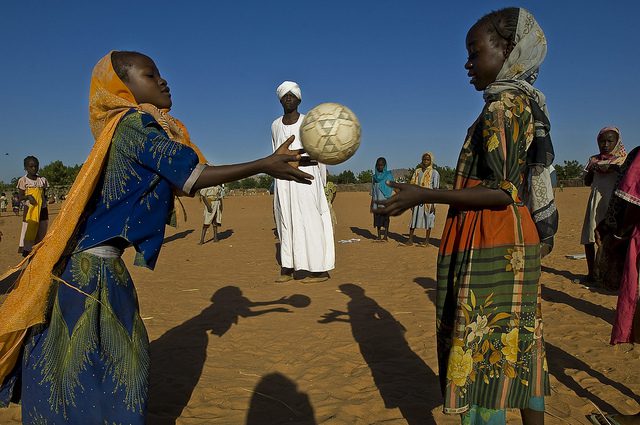
10 Extremely Important Facts About the Nuer of South Sudan

10 Facts About The Nuer of South SudanThe East-Central African country of South Sudan gained independence from Sudan on July 9, 2011. Since then, the nation of 13 million people has struggled to maintain governance and control due to violent civil conflict. This struggle has lead to a dire humanitarian crisis and four million South Sudanese facing displacement.

The Nuer are a prominent and second most populous ethnic group in South Sudan, contributing to 16 percent, or two million people, of the total population. Given this status, the Nuer have stood at the center of the civil Sudanese conflict for decades. These 10 facts about the Nuer of South Sudan offer insight into an ethnic group afflicted most by the South Sudanese Civil War.

10 facts about the Nuer of South Sudan

  1. The Nuer live in South Sudan in rural swamps and open savannas on both sides of the Nile River. They are located approximately 500 miles south of Khartoum, the capital of Sudan. Due to the civil conflict, the Nuer also inhabit United Nations refugee camps in the South Sudanese capital city of Juba.Nuer also seek refuge in neighboring countries like Uganda, which hosts over a million refugees. Approximately 2.5 million South Sudanese are seeking refuge or asylum protections. The majority of these refugees are women and children.
  2. The Nuer of South Sudan are cattle raising pastoralists. Horticulture is also commonly practiced, but less desirable. With more than 80 percent of the populace living in rural areas, cattle have historically been both a cultural and religious symbol, signifying wealth as well as an economic livelihood for the Nuer. Cattle are particularly important as a part of bridewealth exchanges.
  3. Since independence, the official language of South Sudan is English, replacing Arabic, but the Nuer traditionally speak the Nuer language. The Nuer language belongs to a subgroup of Nilo-Saharan languages, as a Nilotic language indigenous to the Nile Valley.
  4. Despite a high infant mortality rate , South Sudan is the world’s youngest country. The infant mortality rate stands at 79 infants per 1,000 live births and the under-five mortality rate is 108 per 1,000 live births. Around 45 percent of the country is between zero and 14 years of age.
  5. The Nuer of South Sudan form a cluster of autonomous sections and clans. The North had long sought state control of Nuer land, but neglect of social and political developments provoked two civil wars. This eventually led to South Sudan gaining independence from the North after the signing of the Comprehensive Peace Agreement in 2005 and the Independence Referendum in 2011.There is  no structured political system for the Nuer, generating significant conflict. However, dominant clans often hold more significance and elders often make decisions.
  6. In 2013, Vice President Riek Machar, a Nuer, was dismissed by the South Sudanese President Salva Kiir, a Dinka, over accusations of a coup attempt against the president. In addition to past support for the North by the Nuer, this sparked massive violence; President Salva Kiir ordered the deaths of thousands of Nuer in the Juba Massacre of 2013. These actions prompted the ongoing civil war in South Sudan.
  7. Since the start of the conflict, more than 2.4 million people have been displaced. In the northern part of South Sudan, the United Nations protects civilians in camp Bentiu. Nearly everyone in this camp is Nuer. In February 2017, a group of Dinka soldiers called the Upper Nile State attacked the Bentiu U.N. compound, killing an estimated 300 Nuer civilians.
  8. Thousands of Nuer have faced rape, sexual exploitation and attacks on women outside of Protection of Civilian (POC) sites. Studies show that 65 percent of women and girls in South Sudan have experienced physical or sexual violence in their lifetime. According to UNICEF, these incidents have occurred continuously over the past two and a half years, increasing with the outbreak of violence.
  9. International nonprofit and government agencies like the Nuer International Relief Agency (NIRA), The Red Cross, UNICEF and the U.N. provide humanitarian relief, health and education for war-affected and displaced Nuer. In the first three months of 2018, the International Committee of the Red Cross provided 1,675 metric tons of food, improved access to water for 267,000 people and helped 16,000 people reach family members separated by the conflict. Additionally, these agencies actively advocated and lobbied for successful peace and reconciliation as of June 2018, as well for the support of international communities in addressing the crisis.
  10. In May 2018, more than 200 children were released from armed groups in South Sudan. The release was the third this year, totaling to more than 800 child soldiers being freed in 2018. Additional releases are expected in coming months that could result in more than 1,000 children being freed.Despite this success, an estimated 19,000 children continue to serve in armed groups. UNICEF urges for the abolishment of recruitment and for the release of all child soldiers.

These 10 facts about the Nuer of South Sudan show a lot still needs to be done on the ground to address the suffering of Nuer ethnics and all South Sudanese nationals. More than 8 million people are in need of emergency humanitarian assistance in South Sudan. However, on June 28, 2018, warring parties signed a permanent ceasefire in Sudan’s capital city Khartoum, calling for an end to the four-and-a-half year civil war. The agreement, signed by President Salva Kiir, a Dinka, and Former Vice-President Riek Machar, a Nuer, represents a significant stride towards peace in South Sudan’s history and resolution of these crises.

– Joseph Ventura

Photo: Flickr

July 11, 2018
https://borgenproject.org/wp-content/uploads/borgen-project-logo.svg 0 0 Kim Thelwell https://borgenproject.org/wp-content/uploads/borgen-project-logo.svg Kim Thelwell2018-07-11 07:30:182024-05-29 22:43:0810 Extremely Important Facts About the Nuer of South Sudan
Human Rights, Refugees, Refugees and Displaced Persons

A Way Forward: Alternatives to Refugee Camps

Alternatives to Refugee Camps
Refugees are a reoccurring topic in the global news cycle recently and yet their living situations are rarely understood. The common picture on the news of long lines at refugee camps is a sad one that illustrates the unfortunate conditions displaced people often live in. Fortunately, it does not need to be this way. According to the U.N.’s official policy, alternatives to refugee camps should be pursued whenever possible as they increase the freedom of their inhabitants, build a sustainable community and reduce costs.

The Problems with Camps

While camps are one of the first things that come to mind when talking about refugees, they are far from an ideal setting. The most glaring issue with camps is that they restrict the freedom of their residents. According to the United Nations High Commissioner for Refugees, the defining feature of a camp…”is some degree of limitation on the rights and freedoms of refugees…”. This usually refers to restrictions on things like moving around, starting businesses or even protection services.

While restricting the freedom of refugees is bad from a human rights perspective, it also has negative implications for the countries hosting them. A key failure of camps is the inability to create a community. This makes it difficult for refugees to reintegrate to either their host or home countries after they leave the camp.

Despite these problems, there are always going to be situations where camps are unavoidable. Thankfully, by finding alternatives, the U.N. and other organizations would be better equipped to make the few necessary camps as hospitable as possible.

A Way Forward Through Alternatives

In contrast to camps, the U.N. says alternatives “will be defined by the degree to which refugees are able to exercise their rights”. One common feature of alternatives is that they allow refugees to hold jobs and participate in the local economy. This allows refugees to have somewhat of a normal life while they are displaced and lets them live with dignity in a community.  Refugees also integrate better back into their home communities when they have greater freedoms while displaced.

A shining example of this is an alternative employed with Sudanese refugees living in Nigeria. The group of refugees came from a tribe of nomads. Having restricted movement in a camp would have been such a disruption for their way of life that it would have been hard for them to reintegrate into their communities. The UNHCR recognized this and set them up in a situation where they could continue to move nomadically with their livestock. Out of this situation, a community market formed organically, allowing the refugees to live richer lives and integrate back into their home easier.

Alternatives can also provide an answer to conflicts that arrive between host countries and refugees. The clash of cultures that often occurs can alienate refugees and disrupt the host country’s citizens. A camp only exacerbates this problem by further isolating each group without taking either’s concerns into account. A key focus for alternatives is to pay attention to everyone’s perspective. The Nigerian example illustrates this well since the nomadic culture of the refugees allows them to live peacefully rather than struggling against being kept in a camp.

Alternatives to refugee camps should be pursued whenever possible. Protecting the freedom of refugees is vital to maintaining their dignity and helping them reintegrate once they can go back to their homes. While some sort of camp will always be necessary, the worst parts of them can be avoided and alternatives offer a bright path forward.

– Jonathon Ayers
Photo: Flickr

July 7, 2018
https://borgenproject.org/wp-content/uploads/borgen-project-logo.svg 0 0 Borgen Project https://borgenproject.org/wp-content/uploads/borgen-project-logo.svg Borgen Project2018-07-07 13:37:222019-09-25 12:28:51A Way Forward: Alternatives to Refugee Camps
Global Poverty, Refugees, Refugees and Displaced Persons

10 Facts About Poverty in Syria 

facts about poverty in Syria
Since the beginning of the crisis in 2011, poverty in Syria has dramatically increased due to violence and a collapsed economy. Below are 10 facts about poverty in Syria.

  1. Before the crisis, Syria was a middle-income country. Now, more than 80 percent of people are living in poverty, perhaps the most severe of these facts about poverty in Syria. Within Syria’s shattered economy, 70 percent of people lack regular access to clean water and 95 percent lack satisfactory healthcare. From 2011 to 2016, cumulative GDP loss is estimated at $226 billion.
  2. Since the war began, an estimated 470,000 people have been killed. Of those, 55,000 have been children. Since foreign powers have joined the conflict, the war has become even deadlier.
  3. Before the civil war, Syria was polio-free. However, in 2017, 74 cases of polio were detected.
  4. Since December 2017, an estimated 212,000 people have fled their homes. Most displaced people are living with insufficient access to aid in makeshift shelters. Eastern Ghouta, near Damascus, is a particular area of intense fighting unreached by aid. In total since the beginning of the crisis, more than 11 million Syrians have fled their homes to other Syrian cities or to neighboring countries.
  5. Turkey currently hosts the highest number of Syrian refugees at 3.5 million. However, 90 percent of them in Turkey live outside of aid camps and have limited access to basic services.
  6. Children lack educational opportunities and the war has reversed two decades of education progress. More than two million Syrian children are no longer in school. One-third of schools are not in use due to damage.
  7. Children are often seen as a nation’s hope for a better future, but these children have undergone high amounts of stress through having lost loved ones, suffering injuries, missing years of schooling, and experiencing violence and brutality. In addition, children are particularly vulnerable to health risks, abuse or exploitation. Many are drafted into the war or captured on the long trips they must make to safety.
  8. The war has destroyed Syria’s agricultural infrastructure and irrigation systems resulting in decreased food production. Wheat has dramatically suffered from both conflict and low rainfall. Since 2010, the overall food production in Syria has dropped by 40 percent.
  9. Since the beginning of the crisis in 2011, Syrian humanitarian needs have increased twelve-fold. An estimated 13.1 million people are in need, and close to three million people are trapped in besieged and hard-to-reach areas. Of these, more than 90 percent are in Eastern Ghouta.
  10. Charity organizations across the globe are working to help the millions of Syrians affected by the war. Five of the top charity groups are UNICEF, Save The Children, Syrian American Medical Society, The White Helmets and International Rescue Committee.

These facts about poverty in Syria illustrate the need for more help. Humanitarian organizations are struggling to meet the needs that continue to grow. In 2017, $4.6 billion was required to give emergency support and stabilization to families throughout the region. Only half was received. To build resilience against poverty in Syria and to increase peaceful communities, it is essential to increase funding.

– Anne-Marie Maher

Photo: Flickr

May 4, 2018
https://borgenproject.org/wp-content/uploads/borgen-project-logo.svg 0 0 Borgen Project https://borgenproject.org/wp-content/uploads/borgen-project-logo.svg Borgen Project2018-05-04 07:30:382024-05-29 22:42:1510 Facts About Poverty in Syria 
Global Poverty, Refugees, Refugees and Displaced Persons, United Nations

What You Might Not Know: Facts About Refugees

The recent use of chemical weapons in Syria has once again brought attention to the country and its citizens, those remaining within Syrian territory and facts about refugees who have been forced to flee. The conflict in Syria has created an unprecedented amount of refugees, the largest number on record. The United Nations High Commissioner on Refugees defines a refugee as “any person forced to flee from their country by violence or persecution.”

The journey of the refugee is riddled with uncertainty. The person is forced to leave their home and become an asylum seeker. The asylum seeker enters a foreign state in search of refugee status. For many asylum seekers, the journey is perilous. Traditional and safe forms of transportation across state boundaries are rare. For Syrians hoping to make landfall in Europe or Libya, options were limited and sea voyages were often part of the journey.

The lack of adequate vessels and safety equipment led gave way to unfortunately high mortality rates on the sea. The images emerging from the shores of Greece, Turkey and Libya capture the dire situation under which this journey was made. Major media outlets have published images showing refugees tired, distressed or worse. What is missing from this seemingly hopeless narrative are the rights guaranteed to these people as global citizens.

Refugees are entitled to certain rights. These persons are entitled to security, are not to be involuntarily returned to the country from which they are fleeing and should receive the same rights as other foreign nationals. Often, the influx of large quantities of people into already fragile economies creates an environment that does not allow the refugee the living conditions and opportunities for education, work and healthcare that are called for by human rights standards.

Often the very meaning of the word refugee is misunderstood. Surrounding the issue of displaced persons are numerous misconceptions and the facts are lost in assumptions. In hopes of clarity and dissuading any misconceptions about who refugees are, here are some facts about refugees:

Facts About Refugees

  • Around 65 million people are displaced currently; this number accounts for refugees living inside and outside the country where they are facing persecution.
  • More than half of refugees are produced by only three countries: Syria, Afghanistan and South Sudan.
  • More than half of the refugees around the world are under the age of 18. These children are five times less likely to be enrolled in school.
  • Lack of economic opportunity and poverty do not qualify a person as a refugee.
  • Refugee crises are far-reaching and impact almost every continent. The Middle East and North Africa is not the only region impacted by refugees.
  • The average length of displacement is more than 10 years.
  • Being granted asylum in a state does not guarantee resettlement in that state.
  • In 2016, 189,900 refugees were resettled, compared to the 22.5 million refugees that were living outside their home country.
  • African and Middle Eastern countries host more than half of all current refugees. European countries and the Americas account for a little more than 30 percent of refugees.
  • The United States accepted the largest amount of refugees in its modern history in 1980.
  • The United States Refugee Admission Ceiling in FY 2016 was 85,000 persons.

The story of the refugee cannot be easily described through numbers and statistics. The larger narrative is more complex than can be easily summarized into key facts. The numbers neglect the individual experience of the refugee. These facts about refugees not do justice to the larger issue of statelessness but rather offer a snapshot of the problems facing displaced persons and the global community.

As these facts about refugees illustrate, refugees are often subjected to living in extreme poverty due to lack of resources available in camps and the slow, bureaucratic process of resettlement. These individuals lack access to adequate healthcare, education and opportunity for economic growth. Camps intended for emergency shelter become long-term solutions. There are many organizations doing incredible work to provide food, shelter and services to displaced persons.

– Madison Shea Lamanna

Photo: Flickr

May 2, 2018
https://borgenproject.org/wp-content/uploads/borgen-project-logo.svg 0 0 Borgen Project https://borgenproject.org/wp-content/uploads/borgen-project-logo.svg Borgen Project2018-05-02 07:30:012019-11-05 13:39:22What You Might Not Know: Facts About Refugees
Global Poverty, Refugees, Refugees and Displaced Persons

Combating Statelessness for Rohingya Refugees Continues

combating statelessness for Rohingya refugees
The Muslim Rohingya minority found in Myanmar have been systematically stripped of citizenship in bureaucratic ways, which has led to combating statelessness for Rohingya refugees.

In 1982, the ruling military junta put in place discriminatory citizenship laws in Myanmar. The law favors the country’s “national races” and excludes the Muslim Rohingya and several other ethnic minorities, automatically granting full citizenship to these “national races.” The national races include groups that were present in Myanmar before the British conquest in 1824.

Removing Rohingya Rights

Throughout past years in Myanmar, each form of ID was declared invalid and then taken from the Rohingya, replaced with a card that indicated fewer rights. The “white cards,” created in 1982, were temporary documents that left the Rohingya in legal limbo.

Currently, the authorities urge the Rohingya to apply for a “national verification card.” The new identification card is highly criticized because of the multistep citizenship process associated with the cards. Many Rohingya, in addition, don’t feel confident that they would have “full” citizenship or basic rights with the new cards.

Nurul Hoque and his family are Rohingya refugees that are fearful of these new cards. He holds on to his grandfather’s old and frail identity card from Myanmar from before the implementation of the discriminatory citizenship laws. This old document is a reminder of a life that he and his family had left behind in Myanmar.

Nick Cheesman, a political scientist at Australian International University, describes to DW that the deprivation of citizenship among Rohingya was not a result of the 1982 law but more an inaccurate implementation of the law.

United Nations High Commissioner of Refugees and Combating Statelessness

In combating statelessness for Rohingya refugees, the United Nations High Commissioner of Refugees (UNHCR) has declared a worldwide effort to end statelessness by 2024. Around 10 million people in the world are denied citizenship, which causes many obstacles in obtaining basic rights.

To overcome statelessness, the UNHCR works with many other organizations to assemble and endorse more compelling solutions. It collaborates with other international organizations, nongovernmental organizations, civil society groups, national human rights institutions and academic and legal associations. The United Nations General Assembly granted, through a series of resolutions in 1995, the UNHCR the formal approval to combat statelessness through identification, prevention, reduction and protection of stateless individuals.

The UNHCR believes that citizenship, or some structure of documented status within a state, is required for basic rights to be achieved. This statelessness determination status, though, is to give individuals an interim way to attain basic rights. The final goal is to end statelessness altogether.

United States Assistance to Myanmar

The United States humanitarian policy in Myanmar has been guided by the importance of protection of basic rights for refugees and asylum seekers. On September 20, 2017, the State Department allocated $28 million in humanitarian aid for displaced people in Bangladesh.

The overall objective for United States policy in Myanmar is to establish a democratically elected civilian government that recognizes human rights and civil liberties of all Myanmar citizens and residents, revealing another effort in combating statelessness for Rohingya refugees.

– Andrea Quade

Photo: Flickr

April 5, 2018
https://borgenproject.org/wp-content/uploads/borgen-project-logo.svg 0 0 Borgen Project https://borgenproject.org/wp-content/uploads/borgen-project-logo.svg Borgen Project2018-04-05 07:30:402019-11-17 11:44:10Combating Statelessness for Rohingya Refugees Continues
Global Poverty, Refugees, Refugees and Displaced Persons

SOS Méditerranée Works to Save the Distressed at Sea

SOS Méditerranée Saving the Distressed at Sea
Thousands of migration attempts across the Mediterranean take place every year. By mid-November of 2017, over 150,000 people reached Europe by sea. During this time, almost 3,000 were found dead or declared missing. NGOs accounted for 40 percent of all lives saved in the Mediterranean during the first half of 2017.

SOS Méditerranée is a European maritime and humanitarian organization responsible for the rescue of lives in the Mediterranean. The organization was created in response to the deaths in the Mediterranean and the failure of the European Union to prevent them. Its mission focuses on three key points: to save lives, to protect and assist and to testify. It was founded by private citizens in May of 2015 and works as a European association with teams in Germany, France, Italy and Switzerland. Together the countries work as a European network,  jointly financing and operating the rescue ship Aquarius.

Since February of 2016, Aquarius has operated in international waters between Italy and Libya. Since then, the rescue ship has welcomed more than 27,000 refugees aboard. Once aboard, Aquarius provides emergency medical treatment through its partnership with Doctors Without Borders. This supports the organization’s second key mission, to protect and assist. It provides both medical and psychological care to those on board and then works to connect them to supporting institutions in Europe.

In early March of 2018, the Aquarius welcomed aboard 72 survivors from a merchant ship after two tragic operations in the Central Mediterranean. The Aquarius was the only search and rescue vessel present in the area. It was mobilized to search for a boat in distress in international waters east from Tripoli by the Maritime Rescue Coordination Centre in Rome. Its rescue operations involved a complex search of 120 nautical miles over the course of 24 hours. Those rescued were from 12 different countries, mainly in West Africa, but also from Sudan and South Sudan. Once aboard, the survivors were able to receive the medical treatment they desperately needed.

SOS Méditerranée wants to give those rescued a voice, to testify, and show the actual faces of migration in the hope of bringing awareness about refugees in the Mediterranean and remembering those who were unsuccessful in their journeys. Evidence from the Mediterranean Migration Research Programme (MMRP) has examined the dynamics of migration to Europe from 2015 and 2016, as well its difficulties. Its key findings challenge assumptions about the dynamics of migration, including that migration is primarily driven by the need to access jobs and welfare support.

Instead, the MMRP found that the vast majority of people migrate across the Mediterranean by boat because of the belief that their lives are in danger or in hopes of a better future. During its study in 2015 and 2016, nearly 1.4 million people crossed the Mediterranean to Europe. However, due to the absence of legal routes to reach the E.U., migrants resort to dangerous crossings with smugglers. There is an urgent need to greatly expand safe and legal routes for the protection of these migrants.

Thanks to organizations like SOS Méditerranée, there have been thousands of lives saved in the Mediterranean. However, joint efforts must be made in order to prevent any further lives from being lost.

– Ashley Quigley

Photo: Flickr

April 1, 2018
https://borgenproject.org/wp-content/uploads/borgen-project-logo.svg 0 0 Borgen Project https://borgenproject.org/wp-content/uploads/borgen-project-logo.svg Borgen Project2018-04-01 07:30:312024-05-29 22:40:00SOS Méditerranée Works to Save the Distressed at Sea
Advocacy, Global Poverty, Refugees, Refugees and Displaced Persons

The Four Key Components of United Nations Refugee Agency

The Four Key Components of United Nations Refugee Agency
Currently, more than 65.6 million of the world’s population has been forcibly displaced due to conflict, persecution or inhospitable living conditions within their home countries. A majority of these refugees end up in temporary refugee camps, awaiting relocation in both private and state-backed developments. Unfortunately, resources in resettlement countries tend to be limited in capacity to help the millions of displaced.

Policy of Hope and the United Nations Refugee Agency

Fortunately, the international community is making strong efforts to provide both on-the-ground and financial resources to the countries that house the greatest number of refugees. Many organizations see this policy of hope as a universal good, and deem it paramount to find new homes and lives for those who are displaced.

Organizations like the United Nations Refugee Agency (UNHCR) work tirelessly to ensure that those displaced have a global advocate looking out for them.

The organization operates on several different levels to assist refugees around the world and saves the lives of thousands who would otherwise be left without any critical survival resources. Several of the most impactful divisions within UNHCR are its protection, shelter, health and advocacy programs.

1. Protection

The protection program seeks to ensure the safety of individuals under the label of refugee. The United Nations Refugee Agency provides funding to security partners who offer legal and physical protection to refugees and minimize the threat of physical violence in refugee camps. The protection program also generates funding for law schools and government agencies to emphasize coursework and professional development in refugee protection.

2. Shelter

The shelter unit of the United Nations Refugee Agency distributes tents and plastic sheeting that are used to make simple shelters in refugee camps throughout the world. The shelter program also funds the rehabilitation of communal displacement shelters, the construction of brand new homes, and also provides materials for those who choose to build homes themselves under self-help schemes.

3. Healthcare

The United Nations Refugee Agency also has a healthcare provision program which assesses the basic health needs of those living in a refugee camp. On a more general scale, UNHCR provides communities with HIV protection, reproductive health services, food and water security, as well as sanitation and hygiene services.

If there is a specific disease that is particularly prevalent in the camp, the United Nations Refugee Agency assesses the situation and provides what is most necessary. For instance, to flee conflict in the Democratic Republic of the Congo, many settled in refugee camps in Uganda. Unfortunately, the Ugandan refugee camps were rampant with malaria. Accordingly, UNHCR provided over 40,000 malaria nets to the camps, protecting many.

The provision of these essentials greatly benefits the refugees living in the camps and helps to ensure that they have a greater chance of survival and relocation.

4. Advocacy

The United Nations Refugee Program advocates for policy changes as well. The UNHCR has specific policy guidelines and standards that it advocates governments adopt. Each year a team assesses how trends in refugee movement and aid shift and adjusts the standards to ensure that needs of the many are met most effectively.

Overall, the world refugee crisis is both an overwhelming and daunting issue. Despite the scale of the problem, organizations like the United Nations Refugee Agency will continue to work as long there are refugees who need its help.

– Daniel Levy

Photo: Flickr

March 16, 2018
https://borgenproject.org/wp-content/uploads/borgen-project-logo.svg 0 0 Borgen Project https://borgenproject.org/wp-content/uploads/borgen-project-logo.svg Borgen Project2018-03-16 01:30:252024-05-29 22:39:50The Four Key Components of United Nations Refugee Agency
Global Poverty, Refugees, Refugees and Displaced Persons

Relief from Crisis as US Issues TPS for Syrian Refugees

TPS for Syrian refugeesThe Syrian refugee crisis has been the world’s largest humanitarian crisis for the past six years. The U.S. government has made a decision to grant temporary protected status (TPS) to 7,000 displaced Syrians. The announcement came on January 31, 2018, which granted 18 months of TPS for Syrian refugees in America.

About 400,000 deaths have resulted from the Syrian conflict since April 2016. Nearly 13.5 million people living in Syria face threats, displacement, hunger, injury and death. 6.1 million people living in Syria are displaced from their homes, and more than 4.8 million have fled the country.

Egypt, Iraq, Jordan, Lebanon and Turkey have taken in millions of Syrian refugees. The majority of refugees are children, who face malnutrition, forced labor, child marriage, militant drafting, disease and death. A recent survey by U.N. cooperatives shows that children living in Lebanese refugee camps are more vulnerable to forced labor and child marriage than ever before. Syrian refugees in Lebanon live on less than $4 a day.

Jordan, considered one of the United States’ partners in alleviating the Syrian refugee crisis, has recently made breakthroughs to alleviate the dependence of refugees. As part of a compact deal that has increased international aid to Jordan, the country was able to issue more than 88,000 work permits to Syrians, allowing refugees the ability to meet their basic needs. Of the 655,000 Syrian refugees exiled in Jordan, approximately 80 percent of them live outside camps, living below the poverty line on less than $3 a day.

Recognizing the terror that Syrian refugees face by returning to their home country, the U.S. has decided to grant a TPS for Syrian refugees for 18 more months. This decision was directly influenced by the extraordinary conditions surrounding the ongoing armed conflict. The TPS for Syrian refugees only applies to those who have continuously resided in the U.S. since August 1, 2016, and have been continuously physically present in the United States since October 1, 2016. The designation of the TPS for Syrian refugees is subject to be renewed based on conditions in Syria after the 18-month period expires.

This TPS designation comes after years of abuse by Syria’s Assad regime, and extremist groups such as the Islamic State of Iraq and the Levant. The crisis in Syria is by far the most tragic humanitarian crisis in the world today.

The U.S. government has spent nearly $6 billion on humanitarian assistance in response to the Syrian conflict. Funding supports the provision of emergency food, medicine, safe drinking water and other relief supplies to conflict-affected people in Syria and neighboring countries. This humanitarian aid comes in the form of cash for medicine and food, stoves and fuel for heating, insulation for tents, thermal blankets and winter clothing. Shelter kits, non-food items, protection services and psychosocial support are provided to those who have been displaced but remain in Syria.

International officials ministering to Syrian refugee camps state that more international aid is needed for humanitarian efforts to lift millions of Syrian refugees out of poverty.

– Alex Galante 

Photo: John Stanmeyer

February 21, 2018
https://borgenproject.org/wp-content/uploads/borgen-project-logo.svg 0 0 Borgen Project https://borgenproject.org/wp-content/uploads/borgen-project-logo.svg Borgen Project2018-02-21 01:30:212024-05-29 22:39:26Relief from Crisis as US Issues TPS for Syrian Refugees
Global Poverty, Refugees, Refugees and Displaced Persons

Five of the Most Predominant Stateless Groups in the World Today

stateless groups
According to the United Nations High Commissioner for Refugees (UNHCR), the internationally recognized legal definition of a stateless person is “a person who is not considered a national by any State under the operation of its law.” A person or a group of people with the status of “stateless” usually means they are not allowed to get an education at school, see a doctor, get a job or have access to other basic human rights within a nation.

Some people are born stateless; other groups become stateless if their government does not establish them as nationals that have representation under state law.

Here is a list of five currently stateless groups in the world:


1. The Rohingya

The Rohingya are a group of Muslims of South Asian descent that populate western Myanmar and Bangladesh. Myanmar’s government pushed many Rohingya out of Myanmar, which is how they ended up in Bangladesh and other nearby regions. Myanmar, dominantly Buddhist, doesn’t want to accept this ethnic group into their nation. As a result, many Rohingya suffer from intense discrimination, hatred and unkind deaths. With nowhere and no one to support them, the Rohingya are completely dependent on foreign aid.


2. The Roma

While the exact origin of Roma is unknown, it is certain that this group of people arrived in Europe prior to the ninth century. Historically, many Roma were forced into slavery and sentenced to death throughout the medieval era for being “heathens.” They, alongside the Jews, were persecuted and forced into labor camps during World War II. Today, millions of Roma live in isolated slums without running water or electricity. There is a great health disparity among the population, but governments have kept them at the brink of death without offering help.


3. The Nubians

The Nubians, originally from Sudan, were brought to Kenya over 150 years ago when the British government asked them to fight in the colonial army; since then, they haven’t been able to return home. Today, Kenya will not grant Nubians basic citizenship rights so this group lives in one of the largest slums on Earth despite trying to receive title rights to land and seeking solutions to their disparity.


4. The Bidoon

In the state of Kuwait, the Bidoon is one of the stateless groups attempting to break free from the status of “illegal residents.” The Bidoon are descendants of the Bedouin people, a desert-dwelling Arabian ethnic group. They have tried and failed dozens of times to gain official recognition in Kuwait; instead of citizenship, they are told to seek residency elsewhere.


5. The Yao

The Yao is one of many Thailand hill tribes that don’t have a Thai citizenship. This means they can’t vote, buy land or seek legal employment. The Thai government has previously granted temporary citizenship to a select few, but this is after they go through a strenuous process to prove they should be granted a pass.

These five stateless groups — Rohingya, Roma, Nubians, Bidoon and Yao — are just a select few from an extensive list. In total, there are more than 10 million people that are denied a nationality; however, the UNHCR made an announcement that they hope to end statelessness by 2024. On their website, viewers can sign the #IBelong campaign in order to show support. If successful, this will not only grant millions of men, women and children a nationality, but it will also grant increased access to clean food and water, healthcare, jobs, education and so much more.

– Caysi Simpson

Photo: Flickr

February 8, 2018
https://borgenproject.org/wp-content/uploads/borgen-project-logo.svg 0 0 Borgen Project https://borgenproject.org/wp-content/uploads/borgen-project-logo.svg Borgen Project2018-02-08 01:30:412024-05-29 22:39:09Five of the Most Predominant Stateless Groups in the World Today
Economy, Global Poverty, Refugees, Refugees and Displaced Persons

Economic Impact of Refugees on Neighboring Countries

impact of refugees on neighboring countries
Refugees taking asylum within other countries’ borders affect the economy of the host country and surrounding countries. People fleeing usually choose neighboring countries of their homeland, some of these being lower-income developing countries. While the effects are varying, several outcomes influence the economy of the host country in a positive manner and indirectly act as an economic impact of refugees on neighboring countries.


Education for Refugees

One such outcome is the development of education for refugees. This provides education for children in the host country that originally could not obtain such an opportunity. The use of international aid organizations has furthered the building of schools and training of teachers. These organizations seek to invest in the host countries development to ensure that the needs of the refugees are met, and thus bolstering that country’s economy.

Each individual person seeking asylum also brings a skill from home to the new country. As unemployed refugees come, there are a variety of skills and occupational backgrounds that are also brought — for instance, doctors, lawyers, nurses and carpenters. This influx of vocational skills can alleviate issues of a demographic crisis or an in-country population decrease.


Refugee Economic Status

Establishing desirable economic status as an individual provides an economic gain to the country and allows refugees to more easily integrate or move into other surrounding countries. An economic gain to the host country in the form of a working-class can result in positive economic impacts on neighboring countries.

Economic stimulus for the host country can further be developed through local food purchase, non-food items such as shelter materials, disbursements made by aid workers and assets brought by refugees. Purchasing products from neighboring countries is another of the positive impact of refugees on neighboring countries.


Refugee Strain on Infrastructure and Foreign Aid

A large influx of refugees to host countries does strain the country’s current economic infrastructure and call for emergency financial assistance. In a case study done on the 1999 Kosovar refugees, the International Monetary Fund and the World Bank estimated that host countries needed $52 to $188 million to appropriately deal with humanitarian needs. To accomplish this, these countries often look to developed countries to provide foreign aid.

Foreign aid given by countries can help increase the host country’s economy while also providing a peaceful presence to aid the in-need nation. Aid simultaneously benefits the receiving countries economy and the giving-country’s future economic gain and presence in foreign affairs.

Although hosting a large population of refugees can create a burden (especially on developing countries), the positive impact of refugees on neighboring countries is extremely apparent. These benefits provide an incentive to give asylum to those fleeing from conflict.

– Bronti DeRoche

Photo: Flickr

February 2, 2018
https://borgenproject.org/wp-content/uploads/borgen-project-logo.svg 0 0 Borgen Project https://borgenproject.org/wp-content/uploads/borgen-project-logo.svg Borgen Project2018-02-02 01:30:372019-12-18 05:44:22Economic Impact of Refugees on Neighboring Countries
Page 11 of 29«‹910111213›»

Get Smarter

  • Global Poverty 101
  • Global Poverty… The Good News
  • Global Poverty & U.S. Jobs
  • Global Poverty and National Security
  • Innovative Solutions to Poverty
  • Global Poverty & Aid FAQ’s
Search Search

Take Action

  • Call Congress
  • Email Congress
  • Donate
  • 30 Ways to Help
  • Volunteer Ops
  • Internships
  • Courses & Certificates
  • The Podcast
Borgen Project

“The Borgen Project is an incredible nonprofit organization that is addressing poverty and hunger and working towards ending them.”

-The Huffington Post

Inside The Borgen Project

  • Contact
  • About
  • Financials
  • President
  • Board of Directors
  • Board of Advisors

International Links

  • UK Email Parliament
  • UK Donate
  • Canada Email Parliament

Get Smarter

  • Global Poverty 101
  • Global Poverty… The Good News
  • Global Poverty & U.S. Jobs
  • Global Poverty and National Security
  • Innovative Solutions to Poverty
  • Global Poverty & Aid FAQ’s

Ways to Help

  • Call Congress
  • Email Congress
  • Donate
  • 30 Ways to Help
  • Volunteer Ops
  • Internships
  • Courses & Certificates
  • The Podcast
Scroll to top Scroll to top Scroll to top