• Link to X
  • Link to Facebook
  • Link to Instagram
  • Link to TikTok
  • Link to Youtube
  • About
    • About Us
      • President
      • Board of Directors
      • Board of Advisors
      • Financials
      • Our Methodology
      • Success Tracker
      • Contact
  • Act Now
    • 30 Ways to Help
      • Email Congress
      • Call Congress
      • Volunteer
      • Courses & Certificates
      • Be a Donor
    • Internships
      • In-Office Internships
      • Remote Internships
    • Legislation
      • Politics 101
  • The Blog
  • The Podcast
  • Magazine
  • Donate
  • Click to open the search input field Click to open the search input field Search
  • Menu Menu

Archive for category: Poverty Reduction

Information and stories about poverty reduction.

Global Poverty, Poverty Reduction

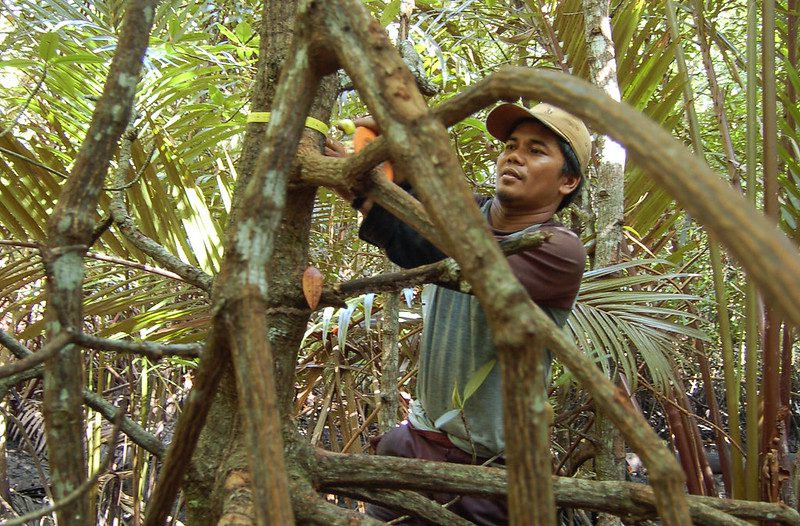
Mangrove Conservation in Indonesia Helps Reduce Poverty

Mangrove Conservation in Indonesia
Mangroves grow in salty water and thrive in conditions that most timbers cannot tolerate. The Indonesian government has set up a goal of rehabilitating 600,000 hectares (1.5 million acres) of mangroves by 2024. In 2021, the country had 10.1% of its population living below the national poverty line. Mangrove conservation in Indonesia plays an important role in improving the ecosystem as well as the economy.

Benefits of Mangrove Planting

Mangroves have several environmental benefits. These trees or shrubs provide habitats for different species such as fish, birds, reptiles and mollusks. Mangroves also act as shelters for hatchlings, providing both nutrition and safety.

In 2012, USAID and the Indonesian NGO Yayasan Gajah Sumatera (Yagasu) worked with Rusli, a local fisherman in Paluh Kurau in Langkat, North Sumatra, Indonesia, along with other fishermen. The aim was to create a “community-based mangrove forest restoration effort” and then research the ways coastal villages can derive advantages from mangroves.

Research indicates that mangroves can reduce poverty by generating income. Based on the data from USAID, coastal communities experienced a growth in income by 60% from 2009 to 2016 by means of conserving mangroves. The mangrove planting has led to an increase in the production of other species as well: “[seven] to 12 tons of crab, [three] to [five] tons of shrimp and 500 to 700 tons of fish per week.”

Mangroves provide natural resources to create products that individuals can later sell in the market. Individuals can use the branches and roots of mangroves for the natural coloring of fabrics. With these fabrics, locals can produce dresses and shirts. Furthermore, the fruits from mangroves “can be processed into flour” for baking.

Empowering Indonesian Women

A group of women from Tanjung Rejo and neighboring villages started utilizing natural coloring to create batik fabric and clothing. Yagasu and USAID assisted these women in establishing a business and gave training in “management, design technique and quality control.” Eventually, Yagasu, in partnership with the Livelihoods Fund, flew these women to an exhibition in Paris, France, to display their products. Purchasers for the luxury goods company Hermès liked the women’s colorful designs and signed a contract with the women to provide the company with “high-quality mangrove-colored fabrics.”

In 2014, Hamidah, a housewife in Tanjung Rejo, received USAID training to create batik material and food products using mangroves. She also received business management training to advance her small business and increase her family’s income while helping other community members to increase their business skills too.

MONMANG App for Monitoring Mangroves

The country of Indonesia has the largest mangrove ecosystem globally, with more than 3.5 million hectares of mangroves, which equates to about 23% of the world’s mangrove ecosystem.

The Indonesian Institute of Sciences (LIPI) developed the MONMANG smartphone app to monitor and track mangroves in Indonesia. Through monitoring via the app, data is collected, which researchers can then use to create a Mangrove Health Index (MHI).

The app can be used to “perform data input and analysis directly from the field site while monitoring mangroves.” In addition, the app “provides structural parameters of mangrove communities, such as density, morphological size, frequency [and] dominance.”

The data that MONMANG provided will help to ensure the process of mangrove conservation in Indonesia is on the right track. Therefore, the advent of this android-based app will ensure social and economic stability for communities relying on and living close to mangrove ecosystems. MONMANG plays an imperative role in protecting the coastal environment by collecting and summarizing thousands of data points to inform local and international research on mangroves.

Looking Ahead

Mangrove planting improves the living conditions in Indonesia by reducing poverty and providing natural resources. As the mangrove conservation in Indonesia continues, the nation will reach its 2024 rehabilitation goal and continue exploring the benefits mangroves can bring to the community.

– Jiaying Guo
Photo: Flickr

June 6, 2022
https://borgenproject.org/wp-content/uploads/borgen-project-logo.svg 0 0 Kim Thelwell https://borgenproject.org/wp-content/uploads/borgen-project-logo.svg Kim Thelwell2022-06-06 01:30:062024-05-30 22:26:02Mangrove Conservation in Indonesia Helps Reduce Poverty
Global Poverty, Poverty Eradication, Poverty Reduction

Poverty in the UAE and Sheikh Khalifa’s Death

Poverty in the UAE
The president of the United Arab Emirates, Sheikh Khalifa bin Zayed Al Nahyan, passed away on May 13, 2022, at the age of 73. The leader’s health had been declining since suffering a stroke in 2014. Many expect that his brother and Crown Prince of Abu Dhabi, Sheikh Mohammad bin Zayed, will step into the role of president. Mohammad served as the de facto leader of the UAE since Khalifa’s 2014 stroke, which limited his public appearances.

Khalifa led the UAE through a period of great technological and societal advancement. He strengthened the economy of the nation and secured its place among the other powerful nations of the world. Khalifa also leaned pro-West. He worked to strengthen the connection between the UAE and the U.S. and its allies, a bond that Biden promised to maintain following the leader’s death. The ensuing transition of leadership raises questions, most notably about future policy decisions and poverty in the UAE.

The Policy Impact of Khalifa’s Death

Sheikh Khalifa was a respected and well-liked leader, with many mourning his death in the UAE and around the world. Since the predecessor people expect spent the last eight years handling the majority of presidential matters, not much could change concerning foreign policy. However, the internal politics of the nation may look slightly different.

Being the Crown Prince of Abu Dhabi, Mohammad’s presidency could strengthen the already empowered emirate. Abu Dhabi grew in influence under Khalifa and may grow even more so now. It is likely that Mohammad will not need to consult with the other emirates before coming to any important decisions. This development, though expected, could prove to be divisive.

Poverty in the UAE

Many hope that the new leadership will address the underrecognized prevalence of poverty in the UAE. While the UAE is indeed a very wealthy nation, it is a common misconception that no poverty exists there at all. It is estimated that around 19.5% of Emiratis live below the poverty line. This is an estimation because the UAE does not formally update these statistics themselves. Despite the underreported number of impoverished people in the nation, the government provided support to only 27.1% of Emiratis in 2011.

The high poverty rate derives in part from the nation’s high cost of living, which results from the wealthy stature of the upper class. According to the Beit Al Khair Society, around 17,000 families living in the UAE need help from the government. It is a sad reality that many ordinary people have experienced neglect in the nation’s pursuit of becoming a global powerhouse. UAE invested unprecedented amounts of money into its large cities, particularly Dubai, along with notable developments such as the construction of the Burj Khalifa and The Jumeirah Golf Estates.

The Positives

Poverty in the UAE is far from a lost cause. The government does issue help for those families in need. The government has also formed specialized foundations and ministries to aid with the effects of the high cost of living. Of those families in need of help, few live in completely unbearable conditions. Most just need help to support their families, with the average size of an Emirati family being six people. It is also possible that the poverty rate is lower than estimated because of the underreported statistics. All in all, the UAE is quickly rising up the ranks of world powers. The nation’s economy continues to grow, but people should not ignore the individuals living in poverty in the UAE.

– Thomas Schneider
Photo: Pixabay

June 5, 2022
https://borgenproject.org/wp-content/uploads/borgen-project-logo.svg 0 0 Jennifer Philipp https://borgenproject.org/wp-content/uploads/borgen-project-logo.svg Jennifer Philipp2022-06-05 07:30:482022-06-01 06:18:38Poverty in the UAE and Sheikh Khalifa’s Death
Global Poverty, Poverty Reduction

Poverty Reduction in Indonesia

Poverty Reduction in Indonesia
Indonesia is the world’s fourth most populated country, with growth expected to peak in 2065. Therefore, there will soon be a need to provide more food and job and market opportunities for Indonesia’s coming generations. It is imperative that poverty greatly reduce in order to meet these ends for Indonesia’s future population growth. While poverty reduction in Indonesia faces a myriad of challenges, there is also a pantheon of solutions to meeting this goal.

Poverty in Indonesia

Though Indonesia has a large population and is considered a middle-income country, most of the populace does not have adequate wealth. The richest four men in the country have more wealth than the poorest 100 million combined. This inequality, which includes gender inequality, brings great obstacles to improved infrastructure and economic stability for Indonesia’s future.

Impact of COVID-19

Indonesia had the second-highest number of COVID-19 cases in Southeast Asia (5.91 million), with the impact of the pandemic pushing nearly 5 million more people into poverty throughout Southeast Asia. This has complicated Indonesia’s goal of getting more people out of poverty alongside neighboring countries. The pandemic caused increased unemployment and lowered tourism rates across the region. However, Indonesia is still pressing forward with policy and economic changes to combat the pandemic’s ill effects.

Economic Change

Indonesia’s Finance Minister Sri Mulyani Indrawati is pushing for the World Bank to make major reforms in order to provide more investment into helping nations like Indonesia combat the effects of COVID-19 and climate change well into the future. Most notably, the desired change is the expansion of the forms of responses to monetary crises. These crises are issues ministers like Indrawati claim the World Bank is not currently equipped to handle. Indrawati also said that using mixed leverage of funds from multilateral funds, private investment and government revenue will help Indonesia and its blended finance in order to adequately cover the costs of combating its current issues and cementing institutions to help in future economic and health-related issues.

Environmental Change

Indonesia is a nation consisting of chains of flush forest islands and environmental diversity. This biodiversity has experienced deforestation in the past. The biodiversity is vital to reinforcing Indonesia’s natural infrastructure to counteract the effects of climate change and natural disasters. Therefore, Indonesia has recently experienced decreased deforestation and the integration of local indigenous groups into the maintenance of its forests. These efforts are ensuring natural resources and environments can aid poverty reduction in Indonesia. Efforts like the Green Growth Plan and the BioCarbon Fund Initiative for Sustainable Forest Landscapes are allowing more of the small impoverished communities, such as the Jambi province, to engage in new job and conservation opportunities, fortifying poverty reduction in Indonesia.

Indonesia’s Future

With Indonesia being one of the largest lending partners of the World Bank, there are plenty of opportunities and avenues for the development of future programs to reduce inequality and poverty. The World Bank notes that areas of gender, digitalization, improved infrastructure, human capital, natural asset management and environmental challenges will all be important factors in poverty reduction in Indonesia. However, if the World Bank makes reforms, alongside internal development and recovery, then Indonesia can eliminate poverty.

– Albert Vargas
Photo: Pixabay

June 5, 2022
https://borgenproject.org/wp-content/uploads/borgen-project-logo.svg 0 0 Jennifer Philipp https://borgenproject.org/wp-content/uploads/borgen-project-logo.svg Jennifer Philipp2022-06-05 07:30:312022-05-24 08:45:35Poverty Reduction in Indonesia
Children, Global Poverty, Health, Poverty Reduction

How Epigenetics Predicts the Effects of Poverty

EpigeneticsEpigenetics is a recently developing branch of genetics that rose to prominence in the 21st century. Recent research has shown the biological effects of poverty through epigenetics. Epigenetics goes further than the genes a person inherits from their parents by showing how the individual’s genes react to their environment and other factors. One study that Molecular Psychiatry published concluded that children who grow up in families below the poverty line are “more prone to mental illness and alterations in DNA structure.” Since poverty brings numerous stressors such as poor nutrition and physical or psychological trauma, it can affect a child’s biological development, particularly in the brain. Epigenetics can help shape the future and bring to prominence that poverty can cause acute and chronic conditions.
What is Epigenetics?

The Centers for Disease Control and Prevention (CDC) defined epigenetics as “the study of how your behaviors and environment can cause changes that affect the way your genes work.” Epigenetics affects gene expression, specifically the process of protein creation. The environment and a person’s behaviors correlate with epigenetic changes; the connection becomes evident between a person’s genes, behaviors and environment.

There are three different mechanisms in epigenetics that can affect gene expressions, including DNA methylation, histone modification and non-coding RNA. DNA methylation turns the genes “off” and demethylation turns the genes “on.” More specifically, DNA methylation can directly inhibit the expression of genes. In this process, information from the gene becomes a functioning product such as proteins, which are essential molecules that help bodies function. Histone modification occurs with the adding or removal of chemical groups from histones. More specifically, it can also change if a gene is “on” or “off.” Finally, non-coding RNA is a biological function that helps control gene expression.

The Relationship Between Epigenetics and Poverty?

A 2019 article from Northwestern University explains that poverty can implement itself across genomes — “poverty leaves a mark on nearly 10% of the genes in the genome.” Previous research demonstrated that socioeconomic status is a significant determinant of human health and disease. For example, some factors such as lower educational attainment or lower-income increase the risk for heart disease, diabetes, different forms of cancers and other infectious diseases. Also, lower socioeconomic status is associated with other physiological processes that could “contribute to the development of diseases such as chronic inflammation, insulin resistance and cortisol dysregulation.”

In one recent study led by Dr. Adam R. Wende, researchers learned that end-stage heart failure patients had “cytosine-p-guanine, or CpG, methylation of the DNA in the heart.” This methylation was associated with race as the only variable between African Americans and Caucasians. In addition, researchers discovered through census tracking that African American patients lived in neighborhoods with higher racial diversity and poverty. This difference suggested to the researchers that “the underlying variable may be socioeconomic difference.”

Wende spoke about the impact of the study with UAB News. Wende stated that “we provide preliminary evidence that socioeconomic factors are likely associated with racial differences in cardiac DNA methylation among men with end-stage heart failure.”

Differences Between Children in Poverty and Higher Income Households

In another study published in 2016, scientists found that children who grew up in poverty had more DNA methylation than other children who came from higher household incomes. Researchers thought that this difference might have suppressed the impoverished children’s “production of serotonin transporter protein.” As a result, the kids in the impoverished households had less serotonin in the brain, which can lead to depression and other mental conditions.

Dan Notterman, a molecular biologist at Princeton University, found in his research that telomeres, the caps at the end of chromosomes, “[shorten] in children from impoverished families.” Research shows a link between telomere length, aging and poor general health, meaning that the shorter telomeres are, the worse a person’s health is and the faster the aging process is. In layman’s terms, poverty can cause children and adults alike to be more prone to mental and physical illnesses and hinder physiological processes at a genetic level.

Can Epigenetics Help Reverse Negative Health Outcomes?

Robert Philibert, a behavioral geneticist at the University of Iowa in Iowa City stated that “what this points out here is that if you really want to change neurodevelopment, alter the environment.” Epigenetics shows that the environment affects gene expression, and thus, the body’s biological functions.

Social determinants of health (SDH) are, as the World Health Organization (WHO) defines, “the conditions in which people are born, grow, work, live and age and the wider set of forces and systems shaping the conditions of daily life.” SDHs can influence health and gene expression through “income and social protection, education, food insecurity, social inclusion and nondiscrimination.” According to the WHO, SDH plays a significant role in 30-55% of health outcomes. Epigenetics shows people must address the systems that allow poverty to thrive in order to ensure people do not experience a disadvantage at the beginning of life.

– Gaby Mendoza
Photo: Flickr

March 28, 2022
https://borgenproject.org/wp-content/uploads/borgen-project-logo.svg 0 0 Jennifer Philipp https://borgenproject.org/wp-content/uploads/borgen-project-logo.svg Jennifer Philipp2022-03-28 01:30:492024-05-30 22:25:51How Epigenetics Predicts the Effects of Poverty
Global Poverty, Poverty Reduction

The Work of The One Ocean Summit


France hosted representatives from more than 100 countries at the One Ocean Summit in the French city of Brest from Feb. 9-11, 2022. The summit aimed to “raise the collective level of ambition of the international community on marine issues” and turn the global responsibility to “[safeguard] the ocean into tangible commitments” by addressing challenges such as pollution and overfishing. Ocean sustainability is key to the success of global economies. Marine conservation has an array of humanitarian benefits and can help alleviate poverty in developing nations.

One Ocean Summit

Water covers more than 70% of Earth’s surface, meaning that oceans are a critical part of everyday life for people across the globe. Prior to the One Ocean Summit, few international meetings focused directly and solely on ocean conservation. The One Ocean Summit aimed to highlight the vast importance of healthy oceans, with an emphasis on ocean resources, trade and the multitude of connections between marine and human life. The summit addressed threats to healthy oceans, including resource exploitation, pollution and extreme weather events.

In response to the issues brought to light by the One Ocean Summit, with the support of its Member States, the private sector and other U.N. bodies, the United Nations Educational, Scientific and Cultural Organization (UNESCO) made a commitment to map by 2030 80% of the global ocean seabed, 20% of which was mapped prior to the summit. Mapping the seabed will help countries better understand oceans and marine resources and learn how to conserve them. The One Ocean Summit also led to other initiatives that will help protect marine ecosystems, promote sustainable fishing and combat pollution, especially in relation to plastics.

Ocean Conservation and Poverty Reduction

Healthy oceans are essential to sustainable development. Oceans provide food, natural resources and employment to people around the world. Marine degradation often affects tropical, low-income areas the most. As sea levels/temperatures rise, fish migrate to other locations, which creates challenges for people who rely on fishing for their livelihoods. An unsustainable supply of fish can lead to food insecurity in places where the seafood is the main source of sustenance and protein. Multinational efforts are necessary to fund and promote effective ocean conservation. The seabed mapping project from the One Ocean Summit will help nations discover and execute best practices for ocean conservation.

Future Steps

The COVID-19 pandemic has intensified marine pollution, especially because of the “increased demand for single-use plastics.” According to the World Bank, ocean conservation relies on a combination of policies, monetary investments, technological innovations, a collaboration between public and private organizations and changes in consumer behavior. Governments can create and enforce laws in favor of ocean conservation while the private sector can help fund ocean conservation efforts and create new innovations to support the cause. Public and private collaborations that promote ocean sustainability may be particularly useful when it comes to reducing plastic pollution. International meetings like the One Ocean Summit can make large-scale steps in fighting threats to healthy oceans, including marine pollution and overfishing.

Ocean sustainability directly connects to poverty reduction and socio-economic development. Marine conservation is highly valuable in areas where fishing is essential to economic success. As a global resource, the ocean relies on international collaboration to stay healthy. The One Ocean Summit models a constructive international effort to conserve the world’s oceans.

– Cleo Hudson
Photo: Unsplash

March 2, 2022
https://borgenproject.org/wp-content/uploads/borgen-project-logo.svg 0 0 Kim Thelwell https://borgenproject.org/wp-content/uploads/borgen-project-logo.svg Kim Thelwell2022-03-02 01:30:122022-03-01 02:52:04The Work of The One Ocean Summit
Development, Global Poverty, Poverty Reduction, USAID

5 USAID-Sponsored Programs in Mexico

USAID Programs in Mexico
Despite Mexico’s social and economic developments over the past decades, the country still confronts serious issues of corruption, a high violent crime rate and unsteady public trust in its institutions. These issues impact those experiencing poverty the hardest because they are often targets of crime and frequently find public assistance to be unreliable. Addressing concerns relating to human rights, violence prevention and environmental sustainability will benefit the most vulnerable members of society. There are several USAID-sponsored programs in Mexico with these objectives in mind.

5 USAID-Sponsored Programs in Mexico

  1. Violence Prevention and Reduction Activity (USAID/PREVI). In recent years, Mexico experienced a significant increase in crime partly due to the COVID-19 pandemic. In response, USAID sponsored the PREVI activity. Its purpose is to increase the capacity of local Mexican governments to respond to and resolve crimes. USAID/PREVI partnered municipal authorities will intervene in low-level crime with a reduced focus on imprisonment and a greater focus on community policing and solutions that build public trust in institutions. The activity also calls for the establishment of public hearings, increased communication within the criminal justice system and solutions that address the imprisonment of at-risk youth. USAID provided $19.4 million to the program and will continue support until 2024.
  2. Mexico Border Investigative Reporting Hub (International Center for Journalists). This program, which the International Center for Journalists runs, seeks to reduce corruption in Mexico’s northern border states by improving journalists’ investigative skillset. The idea is that improved reporting on issues of corruption will increase civilian oversight and government accountability of public resources. USAID contributed $6 million to the program and expects to continue support until 2023.
  3. Human Rights Accountability Activity (Chemonics). This is another USAID-sponsored activity that addresses crime in Mexico, though with an increased focus on human rights abuses. Its goal is to support the Government of Mexico’s plans to combat torture and disappearance-related crimes, increase cooperation among agencies and help build the institutional capacity to address those human rights concerns. As part of this effort, the project also lends the Mexican government technical assistance in reducing backed-up forensic cases in five key states. USAID committed $24 million to the activity and will continue support until 2025.
  4. Alliances for Analysis and Communication (Mexico Evalua). This activity aims to increase the transparency of the judicial system in Mexico. Historically, institutions of Mexican justice have not been very open to people from outside of those bodies. To remedy this, Alliances for Analysis and Communication seeks to increase the accessibility of justice sector data among members of Mexican civil society. Members of the general public, the private sector and academia could then play a larger role in oversight. USAID contributed more than $2.3 million to this activity and plans to continue support until 2024.
  5. Sustainable Landscapes Ventures (Conservation International Foundation). There are a number of USAID programs in Mexico that focus on sustainable business, though this one works to make landscape practices more profitable for small farmers. The program will link small producers with buyers and investors to produce partnerships that generate profit through practices that fight deforestation and forest degradation. USAID contributed $10 million with continued support until 2025.

These USAID-sponsored programs in Mexico help build connections between influential state institutions and civil society. The expectation is that this will benefit all members of Mexican society, especially those living in poverty.

– Gonzalo Rodriguez
Photo: Flickr

February 24, 2022
https://borgenproject.org/wp-content/uploads/borgen-project-logo.svg 0 0 Jennifer Philipp https://borgenproject.org/wp-content/uploads/borgen-project-logo.svg Jennifer Philipp2022-02-24 07:30:532024-05-30 22:25:475 USAID-Sponsored Programs in Mexico
Aid, Global Poverty, Poverty Reduction

Cash Handouts to Reduce Poverty in Afghanistan

Cash Handouts
As winter approached and the humanitarian situation in Afghanistan worsened, the United Nations (U.N.) proposed cash handouts to help the millions of Afghans who were struggling in the country. The U.N. announced the proposal of the program on December 1, 2021, as it believes that cash handouts will be the best and most plausible solution to deal with the increasing poverty rate in Afghanistan.

The Problem

Still reeling from the effects of the full United States withdrawal combined with the Taliban takeover of the government in August 2021, millions of people are suffering. On December 10, 2021, the United Nations humanitarian chief, Martin Griffiths, warned that Afghanistan is inching closer and closer to “economic collapse.” As such, Griffiths urges donor nations to “support basic services” along with “emergency humanitarian aid.” Griffiths said that “4 million children are out of school” and the education of another 9 million children is in jeopardy because 70% of educators in Afghanistan have not received remuneration since August 2021.

Winters in Afghanistan are especially brutal, and this season, the U.N. expects wintertime temperatures to go down to -25 C. The United Nations High Commissioner for Refugees (UNHCR) estimated in early December 2021 that as many as 3.5 million displaced Afghans require essential support to make it through the winter. On top of this, UNHCR spokesperson Babar Baloch has stated that more than half of Afghanistan’s population, equating to 23 million people, are enduring extreme hunger, which may spiral into famine without prompt intervention.

UNHCR is providing essential humanitarian assistance to 60,000 people per week, which involves providing food, thermal blankets and winter clothing as well as rebuilding shelters and supplying cash assistance. This work will continue until February 2022, according to Baloch, at which time the next round of funding will need to begin as he estimated that another $374.9 million is necessary for 2022, especially during the winter.

The Solution

As a potential solution to the severe problems that Afghanistan is facing, the U.N. proposed a program that would provide $300 million annually in cash handouts to Afghan households with children, elderly people and Afghans with disabilities.

At the same time, the U.N. Development Programme (UNDP) wishes to bolster an existing “cash for work” initiative in Afghanistan with another $100 million to increase employment rates and $90 million to support small businesses with cash payments.

The “cash for work” initiative began in October 2021 in the three provinces of Mazar, Kunduz and Herat, with the intention to expand to more provinces. So far, through the initiative, UNDP has distributed $100 million worth of cash payments in exchange for work, creating employment opportunities for 2,300 people.

UNDP estimates that poverty in Afghanistan may reach a staggering 90% by the middle of 2022. In October 2021, with the Taliban in control of Afghanistan, UNDP created “a special trust fund” with an initial $58 million pledge of financial support from Germany to supply urgent cash directly to Afghan citizens. By early December 2021, the fund reached $170 million in pledges from countries around the world.

The Effectiveness of Cash Handouts

The possibility of handing out cash directly to people who need it most seems easy enough, but will Afghans use the money effectively? The World Food Programme (WFP) strongly supports cash transfers as a form of humanitarian aid. In 2020, WFP handed out $2.1 billion worth of cash transfers across 67 nations.

According to WFP, research shows that disadvantaged households that are empowered to make their own decisions through cash transfers “make choices that improve their food security and wellbeing.” For example, in 2018, 91% of households in Lebanon put cash assistance toward food, rental fees and medical costs. Cash handouts also boost local markets as people purchase resources locally, consequently bolstering economies.

Looking Ahead

Though the situation looks dire, there is hope as global organizations step in to assist vulnerable Afghans. However, urgent assistance is still necessary to prevent the collapse of the nation. With more support from the international community, organizations can bolster efforts to safeguard the lives of the people of Afghanistan.

– Julian Smith
Photo: Flickr

January 29, 2022
https://borgenproject.org/wp-content/uploads/borgen-project-logo.svg 0 0 Kim Thelwell https://borgenproject.org/wp-content/uploads/borgen-project-logo.svg Kim Thelwell2022-01-29 01:30:262022-01-18 10:23:36Cash Handouts to Reduce Poverty in Afghanistan
COVID-19, Global Poverty, Poverty Reduction

4 Ways Global Citizen Helped Reduce Poverty in 2021 

Global Citizen Helped Reduce PovertyIn 2008, Hugh Evans, Simon Moss and Wei Soo co-founded Global Citizen, a movement to reduce global poverty and create lasting change. Global Citizen is working to end extreme poverty by 2030 by mobilizing people around the world to use their “collective voice” to garner change. These are four ways Global Citizen helped reduce poverty in 2021.

4 Ways Global Citizen Helped Reduce Poverty in 2021

  1. Global Citizen Live: 24-Hour Concert. Global Citizen helped reduce poverty in 2021 on September 25, 2021, by hosting a 24-hour-long concert to raise awareness on the inequality of vaccine distribution and the extreme famine caused by the increasing spread of COVID-19. Highlights of the event include performances by Billie Eilish, Elton John, Jennifer Lopez, Ed Sheeran and Coldplay. Interestingly, the event’s main aim was not just fundraising but rather using “participation as evidence for world leaders that people support bold action on the issues.” These efforts proved successful as several leaders and companies announced their pledges. USAID Administrator Samantha Power stated the U.S. would pledge more than $295 million to fight hunger and address gender-based violence and other humanitarian issues brought about by COVID-19. Lego and Verizon also committed to donating to the cause of ending global poverty. Global Citizen was able to fundraise $1.1 billion to help fight poverty in the most vulnerable countries.
  2. VAX LIVE: The Concert to Reunite the World. On May 8, 2021, this Global Citizen event brought together various “big names,” such as Jennifer Lopez, Joe Biden and Prince Harry, pledging for help to end vaccine inequities in vulnerable countries during COVID-19. However, the televised event was not live, but rather, pre-taped. Fortunately, the event was able to raise $302 million from “several philanthropic and corporate commitments,” exceeding the event’s fundraiser goal. With this money, Global Citizen was able to obtain 26 million doses of COVID-19 vaccines for impoverished countries.
  3. Global Citizen Festival: Mandela 100. On December 8, 2018, Global Citizen hosted a festival in Johannesburg, South Africa, honoring the life and legacy of Nelson Mandela. Mandela’s vision for global peace and equality remains a struggle that Global Citizen is trying to achieve. More than 70,000 Global Citizens, world leaders and music artists attended the festival in hopes of making a difference in the fight against global poverty. At the event, “Global Citizen and its partners announced key pledges across Health, Water, Sanitation & Hygiene (WASH), Food Security, Agriculture, Environment, Education, Finance and Innovation.” In 2021, Global Citizen used about $783 million of $7.2 billion raised through commitments made during the 2018 event to improve the lives of 12.4 million additional people. In total, since the event in 2018, Global Citizen has brought positive impacts to 117.8 million people.
  4. Global Goal: Unite for Our Future. On June 27, 2020, Global Citizen held a benefit concert with music performers and world leaders to help raise awareness about the hardships impoverished countries are experiencing amid the COVID-19 pandemic. With Dwyane Johnson as the host, the event included performances by Coldplay, Chris Rock, Shakira and more. This concert was integral considering that the world hunger rate rose to 690 million people in 2020. Fortunately, in February 2021, Global Citizen distributed the $1.4 billion fundraised during Global Goal to support organizations playing an integral role in fighting the COVID-19 pandemic, such as UNICEF, the Global Fund and the World Health Organization. In particular, the U.S. pledged $545 million at the event, a pledge that is now “supporting COVID-19 response efforts in 120 countries” through USAID and the Centers for Disease Prevention and Control.

Looking Ahead

Since its inception, Global Citizen has hosted many events to help the organization reach its goal of ending extreme poverty by 2030. With the help of motivated leaders and individuals using their voices to express the change they want to see in the world, Global Citizen has garnered significant support from the international community to contribute to the cause. Through generous donations, Global Citizen is able to positively impact the lives of millions of people in disadvantaged countries.

– Kayla De Alba
Photo: Flickr

January 22, 2022
https://borgenproject.org/wp-content/uploads/borgen-project-logo.svg 0 0 Jennifer Philipp https://borgenproject.org/wp-content/uploads/borgen-project-logo.svg Jennifer Philipp2022-01-22 01:30:582024-05-30 22:25:414 Ways Global Citizen Helped Reduce Poverty in 2021 
Children, Developing Countries, Development, Education, Global Poverty, Health, Poverty Reduction

5 Poverty Reduction Initiatives in India

Poverty Reduction in India
Since the 2000s, India has made great strides towards decreasing poverty. Between 2011 and 2019, some 262 million people rose above the poverty level. While the COVID-19 outbreak reversed this trend, India expects to make a comeback thanks to its government initiatives addressing poverty. Here are five poverty reduction initiatives in India.

  1. Saansad Aadarsh Gram Yojana (SAGY): Prime Minister Narendra Modi started Saansad Aadarsh Gram Yojana (SAGY) after considering the increasing poverty rates in October 2014. SAGY is a government program that focuses on the social and cultural development of villages. A central goal of SAGY’s is for each Member of Parliament to develop three villages by 2019. These villages serve as model villages providing basic amenities and livelihood opportunities. The overall purpose of the program is to improve the living conditions and overall quality of life for all residents. This occurs by increasing educational opportunities, raising literacy rates and updating social norms and customs. In an effort to improve the development of communities, SAGY converts schools into “smart schools.” The smart schools are equipped with IT-enabled classrooms, e-libraries and web-based teaching in an effort to make all students e-literate. If students are e-literate, they are more likely to receive a quality education. Between SAGY’s initiation in 2014 and a June 2017 referendum, it implemented 2,649 social development projects, completed 1,239 projects and had another 539 still in progress. In addition to social development, SAGY also has thousands of projects devoted to health, economic development, infrastructure and more.
  2. National Rural Livelihood Mission (NRLM): The Ministry of Rural Development started National Rural Livelihood Mission (NRLM) in June 2011 to provide the impoverished with a stable monthly income. Unemployment serves as one of the many reasons for poverty in India. In 2019, more than 75% of households in India did not have a stable source of income. NRLM provides households with the means to self-employment and skilled wage employment opportunities to improve their livelihoods. The program emerged upon the belief in the hidden skills and capabilities of those in poverty. All it takes is guidance and resources to create a sustainable life. Such resources include institutional platforms that the World Bank partially funds, entitlements, access to rights and public services. NRLM’s strategy allows the economy of the country to build from within and flourish. NRLM increases household revenue and savings by increasing finance accessibility and jobs, and decreasing loan dependency. Both men and women also experienced increased participation in the labor force. After evaluation, researchers found that the program impacted the households in the treatment villages more than in the controlled villages. Treatment households experienced a 19% increase in income over 2.5 years.
  3. Deendayal Antyodaya Yojana-National Urban Livelihoods Mission (DAY-NULM): The Deendayal Antyodaya Yojana-National Urban Livelihoods Mission (DAY-NULM) similarly works to reduce poverty and vulnerability by providing access to self-employment and skilled wage employment opportunities. The Ministry of Housing and Urban Affairs began the NULM in September 2013. The poor in India’s urbanized areas have low education rates, harsh living conditions and minimal work opportunities. DAY-NULM motivates the urban poor, trains them, provides shelter and establishes rights-based linkages with other programs. The Employment through Skills Training & Placement (EST&P) Component constitutes one of DAY-NULM’s programs that showcases great results. This initiative provides three types of programs. Firstly, it trains fresh entrants to the job market. Second, it offers skill up-gradation of those employed. Thirdly, it extends formal recognition and certification of those with both informal and non-formal skills training in any vocational trade or craft.
  4. Mahatma Gandhi National Rural Employment Guarantee Act (MGNREGA): The Mahatma Gandhi National Rural Employment Guarantee Act (MGNREGA) passed in August 2005 and launched the following February. MGNREGA’s mission is to provide 100 days of guaranteed wage employment to inexperienced workers. It also seeks to increase economic security and decrease labor migration from rural to urban areas. A portion of the jobs is specifically for women. Since its launch, job opportunities increased by 240% in large part thanks to MGNREGA’s role. The equality and quality of labor also improved in rural India, including diminished wage fluctuation and the gender pay gap. MNREGA also provides minimum wages to employees, making basic amenities accessible and helping increase income and purchasing power. Since 2006, MNREGA gave jobs cards to nearly 900 million households. Of the nearly 315 million who demanded jobs, 98% received employment. From 2006 until 2015, an average of 45 million households received employment annually, constituting 30% of India’s entire rural household population.
  5. Pradhan Mantri Jan Dhan Yojana (PMJDY): In August 2014, Modi launched Pradhan Mantri Jan Dhan Yojana (PMJDY). Driven by financial inclusion, PMJDY endeavors to secure communities with affordable financial services. These financial services include pension, insurance, savings and deposit accounts, remittance, credit and insurance. PMJDY opened 12.54 billion accounts by January 2015, with deposits surpassing Rs 10,000 crores ($133 billion). In total, PMJDY achieved opening 17.9 billion accounts during the first year of implementation. As a result, deposits doubled between 2015 to 2020.

How Poverty Reduction Initiatives in India Have Helped

The government’s investment in these five poverty reduction initiatives in India, among others, helped decrease India’s poverty rate tremendously. Each individual initiative provides the impoverished with effective ways and resources to escape poverty. Like the NRLM states, the impoverished have strong desires to overcome poverty and have the capabilities to do so. All it takes is initiative.

– Destiny Jackson
Photo: Flickr

December 6, 2021
https://borgenproject.org/wp-content/uploads/borgen-project-logo.svg 0 0 Jennifer Philipp https://borgenproject.org/wp-content/uploads/borgen-project-logo.svg Jennifer Philipp2021-12-06 07:30:022021-12-07 07:58:515 Poverty Reduction Initiatives in India
Global Poverty, Poverty, Poverty Reduction

The Four Pillars of the Graduation Approach to Poverty Reduction

The Four Pillars of the Graduation Approach to Poverty Reduction
After years of successful poverty reduction, the COVID-19 pandemic may cause 150 million people to return to severe poverty. Poverty is “a cyclical pattern where the multidimensional causes of extreme poverty prevent people from acquiring the resources to escape it.” However, the graduation approach to poverty reduction has proved successful in overcoming the multifaceted obstacles of extreme poverty.

What Is the Graduation Approach?

In 2002, the Bangladesh Rural Advancement Committee (BRAC) established the graduation approach to poverty reduction. The graduation approach is a way of attacking extreme poverty from multiple angles. A “set of interventions designed to address the” complexity of the issue are implemented to provide the “’big push’ people need to escape the poverty trap long term.” Since 2018, the graduation approach has reached almost 14 million people in 50 different countries. And, it is being used by more than 100 organizations. 

BRAC pioneered the approach in Bangladesh in 2002. There, it had a 95% graduation from poverty success rate. Its success is attributed “to a combination of consumption support and asset/cash transfers, followed by up to two years of training” and mentoring. The program can last anywhere from 18-36 months per household with an average cost of only $1,400.

The Four Pillars of the Graduation Approach

Over time, the graduation approach to poverty reduction has been broken down into four main pillars.

  1. Social Protection – Social protection means meeting the basic needs of participants before pushing ahead with the program. This includes providing cash stipends, consumption support and access to health care.
  2. Income Generation –  At this point in the program, households are provided with productive asset transfers that help them maintain sustainable incomes. This could be in the form of equipment, seeds or livestock. The participants are also given vocational and farm-based training in order to improve their technical skills. 
  3. Financial Support – This pillar focuses on providing training to participants on how to manage their incoming and outgoing finances. Participants are taught that savings help circumvent difficult times. They are introduced to community savings groups and mentoring that help generate income. When a household completes the graduation program the participants are connected with more conventional financial institutions to provide them with long-term support and growth.
  4. Social Empowerment – Throughout the graduation approach, participants learn many new life skills through mentoring, peers and coaching. These new skills provide participants with confidence and opportunities to become more integrated with their communities. 

Graduation Success Rate in the Philippines

From June 2018 to September 2020, 1,800 households in the Philippines participated in a pilot of the graduation approach to poverty. Findings showed that 71% of households met all the “criteria under the four pillars of graduation” and saw improvement in their life skills and financial management. The participants greatly improved their hygiene, nutrition and health practices as they retained at least 80% of their life skills training. At the start of the program, 74% of participants had access to a sanitary toilet. By the end of the program, everyone had access to one.

Despite the program taking place during the COVID-19 pandemic, the participants were still able to initiate livelihoods and earn income. As of September 2020, around 60% of individual livelihoods remained fully operational and 73% of group livelihoods remained intact. The graduation approach to poverty reduction also taught participants how to react to changing trends in the market due to the pandemic. In turn, participants were able to stay above the food poverty threshold.

The Impact

Overall, the graduation approach to poverty reduction has proved extremely successful. It provides the “big push” that individuals living below the poverty line need in order to escape the cyclical trap. With new knowledge, resources and savings, individuals that have been through the graduation program are set up for long-term success.

– Trystin Baker
Photo: Unsplash

October 24, 2021
https://borgenproject.org/wp-content/uploads/borgen-project-logo.svg 0 0 Jennifer Philipp https://borgenproject.org/wp-content/uploads/borgen-project-logo.svg Jennifer Philipp2021-10-24 07:30:052024-12-13 18:02:35The Four Pillars of the Graduation Approach to Poverty Reduction
Page 17 of 63«‹1516171819›»

Get Smarter

  • Global Poverty 101
  • Global Poverty… The Good News
  • Global Poverty & U.S. Jobs
  • Global Poverty and National Security
  • Innovative Solutions to Poverty
  • Global Poverty & Aid FAQ’s
Search Search

Take Action

  • Call Congress
  • Email Congress
  • Donate
  • 30 Ways to Help
  • Volunteer Ops
  • Internships
  • Courses & Certificates
  • The Podcast
Borgen Project

“The Borgen Project is an incredible nonprofit organization that is addressing poverty and hunger and working towards ending them.”

-The Huffington Post

Inside The Borgen Project

  • Contact
  • About
  • Financials
  • President
  • Board of Directors
  • Board of Advisors

International Links

  • UK Email Parliament
  • UK Donate
  • Canada Email Parliament

Get Smarter

  • Global Poverty 101
  • Global Poverty… The Good News
  • Global Poverty & U.S. Jobs
  • Global Poverty and National Security
  • Innovative Solutions to Poverty
  • Global Poverty & Aid FAQ’s

Ways to Help

  • Call Congress
  • Email Congress
  • Donate
  • 30 Ways to Help
  • Volunteer Ops
  • Internships
  • Courses & Certificates
  • The Podcast
Scroll to top Scroll to top Scroll to top