• Link to X
  • Link to Facebook
  • Link to Instagram
  • Link to TikTok
  • Link to Youtube
  • About
    • About Us
      • President
      • Board of Directors
      • Board of Advisors
      • Financials
      • Our Methodology
      • Success Tracker
      • Contact
  • Act Now
    • 30 Ways to Help
      • Email Congress
      • Call Congress
      • Volunteer
      • Courses & Certificates
      • Be a Donor
    • Internships
      • In-Office Internships
      • Remote Internships
    • Legislation
      • Politics 101
  • The Blog
  • The Podcast
  • Magazine
  • Donate
  • Click to open the search input field Click to open the search input field Search
  • Menu Menu

Archive for category: Poverty Reduction

Information and stories about poverty reduction.

Global Poverty, Poverty Reduction

What the 2022 Annual Goalkeepers Reports Says About the Future of Poverty

Future of Poverty
The Bill & Melinda Gates Foundation recently released its annual Goalkeepers Report aimed at analyzing data relating to the U.N.’s Sustainable Development Goals (SDG) and insights on the future of poverty. The Bill & Melinda Gates Foundation is a nonprofit with the goals of fighting poverty, disease and inequalities around the world. Bill and Melinda Gates formed it in 1994. As philanthropists, they made it their Foundation’s mission to use their resources to fulfill the U.N.’s SDGs which also aligns with the work of their Foundation.

The SDGs

 The SDGs are 17 economic, social or environmental goals that the U.N. implemented to protect the planet, achieve prosperity and end poverty. The 2022 Goalkeepers Report is ambitious and complex, in that the expectations of enduring a pandemic and multiple wars were non-existent while setting the SDGs. However, the report stated that the magnitude of these events may have had ill effects on the data but a positive one on the actual reality of working towards those goals. The report also stated that there are two things no data point can prove: crisis and innovation.

Major Takeaways and Analyses from the 2022 Goalkeepers Report

Going back to the effects of the pandemic and conflicts such as the Ukraine-Russia war, it is not unusual for these events to negatively affect the data. The pandemic left 114 million people unemployed in 2020, meaning 114 million people lost stable livelihoods. Not only the pandemic left people without jobs, but it also caused severe disruptions in the supply chain due to border closures, a lack of workforce and financial instability. Panic buying and deficiency in stocks were major consequences of the inadequate supply chain, making goods less and less accessible.

Another disruption that hit the supply chain was the Russia-Ukraine War. Many African nations heavily depended on wheat imports from Ukraine. With the emergence of war stopping the shipments, the price of wheat-based products surged to the highest level its been in 40 years. Even though prices have relatively stabilized, the small shock showed how modern famine could present itself and how little the world is prepared for it.

After turbulent times for the world economy, Goalkeepers Report data shows promise not necessarily in the numbers themselves, but in the intangible potential for human ingenuity. Gates commented in the report that “No projection can ever account for the possibility of game-changing innovation” on the data projections on the SDGs for the next 10 years.

Financial Autonomy for Women

A significant step in reducing poverty is firstly making sure all people have access to money. Gender equality is essential in making sure both men and women have the same opportunities and means of accessing their money. Making financial platforms available and secure for women, especially in low-income countries, is necessary for achieving financial autonomy for both genders.

Data shows there has been an upwards trend in the last 5 years in the number of women owning a financial account and mobile money account. Mobile money account ownership of women in low-income countries increase from approximately 12% in 2017 to 24% in 2021. What this dataset indicates is more than the concrete number of women owning bank accounts, but the subject of women taking ownership of their livelihoods.

Tieing this to the initial message of the report, even though data is just data, the human aspect behind it is what makes the future more hopeful and brighter. Another take on the future of poverty from the report is the need for a replanning of the strategy behind food and humanitarian aid.

Strategy for Humanitarian Aid

Gates highlights that “The goal should not simply be giving more food aid. It should be to ensure no aid is needed in the first place.” Numbers on the report show the money spent on food aid keeps getting more and more every year, hitting a high of $57 billion in 2020. Whereas funding for agricultural research which will help developing countries create food security in the long run barely increase in the last 10 years, with only $9 billion in 2020. Comparing the money spent on a temporary solution such as food aid to agricultural research, numbers seem promising yet the truth behind it is that our strategy needs improving.

Taking into account the severe climate stress the agriculture industry will endure in Sub-Saharan Africa, “32 million more people in Africa are projected to be hungry in 2030” the report states. Solving world hunger is key to reducing poverty in the future, as more food on the market means cheaper and more accessible it is for the more disadvantaged. It is a very achievable challenge, as long as people change the strategy in their approach to food crises and look beyond the data.

As Gates states, “That challenge (solving food hunger) can’t be solved with donations. It requires innovation.” This is exactly what the Gatekeepers 2022 report suggests and promotes. A look beyond data and a vision larger than just numbers are what will define the future of poverty.

– Selin Oztuncman
Photo: Flickr

November 5, 2022
https://borgenproject.org/wp-content/uploads/borgen-project-logo.svg 0 0 Naida Jahic https://borgenproject.org/wp-content/uploads/borgen-project-logo.svg Naida Jahic2022-11-05 07:30:042022-11-07 07:29:40What the 2022 Annual Goalkeepers Reports Says About the Future of Poverty
Global Poverty, Poverty Reduction

Increasing Efforts in Poverty Reduction in Uganda 

Poverty Reduction in Uganda
In January 2022, Uganda’s economy grew by 4.6% an uptick from 3.4% in 2021 and 3% in 2020. Despite facing challenges during the pandemic, the country’s economy quickly recovered as the services sector and industries resumed activity. However, the East African nation with a population of 47.1 million people has an international poverty rate of 42% making poverty reduction efforts more critical than ever.

The Slowdown in Poverty Reduction in Uganda

The slowdown in poverty reduction in Uganda was in part due to rising commodity prices and disruptions in the global supply chain exacerbated by the war in Ukraine. This triggered high inflation which reached 6.8% from only about 2.7% in 2021. In response, the Bank of Uganda increased its policy rate by 1% in 2022 to 7.5%. This monetary policy slows the economy to keep inflation stable and return to lower price levels. A more stable economy in January 2022 allowed Uganda to experience increased private investment and higher activity in construction and manufacturing and export diversification.

The Impact of COVID-19 on Poverty Reduction in Uganda

One cannot dismiss COVID-19’s impact on poverty reduction in Uganda. In 2020, the government closed the borders and issued a nationwide lockdown and curfew. In addition, it also shut down schools, shops and churches. Economic growth slowed down and the government’s free health care programs reduced access to health care. In this period, relief aid went to urban areas and the poorest in rural areas ended up vulnerable. After seeing the impact of the pandemic the government gave out credit facilities, offered waivers of interest on tax, tax deductions and lowered interest rates to finance the private, agribusiness and manufacturing sectors.

The Village Enterprise Microenterprise Program

NGOs have also stepped in to boost Uganda’s economic growth and development. The Village Enterprise microenterprise program partners with governments and NGOs to eradicate extreme poverty primarily in rural East Africa. It works directly with poor households through entrepreneurship with the objective of lifting 20 million people out of extreme poverty by 2030. Over a period of one year, it provides them with mentorship, cash transfers, business training and the formation of saving groups. In Uganda, more than 30,000 businesses started through this program and 113,000 first-time entrepreneurs have received training. The impact created more consumption and income and improved the standard of living of hundreds of thousands of households.

The Strengthening Education Systems for Improved Learning (SESIL) Program

Uganda’s low education level presents another challenge directly contributing to poverty. Two out of five secondary school teachers did not have undergraduate degrees in 2017. Additionally, most classrooms have too many students, in some cases more than 60 which does not provide an environment that facilitates quality education. Uganda has one of the fastest-growing youth populations but government spending on education has fallen from about 25% in the early 2000s to only 11% in 2018.

The government recognized the growing youth population and in 2018 launched the Strengthening Education Systems for Improved Learning (SESIL) program. This U.K. aid-funded program improved the quality and equity of education in lower primary schools by focusing on an approach called Managing for Results (M4R). Teachers and ministry officials used data collection and analysis to monitor student progress. Based on their interpretation they were able to make decisions to improve students’ learning outcomes. This program has undergone implementation in more than 1,800 schools and trained more than 6,000 teachers in Uganda. There has already been evidence of the value of the program and its data collection approach to spot challenges and sustainable solutions in lower education.

The youth is what makes poverty reduction in Uganda and in other parts of the world important. They make up the future generation of this world. Their education is of the highest priority. It not only provides them with opportunities and pathways away from poverty but it also guarantees a more sustainable future.

– Hans Harelimana Hirwa
Photo: Flickr

November 5, 2022
https://borgenproject.org/wp-content/uploads/borgen-project-logo.svg 0 0 Jennifer Philipp https://borgenproject.org/wp-content/uploads/borgen-project-logo.svg Jennifer Philipp2022-11-05 01:30:202022-11-05 03:38:25Increasing Efforts in Poverty Reduction in Uganda 
Global Poverty, Poverty Reduction, Volunteer

International Volunteering and Poverty Reduction

International Volunteering
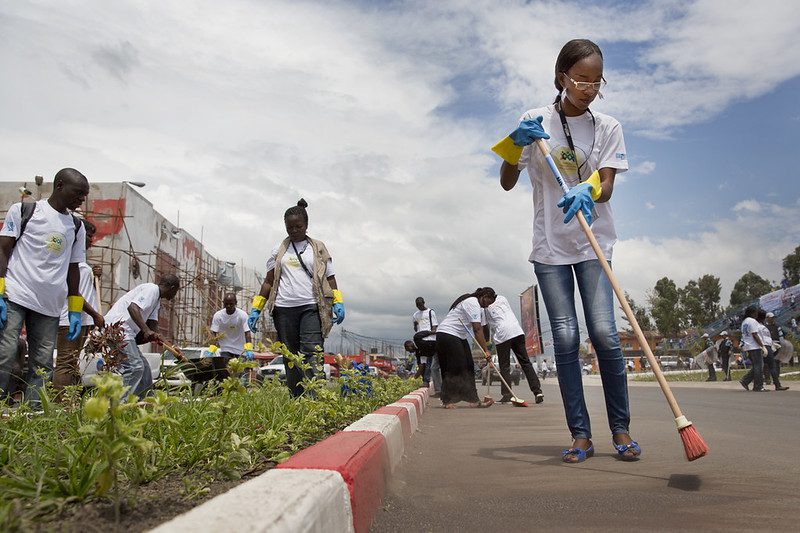
International volunteering is the process of completing unpaid work in a foreign, and often developing country in great need. It is an extremely diverse practice and includes teaching, environmental conservation, and supporting communities. This is an excellent practice to have a positive impact on the people and environment of the country.

One can view international volunteering and poverty reduction as two interrelated aspects. The practice has received great commemoration for its impact and success in addressing poverty. For example, the U.N. recognizes international volunteering with International Volunteer Day, celebrated every year on December 5. Despite this, it is not without its criticisms.

International Volunteering and Poverty Reduction

According to World Vision, about 9.2% of the world’s population (689 million people) live in extreme poverty and survive on less than $1.90 a day. Poverty has extensive repercussions including hunger and food insecurity, increased crime and child mortality rates, political instability and corruption. Many households that suffer from poverty are exposed to precarious situations. For example, they deal with exploitation due to their limited access to employment. Poor labor laws, insufficient political and trade-union representation and general economic issues are making this issue worse.

Oftentimes, in these low-income and developing countries, there is a lack of key public infrastructure including schools, hospitals, security services and social protection schemes for people to access. Even in areas where they do exist, there is no way for the poor and marginalized to engage with them.

Others have regarded international volunteers as an under-recognized yet essential source to support poverty reduction and service delivery in low-income countries. In a 2015 report, Voluntary Service Overseas (VSO) discovered how they play a significant role in “bridging the gap.” Not only do they add to the number of those working, but they also bring their own experiences to the workforce, helping to ensure that the services are relevant to those using them.

In Mozambique between 2004 and 2008, the number of those providing home-based care for AIDS patients increased from 17,170 to 99,122 because of international volunteers.

In Lesotho in 2015, international volunteers had the task to design and implement training programs for more than 400 youth leaders in an initiative that was volunteer-run. Using social media, the volunteers were able to teach the youth leaders how to establish their own platforms and engage with other young people, thus, creating a sustainable method of poverty alleviation.

In Burkina Faso, a partnership between the Ministry of Youth and Employment, the United Nations Development Programme (UNDP), United Nations Volunteers and France Volontaires had tremendous results. They established programs designed to target the employability of young people in the early 2010s. They mobilized more than 13,000 youth volunteers which gained many new competencies such as how to access information on gender issues and learn about labor market competitiveness. Overall, the program resulted in 66% of the youth gaining ‘decently paid jobs’ after.

Disadvantages of International Volunteering

Despite international volunteering having a fruitful impact on poverty reduction in low-income and developing countries, it has been receiving extensive criticism as well. Perhaps the most condemned aspect of going abroad to volunteer is the idea of ‘stealing’ local job prospects. Rather than prioritizing local needs, organizations place money, effort and energy into international volunteer programs where the volunteer’s experiences and activities are often more important to some. Furthermore, volunteers tend to be young and inexperienced, and thus, can hinder poverty reduction. Shannon O’Donnell, the author of the Volunteer Traveller’s Handbook, stated that ‘”there is no doubt that volunteer programmes shift jobs from locals to potentially less skilled labour.”

Another key disadvantage is the duration of volunteer projects. Although many organizations offer and promote long-term projects, most of them are short-term. This is mostly based on the volunteer’s ability and time available to commit to a project. Like the criticism above, these projects become ‘volunteer centric,’ creating an array of short-term placements which enable a constant flow of new volunteers. This means that the organizations put more effort into training them rather than actually supporting poverty reduction initiatives.

An interrelated criticism focuses on international volunteering projects which focus on poverty reduction for children. During their time, volunteers build deep connections and relationships with children. They might do this by supporting their education in schools through lessons or extracurricular activities, community events or even helping in orphanages, all of which prove how the existence of volunteers is beneficial on multiple levels. As a result, the departure of these volunteers at the end of their projects may lead to psychological and emotional consequences for the children. Stephanie Halksworth from ReSet stated how these consequences include a “sense of abandonment, invalidation and stagnation.”

Ethical Volunteering: The Future of Poverty Reduction

The disadvantages stated above of international volunteering question its ethics and how these may be skewed in favor of the volunteer. A new form of volunteering branded as ethical volunteering emerged in 2016 to address these concerns. Ethical volunteering ensures that volunteers are not only doing so for themselves but also providing aid in a responsible and sustainable way. With support from the U.N., such activities are relevant to poverty reduction and staying aligned with this cause.

Here are five ideals associated with ethical volunteering:

  • Making a sustainable impact
  • Contributing to community development
  • Interacting with the environment (including animals) responsibly
  • Personal development grounded in ethics
  • Gaining a global perspective

International volunteering can be a positive force for supporting communities and poverty reduction. Regardless, its core elements have received critics, something which hints at the need for a change within the practice. Ethical volunteering overcomes these considerations and represents the future of international volunteering for poverty reduction.

– Harkiran Bharij
Photo: Flickr

November 3, 2022
https://borgenproject.org/wp-content/uploads/borgen-project-logo.svg 0 0 Naida Jahic https://borgenproject.org/wp-content/uploads/borgen-project-logo.svg Naida Jahic2022-11-03 01:30:562022-10-31 11:04:16International Volunteering and Poverty Reduction
Global Poverty, Poverty Reduction

Poverty Reduction in China

Poverty Reduction in China
In 1949, China was one of the world’s poorest countries with only 10 countries having a lower GDP. Now, however, it received the classification of being a high-income status country, with 800 million people having risen out of poverty since the 1980s. In 2021, the Chinese government announced that it had eradicated absolute poverty in the country. As a result of this strong and sustained development, the globe has recognized poverty reduction in China as a success.

A Brief History of China’s Success

The number of people living in China with incomes less than $1.90 per day, which is the international poverty line as defined by the World Bank to help track global extreme poverty, has fallen down significantly. An important achievement, this represents a 75% global reduction of those living in extreme poverty. This significant reduction has enabled China to become a “moderately prosperous society in all respects,” with poverty reduction in the country a result of continued economic growth and reforms starting from the 1980s. Key developments across the decades include:

  • 1980-1990: From 1980 to 1990, rapid income gains occurred in agriculture including an increase in production, industries’ subsuming of far labor and the increase in quality and quantity of food consumption.
  • 1990-2000: In 1990-2000, industry became the prime focus of Communist Party Chairman, Deng Xiaoping, who deepened and widened the reforms in both the rural and urban areas. This involved furthering market-oriented reform for future development and Chinese prosperity.
  • 2000-2010: The years 2000 to 2010 saw dynamism within the country’s export-oriented coastal areas spread farther inland. Herein, rural-to-urban migration increased, investment in infrastructure grew and growing proportions of China’s land became economically integrated into global value chains. There was also an expansion of Chinese social policies, including the creation of a basic safety net for the rural population.
  • 2010-2020: From 2010 to 2020, China widened the social policies it implemented during the 2000s, something which led to a targeted poverty eradication campaign. However, transfers became a more important factor in poverty reduction than labor incomes.

Poverty Reduction Under Xi Jinping

Since becoming the leader of China in 2012, Xi Jinping implemented his own policies to attain further poverty reduction in China. The core action includes deploying funds to cover several areas such as financing for rural infrastructure, agricultural subsidies and discounted loans. Other strategies include:

  • Targeting households that are in need of support rather than whole villages and counties. These households include people who are ill, handicapped or destitute.
  • Moving away from conditional cash transfer programs and towards loans, wages and subsidies.
  • Targeting individuals and households for resettlement so that they have better opportunities at living a fulfilled life.

Human Capital Failure

Despite poverty reduction in China receiving worldwide recognition, there are still a significant number of people who remain vulnerable and live in poverty. Human capital, especially in rural areas, remains underdeveloped. This is due to deficient education, with 63% of students dropping out of school before they graduate high school. There is also the issue of malnutrition, health problems and lack of childhood development for children.

Not only does the lack of efficient human capital negatively impact the future of rural children and their families, but it also threatens the stable future of China, even derailing the country’s success in poverty reduction. Currently, around 70% of the Chinese labor force lacks a high school education. As the country moves towards an innovation-driven economy, something which began during the reform period, between 200 and 300 million working-age Chinese may become unemployable. As a result, this is something that China needs to address.

The Future

In August 2021, President Xi introduced the concept of common prosperity at the Central Committee for Financial and Economic Affairs with the aim of achieving it by 2050. He has referred to this term as being present when the incomes of low-income groups increase and there is societal fairness, balanced regional development and an emphasis on people-centered growth.

Common prosperity signals a new era for the country (ending the reform period), where socialist modernization receives recognition as pivotal for China’s continued poverty reduction. Along with focusing on the areas mentioned above, it seeks to address the perceived social ills which have stemmed and grown from capitalism and unchecked growth.

Common prosperity represents an optimistic future for poverty reduction in China. It shows the care and attention placed on social development, along with the continual attention directed to economic growth. President Xi hopes to make “solid progress” on this goal in 2035, and then to “achieve common prosperity by 2050.”

– Harkiran Bharij
Photo: Flickr

October 23, 2022
https://borgenproject.org/wp-content/uploads/borgen-project-logo.svg 0 0 Naida Jahic https://borgenproject.org/wp-content/uploads/borgen-project-logo.svg Naida Jahic2022-10-23 18:04:282022-10-28 15:02:58Poverty Reduction in China
Global Poverty, Poverty Reduction

Addressing Social Exclusion: Reducing Poverty in Nepal

Social Exclusion
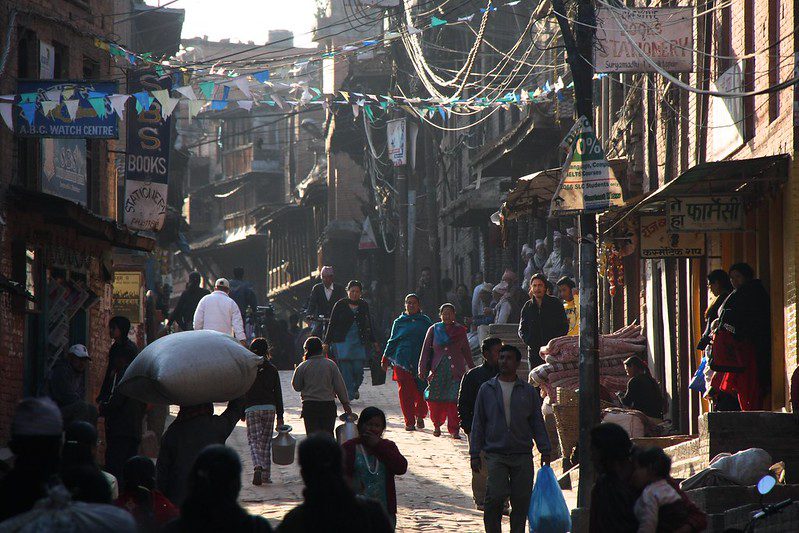
Despite the overwhelming loss due to earthquakes in 2015 and a near total economic seizure due to the halt in its cross-border trade with India in January 2016, Nepal reported one of the fastest poverty decline rates in the world particularly between 2003-2004 and 2010-2011. Between 1995–1996 and 2010–11, there was a 2.2 percentage point average yearly drop in the absolute poverty rate, bringing it to its present level of 25.2%. The significant increase in remittances sent by hundreds of thousands of Nepalis who have been working abroad since the late 1990s is the primary cause of the improvements in living conditions and the elimination of poverty and social exclusion. Both the quantity and the number of households in Nepal that receive remittances increased concurrently. From 1.3% of GDP in 1995 to 23% in 2010, remittances have grown in magnitude, and as of now, they account for 29% of GDP. The typical household income is now 16% remitted, up from 6% in 1995–1996.

The Complex Relationship Between Social Exclusion and Poverty

However, as evidenced by the low level of human development indices, inequality due to social exclusion demonstrates that poverty in Nepal also has inextricable links to a lack of access to the very resources required for overcoming it. A Hindu-dominated society, it has excluded four groups of people — Dalits, Madheshi or Terai people, ethnic/indigenous people and women —- from the contemporary development process be it political, economic or socio-cultural exclusion. Here are four ways that social exclusion and poverty interconnect in Nepal.

4 Facts About How Social Exclusion and Poverty Interconnect in Nepal

  1. Disparities in the prevalence of poverty in Nepal and measures of human development are one way that caste-based social exclusion takes shape. The highest caste group, the Brahmins, has a significantly lower poverty rate than the lower caste groups, who lack opportunities in all spheres of life (cultural, social, political and economic). For instance, the literacy rate for the lowest caste is barely half of that for the upper caste groups with the life expectancy of the latter being six years more than the lowest caste at 51 years. Consequently, the rate of absolute poverty is 15 times higher in the lowest-caste groups than the national average.

  2. The most glaring example of social exclusion based on ethnicity is poverty, which affects ethnic minorities like the Limbus, Tamangs, Magars, Tharus, Musahars and indigenous groups much like Chepangs and Raute more frequently than the general population as a whole. However, the Newars, who mainly inhabit the Kathmandu valley and other urban areas, have the lowest rate of poverty.

  3. The Madhesi people have continuously experienced marginalization and exclusion from political, administrative, governance, policy development and decision-making processes. This has resulted in continual issues with citizenship, identity, language and their own home territory. The Madhesi people experience extreme discrimination and have almost forgotten what it is to “belong to this nation.” Paradoxically, though, the Madhesi and Terai (referred to as the main economic hub of Nepal by Gaige (1976) community’s exile from the national mainstream has been detrimental to the nation’s steady economic growth.

  4. The situation is even more alarming for women from the lowest castes, where the literacy rate is only 7% and other social indices also show low scores. Due to their low position within their own group, Dalit women are even more disadvantaged. For instance, estimates have indicated that almost all Dalit women are living below the official poverty threshold. Discrimination, indifference and violence have links to exclusion.

 Actions to Promote Social Inclusion

The Muluki Ain Civil Code of 1854 made the extremely rigid and hierarchical caste structure legal and gave the Adivasi Janajatis (non-Hindu indigenous ethnicities) a middle-rank position within the system. In 1963, Nepal legally outlawed caste-based discrimination. The government has taken action to increase Dalit involvement in local and national governance mechanisms through legislation and initiatives. Additionally, following the political shift in 2007, the inclusion of women continued to rise.

Even though the Panchayat rule put little effort into the integration of women, women’s representation in politics increased significantly. With the rise of modern under-grounded parties, the sixth amendment to the law code in 2033 B.S. granted some rights to women. By prohibiting child marriage and polygamy, Nepal made changes to the law governing women’s property, Anshabanda (the division of property among/among those legally entitled to it), women’s trafficking, prostitution and rape, among other things. A provision of 5% women candidates for parliamentary and 20% women representatives from each ward level became obligatory alongside the provision of at least 33% of women participation in legislative parliament.

The Constitution attempted to end all forms of discrimination based on national origin, race, caste, tribe, sex, economic circumstance, language, religion, ideology or any other basis, and it guaranteed equality before the law to all Nepalese citizens. Discrimination is illegal, and those who are the victims of it may seek restitution. By gathering better-disaggregated statistics and information on the effects of various forms of discrimination on the rights of different groups, Nepal devoted itself to combating inequality and discrimination. As a result, it developed suitable laws, policies and programs.

Conclusion

With regard to the domestication of the Convention and its successful application, Nepal had made a number of remarkable advancements, most notably through the adoption of a federal, democratic and republican Constitution in September 2015 and the establishment of local governments. Indicators of poverty and human development have been improving nationally, although there are still some disparities based on caste, ethnicity, location and gender. Although the government is succeeding in its mission to end poverty by addressing and reversing social exclusion, more is necessary to remove prejudice towards these communities on a societal level.

– Karisma Maran
Photo: Flickr

October 21, 2022
https://borgenproject.org/wp-content/uploads/borgen-project-logo.svg 0 0 Naida Jahic https://borgenproject.org/wp-content/uploads/borgen-project-logo.svg Naida Jahic2022-10-21 14:49:162022-10-28 14:48:19Addressing Social Exclusion: Reducing Poverty in Nepal
Global Poverty, Poverty Reduction

Progress Towards Poverty Reduction in Cambodia

Poverty Reduction in Cambodia
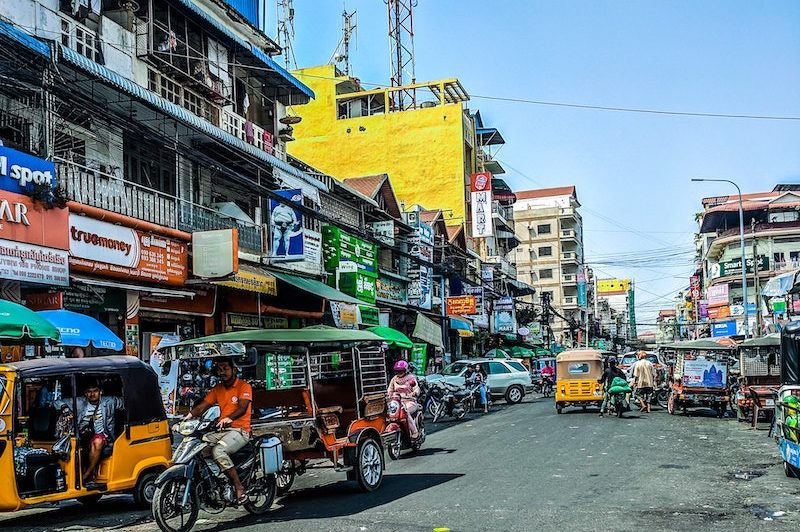
Cambodia’s economy has improved drastically over recent years, and this growth has followed a considerable poverty reduction in Cambodia. According to a study by Asian Development Bank (ADB), the national income per capita increased from $250 in 1998 to $795 in 2008. Furthermore, Cambodia’s economy sustained an average annual growth rate of 7.7% between the years 1998 and 2019, setting a record high for developing nations around the world.

Garment Industry

Cambodia’s economy solely rests upon its agriculture industry, tourism, garment production industry and construction industry. The garment industry, in particular, has boomed in recent years and contributed heavily to the nation’s economic development. For example, 40% of garments that the European Union (EU) receives come from Cambodia. This number totals 30% for the United States, 9% for Canada and 4% for Japan. Multinational brands such as Adidas, Gap, H&M, Marks and Spencer and Uniqlo have garment factories located in Cambodia. Furthermore, the garment production sector in Cambodia has employed more than 600,000 Cambodians and accounts for more than 16% of the national gross domestic product (GDP).

Strides in Public Health

Development in other fields, such as public health, has followed poverty reduction in Cambodia. According to the World Bank, the nation’s life expectancy has also increased from 58 years in 2000 to 70 years in 2020. The under-five mortality rate decreased from 106.3 per 1,000 live births in 2000 to 26.6 per 1,000 live births in the year 2019. The national government is buckling down on its commitment to the Health Equity and Quality Improvement Project (H-EQIP). The project, issued in 2016, has a commitment to implementing better health care for all Cambodian citizens.

The Cambodian Ministry of Health (MOH) has also initiated special services to help underserved communities and regions within the nation. An example of this is the voucher program for women’s reproductive services. Through the program, grants go to referral hospitals across the nation to help them better serve those in need. In addition to such programs, USAID has worked in Partnership with Cambodia in the last five years to further its public health systems. USAID has helped to train medical staff in tuberculosis management information systems in 47 hospitals across the nation. USAID has also distributed more than 37,000 mosquito nets to dengue and malaria-prone areas in Cambodia.

Future Strategies

Going forward, the Cambodian government has future plans to further eliminate poverty within their nation. The Cambodia Sustainable Development Goals 2016-2030, National Poverty Reduction Strategy 2003-2005 and the National Strategic Development Plan 2019-2023 are all key cornerstones for Cambodia’s development. The key focus of poverty reduction initiatives has roots in implementing better social protection, ensuring equal access to economic resources and protecting ownership over land and property – three pillars that can support poverty reduction in Cambodia.

Attending to Infrastructural Gaps

The World Bank Group’s work in Cambodia has a focus on adopting a rectangular strategy for development. The World Bank Group plans to address issues such as a lack of human capital, infrastructural gaps and limited professional development programs in Cambodia. A prerequisite for these goals is improving access to education in Cambodia, which in itself can be an antidote to poverty. Since 2016, 97.7% of all Cambodian children have attended school. Furthermore, student drop-out rates have plummeted both in cities and rural areas. These are all positive signs of progress that depict further poverty reduction in Cambodia.

Given the multilateral development that has taken place in Cambodia in the last decade, the nation has surpassed the lower middle-income tier and is now on its way to becoming an upper-middle-income nation by 2030. With sustained effort, collaboration and attention to infrastructural development, Cambodia has the potential to further its economy whilst eradicating poverty within its borders.

– Samyudha Rajesh
Photo: Unsplash

October 20, 2022
https://borgenproject.org/wp-content/uploads/borgen-project-logo.svg 0 0 Naida Jahic https://borgenproject.org/wp-content/uploads/borgen-project-logo.svg Naida Jahic2022-10-20 01:30:522022-10-14 15:19:42Progress Towards Poverty Reduction in Cambodia
Global Poverty, Poverty Reduction

Lessons From Venezuela’s Plan Bolivar 2000

Plan Bolivar 2000
Venezuela is facing a grave humanitarian emergency, with the National Survey of Living Conditions finding that about three-quarters of the population live in extreme poverty in 2021. Unemployment is spreading, public services and basic supplies are scant and hyperinflation is lingering. Critics blame President Nicolás Maduro for driving Venezuela’s once-promising oil-led economy to a failed petro-state. On top of economic mismanagement, Maduro’s government oversees “brutal policing practices,” jailed political opponents and “poor prison conditions,” giving way to an escalating refugee crisis with around 5.5 million Venezuelans fleeing the country since 2014, according to data from October 2020. The circumstances today are a far cry from about 20 years ago when the government aimed to reduce poverty in Venezuela through a project called Plan Bolivar 2000. Though the project came to a premature end, the lessons from Plan Bolivar 2000 can guide future poverty reduction programs in Venezuela.

Plan Bolivar 2000

Launched in February 1999, newly-elected president Hugo Chavez developed Plan Bolivar as part of a mission to engage the national military in anti-poverty activities and pull the country out of the recession. Plan Bolivar included efforts from the Air Force to provide free travel to those urgently in need while the Navy helped to fix refrigerators and established fishing cooperatives. The National Guard engaged in policing and constructing homes for the impoverished and soldiers gave mass vaccinations and food distributions. Literacy programs also formed part of Plan Bolivar 2000.

Plan Bolivar 2000 saw success in its first year — the program’s efforts led to the reparation of “thousands of schools, hospitals, clinics, homes, churches and parks.” More than 2 million disadvantaged people “received medical treatment” and more than 2 million children received crucial vaccinations, among other successes, Venezuelanalysis.com said. The Venezuelan government also reported increases in literacy.

The Flaws in the Plan

The program placed a significant amount of money in the hands of the military. Chavez’s $114 million fund for Plan Bolivar 2000 gave officials a newfound sense of power — In 2018, Venezuelan officials arrested General Victor Cruz Weffer, the army commander overseeing the program, on charges of illicit enrichment through offshore accounts.

Chavez canceled Plan Bolivar in 2002, intending to divert money away from the military and toward “allies in mayoral and state offices.” This spurred a small group of high-ranking military officers to briefly arrest Chavez, who, upon release, “purged the [military’s] top ranks” and diluted the power of the Defense Ministry.

Chavez filled the Ministry with officials who supported his leftist ideals and gave them access to cabinet posts as well as control of banks. He also forced military officials to pledge allegiance to him, appointed numerous “military officials to helm agencies” across the country and named countless “new flag officers” – a practice that his successor Maduro continued after taking power in 2013. According to Venezuelan NGO Citizen Control, by 2017, “active and former military figures had held as many as half of Maduro’s 32 cabinet posts.”

Lasting Effects

These actions confused the military hierarchy and created a “jumbled and partisan chain of command,” according to a Reuters investigation. Top officials spend more time pleasing the Socialist Party and commanding troops through civic duties than they do organizing military affairs.

With intelligence agents embedded in the military, many officers fear speaking out against Maduro and the possibility of facing arrest. This, paired with the high pay and power positions that top officials receive, means that the military’s loyalty to Maduro is strong and unfading.

Armed forces make up a significant part of Maduro’s support, with many officers doubling as ministers or holding other influential positions in his government. Despite his economic mismanagement and human rights violations, which led to “more than 20 countries [recognizing] opposition leader Juan Guaidó as interim president” by January 2019, Maduro remains in power.

Humanitarian Efforts to Help Venezuela

World Vision is assisting Venezuelans who have fled to Colombia, Ecuador, Peru and Brazil, through its Hope Without Borders project. Refugees receive food, shelter, medicine and hygiene kits as well as psychological assistance through child-friendly spaces. As of June 2021, World Vision had provided assistance to more than 71,000 Venezuelan refugees.

Key Takeaways From the Plan

Due to years of corruption and military bloating, Plan Bolivar 2000 failed. However, its early years saw numerous successes across the country, with the military standing as a force for good in providing education, housing and health care to those in need. As Venezuela suffers now more than ever, it can consider Plan Bolivar’s success, as well as the reasons for its failure, as a lesson to inform future poverty alleviation programs.

– Imogen Scott
Photo: Wikimedia Commons

October 8, 2022
https://borgenproject.org/wp-content/uploads/borgen-project-logo.svg 0 0 Naida Jahic https://borgenproject.org/wp-content/uploads/borgen-project-logo.svg Naida Jahic2022-10-08 01:30:162022-10-06 20:15:01Lessons From Venezuela’s Plan Bolivar 2000
Global Poverty, Poverty Reduction

Politics and Poverty Reduction in Bolivia

Poverty Reduction in Bolivia
Although Bolivia does show signs of growth, economic and political difficulties have marred its few successes. In addition to having one of the highest rates of poverty in South America, corruption, political persecution and the ongoing COVID-19 pandemic hamper Bolivia. These issues distract from efforts to improve the lives of the nearly 4 million Bolivians living in poverty in 2018, politicizing programs like the “Patriotic 2025 Bicentennial Agenda” which is supposed to work toward the 2030 Sustainable Development Goals (SDGs). Thus, the very people who should be ending poverty are hampering poverty reduction in Bolivia.

Corruption in Bolivia

With Bolivia experiencing political turmoil, its politicians have often squandered the limited resources available to the nation. In 2017, ex-president Evo Morales built a $7 million museum dedicated to himself in the town of Orinoca, where 90% of the population lives below the poverty line. Interim-president Jeanine Añez’s brief administration included several examples of corruption, with both her Interior Minister and Health Minister receiving a charge of graft, the latter making a profit off of government-bought ventilators during the pandemic.

This has meant that funds intended to fight poverty in Bolivia have disappeared. A 2021 evaluation of the previous year’s government budget found that actual spending on public programs was always significantly lower than the expected amount, suggesting widespread corruption. The budget has also seen a decrease in funds appropriated for public services, further hampering anti-poverty efforts. Given this, Bolivia has been incredibly fortunate to see its poverty rate decline as dramatically as it has over the last 10 decades, but this is mostly due to an unsustainable boom in oil and natural gas. Institutional weaknesses thus present a major challenge to an economy reliant on volatile resource extraction.

Protests in Bolivia

Deepening Bolivia’s woes are the ongoing dispute between Bolivia’s socialist party, Movimiento al Socialismo (MAS), and the country’s opposition parties. In 2019, protests erupted over whether incumbent socialist president Evo Morales could run for an unconstitutional fourth term, as well as the fraudulent nature of the election which gave him a sweeping victory. Following MAS’ return to power in 2020 after an interim government, and the election of Morales’ ally Luis Arce as President, many of those that participated in the interim government received charges of sedition. This includes President Jeanine Añez, who received a 10-year sentence in prison for staging a “coup” despite not having involvement with the 2019 protests. The upheaval and resources wasted on these political fights have ground Bolivia’s economic growth to a halt, with the pandemic only accentuating the country’s dire situation.

The International Response

These breaches of democracy have also drawn the attention of other international actors, straining Bolivia’s already tense geopolitical situation. President Arce attacked the Organization of American States (OAS) for interfering with the 2019 elections, to which the OAS responded by reaffirming it only documented instances of fraud and was concerned about the persecution of MAS’ political opponents. Similarly, the European Union and the U.S. State Department have expressed disapproval over the politically motivated imprisonments.

All of this prevents international aid from reaching the struggling nation, handicapping efforts to fight poverty in Bolivia. Following President Morales’ election in 2005, he expelled the U.S. ambassador and rejected assistance from USAID, permanently removing the latter by 2013. Morales chose to focus on short-term economic growth and reducing inequality, leveraging the country’s oil and gas resources to make significant reductions in the poverty rate by 2015. However, it is uncertain whether Bolivia’s extraction-based economy will be successful in the long run, or whether it made a mistake in shutting the door to aid.

Poverty Reduction in Bolivia

Even amid economic and political uncertainty, progress is occurring to promote poverty reduction in Bolivia. President Luis Arce’s government has seen a reduction in the extreme poverty rate from 13.7% to 11.1% in 2021, suggesting the economy might be rebounding after the pandemic. In addition, the yearly ‘National Report’ emphasizes Bolivia’s commitment to 13 ‘pillars’ of development, including the end of extreme poverty and investment in public health. With the report stressing Bolivia’s commitment to the 2030 Sustainable Development Goals (SDGs), fighting poverty may be making a comeback in public policy.

– Samuel Bowles
Photo: Unsplash

September 12, 2022
https://borgenproject.org/wp-content/uploads/borgen-project-logo.svg 0 0 Naida Jahic https://borgenproject.org/wp-content/uploads/borgen-project-logo.svg Naida Jahic2022-09-12 01:30:192024-05-30 22:30:06Politics and Poverty Reduction in Bolivia
Global Poverty, Poverty Reduction

The Success of Poverty Reduction in Cambodia

poverty reduction in Cambodia
Over the last decade, poverty reduction in Cambodia has successfully reached and exceeded governmental goals. Significant economic growth and an increase in earnings allowed Cambodia to reduce poverty by more than half since 2009.

History of Poverty and Instability in Cambodia

In the 1970s, the Khmer Rouge, a communist movement, took control of Cambodia. Through a five-year civil war, it was able to gain control of the country, maintaining control for the following four years.

The ultimate goal of the Khmer Rouge was to transform Cambodia into an entirely agrarian state, and it did this by slaughtering anyone perceived to be an intellectual and by emptying the country’s cities. The Khmer Rouge movement killed hundreds of thousands of Cambodians during the four-year period that Khmer Rouge had control, and even more people died from disease or starvation.

Despite a short four-year reign for the Khmer Rouge, 30 years of violence and instability followed. Cambodia now had to recover from a massive genocidal effort, the effects of which resulted in as much as 40% of the population still in poverty by 2009.

Poverty Reduction Efforts

Following the fall of the Khmer Rouge, Cambodia underwent the daunting task of reopening itself to the international market and rebuilding its governmental structure. According to the World Bank, “Cambodia’s open borders to international trade and investment have helped attract foreign direct investment to support manufacturing, construction, and tourism.” Such efforts have resulted in consistent economic growth.

The Cambodian government has committed to revising its poverty line procedure every 15 years. This is necessary because rapid economic growth requires consistent reevaluation of poverty standards and allows the government to better monitor poverty reduction in Cambodia. The current poverty line requires someone to earn less than $2.70 a day to be considered in poverty.

Additionally, a new cash transfer program launched in June 2020, benefitting around 2.8 million Cambodians. This program demonstrates the continuous and novel efforts of the Cambodian government toward once again creating economic and political stability throughout.

Poverty Reduction Effects

As a result of the aforementioned efforts, around 17.8% of the Cambodian population was in poverty as of 2020, compared to 40% in 2009. This means that in just over a decade, poverty in Cambodia has reduced by more than half.

The Cambodian government has successfully exceeded its poverty reduction goals. While it committed to an annual 1% decrease, it has achieved an annual 1.6% decrease.

Quality of life factors has also improved. According to the World Bank, “from 2000 to 2017, life expectancy increased from 58 years to 69; the under-five mortality rate decreased from 107 to 29 per 1,000 live births; and primary school completion rate increased from 51% to 90%.”

Efforts in poverty reduction in Cambodia over the past decade have been overwhelmingly successful. A combination of international trade and government oversight has allowed for economic growth within Cambodia, increasing stability for those living there. The results reflect significant reductions in poverty across the country.

– Eleanor Corbin
Photo: Flickr

September 9, 2022
https://borgenproject.org/wp-content/uploads/borgen-project-logo.svg 0 0 Jennifer Philipp https://borgenproject.org/wp-content/uploads/borgen-project-logo.svg Jennifer Philipp2022-09-09 07:30:592022-09-07 06:41:14The Success of Poverty Reduction in Cambodia
Global Poverty, Poverty Reduction

Sunflower Production in Tanzania Reduces Poverty

Sunflower Production in Tanzania
Tanzania is among the top 10 nations producing the most sunflower oilseed with an output of 350,000 tons per year. Sunflower oilseed has many commercial uses — it can be used as an ingredient in cosmetic products as well as medicines and can serve as a cooking oil. According to a research paper, in 2013, the national sunflower trade produced 32% of Tanzania’s edible cooking oil. This trade also provides 35% of Africa’s and 2.4% of the world’s sunflower production. Small-scale farmers dominate sunflower production in Tanzania — about 24 million residents engaged in the industry in 2016. As such, sunflower production in Tanzania has the potential to improve the welfare and livelihoods of low-income households.

The Sunflower Industry in Tanzania

Because the flower grows well in a dry land where other crops cannot, this plant is grown across the nation. However, there are obstacles that prevent farmers from benefiting from the full potential of sunflower production, resulting in lower quality and productivity of the plant, and thus, low return on investment. These include inadequate farming machinery and restricted access to value-added markets and services.

A 2020 research paper stated that the gross profit margin of sunflower farming in the Iramba district of Tanzania is $18.71 per acre with a Return on Investment of 16% per acre. However, in its poverty analysis, the study found that income from sunflower farming could not meet the international poverty line of $1.90 per day, equating to daily per capita earnings of only $0.07, which falls significantly short. Therefore, although sunflower production in the Iramba district remains a popular trade, 52% of households in the district live in poverty, earning an average of 85,125Tsh per month ($38.5 monthly).

Involving Women and Youth

The Tanzanian government has encouraged the involvement of women and youth in sunflower commercialization through government policy to provide more opportunities in the workforce and alleviate poverty among these groups. However, other factors limit their ability to fully participate in this market, such as a lack of financial capital and restricted access to land.

As Future Agricultures stated that “Land access problems among women and youth in Tanzania are, for instance, largely the result of cultural restrictions on the ownership of ancestral land. Regarding financial capital, women and youth cannot access loans from commercial banks because of their low ownership of assets used by banks as collateral.”

This results in stark contrast of participation and productivity levels across age and gender. Only 22% of young farmers take part in sunflower production in Tanzania as opposed to 78% of older farmers. Although a high percentage of female-led households are participating in sunflower farming, only a fraction of these households include young female farmers. In addition, older female farmers sell significantly fewer quantities of sunflowers as opposed to older male farmers, at 65% and 71% respectively.

Solutions

The United Nations Industrial Development Organization (UNIDO) has been working in collaboration with Tanzania’s Ministry of Industry and Trade since 2012 to reform the nation’s agro-industry and strengthen the value of local goods, including sunflower oil, in the national and international markets.

UNIDO international experts working together with national consultants have provided enterprises with diagnostic services and aid in upgrading and modernizing the production process. This includes business consults that advise producers to form clusters and jointly invest in marketing actions and storage facilities that will result in higher competitiveness and productivity. In addition, UNIDO is collaborating with various organizations to increase access to modern machinery.

However, to reach and assist women and young farmers in this trade, it is evident that policymakers in Tanzania must support policies that increase resource access among these groups, specifically agricultural land and financial capital.

Looking Ahead

Sunflower production in Tanzania is a popular trade with great potential. However, the country must take additional steps to significantly lower levels of poverty in the nation. Farmers are unable to receive the full benefits of this crop due to outdated machinery and limited access to lucrative markets. Women and young farmers in particular face greater obstacles when joining the trade. However, by working to improve resource access, sunflower productivity and competitiveness can increase and begin to lift many households out of poverty.

– Kimberly Calugaru
Photo: Flickr

June 19, 2022
https://borgenproject.org/wp-content/uploads/borgen-project-logo.svg 0 0 Kim Thelwell https://borgenproject.org/wp-content/uploads/borgen-project-logo.svg Kim Thelwell2022-06-19 01:30:022022-06-17 10:32:33Sunflower Production in Tanzania Reduces Poverty
Page 16 of 63«‹1415161718›»

Get Smarter

  • Global Poverty 101
  • Global Poverty… The Good News
  • Global Poverty & U.S. Jobs
  • Global Poverty and National Security
  • Innovative Solutions to Poverty
  • Global Poverty & Aid FAQ’s
Search Search

Take Action

  • Call Congress
  • Email Congress
  • Donate
  • 30 Ways to Help
  • Volunteer Ops
  • Internships
  • Courses & Certificates
  • The Podcast
Borgen Project

“The Borgen Project is an incredible nonprofit organization that is addressing poverty and hunger and working towards ending them.”

-The Huffington Post

Inside The Borgen Project

  • Contact
  • About
  • Financials
  • President
  • Board of Directors
  • Board of Advisors

International Links

  • UK Email Parliament
  • UK Donate
  • Canada Email Parliament

Get Smarter

  • Global Poverty 101
  • Global Poverty… The Good News
  • Global Poverty & U.S. Jobs
  • Global Poverty and National Security
  • Innovative Solutions to Poverty
  • Global Poverty & Aid FAQ’s

Ways to Help

  • Call Congress
  • Email Congress
  • Donate
  • 30 Ways to Help
  • Volunteer Ops
  • Internships
  • Courses & Certificates
  • The Podcast
Scroll to top Scroll to top Scroll to top