• Link to X
  • Link to Facebook
  • Link to Instagram
  • Link to TikTok
  • Link to Youtube
  • About
    • About Us
      • President
      • Board of Directors
      • Board of Advisors
      • Financials
      • Our Methodology
      • Success Tracker
      • Contact
  • Act Now
    • 30 Ways to Help
      • Email Congress
      • Call Congress
      • Volunteer
      • Courses & Certificates
      • Be a Donor
    • Internships
      • In-Office Internships
      • Remote Internships
    • Legislation
      • Politics 101
  • The Blog
  • The Podcast
  • Magazine
  • Donate
  • Click to open the search input field Click to open the search input field Search
  • Menu Menu

Archive for category: Poverty Reduction

Information and stories about poverty reduction.

Global Poverty, Politics, Poverty Reduction

How Poverty Reduction Strengthens Social and Political Stability

Social and Political Stability
Poverty plays a primary role in many of the social and political issues visible around the world. Considering this, global poverty reduction stands as the solution to strengthening social and political stability worldwide.

The Connection between Poverty and Instability in Nepal

Nepal, a country in South Asia, stands as a strong example of how poverty connects to social and political instability. For much of its modern existence, Nepal has seen a steady stream of political instability and violence, visible in tragic events such as the Nepalese Civil War that lasted from 1996 to 2006 and many other political uprisings. While some of this instability links to Nepal’s historically weak governance, studies show a strong correlation between the nation’s poverty and political violence.

According to a research article by Lauren C. Griffin published in 2015, about 25% of people in Nepal survived on less than $2 per day. The history of extreme poverty in the nation opened the door for instability and violence in many ways. For instance, the Maoist insurgency beginning in 1996 led to Maoists taking over the education system to perpetuate their terror and recruiting impoverished people with grievances against the government to join the cause.

Because many of the Nepalese are trapped in this cycle of poverty with their basic needs going unmet, it is easier for political instability and radical terrorism to take hold. By helping to raise the quality of life and access to decent wages and education in Nepal, not only would residents be able to rise out of poverty but the country’s ever-present political and social chaos would be curtailed as well, says Griffin.

There is a broader consensus that helping to promote political stability and to solve social and political issues like those found in Nepal is one important way to fight poverty. “Regions that are afflicted with problems of poverty are more likely to experience crises and instability, and the reverse is also true,” said Dr. Ritu Lauter, a professor of International Studies and Political Science at Peninsula College in an interview with The Borgen Project. “When poverty rates are low, you are likely to experience more political stability… People in free and open societies are likely to fare better in life on all sorts of indicators of human security and well-being. Consequently, there is less likelihood of social and political upheaval and unrest.”

Women’s Rights and Access to Education

The prevalence of poverty typically impacts issues such as women’s rights and opportunities and access to education. Without regard for women’s rights and educational opportunities, cycles of generational poverty only continue. Dr. Lauer understands the importance of ending global poverty in order to find solutions to these issues. “Global poverty is associated with negative outcomes in all areas of life, be they social, economic or political,” she said in her interview with The Borgen Project.

“With more access to wealth come more opportunities to have a higher standard of living and a more comfortable lifestyle. When survival is not the only goal and societies have more resources available, investments in human development are more likely, thus supporting higher literacy rates and gender equality.”

According to the United Nations Educational, Scientific and Cultural Organization (UNESCO), “If all students in low-income countries had just basic reading skills (nothing else), an estimated 171 million people could escape extreme poverty. If all adults completed secondary education, we could cut the global poverty rate by more than half. ” Recognizing the importance of education in reducing poverty, the U.N. declared high-quality education one of its 17 Sustainable Development Goals for 2030, with the overall objective of reaching zero poverty.

The Potential Impact of Support

According to Oxfam, a significant majority of the global adult population living in poverty are women. These women face numerous obstacles in their efforts to escape poverty, including low wages and precarious working conditions. Providing these women with access to resources that can uplift them out of poverty not only benefits them individually but also contributes to the overall development of their impoverished nations.

For instance, women represent 45% of the agricultural workforce in developing countries. When women are given more opportunities, such as improved access to education and other resources to support their careers, it leads to better community nutrition outcomes and more efficient management and preservation of local natural resources, as stated by Global Citizen. Additionally, safeguarding women from violence and political oppression plays a crucial role in reducing poverty rates in any given region, fostering social stability, and promoting community growth.

Action to Address Social Issues

Work is already underway to end global poverty by addressing social issues like these. For example, a U.K.-based charity called the Nepal Education Foundation (NEF) is focusing on improving primary education in Northern Nepal. Not only does the NEF work to provide educators and schools with the resources and support needed but it also works with local communities in Nepal to “construct classrooms, toilets and playgrounds.” The NEF also helps with curriculum development.

Dress for Success, established in 1997, is a large nonprofit that works in more than 20 countries to empower women with resources and skills to attain economic self-sufficiency, enabling them to rise out of poverty. Dress for Success provides this support for impoverished women in several ways, including helping poorer women find outfits for job interviews and hosting programs that teach women leadership skills that will help them thrive in their employment endeavors and in life.

So far, the organization has helped more than 1.3 million women move toward self-sufficiency and independence. The efforts of Dress for Success not only help individual women prosper economically but trickles out into broader prosperity for whole communities and countries as a whole.

As the fight against global poverty continues, it is important to remember how improving political stability and social issues benefits not only individuals and their countries but the peace and prosperity of the world as a whole. Be it by promoting political peace, or by providing educational access to children and protecting women’s rights, the whole world benefits from global poverty reduction.

– Elijah Beglyakov
Photo: Flickr

July 1, 2023
https://borgenproject.org/wp-content/uploads/borgen-project-logo.svg 0 0 Kim Thelwell https://borgenproject.org/wp-content/uploads/borgen-project-logo.svg Kim Thelwell2023-07-01 01:30:182023-07-17 02:32:28How Poverty Reduction Strengthens Social and Political Stability
Poverty Reduction

How to Help Sri Lanka

Support for Sri LankaAccording to The World Bank, poverty rates in Sri Lanka have doubled between 2021 and 2022, rising from 13.1% to 25.0%. Within a year, 2.5 million people have fallen into poverty, leading to reduced spending in crucial areas like health care and education. This increase in multidimensional poverty necessitates immediate attention, as inflation stands at approximately 46%. While the country’s economic outlook may be dim, global organizations such as the United Nations International Children’s Emergency Fund (UNICEF) and the United Nations (U.N.), alongside local initiatives like Prithipura Communities, offer avenues for support and assistance through various fundraisers and campaigns.
Prithipura Communities

Established in 1964, Prithipura Communities is an NGO in Sri Lanka originally focused on aiding disabled children. Over the years, its scope has expanded to support children and families affected by the country’s social, political and economic challenges. Presently, Prithipura is actively involved in the “Cost of Living Crisis Appeal” project, accepting donations to provide food, education and health care services to those in need. The organization also offers opportunities for volunteering, providing assistance with visas for those willing to contribute on-site. Additionally, corporations such as The Emirates Airline and Maze have formed partnerships with Prithipura Communities, contributing to efforts.

UNDP Sri Lanka

The development program of the U.N. (UNDP) Sri Lanka has launched a crowdfunding platform called “Rebuild Sri Lanka” with the aim of reconstructing the country’s infrastructure. Through this initiative, individuals can donate and support the health care and food sectors. Furthermore, the UNDP provides farmers with seeds and farming equipment to enhance the agricultural supply chain. The campaign has garnered support from various corporate institutions such as Hema Holdings PLC, Dilmah Ceylon Tea Company, Brandix Apparel Limited, Citi Foundation and Amana Bank. UNDP Sri Lanka also offers career opportunities and regular updates for those interested in contributing to the cause. 

UNICEF Sri Lanka

With nearly half of Sri Lanka’s children requiring humanitarian assistance, UNICEF plays a vital role in child care and positive impact. Through its Sri Lanka branch, it provides opportunities for individuals worldwide to support the country. Donations made through the organization’s website directly contribute to helping children in Sri Lanka thrive and reach their full potential. Additionally, people can sign petitions, volunteer and spread awareness through social media. UNICEF’s current mission aims to raise $25 million to assist 1.7 million children in the country.

Looking Ahead

Sri Lanka’s multidimensional poverty crisis demands urgent attention and international support. Organizations like UNICEF, the U.N. and Prithipura Communities are exemplary leaders in driving positive change. Other avenues for support include Give2Asia, WFP and Red Cross Sri Lanka, which offer accessible projects and initiatives online. By offering guidance and opportunities to help Sri Lanka, these organizations foster unity, compassion and progress on a global scale.

– Sebastián Garcés
Photo: Flickr

May 17, 2023
https://borgenproject.org/wp-content/uploads/borgen-project-logo.svg 0 0 Naida Jahic https://borgenproject.org/wp-content/uploads/borgen-project-logo.svg Naida Jahic2023-05-17 23:05:522023-06-07 13:12:26How to Help Sri Lanka
Poverty Reduction

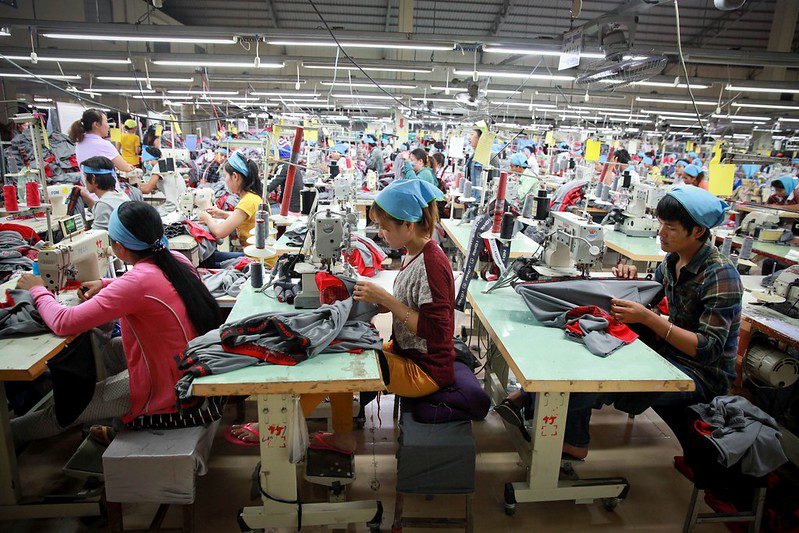
How Fair Trade Fashion Reduces Poverty

Fair Trade Fashion and PovertyThe concept of sustainability and living sustainably has gained momentum in recent times, especially in terms of conscious living to eradicate human rights violations in the workplace. Alleviating global poverty is linked to making ethical and sustainable life choices, such as purchasing fair trade fashion and tackling the problems of overconsumption and inequality within the system of capitalism.
Fast Fashion and Poverty Perpetuation

From 2000 and 2010, global clothing consumption doubled from 100 billion to 200 billion pieces per year, leading many fashion outlets to shift their focus from producing high-quality, long-lasting items to cheaply made, disposable ones that can be sold at lower costs, thereby boosting competitiveness and profits. However, this overconsumption of goods such as fast fashion clothing has led to worker exploitation, as brands must produce items at faster rates.

Fast fashion companies have increasingly relied on unethical modes of production, such as sweatshops that subject workers to poor conditions and unfair wages, since the rise of cheaper fashion at the end of the 20th century. Even in the poorest countries of the world, where child protection laws and regulations are lacking, fast fashion brands continue to rely on child labor to maximize profits, depriving children of the opportunity to gain the education that can help them escape poverty in the future.

Reducing Poverty

Over the past decade, a growing body of research has demonstrated the perils of the fast fashion industry, sparking increased discussion around fair trade fashion. Brands that prioritize fair trade practices typically provide greater transparency regarding their supply chains than their fast fashion counterparts, thereby assuring consumers of no participation in worker exploitation of people who live in poverty. While fair trade fashion items may carry a higher price tag, they generally boast higher quality and a longer lifespan. More significantly, they guarantee better working conditions for those involved in the supply chain, as the money spent flows down to the bottom. The Fair Trade movement promotes equitable wages and opportunities in impoverished countries like Tanzania, India and Sri Lanka, helping to uplift people and alleviate poverty.

Fair Trade Fashion in Action

People Tree, a U.K.-based company with a Fair Trade certificate, is an excellent example of an ethical company that empowers Bangladeshi workers to rise above poverty. Founded in 1991, the company aims to ensure its products meet the highest possible ethical standards throughout the supply chain. They also strive to serve as a model of a Fair Trade business with moral values that prioritize both people and the environment, setting an example for the fashion industry and governments alike.

Power in the Hands of Consumers

Choosing to purchase fair trade fashion from companies like People Tree enables consumers to impact lives positively and prevent support for the cycle of extreme poverty in less developed countries. More people opting for fair trade fashion could discourage businesses from exploiting workers and producing cheap garments on a mass scale while facilitating the advancement of fair trade fashion.

– Hannah Naylor
Photo: Flickr

May 3, 2023
https://borgenproject.org/wp-content/uploads/borgen-project-logo.svg 0 0 Naida Jahic https://borgenproject.org/wp-content/uploads/borgen-project-logo.svg Naida Jahic2023-05-03 03:23:162024-05-30 22:31:03How Fair Trade Fashion Reduces Poverty
Global Poverty, Poverty Reduction

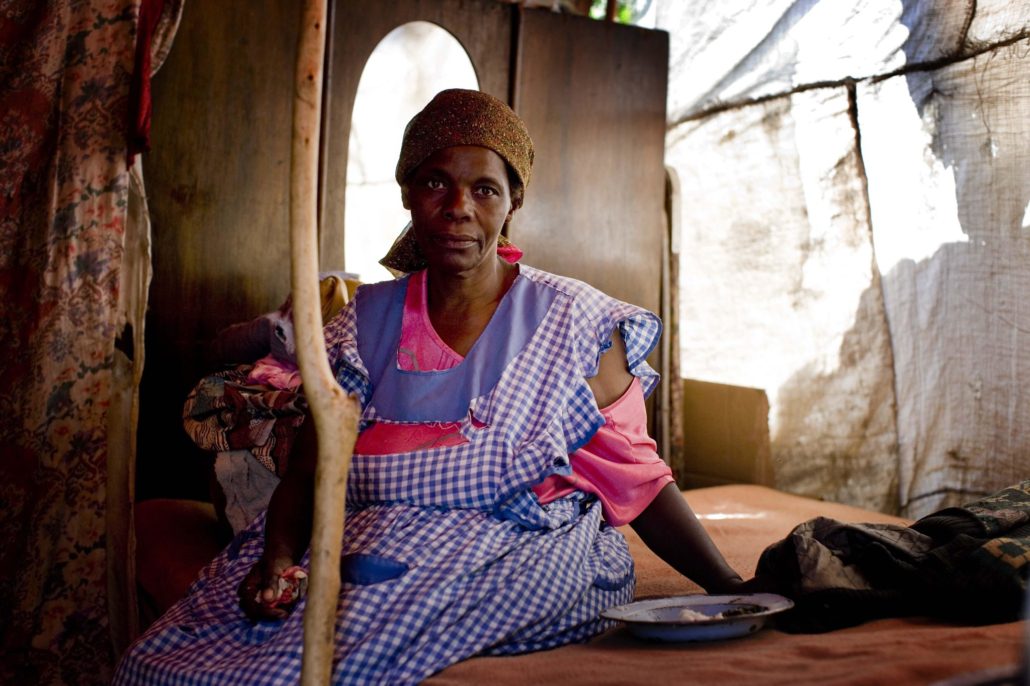
Poverty Reduction in Zimbabwe

Poverty Reduction in Zimbabwe
Extreme poverty in Zimbabwe has gotten worse over the last decade due to agricultural industry failures and changing weather patterns. Still, the government’s strategy of Pfumvudza, introduced in 2020, is helping poverty reduction in Zimbabwe. When set against a background of progress in non-income poverty metrics, indicators show Zimbabwe should progress in the battle against extreme poverty over the next decade.

Agricultural Industry Failures

Due to heavy investment in agriculture during the Mugabe administration, up to two-thirds of Zimbabweans worked in agriculture and many Zimbabweans relied directly on the domestic agriculture industry for food security. Incomes from the agriculture industry are the lowest in the country due to low productivity and changing weather patterns causing long droughts, which have increased in frequency and intensity over the last 20 years. For example, “maize production in 2019 was only 36% of its 2017 level.” These two key factors have resulted in plummeting agricultural output and, therefore, losses in income for two-thirds of Zimbabwe’s workers.

The failing agricultural industry has pushed more Zimbabweans into extreme poverty. The U.N. defines extreme poverty as living on less than $1.90 per day, a rate that has increased in Zimbabwe from 21.4% in 2011 to 39.5% in 2021. This is deeply concerning as the extreme poverty rate for the whole of sub-Saharan Africa stood at 45.8% in 2011 and 39.7% in 2021, according to the World Bank.

Battling Extreme Poverty

The Zimbabwean government has attempted to battle the rise in extreme poverty linked to the agricultural sector by boosting agricultural productivity and reducing climate challenges in farming. To do this, it introduced a program called Pfumvudza, a name derived from the Zimbabwean phrase meaning “the blooming of new leaves during the farming season.”

Pfumvudza is a form of conservation agriculture focused on crop rotation, mulching and minimum tillage, which increased crop yields in areas where it was tried. Before the implementation of Pfumvudza in specific areas, about 92% of households relied on food aid from NGOs and the U.N. In the same areas, after the implementation, this rate fell to 43%.

By improving agricultural output, Pfumvudza helps poverty reduction in Zimbabwe, improving work conditions and pay for workers in the agricultural industry and food security for the whole country. The government has expanded the Pfumvudza scheme to 4.6 million plots in the 2022/23 season. This indicates that Zimbabwe’s extreme poverty rate could fall as the agricultural sector develops under the Pfumvudza strategy.

Progress in Non-Income Dimensions of Poverty

Unlike monetary measurements of poverty, Zimbabwe has performed well on the non-income dimensions of poverty. Infant mortality, maternal mortality and life expectancy rates have all improved significantly over the last decade and at a higher rate than the average for sub-Saharan African countries. Infant mortality decreased from 57 deaths per 1,000 live births in 2007 to 36 in 2021. Zimbabwe saw 579 maternal deaths per 100,000 live births in 2000, which reduced to 458 in 2017. Furthermore, life expectancy rose from 45 in 2000 to 61 in 2020.

Education provision quality and quantity have boomed over the 2010s, with spending on primary and secondary education quadrupling between 2009 and 2014. More than 90% of adults are literate and more than 90% of boys and girls finish primary school, according to a World Bank report. Education provision is key to poverty reduction in Zimbabwe because it allows individuals to improve their economic circumstances, so this increase in education provision could lead to poverty reduction in Zimbabwe in the long run.

With continued efforts to reduce conditions of poverty, Zimbabwe will see further progress and improvements on quality of life indicators.

– John Cordner
Photo: Flickr

April 6, 2023
https://borgenproject.org/wp-content/uploads/borgen-project-logo.svg 0 0 Kim Thelwell https://borgenproject.org/wp-content/uploads/borgen-project-logo.svg Kim Thelwell2023-04-06 07:30:352024-05-30 22:30:54Poverty Reduction in Zimbabwe
Global Poverty, Poverty Reduction

Analyzing Global Poverty Reduction in 2022

global poverty reduction in 2022
As the year 2022 drew to a close recent data from the World Bank reveals that this is “the second-worst year” for global “poverty reduction in the past two decades.” The reasons for the “steep slowdown of the global economy” are many – the lingering effects of COVID-19, Russia’s invasion of Ukraine, debt crises and many other sub-factors that exacerbate the situation. New projections show that 7% will still be living in extreme poverty by 2030 – considerably higher than the 3% goal. Global organizations such as Oxfam America, World Bank and its partners, have acknowledged the situation and launched various initiatives to support the poorest and most vulnerable.

The Global Pandemic

The COVID-19 pandemic had the biggest impact on the poorest people around the world. In comparison to pre-pandemic forecasts, the average income of those in the poorest 40% of the worldwide income distribution is 6.7% lower in 2021, while that of those in the top 40% is down almost 3%. The world’s poorest have not yet begun to make up for their revenue losses, worse yet the average income of the bottom 40% decreased by 2.2% between 2019 and 2021.

Due to the pandemic, an additional 163 million people live on less than $5.50 per day, bringing the world poverty rate from 7.8% to 9.1%. Moreover, an additional 97 million people live on less than $1.90 per day. The World Bank believes that three to four years’ worth of progress toward eradicating extreme poverty has been lost globally.

War in Ukraine

The ongoing war in Ukraine has also largely contributed to the rising cost of living and the slowdown of global poverty reduction in 2022. The repercussions of the war, the sanctions imposed on Russia, such as export bans, rose energy prices and caused huge supply-chain issues pushing 51 million people to fall into poverty according to UNDP.

The war has also led to 20 million people’s daily incomes in lower-middle-income countries falling below the poverty level of $3.20, increasing the percentage of the world’s poor to 9%.

Further data from UNICEF reveals that children carry the “heaviest burden of the economic crisis.” Children make up 25% of the world’s population and 40% of the further 10.4 million suffering from poverty in 2022. Estimates show that one in three children that grow up in poverty will continue to live in poverty for the rest of their adult life. According to UNICEF, children can benefit greatly from the introduction of poverty reduction methods, job initiatives and plans for economic growth.

Global Emergency Markets

Several causes, particularly the incredibly quick economic recovery following the epidemic, caused the energy markets to tighten up in 2021. But, once Russia invaded Ukraine in February 2022, the situation quickly worsened and turned into a full-fledged global energy crisis. Natural gas prices hit record highs, which had an impact on electricity prices in several markets. The price of oil reached its highest point since 2008.

In addition to making families poorer, forcing some factories to reduce output or even close their doors and slowing economic growth to the point that some nations are in the midst of a severe recession, higher energy prices have also led to uncomfortably high inflation.

Spate of Debt Crises

During the past year, developing countries increased debt loans in order to keep up with the rising cost of living and aggravated the debt crisis. The World Bank calculations show that 60% of the world’s poorest countries are “either in debt distress or at risk of it.”

Debt-ridden countries are incapable of making high-return investments in education, research and development, and infrastructure projects, significantly slowing down their economic growth and exacerbating global poverty reduction efforts.

Future Outlook

In the face of all the crises and uncertainties that the past few years have brought to the world arena, organizations like the World Bank’s International Development Association (IDA) are stepping up to “ensure the poorest aren’t left behind.” Its new $93 billion IDA20 package, which will run from 2022 to 2025, aims to help developing countries get to grips with the global crisis the world can’t ignore, the World Bank reports.

IDA wishes to prioritize investment in education and health, reinforce food security, take action on the undeniable threat that is climate change, help countries struggling with conflict and development and improve debt sustainability.

Similarly, The United Nations Secretary-General has set up a Global Crisis Response Group on Food, Energy and Finance in the U.N. Secretariat. Its goal is to help the world’s poorest by “making reserves available to countries at risk of hunger and famine, accelerating the deployment of renewable energy and urging international financial institutions to increase liquidity and fiscal space.”

The year 2022 saw an insecure and uneven economic recovery where global development faced a crisis and poverty reduction efforts took a hard hit. However, many international organizations have united in the common goal to create an ecological, more resilient and sustainable future.

– Ralitsa Pashkuleva
Photo: Flickr

March 22, 2023
https://borgenproject.org/wp-content/uploads/borgen-project-logo.svg 0 0 Jennifer Philipp https://borgenproject.org/wp-content/uploads/borgen-project-logo.svg Jennifer Philipp2023-03-22 01:30:252024-05-30 22:30:53Analyzing Global Poverty Reduction in 2022
Global Poverty, Philanthropy, Poverty Reduction, Women

Why Addressing Global Poverty is Good for American Business

Addressing Global Poverty
Poverty is a complex global issue that affects millions of people around the world. Despite ongoing efforts towards addressing global poverty, a large portion of the population could still be living in extreme poverty by 2030. The fact that inequality within countries has either increased or remained unchanged, leading to more global inequality, has compounded this situation.

Global Poverty Crisis

As of 2015, 736 million people still face poverty, with 10% of the world’s population living in extreme poverty and 1.3 billion people experiencing multidimensional poverty. The impact of poverty has been devastating on the health and education of the poorest individuals. It is essential to keep working towards reducing poverty and promoting equality globally to improve the lives of those affected.

The global poverty crisis is a daunting challenge that requires the collective effort of individuals, businesses and governments to solve. American businesses have a unique opportunity to make a real difference in the lives of millions of people around the world by taking practical steps to address global poverty. From providing job opportunities to donating resources and funds, there are many ways businesses can help fight poverty. American businesses can invest in companies and projects that promote sustainable economic growth and poverty reduction. This can include investing in startups and small businesses that are working to create jobs and lift people out of poverty.

Responsible Investments

Responsible investment is one-way businesses can contribute to addressing global poverty, such as through the impact investment fund Root Capital. Root Capital has invested more than $1 billion in more than 700 businesses, helping more than 1.5 million people. Its work has enabled agricultural businesses to create jobs, incomes and choices for more than 2.4 million rural families.

Another example of responsible investment is Coca-Cola’s 5by20 initiative, which aims to empower 5 million women entrepreneurs by 2020. The initiative has provided resources, financing and training to more than 6 million women around the world.

Poverty Reduction Efforts Through Philanthropy

Several American businesses have made significant contributions to poverty reduction efforts through philanthropy. One notable example is Microsoft, which has donated hundreds of millions of dollars to organizations such as The Global Fund to Fight AIDS, Tuberculosis and Malaria. The Global Fund is a partnership between governments, civil society and the private sector. It aims to accelerate the end of the three diseases by investing in prevention, treatment and care.

The Bill and Melinda Gates Foundation has partnered with the United Nations Foundation’s Shot@Life program, which provides access to life-saving vaccines for children in developing countries. The program has helped to vaccinate millions of children against preventable diseases such as measles, pneumonia and polio.

The foundation has also donated billions of dollars toward health, education and development initiatives. Its Global Health Division has helped reduce the burden of diseases such as malaria, tuberculosis and HIV/AIDS, saving millions of lives in the process.

Takeda Pharmaceutical is another company that partnered with the Shot@Life program to “expand children’s access to life-saving measles vaccines in approximately 40 countries across Africa, Asia and Latin America.” Through this support, Takeda Pharmaceutical aims to help vaccinate millions of children by 2026, making a major contribution to reducing the prevalence of preventable diseases.

The Walmart Foundation is taking significant steps to address global poverty through philanthropy, committing to strengthening farmer-producer organizations in Madhya Pradesh and West Bengal, India. This two-year project will provide farmers with training and capacity-building activities with a focus on improving their proficiency in sales, marketing and production techniques. This will help the farmers improve the quality and quantity of their output and ultimately increase their income.

Using Advocacy to Address Global Poverty

Advocacy is another important way that American businesses could contribute to addressing global poverty. By using their influence, businesses can call for systemic changes that address economic injustice and inequality, support initiatives that provide access to education and health care and lobby for government support for poverty-reduction initiatives.

One example of a business using advocacy to address poverty is Microsoft. The company has called on governments to invest in initiatives that provide access to technology to all citizens, regardless of socio-economic status.

Microsoft has also advocated for increased access to financial services for disadvantaged communities, recognizing that access to credit and financial resources are critical to economic growth and development. Through its advocacy efforts, Microsoft is promoting more equitable access to technology and finance, which can help to reduce poverty and promote economic development.

It has also promoted digital inclusion and access to technology through its Airband Initiative, which aims to expand internet access in underserved communities worldwide.

Bluetown, a company specializing in deploying last-mile technologies to expand rural access to high-speed internet and promote economic opportunities, has partnered with Microsoft’s Airband Initiative to accelerate connectivity projects in Ghana. The current internet penetration rate stands at only 32.5% in Ghana. To bridge this digital divide and promote economic development in these underserved communities, Bluetown and Microsoft are aiming to bring internet access to nearly 2 million people. This partnership demonstrates how innovative technology solutions and collaborative partnerships can make a meaningful and substantial difference.

Enhancing Customer Relations

Investing in addressing global poverty, not only promotes corporate social responsibility but also enhances customer relations. Companies that take steps towards reducing poverty can earn the support and loyalty of customers who appreciate their efforts. Furthermore, businesses can benefit from reduced costs and increased profits by investing in poverty reduction initiatives, leading to improved public opinion and financial gains.

Addressing global poverty also improves the quality of life for people in developing countries, including access to education, health care and other essential services, leading to better health and increased opportunities. This creates a more favorable business environment and attracts foreign investment.

In conclusion, addressing global poverty is a win-win situation for American businesses. By actively participating in poverty reduction efforts through responsible investment, philanthropy and advocacy, American businesses can create new markets, increase economic stability and improve the quality of life for people in developing countries. This leads to long-term sustainable economic growth for American businesses and a brighter future for all.

– Nkechi First
Photo: Flickr

March 8, 2023
https://borgenproject.org/wp-content/uploads/borgen-project-logo.svg 0 0 Jennifer Philipp https://borgenproject.org/wp-content/uploads/borgen-project-logo.svg Jennifer Philipp2023-03-08 01:30:192024-05-30 22:30:50Why Addressing Global Poverty is Good for American Business
Global Poverty, Poverty Reduction

Takeaways From The World Bank Report On Poverty Elimination

 World Bank Report
A World Bank report released in October 2022 states worriedly that the progress toward achieving the U.N. Sustainable Development Goal of ending extreme global poverty by 2030 is off track. The report, “Poverty and Shared Prosperity 2022: Correcting Course,”states that around 7% of the world will still earn under $2.15 per day, the new extreme poverty standard. However, the World Bank has stated that this prediction may not come to fruition. The report lays out policies that could accelerate the decline in global poverty.

A 30-year Progress

In the past 30 years, the decline in global poverty has been nothing short of astounding. While nearly 1.6 billion of the world’s population lived in extreme poverty in 1990, the number is now only 8%. This 30-year period of unprecedented growth saw countries invest in social welfare programs. These social safety nets protect nearly 2.5 billion people and account for 36% of the reduction in global poverty as the World Bank stated.

The slowdown in the 30-year global poverty reduction progress has caused some concerns. From 1990 to 2015, the yearly poverty reduction rate generally remained above one percentage point, according to ODI. Today, the rate is now consistently under half a percentage point. Additionally, the fight against poverty has not had even distribution, with 700 million people in sub-Saharan Africa living in extreme poverty. Although the current definition is less than $2.15 a day, nearly half of the world lives with less than $5.50 a day which is an appallingly low amount. The COVID-19 pandemic appears to have worsened global poverty, at least in the short term. More than 70 million people lived in extreme poverty in 2020 alone, the largest single-year leap since 1990.

Takeaways From the World Bank Report

According to the World Bank report, the high inflation, shutdowns in COVID-19 economic programs and conflicts such as the war in Ukraine have slowed poverty reduction to a halt. Hence, although extreme poverty slightly decreased from 2020 to 2022, progress may stagnate. Given this new information, the World Bank report concludes that eliminating extreme poverty by 2030 is highly unlikely. For instance, many lower-income countries expect to see extreme poverty rates increase over the next few years. To achieve the goal of ending poverty, regions such as sub-Saharan Africa should develop at eight times the historical pace. As the report summarizes, ending extreme poverty by 2030 is already an ambitious goal and “recent setbacks have put this target nearly out of reach.”

The World Bank report is not all doom and gloom. With the exception of the Middle East and North Africa, the trend in extreme poverty is still one of decline. Most countries are exiting from their pandemic stupor and returning to normalcy. An earlier World Bank report stated that by 2023, the world economy would behave as it had prior to the pandemic. Growth may not be as high as in the rebound year of 2021 when the global economy’s GDP rose by 5.5%, but it will still increase by 3.2%.

Policy Changes

In addition, the World Bank report suggests a series of policy changes that could help steer extreme poverty reduction in the right direction. Even amid fears of a global recession and short-term crises, the World Bank has stressed the need to focus on long-term growth, including investments in education and health. They also have highlighted fiscal policy, manipulations of the money supply to change inflation and interest rates, as a tool to protect poor citizens. Borrowing for pandemic relief has been an effective way of preventing economic collapse, but doing this in the long term could lead to a strain on the budget, according to another 2022 World Bank report.

Continuing the Fight

The admission that one of the most important U.N. Sustainable Development Goals will not be achieved demonstrates how impactful the COVID-19 pandemic was, not just in the short term, but for ongoing projects since before the millennium began. At the same time, the World Bank report is a reminder that plans for the elimination of extreme poverty are always in flux, needing constant reworking to be effective and realistic. The 2030 goal may be out of reach, but the fact it was possible is a positive testament to successes in the fight against poverty.

– Samuel Bowles
Photo: Flickr

January 6, 2023
https://borgenproject.org/wp-content/uploads/borgen-project-logo.svg 0 0 Naida Jahic https://borgenproject.org/wp-content/uploads/borgen-project-logo.svg Naida Jahic2023-01-06 07:30:372023-01-03 13:06:33Takeaways From The World Bank Report On Poverty Elimination
Developing Countries, Global Poverty, Poverty Reduction

How Fiscal Policy can Reduce Poverty

Fiscal policy
In developing nations, as well as nations recovering from a crisis such as the COVID-19 pandemic,
fiscal policy is an instrumental tool in revitalizing the economy and alleviating poverty levels. The policies are more than simply “good” or “bad” economics as they are key indicators of a nation’s true political priorities.

In low and middle-income nations, foreign aid and debt relief are invaluable in uplifting their economies. On the other hand, the contributions cannot be fully effective without an effective fiscal system. According to the United Nations, a good fiscal policy centered around poverty reduction, reconstruction and growth will focus on raising the growth rate and fostering lasting economic stability. 

Rising Growth Rate

The International Monetary Fund (IMF) emphasizes that “economic growth is the single most important factor influencing poverty, citing a recent study of 80 countries that revealed that the income of the bottom one-fifth of the population increased in exact proportion with the overall growth of the economy as measured by per capita GDP. In countries recovering from crises, a rising growth rate is one of the most effective ways for an economy to bounce back.

Key Fiscal Policies that Can Promote Economic Growth

  • Shifting Government Spending Away from Subsidies: The World Bank categorizes subsidies as a short-term solution and has indicated that they are typically politically popular because the benefits distribute widely. On the other hand, the World Bank reported that “about half of spending on energy subsidies go to the richest 20%,” as they tend to consume more energy and receive more benefits, leaving the lower-income households with little to show.
  • Investment in Cash Transfers as an Alternative to Subsidies: There is increasing data showing that direct cash transfers are a better solution to important long-run investments within households, such as education. These transfers are more beneficial to the bottom 40% and can stimulate economic activity within communities, and indirectly increase government revenue in both the short and long-term through higher tax revenue. 
  • Implementing a Progressive Tax Structure: A progressive tax structure enables governments to increase welfare benefits, such as unemployment, food stamps and housing benefits to the poor. Tax revenue sources do not change rapidly and improved progressivity in personal income tax, corporate, property, health and carbon taxes offer feasible ways to raise revenue without worsening conditions for the poor. Furthermore, nations may consider indirect taxation, as some of the above methods may not be as effective due to the informality of work in certain economies. Progressive tax structures are most effective in upper-middle-income countries. 
  • Having a National Minimum Wage: National Minimum Wages directly benefit the lowest-paid workers in an economy and reduce wage inequality. A universal basic income (UBI), wherein all citizens receive a weekly benefit to ensure a minimum income guarantee may also be effective.

Economic Stability

Prioritizing spending with long-term impacts is vital in creating a self-sustaining economy that alleviates poverty. Good policies will vary in different country contexts while acting with the future in mind even in crises, despite the fact that the benefits will come to fruition later. Below are some fiscal concepts to stabilize a nation after a crisis and to better prepare for any future challenges. 

  • Debt management is essential to maintain the “fiscal space” for crisis recovery and stabilization. Regulatory reform for financial markets, debt transparency and the implementation of a common blueprint for debt relief and restructuring are useful tools for properly managing national debt. 
  • There are many elements that can equip countries with a strategic plan for an unknown future crisis. First, expanding the reach of automatic stabilizers, such as employment guarantee schemes in nations with a large informal sector, in case of crisis. Setting up adaptive cash transfer programs that can be scaled up when necessary is also a good preparatory measure. 
  • Research and improved data, particularly on the costs and ramifications of certain policy implementations, are essential to maximizing the effectiveness of these policies. Long-term evaluations and research can provide decent indications of long-term outcomes, which is important in deciding which policies are best for unique country circumstances. 
  • In developing economies, a focus on education and diversification of the economy from agriculture to manufacturing fosters a more independent and stable economy. Increased government spending on education cultivates a higher-skilled workforce, and a push towards manufacturing pushes economic development, though proper skills and infrastructure are necessary to accomplish this.

Looking Ahead

Fiscal policy shaped around economic growth and the reduction of inequality has the potential to make great strides toward minimizing poverty. There are limits to the types and degrees of these policies in each country. Therefore, other national policy reforms implemented in tandem with economic policies lead to the best outcome in stimulating growth. Regardless of fiscal policy, foreign aid and international cooperation are invaluable in reducing poverty levels in low-income nations and around the globe.

– Carly Ryan Brister
Photo: Flickr

November 29, 2022
https://borgenproject.org/wp-content/uploads/borgen-project-logo.svg 0 0 Jennifer Philipp https://borgenproject.org/wp-content/uploads/borgen-project-logo.svg Jennifer Philipp2022-11-29 01:30:032022-11-24 10:41:59How Fiscal Policy can Reduce Poverty
Food Insecurity, Poverty Reduction

Poverty Reduction in South Sudan

Poverty Reduction in South Sudan
South Sudan is considered the youngest nation in the world, officially gaining independence from Sudan on July 9, 2011, after a vote for independence was passed via referendum in January of that year. Data from the World Bank shows that the poverty rate in South Sudan was 82.3% as of 2016 – the highest poverty rate in the world. The World Bank also outlined some of the other issues South Sudan faces including severe flooding, food shortages a humanitarian crisis coupled with a vulnerable government built upon a shaky peace treaty. These issues make it extremely difficult for South Sudan to address the poverty crisis.

The Difficulty of Addressing Poverty Reduction in South Sudan

The most significant of the issues South Sudan faces is the state of its government. In 2013, a violent conflict broke out leading to atrocities committed against civilians. All sides in the conflict signed a peace deal in 2015 for a unity government but the deal collapsed in 2016, leading to more conflict. In 2018, that deal became revitalized when President Salva Kiir and the leader of the Sudan People’s Liberation Army (SPLA/IO), Riek Machar, came to an agreement. Machar became vice president under the new government and the agreement was set to expire in February 2023. However, the parties who signed the peace agreement agreed to extend it to February 2025 in order to address peace reforms.

That front requires more work due to the injustices committed against South Sudan’s people by the military and rebel forces. For example, a U.N. peacekeeping mission in 2021 documented the killings of 440 civilians and the rapes of 64 women and girls in Tombuura by the SPLA/IO. None of the perpetrators were held accountable.

U.N. Special Representative for South Sudan Nicholas Haysom expressed the need for South Sudan’s government to address violence and uphold justice. In a speech to the U.N. Security Council, Haysom addressed the extension to the peace agreement and stated that it is a roadmap that should serve as a  waypoint, not an endpoint. The reforms that the South Sudanese government makes should serve as a means to generate long-lasting stability. They should not serve as a means to an end. It requires measures to prevent setbacks or gains from reservation. Haysom also reaffirmed the importance of international assistance, which will lead to poverty reduction and governmental stability in South Sudan.

Addressing Poverty

While the outlook for South Sudan may seem grim, there are solutions to poverty that various charities are implementing through foreign aid. The World Food Programme (WFP) is one example of an organization working to bring peace to feuding groups in South Sudan by addressing food insecurity. In an article about the Malual Mok and Thony communities, the WFP demonstrates its poverty reduction and peacekeeping efforts. Both the Malual Mok and Thony live in an agricultural area called Majak-Kot. The communities previously considered each other enemies, but a series of agricultural projects from the WFP helped to foster a sense of community between them. Instead of fighting over the land and competing to grow food, both communities peacefully coexist and grow food together for mutual benefit.

Moreover, nonprofit charities are also working towards poverty reduction in South Sudan. Many South Sudanese refugees founded charities dedicated to poverty reduction in South Sudan. One example is Helping Hands for South Sudan. Gabriel Akim Nyok, one of the “Lost Boys and Girls of Sudan,” a group of thousands of orphaned children who became refugees to escape from the civil war, founded this charity. After staying in the U.S. for five years, Nyok returned to Sudan in 2011 to visit the South Sudanese refugee camps. In doing so, he became determined to give the children the same opportunity for education that he received. Nyok and his charity have helped put South Sudanese refugee children through school each year. Helping Hands uses donations to put children through school and pay for their education and works directly with South Sudanese communities to improve schools and education.

– Matthew Wikfors
Photo: Flickr

November 26, 2022
https://borgenproject.org/wp-content/uploads/borgen-project-logo.svg 0 0 Naida Jahic https://borgenproject.org/wp-content/uploads/borgen-project-logo.svg Naida Jahic2022-11-26 07:30:232022-11-24 00:20:34Poverty Reduction in South Sudan
Global Poverty, Poverty Reduction

Poverty Reduction in Latvia

Poverty Reduction in Latvia
The COVID-19 pandemic and the Russian invasion of Ukraine in 2022 have presented challenges to poverty reduction in Latvia. Due to these factors, Latvia suffered from a high unemployment rate in 2020 and an increasing inflation rate in 2022. Because of this, growth in the Latvian economy has slowed, prompting the government and organizations to take action to ensure Latvia is still on track to meet the 2030 U.N. Sustainable Development Goals (SDGs).

The Impacts of the Pandemic

Prior to the COVID-19 pandemic, the unemployment rate in Latvia had significantly lowered, standing at 6.3% in 2019, the lowest percentage visible over a decade. After the onset of the pandemic, the unemployment rate increased to 8.1% in 2020. Women faced the disproportionate impacts of unemployment at the onset of the pandemic. In 2020, Latvia’s GDP saw contracted by 3.9% but expanded by 4.5% in 2021, according to the World Bank. The World Bank reports that the number of people in Latvia living under the national poverty line stood at 21.6% in 2019 but increased rapidly to 23.4% by 2020.

Growing Inflation Due to the Russia-Ukraine War

Another economic instability happened when the impacts of the Russia-Ukraine war touched international trade in Europe. In Latvia, inflation became an issue. As a result of the Russian invasion of Ukraine, “food, energy, and other raw material” costs have risen. Inflation in Latvia rose beyond 10%, the highest rate visible since 2008.

By March 2022, inflation in Latvia reached 11.5%. “Housing-related goods and services” rose by 14.5% on average while “transport-related goods and services increased by 22.9%, driven by a 43.3% increase in fuel prices,” according to the Central Statistical Bureau of Latvia.

The growing inflation rates are most harshly affecting impoverished families, but pensioners are most at risk of poverty amid the rising prices, with many unable to afford their heating bills.

Efforts Toward Poverty Reduction in Latvia

In May 2022 the Latvian government adopted the second Voluntary National Review (VNR), which “evaluates progress, challenges and presents new initiatives to accelerate the achievement” of the SDGs, according to the U.N. These SDGs include No Poverty (SDG 1) and Decent Work and Economic Growth (SDG 8).

In a 2022 report assessing Latvia’s SDG progress, Prime Minister Krišjānis Kariņš said that “We are helping those most in need and promoting equal opportunities for all in Latvia.” He explained further that the government is prioritizing housing and mobility initiatives to expand economic growth and promote decent work out of Riga, Latvia’s capital city. Furthermore, Latvia is “improving access to health care, including significantly increasing salaries for the lowest paid medical practitioners.” The government is also raising the minimum income threshold for individuals most vulnerable to poverty. During the COVID-19 pandemic, the Latvian government provided support to people and businesses impacted by economic stagnation and lockdowns.

The Latvian Platform for Development Cooperation (LAPAS) came about in 2004 to bring Latvian non-governmental organizations together in order to promote development in Latvia. LAPAS works toward the achievement of the U.N. SDGs through advocacy efforts, global education priorities, the promotion of local organizations and educating and updating the public on developmental issues via workshops, social media, lectures and more.

Through ongoing commitments toward achieving the U.N. SDGs, the Latvian government and organizations can reduce poverty in Latvia while igniting economic growth and improving the quality of life in Latvia overall.

– Olga Petrovska
Photo: Unsplash

November 10, 2022
https://borgenproject.org/wp-content/uploads/borgen-project-logo.svg 0 0 Kim Thelwell https://borgenproject.org/wp-content/uploads/borgen-project-logo.svg Kim Thelwell2022-11-10 01:30:022022-11-10 05:39:49Poverty Reduction in Latvia
Page 15 of 63«‹1314151617›»

Get Smarter

  • Global Poverty 101
  • Global Poverty… The Good News
  • Global Poverty & U.S. Jobs
  • Global Poverty and National Security
  • Innovative Solutions to Poverty
  • Global Poverty & Aid FAQ’s
Search Search

Take Action

  • Call Congress
  • Email Congress
  • Donate
  • 30 Ways to Help
  • Volunteer Ops
  • Internships
  • Courses & Certificates
  • The Podcast
Borgen Project

“The Borgen Project is an incredible nonprofit organization that is addressing poverty and hunger and working towards ending them.”

-The Huffington Post

Inside The Borgen Project

  • Contact
  • About
  • Financials
  • President
  • Board of Directors
  • Board of Advisors

International Links

  • UK Email Parliament
  • UK Donate
  • Canada Email Parliament

Get Smarter

  • Global Poverty 101
  • Global Poverty… The Good News
  • Global Poverty & U.S. Jobs
  • Global Poverty and National Security
  • Innovative Solutions to Poverty
  • Global Poverty & Aid FAQ’s

Ways to Help

  • Call Congress
  • Email Congress
  • Donate
  • 30 Ways to Help
  • Volunteer Ops
  • Internships
  • Courses & Certificates
  • The Podcast
Scroll to top Scroll to top Scroll to top