• Link to X
  • Link to Facebook
  • Link to Instagram
  • Link to TikTok
  • Link to Youtube
  • About
    • About Us
      • President
      • Board of Directors
      • Board of Advisors
      • Financials
      • Our Methodology
      • Success Tracker
      • Contact
  • Act Now
    • 30 Ways to Help
      • Email Congress
      • Call Congress
      • Volunteer
      • Courses & Certificates
      • Be a Donor
    • Internships
      • In-Office Internships
      • Remote Internships
    • Legislation
      • Politics 101
  • The Blog
  • The Podcast
  • Magazine
  • Donate
  • Click to open the search input field Click to open the search input field Search
  • Menu Menu

Archive for category: Poverty Reduction

Information and stories about poverty reduction.

Global Poverty, Poverty Reduction, Water, Water Crisis

7 Innovations to Increase Access to Clean Water

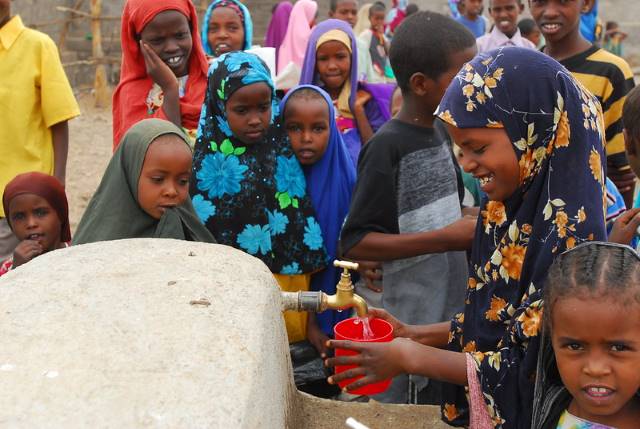
Increase Access to clean waterAccess to clean water is a basic human right, but as of 2017, 884 million people do not have access to safe drinking water and more than two billion people do not have access to fundamental sanitation facilities. These issues have become more pressing as the COVID-19 pandemic pushed many into poverty and increased the world’s need for adequate sanitation to prevent the spread of th virus. The sixth Sustainable Development Goal is to “ensure availability and sustainable management of water and sanitation for all” by 2030. Organizations are working together in a greater effort to increase access to clean water.
7 Innovations for Water Access

  1. Majik Water. Founded by Beth Koigi, Anastasia Kaschenko and Clare Sewell, Majik Water is a Kenyan company that engineers solar-powered filters capable of harvesting drinking water from the air. Koigi was the victim of water scarcity while at university and sought to create a device that would reduce water scarcity in Kenya and beyond. The device has the potential to provide water to the 1.8 billion people globally who may be without reliable access to water by 2025.
  2. Gravity Water. A majority of the people in the world who do not have access to clean drinking water live in tropical and subtropical areas where fresh water is plentiful. Gravity Water wanted to create a system that would allow people in these areas to take advantage of the water they have access to but are unable to drink because of pollution and contamination. “Through harvesting rainwater and storing it above ground, Gravity Water systems provide pressure for filtration without the dependency of electricity, which is commonly lacking in rural areas.”
  3. Ashok Gadgil and Vikas Garud. While UV water filtration is a proven way to purify water, these systems are expensive due to the materials needed to build them. Ashok Gadgil and Vikas Garud have developed a modified version of these devices. UV lamps placed above water tanks filter the water and then use gravity to separate the drinkable water from residue inside. The device is smaller than traditional underwater UV devices and is able to disinfect 1,000 liters of water an hour.
  4. Guihua Yu (University of Texas). Guihua Yu and his team of researchers at the University of Texas at Austin created a device that can be used in disaster situations and areas without access to clean water. The device uses water-absorbent hydrogels that release water when heated and work in both humid and dry climates. The water comes from the air, and when the hydrogels are exposed to sunlight, the water is released. The device also runs on solar energy, making it affordable and sustainable.
  5. Innovative Water Technologies (IWT). Jack E. Barker founded Innovative Water Technologies (IWT) to develop global water treatment facilities to be used in humanitarian and disaster relief efforts. These solar and wind-powered water filtration systems can process 5,000-250,000 gallons of water a day. IWT has four different products, all of which bring clean water to those in need,
  6. Dar Si Hmad. Dar Si Hmad is a female-run nonprofit organization based in Morocco. Its water project makes use of fog collectors, also known as the “cloud fishing” technique. A fine mesh gathers droplets of water in areas with thick fog such as Southwest Morocco. Once enough water is gathered, the water falls into a basin and is filtered using solar-powered filters. The water is then piped to 140 nearby households. The fog-catching system is able to provide 6,000 liters of water daily.
  7. The Drinkable Book. WATERisLIFE and Dr. Teri Dankovich developed the Drinkable Book to provide easy water filtration options to those in need. One page from the perforated book can filter 100 liters of water. One book can secure a person’s drinking water needs for up to four years. The pages are made up of cellulose and silver nanoparticles that can filter out “99.99% of the bacteria found in cholera, E. coli and typhoid.”

Access to Clean Water

The COVID-19 pandemic has heightened the need for universal water access, showing the broader impacts of lacking water access during times of crisis. Since poverty and water access are linked, innovations that increase access to clean water contribute to reducing global poverty.

– Harriet Sinclair
Photo: Flickr

June 22, 2021
https://borgenproject.org/wp-content/uploads/borgen-project-logo.svg 0 0 Kim Thelwell https://borgenproject.org/wp-content/uploads/borgen-project-logo.svg Kim Thelwell2021-06-22 07:31:072024-12-13 18:02:297 Innovations to Increase Access to Clean Water
Global Poverty, Poverty Reduction

Preventing Poverty: Solutions to Volcanic Eruptions

Solutions to Volcanic EruptionsThroughout history, volcanic eruptions have caused countless injuries, deaths and destruction. Many of the eruptions include concurrent disasters beyond the direct flow of lava. These include tsunamis, agricultural deterioration and aerosols that cloud the atmosphere and reduce local or even global temperatures. This was the case during and after the eruption of Tambora in Indonesia in 1815, which claimed more than 100,000 lives. Since then, volcanoes continue to cause numbers of casualties while damaging infrastructure and impacting productivity around the globe. Many people view volcanoes as unstoppable forces of nature. In reality, there are several ways to mitigate the damage that volcanoes cause and the resulting poverty. It is impossible to stop volcanoes from erupting, however, several solutions to volcanic eruptions can help prevent loss of life and property.
Volcano Observatories

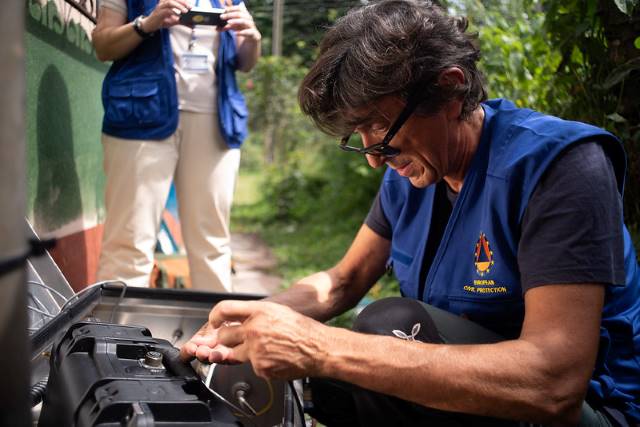
The most important factor in mitigating the damage caused by volcanic eruptions is predicting when the eruptions will occur. The endangered people are then able to evacuate accordingly. Accurate predictions tend to rely on established observatories near a given volcano. Each volcano observatory is occupied by a handful of experts who monitor the volcano’s behavior in order to predict eruptions.

Beyond merely existing and making accurate predictions, observatories should “have credibility and formal agreements with local and national governments.” This promotes effective action in times of crisis, as referenced by geologist Jacob Lowenstern. Historically, observatories were among the most important solutions to volcanic eruptions. However, the observatories can be expensive to build and maintain and require investments in equipment, technology and software. Recent innovations may allow developing countries to predict eruptions at a more affordable cost.

Deep Learning AI and Satellites

Historically, volcanologists have relied on ground observatories to predict eruptions. Due to recent innovations, it may be possible to reliably predict eruptions from satellites. Satellites are much less expensive to maintain as a whole. Satellite information was once unreliable due to noisy data, however, deep learning AI is increasingly proficient at filling the gaps in the data to form useful information. Currently, a group of researchers from Penn State University, with support from NASA, are working to improve the models to allow for accurate predictions of eruptions around the world.

Redirection of Lava Flow

While prediction methods and observatories can save countless lives, the facilities have little to no impact on the amount of property damage caused by inevitable eruptions. Many large cities in developing countries, including Managua in Nicaragua and Legazpi City in the Philippines, are built next to active volcanoes. Fortunately for the cities, there is still the option of diverting or stopping the flow of lava in order to prevent loss of infrastructure.

Lava redirection may be an expensive process, but when a lava flow is headed directly toward a city, redirection protects the city. In 1983, a large team armed with bulldozers, explosives and firehoses was able to divert the flow of the eruption from Mount Etna in Italy. While the project required an estimated $2 million, volcanologist John Lockwood says the diversion prevented the loss of around $100 million in property damage. Stopping the flow of lava is easier in the case of eruptions near the coast. In 1973 in Iceland, damage was mitigated by channeling large amounts of seawater into the lava to solidify it.

Lava diversion has its risks and some attempts have been unsuccessful. Some communities are not open to lava redirection. For example, some Hawaiians hesitate to interfere with lava flows due to spiritual beliefs surrounding Pele, the volcano goddess. However, as a last resort attempt to protect a city, lava redirection is still worth considering.

Continued Research on Solutions

Although volcanoes remain a force of nature that will inevitably cause damage, recent solutions to volcanic eruptions may improve safety and prevent poverty in the affected regions. Continued research into the solutions could make the solutions even more affordable and practical, resulting in more stable economies and the reduced risk of poverty.

– Sawyer Lachance
Photo: Flickr

June 22, 2021
https://borgenproject.org/wp-content/uploads/borgen-project-logo.svg 0 0 Kim Thelwell https://borgenproject.org/wp-content/uploads/borgen-project-logo.svg Kim Thelwell2021-06-22 01:31:492021-06-22 01:02:13Preventing Poverty: Solutions to Volcanic Eruptions
Developing Countries, Global Poverty, Inequality, Poverty Reduction

The Promise of Chile’s Election

Chile’s electionOver the weekend of May 15-16, 2021, a very unique election took place in Chile. Chileans voted for mayors, governors and city councilors. The distinctive part of Chile’s election was the vote for 155 representatives who will make up the Constitutional Convention responsible for drafting the new constitution of Chile.
The Need for a New Constitution

Back in 1973, Augusto Pinochet came into power as an authoritarian military dictator. Pinochet drafted a constitution that was reflective of his rule. Since then, Chile has been making the transition to democracy through several presidential administrations, the current being that of President Sebastián Piñera. Pinochet’s 1980 constitution has been a point of contention because many Chileans perceive it as favoring corporations over citizens.

Additionally, the constitution does not even mention indigenous people who account for more than 1.5 million Chileans. Chileans generally want to move away from the old constitution, which symbolizes the move from a transitional period into a full embrace of democracy. A new constitution would allow this to happen. Chile’s election decides who participates in the drafting of this monumental document.

Protests in Chile

Public disapproval came to a head in October 2019 when massive protests swept the South American country. Major cities like Santiago, Valparaíso and Concepción experienced riots, looting and several casualties as a result. An increase in subway rates initially triggered the demonstrations. The riots continued over concerns of extreme economic inequality and poor public health and education systems. One of the demands of the protests was to rewrite the constitution. A new constitution was seen as a solution to address the root of all the issues.

In October 2020, Chile’s government held a referendum in response to the protests. The referendum asked Chileans if they would want a new constitution, and if so, Chileans were to specify the type of body they would task with drafting this new constitution. Chileans responded with a majority of more than 78% of the country voting in favor of a new constitution to be drafted by a group elected by popular vote.

The Constitutional Convention

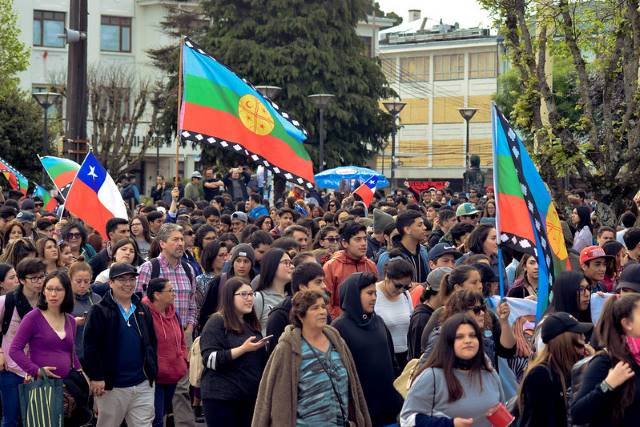
The Constitutional Convention is the first in the world to have a gender parity requirement. Because of the election, 50% of legislative seats will belong to women. Another milestone is the inclusion of Chile’s indigenous people. Indigenous representatives will account for 17 of the 155 convention seats. Seven of these seats go to the Mapuche, the largest Indigenous community. In recent years, industrial deforestation has wiped out much of the Mapuche lands, greatly harming the community.

In addition, six out of the 155 representatives will come from the LGBTQ+ community. Although the nation is facing great troubles, the achievements of Chile’s election should not be overlooked. The built-in diversity and representation should be cause for global celebration. The majority of seats have gone to independent and opposition candidates. This goes against the right-leaning coalition that is currently in power under President Piñera. Since the “government-backed candidates” now take up only about a quarter of the seats, they are left unable to pass legislation or block dramatic changes.

The Goals of a New Constitution

One of the primary goals of the leftward shift is fighting poverty in Chile, but not in the traditional sense. In terms of GDP per capita, Chile is considered the wealthiest country in South America, but the wealth is distributed very unequally. Chilean’s want the country’s wealth to be distributed equally, which should be reflected in better housing, education and healthcare for all.

Whether through indigenous rights, equitable educational services or the taxation of the wealthy, the Constitutional Convention will figure out how to make Chile a more equitable place. A well-structured and democratic constitution has the potential to bring lasting change to the country and reduce extreme poverty, which is why Chile’s election is such a significant moment in the country’s history.

– Lucy Gentry
Photo: Flickr

June 19, 2021
https://borgenproject.org/wp-content/uploads/borgen-project-logo.svg 0 0 Kim Thelwell https://borgenproject.org/wp-content/uploads/borgen-project-logo.svg Kim Thelwell2021-06-19 01:31:032021-06-18 00:37:59The Promise of Chile’s Election
Global Poverty, Poverty Reduction

The Benefits of Cryptocurrency in Nigeria

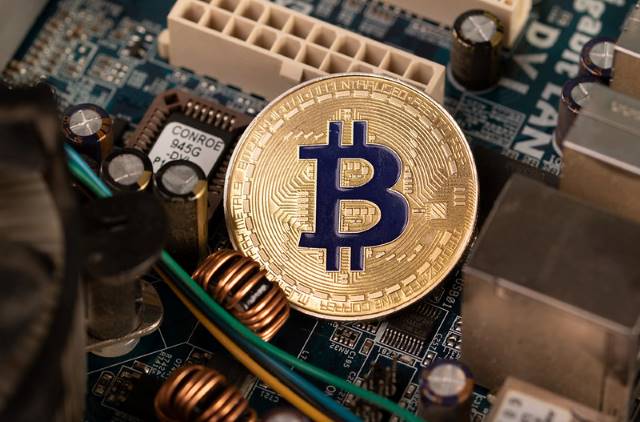
Cryptocurrency in NigeriaNigeria has the highest GDP out of all the African countries, but 40% of its population lives in poverty. The country’s struggling economy primarily relies upon oil exports, accounting for more than half of government revenue. Lacking transport and energy infrastructure as well as neglecting to diversify the economy results in a disadvantaged population of impoverished people. The use of cryptocurrency in Nigeria is proving to be a beneficial solution to help lift people out of poverty.

Boosting Supplemental Income

The 2016 recession caused a significant strain on Nigeria’s economy and the country is still struggling to recover. In the second quarter of 2020, the country reported a 27.1% growth in unemployment. Average incomes have been declining for six years straight and experts predict there will be less than a 2% rise in income during 2021. The value of the country’s national currency, the naira, fell by 24% in 2020. This economic downturn caused some Nigerians to seek supplemental income.

A 2020 survey indicates that 32% of Nigerians participate in buying and trading cryptocurrency. In 2020, Nigeria accounted for $400 million worth of cryptocurrency transactions, ranking it third globally in trading volume. Cryptocurrency in Nigeria has so far positively enriched the lives of impoverished citizens. For example, a Nigerian cryptocurrency investor, Tola Fadugbagbe, credits cryptocurrency for lifting him out of poverty. Initially struggling to survive on minimum wage odd jobs, Fadugbagbe now earns enough money from cryptocurrency trading to build his own house and purchase a farm.

Ease of Banking

Approximately 60 million Nigerians do not possess a bank account. People who do have bank accounts can only withdraw less than the equivalent of $100 due to local bank restrictions. The hurdles have led to a shift toward mobile banking and cryptocurrency investments. In 2017, reports showed that 71% of Nigerians use mobile phones for communication and internet access. Mobile platforms, including Xend Finance, allow Nigerians to transform their funds into cryptocurrencies. One cryptocurrency that has become popular is stablecoin, which has minimal transaction fees. Stablecoins provide the added benefit of protecting funds from devaluation.

Providing Educational Opportunities

Cryptocurrency in Nigeria is also bringing about educational opportunities. In September 2020, the #BuiltWithBitcoin campaign, led by the bitcoin marketplace Paxful, began construction of a new school in the Nigerian area of Sanga. Paxful is a cryptocurrency exchange platform that operates on a peer-to-peer basis. Nigerians use the platform to make nearly 1.1 million monthly blockchain transactions.

The new school expects to serve 100 to 120 children from ages 3-6. During the evenings, it will function as an adult education facility. Additionally, features of the school will include a water well and solar power. The water from the well can also be sold to the community at a low cost. Paxful will cover all costs needed to run the school such as school uniforms, educational resources and salaries.

The upsurge in cryptocurrency transactions has had a profound effect on many Nigerians seeking a way out of poverty. Nigerians are capitalizing on the educational opportunities and supplemental income cryptocurrency brings. The unexpected benefits of cryptocurrency in Nigeria bring hope to citizens living in poverty.

– Tiara Tyson
Photo: Flickr

June 14, 2021
https://borgenproject.org/wp-content/uploads/borgen-project-logo.svg 0 0 Kim Thelwell https://borgenproject.org/wp-content/uploads/borgen-project-logo.svg Kim Thelwell2021-06-14 07:31:152024-05-30 22:23:37The Benefits of Cryptocurrency in Nigeria
Global Poverty, Poverty Reduction

USAID Helps Fight Deforestation in Vietnam

Deforestation in VietnamVietnam is a Southeast Asian country along the east coast of the Indochinese Peninsula. Its tropical climate makes it a naturally biodiverse place, but deforestation in Vietnam threatens the livelihoods of citizens. In April 2021, USAID approved two new projects totaling $74 million to help fight deforestation in Vietnam and improve the lives of thousands of citizens in poverty who rely on forests to live.
Deforestation in Vietnam

Deforestation in Vietnam is very severe. According to the World Wildlife Fund, the South Vietnam Lowland Dry Forests region is the most degraded forest outside India. Despite being home to many endangered species, only 2% of the forests are designated as protected. Furthermore, about 90% of the forests are subject to deforestation. The U.N. emphasizes that protecting biodiversity and restoring previously exploited land will improve the quality of life for citizens in countries worldwide. Indigenous and rural communities, in particular, will benefit from reversing deforestation as the protection of forest resources decreases the economic vulnerability of these groups.

The Sustainable Forest Management Project

The USAID Sustainable Forest Management project partners with the Vietnamese Government, the Vietnam Forest Owner Association (VIFORA) and forest owners to minimize the impacts of deforestation in seven of Vietnam’s most affected provinces. The main objective of this project is to develop and enforce forest conservation policies. This includes funding to increase the Vietnamese Government’s ability to prosecute deforestation crimes.

Execution of this program also involves working with the authorities, private companies and local forest owners to extend the reach of the Payment for Forest Environmental Services program. This mechanism provides direct monetary compensation to residents for forest protection efforts. Strong partnerships between aid organizations and local implementers allow these programs to help the target populations build self-sufficiency effectively.

USAID allotted $36 million for this project. In addition to funding forest management policies, this program directly helps Vietnamese communities living in forest land by promoting sustainable lifestyle practices for forest dwellers.  An estimated 250,000 hectares of forest and 70 organizations will benefit from the program. The program will also benefit the 60,000 individuals living in Vietnam’s forests who are expected to have improved and more sustainable livelihoods.

The Biodiversity Conservation Project

The USAID Biodiversity Conservation project partners with the World Wildlife Fund to provide economical alternatives for activities that lead to Vietnam’s deforestation. The project focuses on substituting forest-harming industries with forest-preserving ones. The project has the potential to increase incomes for forest-dwelling communities while reversing deforestation in Vietnam. The Biodiversity Conservation project relies on strong partnerships with the Vietnamese Government and local organizations for effective implementation.

USAID allotted $38 million for this project, which will benefit 700,000 hectares of forest land. An additional 7,000 individuals living in Vietnam’s forests will also gain income opportunities from forest-friendly endeavors. In addition, 250 villages will receive increased protection of their natural environments with a 50% decrease in animal hunting and consumption.

Deforestation in Vietnam threatens the livelihoods of the most disadvantaged populations still living in forest land. Despite this vulnerability, the Vietnamese Government struggles to stop deforestation without foreign aid. USAID’s two projects not only fight deforestation but promote practices that will directly help lift forest dwellers out of poverty.

– Viola Chow
Photo: Pixabay

June 7, 2021
https://borgenproject.org/wp-content/uploads/borgen-project-logo.svg 0 0 Kim Thelwell https://borgenproject.org/wp-content/uploads/borgen-project-logo.svg Kim Thelwell2021-06-07 01:31:262021-06-08 16:17:14USAID Helps Fight Deforestation in Vietnam
COVID-19, Global Health, Global Poverty, Health, Poverty Reduction

10 Facts About COVID-19 Vaccinations in Indonesia

COVID-19 Vaccinations in IndonesiaAs the number of confirmed COVID-19 cases in Indonesia continues to rise, Indonesia falls in the top 20 countries with the highest COVID-19 cases. In March 2021, the COVID-19 Vaccine Global Access (COVAX) initiative provided its first shipment of COVID-19 vaccinations in Indonesia. The widespread distribution of vaccines brings hope for the country’s recovery as COVID-19 has severely impacted the Indonesian economy and pushed many into poverty. COVID-19 vaccinations in Indonesia bring the country one step closer to recovery and normality.

10 Facts About the Indonesian COVID-19 Vaccine Rollout

  1. The first shipment of more than one million doses allocated to Indonesia under the COVAX initiative arrived in Indonesia on March 8, 2021, as part of more than 11 million doses allocated to the country.
  2. The shipment of vaccinations in Indonesia is part of the largest vaccine procurement and supply process of all time. Immunizing the world against COVID-19 is the most significant global vaccination attempt in history.
  3. Indonesia has initiated one of the world’s biggest immunization programs, aiming to vaccinate 181.5 million citizens in a period of 15 months. This equates to two-thirds of its population.
  4. COVID-19 vaccines have been requested by the Indonesian government from several companies as well as through the COVAX initiative.
  5. Indonesia has been included in COVAX’s Advanced Market Commitment (AMC) group. The AMC ensures that 20% of the country’s most vulnerable population will have access to COVID-19 vaccines by the close of 2021.
  6. There is a concern about logistical difficulties hindering COVID-19 vaccine distribution in Indonesia. COVID-19 vaccines would have to be transported from the country’s capital of Jakarta to more than 10,000 health centers throughout Indonesia. Some of these facilities are in remote locations and have limitations in terms of logistics, infrastructure, storage and other essential resources.
  7. Vaccine storage capabilities in Indonesia present another challenge as there are specific temperature requirements in order to preserve the effectiveness of the vaccines.
  8. Indonesian people have been open to child immunization, but the COVID-19 pandemic has brought about vaccine hesitancy. There are concerns about whether such vaccines would be considered halal as Indonesia’s population is predominantly Muslim. Other fears stem from misinformation and misconceptions about the COVID-19 virus and vaccines.
  9. Indonesia aims to prioritize health workers, police officers, teachers and other civil officials as it implements its COVID-19 vaccination program. The population younger than 60 will be next in line as Indonesia’s approach does not prioritize the elderly. The logic behind this is by slowing the spread in younger people, the elderly will be protected from getting COVID-19 via close relatives. This is because many households are intergenerational, which means separating the old from the young is nearly impossible.
  10. To improve vaccine equity, the COVID-19 vaccine campaign is using live tracking systems to register vaccine recipients, monitor COVID-19 exposure and easily spot gaps and issues.

The Road Ahead

The COVID-19 vaccination rollout in Indonesia is the first step to COVID-19 recovery for both the people and the economy. With immunity, the strain on Indonesia’s healthcare system and resources will hopefully be alleviated. With economic recovery, the pandemic-induced unemployment rate will go down and businesses will strengthen, contributing to overall poverty reduction in Indonesia.

– Mary McLean
Photo: Flickr

June 3, 2021
https://borgenproject.org/wp-content/uploads/borgen-project-logo.svg 0 0 Kim Thelwell https://borgenproject.org/wp-content/uploads/borgen-project-logo.svg Kim Thelwell2021-06-03 04:36:192021-06-06 01:28:4410 Facts About COVID-19 Vaccinations in Indonesia
Poverty Reduction

Stat Zero: Global Poverty and Social Innovation

Global poverty and social innovationAlthough the world was inching closer to eliminating global poverty prior to COVID-19, the pandemic’s lasting negative impacts exacerbated global poverty conditions all over the globe. COVID-19 was expected to push up to 115 million more people into extreme poverty in 2020, adding up to about 150 million by the end of 2021. However, there is hope for the resolution of global issues with the intersection of global poverty and social innovation. Stat Zero Ventures brings this intersection to life.

Stat Zero Ventures

With the prominent negative impacts of COVID-19 on poverty, the economy and ways of life, it is more important than ever to address the impoverished conditions that affect millions around the world. Combining entrepreneurship with issues of global poverty and social innovation, Marquis Cabrera, a leader in social innovation, launched a movement to accelerate progress toward poverty eradication.

Stat Zero Ventures uses innovative methods, including technology and venture capital, to aim for a world without poverty, pollution and diseases. Providing feasible solutions, the organization sponsors specific projects to accelerate these social goals. “Stat Zero Ventures invents, builds and invests in tech-enabled impact ventures” with the support of investors, international government agencies, celebrity offices and Fortune 100 companies.

Addressing Global Issues

Based in California, Stat Zero runs by the motto that “zero is the greatest number.” In other words, the company’s mission is to achieve a world with zero poverty, zero diseases and zero pollution. Through partnerships with a variety of organizations, Stat Zero supports impact ventures with diverse social, economic and environmental purposes.

At the intersection of global poverty and social innovation, Stat Zero unites governments with impact investors and social entrepreneurs who come together to solve pressing issues around the globe. Global issues of interest range from poverty alleviation to sustainability, with main focuses on “healthcare, energy, climate and sustainability, education, national infrastructure and social programs.” Thus far, Stat Zero has recycled more than 40 tons of plastic for carbon reduction and has given more than 100,000 people access to “digital medicine and finance” in the United States, Africa and Asia-Pacific.

Extended Reach

Additionally, the organization has extended its reach to include the goals of zero illiteracy and zero inequality. When choosing to invest in a social venture, Stat Zero ventures looks at the financials of the partnering company, assessing potential risks, the feasibility of the intended solution and whether the venture aligns with the “zero” mission.

Stat Zero provides industry experience to government authorities in China, Switzerland, Canada and Mexico. This expertise guides advice on environmental, social and corporate governance (ESG), investing in best practice strategies to rebuild local economies in these countries.

Technological Innovation and Global Poverty

Uniting challenges of global poverty and social innovation advances the ability to address issues of poverty, social equality and sustainability through creative outlets. Stat Zero forges strong technological partnerships with investment firms that allow for innovation of ideas that limit waste, build wealth and advance healthcare and educational access to those in poverty.

Advanced technology has the power to change the world, as seen over the last century of industrialization. Through greater access to information and resources as well as innovative, creative ideas, solutions are forged. With operations such as Stat Zero, partnerships have the ability to use advancements to achieve desirable social outcomes such as eradicating global poverty or increasing overall sustainability practices.

-Kylie Lally
Photo: Unsplash

May 30, 2021
https://borgenproject.org/wp-content/uploads/borgen-project-logo.svg 0 0 Yuki https://borgenproject.org/wp-content/uploads/borgen-project-logo.svg Yuki2021-05-30 01:30:012021-06-30 08:20:49Stat Zero: Global Poverty and Social Innovation
Developing Countries, Poverty Reduction

The Boom of Economic Growth in East Africa

economic growth in East AfricaIt is no surprise that the COVID-19 pandemic has dampened growth momentum worldwide. Nonetheless, it is expected for Africa to recover and experience continued economic growth. The launch of the 2021 African Continental Trade Area already shaped a very promising economic future for Africa that can amount to a $450 billion income gain by 2035. Contributions to this growth can be credited to the robust economic dynamics of East Africa. In terms of economic growth, Africa is expected to maintain a stable positive percentage. In 2019, East Africa remained the continent’s fastest-growing region with an average growth of 5%. Projected GDP growth in East Africa before COVID-19 was forecasted above 5%. The economic growth in East Africa is positively contributing to development in Africa overall.

East African Economies

Economic growth can be evidently demonstrated by looking at annual GDP in the last decade. Some of the main economic players of the region show steep upward directions. Notably, of the world’s top 10 fastest-growing economies in 2020, three are East African countries including Rwanda, Ethiopia and Tanzania. In the year 2019, Ethiopia and Rwanda placed second and third respectively. Ethiopia averaged a 10.3% growth as Africa’s fastest-growing economy from 2007 to 2017. For the same period, Rwanda followed closely with an average of 7.5%.

Increased Foreign Investments

In 2019, East African Foreign Direct Investment (FDI) inflow increased from $5.7 billion to $11.5 billion in just a year. Inflows to all East African countries except Tanzania increased during this time period. This 103% increase is largely due to China as East Africa’s largest investor. Chinese investment accounts for almost 60% of FDI inflow in East Africa. Investment is going into the technology, manufacturing and services sectors. FDI inflows created 89,877 jobs in 2018 and 211,084 in 2019. Employment increased in Uganda, Tanzania, Rwanda, Kenya, Burundi and South Sudan.

Economic Development Initiatives

Investment within the region has also increased from $152.7 million to $724.6 million. The number of projects supported by these investments increased by 23.3%. To take advantage of the high investment flow in the region, the East African Community (EAC) has placed incentives for development in related markets. The six-member countries of the EAC account for a sizable market of consumers for agricultural raw materials and other extracted goods. Additionally, the EAC provided necessary information and technology to increase opportunities for investment in the financial and banking sectors.

Looking Ahead

Income distribution, inflation and poverty conditions remain concerning for the region and were worsened by the COVID-19 pandemic. This means that to maintain growth and counter these chronic economic conditions, the region must implement policy that utilizes the available resources and supports economic growth.

The African Development Bank Group suggests accelerating structural transformation and strengthening the macroeconomic policy approach. This would address issues such as inflation and increase financing and trade. Another important policy recommendation is to invest in human capital. Developing a skilled workforce by starting with education for the youth and technology training will further promote innovative economic growth in East Africa and the African continent overall.

– Malala Raharisoa Lin
Photo: Flickr

May 14, 2021
https://borgenproject.org/wp-content/uploads/borgen-project-logo.svg 0 0 Kim Thelwell https://borgenproject.org/wp-content/uploads/borgen-project-logo.svg Kim Thelwell2021-05-14 01:31:082021-05-12 00:08:41The Boom of Economic Growth in East Africa
Poverty Reduction

The Zero Waste Project in Turkey


Zero Waste Project in TurkeySustainable development in low-to-middle-income countries can significantly reduce poverty by increasing jobs, boosting the economy and providing better access to services. Major developments in infrastructure and policies have greatly improved poverty rates in Turkey. The relative poverty rate has been reduced from 23.4% in 2007 to 20.1% in 2017. One step in sustainable development that will result in environmental and economic benefits is the Zero Waste project in Turkey.

The Zero Waste Project

The Zero Waste project was established in Turkey by the country’s first lady, Emine Erdoğan, in 2017. The project added $2.3 billion to the Turkish economy due to a large amount of material and food saved from the reduction of waste. The goals of the Zero Waste project in Turkey are to reduce waste by recycling byproducts of agriculture activities and repurposing hazardous waste. It also works to encourage recycling among citizens by implementing separate recycling bins in cities.

In addition, the government assists farmers under the project to implement zero waste practices. As a result, this maximizes their profits and boosts the economy. Another goal of the project is to bring the recycling rate to 35% in the next two years. This will result in employment opportunities for 100,000 people in recycling and an annual income of $2.7 billion. Under the supervision of the Ministry of Environment and Urban Planning, the project aims to expand across the entire country by 2023.

Education

Education is fundamental in encouraging communities to participate in recycling to improve living conditions. A Zero Waste education program was implemented in Turkey schools to educate children on the importance of waste reduction. More than 25,000 public buildings implemented the zero-waste system in 2019.

In addition to reducing waste from food and material, an initiative was created to decrease waste in the ocean and expand the recycling of wastewater. The Zero Waste Blue program launched in 2019 within the Zero Waste Project in Turkey. The program mobilizes the public to keep the water clean by discouraging waste in the seas.

Additional Successes

In 2021, first lady Emine Ergoğan was presented with the first Sustainable Development Goals Action Award of the United Nations Development Programme (UNDP) Turkey. The Zero Waste project received the award because it achieved the goal of “Responsible Consumption and Production.” This focuses on success in sustainable development through programs to improve waste reduction and recycling. “Responsible Consumption and Production” is one of the Global Goals for Sustainable Development. This goal aims to reduce waste generation significantly by 2030. The Zero Waste project in Turkey continues to produce environmental changes that will result in economic growth in the next nine years.

Recycled material boosts the economy by requiring less money to produce products and creates new job opportunities. Reduction of food waste also improves food insecurity and scarcity. With continued action, poverty rates in Turkey can continue to decrease.

– Simone Riggins
Photo: Flickr

May 13, 2021
https://borgenproject.org/wp-content/uploads/borgen-project-logo.svg 0 0 Kim Thelwell https://borgenproject.org/wp-content/uploads/borgen-project-logo.svg Kim Thelwell2021-05-13 03:30:152021-05-13 03:30:15The Zero Waste Project in Turkey
Global Poverty, Homelessness, Poverty Reduction

Gjenge Makers Reduces Poverty With Plastic Bricks

Gjenge MakersGjenge Makers is a Nairobi-based startup company that offers a sustainable, practical and affordable solution to combat poverty in Kenya. The company sells affordable alternative building materials. Its products, which include an assortment of bricks with different functionalities and styles, are forged from recycled plastic and sand. These plastic bricks can help reduce poverty and plastic waste in Africa.

The Plastics Waste Crisis in Kenya

Garbage is quickly accumulating all around the globe and Africa is bearing the brunt of rising waste levels. Governments in resource-rich regions typically have the capacity to pare the trash down into a flaky substance, slashing the amount of physical space it occupies. This process is time-consuming and expensive. However, several countries such as Kenya instead address the issue by implementing a series of plastic bans.

Plastic ban policies typically have socioeconomic and environmental consequences. Throughout the state are large piles of waste that have built up as a result of excessive plastic use, such as the infamous Dandora dump in Nairobi. “Plastic traders” scour these junkyards for limited resources like bottles and certain compounds that can be exchanged for money. Many at the lower end of the disparity are also disproportionately affected by policing under these laws as plastic bag distribution, manufacturing and usage are subject to a fine and/or prison sentence. Additionally, some businesses will generally relocate to other states to avoid such strict laws, damaging economic interests and employment numbers.

Kenya had been taking a slow-moving approach in curtailing the plastics crisis when Gjenge Makers founder, Nzambi Matee, decided to take matters into her own hands. The entrepreneur experimented with mixing recyclables with sand in her mother’s backyard and eventually composed a formula to build a brick five to seven times stronger than concrete. Her products are now a core economic ingredient toward upturning poverty and improving infrastructure at the community level.

The Housing Crisis in Kenya

Kenya is currently undergoing a severe housing deficit, with homelessness numbers rapidly escalating under the pandemic. The estimated housing deficit stood at two million in 2012 but factors such as limited resources are further distending the issue. With limited support and a lack of housing, many families are struggling to survive.

How Gjenge Makers Helps

Gjenge Makers address both the plastic waste and housing crisis through its plastic brick solution. In accordance with its “Build Alternatively, Build Affordably” model, it seeks to contribute a key product that could empower individual communities by giving them the resource needed to rise out of poverty. Matee has declared eradicating poverty a personal goal of hers and her new innovation can help build more shelters to combat the housing crisis. The company also seeks to make its products accessible to essential learning institutions such as schools.

Gjenge Makers currently receives plastic through a multipronged approach. It collects from factories and recyclers seeking to discard their trash, whether at a price or for free. It also uses a mobile application that incentivizes rewards and allows homeowners to notify Gjenge Makers when they have available plastic. The formula to build the bricks requires a particular type of plastic compound, often labeled on the products themselves.

Gjenge Makers is a champion of eco-friendly, economic empowerment in a crisis that is widespread throughout the continent of Africa. Though the startup is currently based in Nairobi, it seeks to eventually expand and support other African states as well. So far, Gjenge Makers recycled 20 tons of plastic and created a total of 112 jobs.

– Danielle Han
Photo: Flickr

May 6, 2021
https://borgenproject.org/wp-content/uploads/borgen-project-logo.svg 0 0 Kim Thelwell https://borgenproject.org/wp-content/uploads/borgen-project-logo.svg Kim Thelwell2021-05-06 07:31:032024-05-30 22:23:19Gjenge Makers Reduces Poverty With Plastic Bricks
Page 19 of 63«‹1718192021›»

Get Smarter

  • Global Poverty 101
  • Global Poverty… The Good News
  • Global Poverty & U.S. Jobs
  • Global Poverty and National Security
  • Innovative Solutions to Poverty
  • Global Poverty & Aid FAQ’s
Search Search

Take Action

  • Call Congress
  • Email Congress
  • Donate
  • 30 Ways to Help
  • Volunteer Ops
  • Internships
  • Courses & Certificates
  • The Podcast
Borgen Project

“The Borgen Project is an incredible nonprofit organization that is addressing poverty and hunger and working towards ending them.”

-The Huffington Post

Inside The Borgen Project

  • Contact
  • About
  • Financials
  • President
  • Board of Directors
  • Board of Advisors

International Links

  • UK Email Parliament
  • UK Donate
  • Canada Email Parliament

Get Smarter

  • Global Poverty 101
  • Global Poverty… The Good News
  • Global Poverty & U.S. Jobs
  • Global Poverty and National Security
  • Innovative Solutions to Poverty
  • Global Poverty & Aid FAQ’s

Ways to Help

  • Call Congress
  • Email Congress
  • Donate
  • 30 Ways to Help
  • Volunteer Ops
  • Internships
  • Courses & Certificates
  • The Podcast
Scroll to top Scroll to top Scroll to top