• Link to X
  • Link to Facebook
  • Link to Instagram
  • Link to TikTok
  • Link to Youtube
  • About
    • About Us
      • President
      • Board of Directors
      • Board of Advisors
      • Financials
      • Our Methodology
      • Success Tracker
      • Contact
  • Act Now
    • 30 Ways to Help
      • Email Congress
      • Call Congress
      • Volunteer
      • Courses & Certificates
      • Be a Donor
    • Internships
      • In-Office Internships
      • Remote Internships
    • Legislation
      • Politics 101
  • The Blog
  • The Podcast
  • Magazine
  • Donate
  • Click to open the search input field Click to open the search input field Search
  • Menu Menu

Archive for category: Poverty Eradication

Charity, Global Poverty, Poverty Eradication, Technology

Play Games, Save Lives: France’s Z Event

Z EventEven though the world is more connected than ever, poverty remains a large problem as many people are left behind. Fortunately, people are using the internet as a platform for change, resulting in unprecedented awareness of global poverty. One example of this is Z Event, a French charity project hosted annually on the live streaming website Twitch. Z Event started with just two people wanting global change. The video gaming event is shattering world records while raising millions of dollars for charity.
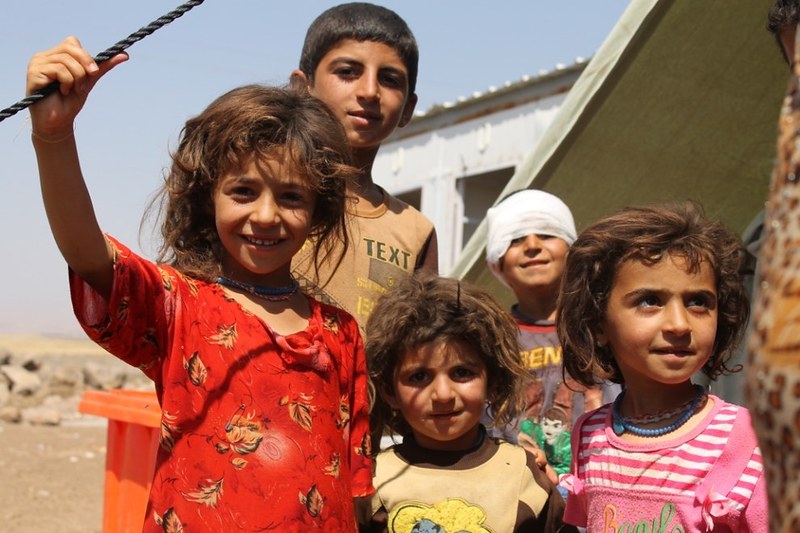
Twitch Live Stream Platform

Z Event would not be possible without the rise of the Twitch platform. Twitch is a website that people can use for live streaming. This means that whatever viewers are watching is happening in real-time. This creates a new world of interactivity. While Twitch was originally created for live streaming video games, the website has now expanded into other genres like art, music and chess. Twitch now has a massive following, with more than 140 million monthly users.

It was only a matter of time before content creators used Twitch as a platform to raise money for charity. In July 2013, Summer Games Done Quick raised $257,181 for Doctors Without Borders in a charity stream on Twitch. As Twitch started growing in popularity, charity streams became even more popular. In 2019, Twitch streamer “DrLupo” raised more than $2.3 million for St. Jude Children’s Research Hospital in 24 hours.

Video Gaming: Z Event

With the success of charity streams in the past and the increasing global presence of Twitch, the time was right for Z Event. In March 2016, a charity stream called “Avengers Project” raised €170,000 for Save the Children. The goal of the project was to gather every popular French streamer to raise awareness for certain issues. While the project began small, the annual event grew considerably. In 2017, the now named “Z Event” raised €500,000. Z Event is the annual charity event by French streamers ZeratoR and Dach. As the project grew larger, more popular French streamers joined the event. In 2020, 41 Twitch streamers participated in the event.

Video Gaming for a Cause

While each individual streamer is popular on their own, their platform increases exponentially when combined. In 2020, the event had an average of 248,000 viewers with a peak of nearly 700,000 viewers. This large amount of awareness led to large sums of money raised for charity. In 2019, Z Event hit the world record for the most money raised in a charity stream on Twitch — more than €3.5 million. In 2020, Z Event shattered its own record, raising more than €5.7 million, which is approximately $6.7 million.

Each year, the event raises money for a different cause. The money raised in 2019 was for the Pasteur Institute, a nonprofit organization that researches diseases. In 2020, Z Event raised money for Amnesty International, an organization focused on global human rights.

Video Gamers Uniting for Charity

These efforts have been applauded by many. Mark Hamill supported Z Event on Twitter and President of France, Emmanuel Macron has also commended the project.

While poverty remains a problem in the world today, the growing platform of the internet, along with websites like Twitch, shows significant promise. Millions of dollars have been raised for charity to fight poverty. France’s Z Event shows that when people come together, the impact is substantial.

– Evan Weber
Photo: Flickr

January 14, 2021
https://borgenproject.org/wp-content/uploads/borgen-project-logo.svg 0 0 Yuki https://borgenproject.org/wp-content/uploads/borgen-project-logo.svg Yuki2021-01-14 04:59:032022-04-22 09:07:37Play Games, Save Lives: France’s Z Event
Child Poverty, COVID-19, Global Poverty, Poverty Eradication

Innovations to Reduce Poverty in Iraq

Poverty Reduction in Iraq
The Middle East has been one of the world’s hardest-hit regions to date when it comes to COVID-19. Unfortunately, Iraq, and other low-income countries, bear the brunt of the damage resulting from economic recession and humanitarian woes. Since the summer of 2019, 4.5 million Iraqis have fallen into extreme poverty, increasing the total number of people in poverty to more than 11 million. The majority of those falling into poverty are children, with reports claiming two out of every five children in Iraq live in desolate conditions. Nevertheless, despite new challenges, the international community and regional actors are preparing to jump-start new innovations to reduce poverty in Iraq.

Previous Progress

Over the past 10 years, Iraq has undergone a series of changes. In 2015, the Committee on World Food Security (CFS) outlined a series of initiatives designed to reduce Iraq’s poverty and hunger. From creating job opportunities to building a more robust social safety net, the CFS set the groundwork for crucial innovations to reduce poverty in Iraq.

Additionally, in 2018, Iraq worked with regional and international partners such as the World Bank to introduce a $300 million social fund designed to reduce poverty and inspire sustainable development.

While previous efforts are laudable, in the wake of COVID-19 and the recent economic recession, global and local actors need to do more to reduce Iraqi poverty. This is especially true when considering how, in 2020 alone, Iraqi poverty was expected to double to 40% of the population.

Poverty Reduction Innovations for Refugees

In an effort to reduce poverty in Iraq, many international and regional actors have banded together to create innovative approaches. For instance, the U.N. High Commissioner for Refugees (UNHCR) recently launched a water, sanitation and hygiene (WASH) program. The WASH program sets up water sanitation systems in vulnerable refugee camps, Iraq hosting many of them. According to the UNHCR, “The system uses a series of networked, ultra-sonic water-level sensors that are installed in the tanks of water delivery trucks as well as static water tanks in refugee settlements to provide real-time data on water deliveries and consumption. It is based on the ‘Internet of Things.’ Physical objects are fitted with sensors in order to connect and exchange data over the Internet.”

The system maximizes inter-regional coordination and saves Iraq money, all while minimizing the effect of Iraqi poverty. Although these programs are now widespread across other countries, Iraq is one of the ‘pilot phase’ countries. The UNHCR is thus allowing Iraq to harness the findings and help one of its largest groups of victims of poverty, refugees.

While crumbling infrastructure and lack of access to food are primary causes of poverty, the inability to care for Iraqi refugees has hindered any development progress. In essence, in order to reduce poverty in Iraq, one must also consider poverty among Iraqi refugees.

Innovating Through Technology

Another innovation in poverty reduction is a medical app designed to connect Iraqis to affordable medication. The military conflict in Iraq has destroyed numerous hospitals, so medical care in the country is exceedingly scarce. This led Ameen Hadeed and developer Ammar Alwazzan to create the Pharx Pharmacy app. The app connects patients to more than 200 Iraqi pharmacies. This eliminates the private medical middleman that makes drugs so expensive. Moreover, the Iraq Response Innovation Lab recently decided to sponsor the future development of the Pharx app. This will allow it to expand all across the country, far beyond urbanized areas such as Mosul.

As technological innovations become more frequent in Iraq, the fight against poverty is a primary focus for tech innovators. Take, for example, Miswag, the Middle East’s oldest online market platform. Miswag has recently taken a new direction in Iraq. The market members made the market more affordable to buy food, groceries, clothing, books and many other daily necessities. While Miswag was not explicitly designed for poverty alleviation, its growing market of 700,000 customers makes goods more affordable while allowing locals to sell their products more efficiently, which helps innovate the fight against poverty.

Looking Forward

Building more robust markets that encourage investment and innovation is crucial to continue poverty reduction in Iraq. It will also ensure sustainable growth in the long term. Poverty is not a simple problem and Iraq has weathered many conflicts in the past couple of years. However, if the international community works together, the world can make a difference in reducing global poverty.

– Juliette Reyes
Photo: Flickr

January 13, 2021
https://borgenproject.org/wp-content/uploads/borgen-project-logo.svg 0 0 Jennifer Philipp https://borgenproject.org/wp-content/uploads/borgen-project-logo.svg Jennifer Philipp2021-01-13 12:38:532022-04-22 08:29:09Innovations to Reduce Poverty in Iraq
Economy, Global Poverty, Poverty Eradication

How Mexican Avocados Are Reducing Poverty

mexican avocadosMexico is the second-largest nation in Latin America with over 130 million residents. Mexico exports an abundance of fruits and vegetables but its number one export crop is avocados. Not too long ago, avocados were not the number one crop being exported from Mexico. Today, the economic impact of Mexican avocados has helped many people escape poverty.

Poverty in Mexico

According to the World Bank, in 2018 almost 42% of Mexicans lived in poverty, with the rural population being the most impacted. Moreover, around 62% of Mexican children make it to high school and only 45% graduate. To reduce poverty, Mexico has increased its social spending to help those in need. The Mexican government has implemented programs such as cash transfers, farmland subsidies, scholarships and subsidized medicine. These programs are put into place in the hope of reducing poverty in Mexico.

The Mexican state of Michoacan is one of the poorest in the country. A whole 46% of people in the state lived in poverty in 2018.  However, Michoacan is rich in agriculture. In fact, around 20% of the land is used for agriculture and the industry employs 34% of the population. Moreover, Michoacan’s most popular crop is the avocado.

The Avocado Industry Boom

Michoacan is the top producer of avocados not only for Mexico but for the entire world. Increased demand for avocados has created an economic boom in the country. Mexican avocados make up 82% of all U.S. avocado sales. Furthermore, Mexican avocados have created more than 30,000 U.S. jobs and have an economic output of $6.5 billion. Even during the COVID-19 pandemic, avocado sales were flourishing.

The United States had banned the import of Mexican avocados in 1914 due to fears of insect infestation. In 1994, The North American Free Trade Agreement (NAFTA)  implemented between Mexico, Canada and the United States resulted in the ban being lifted. The agreement led to the free flow of Mexican avocados into the U.S. The company Avocados From Mexico (AFM) has sold 2.1 pounds of avocados in 2020 and expects 2.3 pounds to be sold in 2021. Mexican avocados have had such a great economic impact that they are called “green gold” by the locals.

Impact of Mexican Avocados

The increased demand for Mexican avocados has led to less migration of Mexicans into the United States. The competitive wages avocado farming has produced has meant many more Mexicans are willing to stay in their home country. The popularity of avocados has led to the creation of thousands of jobs in Mexico. Due to this fact, families do not feel the need to migrate to the United States for employment.

The demand for Mexican avocados has led to employment opportunities, less migration and closer economic ties to the United States. The Mexican avocado industry is playing a part in reducing global poverty.

– Andy Calderon Lanza
Photo: Flickr

January 7, 2021
https://borgenproject.org/wp-content/uploads/borgen-project-logo.svg 0 0 Kim Thelwell https://borgenproject.org/wp-content/uploads/borgen-project-logo.svg Kim Thelwell2021-01-07 01:30:332021-01-27 04:18:00How Mexican Avocados Are Reducing Poverty
Children, Developing Countries, Education, Global Poverty, Poverty Eradication

The Potential of CCT Programs in Nigeria

CCT Programs in NigeriaDespite having some of the greatest potential for development in Africa and a vast amount of resources, Nigeria remains one of the poorest countries in the world. Over the years, the Nigerian Government has attempted to implement various poverty alleviation strategies in order to diminish poverty. Unfortunately, little progress has been made. However, more recently, the Nigerian Government has started implementing a new strategy in order to fight the persistent poverty in the country through Conditional Cash Transfer (CCT) Programs. It is hopeful that CCT programs in Nigeria will bring lasting benefits for impoverished communities.
The Success Rates of CCT Programs

Around the world, CCT programs have become increasingly popular and have been overwhelmingly successful. Positive results have also been seen in certain regions in Africa. As explained by the World Bank, “Cash transfers targeted to the poor, particularly children and other vulnerable groups, now help millions of Africans to support their basic consumption, avoid destitution and respond to shocks.” To achieve this success, most programs focus efforts toward providing cash transfers to poor families with children. In return for these transfers, families must maintain their children’s school attendance as well as keep up with regular health checkups. As a result, the country profits through an increase in the value of its human capital.

The COPE CCT Program

Beginning in 2007, the Nigerian Government implemented the In Care of the People (COPE) CCT program, which at the time was the only nationwide government-sponsored CCT program. The program was launched across 12 Nigerian states and aimed to break intergeneration poverty through cash transfers with the conditions that households maintained their children’s school attendance of at least 80% and receive regular immunizations and healthcare visits.

In the development of COPE, one of the main goals that the Nigerian Government was hoping to achieve was to reduce poverty short-term and promote an increase in the value of human capital in the long-term. Although many Nigerian citizens benefited from the CCT program, there were complications in the execution of the program. One key example that is necessary for the program to succeed is to extend the length of time in which households participate in the program. When first implemented, the program only lasted a year for participating families. However, in order to effectively assist these households, it is important that the Nigerian Government expand the period of time in which families can benefit from the cash transfers.

The Kano State CCT Program

While the COPE CCT program was designed to impact different states across Nigeria, the Kano CCT program took a different approach. The Kano State government implemented a pilot of this CCT program from 2010 to 2012 in order to increase female school attendance and reduce female drop-out rates in the specific region.

Although the COPE CCT program did not have overwhelming success, the Kano CCT program did see some success. For example, data from the World Bank shows that the number of girls enrolled in school slightly increased from 47% in 2009 to 50%  in 2011. However, there were also unexpected decreases in rates despite the CCT program. In Kano, in 2009, 47% of girls enrolled in class one enrolled in class six in, while in 2011, only 41% of those enrolled in class one were in class six.

Regardless of conflicting outcomes, the World Bank still rates the program’s efficiency as substantial. In Kano, the savings from the CCT program were also spent on the construction of additional boreholes and toilets in the schools.

Although the program itself still needs further development, the Kano CCT program has the potential to benefit households living in poverty as well as further improve female education attendance and drop-out rates.

The Potential of CCT Programs in Nigeria

Although these CCT programs still need improvement with regard to execution and development, the programs show great promise in reducing poverty rates, breaking intergeneration cycles of poverty and increasing the value of human capital in Nigeria. This is especially hopeful considering the success of the programs in other African countries. Because these programs target the health and education of youth living in poverty, these strategies help to create a strong foundation for children, thus creating a path for them to escape poverty in the future. With continued efforts to improve and develop these CCT programs in Nigeria, there is potential to greatly expand and improve Nigeria’s economy over time and reduce poverty in the region.

– Caroline Dunn
Photo: Flickr

January 5, 2021
https://borgenproject.org/wp-content/uploads/borgen-project-logo.svg 0 0 Lynsey Alexander https://borgenproject.org/wp-content/uploads/borgen-project-logo.svg Lynsey Alexander2021-01-05 23:32:542021-01-05 23:32:54The Potential of CCT Programs in Nigeria
Gender Equality, Global Poverty, Poverty Eradication

Updates on SDG 1 in Bangladesh

SDG Goal 1 in BangladeshThe United Nations (U.N.) Sustainable Development Goals (SDGs) help direct all countries toward a more sustainable future. Members of the U.N. General Assembly developed 17 SDGs in 2015 to reduce poverty, eradicate widespread hunger and address other global challenges. Assuming all countries follow the yearly agenda, all developing countries will enjoy a more prosperous life by 2030. This article will highlight the progress of SDG 1 in Bangladesh.
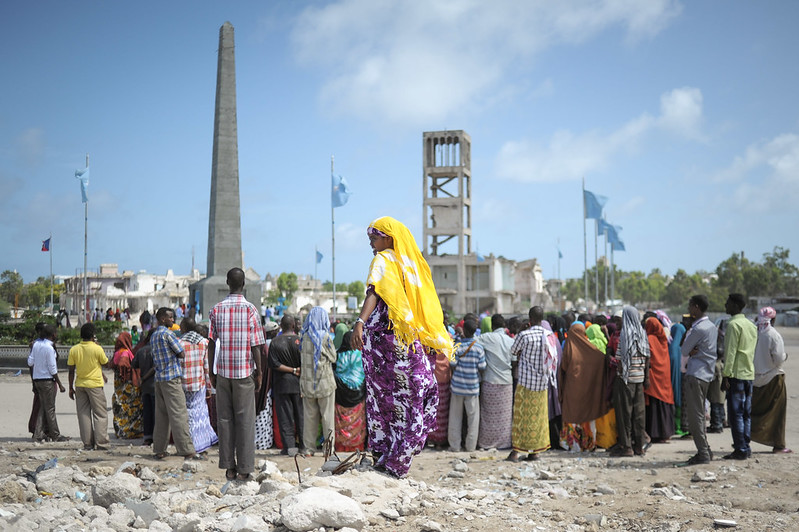
Since 2015, Bangladesh has made remarkable improvements in reducing poverty (SDG 1). For instance, by 2010, the proportion of Bangladeshis living below the international poverty line decreased by 8.3%. Similarly, the proportion of Bangladeshis living below the domestic poverty line decreased by 9.9% from 2010 to 2018. While this is an exceptional improvement, Bangladesh still has much to improve by 2030.

5 Ways Bangladesh Works Toward SDG 1

  1. Increasing Opportunities for Women. Bangladesh has a large, young workforce. More than half of Bangladesh’s population is younger than the age of 25 and approximately 2 million people enter the workforce every year. Many women, however, do not participate in the workforce. This is particularly apparent in rural areas where the employment gap between men and women is especially high. According to the SDG Fund, only 36.4% of women are employed; unfortunately, this employment rate is 46.9% lower than that of men. Addressing this disparity between women and men is necessary to reduce poverty in Bangladesh over time.
  2. Growing the Economy. Bangladesh is well-known for its garment production industry, the second-largest in the world. Many businesses hire firms from Bangladesh to manufacture their products. This, in turn, provides Bangladeshis with more work opportunities and provides revenue for the economy. Garment exports from Bangladesh continue to rise by approximately 16% every year.
  3. Increasing Digital Power. Like Bangladesh’s garment industry, the digital power and technology industry continues to grow rapidly. Bangladesh has the largest number of information technology (IT) freelancers in the world: more than 600,000 IT freelancers work within the country. Freelancers are able to work remotely and assist people worldwide; therefore, these jobs are relatively secure. Much of Bangladesh’s youth seek IT experience due to the good pay and job security.
  4. Concentrating on Lagging Regions. Economic and environmental issues disproportionately impact the rural areas of Bangladesh. Ergo, these regions are more prone to poverty than urbanized cities. In order to dissipate national poverty and reach SGD 1 in Bangladesh, officials focus on improving lives in these lagging regions. Therefore, the SDG Fund’s program primarily supports rural districts such as the Kurigram district in Northwest Bangladesh and the Satkhira district on the country’s southwest coastline.
  5. Improving Infrastructure. Improved infrastructure is another vital aspect of fighting poverty in Bangladesh. According to the World Economic Forum Global Competitiveness Report from 2013, the country’s overall infrastructure ranked 134th out of 142 countries. However, since the development of the SDGs, Bangladesh, with financial help from the World Bank, paved 800 kilometers of new roads while maintaining 4,500 kilometers of rural roads in 26 districts. Officials also implemented road safety engineering measures and a community awareness campaign regarding road safety.

Looking to the Future

Bangladesh has made significant progress since implementing the SDGs. By increasing opportunities for women, growing the economy, increasing digital power, concentrating on lagging regions and improving infrastructure, Bangladesh can achieve its goal of providing its people a more prosperous life by 2030. More specifically, these poverty reduction methods will help achieve SGD 1 in Bangladesh.

– Heather Law
Photo: Flickr

December 30, 2020
https://borgenproject.org/wp-content/uploads/borgen-project-logo.svg 0 0 Kim Thelwell https://borgenproject.org/wp-content/uploads/borgen-project-logo.svg Kim Thelwell2020-12-30 10:38:462024-05-30 07:53:19Updates on SDG 1 in Bangladesh
Global Poverty, Poverty Eradication, Water

5 Innovations in Poverty Eradication in Malawi

Poverty Eradication in MalawiSituated in Southern Africa in between the borders of Mozambique, Zambia and Tanzania, is Malawi, a nation with 50% of the population living below the poverty line. Many reciprocal factors drive such high poverty rates — the country’s low agriculture productivity, insufficient infrastructure development and the lack of new technologies’ adoption as well as vulnerability to natural disasters. Although Malawi is already undergoing a series of governmentally-induced five-year consecutive plans called the Malawi Growth and Development Strategy, there are other actors coming up with innovative solutions to progressing toward poverty eradication in Malawi.
5 Innovations in Poverty Eradication in Malawi

  1. E-Madzi Automated Water Kiosks: One in three Malawians, or 5.6 million people, do not have access to running water in their households and their only source of clean water is water kiosks. Although this is a common solution across the country, most kiosks are only open for three hours in the morning and three hours in the evening. Moreover, people can only pay for the service in cash and the waiting time is usually quite long. That is why the Lilongwe Water Board and the World Bank financed and installed E-Madzi water kiosks, which are fully automated and usable with an e-card. The project was launched in June 2017 with only four kiosks in Lilongwe, the capital of Malawi. However, the area has obtained 35 more kiosks in 2020. The automated kiosks give access to water at any time of the day, consequently decreasing long waits and water waste while reducing 65% of the water costs. This fact makes daily water sourcing more convenient and secure.
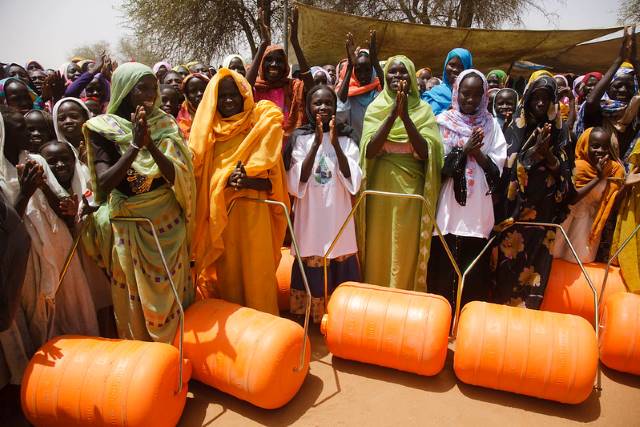
  2. Hippo Roller: It is very common for Malawians, mostly women and children, to shoulder the burden of carrying significant amounts of water from its source, such as a water kiosk, to the household. The Hippo Roller is a 90-liter water transport device enabling transportation of up to five times more water than standard 20-liter bottles. First introduced in Malawi in 2014, the Hippo Roller has allowed families to improve their health and hygiene, irrigate more crops for their own use and generate more income. Moreover, the Hippo Roller allows women and children time to go to school or obtain paid employment.
  3. Wonderbag: In many rural and remote areas of Malawi, cooking food on an open fire is the most common way of nourishment. This natural cooking process, though, is very time-consuming and detrimental to both human health and the environment as it releases burning charcoal and fuel into the atmosphere. In fact, smoke-related diseases kill more than 4 million people every year. Wonderbag is a non-electric slow cooker that allows the food to cook for up to 12 hours, all thanks to a foam-insulated bag securely wrapped around a cooking dish. According to Wonderbag’s founder and CEO, Sarah Collins, Wonderbag has made it possible to minimize health issues from indoor air pollution by reducing the amount of wood, charcoal and burning fuels by 70%. She told The Borgen Project that “Women save up to $18 per month on charcoal as they only need to use $2 worth per month, and not $20. This is a reduction of [ more than] two trees per household per annum.” Additionally, records determine that using Wonderbag saves on average 1,300 hours per year, during which girls and women can develop productive skills and increase their potential and autonomy. Furthermore, factories and sewing collectives that work together with Wonderbag on its production, provide local women with paid employment opportunities.
  4. Socially Progressive Innovation and Entrepreneurship Programme: Researchers from the University of Strathclyde Glasgow have been using satellite images and machine learning to predict the most efficient water points in Malawi. Such satellite observations are proving to be effective as they are not only precise and accessible in a matter of hours but also offer long-term measurements through the ability to access past data and analyze the historical evolution of impact.
  5. Second Agriculture Sector Wide Approach Support Programme: The Government of Malawi and the World Bank Group created the Second Agriculture Sector Wide Approach Support Programme to link farmers with nearby markets through rural road improvement. It benefits 200,000 households by bridging the gap between actual and possible crop yields as the majority of agricultural workers tend to live in remote areas with few roads and means of transport. With better and more accessible roads, it is easier for local farmers to reach markets, sell their produce and regularly increase their earnings. Since its launch in 2018, the Programme has succeeded in improving 1,000 km of rural roads and employing more than 14,500 people, with women accounting for 56%.

Looking Ahead

Poverty in Malawi is an issue that entails much more than the lack of income. It manifests itself in malnutrition, low hygiene, limited access to education, low chances for productive development, discrimination and a lack of social participation. Creative approaches and the implementation of innovative solutions toward poverty eradication in Malawi allow the country to improve its current social and economic situation efficiently and sustainably.

– Natalia Barszcz
Photo: Flickr

December 30, 2020
https://borgenproject.org/wp-content/uploads/borgen-project-logo.svg 0 0 Jennifer Philipp https://borgenproject.org/wp-content/uploads/borgen-project-logo.svg Jennifer Philipp2020-12-30 01:30:262024-05-30 07:56:095 Innovations in Poverty Eradication in Malawi
Global Poverty, Poverty Eradication, Poverty Reduction

The Big Lift: Explaining the Massive Global Reduction in Poverty Since 1990

Explaining the Massive Global Reduction in Poverty Since 1990From massive technological improvements to the ever-growing global communications network, world progress has proved exponential in the past 30 years. One such area of improvement is the global poverty crisis. While we advocate for further intervention within affected communities, it’s appropriate to step back occasionally and admire some victories made to this point. Since 1990, the statistics for poverty have plummeted. The extreme poverty rate globally fell from 35% to 11%. This means that 1.1 billion people are now living off of more per day than in the past. No individual body or organization can earn full credit for this global reduction in poverty; the effort is a result of dedication and persistence among a plethora of governments, groups and interested parties.
What Caused the “Lift?”

While the causes for the widespread poverty alleviation are varied, there are some programs that are generally implemented by governments (both locally and internationally) or even non-governmental organizations that work effectively to reduce poverty. These programs include microfinance, employment guaranteed schemes and property rights, among others.

NGOs are myriad and diverse. Some work directly in communities while others advocate for government assistance with these humanitarian issues. Two different but equally important contributors to this cause are Global Citizen and Oxfam International.

What these Groups Do

Oxfam International is an organization dedicated to creating change within local communities. Initially a combination of multiple independent NGOs, Oxfam has had enormous success globally since its inception, assisting local communities suffering from famine, disease and even sanitation struggles. Currently, its attention is focused on the refugee crisis in Bangladesh.

Global Citizen is a unique non-profit focused on educating people about global issues regarding education, sanitation, food availability and social awareness. The website has short quizzes, “actions” and other available resources for people to interact with. All of these resources serve a purpose, whether it be education, advocacy or simply direct fundraising. In turn, the person earns “points,” and these points can go toward raffles and gift opportunities. The website rewards initiative on the part of the reader, making poverty education interesting.

Together, these two groups have advocated and assisted vulnerable groups in impoverished countries. The success of these groups adds to the general trend in lower poverty rates worldwide, and many different organizations spanning every continent deserve praise for the improved global living conditions we’ve seen since 1990. The global reduction in poverty requires unification, and with plenty of different groups focused on different tasks, the success is apparent.

Room for Progress

Despite the success to date, the opportunities to improve globally still exist. Regarding the aforementioned decrease in extreme poverty, 11% of the globe is still around 800 million impoverished people, and with modern resources, experts think the battle could be more efficient. As such, it’s important to look at the global reduction in poverty through these lenses: if foreign governments and organizations become content with the work done to this point, public interest in the fight would surely cease. The fight against poverty only persists as long as the world cares about it and the global community continues to contribute.

– Joe Clark
Photo: Flickr

December 22, 2020
https://borgenproject.org/wp-content/uploads/borgen-project-logo.svg 0 0 Kim Thelwell https://borgenproject.org/wp-content/uploads/borgen-project-logo.svg Kim Thelwell2020-12-22 07:30:482020-12-17 17:45:23The Big Lift: Explaining the Massive Global Reduction in Poverty Since 1990
Food Security, Global Poverty, Poverty, Poverty Eradication

How Urban Farming Can Help Reduce Poverty

Urban Farming Can Help Reduce Poverty

The United Nations reports that over 2.5 billion people live in urban areas today and the rate of urbanization is only accelerating. By 2025, it is estimated that 3.5 billion people will live in urban areas, nearly half of the world’s population. People’s way of life is changing and the way people access their food also needs to adapt, which is where urban farming comes in. Urban farming can help reduce poverty in addition to an array of other benefits.

Challenges of Urbanization

Historically, moving to a city has been associated with increased opportunity and wealth, driven by more and better jobs and the promise of upward momentum and a better life. Today, the reality of urbanization is much different. Urbanization in low-income countries is growing exponentially and marked by poverty, unemployment and food insecurity. Many people move to the city from rural areas to escape over-population, violence, disease and hunger. As a direct result of this, about one billion people live in urban slums without access to sanitization, clean water or enough food or work. To survive, many people have resorted to growing their own food wherever they can. This is known as urban agriculture or urban farming and in many places, it is becoming the front line of food production.

What is Urban Farming?

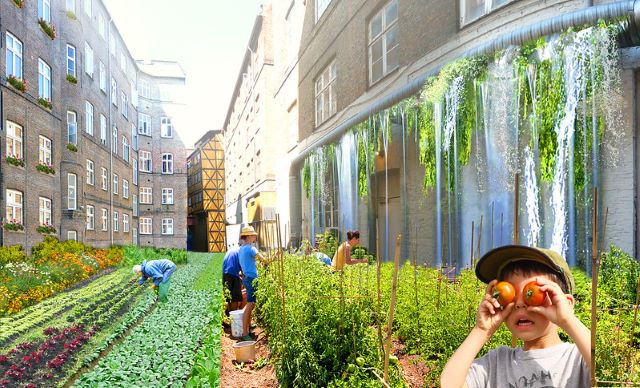
Urban farming is a local food system of growing plants and raising livestock in and around cities, as opposed to traditional rural areas. Today, 800 million people around the world rely on urban agriculture for access to fresh, healthy foods. Urban agriculture is versatile, allowing for different crops to be grown. This provides urban communities with direct access and control over nutritious and locally-produced food, which creates jobs and boosts the local economy. Urban farming is also good for the environment and positively impacts household food security. All of these factors result in poverty reduction, which helps quickly developing urban areas.

Financial Incentives

Urban agriculture requires workers to harvest, care for, sell and maintain crops and animals. This has a huge impact on families struggling to find employment by creating jobs and supporting livelihoods. Additionally, it makes fresh food cheaper, allowing people in low-income areas access to affordable produce. Urban farming can help reduce poverty because when more people have jobs and are able to buy, it fuels the economy, creating even more opportunities. The Food and Agriculture Organization of the United Nations (FAO) sees how important urban agriculture is in poverty reduction efforts and has helped over 20 city governments implement multidisciplinary actions to optimize policies, financial incentives and training programs to low-income farmers in order to “improve horticultural production systems.”

Environmental Benefits

Cities, especially highly populated ones, face many environmental challenges. These may include lack of greenspace, heat capture, pollution, lack of biodiversity and poor air quality. Urban farming can reduce the negative effects of these concerns. By decreasing carbon dioxide in the air, providing environments for different species to thrive and decreasing the environmentally costly process of importing food from other places, urban agriculture is environmentally beneficial.

Success Stories

Across the world, urban farming is helping people and seeing success in many communities. RotterZwam, located in Rotterdam, Netherlands, is a “circular system” mushroom farming operation that uses coffee grounds used by local businesses to fertilize the plants. The facility itself is solar-powered and delivers products with electric cars. Another organization based out of London, England, uses the same circular system method. Called GrowUp Urban Farms, the farm grows crops and farms fish simultaneously by utilizing their symbiotic relationship. Both farms are good for the environment and jobs and are also booming local businesses.

Overall, urban farming can help reduce poverty in a number of important ways. It improves local economies by stimulating commerce and creating jobs, helps the environment and provides healthy, affordable food to local communities.

– Noelle Nelson
Photo: Flickr

December 14, 2020
https://borgenproject.org/wp-content/uploads/borgen-project-logo.svg 0 0 Yuki https://borgenproject.org/wp-content/uploads/borgen-project-logo.svg Yuki2020-12-14 05:34:202024-05-30 07:55:20How Urban Farming Can Help Reduce Poverty
Global Poverty, Poverty, Poverty Eradication

Increasing Minimum Wage in Geneva

minimum wage in GenevaIn an effort to combat rising poverty rates caused by Switzerland’s COVID-19 economic recession, the canton of Geneva has voted to implement a minimum wage of $25 an hour, which is roughly equal to $4,100 a month according to the 41-hour Swiss workweek. Reportedly, the highest minimum wage in the world, the vote came after recent media footage showed thousands of people waiting for food aid, thus highlighting the city’s apparent struggle with poverty. Low-wage service workers and vulnerable groups, such as undocumented workers, who have been hit particularly hard by the pandemic stand to directly benefit from the initiative to increase the minimum wage in Geneva.

The Minimum Wage Argument

Minimum wage hikes are a longstanding, though controversial method to combat poverty. Pro arguments for minimum wages state that it increases the overall standard of living, boosts worker morale, and, if the wages are good enough, moves people out of poverty. On the contrary, economists have noted that the well-meaning increase can actually create job loss, increase inflation and labor market competition, thereby adding to poverty rates. Opponents in Geneva used this claim of job loss to sway the vote against the initiative but the attempt was responded to by Alexander Eniline of the Swiss Labour party as “baseless.” Though it is important to note the number of people in a household and how many of them work, studies show that minimum wages can reduce poverty when coupled with in-work benefits or other national policies aimed at supporting low-income households. With this in mind, Switzerland’s extensive social security coverage and welfare policies may be strong enough to offset the negative effects of a minimum wage increase.

Details of the Minimum Wage in Geneva Vote

This proposal to introduce a minimum wage to Geneva was not the first of its kind. In 2011, then again in 2014, the measure was widely rejected by the canton. Similarly, the most recent vote which was proposed through the country’s popular initiatives ballot on September 27, 2020, barely passed, with 42% of voters against the implementation. Media reports question whether Switzerland’s economic fallout following COVID-19 and the surprising response to free food distribution have pushed the vote over the edge.

On one side, Michael Grampp, a chief economist in Switzerland, stated, “It definitely helped push the vote towards almost 60%,” while Mauro Poggia, Geneva State Counselor, did not agree that COVID-19 had a large impact on the vote. Though the pandemic’s amount of influence remains unclear, the wage increase has been viewed as a collective act of solidarity with the city’s growing poor population.

The wage increase comes into effect on November 1 and will benefit 30,000 low-wage workers, which amounts to about 6% of the canton. According to Groupement Transfrontalier Européen, which is an organization supporting cross border workers, two-thirds of those benefitting will be women.

Increasing Minimum Wage: Is it Enough?

Standing as one of the most expensive cities to live in in the world, the minimum wage initiative is estimated to be barely enough to push Swiss workers above the poverty line. While $25 an hour may seem high when compared to the U.S. federal minimum wage of $7.25, Geneva’s average cost of rent for two people is roughly $3,250. This leaves less than $1000 left for food, utilities and other necessities.


Though Switzerland’s strong social security policies have kept the economic effects of COVID-19 from devastating Geneva, the city’s population is hopeful that the measure of increasing minimum wage in Geneva will give low-wage workers another boost. Campaigners have called it a “step towards equality” and a more “dignified” way of living.

– Anastasia Clausen
Photo: Flickr

December 7, 2020
https://borgenproject.org/wp-content/uploads/borgen-project-logo.svg 0 0 Kim Thelwell https://borgenproject.org/wp-content/uploads/borgen-project-logo.svg Kim Thelwell2020-12-07 06:35:092024-06-04 01:17:58Increasing Minimum Wage in Geneva
Global Poverty, Poverty Eradication

Poverty in Nagorno-Karabakh

Poverty in Nagorno-Karabakh
The news has spotlighted the region of Nagorno-Karabakh once again as conflict has erupted between Armenia and Azerbaijan. Nagorno Karabakh is a landlocked territory in the South Caucasus in Eurasia between Armenia and Azerbaijan. Some also know it as Artsakh, the (unrecognized) Republic of Artsakh or the Republic of Nagorno-Karabakh. Additionally, not everyone views it as a country. For example, Azerbaijan does not recognize Nagorno-Karabakh as an independent state and claims the region is Azeri territory. Here is some information about poverty in Nagorno-Karabakh and its challenges to date.

The Conflict

One can trace the roots of the current conflict between Armenia and Azerbaijan back to before the formation of the Soviet Union. However, tensions resurfaced in the late 1980s and early 1990s after the Soviet Union’s collapse. Prior to this, the Soviet Union had established the region of Nagorno-Karabakh as within Azerbaijan. Around 95% of Artsakh’s population is Armenian and has been resistant to Azeri rule and continues to receive support and backing from Armenia. In 1992, a full-scale war called the Nagorno-Karabakh war broke out, which killed around 30,000 people and displaced a million. Eventually, Russia brokered a cease-fire between the two countries, and by 1994, Armenia had established some amount of control in Artsakh, though it still had international recognition as a part of Azerbaijan. In 2016, skirmishes reemerged and several soldiers lost their lives in an exchange of artillery fire.

Shelling and combat broke out along the outskirts of Azerbaijan and Armenia in late September 2020. Disputes have occurred over who started the hostilities as both parties insist the other was responsible. The violence that ensued has already claimed the lives of more than 200 people, both civilians and soldiers.

Poverty in Nagorno-Karabakh

The National Review on Implementation of the SDGs (Sustainable Development Goals) in the Republic of Artsakh (Nagorno Karabakh Republic) reported the following statistics as of 2019:

  • About 21.6% of the population lives under the national poverty line of $2.40 USD a day out of which over 6.1% live under the national extreme poverty line of $1.60 USD a day.
  • Nagorno-Karabakh has a low preschool enrollment and a high school dropout rate.
  • There is a lack of access to sanitation and waste disposal in rural areas.
  • About 22% of the employed population is still poor.
  • There is a high rate of non-communicable diseases and cardiovascular diseases were the cause of 67.4% of deaths in 2018.
  • Poverty levels are higher in regions that refugees inhabit.

There are also positive statistics that have showcased Artsakh’s progress towards achieving the SDGs:

  •  All citizens of Artsakh have some level of education with around 30% having higher education.
  • More than 90% of households have access to safely managed drinking water services.
  • About 97.1% of the population has access to reliable energy.
  • The average economic growth rate in the last decade was 10.2% annually.
  • About 81.7% of the population lives in their own houses.

Internally Displaced People and the Economies of Azerbaijan and Armenia

The wars in the region have no doubt played a hand in the quality of life of the locals. The conflict has created thousands of refugees and internally displaced persons. As of 2017, more than a quarter of Artsakh’s population are refugees and IDPs. Displaced people are especially vulnerable as they lack protection from international organizations and, when living in conflict areas, may not have access to humanitarian aid and support. Many of these refugees and IDPs are Armenians who fled Azerbaijan in the 80s and 90s during the Nagorno-Karabakh War. Others have experienced displacement because of subsequent conflict in the region. The current flare-up is likely to increase their numbers.

The Nagorno-Karabakh war, which ended in 1994, also took a toll on the economies of Armenia and Azerbaijan. The United Nations assessed at least $53.5 billion in economic damage. Despite this, Azerbaijan was able to recover and achieve a high GDP growth due to its oil resources and trade. In Armenia, however, poverty increased to 55% in 1996, and its economy was vulnerable and unstable. The disparity between Armenia and Azerbaijan’s economies shifted power in the region and made Azerbaijan a more militarily powerful country.

The Future of the Region

Resolving the conflict between Armenia and Azerbaijan over Artsakh will go a long way to alleviating poverty in Nagorno-Karabakh and ensuring a safer and more secure livelihood for the locals. A potential war makes the future of civilians in Artsakh uncertain. However, mediation efforts seem more plausible and many local organizations are working to provide them with humanitarian relief and financial support. The Armenian General Benevolent Union (ABGU) and the Hayastan All Armenian Fund have launched a global emergency fundraising campaign for Artsakh. The Armenia Fund has also been providing ongoing assistance to the people of Nagorno-Karabakh through infrastructure development and humanitarian aid.

Most of the nonprofit work occurring in Artsakh has involved relief work and humanitarian aid due to the fact that it is a conflict-prone zone and home to many refugees. However, this is changing. In January 2020, World Vision Armenia and the My Step Foundation began working together with vulnerable families in the Republic of Artsakh living in poverty. This is an extension of work that World Vision Armenia had already been conducting in Armenia where it helped families improve their socio-economic condition through life-skills training and coaching from professionals, mentorship and monetary support in order to be more self-reliant.

Months of this social work proved to have positive effects as 48% of the families they worked with were able to overcome extreme poverty and there was a noticeable improvement in the quality of life for 82% of the families. The organizations are hopeful that their partnership will yield similar successful results in Artsakh where its priority is child well-being. The recent conflict has only made the implementation of this program more urgent and has the potential to give many families hope for the future and reducing poverty in Nagorno-Karabakh.

– Manika Ajmani
Photo: Flickr
November 4, 2020
https://borgenproject.org/wp-content/uploads/borgen-project-logo.svg 0 0 Kim Thelwell https://borgenproject.org/wp-content/uploads/borgen-project-logo.svg Kim Thelwell2020-11-04 15:46:152024-06-04 01:08:49Poverty in Nagorno-Karabakh
Page 8 of 10«‹678910›»

Get Smarter

  • Global Poverty 101
  • Global Poverty… The Good News
  • Global Poverty & U.S. Jobs
  • Global Poverty and National Security
  • Innovative Solutions to Poverty
  • Global Poverty & Aid FAQ’s
Search Search

Take Action

  • Call Congress
  • Email Congress
  • Donate
  • 30 Ways to Help
  • Volunteer Ops
  • Internships
  • Courses & Certificates
  • The Podcast
Borgen Project

“The Borgen Project is an incredible nonprofit organization that is addressing poverty and hunger and working towards ending them.”

-The Huffington Post

Inside The Borgen Project

  • Contact
  • About
  • Financials
  • President
  • Board of Directors
  • Board of Advisors

International Links

  • UK Email Parliament
  • UK Donate
  • Canada Email Parliament

Get Smarter

  • Global Poverty 101
  • Global Poverty… The Good News
  • Global Poverty & U.S. Jobs
  • Global Poverty and National Security
  • Innovative Solutions to Poverty
  • Global Poverty & Aid FAQ’s

Ways to Help

  • Call Congress
  • Email Congress
  • Donate
  • 30 Ways to Help
  • Volunteer Ops
  • Internships
  • Courses & Certificates
  • The Podcast
Scroll to top Scroll to top Scroll to top