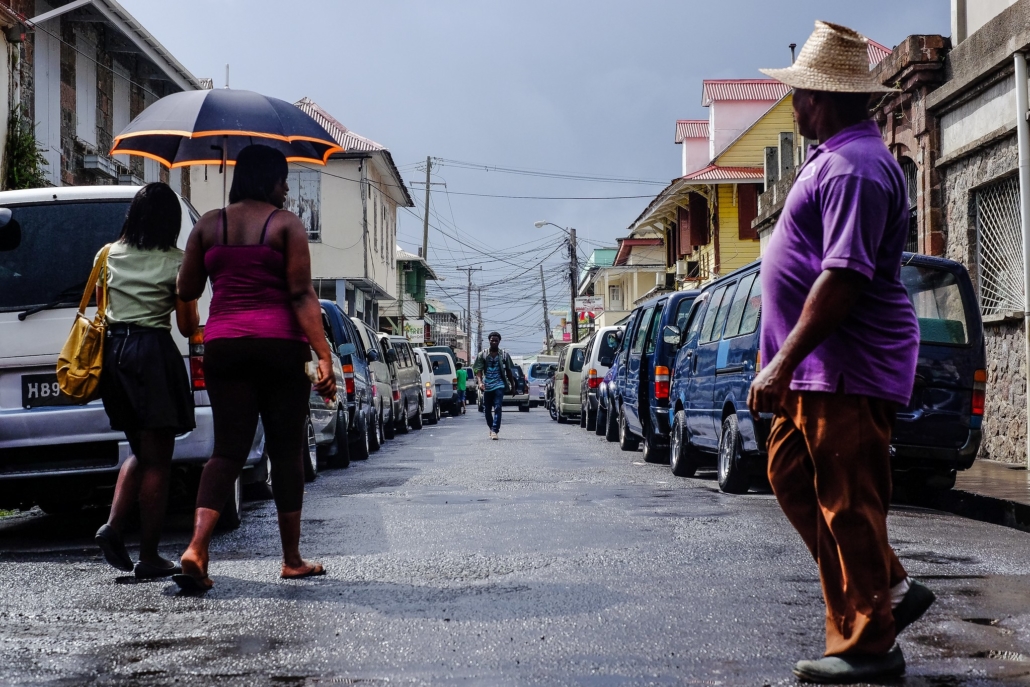
In a significant step towards poverty eradication, the Caribbean country of Dominica is using the funds it garnered through a program called Citizenship by Investment (CBI) in order to become the world’s first climate-resilient nation. This effort would both prepare the island for the future while addressing poverty in the present. Dominica’s poverty rate is 39%, higher than that of neighboring countries, due in large part to its economy’s reliance on banana exports, an industry that extreme weather events increasingly impact. In the wake of Hurricane Maria in 2017, the government committed to the construction of affordable, weather-resistant housing that strengthens the social safety net, the expansion of its health care infrastructure and the support of its jobs program, all with CBI funding. Here are seven facts about CBI and poverty eradication in Dominica.
7 Facts About CBI and Poverty Eradication in Dominica
- CBI: International Investment, Local Impact: CBI issues citizenship in exchange for monetary investment. According to the Financial Times, Dominica’s CBI program is the best in the world. It is relatively affordable at $100,000, efficient due to Dominica’s experience in administering the program and has a commitment to integrity, thoroughly vetting the source of every cent that goes to the country. Recipients enjoy the business and travel opportunities that having a second citizenship affords them while the issuing country is able to invest the revenue at the local level. Though the program has been in place in Dominica since 1993, it has only recently become the primary source of the climate-resilient investments that are helping to progress poverty eradication in Dominica. This shift in focus follows the devastation of Hurricane Maria in 2017.
- The Storm that Changed the Face of the Island. Hurricane Maria made landfall in Dominica, aptly known as “The Nature Island,” on Sept. 18, 2017. Winds reaching up to 160 mph battered the island, triggering landslides, destroying infrastructure, washing away crops and either razing or damaging an estimated 90% of homes, left tens of thousands of people without a roof over their head. The prime minister of Dominica, Roosevelt Skerrit, took to Facebook to announce that the hurricane blew his own roof off his residence in an effort to draw attention to the crisis as it was still ongoing. When the storm abated, the government endeavored to put the CBI funds, and the people of Dominica, back to work.
- The Housing Revolution. In September 2018, one year following Hurricane Maria, Dominica partnered with the Montreal Management Consultants Establishment (MMCE) to build homes across the island. As of September 2020, this initiative, known as “Housing Revolution,” has built over 1,000 affordable, weather-resistant homes, with plans to ultimately construct a total of 5,000 of these units. CBI funds support the program entirely.
- An Emphasis on Community. The nascent neighborhoods include commercial centers, sports fields and farmers’ markets, a reflection of the Housing Revolution’s commitment to fostering communities, not simply constructing houses. To that end, the CBI-sponsored Trafalgar Community Centre, which opened in August 2020, features a sickbay, an events space, clinic and a dining and activity hall. The government heralds the Centre as “a place where at-risk youths can receive help, neighbors can socialize with each other and anyone can receive educational classes and participate in recreational activities.”
- Health Care: Prior to Hurricane Maria, the Dominican health care system centered on its four national hospitals. Care was specialized and reactive rather than general and preventative. After Maria’s devastation forced every sector to re-examine priorities, the Ministry decided to use CBI funds to strengthen its primary care system. In addition to a state-of-the-art hospital, Dominica is building 12 new primary health centers that will emphasize community-based care. Further, CBI funds subsidized the complex medical treatment abroad for 16 Dominican children.
- Jobs: The National Employment Program (NEP), which helps young people secure internships, jobs and develop vocational skills, has stayed afloat during the COVID-19 pandemic due in large part to the CBI. The NEP has provided support to 4,500 businesses and 3,896 interns.
- Economic Growth. An Economic Commission for Latin America and the Caribbean (ECLAC) report indicated that Dominica is the fastest growing economy in the region, its GDP up 9% in 2019. One can attribute this growth to both the CBI program and the rise in ecotourism as world travelers seek out Earth’s most rugged, unspoiled gems.
Looking Ahead
The rise in GDP is an indicator of the country’s economic upside, but one will soon be able to see whether it will correlate with the eradication of poverty in Dominica. The country is still rebuilding and the people are still getting back on their feet. If poverty rates do tick down over the coming years, then the investment of CBI funds into community-based, climate-resilient infrastructure and jobs could serve as a blueprint for other developing countries as they work to lift their people from poverty while investing in their future.
– Greg Fortier
Photo: Flickr
 Of the United Nations 17 Sustainable Development Goals, the first one sets an ambitious target. To
 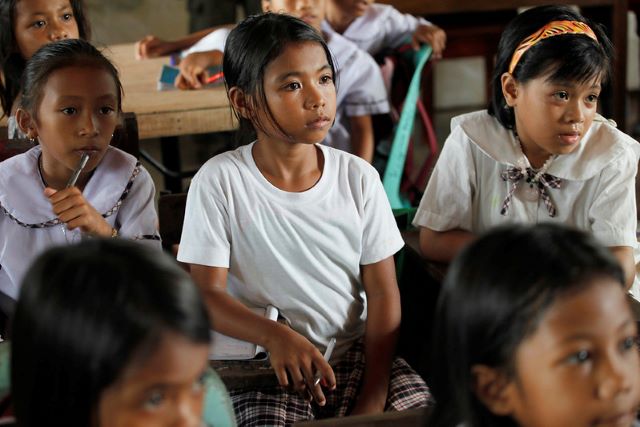 The Philippines has an opportunity for rapid economic growth and the potential to greatly innovate industry across the country. This opportunity comes from the number of young people in the country. Young people account for 50% of the entire population of the nation, leaving it with immense potential for economic growth as these young people begin to enter the workforce. Youth development in the Philippines is crucial for the country’s transformation into a resilient nation.
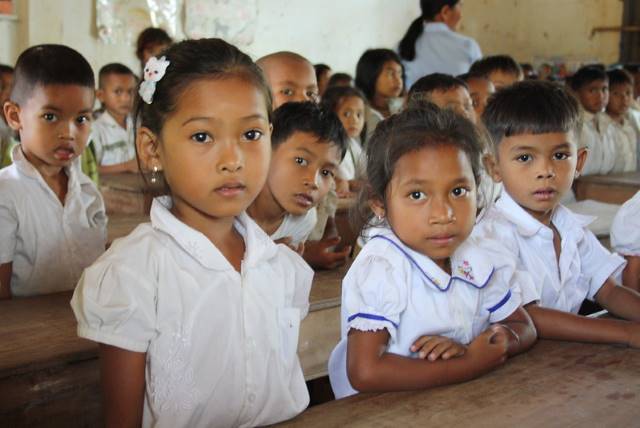 Cambodia has come a long way in eliminating poverty. From 2007 to 2014, Cambodia’s
  The country of Mozambique, located in southern Africa, has
  On November 24, 2020, a groundbreaking moment occurred that changed the struggle against period poverty. The Scottish Parliament passed the
  In 2001,
  In an effort to combat the nation’s longstanding battle with poverty, the Romanian Government passed
 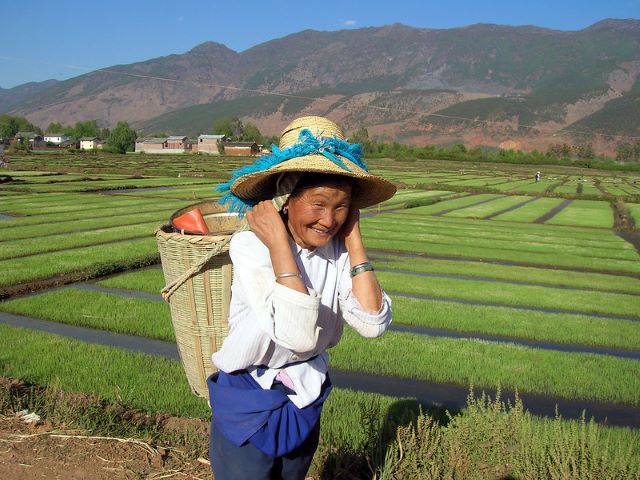 The Huanjiang Maonan Autonomous County lies in Guanxi in southern China. A majority of China’s Maonan ethnic group live here in rural villages. Once considered one of China’s most impoverished places, the poverty rate has now dropped to under 2% thanks to efforts by the Chinese Academy of Sciences (CAS). By using advanced farming techniques and relocating people to more arable areas, CAS has provided a model for eradicating rural poverty in China.