• Link to X
  • Link to Facebook
  • Link to Instagram
  • Link to TikTok
  • Link to Youtube
  • About
    • About Us
      • President
      • Board of Directors
      • Board of Advisors
      • Financials
      • Our Methodology
      • Success Tracker
      • Contact
  • Act Now
    • 30 Ways to Help
      • Email Congress
      • Call Congress
      • Volunteer
      • Courses & Certificates
      • Be a Donor
    • Internships
      • In-Office Internships
      • Remote Internships
    • Legislation
      • Politics 101
  • The Blog
  • The Podcast
  • Magazine
  • Donate
  • Click to open the search input field Click to open the search input field Search
  • Menu Menu

Archive for category: Nonprofit Organizations and NGOs

Information and stories about nonprofit organizations and NGOs

Children, Developing Countries, Education, Global Poverty, Nonprofit Organizations and NGOs

GiveLight Foundation: Empowering Orphans Globally

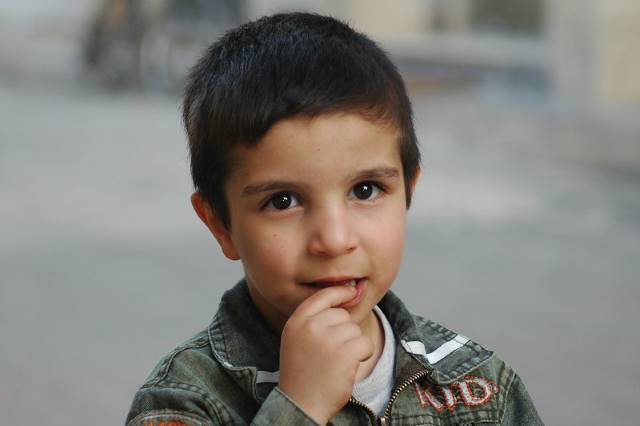
GiveLight FoundationWhen Alfin Nur was 11 years old, he lost his mother, father and one of his siblings in the 2004 Indian Ocean tsunami. Two years later, the GiveLight Foundation found Alfin and began to invest in his life. He studied at a boarding school in Banda Aceh, Indonesia, which GiveLight fully sponsored, while also providing him with love and emotional support. In 2015, he graduated from Al-Azhar University in Cairo.

The GiveLight Foundation

GiveLight Foundation is a nonprofit organization that provides orphans with stability so that they can rise out of the cycle of poverty. Its mission is to build quality homes for these children and support them in receiving proper education that will serve them long-term. It emphasizes raising children in a loving and supportive environment and providing a sense of belonging.

“GiveLight Foundation is one big home for all orphans,” described Fatima Jaber, the founder of the GiveLight Baltimore Chapter, in an interview with The Borgen Project.

The same disaster that destroyed Nur’s family, hit and devastated the hometown of Dian Alyan, in Aceh, Indonesia. The tsunami killed a quarter of a million people overall, leaving many orphans. Alyan decided to build an orphanage called Noordeen Orphanage. A year later, with the help of friends, family and generous donors, the orphanage was housing 50 orphans. Through that, the GiveLight Foundation was founded.

It now has orphanages in many countries including Pakistan, Bangladesh, Indonesia, Morocco, Sri Lanka and Cambodia, providing a loving home for around 1000 children.

The Baltimore Chapter

GiveLight provides opportunities for people to start “chapters” in their own city. The chapters focus on raising funds and sponsoring the orphans of GiveLight. Most of these chapters are located within the United States in cities like Chicago, Southern California, Seattle, Baltimore, New Jersey and Orlando. GiveLight is also beginning to focus on opening chapters internationally. Currently, there is one in South Africa, Paris and Toronto and there are efforts to open chapters in Istanbul, Sydney, Brussels and Dubai, UAE.

Jaber, the founder of the Baltimore Chapter, talked about how she opened up the chapter in Baltimore around three years ago. “I heard Dian Alyan’s story when I lived in California in 2012 and knew I wanted to be involved. After moving to Baltimore and meeting supportive friends and a generous community, I thought it would be great to start a chapter here.”

Raising Funds for Orphanages

The Baltimore Chapter raises funds by hosting galas, game nights, scavenger hunts and walkathons. Soubia Balkhi, one of the other members of the Baltimore Chapter, told The Borgen Project in an interview that the last two galas had been very successful, with the team raising more than $10,000.

Because the cause is so broad, beforehand the team decides which GiveLight project the funds will contribute to. They typically like to focus on where the need is the most for that year. “For example, this year Bangladesh needs it the most and so the money from this year’s fundraiser will go to building an orphanage in Bangladesh,” said Balkhi.

The funds are then sent to the headquarters which has on-site representatives distribute the money specifically where it is needed.

Despite the limits due to COVID-19, the Baltimore Chapter continues to raise funds. Jaber discussed its latest event, taking place next month. “I’m excited to announce our next virtual scavenger hunt event! It is a fun and interactive social event where families can join, create teams and still follow all COVID-19 protocols.”

Empowering Orphans Alleviates Poverty

GiveLight is not a typical orphanage that solely provides children with a place to stay. It ensures that the orphans under its care are given a home and a proper life. The strategy that GiveLight uses allows the orphans to become self-sufficient through education, enabling them to be independent and to be able to give back. This is especially important considering that education is proven to positively contribute to reducing poverty.

Alfin Nur was not the only orphan who was able to graduate due to the opportunities that GiveLight provided for him. Rahmat Mico is now on his way to become a scientist and  Nursawami is a working mother who continuously gives back to GiveLight.

With more time, orphanages, chapters and supporters, GiveLight will be able to broaden its support in the qualitative manner that it has been doing since the very beginning.

– Maryam Tori
Photo: Flickr
February 18, 2021
https://borgenproject.org/wp-content/uploads/borgen-project-logo.svg 0 0 Jennifer Philipp https://borgenproject.org/wp-content/uploads/borgen-project-logo.svg Jennifer Philipp2021-02-18 01:31:582024-05-30 07:56:24GiveLight Foundation: Empowering Orphans Globally
Children, Food & Hunger, Food Aid, Food Security, Global Poverty, Humanitarian Aid, Nonprofit Organizations and NGOs, Poverty Reduction

5 NGOs Fighting Poverty in Wales

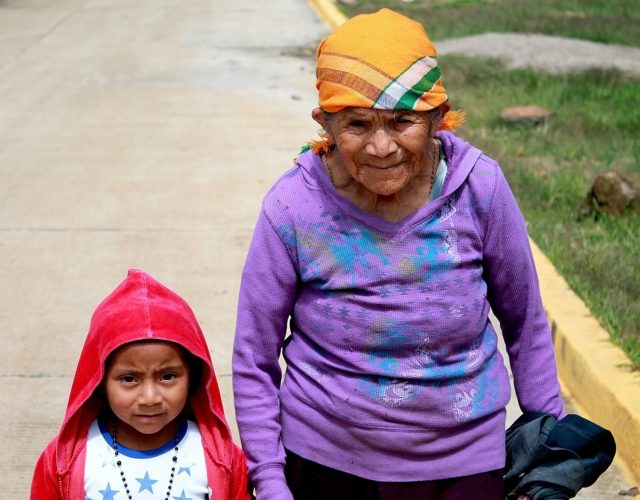
Poverty in WalesWales, one of the four scenic countries that comprise the United Kingdom, has 25% of its population facing poverty. Around 200,000 children live in poverty in the country too, with 90,000 of these children enduring extreme poverty. As Wales struggles with poverty on a daily basis and searches for improvement, NGOs in the country are doing their part to combat poverty.
5 NGOs Fighting Poverty in Wales

  1. The Joseph Rowntree Foundation. The Joseph Rowntree Foundation is an independent NGO working to solve poverty in the United Kingdom and Wales. Through research, policy, collaboration and practical solutions, the Joseph Rowntree Foundation aims to inspire action and change inside the United Kingdom. By shining a light on poverty in Wales while offering solutions for potential change, poverty in the country can be clearly addressed and better managed.
  2. The Catholic Agency for Overseas Development (CAFOD). CAFOD is an international NGO that reaches out to people living in poverty with practical help in the overall pursuit of campaigning for global justice. Through donations, campaigning and calling upon individuals to volunteer in both their local communities and internationally in Wales, CAFOD looks to immediately impact poverty with positive results. CAFOD is also a member of Caritas Internationalis, one of the largest humanitarian, development and social service networks in the world.
  3. The Trussell Trust. This is an NGO that supports a nationwide network of food banks that collectively provides emergency food and support to people locked in poverty. The Trussell Trust handed out 70,393 emergency food parcels from April through September through its 117 food banks that comprise the Welsh network of the NGO. Across the United Kingdom, the Trussel Trust’s network distributed more than 1.2 million emergency food parcels during the first six months of the COVID-19 pandemic.
  4. Save the Children. An NGO founded in 1919, Save the Children combats child poverty worldwide with the mission of keeping children safe, healthy and learning. The Wales sector of Save the Children works with education, social care and health partners to deliver a range of programs that directly benefit the lives of children in Wales. Children growing up in poverty in Wales face deep impacts, and as they fall behind in school due to the limited income of their parents, the cycle of poverty continues. Save the Children directly combats this cycle in Wales by advocating to the Welsh government about the importance of childhood education.
  5. The Bevan Foundation. Located directly in Wales, this NGO is on the constant lookout to reduce poverty in the country through innovation and ideas. Working alongside the Joseph Rowntree Foundation to find new solutions to poverty, the Bevan Foundation has presented evidence to the Welsh Parliament’s Equality, Local Government and Communities Committee inquiry on the impact of COVID-19 on communities, poverty and housing. The evidence will be beneficial for implementing anti-poverty strategies in Wales. The Bevan Foundation has also advocated consistently for social security benefits that would alleviate poverty.

The Future of Wales

Wales, facing increasing poverty due to the COVID-19 pandemic, finds its poverty worsening among children in the country more so than among adults. Amid this poverty, organizations are working to address the situation in different ways. With the help of more NGOs, poverty in Wales can reduce as the nation works to address the very core and cycle of it.

– Dylan James
Photo: Flickr

February 4, 2021
https://borgenproject.org/wp-content/uploads/borgen-project-logo.svg 0 0 Kim Thelwell https://borgenproject.org/wp-content/uploads/borgen-project-logo.svg Kim Thelwell2021-02-04 07:30:272022-05-11 08:38:315 NGOs Fighting Poverty in Wales
Global Poverty, Nonprofit Organizations and NGOs

Operación Eta: A Relief Coalition for Tropical Storm Eta in Honduras

Tropical storm EtaIn November 2020, more than 250 people from Central American countries were either missing or dead due to the tropical storm Eta. Floods and landslides displaced many vulnerable populations. The impoverished lost their shelter, food and even loved ones. However, the storm triggered people into action and several non-governmental organizations (NGOs) stepped up to help Honduras, which led to the “Operación Eta” coalition.
How Does Operación Eta Work?

The coalition’s main goal is to raise funds to support the families affected by tropical storm Eta. Funding comes from crowdsourcing. Thus, Operación Eta has established a GoFundMe profile. Behind the profile, a group of nonprofit organizations has come together. In addition, Honduran college students aiming to create social change in their country established initiatives to counteract poverty, hunger and social inequality during the COVID-19 pandemic. However, tropical storm Eta has united all these groups in one collective effort to help the nation recover. Among other nonprofits, Operación Frijol and Abrazos de Plata work within Operación Eta.

Nonprofits Working Under Operación Eta

    1. Operación Frijol: Frijol means bean, which is the primary source of nutrients for Honduran families. College students founded the project during the first months of the COVID-19 health crisis. “A group of friends from school, who were studying abroad, wanted to help their country. When they found out about the initiative, they donated money. Now we reach 110 volunteers,” Hugo Caballero, member of Operación Frijol told The Borgen Project. Donations enabled the organization to provide basic food baskets for people suffering the economic consequences of the pandemic. Since tropical storm Eta struck Honduras, Operación Frijol has transformed its platform into a donation site for victims of the disaster. The organization collected food, water, lanterns, clothes, blankets, masks and personal hygiene products to distribute. Moreover, it broadcasted the location of shelters. “There are children, pregnant women and disabled people among the victims,” Caballero said.
    2. Abrazos de Plata: Operación Frijol joined forces with several NGOs in order to create a stronger impact. One of them is Abrazos de Plata. The organization’s name means silver hugs. It describes itself as a “group of young people whose mission is to support elders living in nursing homes.” Abandoned elders, left to their own devices, caught the NGO members’ attention. The members reacted by supporting these elders in order to prevent social inequality and conditions stemming from poor hygiene and malnutrition. Since the Honduran president declared a state of emergency due to the storm, the project focuses on gathering donations and setting up shelters for those who have lost most of their belongings. Abrazos de Plata collected donations and provided supplies. “We are amazed by the effective response of our Honduran brothers, everyone donates what they can,” Rocío Pavón, a medical student volunteer told The Borgen Project.

Looking Ahead

Tropical storm Eta has wrecked homes and disrupted lives. However, this tragic natural disaster has united the Honduran people while inspiring people’s generosity and encouraging others to stand up in solidarity. The natural hazard has triggered college students into action, bringing hope to those struggling amid the consequences of the disaster.

– Paola Arriaza Avilés
Photo: Pixabay

February 2, 2021
https://borgenproject.org/wp-content/uploads/borgen-project-logo.svg 0 0 Yuki https://borgenproject.org/wp-content/uploads/borgen-project-logo.svg Yuki2021-02-02 01:30:462022-05-06 07:18:58Operación Eta: A Relief Coalition for Tropical Storm Eta in Honduras
Global Poverty, Nonprofit Organizations and NGOs

Period Poverty in Guatemala and 3 Organizations’ Aid

Period Poverty in Guatemala
As young girls grow up in Guatemala, they meet a challenge: their menstruation cycle. Period poverty in Guatemala weighs heavily on the country. The lack of access to hygiene management education and proper sanitation tools forces young girls to stay out of school for days at a time. However, as technology evolves and resources develop, many organizations are working to end period poverty in Guatemala and beyond.

Days for Girls

Days for Girls commits to helping females reach their fullest potential by combating period poverty and menstrual stigma. The organization begins this process by providing a Days for Girls (DFG) Kit, education on hygiene and sanitation, training and general support. Additionally, the group spreads awareness through global partnerships, mobilizing volunteer networks and working toward destigmatizing menstruation.

The DFG Kit consists of a multitude of necessities for managing a period. All the products are reusable, easily washable and durable. In fact, users of the patented kit say the items can last up to three years. Specifically, these kits require just a small amount of water, dry quickly and keep users comfortable while going about their daily lives. Furthermore, Days for Girls also handmakes the kits and the bags the kits come with, giving the packages a personal touch of beauty.

Thus far, Days for Girls has touched the lives of more than 1.7 million females. The organization’s reach spreads across more than 140 countries, with more than a thousand mobilizing teams and chapters. Currently, the organization has more than 15 countries with enterprises. Importantly, the group has an office stationed in Guatemala, focused on growing the team and production in the country.

The GRACE Project (Guatemalan Rural Adult and Children’s Education)

The GRACE Project stems from a collaboration of groups in Southwest Florida. The project aims to educate, train and help employ local Guatemalan women. The organization develops and implements workshops and home visits where they provide educational materials on reproductive health and local resources.

In addition to education, The GRACE Project creates handmade menstruation kits. All the products are reusable, washable and long-lasting. The kit consists of fertility bracelets with instructions, shields that serve as barriers to any leakage, flannel cotton pads, soap, gallon bags for washing and underwear.

In the past year, The GRACE Project gave 500 kits to women all over Guatemala. Along with these, the project has also passed out 800 Reproductive Health Kits within Central America. The kit provides up to three years’ worth of period products and a lifetime of birth control. The GRACE Project continues to grow production and delivery methods through workshops in Guatemala.

SERniña

SERniña founder, Danielle Skogen, lived in Guatemala for three years working as a teacher. During her time, she noticed a need for health and hygiene education. Often, Skogen would watch girls drop out of school due to a lack of access to proper sanitary items and a lack of support from their community. Thus, she developed SERniña as an educational support program.

The SERniña program works with already established educational organizations to bring about curriculums to educate and help eradicate period poverty in Guatemala. The organization teaches a range of topics such as human rights, financial literacy skills, aspiration-setting and menstrual and reproductive health.

In the workshops, facilitators work with the women to raise confidence levels and take care of their hygienic needs. Trained local women who are certified facilitators for SERniña teach all of the organization’s lessons. The program allows for conversations and participation in a safe space with specific lessons focused on self-advocacy, self-care and overall self-love. As a result, the program has delivered more than 400 hours of workshops to 180 girls and counting.

As shown above, the efforts of each organization play an important role in the Guatemalan community. Education, access and support truly uplift the local women. The work to eradicate period poverty in Guatemala can continue thanks to aid from organizations like these.

– Sallie Blackmon
Photo: Flickr

December 23, 2020
https://borgenproject.org/wp-content/uploads/borgen-project-logo.svg 0 0 Kim Thelwell https://borgenproject.org/wp-content/uploads/borgen-project-logo.svg Kim Thelwell2020-12-23 17:47:032024-06-04 01:17:59Period Poverty in Guatemala and 3 Organizations’ Aid
Aid, Aid Effectiveness & Reform, Charity, Education, Global Poverty, Nonprofit Organizations and NGOs

5 Canadian Organizations for Indigenous Prosperity

Indigenous communities in Canada

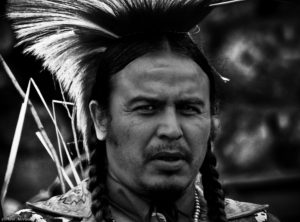
The Canadian Constitution recognizes three Indigenous communities — First Nations, Métis, and Inuit. Here are five of the many Indigenous-led organizations in Canada, collectively working to create success and prosperity for Indigenous communities.

5 Canadian Organizations for Indigenous Prosperity

  1. First Nations Information Governance Centre – The First Nations Information Governance Centre (FNIGC) is working to achieve data sovereignty. With support from regional partners and a special mandate from the Assembly of First Nations’ Chiefs in Assembly (Resolution #48, December 2009), the FNIGC collects and uses data to “build culturally relevant portraits of the lives of First Nations people and the communities they live in.” Their motto, “our data, our stories, our future” reflects their vision of Indigenous stories being told by Indigenous people, for Indigenous people.
  2. Indspire – Indspire is using the gift of learning to help provide academic success and long-term prosperity with support through financial aid, scholarships/bursaries, awards, mentoring and physical resources.
  3. Aboriginal Financial Officers Association of Canada – Aboriginal Financial Officers Association of Canada (AFOA) is creating a community of Indigenous professionals by supporting successful self-determination through “improving the management skills of those responsible for the stewardship of Indigenous resources.” This includes aid in management, finance and governance.
  4. Reconciliation Canada – Reconciliation Canada facilitates the engagement of Indigenous and non-Indigenous people with meaningful conversations on reconciliation and the lived experiences of Indigenous people. They aim to inspire positive change and understanding. At present, the programs and initiatives offered by the charity are Reconciliation in Action: A National Engagement Strategy, Reconciliation Dialogue Workshops, interactive community outreach activities and Reconciliation Canada.
  5. First Nations Child and Family Caring Society – The Caring Society supports First Nations children, youth and families. The organization has been able to provide 250,000 services and products to Indigenous children by putting Indigenous children and families first.

These five organizations are just some of many who are working to support success and prosperity for Indigenous communities in Canada. Their work helps blaze a path for a brighter future for Indigenous people and the country alike.

– Jasmeen Bassi
Photo: Flickr

December 21, 2020
https://borgenproject.org/wp-content/uploads/borgen-project-logo.svg 0 0 Kim Thelwell https://borgenproject.org/wp-content/uploads/borgen-project-logo.svg Kim Thelwell2020-12-21 09:21:522024-05-30 07:53:105 Canadian Organizations for Indigenous Prosperity
Charity, COVID-19, Global Poverty, Nonprofit Organizations and NGOs, Water Crisis, Water Quality, Water Sanitation

Water Poverty in Nigeria Improved by A Map

Water poverty in Nigeria
Water poverty in Nigeria is still a pressing issue today. Only 30% of Northern Nigeria’s population can access safe drinking water and adequate sanitation facilities. The subsequent use of unclean water leads to the spread of waterborne diseases such as cholera, guinea worm and hepatitis. The lack of water has impaired the livelihoods of farmers and led to a lower enrollment rate at schools, especially for girls. However, the situation is not without aid.

The History of Water Poverty in Nigeria

Since 1995, Nigerians have benefited from WaterAid, a charity organization that has established a multitude of water and sanitation projects. The organization works through partnerships with local government authorities, civil society groups and state agencies to implement its programs. The projects have led to progress in development plans and data collection efforts that have increased clean water supply and access to safe toilets.

WaterAid has worked to improve water poverty in Nigeria by implementing its services in more than 100 of Nigeria’s most impoverished communities, which include:

  • Abuja, the Federal Capital Territory, where only 7% of the population acquires safe tap water.
  • Bauchi State where less than 50% of people can access safe water and sanitation.
  • Benue State where most streams face contamination.
  • Ekiti State where the main source of domestic water is pre-packaged water sachets and water vendors during the dry season.
  • Jigawa State where waterborne diseases are common.
  • Plateau State where most households rely on an unsafe water supply from government sources.

WaterAid, along with government support, has provided more than 3 million Nigerians with clean water, hygiene and sanitation.

The Data4WASH Programme

The Abuja-based nonprofit Media for Community Change and U.S.-based NGO BLI Global have a similar goal of eliminating water poverty in Nigeria. On August 27, 2020, the two organizations formed a partnership to launch the Data4WASH Programme. The program consists of an interactive online platform that accumulates data and maps GPS coordinates. It then creates a map that water-impoverished communities can utilize to advocate for themselves.

Through the map, empirical and widespread evidence can prove the need for adequate investment in the design and installation of clean water and sanitation facilities. Additionally, the program empowers civil society by involving them in the national initiative to improve water poverty in Nigeria. The map encourages people to identify and report water-deficient and poorly sanitized areas in their communities. For instance, final year students from the Department of Statistics at the University of Ibadan will participate in the data collection process.

COVID-19

The Data4WASH Programme has been especially valuable after COVID-19 disrupted Nigeria’s progress in alleviating water poverty. According to WaterAid, 60 million Nigerians lack access to a clean water supply and services and 150 million people lack basic hand-washing facilities with soap and water.

By enhancing data collecting processes, Nigeria can fortify its most vulnerable communities and health care systems to withstand the present detriments of COVID-19. Further, it can institutionally protect against potential health threats in the future. These measures established by the Data4WASH Programme’s interactive map system would also satisfy U.N. SDG 6 — “clean water and sanitation access for all, including safe and affordable drinking water.”

Locally crafted, community-driven initiatives like the Data4WASH Programme and intergovernmental organizations are vital to ending global poverty. One sets guidelines and the other provides outlets that encourage entrepreneurship. The two must work together to end water poverty in Nigeria and all around the world.

– Joy Arkeh
Photo: Flickr

December 20, 2020
https://borgenproject.org/wp-content/uploads/borgen-project-logo.svg 0 0 Kim Thelwell https://borgenproject.org/wp-content/uploads/borgen-project-logo.svg Kim Thelwell2020-12-20 01:30:032022-05-12 09:41:37Water Poverty in Nigeria Improved by A Map
Global Poverty, Human Trafficking, Nonprofit Organizations and NGOs

From Slaved To Saved: Wipe Every Tear

Wipe Every TearThere are currently over 12,000 women trafficked for sex in Angeles City, Philippines. Because of high levels of poverty, many cannot escape because they have no other means for paying off their debts. Other jobs are hard to obtain with anything less than a college degree. Wipe Every Tear is a Christian organization that is helping victims of sex trafficking in three ways: a way out, safe homes and education.
A Way Out

In the Bible, the Book of Revelations chapter twenty-one verse four reads, “He will wipe every tear from their eyes, and there will be no more death or crying or mourning or pain.” The organization aims to take away the mourning and pain from women who have been trafficked in the sex trade. They are given a new way to live a life where they are surrounded by love and taught valuable skills to survive in the world.

The organization is fueled by women who are former sex slaves who want to help save others. They go back into bars in the red light district of Angeles City and invite women who are interested in getting out of sex trafficking back to their safe house in Manila. If the women are interested in escaping, Wipe Every Tear gives them a bed to sleep in, pays off their debts and enrolls them into school.

Safe Homes

Once any former sex slave has escaped, she is given any support needed to help her recover. This may include a weekly allowance and care for her children. Because many women are drawn into sex trafficking as a means to pay off debt or fuel a drug addiction, Wipe Every Tear aims to give them a safe home to gain back control of their life. Sexual exploitation is more common than it should be, with one in every four girls being the victim of abuse.

Wipe Every Tear provides a fully holistic approach to healing the women who come to safe homes. Women can receive medical and dental care. In addition, over 200 women and children have gone through its safe houses and received the opportunity at starting fresh.

Education

Many employers in the Philippines will not hire anyone with anything less than a bachelor’s degree. Wipe Every Tear provides tuition fees to women so they can pursue a college degree. If anyone needs transportation, Wipe Every Tear provides that too. The foundation began in 2008. By 2015, they celebrated their first college graduate. As of 2020, they have helped 30 women receive college degrees.

Wipe Every Tear also works with several other organizations to help provide education and jobs that teach business skills. Bella Goose Coffee is a fair trade coffee company that opened a shop in the red light district to give these women a better career opportunity. A proper career and education are fundamental in helping women stay out of sex slavery.

Wipe Every Tear continues to advocate within the global community to help women trapped in the sex trade. With community events, volunteer trips and business partners, it has established a successful method to help many women and their families. Wipe Every Tear is bringing light and happiness to many and ending their mourning and pain.

– Tawney Smith
Photo: Flickr

December 19, 2020
https://borgenproject.org/wp-content/uploads/borgen-project-logo.svg 0 0 Kim Thelwell https://borgenproject.org/wp-content/uploads/borgen-project-logo.svg Kim Thelwell2020-12-19 07:31:162020-12-17 09:53:22From Slaved To Saved: Wipe Every Tear
Global Poverty, Health, Nonprofit Organizations and NGOs

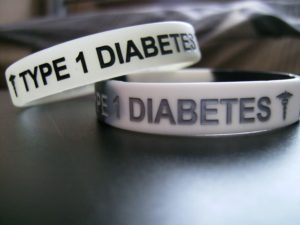
3 Organizations Addressing Diabetes in Pakistan

Diabetes in Pakistan

In 2019, Pakistan ranked sixth globally for the prevalence of diabetes. The recent increase in the prevalence of diabetes in Pakistan is associated with lifestyle changes. Citizens have been adapting their diets due to the industrialization and economic development within the country.

Diabetes in Pakistan

Obesity increases the likelihood of developing diabetes. Experts at the Pakistan Diabetes Leadership Forum in 2014 cited dietary changes that include consuming more saturated fats and less fiber as a cause of increased obesity and diabetes. Physical inactivity associated with economic changes in the country also contributes to the increased pervasiveness of diabetes. These diabetic risk factors decrease both insulin sensitivity and glucose tolerance.

Estimates believe that more than 6.7 million people in Pakistan have diabetes, which equates to 7.6% of the overall population. Despite its prevalence, diagnosis and treatment of diabetes in Pakistan is still limited. Only half of the estimated cases have been formally diagnosed and half of those diagnosed receive treatment. Recognizing the need for better, more accessible treatment options, organizations are combatting diabetes in Pakistan.

Diabetic’s Institute of Pakistan

Diabetic’s Institute of Pakistan (DIP) was founded in 1996. It has become the “leading organization for diabetes management, treatment, education and counseling” in the country. DIP focuses on three main aspects of fighting diabetes: prevention, treatment and management. To date, DIP has helped more than 100,000 patients.

The facility runs a diabetes awareness program and publishes educational materials in both English and Urdu. DIP also provides counseling and consultation services. The organization focuses heavily on psychological services due to its belief in emotional strength and the importance of “hope and happiness” for successful prevention and treatment of diabetes. Mental health services include an all-day helpline and counseling services that deal with stress and anger management. More traditional counseling is also available through DIP.

World Diabetes Foundation Project WDF15-947

The World Diabetes Foundation (WDF) started Project WDF15-947 to make diabetes treatment more widely accessible, especially focused on helping low-income individuals and areas. WDF supports three treatment clinics in Islamabad and Rawalpindi through training and education initiatives.

Between 2015 and 2018, WDF trained more than 300 nurses, doctors and paramedics in proper prevention, diagnostic and treatment practices in order to better serve the needs of the communities. In the same three years, nearly 13,000 screening tests were conducted. Individuals diagnosed with diabetes were referred to diabetes specialists for proper treatment. WDF also undertook an awareness campaign that included billboards, media programs for both TV and newspapers and the distribution of educational materials about diabetes in Pakistan.

The Diabetes Centre

The Diabetes Centre (TDC) is a nonprofit organization in Islamabad. It aims to improve access to diagnostic screenings and treatment for diabetes in Pakistan by providing these services for free to low-income individuals. The organization has 12 clinics that respond to specific complications of the disease, such as kidney, cardiac and eye care facilities. Since 2014, TDC treated almost 112,000 patients, of which only around 30% had to pay for treatment.

Diabetes in Pakistan remains an issue with low awareness and limited access to diagnosis and treatment services. However, these three organizations as well as many others, are working to increase educational initiatives and make treatments more accessible to combat diabetes.

– Sydney Leiter
Photo: Flickr

December 11, 2020
https://borgenproject.org/wp-content/uploads/borgen-project-logo.svg 0 0 Kim Thelwell https://borgenproject.org/wp-content/uploads/borgen-project-logo.svg Kim Thelwell2020-12-11 05:03:502024-05-30 07:53:013 Organizations Addressing Diabetes in Pakistan
Global Poverty, Nonprofit Organizations and NGOs, Poverty Reduction

Making a Difference: 3 Philanthropic Organizations in Greece

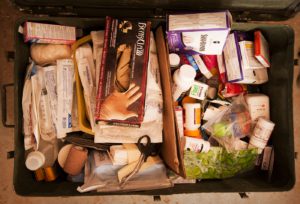
Philanthropic Organizations in Greece Due to income inequalities and the lingering effects of the 2008 global financial crisis, many Greeks continue to face threats of poverty. Of note, insufficient incomes caused 22.2% of the population to suffer severe material deprivation in 2015. While housing, food, education, training, health care and legal aid are difficult to access for those living in poverty,  philanthropic organizations in Greece are making a difference across the board.
3 Philanthropic Organizations in Greece

  1. Hellenic Hope. Child poverty in Greece impacts more than 686,000 children. Children are at risk of limited accessibility to nutritious diets and living in inadequate conditions to meet their developmental needs. Hellenic Hope is an organization that provides support to children living in poverty in Greece. Hellenic Hope focuses on raising funds for organizations to fight the child poverty crisis in Greece while increasing awareness about child poverty and encouraging collaborative efforts internationally. Since its establishment in 2012, Hellenic Hope has partnered with various organizations in Greece to provide food and clothing as well as emotional and educational resources. In 2015, Hellenic Hope participated in SOS-Eliza VIMA/STEP program to protect 95 vulnerable children. SOS-Eliza focuses on child abuse prevention and works with vulnerable families facing unemployment, poverty and social isolation.
  2. METAdrasi. METAdrasi is a grassroots organization established in 2009 that strives to eliminate human oppression. Founder Lora Pappa developed this organization to protect the rights of people displaced by war or prosecution. In 2019, METAdrasi received the Conrad N. Hilton Humanitarian Prize. The organization received a $2 million award for its work with refugees, migrants and unaccompanied children in Greece. The funding will allow the group to strengthen its advocacy efforts in Greece. Through the efforts of social workers and interpreters, METAdrasi has rescued refugee children from detention centers, conditions of homelessness and other unsafe environments on the island. METAdrasi has been able to help approximately 11,000 children in 4,000 escorting missions. In addition to this, METAdrasi continues to expand its services through innovative approaches that allow the organization to provide legal support, certification of victims of torture, education and protection for unaccompanied children.
  3. Kivotos tou Kosmou – Ark of the World. This is a philanthropic institution in Greece founded by Father Antonios Papnikolaou. The organization provides services for children and young mothers who are in need or in danger. Kivotos has been able to care for more than 220 children who have separated from their parents and support 150 single-parent families. With approximately 150 apartments, Kivotos provides housing so that these families can remain together. The organization also provides education, training and access to scholarships. Kivotos has helped teenage mothers by teaching them parenting skills and offering mental health care services and therapy.

Looking Ahead

While rebuilding from the financial collapse has been slow, thoughts of a prospering economy remain. Still, philanthropic organizations in Greece are finding ways to make a difference in many lives today. The Organization for Economic Co-operation and Development urges government reform to address poverty and inequality in Greece with hopes of economic recovery.

– Brandi Hale
Photo: Flickr

December 5, 2020
https://borgenproject.org/wp-content/uploads/borgen-project-logo.svg 0 0 Kim Thelwell https://borgenproject.org/wp-content/uploads/borgen-project-logo.svg Kim Thelwell2020-12-05 11:41:152024-05-30 07:53:09Making a Difference: 3 Philanthropic Organizations in Greece
COVID-19, Global Poverty, Health, Nonprofit Organizations and NGOs

Project C.U.R.E. Helps Clinics Worldwide

.Project C.U.R.E.
Dr. James Jackson, an international economic consultant, went on a trip to Brazil. While there, he visited an empty, under-equipped clinic near Rio de Janeiro. Inspired to help under-resourced parts of the world, he came back to Colorado to create Project C.U.R.E (Commission on Urgent Relief and Equipment). With a $50,000 donation from his friend, Dr. James Jackson founded his nonprofit in 1987. In just 30 days, he collected $250,000 worth of medical supplies — all in his garage. Now, his son, Dr. Douglas Jackson, runs Project C.U.R.E. as CEO and President. This article will explore how Project C.U.R.E. helps clinics worldwide by providing them with the necessary equipment.

Company Accomplishments

Project C.U.R.E. helps clinics and hospitals around the world by providing them with life-saving medical equipment and supplies. It has shipped 2,078 containers to 132 countries since June 2000. Since its inception over three decades ago, Project C.U.R.E. operations have expanded across the United States. Its distribution centers are located in Chicago, Denver, Houston, Kansas City, Philadelphia, Nashville and Phoenix. Additionally, small collection centers span multiple states. The organization has projects in countries such as Mexico, Nigeria, Uganda, Myanmar and the Dominican Republic.

In 2019, Project C.U.R.E. sent 145 containers to 42 countries with the help of nearly 30,000 volunteers. Forty-two global locations received 322 C.U.R.E. kits, and 12,624 patients received treatment at C.U.R.E. clinics in 2019 alone. From 2017 to 2018, the nonprofit trained 584 medical professionals in six different countries. In most of the countries that the nonprofit has worked in, people earn under $5 per day. People in these communities are often unable to afford basic health care and have a lower standard of living.

Methodology

Project C.U.R.E. does not go into these communities at random. It goes into areas that have suffered natural disasters or other desperate situations only after receiving an invite. Once someone identifies a “want,” someone from the organization personally visits the hospital and meets with the doctors for an 18-page need assessment. This need assessment ensures that Project C.U.R.E. can formulate a customized plan that specifically meets the needs of that hospital. After that, Project C.U.R.E. picks items out from the warehouses and ships them in containers from the distribution centers straight to the hospital.

The nonprofit delivers two to three cargo containers of medical supplies every week. With just $25, one can sponsor a delivery of a box of supplies with a $500 value to any country that Project C.U.R.E. does work in.

Partnership with AmerisourceBergen

Project C.U.R.E. works with the AmerisourceBergen Foundation, an American drug wholesale company that specializes in pharmaceutical sourcing and distribution services. Through this partnership, Project C.U.R.E. is able to make a positive impact on developing countries and their communities through improving access and quality of health care. Together, the partnership has gathered donations of medical equipment from medical facilities in the Chester County area. Distribution centers received the supplies for packaging and will eventually send them out to clinics all around the world.

Current Aid

Due to the pandemic, Project C.U.R.E. has shifted its focus to local needs. It packs and delivers personal protective equipment and ventilators to hospitals.

Yet, its mission remains the same: providing medical equipment and supplies to offer relief and critical resources to under-resourced communities. Project C.U.R.E. helps clinics so that they are able to perform safe medical procedures and offer quality health care to those most vulnerable.

– Mizuki Kai
Photo: Flickr

December 3, 2020
https://borgenproject.org/wp-content/uploads/borgen-project-logo.svg 0 0 Lynsey Alexander https://borgenproject.org/wp-content/uploads/borgen-project-logo.svg Lynsey Alexander2020-12-03 10:12:542024-05-30 07:55:43Project C.U.R.E. Helps Clinics Worldwide
Page 26 of 60«‹2425262728›»

Get Smarter

  • Global Poverty 101
  • Global Poverty… The Good News
  • Global Poverty & U.S. Jobs
  • Global Poverty and National Security
  • Innovative Solutions to Poverty
  • Global Poverty & Aid FAQ’s
Search Search

Take Action

  • Call Congress
  • Email Congress
  • Donate
  • 30 Ways to Help
  • Volunteer Ops
  • Internships
  • Courses & Certificates
  • The Podcast
Borgen Project

“The Borgen Project is an incredible nonprofit organization that is addressing poverty and hunger and working towards ending them.”

-The Huffington Post

Inside The Borgen Project

  • Contact
  • About
  • Financials
  • President
  • Board of Directors
  • Board of Advisors

International Links

  • UK Email Parliament
  • UK Donate
  • Canada Email Parliament

Get Smarter

  • Global Poverty 101
  • Global Poverty… The Good News
  • Global Poverty & U.S. Jobs
  • Global Poverty and National Security
  • Innovative Solutions to Poverty
  • Global Poverty & Aid FAQ’s

Ways to Help

  • Call Congress
  • Email Congress
  • Donate
  • 30 Ways to Help
  • Volunteer Ops
  • Internships
  • Courses & Certificates
  • The Podcast
Scroll to top Scroll to top Scroll to top