• Link to X
  • Link to Facebook
  • Link to Instagram
  • Link to TikTok
  • Link to Youtube
  • About
    • About Us
      • President
      • Board of Directors
      • Board of Advisors
      • Financials
      • Our Methodology
      • Success Tracker
      • Contact
  • Act Now
    • 30 Ways to Help
      • Email Congress
      • Call Congress
      • Volunteer
      • Courses & Certificates
      • Be a Donor
    • Internships
      • In-Office Internships
      • Remote Internships
    • Legislation
      • Politics 101
  • The Blog
  • The Podcast
  • Magazine
  • Donate
  • Click to open the search input field Click to open the search input field Search
  • Menu Menu

Archive for category: Nonprofit Organizations and NGOs

Information and stories about nonprofit organizations and NGOs

Food Insecurity, Global Poverty, Nonprofit Organizations and NGOs

Organizations Fighting Hunger in South Sudan

Hunger in South Sudan
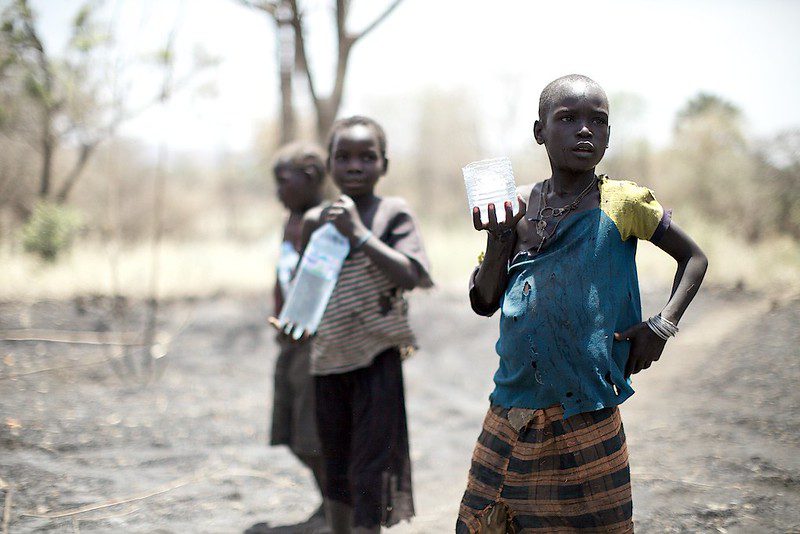
In 2011 South Sudan became the newest nation in the world. Gaining independence gave much celebration and hope for the future, yet South Sudan was created as a very undeveloped country. Nearly seven million people face the risk of starvation, which is 60% of the population in the country. In order to fight hunger in South Sudan, these organizations have come together to provide aid.

Rise Against Hunger

In parts of South Sudan such as Unity State and Jonglei, famine was officially declared in February of 2017. However, humanitarian organizations such as Rise Against Hunger fought to prevent worsening conditions. The national Integrated Food Security Phase Classification (IPC) has reported that the extent of the famine has since diminished. One of the ways Rise Against Hunger fought against hunger in South Sudan is by supporting programs managed by Mothering Across Continents in Old Fangak. The programs focus on providing school meals for children, constructing sustainable food storage and stabilizing markets through the purchase of local foods. Through the efforts of this support, more than 1,300 school children have received aid at the Old Fangak community school.

Action Against Hunger

Factors such as poor living conditions, climate change, limited access to clean water and public services lead to many becoming undernourished. The team at Action Against Hunger works to make hunger in South Sudan a thing of the past. The team focuses on bringing programs to local communities that work to prevent underlying causes of hunger. Teams at Action Against Hunger worked on supplying 7,215 families with agriculture support. They also constructed 71 kilometers of roads that will allow more easy access to schools, markets and health services. With 91,000 people living near poor-quality roads, these new 71 kilometers of roads will give much-needed relief to the people in South Sudan.

World Food Programme

Since December of 2013 civil war has been causing havoc in South Sudan. It has caused widespread destruction and death, which tanked the economy and reduced crop production and imports. This has made it difficult for 1.47 million displaced people to secure enough food for the year. To combat the hunger in South Sudan, the World Food Programme has worked to provide food assistance in nearly every part of the country since 2011. The organization also makes sure to provide nutritious food and nutrition counseling to pregnant women and children. The World Food Programme also establishes secure farming grounds in areas that do not see conflict.

Organizations such as Rise Against Hunger, Action Against Hunger and the World Food Programme are able to help prevent hunger in South Sudan and give relief for the people who are put at the risk of starvation. With the help of organizations aimed towards preventing hunger, the people of South Sudan are able to make steady progress towards food security.

– Ashleigh Jimenez
Photo: Flickr
October 20, 2020
https://borgenproject.org/wp-content/uploads/borgen-project-logo.svg 0 0 Kim Thelwell https://borgenproject.org/wp-content/uploads/borgen-project-logo.svg Kim Thelwell2020-10-20 19:31:142024-05-30 07:53:14Organizations Fighting Hunger in South Sudan
Global Poverty, Nonprofit Organizations and NGOs

The Value of Small Nonprofits: Maasai American Organization

The Value of Small Nonprofits: Maasai American Organization
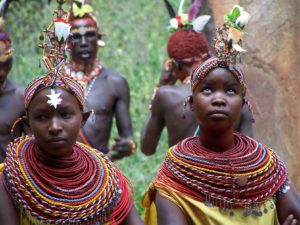
Lea Pellet, one of the delegates at the 1996 United Nations Women’s Conference in China, was very interested when nonprofit success was discussed. “One of the issues that came forth there was the recognition that big organizations were doing phenomenal work throughout the world, but there were a lot of pieces that really could only be handled by small groups. A church to a church, a school to a school, a women’s group to another women’s group.” With that thought, the Maasai American Organization (MAO) was born. Starting with domestic needs and then transitioning to international aid in health and education, MAO has flipped the script regarding non-profits.

Founder of MAO

Lea Pellet is a Wisconsin native and holder of multiple sociology and social work degrees from the College of William and Mary, Hampton University, Norfolk State University and Old Dominion University. She has served as a chair of the Department of Sociology, Social Work and Anthropology at Christopher Newport University from 1970 to 2006 and has also spent time as an Anthropology Field School Coordinator. Pellet founded the Maasai American Organization in 2000 and since then, the non-profit has worked with countries around the world. The organization’s name however, comes from their focus on helping the Maasai people of Kenya.

Domestic to International Efforts

The Maasai American Organization is a 501(c)(3) nonprofit originally run through Christopher Newport University in Virginia. As the program grew, it began to focus on international interests; this began with a grant from the School of Public Health of Mexico. The budding  idea was to find indigenous groups with a handful of educated or skilled people within the community, like teachers and doctors. MAO would then pair these people with groups from the United States in a fashion that values person to person interaction and connection.

On a trip to Kenya with her husband, Pellet met a woman who was once part of a UN program. Pellet asked her to consider setting her sights on the Maasai people by providing them with both aid and education. Pellet went with a team into the most remote areas of the Maasai territory and encountered their incredible pieces of art. Later, it was sold to African American museums in the United States. From there, Pellet got serious about becoming an NGO (instead of remaining university-based) and renamed the organization the Maasai American Organization.

Maasai Communities of Kenya

MAO put 300 Maasai girls through primary and secondary school in a culture that has historically not approved of education for girls. The organization’s focus was on educating girls who would return to the Maasai Mara and help improve their communities. Many of these girls would become nurses, teachers, entrepreneurs and social workers. MAO also helped build 10 preschools in remote areas, allowing some of the 300 graduated girls to be hired there as teachers. Most of the children coming to school have never heard Kiswahili or English. The children are typically taught by teachers from the urban area who have never heard KiMaa, the Maasai language. To eradicate language barriers, MAO teaches teachers to begin in native languages and then bridge to national languages if possible.

Most Maasai women were walking more than two hours to gather water from polluted streams. As a result, MAO put additional focus on the community’s acquisition of clean water. The organization installed deep wells where feasible and taught water purification techniques if wells could not be dug. Those wells made it possible for women to plant crops and even raise small herds of goats. Consequently, these changes improved the nutrition and health of children. MAO also constructed and staffed three family clinics, providing health officials until the educated girls were ready to take over.

Mayan Communities of Guatemala

Alongside her focus on Kenyan communities, Pellet felt the need to bring her work to Guatemala. MAO focused on educating Mayan girls to help build and staff health clinics. It also focused on developing markets for indigenous craft products and teaching women how to operate group craft businesses. The organization has built and supported a preschool and have moved approximately 50 Mayan girls on to successful school careers. One of the most significant contributions has been moving 80-100 women into entrepreneurship as glass bead weavers and jewelry makers.

Pellet personally oversees the most recent projects in Guatemala. She makes yearly trips there with a team to implicate different initiatives and work with the education and healthcare projects there. Her efforts have halted with the pandemic. She hopes to resume in the future when it is safe to do so.

Advantages of Small-Scale Nonprofits

Small nonprofits can have an incredible impact when working with low-resource communities. Here are a few ways that small initiatives like the Maasai American Organization can differentiate themselves from larger organizations:

  • Unique message or incentive
  • Flexibility and innovation
  • Less red tape
  • Cost-effective
  • Personal presence
  • Community-driven
  • Proximity

There are many situations where personal interaction and one-on-one aid is more helpful than sending a dollar amount. Lea Pellet’s Maasai American Organization is a great example of a small nonprofit that has made a world of difference in the past, present and future of the Maasai and Mayan peoples.

– Savannah Gardner
Photo: Flickr

October 12, 2020
https://borgenproject.org/wp-content/uploads/borgen-project-logo.svg 0 0 Kim Thelwell https://borgenproject.org/wp-content/uploads/borgen-project-logo.svg Kim Thelwell2020-10-12 01:30:052020-10-07 09:45:55The Value of Small Nonprofits: Maasai American Organization
Education, Global Poverty, Nonprofit Organizations and NGOs, Women, Women and Female Empowerment, Women's Empowerment

Empowering Women in India Through Sewing

Empowering Women in India Through SewingOver the last decade, empowering women in poor communities has become a focal point in India. That is because about 50.7 million people live in extreme poverty in India, yet, as of 2019, only 20.7% of women in India are part of the labor force. Moreover, the country has recently seen a drop in its GDP from 6.1% to 5% and is attempting to recover from its uncertain economy. As a result, one solution that many nonprofit organizations and the government have recognized is investing in the population that is living under the poverty line. Specifically, many groups are empowering women in India through sewing.
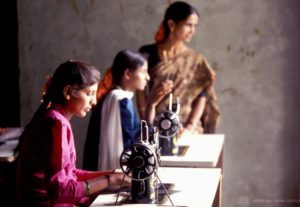
Today, being able to sew can be an acclaimed vocational skill. Over the past decade or so, embroidery has become an empowering tool for women in India, and a traditional craft. With this understanding, nonprofits have implemented many initiatives in India to empower women and help their families out of poverty.

Sewing the Seeds & Samugam Trust

Sewing the Seeds is a nonprofit organization that partnered with the NGO Samugam Trust to begin a women’s sewing initiative. The plan supports women in impoverished communities by creating economic stability using creativity and the traditional craft of stitching. Bruno Savio and Gayle created Sewing the Seeds to use sewing to empower women in India living in poverty.

Savio’s father opened the Samugam Trust in 1991 to support the educational training of the underprivileged, the rehabilitation of leprosy patients and those who are physically challenged. Bruno Savio has continued his father’s legacy as director of Samugam and partner of Sewing the Seeds. Gayle backpacked across India about 40 years ago. During her journey, she saw an opportunity to empower women in the country through vocational training.

Savio and Gayle recognized that more than 50% of women in India are illiterate, and only 29% of women in India are actively employed. Additionally, those who are employed are paid 46% less than men holding the same positions. Sewing the Seeds and Samugam Trust realize that investing in women is smart economics and essential to reducing poverty. With this in mind, the initiative provides the training, financial assistance, materials and communal space to empower women while preserving local craft traditions.

Samugam Trust has supported the initiative since 2011, with the first collection of products introduced online in 2018. Sewing the Seeds and Samugam Trust have supplied training and machines for 130 women. The importance of this initiative is to empower women in India in a way that is holistic and long term in its support.

Shakti.ism

Shakti.ism also supported empowering women in India through sewing by launching a sustainable livelihood project. The starting goal is to reach out to 10 tribal and disabled Indian women to provide vocational training. To successfully supply these resources Shakti.ism is partnering with Samugam Trust and Sewing the Seeds to empower impoverished women. Recently, they chose 10 women from diverse backgrounds including disabled mothers.

Shakti.ism continuously raises money to cover instruction fees, supplies, daily stipends for trainees and administrative costs such as quality control. Most products are crafted from repurposed saris (a traditional Indian woman’s dress) and are to be sold online. Shakti.ism is empowering women in India as a way to support families living in underprivileged rural areas of India, as well as decrease the wage disparity while increasing the trainees’ self-confidence and skills.

Usha Silai School

Included in the community-based initiative is Usha Silai (sewing) School. This initiative has reportedly set up over 15,000 sewing schools across India with the support of the Digital Empowerment Foundation NGO and Sikana. To further their reach and enhance their programs, Usha and Sikana co-created a video program to train illiterate women. The enhanced program has increased the initiative’s outreach while providing skills to gain a livelihood to women in rural India.

The Digital Empowerment Foundation supplies technological information for rural citizens to use to their advantage. For example, they supply internet-dependent tools that can provide access to training and create socioeconomic equality. Specifically, they provide internet and digital tools in rural community centers that partner with Usha Silai School.

Community-based initiatives that provide sewing empowerment for women in poverty have been essential for the growth of rural India. Sewing has become a highly desired vocational skill and is a powerful tool for those living in poverty. Recognizing the long term impact of vocational training, NGOs provide this solution-based approach across India to bring self-confidence and skills to women.

– Sumeet Waraich
Photo: Flickr

September 25, 2020
https://borgenproject.org/wp-content/uploads/borgen-project-logo.svg 0 0 Kim Thelwell https://borgenproject.org/wp-content/uploads/borgen-project-logo.svg Kim Thelwell2020-09-25 14:47:402024-05-30 07:52:22Empowering Women in India Through Sewing
Global Poverty, Nonprofit Organizations and NGOs

3 Nonprofits in Lebanon Assisting After The Explosions

Nonprofits in Lebanon
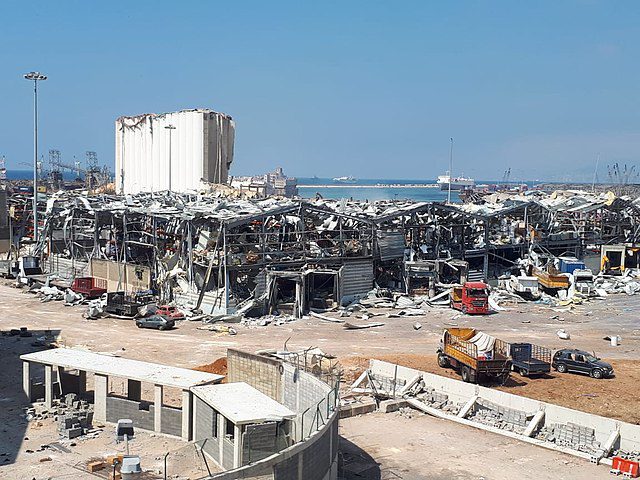
On August 4, 2020, life in the Lebanese city of Beirut — a city with a larger population than Houston — changed forever. Two explosions at a port containing ammonium nitrate, a highly explosive chemical, sent shock waves that could be felt as far as 100 miles away. More than 150 people have died and thousands more hospitalized, in need of recovery from various injuries. In response to this recent disaster, nonprofits in Lebanon have launched initiatives to provide critical assistance.

Implications of the Beirut Explosions

Since the explosion — many have gone and remain missing, COVID-19 cases have skyrocketed and the Prime Minister has resigned. Life for Lebanon’s 2 million residents has seen a drastic, negative shift — due to these tragic and catastrophic events.

However, the global community has rushed to Lebanon’s aid. On August 9, 2020, a United Nations-backed virtual conference with participants from Britain, Qatar, the U.S., the E.U., China and the World Bank pledged nearly $300 million in assistance to Lebanon. Here are three nonprofits in Lebanon that are providing aid to those in great need.

3 Nonprofits in Lebanon Providing Assistance

  1. Embrace Lebanon: Embrace Lebanon is an NGO that raises awareness of mental health and challenges the negative stigma surrounding mental health advocacy in Lebanon. The organization established Lebanon’s first National Emotional Support and Suicide Prevention Helpline. This helpline organizes campaigns and collects donations to help improve life for the citizens of Lebanon. Last November, after a period of social and economic instability, the helpline number around the country, at a record rate. Embrace Lebanon received an average of 150 calls per day, as opposed to the previous average of seven calls per day. After such a horrific event colored by death, displacement and loss — mental health support will remain an important service in Lebanon.
  2. Beit El Baraka: Beit El Baraka aims to uplift the citizens of Lebanon by providing low-cost housing, a free supermarket and affordable medical attention to the retired community. The explosions that rocked the city of Beirut left homes uninhabitable — displacing more than 300,000 people and making housing an extreme necessity. In response to the crisis, Beit El Baraka is distributing boxed lunches to people in need and pledges on social media to immediately begin repairing houses. Since its establishment in 2018, Beit El Baraka has refurbished 55 homes, paid 349 bills and given medical attention to 356 patients.
  3. Impact Lebanon: Impact Lebanon is a disaster relief organization with a mission to pursue helpful initiatives in the most efficient way possible. After the explosions, the group launched a fundraiser to assist victims. Impressively, the organization reached its first fundraising goal within minutes. A statement regarding the explosion detailed Impact Lebanon’s commitment to transparency and anti-corruption, as well as outlining how the money would be allocated to different NGOs’ fights to provide relief to those most in need.

Grateful for Hope

After the disastrous explosion, hope has become a scarce commodity. Although seemingly unattainable, support from around the world and aid from nonprofits in Lebanon are making hope much more accessible, one initiative at a time.

– Rebecca Blanke
Photo: Wikimedia Commons

September 16, 2020
https://borgenproject.org/wp-content/uploads/borgen-project-logo.svg 0 0 Kim Thelwell https://borgenproject.org/wp-content/uploads/borgen-project-logo.svg Kim Thelwell2020-09-16 01:30:142020-09-11 14:04:483 Nonprofits in Lebanon Assisting After The Explosions
Global Poverty, Nonprofit Organizations and NGOs

Innovations in Poverty Eradication in Haiti

Poverty Eradication in HaitiHaiti has experienced a long history of natural disasters and extreme poverty. Despite these challenges, Haiti could eventually thrive through technology and innovation. Technology and innovations in poverty eradication in Haiti have set the stage for new products and ideas, but expertise and transformation have also allowed the country to improve on assets that already exist.
Foreign Direct Investment

Digicel, a communications and entertainment company headquartered in Kingston, Jamaica, set up its mobile phone venture in Haiti in 2005. Until its arrival, operators Comcel-Voilà (now Voilà) and Haïtel controlled the mobile phone market. When Digicel entered the Haiti market, its economic impact was almost immediate. Within two years, Digicel contributed to more than 15% of the Haitian Gross Domestic Product (GDP). Meanwhile, paired with its two competitors, the contribution of all three was more than 25% of the GDP.

During the years 2005-2009, Digicel invested more than $250 million in Haiti’s economy which led to more than 60,000 jobs. Not only had Digicel poured into Haiti’s bottom line with job creation, in a market with two telecom competitors, but it was also able to account for almost 30% of tax revenue. The company has definitely been working on poverty eradication in Haiti.

In 2012, Digicel acquired Voilà, which substantially increased its market share penetration and helped maintain its presence. All of this occurred despite the fact that Haiti had experienced a major earthquake that displaced 5 million people and killed 250,000 people in 2010 on top of the devastation of Hurricanes Isaac and Sandy that occurred in 2012. Those setbacks have not derailed Digicel as of 2020. The company is still strong as it continues to provide innovations in poverty eradication in Haiti by keeping the country connected.

Education: Science Technology, Engineering and Mathematics (STEM)

Many have proven and echoed that children are the future and that they need to have exposure to science, technology, engineering and mathematics (STEM) to keep pace with the future innovative job market. Haiti’s challenge is that it lacks some capabilities and resources as an underdeveloped country.

Enter the NGO, Pennies for Haiti. This NGO’s long-term goal is to end Haiti’s series of poverty by providing sustenance and educating the country’s children. Meanwhile, its short-term objective is to equip Haiti’s children through education as a means to help them rise above their current situation. While Pennies for Haiti has several ongoing projects that serve 200 people a year, two of the projects focus on education.

The first is Haiti STEM Alliance, which is open to both boys and girls. The second is STEM 4 Girls, which places emphasis on girls. While both of these projects pour their energies into helping each participant achieve higher education and realize the vast employment opportunities in STEM, the difference is that STEM 4 Girls delves into personal growth and the benefits of higher learning. Pennies for Haiti hopes to instill in young women how STEM jobs can open the door to economic freedom.

In addition, the organization visualizes engaging an abundance of youth in the STEM industry as it will create more opportunities for technology and automation careers in Haiti. Pennies for Haiti is counting on the success of both of these programs with a focus on poverty eradication in Haiti and to boost Haiti’s image to the world and make them attractive to those companies who are looking to subcontract jobs as well as showing that they are a leader in gender equality and STEM careers.

Entrepreneurs

People may not know Haiti as a startup oasis, but over 75% of its residents operate some type of business to supplement their income. As a result, it is evident that Haiti is full of citizens who have demonstrated they can build, operate and sustain their own companies. Their startups range from fresh markets to tech platforms, and these enterprises are redefining the Haiti business culture.

One citizen, Christine Souffrant Ntim, who founded the Haiti Tech Summit (2017), has firsthand experience. She answered her entrepreneurial call as a youngster by helping her grandmother and mother sell goods in the streets of Haiti.

The Haiti Tech Summit brings together entrepreneurs, stakeholders, superstars and visionaries to address humanity’s extreme difficulties via tech and entrepreneurship. It has generated tangible results in its short existence such as helping an Airbnb sign a five-year multiple year contract with Haiti’s governmental branch that specializes in culture, tourism and the arts. Also, Facebook launched Haiti’s initial globally recognized grassroots pioneer group in 2017.

The Haiti Tech Summit’s success is based on the Ecosystem Map methodology, a vigorous arrangement of unified organizations that rely on each other for shared survival. As the Summit gains more energy and notoriety across the globe, Ntim’s focus is for the association to become the world’s next major tech innovation hub by 2030.

Poverty eradication in Haiti has made positive headway as it continues to rebuild its community and successfully learn how to navigate a technology-driven society. It has the existing tools to help bridge the gap with the main ingredient, being themselves. With the assistance of foreign aid, continued support of educational equality, especially among girls and entrepreneurs mobilizing the next generation, Haiti should be ready to move into the future with momentum.

– Kim L. Patterson
Photo: Pixabay

September 8, 2020
https://borgenproject.org/wp-content/uploads/borgen-project-logo.svg 0 0 Kim Thelwell https://borgenproject.org/wp-content/uploads/borgen-project-logo.svg Kim Thelwell2020-09-08 13:56:242024-06-06 00:43:17Innovations in Poverty Eradication in Haiti
Global Poverty, Nonprofit Organizations and NGOs, Politics

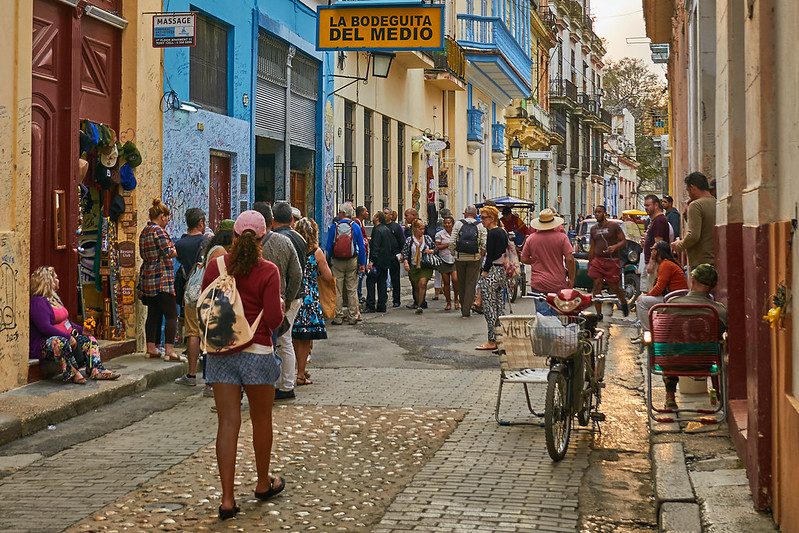
Addressing 3 Civil Rights Issues in Cuba

Civil Rights Issues in Cuba
For years, Cubans have experienced severe restrictions in their ability to exercise freedom of speech. While they do not have the same First Amendment liberties as in the United States, Cubans are fiercely fighting for their rights to expression, speech and access to online opinion articles. Change is steadily emerging for Cubans, but the process has been slow. Here are three civil rights issues in Cuba.

3 Civil Rights Issues in Cuba

  1. Freedom of Expression. Cuba has restricted freedom of expression through the media for years. The Cuban government has heavy control over the content media outlets can broadcast, as well as the information citizens can view. According to the Committee to Protect Journalists, Cuba has the “most restricted climate for the press in the Americas.” Journalists and bloggers routinely write about Cuba without restriction, but the Cuban government has the power to block these websites and other channels from their citizens: websites like 14ymedio, Tremenda Nota, Cibercuba, Diario de Cuba and Cubanet have experienced censorship, according to World Report 2020. The situation is difficult to change due to high internet use costs. When a mere 600 MB of space costs $7, private providers struggle to afford the platforms needed to express their uncensored content.
  2. Freedom of Movement. In Cuba, citizens cannot move freely from one residence to another. They do not have permission to move to a new apartment or house, nor can they change their place of employment. Because private employers are extremely limited in the number of workers they contract, the country experienced unprecedented unemployment numbers in 2019 with 617,974 “self-employed” Cubans. One action that could help secure the freedom of movement for many Cubans is repealing Decree-Law No. 366, which limits non-agricultural cooperatives. Eliminating this legislation would lift restrictions on where Cubans can work and live.
  3. Due Process. Cubans lack the freedom to protest due to legal regulations. Consequences for minor offenses like public disorder, disrespect for authority and aggression stop people from protesting freely. When police forces can use these loose definitions of illegal activity to arrest protesters, freedom of expression and speech suffer. Measures like repealing Law 88 aim to eradicate false policing and reliance on regulations that “criminalize individuals who demonstrate ‘pre-criminal social dangerousness’ (as defined by the state) even before committing an actual crime,” according to The Heritage Foundation. In essence, this action would reduce protections for unfair legal enforcement of state censorship and ultimately provide Cubans a much-needed avenue for freedom of expression through protest.

Involving NGOs

Acknowledging Cuban citizens’ need for support in securing their civil liberties, United States organizations have begun to intervene. For example, The Global Rules of Law & Liberty Legal Defense Fund (GLA) in Alexandria, Virginia is a legal defense fund assisting citizens who cannot afford legal guidance. The GLA had total revenue of $92,400 in 2018, enabling this NGO to provide legal resources like local councils and political information to communities within multiple Latin American countries including Cuba. By enhancing resources for Cuba’s legal system and due process, actions from groups like the GLA could become significant in helping Cubans secure freedom of expression. 

The GLA has helped Cuban journalists like Roberto de Jesus Quiñones Haces, who is serving a one-year sentence for charges of “resistance” and “disobedience,” according to the global liberty alliance. He was arrested for reporting the prosecution of Pastors Rigal and Exposito, who were homeschooling their children in Guantanamo. The GLA recognized this arrest as persecution of the press and agreed to support Quiñones, increasing national awareness of his unjust prosecution by filing a Request for Precautionary Measures with the Inter-American Commission on Human Rights and publishing a video documenting his story. Since the beginning of his jail time in September 2019, Quiñones and the immorality of persecuting the press have gained widespread attention in both the United States and Cuban legal systems.

Another United States NGO advocating for civil rights in Cuba is Plantados until Freedom and Democracy in Cuba in Miami, Florida. By providing aid to Cubans imprisoned for expressing support for democracy, this organization aims to support freedom and democracy in an environment where these fundamental liberties are largely ignored.

The Future of Civil Rights in Cuba

Thoroughly addressing these three civil rights issues in Cuba could help Cubans finally gain freedoms that democratic nations around the world enjoy. As several United States NGOs have demonstrated, actions like simply sharing news and advocating for change have the potential to encourage progress. In doing so, Cuba has the power to become a model for other developing countries in the fight for civil liberties.

– Grant Ritchey
Photo: Flickr

August 30, 2020
https://borgenproject.org/wp-content/uploads/borgen-project-logo.svg 0 0 Kim Thelwell https://borgenproject.org/wp-content/uploads/borgen-project-logo.svg Kim Thelwell2020-08-30 01:30:192020-08-28 08:30:39Addressing 3 Civil Rights Issues in Cuba
Nonprofit Organizations and NGOs

Sea Sponge Farming: A Sustainable Path to Female Emporwement in Zanzibar

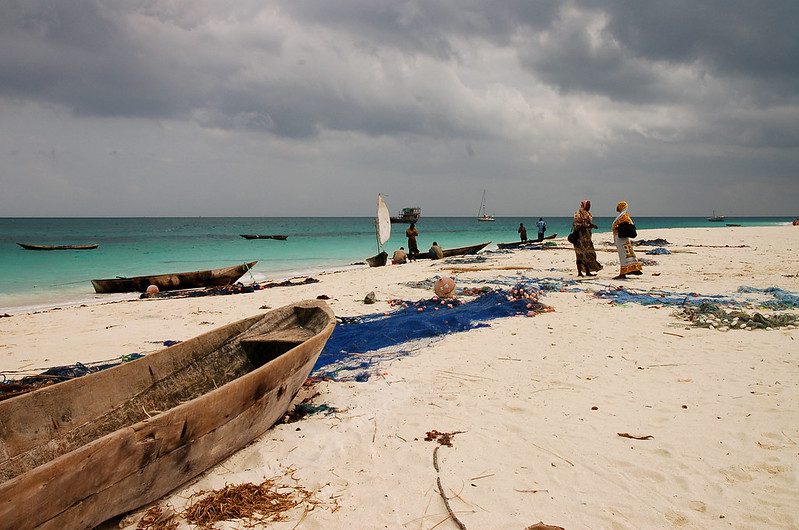
Sea Sponge FarmingZanzibar, an island off the coast of Tanzania, enjoys high financial capacity due to its successful tourist industry, fishing and seaweed production. However, many of Zanzibar’s coastal communities still suffer from acute poverty and local industries are under threat from environmental degradation. One nonprofit, Marine Cultures, aims to solve these issues by introducing sea sponge farming to households in Zanzibar.
The Benefits of Sea Sponge Farming

Sea sponge farming offers a more economically sustainable option than the traditional seaweed farming industry. Farming seaweed for the production of carrageenan, a common thickener in foods, has long been a staple industry for the employment of Zanzibari women. However, the industry is in decline, as seaweed is susceptible to pests and diseases. Additionally, the global market price for seaweed is now low and more labor-intensive farming is rewarded with comparatively minimal income. As a consequence, many single women struggle to make a living from farming seaweed.

Farming sea sponges, however, offer higher monetary returns for a lower-maintenance product. Unlike seaweed, pearl farming, or traditional fishing, sea sponge farming is less time consuming and allows farmers the time and opportunity to pursue other economic activities. Marine Cultures introduced the first sponge farm to coastal Zanzibar in 2009. Since then, the organization installs up to four new sponge farms a year and each farm generates enough income to feed 2-3 families of approximately ten people. The organization specifically targets single, unemployed women, granting them a one-year training period before turning over the farm. This strategy allows the recipient to independently establish and operate their business.

Giving Back To The Ecosystem

Zanzibar’s coastal ecosystems, although essential to the island’s wellbeing, are under pressure from a variety of factors. Overfishing, invasive species, unregulated tourism, dumping of human waste, overpopulation and rising water temperatures are just some of those.

However, sea sponge farms answer the call to establish sustainable forms of using natural resources extracted from the local ecosystem. As the market price of sea sponges remains high, sea sponge farming offers a financially viable alternative to traditional fishing, reducing overfishing and easing some pressure off of the coastal ecosystem. Additionally, sponges are filter-feeders, which means that in addition to saving farmers money on feed costs, they also act as a biofilter that filters out particles in the water.

In this way, sea sponges can help act as a buffer against pollution and encourage the health of local coral reefs. Marine Culture’s sponge farms have even been shown to improve local stocks of species on certain occasions.

Future Perspectives

Looking to the future, sea sponges pose a promising new industry to Zanzibar and beyond. Those women who have begun operating their own sea sponge farms through Marine Cultures report increased income for lower amounts of labor than they experienced harvesting seaweed. All the while, these farms pose long-term career opportunities, as farmers learn the skills not only of sea sponge farming but of marine biology, entrepreneurship and commerce.

By the end of this year, a twelfth sea sponge farm is on track to become independent. Marine Cultures hopes that by 2022, they will be able to remove themselves completely from the local industry and turn over all sponge farms to a local organization that will train future farmers without oversight from Marine Cultures.

– Alexandra Black 
Photo: Flickr

August 28, 2020
https://borgenproject.org/wp-content/uploads/borgen-project-logo.svg 0 0 Kim Thelwell https://borgenproject.org/wp-content/uploads/borgen-project-logo.svg Kim Thelwell2020-08-28 13:31:192020-08-28 08:20:59Sea Sponge Farming: A Sustainable Path to Female Emporwement in Zanzibar
COVID-19, Global Poverty, Nonprofit Organizations and NGOs

COVID-19 and The Venezuelan Crisis

COVID-19 and the Venezuelan crisisOf all households in Venezuela, 35% depend on financial support from family members working overseas. According to local economic researcher Asdrúbal Oliveros, remittances to Venezuela will suffer a heavy blow as a result of the COVID-19 pandemic and its severe effect on the global economy. With an estimated $2 billion decrease in remittances, the health of millions of Venezuelans is in serious danger due to the combined effects of COVID-19 and the Venezuelan Crisis.
The World Bank believes the pandemic will cause a 20% decrease in global remittances, the biggest drop in recent years. With 90% of citizens in Venezuela living in poverty, the drastic fall in remittances and oil prices spell trouble for countless people. Furthermore, the unprepared Venezuelan healthcare system has struggled to control the pandemic.

Despite numerous U.N. groups imploring for money-transfer businesses to make international transfers cheaper, Venezuela’s foreign exchange policy and volatile economic system are difficult to reform. “Venezuelan remitters” are instead left using unnecessarily complex methods to send money back home.

The Venezuelan Government Under Nicolás Maduro

In 2019, the Venezuelan government politicized humanitarian aid when it vilified the U.S. government’s foreign aid as the beginning stage of a U.S. invasion. However, the government has finally acknowledged the long-denied humanitarian crisis in Venezuela. President Nicolas Maduro has accepted the deliverance of aid after negotiations with the International Federation of Red Cross and Red Crescent Societies (IFRC). Subsequently, the United Nations declared it was increasing its efforts to aid Venezuela.

Despite the progress made, politics continue to negatively affect potential aid. According to Miguel Pizarro, a U.N. Representative, the political influence leaves many without fundamental necessities. Pizarro explains, “If you demonstrate and raise your voice and go to the streets, you do not have food, medicine, water or domestic gas.” Pizarro continues, “Eighty percent of Venezuelan households are supplied with gas by the state. If you become active in the political arena, they take away that right.”

Sharp declines in oil value, numerous embargoes globally and negligent economic policy largely caused the humanitarian emergency in Venezuela. Since 2014, the nation’s GDP has fallen by 88%, with overall inflation rates in the millions. A 2019 paper published by economic researchers at the Center for Economic and Policy Research attributed medicine, food and general supply deficits in 2018 to the deaths of at least 40,000. According to findings from the Coalition of Organizations for the Right to Health and Life, a scarcity in medicine puts over 300,000 Venezuelans in peril.

Dr. Julio Castro, director of Doctors for Health in Venezuela, says “People don’t have money to live. I think it’s probably a worst-case scenario for people in Venezuela.” Despite recent increases in aid and medicine from U.N. operations and the IFRC, the Venezuelan struggle persists.

Venezuelan Healthcare Amid COVID-19

Most of the Venezuelan population can only afford to receive aid from public hospitals. These public hospitals often experience persistent deficits in necessary supplies. A study conducted by Doctors for Health indicated that 60% of public facilities frequently face power outages and water shortages.

In response to this, the Venezuelan government authorized $20 million in healthcare aid, which will be administered by the Pan American Health Organization (PAHO), a territorial agency of the World Health Organization. They will use the capital to develop COVID-19 testing and to obtain personal protective equipment (Ex: masks, gloves, etc).

According to Luis Francisco Cabezas of local healthcare nonprofit Convite, a recent study identified a worrisome struggle. Data indicated that roughly six in 10 people had reported trouble obtaining medication for chronic illnesses. The problem has only worsened since the pandemic.

Local Nonprofits Redirect Efforts Toward Venezuelan Crisis

Numerous nonprofits in the country have responded to COVID-19 and the ongoing Venezuelan crisis by shifting their efforts. A director for Caritas, a Catholic charity, says the ongoing economic disaster compelled his organization to prioritize humanitarian work over its original mission of civil rights advocacy.

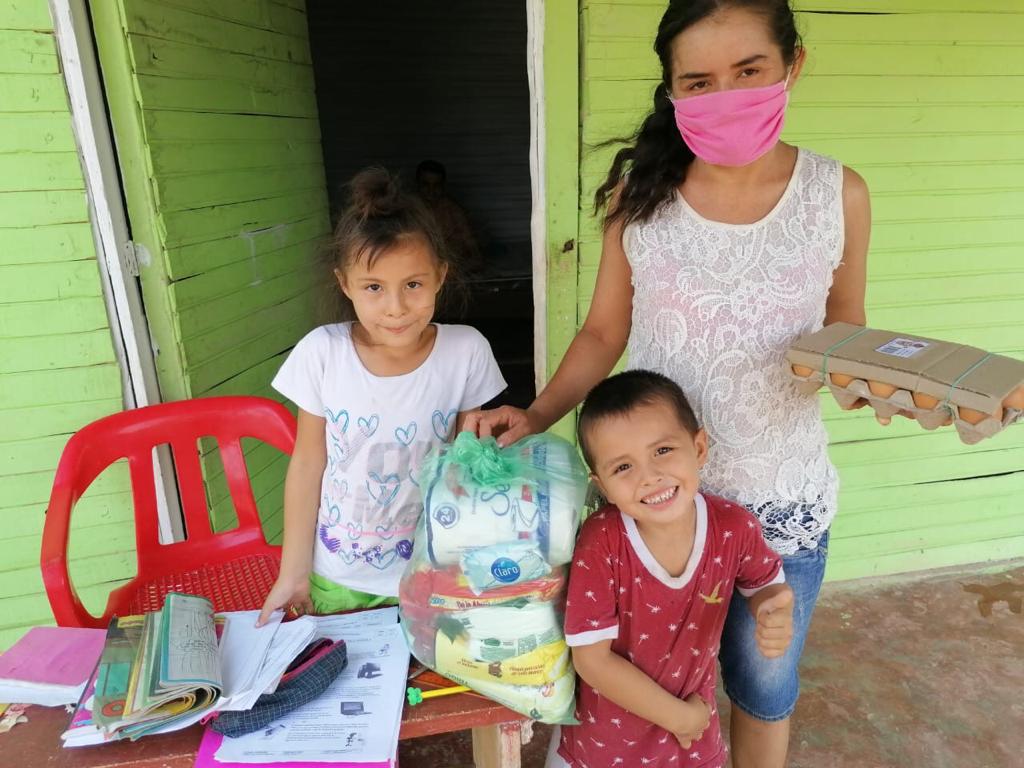
Similarly, Robert Patiño leads a nonprofit civil rights group, Mi Convive, which shifted to humanitarian work in 2016. Since its inception, the organization has directed its efforts to child nutrition. Through the group Alimenta La Solidaridad, Mi Convive has opened over 50 community kitchens in Venezuela, feeding over 4,000 kids weekly.

Although the efforts by Venezuelan nonprofits have aided thousands, it is not enough. COVID-19 and the Venezuelan crisis need to be in worldwide focus until the government can reliably provide for its citizens. The work of numerous good samaritans can only reach so many people, and their work is constantly hindered by “Chavistas,” a group of Venezuelans who are loyal to President Nicolas Maduro’s government. Mi Convive’s Robert Patiño claims the radicals have been known to go as far as withholding food boxes from areas where the nonprofit is trying to begin new programs. The humanitarian emergency in Venezuela must be appropriately addressed, for the livelihood of millions of people are at stake.

– Carlos Williams
Photo: Flickr

August 27, 2020
https://borgenproject.org/wp-content/uploads/borgen-project-logo.svg 0 0 Kim Thelwell https://borgenproject.org/wp-content/uploads/borgen-project-logo.svg Kim Thelwell2020-08-27 12:11:432020-08-27 14:25:40COVID-19 and The Venezuelan Crisis
Global Poverty, Health, Humanitarian Aid, Nonprofit Organizations and NGOs

How the Beirut Explosion Could Impact Health

Beirut Explosion
Though there is still uncertainty about the massive explosion that occurred on August 4, 2020, near the port of Beirut, the capital of Lebanon, there are some facts and predictions about the health outcomes that it has and will cause. NGOs mobilized humanitarian aid teams immediately after the tragedy in an effort to provide aid. The recent explosion could impact much of the population’s health, considering the mass amounts of ammonium nitrate and other toxins in the air, the falling infrastructure and destroyed hospitals, an increasing lack of access to healthcare and the rising demand for emergency response teams. The following four points are a few of the health outcomes and predictions regarding the Beirut explosion, as well as what organizations on the ground are doing to help those the explosion impacted the most.

4 Facts About How the Beirut Explosion Could Impact Health

  1. The toxins in the air could result in detrimental health impacts for much of the population. The Beirut explosion has a link to the storage of about 2,750 tons of ammonium nitrate. As a result, when the explosion occurred, it released multiple toxins into the air. The ammonia in the air is a corrosive gas that may cause cell damage, resulting in a burning feeling in a person’s eyes, nose, throat and respiratory tract. Furthermore, it can cause lung damage, blindness and death. Additionally, the nitrogen oxides in the air are especially dangerous for those with respiratory issues. These toxins are also dangerous to newborns and pregnant women, and could likely cause premature death. The Lebanese Red Cross called for an immediate dispatch of all members in order to help those the explosion impacted. To date, millions of people around the world have donated to this organization.
  2. The explosion resulted in many casualties and some are still unknown. As of August 5, 2020, the death toll from the explosion was around 135, with many people still missing. There were over 5,000 people injured and four hospitals damaged in the blast. These numbers will likely increase in the coming weeks due to the impact of the blast. Additionally, at least 300,000 homes experienced damage and became uninhabitable, with estimates of around a quarter-million people now homeless, leading to further issues in health outcomes and disparities within the population. However, many volunteers, NGOs and the Lebanese Red Cross have set up base camps near the scene of the explosion and have been offering food, shelter and collecting donations and medical supplies to those who lost their homes. There have been other groups that have set up shelter for those who were homeless previous to the explosion and for those who have lost their homes due to the tragedy.
  3. COVID-19 cases are likely to increase. Due to the number of injured people, as well as the ever-increasing amount of hospital patients from the toxins in the air, there is a possibility that swarms of incoming patients will overwhelm hospitals. Additionally, because the Beirut explosion destroyed four hospitals, the loss of personal protection equipment supplies will likely impact the number of coronavirus patients in the coming weeks. According to the WHO, the tragedy reduced the number of hospital beds by 500-600. Due to the strained healthcare system from COVID-19, many organizations have set up camps and clinics near the scene for those who need medical assistance.
  4. The blast could trigger PTSD, depression and health status deterioration. A 2003 study of survivors of a church explosion in Lebanon found that one year after the explosion, 39% of victims had PTSD, 51% were depressed and 45% reported a deterioration in their health status. These percentages were significantly higher than those who did not experience the explosion. Currently, there are many groups on the ground that are working to support survivors of this explosion through medical assistance, offering shelter and food and giving financial support. The Lebanese Red Cross is working to meet emotional support needs and has trained team members who are providing crisis counseling to the community.

Beirut has a population of nearly 2.5 million people, all of whom may be at risk of detrimental health outcomes from the explosion. When considering the impacts of the toxins in the air, destroyed housing and other vital infrastructure and mental health impacts from the Beirut explosion, it is critical for experts to account for and properly assess present and future health outcomes in order to aid the affected civilians. The most reliable and effective place to donate is through the Lebanese Red Cross. Thirty teams mobilized to work on the ground in Beirut; they worked on rescuing and searching for the wounded, and treating them on-site and/or transporting them to hospitals. Additionally, Lebanese Red Cross teams have provided emergency shelter for thousands of families, with goals to shelter over 10,000 families in the coming months, as well as offer food, water, hygiene kits and PPE to families.

– Naomi Schmeck
Photo: Wikipedia

August 7, 2020
https://borgenproject.org/wp-content/uploads/borgen-project-logo.svg 0 0 Jennifer Philipp https://borgenproject.org/wp-content/uploads/borgen-project-logo.svg Jennifer Philipp2020-08-07 14:08:552020-09-10 14:09:09How the Beirut Explosion Could Impact Health
Global Poverty, Nonprofit Organizations and NGOs

3 NGOs Improving Life in Vietnam

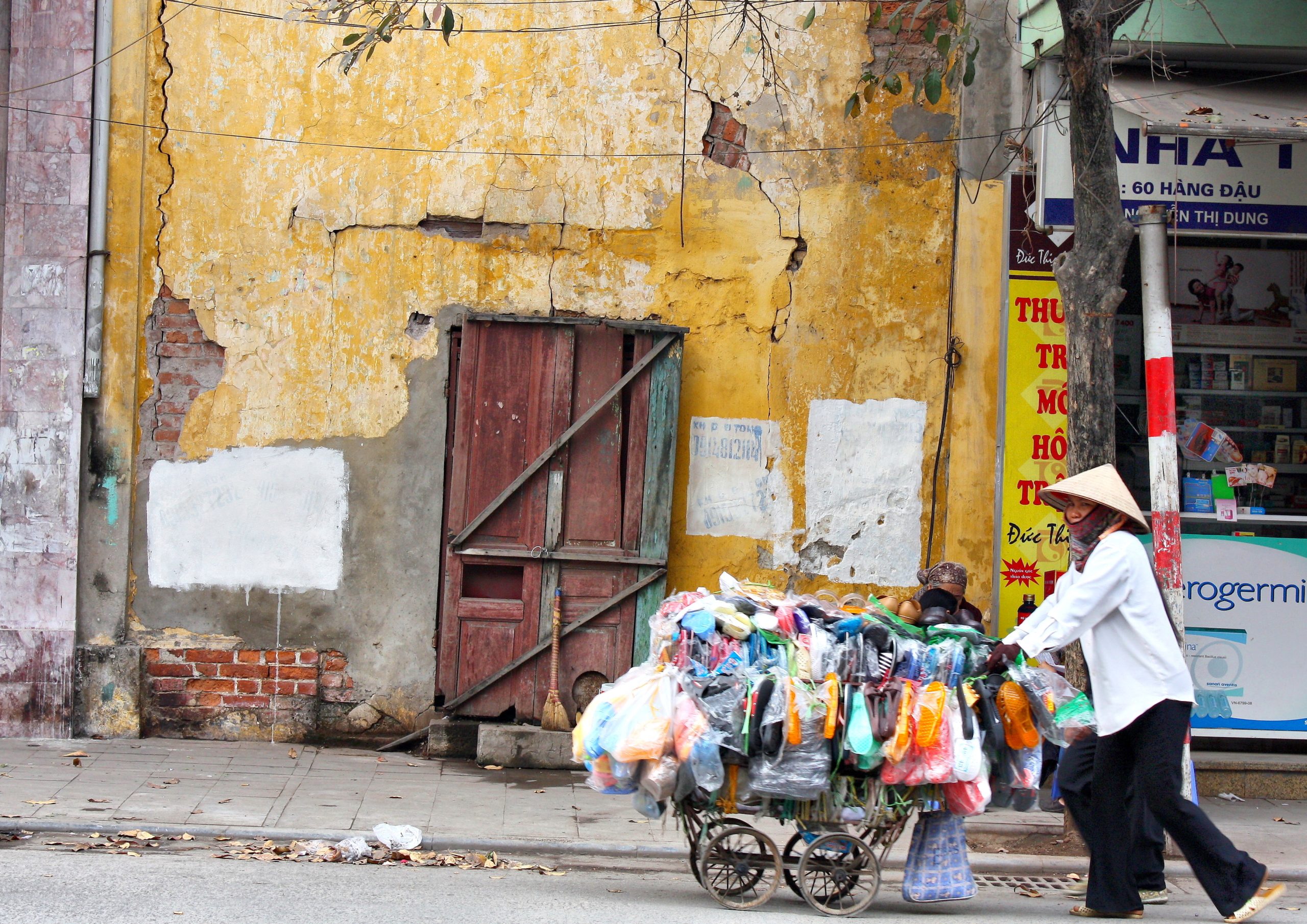
NGOs in Vietnam Vietnam has made significant progress in reducing poverty. Since 2002, more than 45 million people have risen above the poverty line. Today, only 6% of the population lives in poverty. However, 86% of those people are ethnic minorities, meaning there is room for improvement. Here are three NGOs in Vietnam that are continuing to improve life.

Oxfam

In 2014, Oxfam launched its Even It Up campaign to reduce global income inequality. In Vietnam, they identified that only around 200 people own 12% of the country’s wealth. The wealth of the richest person in Vietnam could lift 1.3 million Vietnamese out of poverty. Unfortunately, this consolidation of wealth has risen as the poverty rate has fallen.

Solving income inequality is key to fighting poverty, as Oxfam stated in a 2017 report: “high levels of inequality reduce social mobility, leaving the poorest more likely to remain poor for generations.” Oxfam tackles this issue by advocating for governance reforms, such as tax and wage reform, and support for socially disadvantaged peoples. Their past successes helped over 400,000 rural women and minorities and migrant workers.

SNV

SNV is an NGO based in the Netherlands. They focus on promoting “premium quality” in agriculture, energy, and WASH (sanitation). The NGO in Vietnam worked with the IDH Sustainable Trade Initiative to assist Vietnamese pangasius farmers in using sustainable farming practices. Pangasius, a relative of the U.S. catfish, makes up a substantial portion of Vietnam’s exports. SNV  wanted to help address concerns about the environmental quality of pangasius operations. SNV worked with the IDH, members of the seafood industry and the government of Vietnam to help pangasius operations achieve Aquaculture Stewardship Council (ASC) certification. Between 2011 and 2013, SNV helped farmers produce over 50,000 metric tons of pangasius. They also ensured co-financing for 35 operations.

In 2016, SNV partnered with NGOs CARE and Oxfam to implement the Women’s Economic Empowerment through Agricultural Value Chain Enhancement (WEAVE) project. It aims to reduce gender inequality among ethnic minorities in Northwest Vietnam. In the Lao Cai and Bac Kan provinces, WEAVE is helping women who participate in the banana, pork, and cinnamon industries. In the Nam Det commune in the Lao Cai province, more than 1,300 hectares of cinnamon are now USDA-certified organic. This is over 70% of the acreage in the commune. This certification will not only support sustainable agriculture, but it will also increase jobs in the cinnamon industry, especially for women.

Rock-Paper-Scissors Children’s Fund

The Rock-Paper-Scissors Children’s Fund operates only in Vietnam. They focus on education and the transportation necessary for it. For example, they provide bikes and helmets to girls to help them attend school. As of 2019, they have provided more than 1,700 bikes and repaired more than 1,400. Rock-Paper-Scissors also ensures schools can offer music and art education classes. “Music and art provide a way for kids to leave the daily struggle of grinding poverty,” fund founder, Sara Stevens Narone, stated. In 2019, Rock-Paper-Scissors reached 87% with weekly art classes, 25 students with thrice a week music lessons and 150 minority students with a summer art camp.

These NGOs and others in Vietnam have helped improve quality of life. As COVID-19 has dampened the global economy, Vietnam still expects moderate growth rates of 3-4% in the next year. But this is three points lower than pre-COVID-19 expectations. This means much more can and should be done to combat poverty.

– Jonathan Helton
Photo: Wikimedia

July 17, 2020
https://borgenproject.org/wp-content/uploads/borgen-project-logo.svg 0 0 Jennifer Philipp https://borgenproject.org/wp-content/uploads/borgen-project-logo.svg Jennifer Philipp2020-07-17 14:47:322024-05-29 23:17:523 NGOs Improving Life in Vietnam
Page 27 of 60«‹2526272829›»

Get Smarter

  • Global Poverty 101
  • Global Poverty… The Good News
  • Global Poverty & U.S. Jobs
  • Global Poverty and National Security
  • Innovative Solutions to Poverty
  • Global Poverty & Aid FAQ’s
Search Search

Take Action

  • Call Congress
  • Email Congress
  • Donate
  • 30 Ways to Help
  • Volunteer Ops
  • Internships
  • Courses & Certificates
  • The Podcast
Borgen Project

“The Borgen Project is an incredible nonprofit organization that is addressing poverty and hunger and working towards ending them.”

-The Huffington Post

Inside The Borgen Project

  • Contact
  • About
  • Financials
  • President
  • Board of Directors
  • Board of Advisors

International Links

  • UK Email Parliament
  • UK Donate
  • Canada Email Parliament

Get Smarter

  • Global Poverty 101
  • Global Poverty… The Good News
  • Global Poverty & U.S. Jobs
  • Global Poverty and National Security
  • Innovative Solutions to Poverty
  • Global Poverty & Aid FAQ’s

Ways to Help

  • Call Congress
  • Email Congress
  • Donate
  • 30 Ways to Help
  • Volunteer Ops
  • Internships
  • Courses & Certificates
  • The Podcast
Scroll to top Scroll to top Scroll to top