• Link to X
  • Link to Facebook
  • Link to Instagram
  • Link to TikTok
  • Link to Youtube
  • About
    • About Us
      • President
      • Board of Directors
      • Board of Advisors
      • Financials
      • Our Methodology
      • Success Tracker
      • Contact
  • Act Now
    • 30 Ways to Help
      • Email Congress
      • Call Congress
      • Volunteer
      • Courses & Certificates
      • Be a Donor
    • Internships
      • In-Office Internships
      • Remote Internships
    • Legislation
      • Politics 101
  • The Blog
  • The Podcast
  • Magazine
  • Donate
  • Click to open the search input field Click to open the search input field Search
  • Menu Menu

Archive for category: Nonprofit Organizations and NGOs

Information and stories about nonprofit organizations and NGOs

Charity, Global Poverty, Nonprofit Organizations and NGOs

The Robin Hood Foundation: A Beacon of Hope in South Africa

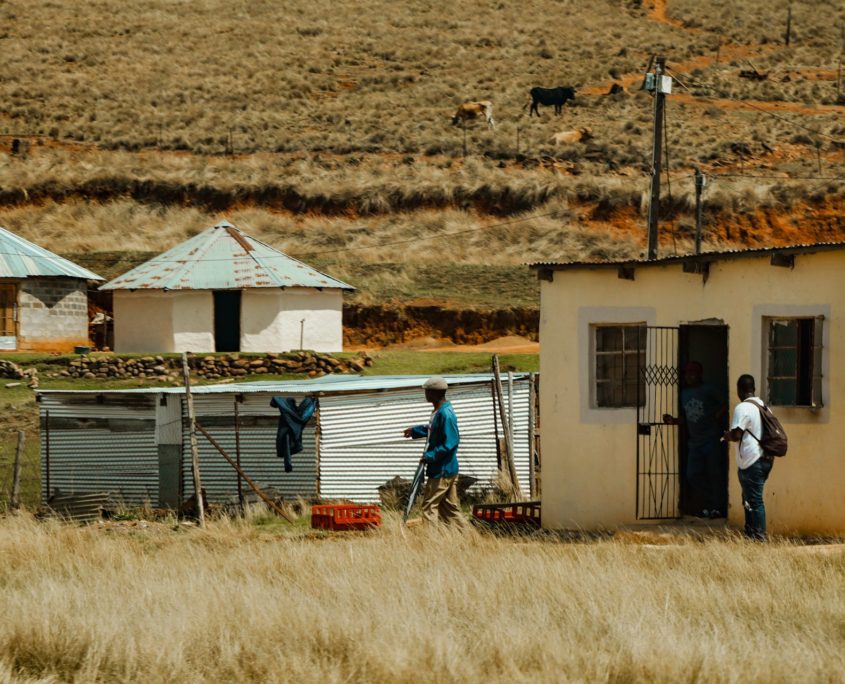
The Robin Hood Foundation: A Beacon of Hope in South Africa In the heart of South Africa, where socio-economic disparities loom large and the gap between privilege and poverty seems impossible, there shines a beacon of hope – the Robin Hood Foundation. This charitable organization, rooted in the belief that even the smallest actions can create profound change, has helped transform lives and communities nationwide.

Small Acts Big Change

The Robin Hood Foundation’s journey began with the founder, Cindy Norcott, realizing that the average person can make a meaningful difference in the world. Norcott witnessed the impact of donating her children’s outgrown baby clothes and was motivated to start the Love the Babies project. Within a few months, Norcott and her team of volunteers saw more need and started the Gogo bags project, which lightened the need of grandmothers, or Gogos, who had taken on their orphaned grandchildren.

Whether through donating time, resources, or expertise, the foundation exemplifies how seemingly small gestures can culminate in profound transformations. In addition, by channeling the goodwill and generosity of ordinary citizens, the foundation sparks a ripple effect of positivity that resonates far beyond its initial inception.

Nurturing Tomorrow’s Leaders

Central to the foundation’s efforts is its unwavering commitment to empowering youth. Recognizing that young people hold the key to the country’s future, the Robin Hood Foundation invests in programs designed to nurture people’s potential and provide them with opportunities for growth and development. Moreover, from educational scholarships to skills training initiatives, these efforts aim to break the cycle of poverty and unlock the untapped talents of South Africa’s youth.

Uplifting the Community

The foundation also supports grassroots organizations deeply embedded within their communities. By partnering with local initiatives, the Robin Hood Foundation ensures that its interventions are both helping the less privileged in the community and using the resources, knowledge and expertise of the community to best meet its needs. In an interview, Norcott explained that the goal of the foundation is to mobilize resources from businesses and individuals in the community and put them directly into the hands of the less fortunate in the community.

Addressing the Realistic Issues

One thing that stands out about this organization is the fact that it addresses very specific needs that it has identified in the communities in which it works. Child-headed households are one of the most underserved. On its website, the foundation creates a space where donors can sponsor a child-headed household for $54 per month. Furthermore, the Robin Hood Foundation has created a space where people can donate nonperishable food items, sponsor a truck and driver to transport goods to projects, donate clothes and shoes, donate dog and cat food and even knit or crochet beanies and blankets for those in need.

Food Security

One of the foundation’s flagship initiatives is its food security program, which aims to combat hunger and malnutrition in impoverished communities. Through its food donations and projects, the Robin Hood Foundation works to ensure that no one goes to bed hungry. During the 2022 floods in the Kwa-Zulu Natal region, the foundation could donate and distribute 14 tons of food and 1,3 tons of water to the individuals displaced and otherwise affected by the natural disaster.

Moreover, as an everyday solution, the Robin Hood Foundation has a project called the Sarmie Army. This project takes place weekly and includes multiple volunteers gathering weekly to make sandwiches and distribute them to impoverished schools in the area.

The Robin Hood Foundation embodies the impact of collective action, illustrating how small acts of kindness can lead to significant changes. It shines by providing critical support through educational programs, collaborations with local organizations, initiatives tailored to specific needs and strategies aimed at enhancing food security. Above all, this foundation not only offers essential aid to those in dire situations but also motivates the broader community to engage in efforts to combat poverty and inequality.

– Danielle Schaafsma
Photo: Unsplash
March 13, 2024
https://borgenproject.org/wp-content/uploads/borgen-project-logo.svg 0 0 Precious Sheidu https://borgenproject.org/wp-content/uploads/borgen-project-logo.svg Precious Sheidu2024-03-13 01:30:002024-03-12 01:19:17The Robin Hood Foundation: A Beacon of Hope in South Africa
Global Poverty, Nonprofit Organizations and NGOs, Refugees

3 Nonprofits Providing Relief to South Sudanese Refugees

3 Nonprofits Providing Relief to South Sudanese RefugeesIn the aftermath of Sudan’s brutal civil war of 1983-2005, which tallied approximately 2 million deaths, two separate states emerged in 2011. The southern territory became the Republic of South Sudan, primarily home to Christian and indigenous animist religious groups. However, violence persisted as unresolved conflicts between Sudan and South Sudan, including border disputes and religious differences. Consequently, brutality against South Sudanese refugees, including degrees of sexual violence, is labeled appalling by the United States (U.S.) Department of State.

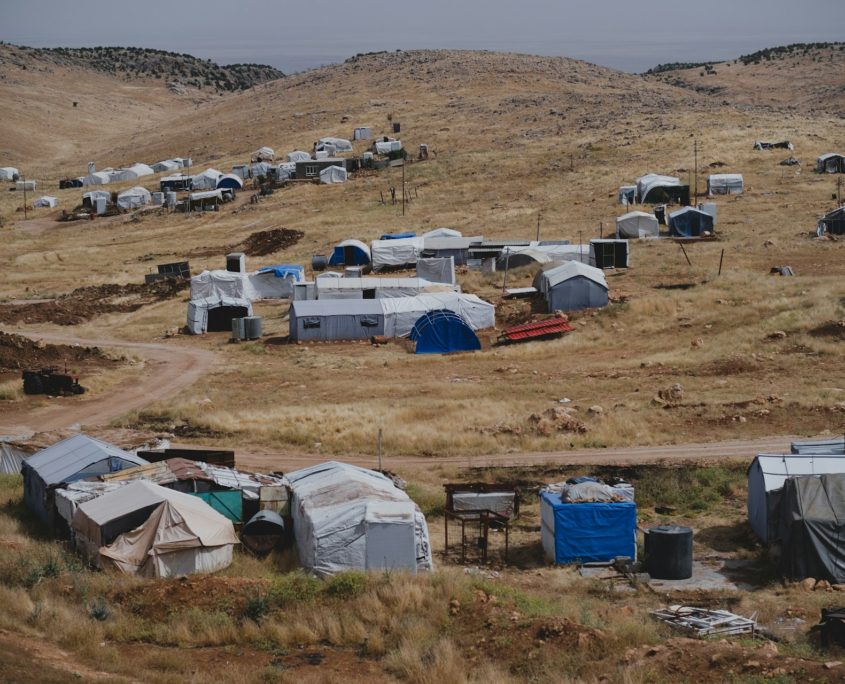
Seeking a life free from brutality, more than 4 million people, 65% of whom are children, have fled the country as refugees. The United Nations High Commissioner for Refugees (UNHCR) recognizes Ethiopia, Kenya and Uganda as the primary host countries for South Sudanese refugees. The rest of this article will examine the nonprofits operating in these countries to deliver aid.

South Sudanese Refugees and Amnesty International

Amnesty International tackled the refugee crisis by documenting hardships and urging the global community to honor its financial pledges. In 2017, it emphasized Uganda’s crucial role in hosting 1 million South Sudanese refugees, underscoring the urgent need for improved support and resources.

In addition, the organization actively engaged in the refugee crisis by dispatching researchers to assess the situation in four refugee camps, highlighting the severe funding shortfall’s impact on necessities like food, water and shelter. It found a desperate demand for food, water and shelter. By May 2017, Amnesty International observed that 82% of the pledged funds to the UNHCR remained unmet, exacerbating the food scarcity and worsening living conditions in the camps.

However, the organization, with the UNHCR, the World Food Program and 57 other aid agencies, pushed for substantial improvements in funding increases. Consequently, UNHCR’s funding receipt improved to 46% by 2023, compared to the previous 18%.

The Bill and Melinda Gates Foundation

Since 2006, the Bill and Melinda Gates Foundation has been active in refugee aid, focusing on emergency response and programs addressing global displacement. It emphasizes support for African refugee camps, partnering with UNHCR to launch the Saving Newborn Lives in Refugee Settings project in countries including South Sudan, Kenya and Ethiopia, benefiting South Sudanese refugees.

In addition, the project emphasizes family planning and newborn health, equipping health facilities with essential equipment, supplies and oversight, along with offering training and mentoring. These efforts significantly enhance the capacity of health workers at refugee sites to deliver neonatal care services.

The program has been designed to provide knowledge in infant resuscitation and how to prevent post-partum hemorrhage. Knowledge of newborn care essential to its survival has also been disseminated, to decrease infant mortality rates in the two years after birth.

Furthermore, the Gates Foundation collaborates on initiatives to enhance sanitation at refugee camps. Its Waste-to-Value projects introduce advanced technologies, including container-based toilets that convert waste to energy. The UNHCR highlights these efforts as crucial for improving sanitation at refugee sites.

The International Rescue Committee (IRC)

Since 1989, the IRC has been a major aid provider in southern Sudan, focusing on health care improvement, including training health workers and enhancing nutrition and sanitation services. It has put South Sudan on crisis watch, dedicating efforts to strengthen health care infrastructure and support services.

Moreover, the program’s training encompasses collaboration with health workers on essential and reproductive care, enhancing community leaders and urging government officials to support survivors of sexual violence.

The IRC provided aid to 1.1 million South Sudanese refugees in 2019 through its nutrition services and well restoration, combating disease spread. The IRC’s comprehensive training programs aim to rebuild displaced lives and foster peace. Highlighting the importance of donations, the IRC underscores that continuous financial support is crucial for refugee families to survive, recover and rebuild.

– Kayleigh O’Brien
Photo: Unsplash

March 12, 2024
https://borgenproject.org/wp-content/uploads/borgen-project-logo.svg 0 0 Precious Sheidu https://borgenproject.org/wp-content/uploads/borgen-project-logo.svg Precious Sheidu2024-03-12 15:00:072024-03-12 01:10:243 Nonprofits Providing Relief to South Sudanese Refugees
Africa, Global Health, Global Poverty, Nonprofit Organizations and NGOs

How ActionAid International Is Improving Public Health in Kenya

ActionAidDespite Kenya being one of the largest and most developed countries in Eastern and Central Africa, it still grapples with significant challenges, particularly regarding food security, access to clean water, health care and education. The country is currently reported to have made strides in economic development. Still, persistent issues such as poverty, inequality and corruption continue to hinder progress, especially in rural and marginalized communities. Addressing these challenges requires a comprehensive approach involving government intervention and collaboration with important organizations such as the ActionAid International nonprofit.

ActionAid: An Overview

ActionAid is a global movement working toward improving public health in Kenya. It also aims to eradicate poverty and injustice by supporting people and communities to claim their rights and achieve sustainable change. The organization was founded in 1972 and focused on empowering developing communities and marginalized groups to advocate for access to health care resources. At the heart of the group’s approach is the belief that poverty is not simply based on lack of income but is also about community marginalization. The organization works in various Kenyan locations to address the root causes of poverty, including unequal distribution of resources, discrimination and lack of access to education and health care.

ActionAid’s methods and programs differ from the standard nonprofit approach, encompassing many overlooked issues, including women’s health rights, climate justice, humanitarian responses and economic justice. Through grassroots mobilization, advocacy campaigns and partnerships with other impactful organizations, the nonprofit is improving public health in Kenya. This society seeks to amplify the voices of affected populations by creating community-led initiatives and providing essential resources to influence policy changes that address the systemic inequalities faced by marginalized communities in the country. The organization focuses on three critical areas for improving public health in Kenya: empowerment, solidarity and campaigning for social justice.

The Response to Poverty and Rights

In addition to its programmatic work, ActionAid also conducts research plans, policy analysis and public awareness campaigns to raise awareness about the fundamental causes of poverty and advocate for changes at the national and international levels. One of these impactful plans, labeled “Strategic Objective 2,” involves facilitating young people and communities living in poverty and exclusion to advocate for their rights with democratic governance for access to the advancement of economic opportunities for young people. This plan aims to build capacity among youth and marginalized communities, providing them with the necessary skills, knowledge and resources to effectively engage with policymakers, demand accountability and participate in decision-making processes that affect their lives.

The organization also works with various impoverished communities to provide them with essential resources, capacity-building initiatives and support to address specific needs and challenges. One of these impactful plans, labeled “Strategic Objective 3,” involves:

  • Implementing sustainable development projects.
  • Facilitating access to education and health care services.
  • Promoting economic empowerment through livelihood programs.
  • Advocating for policy changes that advance the rights and well-being of marginalized populations.

Through these collaborative efforts, the organization strives to foster resilience, self-reliance and dignity among communities facing poverty and exclusion. Furthermore, ActionAid is committed to maintaining long-term partnerships with local organizations such as the Foreign Ministry of Affairs of Denmark to ensure that interventions are culturally sensitive, contextually appropriate and sustainable in improving public health in Kenya.

Addressing Food Insecurity and Access To Clean Water

ActionAid, recognizing the critical importance of addressing food insecurity and lack of clean water access, has implemented several initiatives across Kenya to tackle these pressing issues. The organization aims to empower communities to secure their right to food and clean water through grassroots mobilization, advocacy campaigns and educational strategies. The organization has implemented these sustainable solutions in multiple locations nationwide, including Turkana, Garissa and Baringo.

In addition to addressing the immediate need for resource accessibility, ActionAid also recognizes the importance of education in influencing communities to break the cycle of poverty and achieve sustainable development. One of the most notable programs developed to address this issue is the “Education For Life Project (EFL),” which equips marginalized youth and adults with the essential skills and knowledge for personal and developmental growth.

The EFL project goes beyond traditional classroom education by incorporating practical, hands-on learning experiences tailored to participants’ and their communities’ specific needs and aspirations. The initiative is currently implemented in five regions of Kenya (Kisumu, Garissa, Kilifi, Migori and Isiolo) in partnership with Voluntary Services Overseas (VSO) and Leonard Cheshire (LC) to influence positive school and life skills for the most marginalized populations.

– Caleb Ilayan
Photo: Unsplash

March 12, 2024
https://borgenproject.org/wp-content/uploads/borgen-project-logo.svg 0 0 Lynsey 2 https://borgenproject.org/wp-content/uploads/borgen-project-logo.svg Lynsey 22024-03-12 03:00:322024-03-11 07:22:39How ActionAid International Is Improving Public Health in Kenya
Africa, Global Health, Global Poverty, Nonprofit Organizations and NGOs

How LFAM in Sierra Leone is Reducing Maternal Mortality

LFAM in Sierra LeoneSierra Leone has one of the highest global rates of maternal mortality and an overwhelming number of these maternal deaths are due to preventable factors. In 2020, the maternal mortality ratio was 443 women’s deaths per 100,000 live births. Although this is incredibly lower than the rate in 2000, where 1,682 women died per 100,000 live births, there is still a way to go in reducing this number.

The Life for African Mothers Charity (LFAM) has been actively working on reducing the maternal mortality rate in Sub-Saharan Africa since 2005. LFAM is helping Sierra Leone through its essential programs and projects to lower the maternal mortality ratio.

What LFAM Does

In 2020, nearly 800 preventable maternal deaths occurred daily worldwide. A maternal death took place every two minutes; a further 95% of these deaths took place in low and lower-middle-income countries. LFAM provides tailored training to midwives in Sub-Saharan Africa through various means, such as skill-sharing workshops and medication distribution. The nonprofit has trained around 1,000 midwives and shipped five million tablets to date, contributing to the approximately one million women saved by the organization.

LFAM’s 15-Year Journey in Sierra Leone

In 2008, LFAM was called by the United Nations Population Fund to assist Sierra Leone and Liberia in reducing their Maternal Mortality Ratio. The U.N. had designated Sierra Leone as one of the most dangerous places on earth to have a baby. In 2009, LFAM started helping; medications to treat and prevent hemorrhages were sent to Sierra Leone and U.K.-based midwives traveled to share their skills and complete training programs.

LFAM is helping in Sierra Leone through its contribution to the resilience of the communities by empowering midwives and preventing post-partum hemorrhage. The initiative is positively impacting the country’s maternal health care.

LFAM’s Recent Workshop in Sierra Leone

In Sierra Leone, less than half of pregnant women receive care from experienced birth attendants. In response, the program has been helping the nation through several methods, including midwifery workshops. LFAM held a two-day event in January 2024, for midwives to attend. The event occurred at Kailahun District Hospital and 20 midwives and nurses participated in the workshop. This intense training event covered postpartum hemorrhage management, resuscitation scenarios and labor care guidance. The focus of these workshops is empowering individual midwives to save lives in low-resource settings.

Enhancing Service Reach

LFAM is helping Sierra Leoneans by distributing life-saving medications such as Misoprostol. However, this has been challenging. The nonprofit encountered challenges when ensuring these medications’ timely and safe delivery. Additionally, transporting supplies from the airport to the hospital and distributing them across the country posed logistical hurdles for several reasons, such as the state of the roads.

In a positive turn of events in January 2024, the organization received a contribution from a U.K. foundation for a new vehicle. This donation has allowed LFAM to revolutionize the way it transports medication and midwives as distribution efforts are simplified and accessibility is increased. This donation will hopefully lead to a further reduction in Sierra Leone’s maternal mortality rate as the effectiveness of LFAM’s work continually increases.

– Arabella Wood-Collins
Photo: Flickr

March 12, 2024
https://borgenproject.org/wp-content/uploads/borgen-project-logo.svg 0 0 Lynsey 2 https://borgenproject.org/wp-content/uploads/borgen-project-logo.svg Lynsey 22024-03-12 01:30:052024-03-11 07:07:30How LFAM in Sierra Leone is Reducing Maternal Mortality
Global Poverty, Humanitarian Aid, Nonprofit Organizations and NGOs

International Organizations Provide Aid to Venezuela

Aid to VenezuelaOver the past three decades, Venezuela has encountered a series of challenges. According to the National Institute of Statistics, in 2005, approximately 40% of the population lived below the poverty line. Additionally, a concerning 10% of households were found to be in extreme poverty conditions. Particularly vulnerable are women and indigenous groups, constituting half of the population, who struggle with economic and food security. Recognizing the severity of the situation, international organizations have been actively providing aid to Venezuelan citizens since the late ’90s.

IFAD Empowers Rural Venezuelans

The International Fund for Agricultural Development (IFAD) is an organization that empowers vulnerable rural populations. This organization has played a pivotal role in addressing the escalating socioeconomic disparities that have become increasingly pronounced across the region. Nowhere is this disparity more evident than in Venezuela, where poverty rates have become concentrated within specific demographics, notably indigenous regions like Warao and among landless households where women are primary income earners.

Recognizing the urgent need for targeted interventions, IFAD has been a beacon of hope for these marginalized communities. Since 1989, the organization has made substantial investments, totaling around $80 million in loans. The primary objectives of these investments have been twofold: promoting resource conservation and bolstering household incomes to mitigate the pervasive impact of poverty. Through its strategic investments, IFAD has directly benefited 50,000 households. This transformative assistance has been channeled through six projects, three still ongoing.

USAID Continues To Reduce Poverty

In a significant demonstration of its commitment to addressing the ongoing crisis in Venezuela, the United States Agency for International Development (USAID) publicly announced a substantial contribution of $171 million in aid to Venezuela. This announcement, made by U.S. Ambassador Linda Thomas-Greenfield on March 17, 2023, underscores the nation’s unwavering dedication to providing support to “people affected by the ongoing crisis in Venezuela and the region.”

Due to 7.1 million Venezuelans fleeing the country, the $171 million investment was distributed into distinct services to help Venezuelan citizens access basic needs and funding for host communities.

1. Around $85 million of the total assistance went to humanitarian efforts such as health care and nutrition vouchers.

2. Around $31 million went to human rights and civil society organizations to help Venezuelans integrate into Colombia and Ecuador.

3. The remaining $56 million went to life-saving humanitarian programs, providing emergency shelters, water, hygiene supplies and health care access.

This recent announcement adds to the cumulative aid provided by USAID, which has exceeded an impressive $2.8 billion since 2017. This substantial financial commitment makes the U.S. widely recognized as the largest donor of humanitarian assistance to Venezuela.

UNHCR Saves Venezuelan Refugees

The United Nations High Commissioner for Refugees (UNHCR), a global organization committed to saving the lives of refugees, has been actively responding to the escalating socioeconomic crisis in Venezuela. The compounding factors of COVID-19 and rising living costs have forced a staggering 7.7 million Venezuelans to leave their homes.

In a proactive move, UNHCR increased its border presence to provide basic needs such as food and water. Specially designed shelters were established to cater to the vulnerable groups among refugees, including children, older people and individuals with disabilities.

WFP Combats Food Insecurity

In 2022, the World Food Programme (WFP) played a pivotal role in the Bolivarian Republic of Venezuela by assisting approximately 550,000 individuals. WFP has been serving the developing nation due to the ongoing socioeconomic crisis, compounded by the recent COVID-19 virus and food price increases from inflation. Even with the economic growth experienced in 2022, families struggle to secure food and essential needs.

To combat food insecurity, aid to Venezuela in the form of school meals was started in 2021. The aim is to ensure children, especially those with disabilities, receive a meal daily. WFP transitioned to hot meals in April 2023 in three municipalities in Falcon, an agriculturally poor region with an arid climate. WFP partners with school staff to ensure the meal program rolls out to other areas through training and leadership programs. The work done in Venezuela prepares local communities on how to respond to emergencies to increase food security, providing logistical and coordination support.

Conclusion

Venezuela still requires further humanitarian aid to uplift its citizens to socioeconomic levels above the poverty line. The current obstacle for nongovernmental organizations working in the country is limited funding or resources transferred to other departments. While new and unpredictable challenges occur, organizations are still committed to providing aid to Venezuela with more significant opportunities, both in and outside the nation.

– Luis Lujano-Garcia
Photo: Flickr

March 11, 2024
https://borgenproject.org/wp-content/uploads/borgen-project-logo.svg 0 0 Lynsey 2 https://borgenproject.org/wp-content/uploads/borgen-project-logo.svg Lynsey 22024-03-11 01:30:372024-03-11 01:07:33International Organizations Provide Aid to Venezuela
Global Poverty, Nonprofit Organizations and NGOs

How The BOGO Model Is Fighting Poverty

BOGO ModelThe Buy-One-Give-One (BOGO) model has gained traction in recent years as consumers increasingly demand sustainable and socially responsible business practices. This approach ensures that with every product purchased, a similar item or benefit is donated to communities in need. Despite initial skepticism about its impact on poverty reduction, the BOGO model is making strides in sustainable poverty alleviation, demonstrating its ability to marry profitability with meaningful social impact.

The Rise of the BOGO Model

The BOGO model is often traced to TOMS, a California-based company founded in 2006. TOMS gained widespread recognition for its application of the innovative business scheme, pledging to donate a pair of shoes to a person in need for every pair sold. Following promising success, TOMS expanded the program to include a range of other products including sunglasses (through a partnership with Seva Foundation).

Blake Mycoskie, the founder of TOMS, initially sought to aid children restricted by lack of footwear in getting to school. While partnering with IMA World Health, TOMS initiated its BOGO scheme in Haiti in 2011, distributing hundreds of thousands of pairs of new shoes to children in need in an attempt to break the cycle of poverty.

Evolution and Impact of TOMS’ Giving Model

TOMS was compelled to reassess its approach after facing financial challenges nearing bankruptcy. In 2019, the company decided to move away from the BOGO model to a broader social-giving approach, donating 1/3 of its profits to community-led philanthropy. Overall, despite criticism and financial pressure, the company has made an outstanding dent in the realm of poverty alleviation through the remarkable scale of provision of footwear, sight restorations and access to safe water using the one-one model.

To date, TOMS has provided:

  • Nearly 100 million pairs of shoes
  • 780,000 sight restorations
  • 722,000 weeks of safe water

Analyzing the Critiques of the BOGO Model

While the BOGO model initially garnered praise for its direct impact on impoverished communities, criticisms arose regarding its long-term effectiveness and unintended consequences on local markets.

According to a study of the model, consumer interest is boosted by 60% when tied to charitable donations, but this enthusiasm drops to 52% when consumers consider potential negative outcomes such as aid dependency. During an independent impact study specific to TOMS shoes, several key insights were revealed. The study, which focused on TOMS Shoes’ charitable efforts in El Salvador, sought to address two main questions that have been subjects of criticism toward the BOGO model.

TOMS’ Response to Criticism and Adaptation

The study first examined the effect of distributing free shoes on local markets, discovering that for every 20 pairs of donated shoes, local vendors sold one less pair. It then evaluated the impact of receiving donated shoes on the children. While 95% of the children viewed the shoes positively and wore them regularly, evidence of transformative effects on children’s lives was minimal.

In fact, some concerning findings emerged, such as a slight increase in dependency among the children who received the shoes. Despite criticisms, the study praised TOMS’ responsiveness and commitment to enhancing its program. Through flexibility and transparency, such as offering sports shoes and exploring alternative distribution methods, TOMS demonstrates a commendable approach to poverty alleviation, showcasing the strength of adaptation for continuous improvement in the field.

BOGO Model Evolution: Spotlight on B1G1

TOMS’ move away from the BOGO model does not mark the end of one-for-one schemes but instead signals a shift toward newer strategies that focus on long-term effects and include nonproduct-based contributions.

The model has evolved to counter dependency and negative impacts on local businesses, now emphasizing donations that precisely meet the needs of recipient communities. Leading this transformation is ‘B1G1’, a social movement from Singapore, launched in 2007, that has engaged in 330 million projects worldwide to combat poverty.

So far, through its collaborating businesses, the B1G1 community has provided:

  • 375,020 days of access to income-generating tools
  • 21,214 micro-loans to support impoverished communities
  • 8.2 million days of access to education for disadvantaged children
  • 4 million education tools such as textbooks and stationery.

Combating Poverty: The Initiative’s Impact

These initiatives foster self-sufficiency by promoting job creation and entrepreneurship, vital elements for stimulating economic growth, enhancing productivity and increasing innovation.

  • The B1G1 initiative provides an accessible and seamless opportunity for businesses to integrate their activities (from a product sale, customer interaction, or a special milestone) into specific poverty-reducing projects. These include providing access to education, food, shelter, health care and income-generating opportunities.
  • B1G1 empowers long-term planning by ensuring a consistent stream of contributions, unlike ad-hoc efforts or passive approaches, providing charities and communities with reliable resources.
  • B1G1 encourages growth for businesses navigating an increasingly socially conscious market, encouraging teams to showcase efforts through live website counters, customizable widgets and more than 5,000 apps for integrating business activities with distinct recurring impacts.
  • B1G1 allows nonproduct field businesses to contribute to breaking the cycle of poverty. This diversification ensures that a wider range of societal needs are addressed, beyond those typically associated with fashion-related issues.

Looking Ahead

At the moment, initiatives like TOMS and B1G1 highlight the Buy-One-Give-One (BOGO) model’s significant role in poverty alleviation, underscoring the value of transparency and adaptability in ending poverty cycles.

As its approach to reducing poverty matures, the BOGO model’s evolution teaches that impactful change demands collaboration across all societal sectors. By offering sustained support to impoverished areas within a framework of social enterprise, these initiatives successfully contribute to breaking the poverty cycle.

– Freddie Ledger
Photo: Flickr

March 1, 2024
https://borgenproject.org/wp-content/uploads/borgen-project-logo.svg 0 0 Precious Sheidu https://borgenproject.org/wp-content/uploads/borgen-project-logo.svg Precious Sheidu2024-03-01 01:30:112024-05-30 22:32:51How The BOGO Model Is Fighting Poverty
Charity, Global Poverty, Nonprofit Organizations and NGOs

5 Charities Operating in Guatemala

Charities Operating in GuatemalaAlthough Guatemala has experienced continued economic stability, this has not yet translated to robust poverty reduction. The country’s poverty and inequality rates are among the highest in the Latin America and Caribbean region. In addition, Guatemala has a large and underserved population that is primarily rural, Indigenous and unemployed. 

In 2023, the World Bank estimated that in Guatemala’s population of about 17 million people, 55.2% could be considered poor. Many efforts and programs to improve the living conditions of the country’s poor have arisen from its abhorrent circumstances. Poverty in Guatemala is estimated to increase by three or four times without the intervention of charities and organizations. These are 5 charities operating in Guatemala that work tirelessly to fill this need. 

Charities Operating in Guatemala

  1. Many Hopes: Many Hopes is a global community of volunteers and fundraisers committed to rescuing and raising children away from the influence of injustice. Thomas Keown established the organization in Boston and started it as a rescue home for girls in Kenya. The charity has grown significantly and has partnered with local leaders in six countries in Africa and Latin America, one of which is Guatemala. Its mission is to equip children to become adults who break cycles of injustice and poverty. The organization runs an onsite elementary school that educates 160 students; it also provides vocational training opportunities and college scholarships. They also provide medical care, food and holistic mental and emotional support to children under its care. 
  2. Creamos: This innovative organization is centered around women’s empowerment and has been active since 2008. Creamos focuses specifically on supporting the thousands of women who live in communities surrounding the Guatemala City Landfill (RSCG). According to the organization’s website, women living on the periphery of the RSCG experience the effects of poverty at a more extreme level. Many compete for scarce resources, have a low education level and experience historical employment discrimination because of where they live. The organization’s goal is to empower the community in three main ways. Firstly, it provides these women with a safe work environment where they can make a livable wage by sewing or making jewelry sold on the website. Creamos also provides the community with psychological support and offers adult education programs. This gives women the flexibility to complete their studies so they can spend more time with their work and families. Creamos has created 151 jobs and has more than 600 active participants supported by the organization’s programs. 
  3. SOS Children’s Villages: Since 1976, SOS Children’s Villages has supported youth without parental care or who are at risk of losing it in Guatemala. Its goal is to assist children impacted by poverty and violence and to support them on their way to independence. The organization currently provides housing for 260 children and young people. In addition, it provides thousands of children and families with nutritious food. Further, SOS Children’s Villages gives many Guatemalan children a space to learn in kindergarten and offers opportunities for further education. 
  4. Water For People: Since 1997, Water For People has helped Guatemalan communities access water, sanitation and hygiene. However, due to the high poverty level in El Quiché, it has mainly focused its efforts there since 2007. The organization works with the district government to build piped water supply systems and to train communities to maintain the systems. It also encourages a system that provides families with the products and services they need to build better bathrooms, as well as loans to finance the improvements. In addition, Water For People treats schools in Guatemala as part of the wider community. So, not only are children taught good hygiene practices in school, but the lessons are combined with education. This reinforces the practices at home and promotes sanitation in the community.
  5. Organization for the Development of the Indigenous Maya (ODIM): ODIM is a charity that started providing humanitarian assistance in the aftermath of Hurricane Stan, in 2005. The organization works on the belief that “compassionate, competent and comprehensive medical care and education” are needed in even the poorest of places. ODIM provides access to affordable primary and preventative healthcare for impoverished communities and Indigenous people. There are two clinics from which the organization runs, and combined, they provide a total of 3,000 treatments each year. ODIM also promotes education and integrative and preventative care that the communities would not have access to otherwise. 

A Vision for the Future

With 66% of the population living on less than $2 per day, poverty is a constant reality for most Guatemalan citizens. These 5 charities operating in Guatemala have sparked meaningful change. From empowering women in impoverished communities to breaking cycles of injustice and poverty, these organizations provide critical and indispensable support by addressing various issues that many Guatemalans face daily.

– Danielle Schaafsma
Photo: Unsplash

March 1, 2024
https://borgenproject.org/wp-content/uploads/borgen-project-logo.svg 0 0 Jennifer Philipp https://borgenproject.org/wp-content/uploads/borgen-project-logo.svg Jennifer Philipp2024-03-01 01:30:032024-02-29 03:12:355 Charities Operating in Guatemala
Global Poverty, Nonprofit Organizations and NGOs, Poverty Reduction

What Is the Graduation Approach?

Graduation ApproachIn 2002, the Bangladesh Rural Advancement Committee (BRAC), an international nonprofit, formed the Targeting the Ultra-Poor Program, now known as the Graduation Approach, a program aligning with its mission dedicated to helping those struggling with poverty, disease, illiteracy or social injustice. According to the organization’s research, the method has already graduated at least 3.1 million households out of poverty, reached 50 different countries and used in adaptations from more than 100 other organizations, with a 75% success rate. 

Understanding the Method 

BRAC uses an analogy of the trapping effects of poverty to base its approach, explaining that those in poverty are forced to think in terms of short-term survival. As a result, the poverty-alleviating approaches focused solely on lifting people out of poverty could eventually lead them back into it, due to the lack of necessary support to help with long-term planning. Instead, the Graduation Approach suggests a complex pathway over the course of two to three years to provide people with the means to overcome the poverty trap. 

As renowned journalist and two-time Pulitzer prize winner Nicholas Kristof explained in the New York Times, “It’s called the Graduation Approach because the idea is to graduate people from poverty, not just treat its symptoms.”

BRAC reinforces the idea that Graduation does not simply imply crossing the poverty line or meeting a certain statistical line. Rather, it describes a household’s ability to support itself independently, defined by four pillars within the struggle of combating poverty. 

In the Graduation Approach, the first step involves meeting basic needs. Participants receive essential resources such as food, health services, education and cash to overcome immediate challenges. The second pillar focuses on income generation, providing assets like equipment, livestock or loans, along with skills training to support the establishment or joining of a business. Subsequently, financial support and savings training help participants effectively manage their income, progressing to advanced financial literacy programs. Finally, the program emphasizes social empowerment post-graduation, fostering confidence and community engagement for sustained social inclusion and stability.

The Impact (So Far) 

The Graduation Approach, known for its adaptability and thoroughness, has inspired numerous organizations to launch pilot programs. Notably, The Ford Foundation and The Consultative Group to Assist the Poor collaborated on 10 projects across Asia, Africa and Latin America. Their evaluation revealed effectiveness but noted challenges, such as high costs and time requirements. Experimentation with government and non-governmental initiatives highlighted the benefits of scaling the program. However, it became evident that successful implementation requires collaboration between multiple agencies. The findings suggest that integrating the Graduation Approach into existing government social protection programs could optimize its impact, fostering confidence and community for sustained social inclusion and stability.

Combating global poverty is a collective effort undertaken by numerous organizations and communities. The Graduation Approach stands out as an impactful strategy in the journey toward a world where one’s birth circumstances don’t determine their ability to thrive. This method empowers individuals by instilling confidence and fostering a sense of community, promoting social inclusion and stability.

– Aria Desai
Photo: Unsplash

January 18, 2024
https://borgenproject.org/wp-content/uploads/borgen-project-logo.svg 0 0 Yuki https://borgenproject.org/wp-content/uploads/borgen-project-logo.svg Yuki2024-01-18 01:30:072024-01-18 07:53:00What Is the Graduation Approach?
Nonprofit Organizations and NGOs

WORLD VISION PARTNERS WITH BETHANY HAMILTON

World Vision originated in Oregon and focuses on serving East Asia in emergencies. Currently, World Vision is helping more than 100 countries around the globe. 

Gifting to Those in Need 

World Vision is an international Christian organization that aids families in poverty. Bob Pierce only had $5 in his pocket, which he gave to a needy child. The scenario encouraged Pierce to create his own foundation. In 1950, World Vision was created by Robert Pierce and geared toward providing care to children residing in Korea. World Vision’s mission statement is to bring transformation for families and communities to demolish the causes of poverty. 

The foundation continued to assist others in poverty from the 1900s. In 1970, World Vision aided stranded Vietnamese refugees in Operation Seasweep. Years later, World Vision was changing the world by convincing churches to provide information about the AIDS crisis when others did not acknowledge the hard topic. During the 2000s, World Vision aided those with long-term recovery for those who suffered from poverty after tsunamis destroyed everything. By 2022, 90% of expenses had been sent out to various charities to prevent the cycle of poverty. Today, the foundation has assisted more than 3.5 million children in more than 100 countries.

Envisioning Light

A heroic well-known figure to participate in the foundation is Bethany Hamilton. On October 31, 2002, Bethany Hamilton surfed at Makua Beach in He’ena, Kauai with her friend. At the time, Hamilton was only 13 years old when a Tiger shark bit her arm while lying on her board. Around three weeks later, Hamilton hopped back on her board to go surfing shortly after the attack. It was Hamilton’s strong faith that kept pursuing her dreams of surfing. Hamilton won fifth place during the Open Women’s division of a surf competition in 2004. In 2005, she won first place in the Explorer Women’s division for the NSSA National Championships. 

In 2004, Bethany Hamilton collaborated with World Vision to support those in need. The purpose of her visit was to help survivors who were coping with the aftermath of natural disasters, families facing poverty and children with disabilities. Following a devastating tsunami in Thailand, Hamilton flew there to provide essential supplies to those who had lost their homes. Over three weeks, she actively engaged with three villages, playing games with children and assisting local fishermen. One of these villages, Lam Tukkae, witnessed Hamilton inviting more than 50 children to spend a day at the lake. Her goal was to restore their confidence in the water, achieved through gradual steps into the water and educational sessions on surfing.

Expansion of World View 

Out of inspiration from World Vision, Bethany Hamilton created her own organization to reach out to others in her own way. Hamilton’s foundation is titled Friends of Bethany. The mission statement is to comfort others who suffered from shark attacks while actively listening to others’ admirable life stories and how they overcame their struggles through strong faith. The stories transform into packets that are handed out to hospitalized victims.

-Paige Couture

Photo: Flickr

January 7, 2024
https://borgenproject.org/wp-content/uploads/borgen-project-logo.svg 0 0 Lynsey 2 https://borgenproject.org/wp-content/uploads/borgen-project-logo.svg Lynsey 22024-01-07 01:30:422026-04-16 10:20:58WORLD VISION PARTNERS WITH BETHANY HAMILTON
Global Poverty, Nonprofit Organizations and NGOs

Project Reconnect Connecting Refugees Using Chromebooks

Project ReconnectRefugees who fled to Germany from mostly Syria, Afghanistan, Iraq, Albania, Pakistan, Nigeria, Kosovo, Eritrea and Iran, received a total of 25,952 Chromebooks, from 50 different grant organizations between 2015 and 2017. These grant organizations were supported through Project Reconnect which received funding from Google’s $5.3 million dollar grant and support from the Google Engineering Center in Munich and NetHope. They provided refugees with access to critical resources such as German language classes, access to obtain jobs and to communicate with family and friends.

What the Chromebooks Were Used For

A survey conducted among refugees concluded that 53% of the refugees mostly use the Chromebooks for educational purposes. Furthermore, this survey finds 19% of refugees mostly do research on ways to better their health, housing, refugee status and on other critical needs. Another 19% of the refugees mainly used the Chromebooks to entertain themselves, browse through Facebook, watch videos and do other fun activities. About 18% of refugees used the Chromebook to communicate with people. Furthermore, 17% of the refugees used the Chromebook to look for and get a job or jobs. Additionally, a survey found that 86% of the refugees have found the Chromebooks helped them to receive an education, get a job, do important research to improve their lives or communicate with people.

The Most Impactful Grant Organizations Involved

There were 50 grant organizations involved. However, only five grant organizations were granted with a number between 1,000 and 3,500. This list includes the following grant organizations: Asylplus e.V., Internationaler Bund (IB) Freir Träger der Jugend-, Sozial- und Bildungsarbeit e.V., Kolpingwerk Deutschland gGmbH/ Kolping-Netzwerk für Geflüchtete, Malteser Hilfsdienst e.V. and VHS-Deutscher Volkshochschul-Verband e. V.

Project Reconnect Demographics in 2017

As of June 2017, about two months before Project Reconnect ended, according to a survey, the percentages of refugees using the Chromebooks are as follows: 39% for 20-29 year olds, 10% for refugees under age 15 and 2% for ages 60 and above. 25% of the refugees fled Syria, 12% of the refugees escaped Afghanistan, 10% of the refugees escaped Iraq, 7% fled Eritrea, 4% were forced out of Nigeria and 4% had to flee from Iran, among a few other countries. The percentage of women who were involved in this survey is slightly above 30%.

An Anecdote From a Refugee About How the Chromebook Changed Their Life

An Iraqi refugee, who used the made-up name Samer to protect their identity, said they had been a refugee in Germany for two years and seven months. They conveyed they are a member of a study group which utilizes the Chromebooks at a library in Bogenhausen Germany. In this study group, they were able to take all of their language tests and complete the course which prepares them to integrate themselves in Germany.

– Rachael Weiser 
Photo: Unsplash

August 1, 2023
https://borgenproject.org/wp-content/uploads/borgen-project-logo.svg 0 0 Lynsey Alexander https://borgenproject.org/wp-content/uploads/borgen-project-logo.svg Lynsey Alexander2023-08-01 14:36:302024-05-30 22:32:13Project Reconnect Connecting Refugees Using Chromebooks
Page 24 of 60«‹2223242526›»

Get Smarter

  • Global Poverty 101
  • Global Poverty… The Good News
  • Global Poverty & U.S. Jobs
  • Global Poverty and National Security
  • Innovative Solutions to Poverty
  • Global Poverty & Aid FAQ’s
Search Search

Take Action

  • Call Congress
  • Email Congress
  • Donate
  • 30 Ways to Help
  • Volunteer Ops
  • Internships
  • Courses & Certificates
  • The Podcast
Borgen Project

“The Borgen Project is an incredible nonprofit organization that is addressing poverty and hunger and working towards ending them.”

-The Huffington Post

Inside The Borgen Project

  • Contact
  • About
  • Financials
  • President
  • Board of Directors
  • Board of Advisors

International Links

  • UK Email Parliament
  • UK Donate
  • Canada Email Parliament

Get Smarter

  • Global Poverty 101
  • Global Poverty… The Good News
  • Global Poverty & U.S. Jobs
  • Global Poverty and National Security
  • Innovative Solutions to Poverty
  • Global Poverty & Aid FAQ’s

Ways to Help

  • Call Congress
  • Email Congress
  • Donate
  • 30 Ways to Help
  • Volunteer Ops
  • Internships
  • Courses & Certificates
  • The Podcast
Scroll to top Scroll to top Scroll to top