The Divide Between Wealth and Poverty in Abuja
 Nigeria, Africa’s most populous nation, has one of the youngest populations in the world, with more than 50% of its citizens aged less than 30. However, survival is a daily struggle for the majority due to limited opportunities and weak job creation. Nigeria’s social and economic situations have made migration attractive to the youth, with more than 3.6 million Nigerians leaving the country between 2022 and 2023.
Similarly, internal migration has become a growing trend in Nigeria, as those without the means to move abroad relocate to urban centers in pursuit of greener pastures. According to the United Nations (U.N.), approximately 49% of Nigerians now live in urban areas compared to 16% in 1960, highlighting the significant shift toward urbanization over the decades.
Internal Migration to Abuja
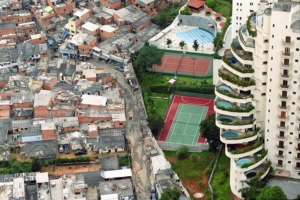
With terrorism, banditry and kidnappings in the north, along with separatist agitations in the southeast, internal migration to Abuja has been on the rise, especially among those who prefer it over Lagos. Abuja, Nigeria’s capital, is often seen as a city of wealth and opportunity. Skyscrapers, luxury estates and high-end shopping malls paint a picture of prosperity. However, beyond this facade lies a harsh reality for many residents. While the city continues to grow economically, this growth benefits only a small fraction of the population.
Poverty in Abuja
For the majority, poverty in Abuja is a daily struggle. Following a change in administration in 2023, Nigeria’s government removed fuel subsidies and floated the currency, increasing the nation’s inflation rate to more than 30% in September 2024. The government announced a new minimum wage of $43 per month in July 2024 to ease the financial burden on its citizens. However, it has yet to be implemented for primary school teachers and nurses in the Federal Capital Territory (FCT).
Consequently, more than 50% of people living in Abuja experience poverty, according to the Global Data Lab. Low-income earners, including cleaners and security guards, are the most vulnerable. Housing costs are exorbitant, with rents for studio apartments in Abuja ranging from $1,000 to more than $1,300 per year. Meanwhile, the average Nigerian employee earns less than $1,000 annually, forcing many into overcrowded slums or makeshift housing.
Despite Abuja’s reputation as a thriving metropolis, its wealth remains concentrated in the hands of a few, leaving the rest to struggle to make ends meet.
No Middle Ground
Abuja’s wealth gap is striking. In upscale areas like Asokoro and Maitama, luxury cars ply smooth roads, while nearby communities like Mpape and Dakibiyu struggle with poor infrastructure, scarce clean water and unreliable electricity. This stark contrast reflects the deep economic divide, where prosperity is concentrated among the few while many struggle to make ends meet.
The wealthiest 20% of Nigerians control 42% of the national income, while the most impoverished 20% share a mere 7%. This imbalance suggests that economic opportunities are disproportionately accessible to the affluent, leaving a significant portion of the population struggling to ascend the economic ladder.
Increased inflation has reduced purchasing power, making necessities harder to afford. The financial strain has sparked public outcry, with protests in major cities, including Abuja, as citizens demand relief from soaring living costs.
Can Change Come?
The Federal Government of Nigeria has implemented several economic reforms, including devaluing the Naira to stabilize the economy. However, these measures have also contributed to increased living costs, prompting debates about their efficacy and impact on the vulnerable population, especially those in the informal sector.
Therefore, nongovernmental organizations (NGOs) like Oxfam have highlighted the urgency of implementing progressive taxation and increasing social investments to bridge the widening economic divide. In pursuit of this goal, Oxfam actively works to enhance livelihoods, promote gender equality, strengthen governance and deliver humanitarian aid, all while creating sustainable economic opportunities for vulnerable populations.
Another NGO, the Ambience of Hope Exceptional Foundation, launched Operation Feed Abuja Municipal Area Council in December 2023, targeting vulnerable people in the city. The foundation distributed food items, sewing machines, generators, wheelbarrows, hair dryers, grinding machines, and more to uplift residents. Similarly, in 2024, the World Bank committed $12.2 billion to Nigeria’s economy to drive diversified growth, job creation and social inclusion, focusing on youth, women and marginalized communities.
Conclusion
While Abuja stands as a symbol of Nigeria’s aspirations and growth, it also embodies the profound challenges of economic inequality. Observing the city’s dual realities underscores the pressing need for policies that foster inclusive growth, ensuring that prosperity is accessible to all residents, reducing poverty in Abuja.
– Staff Reports
Photo: Flickr
