• Link to X
  • Link to Facebook
  • Link to Instagram
  • Link to TikTok
  • Link to Youtube
  • About
    • About Us
      • President
      • Board of Directors
      • Board of Advisors
      • Financials
      • Our Methodology
      • Success Tracker
      • Contact
  • Act Now
    • 30 Ways to Help
      • Email Congress
      • Call Congress
      • Volunteer
      • Courses & Certificates
      • Be a Donor
    • Internships
      • In-Office Internships
      • Remote Internships
    • Legislation
      • Politics 101
  • The Blog
  • The Podcast
  • Magazine
  • Donate
  • Click to open the search input field Click to open the search input field Search
  • Menu Menu

Archive for category: Mental Health

Global Poverty, Mental Health

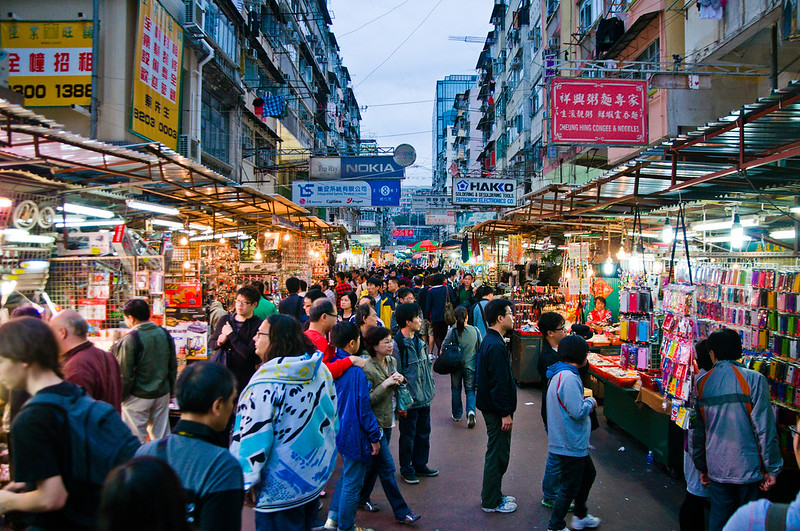
Poverty and Mental Health in Hong Kong

Mental Health in Hong KongDespite being one of the freest and most developed economies in the world, Hong Kong is a city characterized by high levels of inequality, with a significant portion of the population living in poverty. Not coincidentally, the city also faces prevalent mental health challenges, which are both a cause of poverty and a consequence. It was estimated that every one in seven people in Hong Kong experience a common mental disorder at any given time and 74% of mental health sufferers do not seek any professional help.

Even more concerning is the state of mental health of youth in the city: A 2023 survey estimates that about one in five participants experienced at least one mental health issue in the past 12 months, a rate significantly higher than the global average. In addition, more than half of the sufferers experience more than one mental disorder.

The Risk of a Vicious Cycle

Poverty and mental health in Hong Kong are deeply interconnected. Studies focusing on the city found that in comparison to their higher-income peers, working adults and children in low-income groups face poorer mental health and lower self-esteem. Research also suggests that poverty contributes to poor mental well-being by causing material deprivation. At the same time, income poverty does not directly correlate with mental health.

Besides the direct relationship between poverty, deprivation and mental disorders, lower-income individuals are also more vulnerable to other risk factors for mental disorders, such as the pressure to overwork. A 2016 survey found that workers in Hong Kong work an average of 50.1 hours per week, 35% higher than the global average among 71 other cities. As a result, 25% of Hong Kong workers suffer symptoms of depression and anxiety, 2.5 times above the global average. Another contributor to mental health problems is housing conditions and limited living space, an issue almost only faced by low-income individuals.

While low-income populations are more vulnerable to mental health problems, the symptoms of mental illnesses and the social stigma attached to them make it harder for sufferers to lift themselves out of poverty. Such a two-way relationship between poverty and mental health can lead to a self-perpetuating vicious cycle for low-income individuals, leading to chronic, intergenerational poverty.

Government Initiatives

In December 2023, in response to the city’s mental health crisis, the government launched a 24-hour mental health support hotline that coordinates the resources of about 20 related organizations. Earlier in the year, the Hospital Authority (HA) also promised to enhance support for patients with severe mental disorders by increasing the ratio between case manager and patient, exploring new treatments and reducing patient waiting time.

Grassroot Organizations

Nongovernmental organizations (NGOs) also play a crucial role in addressing Hong Kong’s mental health crisis. Mind HK, for example, provides free talking therapies and check-in services for individuals with mild to moderate mental health problems. The organization also engages in campaigns and events to raise awareness of mental well-being, as well as training sessions that educate people on mental health literacy. In 2022 alone, more than 6000 participants joined the nonprofit’s training sessions.

KELLY support group, on the other hand, focuses on the mental health of youth and adolescents. The organization organizes programs that promote peer support around emotional well-being and provides referral services to match youth with partnering organizations for counseling services and other support.

Final Remark

While the interconnections of poverty and mental health in Hong Kong are associated with the risk of a vicious cycle for sufferers of mental disorders, from a positive perspective, addressing the mental health crisis in the city also contributes to poverty elimination in the long term. Hong Kong’s ongoing initiatives protect not only the mental wellness of its residents but also social equity and economic development.

– Wangruoxi Liang

Wangruoxi Liang is based in Ann Arbor, MI, USA and focuses on Global Health for The Borgen Project.

Photo: Flickr
June 15, 2024
https://borgenproject.org/wp-content/uploads/borgen-project-logo.svg 0 0 Lynsey 2 https://borgenproject.org/wp-content/uploads/borgen-project-logo.svg Lynsey 22024-06-15 07:30:492024-06-14 04:54:00Poverty and Mental Health in Hong Kong
Global Poverty, Mental Health, Women

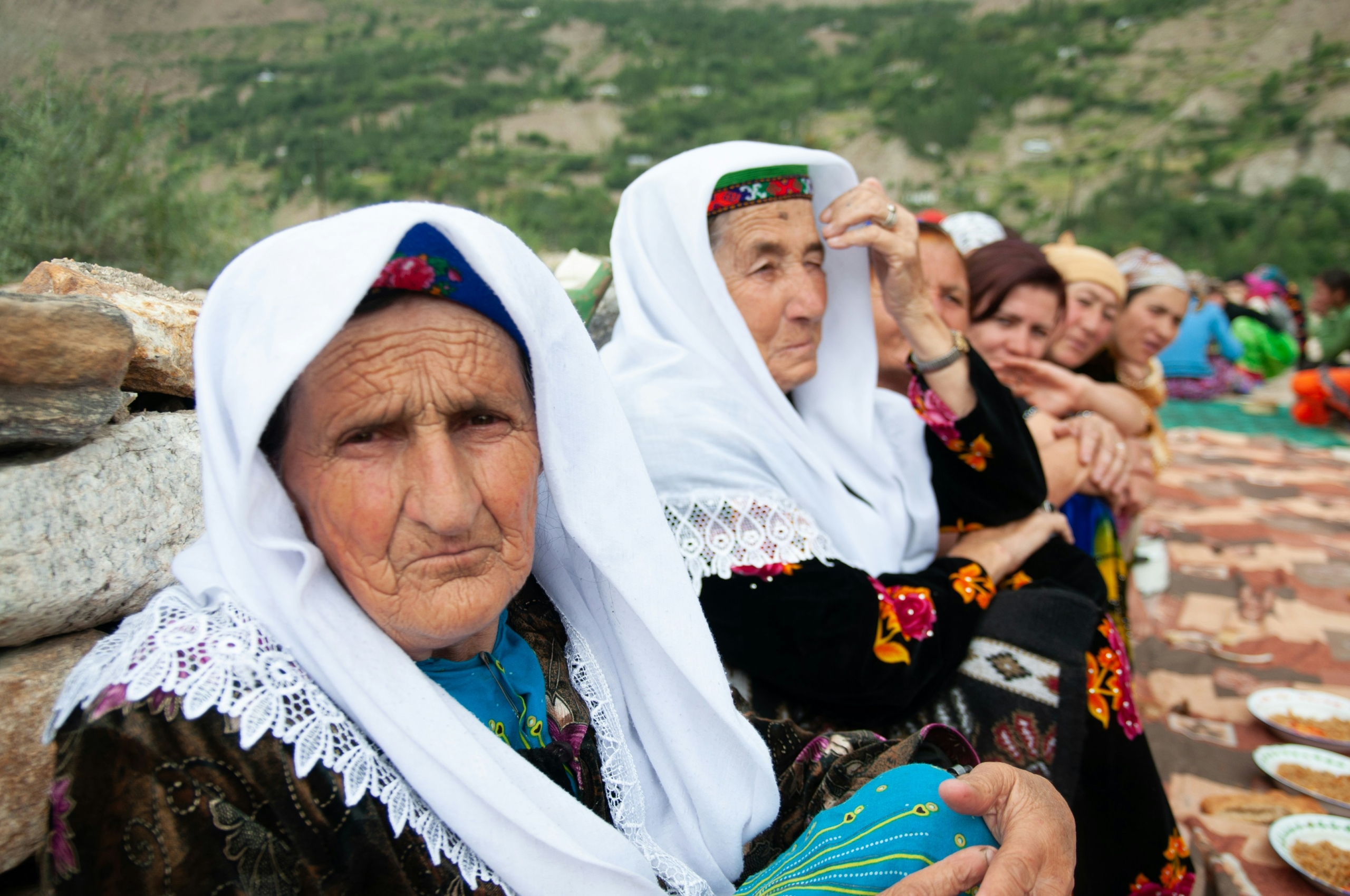
Mental Health in Tajikistan: The Living With Dignity Project

Mental Health in TajikistanIn 2018, International Alert, an organization attempting to tackle community violence in societies with a history of conflict and extreme poverty, embarked on the Living with Dignity project, an effort to tackle economic insecurity and reduce domestic abuse, hoping to improve mental health in Tajikistan.

Poverty and Gender Inequality in Tajikistan

Declaring its independence from the Soviet Union in 1991, Tajikistan had a deadly civil war from 1992 to 1997, which greatly deepened social, economic and political inequalities already largely prevalent in the country.

Despite recent successful efforts to decrease poverty, Tajikistan is still the poorest country in Central Asia. As of 2019, approximately 26% of inhabitants lived in poverty, calculated based on income compared to the costs of basic necessities, with higher poverty rates in rural areas. In addition, around 6% of the population falls below the international poverty line. The Living with Dignity project has found that this widespread economic insecurity has profoundly negative consequences for mental health in Tajikistan.

Another key issue in the country is gender inequality. UNICEF reported a significantly higher rate of female suicide than male suicide, which by global standards is unusual, prompting questions as to the causes of this unique case. While official government figures report that approximately 31% of women from the ages of 15-49 have experienced forms of physical and emotional domestic abuse, research by International Alert indicates that the real figure could be greater than 60%. One key cause of this propensity to violence within many households is economic insecurity and the stresses it places upon families. The high rates of abuse have massively detrimental effects on mental health in Tajikistan.

Living With Dignity

International Alert’s Living with Dignity program focussed on transforming violent familial behavior through communication and reflection workshops, which provided a space for family members to understand each other’s experiences and needs better, according to the International Alert report. It found that a key cause of discord within the family was economic insecurity. So a key tenet of the project was the economic empowerment of women who generally have very little say in household financial management. The program also made use of gender sensitivity training and professional mental health services to challenge the patriarchal norms that dominated these areas and explore how they harm women’s mental health.

Economic Empowerment

International Alert found an increase in economic independence for women to be highly important in improving mental health, with participants reporting that they felt more heard in decision-making within the household. Moreover, an upturn in women’s participation in work led to greater economic security, which massively affects mental well-being. Throughout the Living with Dignity project, there was a 32% increase in families having enough food and money to support their needs. Moreover, at the beginning of the project 42% of women reported going to bed hungry at least once a week, while by the end of the project, that number was down to just 8%, according to the International Alert report. Many participants stated that an increase in economic stability was the key change in improving their mental health, given it made many women feel more valued and respected by their families.

Effects on Domestic Abuse

International Alert reports a 24% decrease in women feeling fearful in their household every week throughout the program. According to interviews conducted, this was largely brought about by an increase in respect between family members, fewer instances of domestic violence, greater economic independence of women and thus greater mobility. International Alert also found an increase in women feeling comfortable sharing their opinion on matters of household finance by 22%, and a 38% increase in women believing they now had more of a say in decision-making, both of which correlated strongly with improved psychological and emotional wellbeing.

Throughout the project, there was also a marked decrease in specific instances of violence and the amount of individuals who felt the use of violence in the home was acceptable. The gender sensitization training aimed to encourage families to deal with disputes in non-violent, diplomatic ways, which produces more comfortable home environments for women, facilitating better mental health outcomes.

The Living with Dignity project, then, has had a positive effect on the lives of many of these women, improving mental health in Tajikistan through tackling patriarchal, often abusive, norms and promoting both women’s safety and economic independence. Programs like this show that, by tackling global poverty we can reduce domestic violence and improve mental health outcomes.

– Billy Jardine

Billy is based in Liverpool, UK and focuses on Global Health for The Borgen Project.

Photo: Unsplash

June 13, 2024
https://borgenproject.org/wp-content/uploads/borgen-project-logo.svg 0 0 Jennifer Philipp https://borgenproject.org/wp-content/uploads/borgen-project-logo.svg Jennifer Philipp2024-06-13 01:30:172024-06-12 09:14:04Mental Health in Tajikistan: The Living With Dignity Project
Global Poverty, Health, Mental Health

Mood Over Matter: Mental Health in Malta 

Mental Health in MaltaMalta, the small island state at the heart of the Mediterranean Sea, faces an epidemic of undiagnosed mental health problems. As many as 120,000 of its citizens struggle with some form of mental illness. An article from Lovin Malta interviewed several Maltese individuals who shared their mental health struggles. Two interviewees described living with anxiety and stress, self-diagnosing as suffering from Post-Traumatic Stress Disorder (PTSD). Another two detailed their difficulties with neurodivergence—one with suspected Asperger’s syndrome and the other with inattentive ADHD—conditions that significantly impact mental well-being.

The mental health issues in Malta are as varied as in any other part of the world. Maltese people face similar challenges to those in more developed countries, not due to a lack of humanity or civility, but because of limited access to essential services and an unstable economy. Despite these challenges, “0.7% of all deaths among Maltese residents in 2017 were deaths by suicide” and the country ranks 40th globally in terms of national happiness.

Factors Affecting Mental Health Decline

Over the past decade, Malta has experienced a significant influx of migrant workers from within the EU and beyond. This population increase places pressure on society, particularly on the healthcare system, straining those responsible for its operation. This cultural shift forces the host nation to adapt inclusively to reflect the values of all its inhabitants. While this progression is often seen positively, it can be overwhelming for some, especially those already in a fragile mental state. The result is a society where some embrace change, while others feel abandoned by their culture.

Ironically, the push towards a more egalitarian society has disproportionately affected the vulnerable. As women increasingly enter the workforce, traditional care roles are diminishing, leaving the elderly and infirm to rely more on state support.

Until recently, the Maltese government did not prioritize open discourse about mental health. A lack of political will, consensus and leadership hampered efforts to address the issue, according to Health Policy.

Need for Change: Positive Developments

Significant improvements have been made in Malta’s approach to mental health over the past decade, building on reforms from the early 1990s. In 2012, Malta appointed its first Mental Health Commissioner, marking a turning point, Health Policy reports. Increased pressure from public bodies and media figures has helped to destigmatize mental health issues, prompting more open discussions.

Previously, Malta had the highest average length of stay for inpatients with mental and behavioral disorders in the EU. In 2013, the average stay was 57 days, which decreased to around 40.5 days by 2019. The number of hospitalized patients per 100,000 population also dropped from 144 to 89.7 during the same period, according to Health Policy.

The health care system now favors community hostel care or independent living arrangements over prolonged hospital stays, allowing patients to maintain their autonomy and human identity.

NGO Involvement

Several organizations are spearheading initiatives to combat mental health issues in Malta. These include the Mental Health Association Malta (MHAM), the Malta Federation of Organizations Persons with Disability (MFOPD) and the Malta Health Network (MHN).

Founded in 1982, MHAM supports caregivers of the mentally ill, educates the public to reduce ignorance and stigma and advocates for legislative changes to benefit caregivers and support workers.

Founded in 1970, MFOPD supports 41 member organizations and works on initiatives to reduce stigma, enhance societal understanding and improve integration and services for persons with disabilities. It advocates for the rights and needs of persons with disabilities, engages in lobbying efforts, and participates in relevant government structures and European events.

Established in 2007, MHN is an organization that focuses on promoting health-related interests for patients and the community in Malta. It collaborates with governmental, non-governmental, and not-for-profit organizations as well as patient representative groups to enhance health services and patient advocacy.

In February 2024, the organization launched a “To be seen and to be heard” (Arani u Ismagħni) campaign seeking to empower patients and equip them with skills of self-management and professional communication.

Future Directions

While Malta has made observable progress, the WHO is keen to draw attention to the work still to be done. Reducing poverty from its current rate of 9.2% to zero is crucial, but, according to WHO, so, too, is improving staff communication with patients and spreading information about mental health issues. 

Financial hardship and mental distress are interconnected. Studies suggest both poverty and mental health issues are still stigmatized, with some believing mental health is a middle-class issue. Research in Glasgow, however, indicates higher rates of mental health issues in deprived areas, though suicide rates are higher in affluent areas. This disparity highlights structural differences in access to resources, with the affluent having better access to mental health services, while the impoverished often face desperation and neglect.

It is challenges such as the above that an organization like MHA seeks to overcome; by combating the stigma that mentally ill people and their caregivers face in Malta and ensuring mental health services are both well-staffed and well-funded.

In September 2017, the MFOPD initiated a campaign comprising a series of educational modules that sought to assist those living with intellectual disabilities to engage in an independent lifestyle. The project’s mission statement was “Enhancing Social and Economic Inclusion Through Independent Living” and it reached 360 people by the project’s end.

– Thomas Johnston

Thomas is based in Dungannon, County Tyrone, Northern Ireland and focuses on Good News and Global Health for The Borgen Project.

Photo: Flickr
June 12, 2024
https://borgenproject.org/wp-content/uploads/borgen-project-logo.svg 0 0 Jennifer Philipp https://borgenproject.org/wp-content/uploads/borgen-project-logo.svg Jennifer Philipp2024-06-12 01:30:072024-06-11 13:09:02Mood Over Matter: Mental Health in Malta 
Global Poverty, Health, Mental Health

MHPSS Program: Improving Mental Health in Turkmenistan 

Mental Health in Turkmenistan In a day and age where mental health is a buzzing topic, Turkmenistan is taking the steps necessary to change the mental health crisis in their country. The UNDP-DPPA program is making this change to furnish citizens and frontline employees to combat mental health crises for both women and youth. The mental health and psychosocial program aims to turn around the state of poverty and mental health in Turkmenistan. In 2007, BMC Medicine published an article about the dictatorship’s neglect of the health care crisis and the many ways it affected the common people. It found that government officials treated psychiatric patients with abuse, and officials demoed private homes for government regimens and took a personal part in much more of the corruption that is leading to the deterioration of poverty and mental health in Turkmenistan.

The Solution

The UNDP-DPPA Joint Mental Health and Psychosocial Support Programme is working to combat the poor management and decline of mental health in Turkmenistan. This is being done with the creation of the Mental Health and Psychosocial Support Program for youth and women. The program focuses on equipping locals with the skillset and knowledge to perform preventative measures and provide psychosocial support to their peers. They have formed this program for mental health on four critical rules: the right to safety, the right to confidentiality, the right to self-determination and the right to be free of discrimination. This program should help women survivors of violence in addressing their mental health.

The Start-up

The UNDP-DPPA Joint Mental Health and Psychosocial Support Programme is continuing working to combat the mental health crisis in Turkmenistan through its creation. With the program focused on equipping locals with the skillset and knowledge to perform preventative measures and provide psychosocial support to their peers they are pushing an acknowledgment of the mental health state in low/middle income countries.

The UNDP-DPPAS four pillars have allowed citizens of Turkmenistan to safely access health care, nutrition and shelter under the pillars for the rights to safety and confidentiality. MHPSS Program is safely combatting gender-based violence alongside UNFPA guidelines which has gained traction in at least three countries and already started to lead Turkmenistan to soon drop in the percentile of mental health numbers. The equipping of proper training on mental health intervention and prevention is a huge step for the protection against the violence and discrimination that is a leading cause for a mental health crisis for the women and youth in the country. 

Changing the Status Quo

Highlighting their progress the program excelled and gained movement back in June 2023, when more than 200 frontline workers like police, academia employees, social services and more joined in on the training program. By equipping these frontline workers who are the first contact point for those suffering mental health crises the UNDP-DPPA are promoting a great deal of change for Turkmenistan’s women and youth. But, the program goes beyond this offering online training in three different languages for free. Hopefully, the program will lead to better medical and mental care for Turkmens. Turkmen, following the UNDP-DPPA program, are now receiving public sector loans from ADB that will strengthen their access to all things.

– Yeliz Turkdil

Yeliz is based in Norman, OK, USA and focuses on Good News and Global Health for The Borgen Project.

Photo: Flickr
June 7, 2024
https://borgenproject.org/wp-content/uploads/borgen-project-logo.svg 0 0 Jennifer Philipp https://borgenproject.org/wp-content/uploads/borgen-project-logo.svg Jennifer Philipp2024-06-07 01:30:042024-06-06 09:31:06MHPSS Program: Improving Mental Health in Turkmenistan 
Global Poverty, Mental Health

Mental Health in Georgia

Mental Health in GeorgiaGeorgia, formerly part of the Soviet Union, garnered independence in 1991. From 1991 to 1993, following its break from the communist regime, civil war and unrest had wracked the country; its post-Soviet Union status still had not allowed the state to fully escape the shadow of its political past. PLOS Medicine reports that traditionally inhumane and outdated medical practices, ranging from biological treatment to high rates of institutionalization, heavily characterize mental health services in Georgia.

In 2009, Global Initiative on Psychiatry (GIP) reported that social exclusion, mental ill health and poverty were all correlative; the mental well-being of residents in poorer, more remote regions of the country proves a focal point for discussion. It was not until the Ministry of Labour, Health and Social Affairs (MoLHSA) introduced the 2011-2015 National Health Care Strategy that there was a key turning point in Georgian mental health services. The status of mental health underwent a momentous transformation, both in the realm of primary health care and in the community. This is a chronological breakdown of the reformation roadmap thus far.

1995-2009 Programs and Laws

The establishment of the 1995 mental health assistance program meant that officially registered mentally ill patients, according to the national psychiatric register, received free services, according to PLOS Medicine. These people received treatment at various hospitals as well as outpatient clinics. PLOS Medicine records show that six psychiatric clinics provided hospital care to these patients and have housed and cared for more than 1,000 people.

In 2007, a newly introduced law on psychiatric services resulted in the illegalization of the involuntary hospitalisation of mentally ill patients in Georgia, PLOS Medicine reports. A court decision was mandatory if one viewed institutionalization as the only remaining viable option. The EU has repeatedly berated Georgia on torture for the poor conditions of the country’s mental institutions; the violation of human rights was a huge motivation behind the upheaval of its mental health services.

In 2009, Georgia replicated the 2007 law on psychiatric care alongside several adaptations, carried out by psychiatric experts. This included the proposal of treatment management techniques such as physical restraint as well as treatment options relevant to forensic psychiatric treatment and prison mental health, PLOS Medicine reports.

2011-2015 National Mental Health Care Strategy

In 2010, Georgia announced the 2011-2015 National Mental Health Care Strategy with a specially curated team of psychiatrists prepared to implement these reforms. At the time of the strategy’s introduction, MoLHSA officially recorded approximately 80,000 mentally ill civilians but also admitted that they viewed this as an underestimation, PLOS Medicine reports. The program emphasized the importance of mental well-being; the strategy’s overarching objective was to improve the general population’s mental health by 2015.

By 2013, 18 outpatient psychiatric clinics were already in use but there was a negative correlation between the increased presence of available services and poorer, more remote regions; citizens of poorer regions could not access mental health services of the same quality, according to PLOS Medicine. The principal reform within this entire process was deinstitutionalization which occurred in early summer 2011 via the closing of the largest psychiatric institution at the time, the Asatiani Psychiatric Hospital.

2015-2020 Mental Health Care Strategy Plan

The country announced the plan in 2014 and prioritised the improved accessibility of mental health care services to the Georgian population. Georgia declared its obligations to care for all disabled civilians and safely keep their rights and freedoms. The strategy emphasized the destigmatization of mental health treatment and mental illness. The World Health Organization (WHO) report stated that, at this time, neuropsychiatric disorders were behind 22.8% of the country’s fatalities.

In 2016, there was an increase in funding for more mobile teams; 11 mobile teams received funding for their work across the country by 2018. The implementation of a separate scheme in this same year attempted to ensure the rights of mentally ill Georgian prisoners, specifically. 

2022-2030 National Mental Health Strategy

This national plan aims to emphasize child and adolescent mental health. The strategy further champions deinstitutionalization and the importance of community-based care for mentally ill patients. In 2022, 8.4% of the mentally ill population received treatment in a mental hospital with the remaining populace receiving care at a community-based service.

Moving Forward

Treatment for mentally ill patients has transformed in various manners since the Georgian state obtained its independence. Firstly, however, it appears that treatment is geographically discriminatory with only civilians who reside in the country’s capital being prioritized; citizens who reside in poorer, more remote regions find treatment is less accessible to them.

Secondly, it seems that treatment for mentally disabled prisoners is immensely stagnated, especially in comparison to services which are accessible to non-incarcerated civilians. The Public Defender’s Office (PDO) of 2022 noted the sub-standard conditions available for mentally ill inmates and reported a severe lack of services specifically for those with disabilities. The former Soviet Union state has made major progress since the early 1990s and will hopefully continue to make further steps to ensure all Georgian civilians, irrespective of their geographical location and incarcerated status, can access adequate mental health services.

– Naomi Finapiri

Naomi Finapiri is based in London, UK and focuses on Global Health for The Borgen Project.

Photo: Unsplash

June 2, 2024
https://borgenproject.org/wp-content/uploads/borgen-project-logo.svg 0 0 Jennifer Philipp https://borgenproject.org/wp-content/uploads/borgen-project-logo.svg Jennifer Philipp2024-06-02 07:30:252024-06-01 13:25:52Mental Health in Georgia
Africa, Developing Countries, Global Poverty, Mental Health

Poverty and Mental Health in Djibouti

Mental health in DjiboutiIn Djibouti, one of the smallest but geographically strategic countries in the Horn of Africa, the relationship between mental health and poverty presents major challenges to individuals and communities. They are interrelated in such a way that economic deprivation increases mental health struggles, while poor mental health transfers them into cycles of poverty. Given this dynamic, it is clear that this challenge needs interventions that approach the issue with substantial social and health care dimensions.

Understanding the Link

Poverty in Djibouti is pervasive and much of the population lives below the threshold level of subsistence. The economy remains unstable, with scarce educational facilities and high unemployment rates. In such conditions, individuals and families have to endure many stressors emanating from lack of access to basic needs, housing insecurity and food insecurity. Stressors of this nature affect not only physical but also mental health.

According to the World Bank, “Using the lower middle-income poverty line, it is found that about two-fifths of the population lives below $3.20 a day. As the pace of economic growth declines due to the spread of COVID-19, the pace of poverty reduction is under threat.” Mental health problems are among the most common in Djibouti. Yet, they are barely noticed: depression, anxiety and trauma-related disorders. Among other causes, it is underreported and underdiagnosed because of the stigma, cultural beliefs and the lack of mental health professionals.

In addition, the deficit of reachable and affordable services for mental health increases the burden on individuals who already bear the burden of poverty. Organizations like the United Nations Children’s Fund (UNICEF) have led by example. According to the organization, in Africa alone, “nearly 37 million adolescents (aged 10–19) live with a mental disorder.” In Djibouti, UNICEF has found that 10.8% of boys and girls aged 10 to 19 are victims of mental disorders.

Multifaceted Approaches

Therefore, approaches that consider the complex interplay between mental health and poverty are essential. Poverty reduction strategies, in particular, reduce stressors that contribute to poor mental health outcomes. Similarly, improved access to education provides the tools for breaking out of the poverty cycle and enhances resilience against mental health problems. Furthermore, opening job opportunities, particularly for the most disadvantaged, improves economic prospects, builds self-esteem and increases the social integration necessary for better mental health.

In addition, social safety nets, which include cash transfer programs and food assistance schemes, make essential support for vulnerable households less burdensome on the pocket and ensure stability. These poverty reduction interventions could actually prevent risk factors that lead to poor mental health. At the same time, cultural sensitivity in mental health services will be supported by investment in the infrastructure for mental health. This will include training and deploying more mental health professionals, such as psychologists, psychiatrists and counselors, to build a strong workforce in the field of mental health.

De-stigmatizing mental illness will also help develop local support systems, including peer support groups and community health centers, helping mental health services reach unserved, far-flung areas. Therefore, the process has to consider reducing the stigma associated with mental illness. This is basically to ensure that people seek help without much stress or feeling embarrassed. Targeted awareness campaigns to dispel misconceptions and increase mental health literacy can reduce stigma and empower people to seek help openly in their communities. It is equally crucial for partnerships between the government, nonprofit sectors and international partners to share resources and expertise and coordinate efforts.

Combating Stigma and Fostering Collaboration

Reducing stigma around mental illness is the foremost strategy for enhancing help-seeking behavior and early intervention. In this regard, awareness campaigns like UNICEF’s #OnMyMind campaign can challenge misconceptions while improving mental health literacy. This can help lower stigma and increase open dialogue at the community level. Moreover, fostering the collaboration of government agencies, nonprofit organizations and international partnerships is vital to pool resources and expertise and harmonize efforts.

Given the strengths of government institutions, civil society organizations and humanitarian agencies, holistic and sustainable solutions can be devised. This collaboration could, therefore, ensure the elaboration of comprehensive policies on mental health, mobilization of resources for mental health programs and setting up mechanisms for monitoring purposes to ensure accountability.

Conclusion

The intricate relationship between mental health and poverty in Djibouti necessitates integrated and coordinated responses that address the social, economic and health aspects of the issue. Combining efforts to reduce socioeconomic stressors with initiatives to increase mental health services and reduce stigma will facilitate a pathway toward holistic and sustainable solutions for Djibouti. Ultimately, by placing human well-being at the top of the agenda, Djibouti can build resilient communities that succeed both economically and in mental health.

– Honorine Lanka Perera

Honorine is based in Highland, NY, USA and focuses on Good News and Global Health for The Borgen Project.

Photo: Flickr

May 24, 2024
https://borgenproject.org/wp-content/uploads/borgen-project-logo.svg 0 0 Lynsey 2 https://borgenproject.org/wp-content/uploads/borgen-project-logo.svg Lynsey 22024-05-24 01:30:262024-05-24 02:25:39Poverty and Mental Health in Djibouti
Developing Countries, Global Poverty, Mental Health

Montenegro’s Mental Health

Montenegro’s Mental HealthThe World Health Organization (WHO) ranks a country’s health not only by the absence of disease but also by a measure of the “physical, mental and social well-being” of its citizens. Mental health is inherently linked to a society’s cohesion and the well-being of its inhabitants. Montenegro’s mental health support infrastructures are historically lacking. However, significant steps have been taken to improve public health care facilities and support services in the last 30 years.

Montenegro is a Balkan country in Southeastern Europe, bordering Croatia, Albania, Bosnia and Serbia. It is situated between the Dinaric Alps and the Adriatic Sea, making it an established tourist destination. Despite its popularity as a place of vacation and relaxation, Montenegro’s socioeconomic difficulties have had an inherent impact on the mental well-being of its citizens.

The Balkan War and Montenegro’s Mental Health

The Balkan War is still fresh in the minds of Montenegrins. For a decade, between 1991 and 2001, this violent ethnic conflict presided over the Balkan region and eventually culminated in a split from the former Yugoslavia in 2006. This bloody warfare, only recently resolved, left a legacy of trauma. Politically, Montenegro became a stable, peaceful democracy. However, the brutal civil war and Montenegro’s subsequent sovereignty had a significant impact on the economic development of the country, with its gross domestic product (GDP) falling from 45% in its Yugoslav era (1989) to 12% in 2000.

Historically, Montenegro’s psychological support has centered around patients whose serious disorders have symptoms of aggressive behavior, admitting them to Danilovgrad (Montenegro’s first psychiatric hospital, founded in the 20th century). The remaining nonviolent patients were left to “roam the streets.” A notable milestone in efforts to support community psychiatry and deinstitutionalize mental health facilities began in the early ’90s, with “Centers for Mental Health” inaugurated in 1991. Official mental health policies were implemented as late as 2004.

Mind and Money

Montenegro is ranked as one of the poorest countries in Europe, with a 2022 United Nations Children’s Fund (UNICEF) study declaring that “at least one-third of Montenegro’s children are at risk of poverty.” Economic welfare concentrates in urban and coastal regions, while much of the country struggles under economic pressures with little access to welfare support. A 2019 study showed only 44% of citizens living below Montenegro’s poverty line have access to welfare funds.

The impact of Montenegro’s conservative milieu on mental well-being is accentuated through the knowledge that 78% of those asked reported a complete absence of community mental health campaigns, while 97.2% thought support infrastructures would be a beneficial addition to their locality. This, in conjunction with a recognition of Montenegro’s conservative society that is “deeply ingrained in patriarchy,” provides context for the psychological pressures of its citizens.

Suicide rates in Montenegro can be correlated directly with insufficient support infrastructures and economic pressures. “The average crude suicide rate was 21.06 ‘for males 29.93 and for females 12.42,” with lethal suicide statistics correlating significantly with unemployment rates. In 2018, the rate of fatal suicide in the male population reached 4.29. In addition, Montenegro is recognized as having the highest number of “weekly hours worked [in Europe] at 42.8,” while the average European employee in 2022 worked just 36.2 hours a week.

These figures can be attributed to cultural roles, with men facing more pressures on having to financially contribute to households: an indisputable correlation between poverty and mental stability.

The EU4 Health Program

In January of 2024, the Montenegrin Health authorizations and the wider European health community established an agreement: the EU4Health program. This agreement allows both public and private sector health care entities access to funding and grant opportunities, increasing the accessibility and quality of support across the country. However, despite recent advancements in infrastructure and support, these goals are still recognized as only “partly realized,” with many of its objectives still awaiting accomplishment.

Open Mind

Nongovernmental organizations (NGOs) are working towards the political and social representation of mental health issues in Montenegro. The Open Mind project, co-funded by European Union’s (EU) grants, advocates for the inclusion of mental illness in political agendas, public debates and social sectors. Promoting dialogue for the social reintegration of those with mental health issues combats cultural stigmas.

The campaign aims to sensitize 5,000 individuals, conduct 10 awareness campaigns, train 20 CSOs and establish support groups in multiple communities. This project is one of 20 NGOs working to improve the lives of this target group and represents an optimistic future for Montenegrins suffering from mental health issues.

A Brighter Future

Recent governmental efforts to improve public health care in Montenegro represent a pivotal ideological shift, with Montenegrin citizens forecasted to witness “substantial improvements in their health care services.” Reflecting on the dualism between public mental health and the economy, an optimistic future is evident in Montenegro’s strong economic growth, estimated at 6% in 2023.

Traditionally, policy has neglected the implications of socioeconomic burdens on Montenegrin inhabitants. However, recent years have seen evident improvements in support infrastructures available for relieving the Montenegrin public mental health concerns. The inherent implications of mental health issues on social cohesion make the promotion of these efforts a priority.

– Thea Carter

Thea is based in London, UK and focuses on Global Health for The Borgen Project

Photo: Flickr

May 22, 2024
https://borgenproject.org/wp-content/uploads/borgen-project-logo.svg 0 0 Lynsey 2 https://borgenproject.org/wp-content/uploads/borgen-project-logo.svg Lynsey 22024-05-22 01:30:272024-06-11 00:12:46Montenegro’s Mental Health
Developing Countries, Global Poverty, Health, Mental Health

5 Facts About Mental Wellness in Bulgaria

Mental Wellness in BulgariaBulgaria is a country known for its rich cultural heritage and picturesque landscapes. The population is roughly seven million and the nation is part of the North Atlantic Treaty Organization (NATO) and the European Union (EU). It is a hotspot country for historians and anthropologists alike, as it is one of the first European countries in existence. Bulgaria is dotted with mountains and dense with forests and it borders the sea, so there are several tourist attractions and opportunities for outdoor adventure. Here are five facts about mental wellness in Bulgaria.

5 Facts About Mental Wellness in Bulgaria

  1. Historically, Bulgaria has not prioritized the mental health of its citizens, with very few mental health facilities in existence before the ’50s. After the regime change in 1944, psychiatrists in Bulgaria began to advocate the “dispensary system,” which meant to integrate and normalize psychiatric intervention in the broader citizen sphere. This mentality was born at a time when psychiatrists began to see the direct influence of “social conditions” on the mental well-being of citizens. Thus, psychiatry and outpatient treatments were introduced more readily to accommodate mental wellness in Bulgaria.
  2. Social stigma is a significant barrier to addressing mental health in Bulgaria. Despite psychiatric efforts in the 20th century to incorporate psychiatric care into society, attitudes surrounding mental illness and disabilities in Bulgaria do not reflect these efforts. Seeking help can often target individuals and warrant social scrutiny – “Mentally ill are socially discriminated.” It is believed that the mentally ill themselves are guilty of their doom and they should not expect society to share the burden of disease with them.”
  3. Regardless of rampant social stigmas, mental illness is highly prevalent in Bulgaria. According to the United Nations Children’s Fund (UNICEF), about 20% of children and adolescents experience mental health complications each year. Bulgarian youth are also ranked number one in Europe for unhealthy coping mechanisms, such as nicotine intake and drug/alcohol abuse.
    Though many doctors are not readily diagnosing mental health disorders in Bulgaria, it is estimated that nearly one in five Bulgarians experience depression to some degree: “People are told to just snap out of it and get on with their lives and are branded as sensitive and fragile.” Every year, nearly eight hundred Bulgarians succumb to suicide.
  4. Several factors contribute to poor mental health in Bulgaria, the foremost being the lack of assistance for those in need, as previously mentioned. The health care system in Bulgaria does not prioritize mental wellness, which is often seen as separate from physical well-being and not as immediate. Additionally, though substance abuse is usually a result of mental health disorders, it can also be an instigator of such ailments.
    “According to data from the Bulgarian Methadone Association and the Bulgarian Institute for Addictions, there are more than 300,000 drug addicts in Bulgaria.” Health care is also widely inaccessible, with almost half of all medical payments requiring “out-of-pocket” compensation. Finally, nearly 40% of the population is impoverished to some degree, which amplifies mental health struggles disproportionately.
  5. Luckily, steps are being taken to combat social stigmas around mental health disorders and provide resources to those affected. In 2018, the World Health Organization (WHO) implemented mental wellness interventions in Bulgaria. These interventions included providing mental health training to medical professionals, donating funds to support mental health services, creating programs to raise awareness and collaborating with policymakers to establish sustainable solutions. 

WHO’s initiative made a sizeable impact: “In 2018 and 2019, the suicide rate in Bulgaria decreased by 7% compared to the previous biennium.” Similarly, UNICEF is creating an app for young Bulgarians to provide information about mental struggles, personal care advice, links to mental health resources and more. It also strives to create a website that connects Bulgarian youths with mental health professionals.

Though efforts are being made to promote mental wellness in Bulgaria, more can be done to address the ongoing mental health crisis. Government intervention, as well as assistance from WHO, UNICEF and related organizations, is essential in steering the population to a more healthy and optimistic future. With the reduction of social stigmas, a decrease in barriers to health care and the integration of psychiatric care into everyday medicine, Bulgarians can begin to heal themselves holistically for years to come.

– Anna Williams

Anna is based in Burlington, VT, USA and focuses on Good News and Global Health for The Borgen Project.

Photo: Flickr
April 29, 2024
https://borgenproject.org/wp-content/uploads/borgen-project-logo.svg 0 0 Lynsey 2 https://borgenproject.org/wp-content/uploads/borgen-project-logo.svg Lynsey 22024-04-29 01:30:402024-06-11 00:12:465 Facts About Mental Wellness in Bulgaria
Global Poverty, Health, Mental Health

Mental Health in Angola

Mental Health in AngolaAngola is a small country situated on the western-central coast of Southern Africa. Generous petroleum and mineral reserves support its fast-growing economy. Collectively, Angola shares a crucial concern for mental health with all 54 countries in Africa. However, the treatment of mental health in Angola has been neglected.

Angola’s Health Care Challenges

Limited funding, inadequate mental health care policies, shortages of health care personnel and deficient training of health care workers are some of the health care challenges in Angola. In terms of health care facilities, there are approximately 3,000 people per facility, indicating a strain on accessibility. Moreover, with only 1.01 beds available per 1,000 patients, there’s a concerning shortage of hospital beds.

The physician-to-patient ratio stands at 0.3 per 1,000 patients, equivalent to around 14,000 physicians, which falls below the World Health Organization’s recommended level. Similarly, the nurse-to-patient ratio is 1.1 per 1,000 patients, suggesting further strain on health care resources. These statistics highlight the urgent need to address funding limitations, reform mental health care policies and invest in health care personnel and training to ensure adequate health care provision for the population.

Further, Angola’s 2023 budget allocated 23% of all government expenditures to the social sector, with health care receiving approximately 7%. However, it falls short of supporting the health care needs of 34.5 million people. For the health development plan to be effective, current statistics and comprehensive data could be utilized to upgrade existing priorities. Comprehensive data would include current population growth, distribution of population, infrastructure needs, financial models and human resources that would upgrade priorities.

Programs Tackling Mental Health in Angola

  1. African Center for Disease Control (CDC): In March 2024, the CDC launched a new Mental Health Leadership Program (AMHLP) to address mental health challenges in several African countries, including Angola. Wellcome, whose mission is to “support discovery research into life, health and well-being,” funded the program. The program aims to “mobilize decision-makers to support countries in reforming services and advising on public health measures to promote and protect mental health and well-being.”
  2. Education: Doctor Alisha Moreland-Capuia is a leading trauma-informed care expert. Her nonprofit, The Capuia Foundation, is constructing the Institute for Trauma-Informed Systems Change in Angola. Counseling and educating the people of Angola about mental health will help them develop a realistic understanding of mental illnesses.
  3. Kassai: Kassai is an eLearning platform funded by the United States Agency for International Development (USAID) and the President’s Malaria Initiative (PMI). This program trains health care workers in malaria, family planning and maternal and child health. By the end of 2022, the Kassai platform had 6,600 unique users and 31,000 course enrollments.

Mental health illnesses are a present-day concern in Angola. However, several programs are being initiated by both the Angola government and nonprofits to address mental health challenges in Angola.

– Pamela Fenton
Photo: Unsplash

April 15, 2024
https://borgenproject.org/wp-content/uploads/borgen-project-logo.svg 0 0 Lynsey 2 https://borgenproject.org/wp-content/uploads/borgen-project-logo.svg Lynsey 22024-04-15 07:30:522024-04-15 01:32:03Mental Health in Angola
Global Poverty, Health, Mental Health

Addressing Mental Health in Lesotho

Mental Health in LesothoThe Kingdom of Lesotho is located in South Africa and has a population of two million. Right now, the country is facing its own unique set of struggles and issues. Concentrated areas are often poverty-stricken due to limited employment opportunities, lack of access to necessities and services, as well as high vulnerability to environmental and economic crises. About 24% of citizens in Lesotho live in extreme poverty, while around 580,000 citizens suffer from food insecurity. Additionally, Lesotho has one of the highest HIV prevalence rates in the world at 22.7% as of 2023, as well as a high rate of tuberculosis, which is greatly affecting the health of the country’s already limited health care workers.

These problems compromise the state of mental health in Lesotho. In fact, the latest report shows that the country had one of the highest rates of suicide in the world for that year, with 87.5 suicide-related deaths for every 100,000 deaths. These numbers are alarming and justify claims that state that there is a mental health crisis in Lesotho. The existence of such a severe mental health crisis serves as a testament to the challenges and stressors endured by the Basotho people.

Despite the acknowledgment of such a crisis, many Basotho will not seek help, whereas many others cannot afford to do so. Lesira Rampa, a Lesotho native, wrote, “Unfortunately, there are numerous challenges in accessing mental health treatment in Lesotho, as evident from the alarming suicide statistics. Despite facing stigma, we encounter several problems, including a shortage of mental health care services and limited financial resources to afford expensive treatments.” In light of these obstacles that prevent Lesotho citizens from accessing mental health services, many organizations such as Help Lesotho, Dolen Cymru and Sentebale are working within the country to assist those in need.

Increasing the Number of Mental Health Care Providers

Lesotho has been suffering from what experts call a “brain drain,” which is the emigration of trained professionals from their country of origin to other countries in order to find jobs. This brain drain has made it difficult for Lesotho to retain a stable number of health care workers, causing a great amount of strain on the physicians and nurses who choose to stay. This shortage has detrimentally impacted the quality and quantity of mental health services available to those suffering from mental illnesses.

Paul Myres, Vice-President of the nonprofit organization Dolen Cymru, told The Borgen Project in an interview that, currently, there are no psychiatrists in Lesotho. In order to remedy this issue, Dolen Cymru administers mental health training, which was developed by the World Health Organization (WHO), to upskill general health care providers within the country. Myres describes the training program as a WHO-designed, multi-professional training program that Dolen Cymru was tasked with implementing. It involved just five days of instruction and relied heavily on algorithms, with a structured approach of asking questions to gather patient information and proceeding accordingly based on the responses.

More than 100 health practitioners received this training, which has aided in improving the understanding of mental health among general Lesotho nurses and doctors. Myres says that the philosophy of Dolen Cymru is to capacitate rather than to provide direct care. Such a unique and innovative philosophy can prove effective in empowering citizens to seek out more information on mental health concerns while preserving their dignity.

One-On-One and Group Counseling

There are a generous number of organizations working in Lesotho to provide help during this mental health crisis, each with its unique approach. Help Lesotho is an organization that focuses on providing one-on-one and group counseling to those in need. Help Lesotho offers a range of non-intensive and long-term intensive self-help and life-skills programs. Its variety of programs is designed to benefit parents, children and communities. These programs address mental health concerns stemming from issues such as poverty, grief and loss, HIV/AIDs and much more.

In 2023, Help Lesotho’s long-term intensive programs had more than 2,000 participants and the organization had one-on-one psychosocial support conversations with more than 960 people. Those who received assistance and guidance from Help Lesotho noticed an increase in confidence, a new-found sense of belonging and a desire to inspire others.

Stigmas: Obstacles To Providing Mental Health Support

Although several organizations are addressing the need for mental health services in Lesotho, certain obstacles can stand in the way of their efforts. It is especially difficult to reverse the effects of the social stigmas surrounding mental health in Lesotho. Meyers mentioned in his interview with The Borgen Project that mental health issues are often seen as a punishment in Lesotho, either for the individual or even their parent’s behavior.

Ms. Mota, a psychiatric nurse at Mohlomi Hospital, has spoken out about these stigmas, stating that “Because of misconceptions and stigma surrounding mental health issues, people sometimes suffer in silence and do not seek treatment for their conditions.”

Thankfully, training and programs such as the ones offered by Dolen Cymru can help reduce the influence of such stigmas. Meyers says that when trainers ask doctors to come up with a list of words describing their initial response to mental health, fear is always at the top of the list. “The good news,” he says, “is that by the end of the week, we ask the same question and that’s all gone.”

Conclusion

Lesotho, just like any country, has its own unique set of stressors and difficulties. Fortunately, organizations such as Dolen Cymru and Help Lesotho are going to great lengths to provide Lesotho with the assistance it needs. However, there is definitely still work to be done.

– Kimber Peters
Photo: Pexels

April 10, 2024
https://borgenproject.org/wp-content/uploads/borgen-project-logo.svg 0 0 Lynsey 2 https://borgenproject.org/wp-content/uploads/borgen-project-logo.svg Lynsey 22024-04-10 07:30:102024-04-09 14:14:02Addressing Mental Health in Lesotho
Page 6 of 7«‹4567›

Get Smarter

  • Global Poverty 101
  • Global Poverty… The Good News
  • Global Poverty & U.S. Jobs
  • Global Poverty and National Security
  • Innovative Solutions to Poverty
  • Global Poverty & Aid FAQ’s
Search Search

Take Action

  • Call Congress
  • Email Congress
  • Donate
  • 30 Ways to Help
  • Volunteer Ops
  • Internships
  • Courses & Certificates
  • The Podcast
Borgen Project

“The Borgen Project is an incredible nonprofit organization that is addressing poverty and hunger and working towards ending them.”

-The Huffington Post

Inside The Borgen Project

  • Contact
  • About
  • Financials
  • President
  • Board of Directors
  • Board of Advisors

International Links

  • UK Email Parliament
  • UK Donate
  • Canada Email Parliament

Get Smarter

  • Global Poverty 101
  • Global Poverty… The Good News
  • Global Poverty & U.S. Jobs
  • Global Poverty and National Security
  • Innovative Solutions to Poverty
  • Global Poverty & Aid FAQ’s

Ways to Help

  • Call Congress
  • Email Congress
  • Donate
  • 30 Ways to Help
  • Volunteer Ops
  • Internships
  • Courses & Certificates
  • The Podcast
Scroll to top Scroll to top Scroll to top