• Link to X
  • Link to Facebook
  • Link to Instagram
  • Link to TikTok
  • Link to Youtube
  • About
    • About Us
      • President
      • Board of Directors
      • Board of Advisors
      • Financials
      • Our Methodology
      • Success Tracker
      • Contact
  • Act Now
    • 30 Ways to Help
      • Email Congress
      • Call Congress
      • Volunteer
      • Courses & Certificates
      • Be a Donor
    • Internships
      • In-Office Internships
      • Remote Internships
    • Legislation
      • Politics 101
  • The Blog
  • The Podcast
  • Magazine
  • Donate
  • Click to open the search input field Click to open the search input field Search
  • Menu Menu

Archive for category: Mental Health

elderly poverty, Global Poverty, Mental Health

How Elderly Poverty in Madagascar Impacts Mental Health

Elderly Poverty in MadagascarMadagascar, located off the southeastern coast of Africa in the Indian Ocean, is the fifth-largest island in the world. With a population of more than 30.8 million people, Madagascar is renowned for its rich biodiversity and unique ecosystems, including the infamous lemurs and lush rainforests. Despite its natural wealth, Madagascar faces significant challenges in poverty alleviation, consistently ranking among the world’s poorest countries. Its citizens navigate poverty through various means, including subsistence agriculture, fishing and small-scale entrepreneurship, while also relying on community support networks and resilience in the face of adversity. However, the mental and emotional toll elderly poverty in Madagascar causes heavily disturbs the culture, beauty and essence of its climate and people.

Poverty and Mental Health in Madagascar

When examining the ramifications of poverty on mental and emotional well-being, it is crucial to note its pervasive role among senior citizens. According to “Face of Poverty in Madagascar,” a poverty, gender and inequality assessment that the World Bank created, “Only 2.4 percent of the population in 2010 was 65 and older, and elderly poor represented only 2 percent of the poor population.” According to ScienceDirect, “Antananarivo-Renivohitra, the capital district of Madagascar, had an estimated population of 1,275,207 in 2018 (RGPH-3, 2018), of which only 5.5% were over 60 years old.”

While the population and poverty in Madagascar predominantly have a youthful demographic, this does not mean that poverty affecting the island is not detrimental to the psychological well-being of older Malagasies. Poverty leads to food insecurity, lack of safe housing, limited employment opportunities, reduced social mobility and education disparities. The World Bank reports, “The highest prevalence of illiteracy in 2010 was among the elderly population of 64+ years old (50 percent).” Without academic instruction, obtaining secure employment becomes increasingly difficult, forcing Madagascar’s elders to pursue jobs that require less intellectual prowess and more physical stamina, a skill that diminishes with old age.

The Impact of COVID-19 on Madagascar

SARS-CoV-2 (COVID-19) arrived in Madagascar with airborne passengers traveling from Europe in March 2020. While the country took preventative measures to limit the spread of the virus, illness struck Madagascar’s population predictably targeting those of older age. According to original research conducted by BMJ Global Health, due to COVID-19, life expectancy in Madagascar has dropped by 0.8 years for men and 1.0 year for women, primarily due to increased risks of death among individuals over the age of 60. The National Library of Medicine explains, “The probability of testing positive increases with age with the highest adjusted odds ratio of 2.2 [95% CI: 1.9‐2.5] for individuals aged 49 years and older.”

Not only did the virus risk and claim the lives of Malagasy elders, but dealing with its harshness and the majority of its symptoms, “(The most common symptoms of illness onset among confirmed cases were cough (27.2%), fever (18.7%), weakness (14.7%), runny nose (13.3%), and headache (13.1%))” prevented elders from returning to their jobs and continuing to support themselves and their families. The elderly population in Madagascar, already vulnerable to nutritional issues, faced heightened anxiety due to COVID-19, as concerns about their health, life expectancy, and ability to make a living increased.

Food and Health of the Elderly in Madagascar

A 2023 study by GSC Biological and Pharmaceutical Sciences examined the food and health practices of people aged 60 and over in the urban commune of Antsirabe I and the rural commune of Andranomanelatra in the Vakinankaratra Region. The study found that while the elderly were concerned about their health, hygiene practices—such as treating drinking water and washing hands before meals—were inadequate. The evaluation of nutritional status revealed that 37.5% of elderly individuals in rural areas were underweight (BMI < 18.5), compared to 17.9% in urban areas. Factors associated with poor nutritional status included education level, housing comfort, monthly income, food expenditure, dietary diversity and average energy intake.

The MDGs

While the intersection of poverty and psychological distress presents a formidable challenge for Madagascar, addressing this issue necessitates not only measures to alleviate poverty but also immediate, sustainable solutions to safeguard emotional and mental health. The Millennium Development Goals (MDGs), as outlined in the UN’s Millennium Declaration, represent a global commitment to eradicating extreme poverty, particularly in resource-limited countries like Madagascar.

One of the key focuses of Madagascar’s efforts to meet these goals is the conservation of its natural resource base and promoting sustainable development, as emphasized in the Madagascar Action Plan. This approach acknowledges that poverty reduction is not just about economic growth but also about protecting the environment, which many rural elderly Malagasy depend on for their livelihoods. As the government has pointed out, “Madagascar cannot do it alone and should not do it alone,” underscoring the need for international collaboration to address both poverty and environmental degradation in tandem. The global partnership called for in the eighth MDG reflects the notion that overcoming poverty will require support from multiple sectors and countries, aiming for sustainable development that benefits current and future generations.

The Madagascar Action Plan

The government of Madagascar has taken strides in linking health improvements with economic growth, as outlined in the Madagascar Action Plan. The commitment to improving access to health care, especially in rural areas where elders reside and elderly poverty in Madagascar is prevalent, plays a crucial role in enhancing productivity and reducing the pressure on natural resources. With the president’s “Madagascar Naturally” vision, the country emphasizes biodiversity conservation, protect the environment and reduce poverty. Through such initiatives, Madagascar is working to ensure that its population can both thrive economically and sustain its natural resources. As highlighted, “Developing countries’ debt problems” and the need for “sustainable access to safe drinking water” are critical components that will drive Madagascar’s progress toward achieving the MDGs and alleviating poverty.

Through techniques like observing the country’s natural resource base, the effect of demographic trends on development, and the importance of health as a prerequisite for development, it fosters adaptive coping strategies and enhances mental well-being. Implementing MDGs offers promise in improving the lives of Malagasians, potentially breaking the cycle of poverty and mental health challenges, providing those of older age peace and fulfillment when dealing with mental turmoil alongside impoverishment.

– Ryley Anthony

Ryley is based in Grand Prairie, TX, USA and focuses on Good News for The Borgen Project.

Photo: Pixnio

September 19, 2024
https://borgenproject.org/wp-content/uploads/borgen-project-logo.svg 0 0 Jennifer Philipp https://borgenproject.org/wp-content/uploads/borgen-project-logo.svg Jennifer Philipp2024-09-19 07:30:122024-09-19 01:32:54How Elderly Poverty in Madagascar Impacts Mental Health
Global Poverty, Inequality, Mental Health

How Inequality and Mental Health Fuel Global Poverty

Inequality and Mental HealthInequality is not just an economic challenge; it’s deeply psychological, influencing how individuals perceive themselves, others and society. Disparities in living conditions and opportunities profoundly affect mental well-being, leading to cycles of marginalization that erode trust, weaken social cohesion and harm mental health. This acceptance of inequality can become entrenched in societal norms, making it harder to challenge. However, understanding these psychological dimensions also reveals avenues for political and social change, as shifting perceptions can fuel efforts to reduce these disparities.

Understanding Global Inequality

Global inequality is marked by the uneven distribution of resources, opportunities and power, leading to significant differences in living standards. This issue is not only global but also deeply rooted within nations where social stratification creates rigid hierarchies based on power, status and wealth. For instance, the bottom 50% of the global population controls just 2% of the world’s wealth, while the top 10% commands 76%. Although global inequality between countries has slightly decreased, internal disparities within nations have widened, revealing an alarming trend of growing inequality even as some global measures improve.

Psychological Dimensions of Inequality

  1. Perceptions and Their Impact: How people perceive inequality is crucial in understanding behavior and societal cohesion. Perceptions, shaped by relative or absolute measures, influence how individuals view their place in society and their potential for upward mobility. Misjudgments in these perceptions can obscure or exaggerate the true extent of inequality, affecting personal choices and reinforcing societal dynamics that perpetuate the status quo.
  2. Mental Health Consequences: tyle=”font-weight: 400;”>>The psychological toll of inequality is profound, particularly when it comes to mental health. Dr. Greig Inglis from the University of the West of Scotland, who has extensively researched poverty stigma and its mental health effects, explains, “The most commonly discussed form of poverty stigma is discrimination, where people living in poverty are treated unfairly because of their financial situation. However, there are other forms of stigma, such as the anxiety about how others might treat them in the future due to their financial difficulties.” Inglis further notes that “the evidence is clear that poverty stigma is detrimental to mental health, often leading to low self-esteem, depression and other signs of mental ill-health.”

This stigma often traps individuals in a cycle where mental illness and poverty exacerbate each other, particularly in low- and middle-income countries (LMICs). Mental health struggles can lead to exclusion from economic opportunities, further deepening poverty. Moreover, poor mental health is closely linked to other health problems, reducing productivity and economic stability. Addressing mental health in these populations is essential for breaking the cycle of poverty and inequality.

Mechanisms Perpetuating Poverty

  1. The Role of Perception and Self-Interest: People’s perceptions of inequality are shaped by their environment and personal interests, with social and media cues playing a significant role. These perceptions can lead to biased views that reinforce existing inequalities, as individuals support policies that align with their interests, often benefiting the wealthy at the expense of the poor.
  2. Income Disparities and Social Stratification: Income inequality is a major driver of poverty, creating entrenched cycles that are difficult to break. Social stratification further solidifies these disparities, limiting social mobility and trapping those born into poverty. Overcoming these barriers requires systemic change that addresses the root causes of inequality rather than just its symptoms.

Global Efforts to Tackle Inequality

The Business Commission to Tackle Inequality (BCTI) and the International Monetary Fund (IMF) have launched significant initiatives to address global inequality. BCTI’s 10-point action agenda focuses on embedding social performance and accountability into business practices. At the same time, the IMF has expanded its efforts to include fiscal redistribution, social spending and inclusive growth.

In response to COVID-19, the IMF doubled access to emergency financing, approving $116 billion for 85 countries, provided debt relief grants through the Catastrophe Containment and Relief Trust (CCRT) and collaborated on the Debt Service Suspension Initiative (DSSI) for low-income countries. Additionally, the IMF allocated $650 billion in Special Drawing Rights (SDRs) to bolster global economic stability during the crisis. These initiatives highlight the importance of addressing both the economic and psychological dimensions of inequality as part of a comprehensive strategy to reduce global poverty.

Conclusion

Addressing mental health and emotional barriers that sustain inequality can create more just and equitable societies. While economic growth is necessary, it alone may be insufficient; changing perceptions and breaking down psychological barriers are vital for fostering sustainable development and global social equity.

– Sandeep Kaur

Sandeep is based in Manchester, UK and focuses on Good News for The Borgen Project.

Photo: Pexels

September 8, 2024
https://borgenproject.org/wp-content/uploads/borgen-project-logo.svg 0 0 Lynsey 2 https://borgenproject.org/wp-content/uploads/borgen-project-logo.svg Lynsey 22024-09-08 03:00:442024-09-13 01:46:11How Inequality and Mental Health Fuel Global Poverty
Developing Countries, Global Poverty, Mental Health

Improving the State of Mental Health in Suriname

Mental Health in SurinameSuriname, ranked second by the Pan American Health Organization (PAHO) for its high suicide mortality rate (exceeding 10 deaths per 100,000 people), has only recently begun to address its mental health challenges. It wasn’t until 2015 that the first epidemiological research effort on depression and anxiety in the country’s population was conducted. This delay highlights the lack of attention previously given to mental health in Suriname. However, in recent years, there has been more focus on this issue and solutions are beginning to take shape.

The Mental Health of Indigenous Peoples

The Suriname Herald highlights the correlation between the effects of changing climatic conditions and the decreasing mental health of Indigenous populations is often overlooked. The article shares an interview with an Indigenous Surinamese woman who explains how varying weather conditions have affected the practice of traditional knowledge that was passed down through generations. As weather patterns change, drought causes some agricultural land to become infertile. In contrast, flooding causes harvests to fail in others. The stress and loss of centuries-old ancestral traditions that are tied to the well-being of the land is taking a toll on the mental health of Indigenous people.

In response, a joint effort between a Dutch and Surinamese University and the psychiatric center in Suriname launched the Suriname Indigenous Mental Health Study (SIMH) in 2023. The study aims to bridge the gap in understanding the mental well-being situation among the Indigenous population. With the knowledge gathered from the study, a framework can be built for mental health treatment that implements traditional Indigenous health care systems.

Youth and Women

The COVID-19 pandemic revealed the concerning state of mental well-being among children and youth. In 2023, the United Nations Children’s Fund (UNICEF) reported that 36.2% of youth in Suriname aged 16 to 25 years old have struggled with suicidal thoughts. Additionally, UNICEF found that about 75% of the youth experienced symptoms of stress or depression in 2022.

BMC Public Health’s 2022 study suggests that female respondents in the districts of Nickerie and Paramaribo were at a higher risk of developing depression and anxiety disorders. Researchers found possible cases of depression in 11.5% of male participants. This is in comparison to 19.4% of females from the population of Paramaribo. The cause of the difference between genders in the results is not yet determined. Possible factors contributing to poor mental health for women include limited economic opportunities, a lack of (financial) autonomy, domestic violence and limited family support.

Supporting Mental Health Services

UNICEF recently launched a one-year pilot program to improve mental health in Suriname, beginning in October 2023. The program focuses on the rural district of Nickerie in the Northwest and spans from October 2023 until October 2024. The issue is approached on three fronts:

  • Decreasing the stigma of mental health
  • Strengthening mental health services
  • Equipping parents with information regarding the psychosocial upbringing

The program aims to reach 25,000 people in Nickerie through a media campaign. Additionally, it aims to engage 500 children and 500 parents in an initiative to teach mental health skills. UNICEF shared the program’s accomplishments through March 2024:

  • Social media content and television broadcasts have been developed to raise awareness about mental well-being.
  • Progress has been made in setting up a helpline for mental health-related issues and self-harm prevention.
  • A program to teach children mental health skills is in development. It is expected to launch in the summer of 2024.
  • The first in a series of sessions to educate parents on mental well-being and how to support their children’s mental health was launched in May 2024.

Conclusion

Socioeconomic and climate-related issues impact mental health in Suriname. Studies have shown that women, youth and Indigenous people are disproportionately affected. The good news is that when the numbers are clear, solutions can start to take shape. UNICEF’s educational approach to positive mental health and the SIMH study that collaborates with Indigenous communities will positively impact mental health in Suriname for future generations.

– Tanisha Groeneveld

Tanisha is based in Leeds, UK and focuses on Good News and Global Health for The Borgen Project.

Photo: Flickr

August 25, 2024
https://borgenproject.org/wp-content/uploads/borgen-project-logo.svg 0 0 Lynsey 2 https://borgenproject.org/wp-content/uploads/borgen-project-logo.svg Lynsey 22024-08-25 07:30:202024-08-24 23:51:29Improving the State of Mental Health in Suriname
Developing Countries, Global Poverty, Mental Health

Mental Health in India: Community-Based Care

Mental Health in IndiaIt is estimated that 13.7% of the people living in the Southeast Asia region suffer from mental health conditions. When zooming in on India, the number rises to 15%, showing the need for reform for mental health in India. Most people suffering remain untreated in the country’s current mental health infrastructure. This contributes to the high suicide rates in Southeast Asia. When individuals remain untreated, personal and interpersonal relationships are negatively impacted. Furthermore, there are documented consequences at the individual’s socioeconomic level.

Mental Health in India

India lacks a unified health infrastructure, leading to exorbitant prices and unequal access to mental health care. High treatment costs have a detrimental effect on vulnerable populations, pushing some families into poverty as they seek treatment. While the country provides free health care to the most impoverished 40% of its population, significant gaps in coverage remain. Many people are left to pay out of pocket for up to 50% of their healthcare needs, including prescriptions.

This inconsistency in healthcare contributes to the 55 million people who are pushed back into poverty every year in India. Despite these numbers, India, the most populated country in this region, spends less than 2% of its gross domestic product on health care. Low spending has resulted in a shortage of medical staff and resources. To combat this mental health epidemic, leaders are looking toward implementing more community-based care models.

Community-Based Care

Traditionally, institutionalization has been the mainstay in treating people with mental disorders. This was first thought to provide people with a safe place to heal while struggling with a mental disorder. However, new research has shown that it is not the most effective method. New understandings push public health leaders to advocate for and develop a new community-based care system. The care system will center the individual and their community at the core of treatment. The Southeast Asia Director of the World Health Organization (WHO), Ms. Saima Wazed, explains how “as our understanding of mental health has evolved, so too must our methods of care.”

As WHO Southeast Asia transitions to a community-based care model, it is emphasized that this shift will reduce the negative impacts of institutionalization. It will provide more community support for individuals with mental disorders. This new model of care will increase the number of people with access to mental health care and offer improved treatment outcomes. In March 2024, a three-day meeting was held in Bangkok, Thailand, to discuss how best to implement community-based care in the region.

Those working to create more awareness and implement community-based care are also fighting the deep stigma that surrounds mental health in India. Often fueled by misinformation, the stigma prevents many people from accessing the care they need for fear of social marginalization. This is contributing to an underutilization of available resources.

Final Words

India, having one of the highest percentages of individuals affected by mental health disorders, stands to gain the most from implementing community-based care as a pillar of mental health treatment. This new development from WHO Southeast Asia will aim to eliminate institutionalization as the region’s focal form of therapy and instead explore community as a highly researched alternative.

– Carlee Unger

Carlee is based in Pembroke, NC, USA and focuses on Global Health for The Borgen Project.

Photo: Flickr

July 25, 2024
https://borgenproject.org/wp-content/uploads/borgen-project-logo.svg 0 0 Lynsey 2 https://borgenproject.org/wp-content/uploads/borgen-project-logo.svg Lynsey 22024-07-25 07:30:312024-07-25 05:06:58Mental Health in India: Community-Based Care
Developing Countries, Global Poverty, Mental Health

How Poverty in India Makes It Difficult to Seek Support

Poverty in IndiaAcross the globe, the discussion surrounding mental health has become more accepting in recent years. By reducing stigma and increasing access to potentially life-saving care, people are now more than ever encouraged to get the help they need. India is no exception to this. The Indian government launched the National Mental Health Program (NMHP) to improve mental health services in 1982 and aims to provide community-based mental health care.

A watershed moment in awareness for those struggling with their mental health in India was the Mental Health Care Act 2017. The act ensured that every person has the right to access mental health care and treatment from services run or funded by the government; this treatment must be of good quality, affordable and available without discrimination.

The Role of Poverty in India

These acts alone cannot overcome the exceptionally disadvantaged position impoverished individuals in India face. People experiencing poverty in India often reside in rural or underserved urban areas where mental health services are scarce or nonexistent. Even these government-run mental health facilities are limited and unevenly distributed around the country. According to a National Mental Health Survey (NMHS) conducted in 2015-16, about 70-80% of those suffering from mental disorders in India did not receive treatment, an unsettlingly high statistic.

Additionally, communities are unable to band together to support these individuals, with almost half of persons surveyed by the NMHS attributing mental health struggles to personal weakness. This deep-seated stigma surrounding mental health is prevalent in India, which leads struggling children and adults to blame themselves for disorders rather than seeking the help necessary. In these areas, school systems also tend to have less information to speak about mental health, unknowingly allowing deep-seated cultural beliefs and superstitions about mental health to persist to the detriment of struggling citizens.

In fact, the literacy rate in rural India stands at around 68.91%, compared to 84.11% in urban areas. This disparity limits the dissemination of mental health information. Even online means fail, with those in poverty-stricken areas only accounting for about 25% of the country’s total internet database, hindering access to online mental health resources and telehealth services.

Perseverance

Because of India’s shortage of trained mental health professionals, telehealth services are absolutely vital yet inaccessible to those who need them. Despite the government’s attempts at change, their reach has been limited; however, this isn’t to say that all hope is lost. Mental health services are currently being integrated into primary health care to ensure that mental health assistance is accessible at a base level.

The Central Board of Secondary Education has made another example of the attempts to raise support. Schools are essential in shaping children’s foundational beliefs, which is why discussing mental health topics in the school curriculum and providing training for teachers to identify and support students with mental health issues is the best way to bring change to the country.

– Abby Collins

Abby is based in Westwood, MA, USA and focuses on Global Health for The Borgen Project.

Photo: Flickr

July 23, 2024
https://borgenproject.org/wp-content/uploads/borgen-project-logo.svg 0 0 Lynsey 2 https://borgenproject.org/wp-content/uploads/borgen-project-logo.svg Lynsey 22024-07-23 01:30:392024-07-23 01:01:36How Poverty in India Makes It Difficult to Seek Support
Developing Countries, Global Poverty, Mental Health

Mental Health in Tonga

Mental Health in TongaAccording to the World Health Organization (WHO), as of 2022, one in every eight people globally suffers from mental health disorders and diseases. However, the effects are seen disproportionately, as developing countries face higher rates and poorer treatment options than more developed countries. A look into Tonga highlights this.

Causes

Mental health challenges that people in Tonga face mainly stem from difficulties or trauma, even from natural disasters. Tonga’s Prime Minister Hu’akavemeiliku Siaosi Sovaleni, in 2022, tells of the trauma people faced during the aftermath of the volcano and tsunami attacks on their motherland. Disasters have resulted in destroyed homes and infrastructure, leading to a significant toll on mental health.

Another major cause is substance usage and abuse. The Guardian, in 2022, talks about the drug crisis in Tonga, where between 20% to 70% of hospital admissions are because of drug usage and abuse. It further says that drugs have now become a major contributing factor to the onset of mental illnesses and the frequent relapse of individuals with chronic psychiatric disorders like schizophrenia and bipolar disorder.

Stigma

There is a great stigma around receiving mental health treatment in Tonga, a major reason why many who suffer from mental health conditions choose to keep the illness to themselves and don’t seek help. That’s because of Tongan traditional views of being possessed by spirits or cursed if one has a mental illness. Moreover, Tongan culture has a larger role in this in that family image is very important. Ali Latsu, in a Medium article, explains that Tongans rarely embrace an individualistic mindset, if at all. For Tongan parents, hearing their child confess to mental illness can feel like a veiled criticism of their parenting.

Services

Tonga lacks the extent of resources needed to support the growing population of people who are increasingly struggling with mental health challenges. Besides that, instead of resources increasing and progressing, they are decreasing and regressing. The Mental Health Atlas in 2020 found that the number of mental health workers per 100,000 population decreased from 21.62 in 2017 to 17.23 in 2020. Similarly, the number of community mental-based mental health services per 100,000 decreased from 5.67 in 2014 to just 3.83 in 2020. This downward trend is alarming.

Efforts

In 2022, the University of Auckland announced a groundbreaking partnership. This partnership involves researchers from the university, Te Poutoko Ora a Kiwa I Center for Pacific and Global Health and the Tonga Ministry of Health. The New Zealand Ministry of Health Polynesian Health Corridors supports it. The partnership aims to provide essential population-level insights into mental health and mental health services in Tonga. This information will offer much-needed insight and information to improve the mental health resources available in Tonga.

Furthermore, in March 2024, Tonga’s Minister for Mental Health, Matt Doocey, announced the launch of a new initiative to implement mental health and addiction peer support services in hospital emergency departments. The initiative aims to improve outcomes for individuals seeking crisis help while enabling clinical staff to concentrate on clinical work.

– Shreyan Singha

Shreyan is based in Coral Springs, FL, USA and focuses on Global Health for The Borgen Project.

Photo: Wikimedia Commons

July 19, 2024
https://borgenproject.org/wp-content/uploads/borgen-project-logo.svg 0 0 Lynsey 2 https://borgenproject.org/wp-content/uploads/borgen-project-logo.svg Lynsey 22024-07-19 07:30:352024-07-18 10:38:29Mental Health in Tonga
Global Poverty, Health, Mental Health

The Impact of Mental Health in Czechia

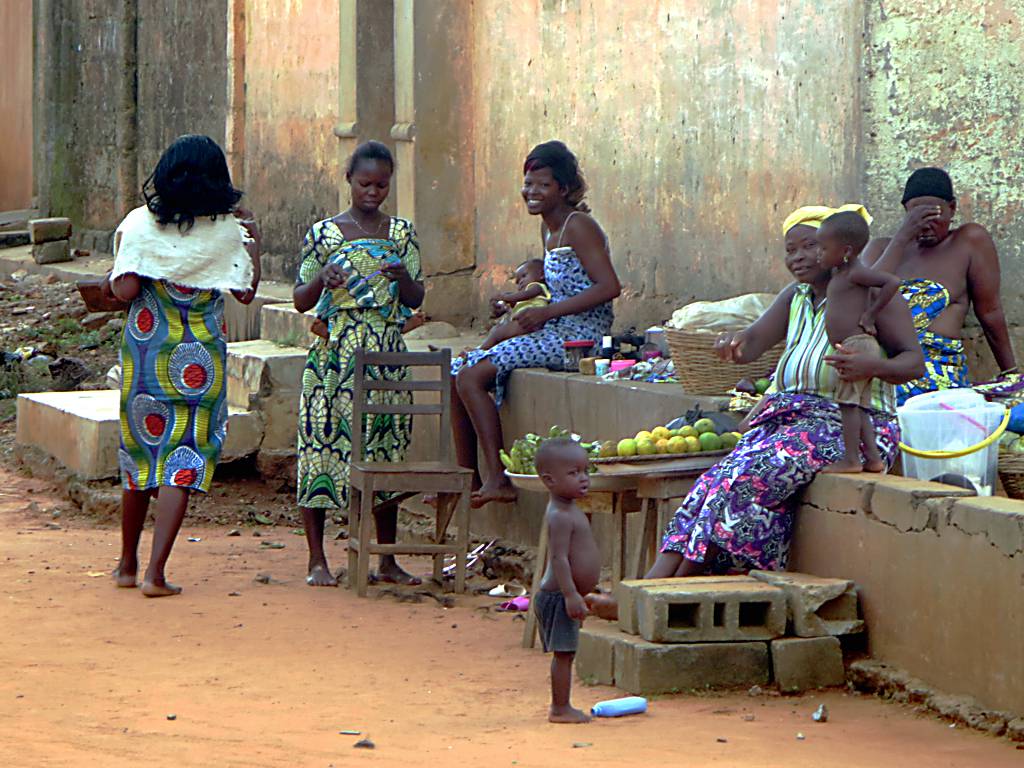
Mental Health in CzechiaThese days, the mental health landscape of Czechia is undergoing significant changes. Recognition of mental health issues has increased, and efforts to improve services and support are expanding. According to the World Health Organization (WHO), mental health disorders are very common worldwide: one in every eight people is suffering from a disorder. In the Czech Republic, trends are highly comparable to the worldwide situation, but specific problems and developments well deserve to be addressed.
Causes

These include socioeconomic conditions, lifestyle changes and the historical context. Approximately one-fifth of the population suffers from mental-health-related issues and problems, according to the National Institute of Mental Health in the Czech Republic. Depression, alcohol-related disorders and anxiety are the leading disorders reported or diagnosed in this area. Indeed, many more people could be silently suffering from these mental health disorders during times like this.

The economic transformation after the fall of communism also contributed to this factor here. As a result of rapid changes in society, increased stress levels have been created among people, which can further give way to mental health complications. Additionally, poverty strongly correlates with mental health challenges, where those in lower economic strata experience higher rates of mental health disorders and face significant barriers in accessing mental health care.

Stigma

Despite increasing mental health awareness worldwide, stigma remains a significant barrier in Czechia. According to a report by the European Union Agency for Fundamental Rights, many individuals with mental health problems in Czechia experience discrimination, particularly in employment and interpersonal relations. Cultural factors and historical contexts contribute to feelings of isolation, making it challenging for people to seek support and discuss their mental health openly.

Services

Czechia had made plans to develop and improve its mental health services, although gaps still exist. The Mental Health Atlas of WHO in 2020 indicated that approximately 30 mental health professionals per 100,000 population in the Czech Republic. The government has responded by initiating various programs to strengthen the mental health infrastructure, such as the integration of mental health services at the primary care health services and expansion at the community level.

Recent initiatives in Czechia’s mental health care include efforts to improve access to services for children and adolescents, enhance mental health education and reduce stigma. International cooperation has also facilitated the exchange of best practices, contributing to the development of mental health services in the country.

Czechia is at a critical stage in managing mental health, with significant strides being made in reducing stigma, enhancing services, and integrating mental health into broader healthcare.

– Ansha Gupta

Ansha is based in Apex, NC, USA and focuses on Global Health for The Borgen Project.

Photo: Flickr

July 9, 2024
https://borgenproject.org/wp-content/uploads/borgen-project-logo.svg 0 0 Jennifer Philipp https://borgenproject.org/wp-content/uploads/borgen-project-logo.svg Jennifer Philipp2024-07-09 01:30:032024-07-09 01:27:59The Impact of Mental Health in Czechia
Global Poverty, Mental Health

Improving Child Mental Health in Ethiopia

Improving Child Mental Health in EthiopiaEthiopia, a landlocked country in East Africa, is the continent’s second-most populous nation with an estimated 129 million people. Despite its large population, poverty is pervasive, with 68.7% of its residents classified as multidimensionally poor, according to the Oxford Poverty and Human Development Initiative. The impact on children is particularly severe, with an estimated 13 million living in poverty and two million in extreme conditions, lacking necessities such as housing, sanitation, clothing, food and education. Additionally, mental health in Ethiopia remains a significant concern, with a noticeable lack of resources and awareness compounding the challenges faced by those living in poverty. The United Nations (U.N.) emphasizes that “…it is most threatening and harmful to children, leaving them unable to enjoy their rights, to reach their full potential and to participate as full members of the society.”

Mental Health in Ethiopia

Childhood and adolescence are crucial phases for physical and mental development and poverty could hinder a child’s ability to focus on studies and connect with peers. In sub-Saharan Africa, the prevalence of depression among 10 to 19-year-olds is about 27%, significantly higher than in Europe and other high-income countries. In 2023, around 24.68% of Ethiopian children experienced mental health issues. The stark disparity in mental health prevalence between regions stems from differences in socioeconomic status, living conditions and public childcare resources. High-income countries, with more advanced childcare systems, provide minimally adequate care for depression to approximately one out of every five individuals, contrasting sharply with one out of 27 in lower-middle-income countries like Ethiopia.

Tackling the Root Source

In Ethiopia, the lack of a defined mental health system for children stems not just from inadequate resources but also from a pervasive lack of awareness. Many Ethiopians hold traditional views on mental disorders, encapsulated in the phrase “Lij Bedilu Yadgal,” which translates to “children will grow by their chance or luck.” This perspective aligns with the belief that mental health issues are spiritual and best treated through cultural or religious practices. Combined with the challenges posed by poverty, this has led to significant gaps in child psychiatric services within the health care system. Addressing these issues requires a focus on community mental health care to enhance awareness, reduce stigma, support recovery and foster social inclusion.

A New Direction

Recently, Ethiopia’s Federal Ministry of Health has initiated new mental health initiatives, including the Enrichment Center Ethiopia’s Support the Care-givers Intervention Program (SCI). This innovative program brings together a team of professionals and volunteers from around the globe to assist infants and children in meeting critical developmental needs. Despite scarce resources, SCI focuses on children aged 0 to 6, aiming to elevate caregiving knowledge by training mothers, social workers, teachers, teaching assistants and childcare staff in orphanages. The training encompasses four weeks of comprehensive sessions in eight different groups, covering essential caregiving skills such as attachment and secure base, insightfulness, reflective functioning and dialogue, emotional regulation and empathy. This approach is designed to enhance the early developmental environment for Ethiopia’s children, particularly in settings where traditional support structures may be lacking.

So far, the Enrichment Center Ethiopia’s training program has educated more than 400 caregivers, with overwhelmingly positive outcomes. Participants report reduced instances of violence, enhanced family dynamics, deeper emotional bonds with children and increased job satisfaction. Leveraging local resources and manpower, ECE’s experience serves as an inspiring model for other communities, demonstrating a cost-effective approach to raising awareness and improving mental health care for young children.

Looking Ahead

Ethiopia’s challenges with widespread poverty and inadequate mental health resources, especially for children, require ongoing attention and intervention. Initiatives by the Federal Ministry of Health and programs like the Enrichment Center Ethiopia’s caregiver training are making strides in addressing these ongoing issues. By focusing on enhancing caregiving practices and providing support, these programs aim to improve the mental health and well-being of Ethiopian children. Continued dedication to these ongoing efforts could be vital in creating a healthier and more resilient future for the country’s youth.

– Kewe Chen

Kewe is based in Memphis, TN, USA and focuses on Good News for The Borgen Project.

Photo: Flickr

July 1, 2024
https://borgenproject.org/wp-content/uploads/borgen-project-logo.svg 0 0 Precious Sheidu https://borgenproject.org/wp-content/uploads/borgen-project-logo.svg Precious Sheidu2024-07-01 07:30:272024-07-01 01:39:28Improving Child Mental Health in Ethiopia
Developing Countries, Global Poverty, Mental Health

Addressing Mental Health in Nicaragua: 3 Promising Programs  

Mental Health in NicaraguaMental health is a significant global health concern, and many countries are striving to find effective solutions. According to the 2022 World Mental Health Report, about one in eight people in the world live with a mental disorder. Creating a positive mental health environment has been a complex journey for the citizens of Nicaragua, as they have faced many external hardships, including political regimes and natural disasters.

Mental Health in Nicaragua

In Nicaragua, there is a severe lack of health care professionals for those suffering from mental health issues. According to the World Health Organization’s (WHO) Mental Health Atlas in 2020, there were only 250 mental health professionals in the entire country. That means for every 100,000 people, there are less than four mental health professionals. Medical professionals are necessary for Nicaraguan citizens to attend to their health needs. Without their care, the citizens must manage their health issues on their own.

The lack of those professionals is only one part of the problem. The places where those people go to get the help they need are also an issue. There are only five mental health outpatient facilities attached to a hospital in the country and only one main mental hospital which had a total number of 1, 179 admissions, according to WHO. This severe lack of resources for those dealing with mental health in Nicaragua can lead to many people not receiving the help they need.

Within the population of Nicaragua, approximately 24.9% live in poverty, according to the World Food Programme (WFP). Since there are few medical professionals and places, those who live in poverty and suffer from mental health have almost nowhere to go.

This difficult reality is still prevalent in Nicaragua, even so, the country is working towards fostering positive mental health. Education and outreach are two of the key factors when it comes to changing the mental health crisis. Here are three programs that are reworking mental health in Nicaragua:

ANDEPSI

Due to the lack of mental health professionals in Nicaragua, The Nicaraguan Association for the Development of Psychology (ANDEPSI) has set out to change this issue. ANDEPSI started in 2016 and has continued to promote mental health to the citizens of Nicaragua. Psychology professionals in Nicaragua are better equipped to address mental health issues through the dedication of ANDEPSI to enhancing their training. Education is the first step, as ANDEPSI works with both students in university and senior professionals, updating both groups on advancements in mental health. This leads to better-equipped workers handling mental health challenges.

The association educates those within this field and those in the community through regular educational events in the media. Through this level of outreach, the ANDEPSI is promoting a well-rounded education of professionals that trickles down to the individuals affected by mental health in Nicaragua. More educated professionals can result in those who live in poverty getting the help they need closer to them rather than travelling to one of those five outpatient facilities. The group has made small but meaningful progress such as creating alliances with national universities, joining the International Union of Psychological Science, and has organized meetings to discuss climate change action in the country, according to the American Psychological Association (APA).

The Mental Health Innovation Network

The Mental Health Innovation Network (MHIN) is conducting a research project focusing on improving Nicaragua’s mental health literacy. The project’s approach includes educating teachers who will then educate students and developing an “innovative tech platform to support youth self-education on mental health.” This allows both students and teachers to learn more about the reality of mental health and decrease the surrounding stigma. The group conducted their initial research which showed promising program results such as lower psychological distress scores among students. Researchers within the group also reported that “90% of intervention teachers and students were very satisfied with the curriculum and felt it was important to continue to offer it in school programming.”

The project plans to implement a variety of resources beyond the education curriculum, such as a platform to discuss these issues. Platforms like this help educate and encourage those who face these issues to get the help they need. The Ministry of Education plans to continue this form of education and the research group is looking to work with policymakers to increase the program’s outreach.

CISWH

The Center for Innovation in Social Work and Health (CISWH) has gone a different route regarding mental health in Nicaragua, through social work trips. In 2022, the CISWH trip partnered with many Nicaraguan companies and organizations, such as the National Autonomous University of Nicaragua FAREM-Estelí (UNAN-FAREM). The Superemos Foundation, based in Estelí, conducted psychosocial seminars as part of its community development work through health and social services.

The seminars, focused on trauma and mental health, educated many community members such as the Estelí Department of Public Defense and medical personnel from the University. CISWH travelled to other parts of the country to conduct seminars on other issues, including the environment.

Along with mental health, the group pushes for environmental activism. They met with La Mariposa, a school and hotel that uses its profits to fund rural community projects. Those on the trip learned about La Mariposa’s current plan to improve access to clean water. By educating people on these issues in communities, it brings awareness and potential help within these programs. For those living in poverty, community outreach is one of the many ways they can receive training and education on issues such as mental health and the environment.

This form of outreach allows citizens to engage with each other and get educated on global issues. In the future, CISWH plans to continue this outreach remotely as it trains UNAN-FAREM students in social and psychology.

The Path Forward

Mental health in Nicaragua is a critical and complex issue with deeply intertwined with the country’s socio-political landscape. Through these organizations, it is clear that the solutions to the mental health crisis start with educating those on the front lines. Medical professionals and students alike must be kept informed and updated on the various aspects of mental health care. Community outreach goes hand in hand with that as it empowers the citizens to receive education on this topic.

Mental health and poverty are two sides of the same coin. When a person is mentally sound, they can reach for better opportunities to work out of poverty. This boosts the economy as well since if more people are working then the economy is bound to grow. By engaging with people, the country can alleviate mental health and open the door for more conversations regarding it.

While mental health is still an ongoing issue in Nicaragua, suicide-related deaths have been improving since 2018 and stands at 4.35 deaths per 100,000. There has also been an increase in community-based mental health services from 2017 to 2020. As Nicaragua continues to navigate its country’s challenges, addressing these mental health issues needs to be a priority to ensure the well-being and resilience of its population.

– Tess Curran

Tess is based in Boston, MA, USA and focuses on Technology and Global Health for TheBorgen Project.

Photo: Wikipedia Commons

June 30, 2024
https://borgenproject.org/wp-content/uploads/borgen-project-logo.svg 0 0 Jennifer Philipp https://borgenproject.org/wp-content/uploads/borgen-project-logo.svg Jennifer Philipp2024-06-30 03:00:222024-06-30 01:35:34Addressing Mental Health in Nicaragua: 3 Promising Programs  
Global Health, Global Poverty, Mental Health

Partners in Health Aids Poverty Reduction Through Health Care

Partners in HealthPartners in Health (PIH) is a nonprofit global health organization committed to providing better health care to people struggling with extreme poverty across 11 countries. PIH strives to build relationships with sister organizations in countries where poverty is a major issue, aiming to improve health care access. It achieves this through two main approaches: delivering the benefits of modern medical science to those most in need and serving as an antidote to despair.

Poor health care and overall health significantly contribute to poverty in a country’s population. Many people living in poverty cannot afford treatment, leading to untreated illnesses and long-term health issues. However, stronger health care systems enable developing countries to enhance the overall status of their health services. Providing better health care means the population is healthier, can work, attend school and thrive rather than survive. Additionally, improving health care in developing nations boosts the economy, as a healthier population is more productive, contributes more effectively to the workforce and stimulates economic growth.

Global Reach and Mental Health Initiatives

PIH operates in countries across four continents, including Haiti, Rwanda, Peru, Mexico, Malawi, Liberia, Sierra Leone, Lesotho, Kazakhstan and the United States (U.S.). The organization strengthens public health systems to ensure patients receive necessary care in their homes, local clinics or regional hospitals. Globally, PIH employs approximately 18,000 staff members, 99% of whom are from the countries where it serves.

PIH has established the Cross-Site Mental Health Program as one of its initiatives to support mental health development in the countries where it operates. Unlike many other NGOs, PIH strongly emphasizes community-based, primary care and hospital-linked mental health systems. This program addresses severe mental health conditions in areas that typically have little support for mental health.

Vision and Strategy for Mental Health Care

Many factors contribute to mental health issues, with some of the primary ones being homelessness or lack of home security, unemployment or unreliable income and family breakdowns, often due to the separation of families. While numerous other factors can affect mental health, many people living in poverty experience at least one of these issues. PIH aims to make the greatest impact on these individuals.

Partners in Health (PIH) aims to enhance the lives of poorer communities globally by increasing mental and psychological support in developing countries. Through its PIH Mental Health Value Chain, the organization strives to ensure that people receive the treatment they need, enabling them to lead better lives and escape poverty. The PIH model is built on four key pillars designed to improve mental health care in developing nations and enhance lives through better health care. The key pillars are as follows:

  • Clinical care and training. Mental health requires professionals trained to address such issues. Therefore, this pillar offers the necessary supervision and mentorship to support mental health initiatives.
  • Program management. This approach ensures that resources are directed in the most efficient ways to optimize their use.
  • Meaningful data collection. Research is essential for gaining a better understanding of issues in developing nations through monitoring and evaluation.
  • Shared learning. The Cross-Site Mental Health Learning Collaborative enhances understanding of mental health issues through both in-person and technological interactions.

Health Care Improvements in Haiti

By improving health care related to mental illnesses, developing nations can boost morale and begin to reduce poverty levels, as poverty and mental health issues are often interconnected. People experiencing poverty are typically more at risk of mental health issues, so addressing mental health can also help decrease poverty. An example of Partners in Health’s (PIH) efforts to provide better mental health care is its work in Haiti, a developing Caribbean island nation with a long history of economic and political turmoil, natural disasters and postcolonial exploitation.

PIH and its partners have developed a more reliable health care system in Haiti, previously unavailable in the country. The program has integrated mental health into primary care through a task-sharing model in collaboration with the Ministry of Health (MOH). As a result, psychologists, social workers, nurses, physicians and community health workers have become more common in the country, enhancing health care provision. This improvement means that people living in poverty have better access to care and increased chances of recovery. An enhanced health care system benefits developing countries in four main ways: it boosts productivity, reduces absenteeism from work and school, decreases poverty and improves quality of life.

Looking Ahead

As Partners in Health (PIH) expands its efforts to provide health care and mental health services in impoverished regions, the organization continues to make a significant impact on global health outcomes. By collaborating with local entities and enhancing health care infrastructure, PIH is fostering resilience and a better quality of life for communities in need. Moving forward, its work in improving health care access and mental health support promises to contribute to the economic and social development of the countries it serves, leading to more sustainable and healthier futures.

– Lachlan Wellington

Lachlan is based in Fareham, UK and focuses on Technology and Global Health for The Borgen Project.

Photo: Flickr

June 26, 2024
https://borgenproject.org/wp-content/uploads/borgen-project-logo.svg 0 0 Precious Sheidu https://borgenproject.org/wp-content/uploads/borgen-project-logo.svg Precious Sheidu2024-06-26 07:30:232024-06-25 04:29:54Partners in Health Aids Poverty Reduction Through Health Care
Page 5 of 7«‹34567›»

Get Smarter

  • Global Poverty 101
  • Global Poverty… The Good News
  • Global Poverty & U.S. Jobs
  • Global Poverty and National Security
  • Innovative Solutions to Poverty
  • Global Poverty & Aid FAQ’s
Search Search

Take Action

  • Call Congress
  • Email Congress
  • Donate
  • 30 Ways to Help
  • Volunteer Ops
  • Internships
  • Courses & Certificates
  • The Podcast
Borgen Project

“The Borgen Project is an incredible nonprofit organization that is addressing poverty and hunger and working towards ending them.”

-The Huffington Post

Inside The Borgen Project

  • Contact
  • About
  • Financials
  • President
  • Board of Directors
  • Board of Advisors

International Links

  • UK Email Parliament
  • UK Donate
  • Canada Email Parliament

Get Smarter

  • Global Poverty 101
  • Global Poverty… The Good News
  • Global Poverty & U.S. Jobs
  • Global Poverty and National Security
  • Innovative Solutions to Poverty
  • Global Poverty & Aid FAQ’s

Ways to Help

  • Call Congress
  • Email Congress
  • Donate
  • 30 Ways to Help
  • Volunteer Ops
  • Internships
  • Courses & Certificates
  • The Podcast
Scroll to top Scroll to top Scroll to top