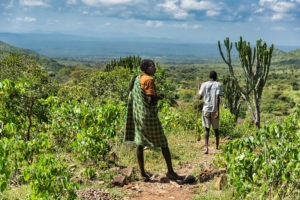
 In Uganda, a country in East Africa, men’s mental health is an issue that tends to be ignored and often overlooked. Cultural expectations have left men with little to no room to bring their psychological problems forward. This results in “serious consequences, including untreated depression and increased risk of suicide.”
The Burden of Masculinity
Men in Uganda face the expectations of appearing physically and mentally strong. These expectations can put a strain on their mentality and ability to come forward with emotional struggles. Traditional gender norms view men’s mental health as insignificant. It is seen as a weakness if a man cannot restrain his emotions.
Masculinity in Uganda is traditionally achieved through authoritative attitudes, control and being the provider and protector of their families. The pressure to provide and always appear strong can cause built-up anger or depression, leading to domestic abuse and an absent role in the family. Societal expectations for men to suppress their emotions prevent healthy coping mechanisms, which is worsened by the lack of services available to confront men’s mental health issues.
Mental Health Challenges
Mental health is not prioritized in Uganda, leaving the country as one of the top six in Africa with depressive disorders. Indeed, out of the total 4.6% who live with depressive disorders and 2.9% with anxiety disorders, 3.6% consist of men. The most common mental health challenges among men in Uganda include depression, anxiety and high stress levels.
With a lack of mental health services, some men turn to alcohol and substance abuse, with the possibility of suicide attempts. Alcoholism stems from men’s mental health issues in Uganda. They “are estimated to have one of the highest alcohol per capita consumption levels in sub-Saharan Africa.” The number of men who depend on pure alcohol sits at an estimated 4.2%, with a total consumption of 16 liters each year.
Resources to combat men’s mental health are scarce and mainly based in urban centers. Uganda as a whole has 53 psychiatrists, approximately one psychiatrist per 1 million people. Kampala, the country’s largest city, has a single psychiatric hospital. This lack of access to services highlights the challenges individuals with mental health issues in Uganda face.
Support Networks for Ugandan Men
Multiple steps have been taken in recent years to address Ugandan men’s mental health challenges. Indeed, support groups for fathers in Uganda are one example. It’s been shown that early involvement in their child’s life challenges stereotypes, creating a better individual and life at home.
Plan International has provided Ugandan men with an environment where they can speak openly about the issues they may be having at home. Furthermore, they advise on better communication and coping techniques. Similarly, local organizations such as StrongMinds are working to supply mental health care and bring further awareness to the cause.
StrongMinds has provided group therapy sessions where comfort is offered to men who go against cultural expectations and choose to express their emotions. Special programs have also been applied in Ugandan prisons and the Ugandan police force. In these programs, relationship issues, struggles with individual or gender roles and grief are discussed, offering empowerment through communal support.
Conclusion
Mental health remains a complex and often stigmatized issue for men in Uganda, however, meaningful progress is being made. Indeed, through support groups, therapy sessions, and targeted programs, more men are finding safe spaces to express themselves, challenge harmful stereotypes, and build healthier relationships.
– Sarina Francis
Sarina is based in Tallahassee, FL and focuses on Global Health for The Borgen Project.
Photo: Flickr
 In 2024, the

 After
After