Addressing Mental Health in Lesotho
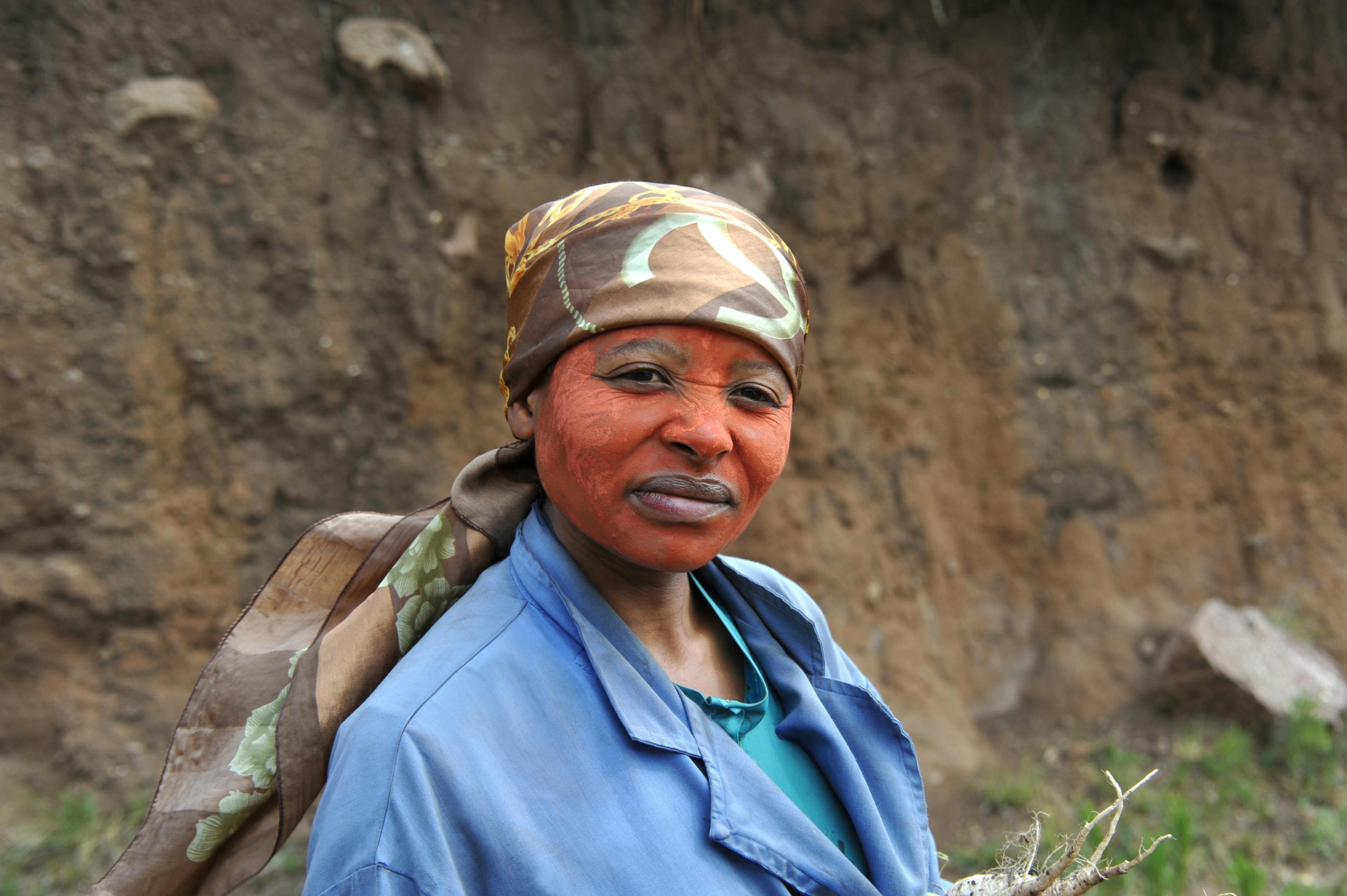 The Kingdom of Lesotho is located in South Africa and has a population of two million. Right now, the country is facing its own unique set of struggles and issues. Concentrated areas are often poverty-stricken due to limited employment opportunities, lack of access to necessities and services, as well as high vulnerability to environmental and economic crises. About 24% of citizens in Lesotho live in extreme poverty, while around 580,000 citizens suffer from food insecurity. Additionally, Lesotho has one of the highest HIV prevalence rates in the world at 22.7% as of 2023, as well as a high rate of tuberculosis, which is greatly affecting the health of the country’s already limited health care workers.
These problems compromise the state of mental health in Lesotho. In fact, the latest report shows that the country had one of the highest rates of suicide in the world for that year, with 87.5 suicide-related deaths for every 100,000 deaths. These numbers are alarming and justify claims that state that there is a mental health crisis in Lesotho. The existence of such a severe mental health crisis serves as a testament to the challenges and stressors endured by the Basotho people.
Despite the acknowledgment of such a crisis, many Basotho will not seek help, whereas many others cannot afford to do so. Lesira Rampa, a Lesotho native, wrote, “Unfortunately, there are numerous challenges in accessing mental health treatment in Lesotho, as evident from the alarming suicide statistics. Despite facing stigma, we encounter several problems, including a shortage of mental health care services and limited financial resources to afford expensive treatments.” In light of these obstacles that prevent Lesotho citizens from accessing mental health services, many organizations such as Help Lesotho, Dolen Cymru and Sentebale are working within the country to assist those in need.
Increasing the Number of Mental Health Care Providers
Lesotho has been suffering from what experts call a “brain drain,” which is the emigration of trained professionals from their country of origin to other countries in order to find jobs. This brain drain has made it difficult for Lesotho to retain a stable number of health care workers, causing a great amount of strain on the physicians and nurses who choose to stay. This shortage has detrimentally impacted the quality and quantity of mental health services available to those suffering from mental illnesses.
Paul Myres, Vice-President of the nonprofit organization Dolen Cymru, told The Borgen Project in an interview that, currently, there are no psychiatrists in Lesotho. In order to remedy this issue, Dolen Cymru administers mental health training, which was developed by the World Health Organization (WHO), to upskill general health care providers within the country. Myres describes the training program as a WHO-designed, multi-professional training program that Dolen Cymru was tasked with implementing. It involved just five days of instruction and relied heavily on algorithms, with a structured approach of asking questions to gather patient information and proceeding accordingly based on the responses.
More than 100 health practitioners received this training, which has aided in improving the understanding of mental health among general Lesotho nurses and doctors. Myres says that the philosophy of Dolen Cymru is to capacitate rather than to provide direct care. Such a unique and innovative philosophy can prove effective in empowering citizens to seek out more information on mental health concerns while preserving their dignity.
One-On-One and Group Counseling
There are a generous number of organizations working in Lesotho to provide help during this mental health crisis, each with its unique approach. Help Lesotho is an organization that focuses on providing one-on-one and group counseling to those in need. Help Lesotho offers a range of non-intensive and long-term intensive self-help and life-skills programs. Its variety of programs is designed to benefit parents, children and communities. These programs address mental health concerns stemming from issues such as poverty, grief and loss, HIV/AIDs and much more.
In 2023, Help Lesotho’s long-term intensive programs had more than 2,000 participants and the organization had one-on-one psychosocial support conversations with more than 960 people. Those who received assistance and guidance from Help Lesotho noticed an increase in confidence, a new-found sense of belonging and a desire to inspire others.
Stigmas: Obstacles To Providing Mental Health Support
Although several organizations are addressing the need for mental health services in Lesotho, certain obstacles can stand in the way of their efforts. It is especially difficult to reverse the effects of the social stigmas surrounding mental health in Lesotho. Meyers mentioned in his interview with The Borgen Project that mental health issues are often seen as a punishment in Lesotho, either for the individual or even their parent’s behavior.
Ms. Mota, a psychiatric nurse at Mohlomi Hospital, has spoken out about these stigmas, stating that “Because of misconceptions and stigma surrounding mental health issues, people sometimes suffer in silence and do not seek treatment for their conditions.”
Thankfully, training and programs such as the ones offered by Dolen Cymru can help reduce the influence of such stigmas. Meyers says that when trainers ask doctors to come up with a list of words describing their initial response to mental health, fear is always at the top of the list. “The good news,” he says, “is that by the end of the week, we ask the same question and that’s all gone.”
Conclusion
Lesotho, just like any country, has its own unique set of stressors and difficulties. Fortunately, organizations such as Dolen Cymru and Help Lesotho are going to great lengths to provide Lesotho with the assistance it needs. However, there is definitely still work to be done.
– Kimber Peters
Photo: Pexels
